
REVIEW · THE BALTIC
Rostock: City Walking Tour
Rostock feels like a living puzzle. This 2-hour walk links the Hanseatic old town with the historic harbor area, guided by Anne Kirchmann. You get the big-picture story in a format that still lets you look up, look around, and ask questions.
I especially like two things. First, you hit the main anchors fast and clearly, including the Rathaus and the gothic church zone, without turning it into a textbook. Second, the guide keeps the focus on a smooth walking loop through alleys, riverside boulevards, and university-square surroundings.
One drawback to plan for: it is 2 hours on foot and it is not suitable for mobility impairments. Also, the live tour guide is German only, so it works best if you’re comfortable with that.
In This Review
- Key highlights worth showing up for
- Where the tour starts, and why that matters
- Hanseatic old town streets: town hall to the core of the city
- Gothic churches and the medieval city wall story
- Quiet alleys and riverside boulevards, plus how to read them
- University square stop: the city is more than medieval
- Historic harbor area, and the shift toward the 20th century
- The guide approach that keeps 2 hours enjoyable
- Price and value: $147 per group up to 6
- Practical tips so you enjoy every stop
- Who this tour is best for
- Should you book this Rostock walking tour?
- FAQ
- How long is the Rostock city walking tour?
- What is the price for the tour?
- Where do we meet the guide?
- What language is the live tour guide?
- Is this tour a private group experience?
- What areas of Rostock does the tour cover?
- What is the cancellation policy?
- Is the tour suitable for people with mobility impairments?
Key highlights worth showing up for
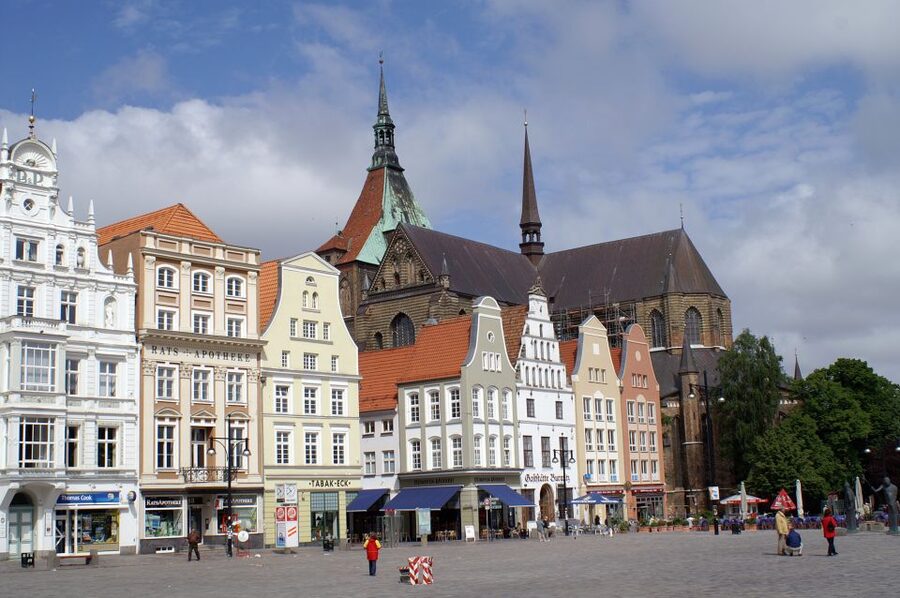
- Meet at the Rathaus, Greif sign included: you start at the main entrance under the griffin symbol, a great “orientation point” for the old town.
- A practical overview, not a lecture marathon: the pacing is meant to stay enjoyable while still giving real context.
- Town hall, gothic churches, and the medieval city wall theme: you’ll connect the sites to how Rostock functioned.
- Old-town alleys plus riverside boulevards: you see both the “tight streets” feel and the open waterfront vibe.
- Historic harbor area, plus a shift toward the 20th century: you get a sense of how the city changed over time.
- You can ask questions on the move: the format is built for conversation, not just listening.
More Baltic harbours and island days
- Rostock: Guided tour of the historic city center★ 4.5 · 311 reviews
- Rostock: Full-Day, Half-Day, or Sunset Sailing Experience★ 4.7 · 174 reviews
- Rostock: Electric Boat Rental on the Warnow River★ 4.8 · 106 reviews
- Lovely Rostock and Warnemünde Shore Excursion for Cruise Ships★ 5.0 · 44 reviews
Where the tour starts, and why that matters
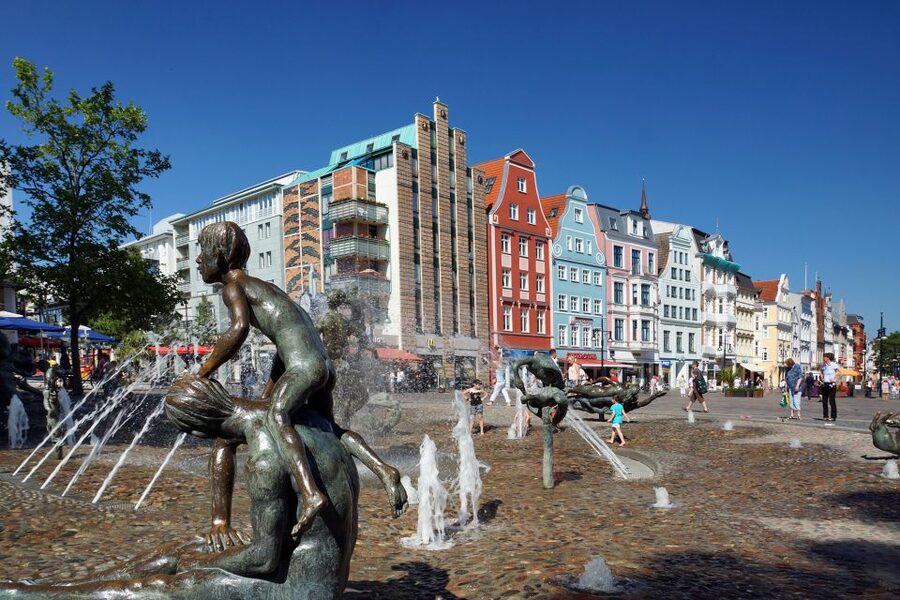
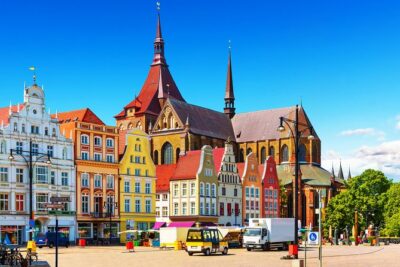
Meeting point is in front of Rostock’s Rathaus, at the main entrance, under the symbol of the Greif. If you like quick orientation, this is a strong start. Town halls in Northern Germany are more than pretty buildings, they signal civic power, and you’ll notice that theme as the walk unfolds.
Starting at the Rathaus also helps you build a mental map right away. You are not wandering blindly for the first 30 minutes trying to figure out what connects what. You get a clear launch point, then the guide threads the route through the old center.
Hanseatic old town streets: town hall to the core of the city
The tour is designed to give you a solid overview of Rostock’s key sites within a short window, and the early part is where you build context. You’ll spend time in the town center and move through the older streets that make this kind of city feel different from a newer grid.
The Rathaus stop is your first big “anchor.” Even if you do not go inside, seeing the setting and hearing how the guide frames its role gives you a better sense of what you’re looking at. It’s the difference between passing by a landmark and understanding why it sits where it does.
As you walk, you’ll also learn how Rostock’s Hanseatic identity shows up in the city fabric. You will connect the medieval architecture to civic life, trade, and the importance of the harbor. This is not about memorizing dates. It’s about getting a feel for how a trading city organized itself.
Gothic churches and the medieval city wall story
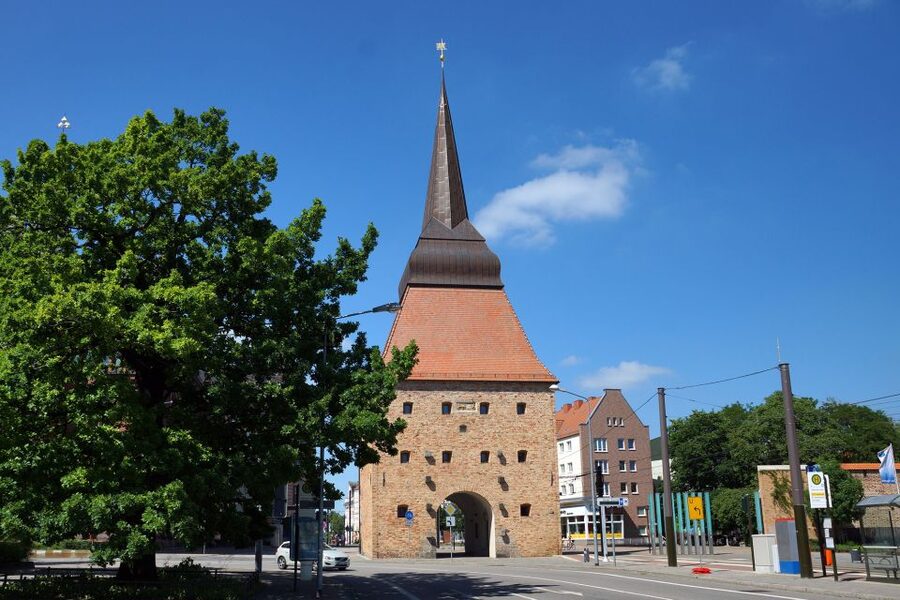
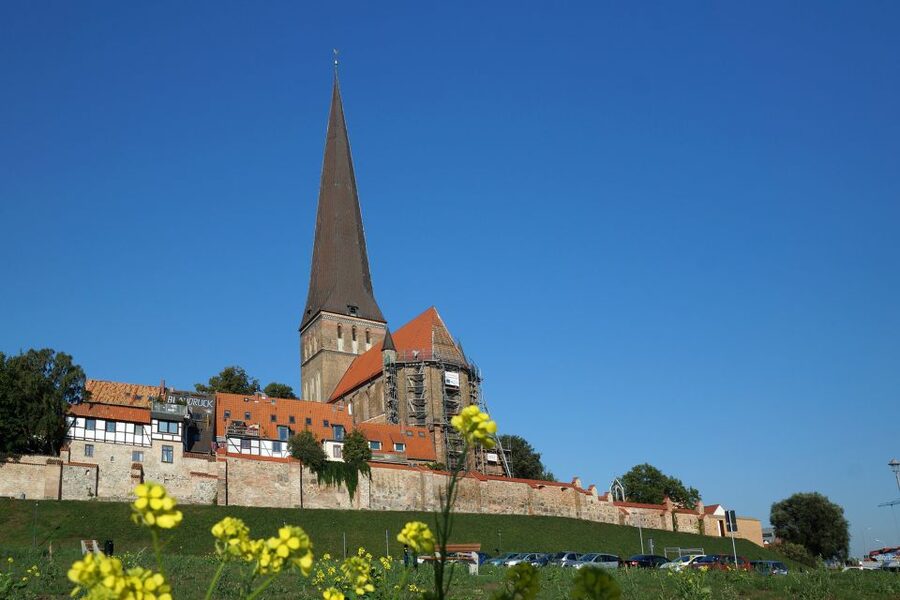
A major theme of the walk is the relationship between major religious landmarks and the defensive structure of the medieval city. The guide covers major city sites like gothic churches and the medieval city wall, and you’ll hear them explained as part of one bigger system.
Gothic churches in places like Rostock often feel “architectural,” but you’ll get the human side too. Think of them as community markers, built to last and meant to represent stability. When you pair that with the medieval city wall theme, you start to see the city as something designed to protect, project, and function.
The medieval city wall part is especially useful if you’ve ever toured a walled city and felt like the wall was just an interesting leftover. Here, the guide helps you connect what you see with why it mattered. You come away with a clearer mental picture of how the city boundaries shaped daily life.
Quiet alleys and riverside boulevards, plus how to read them
One of the best parts of this walking tour is that it does not only cover big monuments. You also move through old-town alleys and riverside boulevards, and that change of scenery is not random.
Alleys teach you the scale of the city. They show you how close things were, how streets funneled movement, and how the old center feels when you slow down. You’ll get more out of these lanes if you treat them like “visual evidence,” not just passageways.
Then the riverside boulevards shift you back into open space. That contrast makes the harbor and trade story easier to understand. Even if you’re not reading plaques, you can feel how the city breathes near water and how that link likely shaped where people went, worked, and built.

University square stop: the city is more than medieval
Another site covered is the university square. It’s a smart inclusion because it prevents the tour from becoming only medieval atmosphere.
This stop gives you a sense of Rostock as an active, living city, not a museum set. The Hanseatic story matters, but so does the modern pulse. Hearing how the guide frames major landmarks in relation to the present helps you keep the whole city in view.
If you’re the type who likes to understand “past to present,” this is where the walk starts to feel balanced. You see the medieval anchor points, then you’re reminded that cities keep evolving after the trading era.
Historic harbor area, and the shift toward the 20th century
The tour includes the old town and the historic harbor area, with a timeline that stretches from medieval architecture into the 20th century. That time span is valuable because it matches how Rostock actually feels when you look closely.
The harbor zone is where trade stops being an abstract concept. You’re moving through an area that makes sense with the Hanseatic theme, and you’ll hear the guide connect the city’s development to its maritime role.
The “medieval to 20th century” arc is the part that helps you avoid a common walking-tour trap: thinking a city is stuck in one era. By covering both, you get a more realistic picture of continuity and change.
The guide approach that keeps 2 hours enjoyable
The tour is short: 2 hours. That is exactly why the guide style matters. The explanations are meant to stay focused on key sites and context, not turn into a long history lecture.
I like that the format encourages conversation and questions. On a walking tour, that makes a big difference. If something catches your eye, you can ask right then, instead of waiting until the end when you might forget the details.
From what I can tell from the guide feedback style, the best experience comes from arriving with curiosity. You do not need to study beforehand, but you will enjoy it more if you’re open to learning a few connected ideas: how the town hall fits civic power, how churches relate to community, and how walls and water tie into the city’s priorities.
Also, this is a private group experience. That usually means the guide can pace things around your group’s energy, rather than racing through everything for a larger crowd.
Price and value: $147 per group up to 6
The price is $147 per group, for up to 6 people, over a 2-hour private walking tour with an expert guide. That pricing works out well if you’re traveling in a small circle: think couples, friends, or a small family who wants everyone together.
You should compare value in two ways. First, you are paying for a guide and time-efficient route structure through key areas. Second, you are buying convenience: a clear starting point at the Rathaus and a loop that covers major themes without you having to plan every turn.
If you’re solo, the “per group” pricing can feel higher than group tours. But if you want a more conversational experience and a consistent pace, private format can be worth it. If you’re a small group, it often ends up being a very practical way to see the center in limited time.
Practical tips so you enjoy every stop
This is a walking-focused tour, so wear shoes you’re comfortable in for a solid 2 hours. If you are sensitive to cold or rain, plan your layers, because Northern German weather can shift quickly during outdoor tours.
Bring a question or two. Ask about the medieval city wall theme, or about how Rostock’s harbor history shaped the town center. The guide’s job here is to explain and connect, and the format is designed for interaction.
One more honest note: the tour is German language. If your German is basic, you might still follow the site explanations through context and visuals, but comfortable language skills will make it far more rewarding.
Who this tour is best for
This Rostock walk is a great fit if you want a quick, structured introduction to the city center. It works well for first-time visitors who like to learn the main landmarks, but also want time to wander through alleys and waterfront stretches.
It’s also a good choice if you prefer an overview tone. You will get meaningful context on the Hanseatic city feel, gothic churches, the medieval city wall theme, and the harbor area, but you should not expect a long, ultra-technical deep history session.
If you need mobility access accommodations, it is not suitable for mobility impairments. In that case, you may want to look for a different kind of experience that matches your pace and physical needs.
Should you book this Rostock walking tour?
Book it if you want an efficient, conversation-friendly way to understand Rostock. Starting at the Rathaus under the Greif symbol gives you instant orientation, and the route balances major sites with the streets and riverside stretches that make the city feel real.
Skip it if German-only guiding is a problem for you, or if you need a mobility-friendly format. For everyone else, this is a strong 2-hour plan to connect medieval architecture, civic landmarks, and the harbor story, then bring it forward toward the 20th century with a guide who keeps things clear and moving.
FAQ
How long is the Rostock city walking tour?
It lasts 2 hours.
What is the price for the tour?
The price is $147 per group, up to 6 people.
Where do we meet the guide?
Meet in front of the Rathaus (town hall) at the main entrance under the symbol of the Greif (griffin).
What language is the live tour guide?
The guide provides the tour in German.
Is this tour a private group experience?
Yes, it is listed as a private group.
What areas of Rostock does the tour cover?
The tour covers the old town and the historic harbor area, including key sites in the town center such as the town hall, gothic churches, the medieval city wall, old-town alleys, riverside boulevards, and university square.
What is the cancellation policy?
Free cancellation is available up to 24 hours in advance for a full refund.
Is the tour suitable for people with mobility impairments?
No, it is not suitable for people with mobility impairments.
Seeing Rostock in One Go
Along the Baltic Shore
Everything else we filed on Rostock
- Distillery tour with guide!
★ 4.7 · 14 reviews - Rostock: Hot Rod Harbor City Tour
★ 4.9 · 16 reviews - Warnemünde Shore Excursion: Private Tour of Berlin’s World War II and Cold War Sites
★ 5.0 · 17 reviews - Rostock: Hot Rod Sightseeing Tour to Warnemünde
★ 5.0 · 19 reviews - Rostock: Tour with the Rostocker Executioner
★ 4.7 · 28 reviews - Lovely Rostock and Warnemünde Shore Excursion for Cruise Ships
★ 5.0 · 44 reviews
Baltic Coast and Island Tours, side by side.
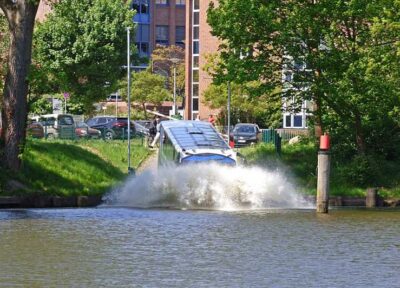 ★ 4.0Lübeck: 1-Hour Splash Bus City TourFrom $352,626 reviews
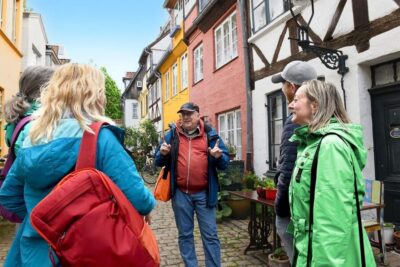 ★ 4.7Lübeck: entertaining guided tour to old town highlightsFrom $16594 reviews
 ★ 4.7Schwerin: City Highlights Guided TourFrom $12541 reviews
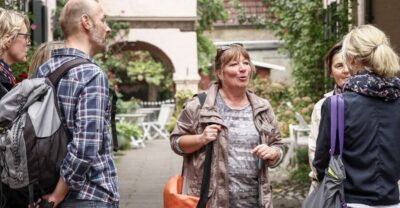 ★ 4.8Lübeck: Entertaining Tour Through Hidden CourtyardsFrom $20483 reviews
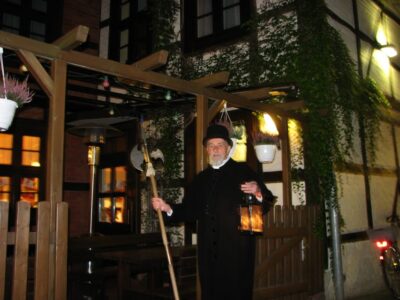 ★ 4.5Schwerin: Tour with the Night WatchmanFrom $15366 reviews
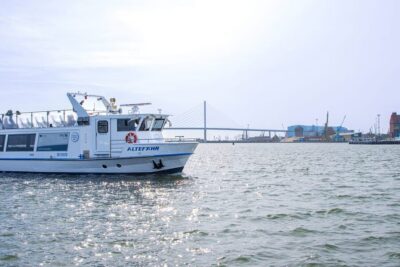 ★ 4.6Stralsund: 1-Hour Harbor CruiseFrom $15365 reviews
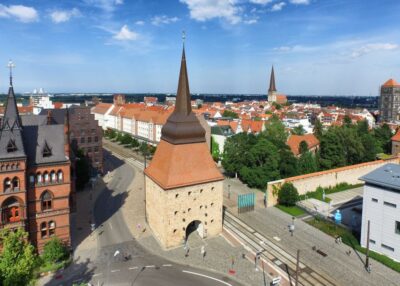 ★ 4.5Rostock: Guided tour of the historic city centerFrom $17311 reviews
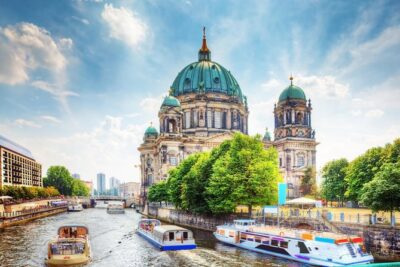 ★ 4.5All-in-One Berlin Shore Excursion from WarnemundeFrom $83293 reviews
Other lists this tour is on