
REVIEW · WARTIME HISTORY
Private Warnemuende Shore Excursion: Third Reich Berlin
Berlin hits hard, in the best guided way. This is a private, English-language day built around major World War II and Nazi-era sites, from the Reichstag area to multiple targeted memorials. I like that you get focused commentary, not just photo stops, and I like the crowd-avoidance of a private format. The main drawback is that it is a heavy subject day, so go in with the right mindset and energy.
This route also helps you see how Berlin moved from propaganda and power into mass persecution and, eventually, resistance and remembrance. Stops include the Reichstag area (inside entry is not included), Berlin’s Jewish quarter area, and the former Nazi government district along Wilhelmstrasse. Guides can be the difference between a list of monuments and real understanding, and the standard here is high, with names like Ania, Cesar, Ysanne, and Ken showing up in past groups.
Logistics are fairly straightforward: you meet your driver at the cruise terminal just after the official border crossing, and the tour runs about 11 hours. You’ll use a mobile ticket, and the stop-by-stop admissions are listed as free on the tour details. Since you’re on your feet for a long day, plan comfortable shoes and be ready for a lot of walking through Berlin’s layers.
In This Review
- Key things I’d watch for on this Third Reich Berlin tour
- A private Third Reich Berlin route built for real understanding
- Pickup in Warnemünde, then a long Berlin day that moves quickly
- Warnemünde start, then Tiergarten’s Soviet memorial twist
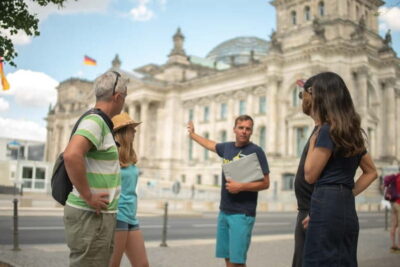
- The Reichstag area and the Nazis’ rise, explained outside the building
- Memorials for Sinti and Roma, plus the Victory Column site
- Hitler’s bunker site area and the final days framing
- Homosexuals persecuted, then the Nazi euthanasia program memorial
- Holocaust Memorial walking space and the Topography of Terror exhibition
- Book burning at Bebelplatz, Otto Weidt’s story, and Stauffenberg’s plot
- Brandenburg Gate and the former royal entrance through a 1933 lens
- How the guides turn monuments into a story you can remember
- Price and value: why $895.09 can make sense, and when it might not
- Who should book this tour from Rostock
- Should you book the Third Reich Berlin private shore excursion?
- FAQ
- Is this tour private?
- Where do you get picked up in Warnemünde?
- How long is the Third Reich Berlin tour?
- What language is the tour offered in?
- Is the Reichstag Building visit including entry inside?
- Can I cancel and get a refund?
Key things I’d watch for on this Third Reich Berlin tour
- Private routing with English commentary focused on how Nazi Germany operated, not just what the buildings look like
- Reichstag area without interior entry, so you’ll spend time on interpretation and the surrounding sites
- Memorial sequence that broadens the story, including Sinti and Roma, LGBTQ victims, and the Nazi euthanasia program
- Multiple remembrance stops with different approaches, from Holocaust Memorial walking space to the Topography of Terror exhibition
- A full “power to collapse” arc, including Hitler’s bunker site area and the surrounding former government district
- Highly engaging guides, from Cesar with fun socks to Ania, who explains Berlin’s history with precision and vivid detail
Further wartime history walks we have written up
A private Third Reich Berlin route built for real understanding
This is not a generic Berlin highlights tour. The whole point is to trace the Third Reich through places where power was staged, crimes were organized, and memory is kept today. You’ll get a guided storyline that connects buildings, streets, and memorials so your brain does not treat them as separate dots on a map.
That focus matters because Berlin can feel confusing if you only see the famous landmarks. Here, the “famous” stops show up for context, like the Reichstag area and Brandenburg Gate, but the tour uses them to explain how politics, propaganda, and violence turned real fast.
The private format is the other big deal. Even when Berlin is busy, you’re not stuck in a large herd. You can ask questions as you go, and the guide’s flow stays controlled. It’s a better fit if you want meaning over speed.
Pickup in Warnemünde, then a long Berlin day that moves quickly
You start in Rostock, with pickup in Warnemünde at the cruise terminal area, right after the official border crossing. That helps if you’re doing this as a shore excursion because it reduces guesswork.
From there, you’re looking at about 11 hours total. Stops are usually short, often around 10 to 15 minutes, which means the guide has to pack a lot into each location. This is not the tour for people who need slow, lingering museum time between every stop.
You’ll also get a mobile ticket, and group discounts can apply. The tour is offered in English, and it’s listed as near public transportation, which is useful if you need options while in the area.
Practical tip: bring water and snacks if you can. The tour includes many serious sites and memorials, and you might not want to spend your energy hunting for food mid-day.
Warnemünde start, then Tiergarten’s Soviet memorial twist
The day begins at Warnemünde with pickup, then heads into central Berlin. One early stop is the Soviet War Memorial in the Tiergarten. The guide explains the history, including a key detail that the memorial was built in a way that would end up in West Berlin.
That kind of fact is why a guided route helps. It reframes Berlin’s division era, not as abstract Cold War trivia, but as physical geography and political intent. You’re also getting an early reminder that World War II in Berlin did not have one clean victor story. The city was the prize, and it was contested.
This stop is short, but it sets the tone: Berlin’s monuments are not neutral. They were placed in the middle of power struggles.
The Reichstag area and the Nazis’ rise, explained outside the building
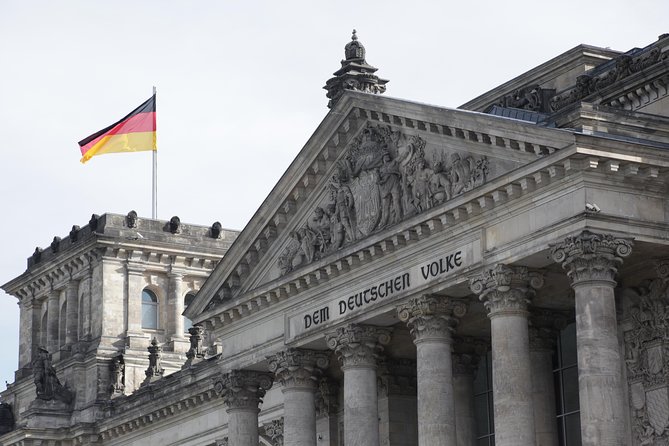
Next comes the Reichstag Building area. The tour’s emphasis is on the rise of the Nazis and the course of World War II. You learn the story without counting on interior visits, because entry into the building is not included.
That can actually be a plus. Without fighting crowds for an indoor view, the guide can talk about what matters most: symbolism, timing, and how Nazi power used state structures and public space. You’ll see the building as a stage, not just as architecture.
If you’re the type who likes to photograph landmarks, you’ll get your photos. Just don’t expect this to be a “checklist of interiors.” The value here is the interpretation of what the building represented in its day.

Memorials for Sinti and Roma, plus the Victory Column site
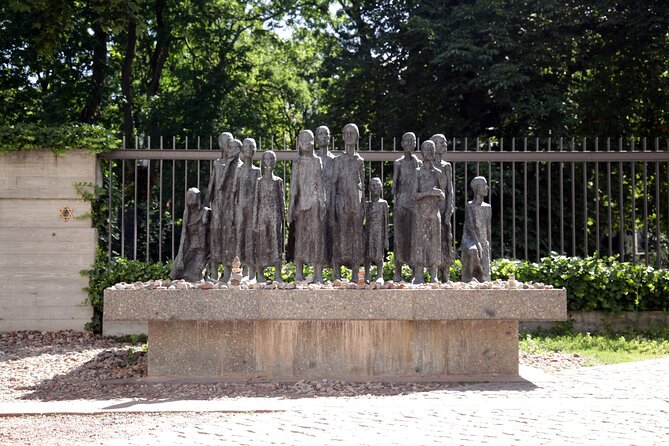
After the Reichstag area, you’ll stop at the Memorial to the Sinti and Roma Victims of National Socialism. The guide explains the crimes the Nazis committed against Sinti and Roma, and why this group’s persecution is part of the full story of the regime.
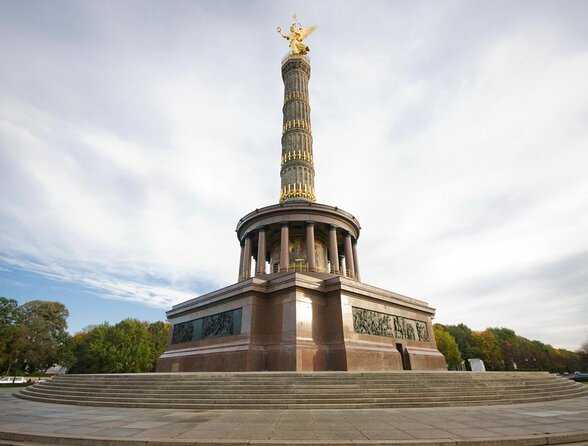
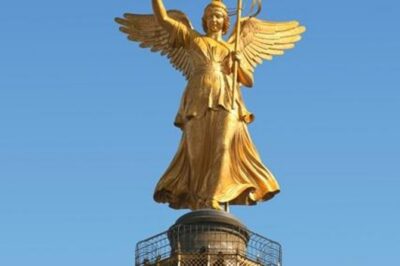
Then the tour moves to the Victory Column (Siegessaule) site. The guide covers the history of the location, helping you connect imperial-era messaging to later uses of power symbolism.
This pairing is effective because it shows a pattern: regimes use public monuments and visible space to teach people what to believe. Some of that happens through outright propaganda. Other parts happen through selective memory, which later generations must undo.
Hitler’s bunker site area and the final days framing
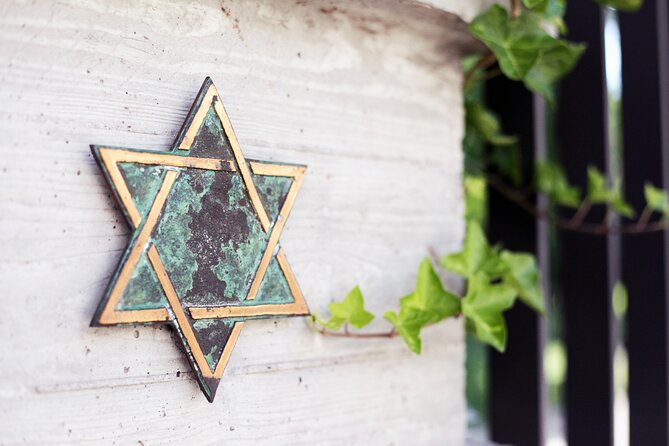
One of the most intense stops is the Fuhrerbunker area, the former site of Hitler’s bunker. You’ll hear about Adolf Hitler’s life with emphasis on the final 10 days.
This stop tends to hit differently because it’s not just about dates and facts. It pushes you toward the “how did things collapse” question. The guide’s focus on the final days gives you a sense of urgency, not a slow-moving textbook story.
From there, you’ll also walk through the former Nazi government district area, including Wilhelmstrasse. This is where the guide points out former locations tied to Nazi leadership, including places associated with Goebbels’ Propaganda Ministry and Goering’s Air Ministry. You’ll also hear about the New Reich Chancellery and the exact position of Hitler’s bunker.
Small timing note: the tour segment here is brief. That means listen closely, because you might not get a long “walk and stare” moment. If you’re the kind of person who likes to process slowly, bring your questions. Ask them. That’s how private tours pay off.
Homosexuals persecuted, then the Nazi euthanasia program memorial
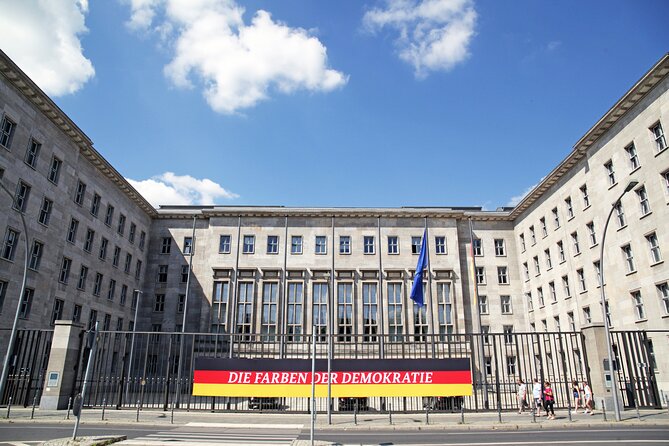
The tour includes a Monument to Homosexuals Persecuted Under the National Socialist Regime. The guide explains the history of LGBTQ victims under National Socialism, and how those harms had effects that continued well after 1945.
It’s an important stop because it broadens the frame. When people picture the Third Reich, they often picture one type of victim. Here, you see the regime’s reach through laws, policing, and social violence.
Then you move to T4, the Memorial for the Victims of the Nazi Euthanasia Program. The guide explains the history of that program and how it was organized.
This stop matters for understanding scale. “Euthanasia” is a sanitized word, but the tour treats the reality behind it as part of the same machine of dehumanization that fueled other mass crimes. Even in a short stop, the guide’s explanation can change how you understand what came before the later camps.
Holocaust Memorial walking space and the Topography of Terror exhibition
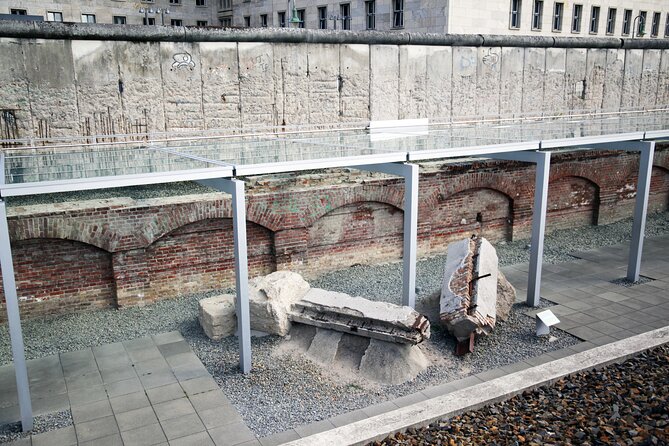
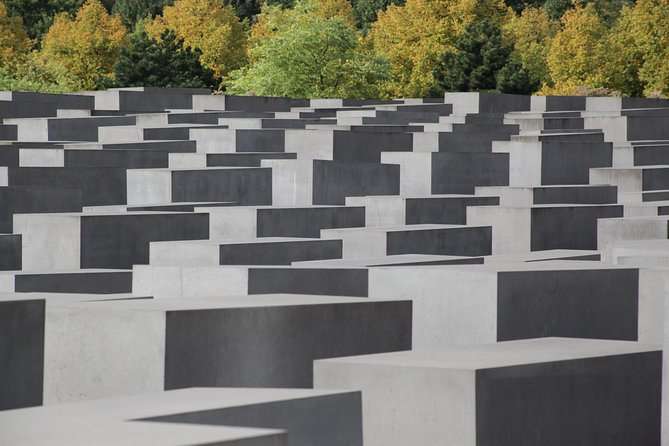
Next is the Holocaust Memorial, also called the Memorial to the Murdered Jews of Europe. The tour includes a walk through the memorial and a guided explanation of the memorial’s concept, plus the history around Nazi crimes.
A walk is the key word here. The design is meant to affect how you move and think, and a walking visit fits that purpose better than a quick look from the edge.
Then comes Topography of Terror, where you visit the exhibition. The time you spend depends on how long your group wants to stay, but it’s built into the overall day. This is one of those “yes, you can keep reading” spaces, and a private guide helps you choose what to focus on rather than letting the exhibition swallow your day.
If you feel overwhelmed, that is normal. This part is dense. Give yourself permission to slow down inside the exhibition even if the tour overall keeps a pace.
Book burning at Bebelplatz, Otto Weidt’s story, and Stauffenberg’s plot
Berlin didn’t just murder people, it also tried to control ideas. At Bebelplatz, you’ll see the Book Burning Memorial. The guide explains what led to the 1933 book burnings and the impact that had throughout history.
It’s not just a symbol of censorship. It’s a reminder of how regimes treat knowledge as a threat.
Then you’ll visit the Museum Blindenwerkstatt Otto Weidt, where your guide tells the story of Otto Weidt, sometimes compared to an Oscar Schindler-like figure for his courageous actions during WWII that helped prolong and save Jewish lives. It’s a shorter visit, but the subject is deeply human, and it offers a counterweight to the heavy material elsewhere on the route.
Finally, there’s a stop at the German Resistance Memorial Center, where you hear the story of Klaus von Stauffenberg’s attempt on Hitler’s life. Resistance can be easy to mention and hard to understand. Here, the stop frames it as a real decision with real risk, not as a vague “good guys vs bad guys” summary.
Brandenburg Gate and the former royal entrance through a 1933 lens
The tour also includes the Brandenburg Gate. Your guide explains its history as a former royal entrance to Berlin, and also ties it to 1933 when Hitler’s supporters marched through to celebrate his chancellorship.
This connection is useful because it pulls the gate out of the tourist category and into the political category. It’s still a beautiful structure, but now you’re looking at it with a question in mind: who used this space for power, and how did that message reach people?
How the guides turn monuments into a story you can remember
The strongest praise from past groups is not about the buildings. It’s about the guides. Ania is described as a living encyclopedia of Berlin, with explanations that feel precise and vivid. Cesar is praised for being engaging and for having a sense of humor, including fun socks. Ysanne is highlighted for being captivating and full of knowledge. Ken is noted for being highly informative and passionate, with humor and even book recommendations if you want to keep learning after the day ends.
Why that matters for you: the Third Reich story is full of names, dates, and places. Without sharp explanation, you can leave with photos and still feel lost. With a strong guide, you leave with a timeline in your head and a better sense of how the pieces connect.
You should also expect commentary throughout the stops. The tour is built as an interpretation-heavy day, with the guide doing the job of connecting one site to the next.
Price and value: why $895.09 can make sense, and when it might not
The price is $895.09 per person, and that’s a private-tour price in Berlin terms. For many people, the question is not just Is it expensive, but does it buy something you can’t get easily on your own.
Here’s what you’re paying for:
- a private group format that reduces crowds and helps pacing
- an English-speaking guide with strong command of Berlin’s WWII layers
- a tightly built route through multiple memorials and key power sites
- interpretation at each stop, including context that may be hard to find if you’re just reading placards quickly
This can be great value if you want meaning, you care about history, and you don’t want to spend your own time figuring out what to prioritize. It’s also good if you’re traveling with a small group and want one person driving the narrative.
It might feel steep if you only want a light sightseeing day or you plan to spend most of your time taking in sights without listening. Since the subject is heavy, you also want a guide you trust. Private format helps, but only if you’re ready to engage.
Who should book this tour from Rostock
This tour is a strong fit for:
- history-minded travelers who want Nazi-era sites connected into one coherent story
- people who prefer fewer crowds and more direct dialogue with a guide
- anyone who wants the memorial sequence to cover more than one victim group
It may not be the best choice if:
- you want a relaxing day with minimal walking and minimal emotional weight
- you struggle with long, guided days where each stop is short but information-heavy
If you do book, bring the right attitude. This isn’t entertainment. It’s learning, remembrance, and context, all in one long day.
Should you book the Third Reich Berlin private shore excursion?
I’d book this if you want a focused WWII and Nazi-era Berlin day with expert-guided context, especially if you value a private route that keeps the day moving while still explaining what you’re seeing. The memorial variety is a real plus, because it expands the story beyond one narrow slice of persecution, and the guide commentary makes the stops feel connected instead of random.
I’d think twice if you’re sensitive to heavy content or if you get drained by long days that pack a lot of interpretation into short stops. If that describes you, you might prefer a lighter Berlin plan on the side, then pair this with a shorter, more paced option on another day.
FAQ
Is this tour private?
Yes. It’s listed as a private activity, with only your group participating.
Where do you get picked up in Warnemünde?
Your driver meets you at the cruise terminal just after the official border crossing.
How long is the Third Reich Berlin tour?
It’s listed as approximately 11 hours.
What language is the tour offered in?
The tour is offered in English.
Is the Reichstag Building visit including entry inside?
The tour description says the Reichstag stop is included, but it also notes that the tour inside is not included.
Can I cancel and get a refund?
Yes. You can cancel for a full refund if you cancel at least 24 hours in advance of the experience start time. If you cancel less than 24 hours before, the amount paid is not refunded.
Wartime History Walks We Have Reviewed
Everything else we filed on Rostock
- Rostock Like a Local: Customized Private Tour
★ 4.5 · 3 reviews - Rostock: Private Guided Walking Tour
★ 5.0 · 4 reviews - Private Warnemuende Shore Excursion: Third Reich Berlin
★ 5.0 · 4 reviews - Warnemünde Shore Excursion: Private Highlights Tour of Berlin with Minivan
★ 5.0 · 5 reviews - Half-Day Rostock & Warnemünde Private Shore Excursion for Cruise Ship Passengers
★ 4.5 · 6 reviews - Surprise Walk of Rostock with a Local
★ 5.0 · 7 reviews
Third Reich and Wartime History Tours, side by side.
 ★ 4.9Berlin: Third Reich and Cold War 2 Hour Walking TourFrom $236,830 reviews
 ★ 4.6Munich: Third Reich & WWII Walking TourFrom $316,181 reviews
 ★ 5.0Berlin’s Best: 2 Hour Walking Tour Third Reich and the Cold WarFrom $245,486 reviews
 ★ 4.5Third Reich Walking Tour MunichFrom $454,291 reviews
 ★ 5.0Third Reich Berlin: Hitler and WWII Walking TourFrom $243,301 reviews
 ★ 4.7Nuremberg: Walking Tour of Former Nazi Party Rally GroundsFrom $151,665 reviews
 ★ 4.9Berlin: Third Reich, Hitler, and WWII Walking TourFrom $201,133 reviews
 ★ 4.8Nuremberg: Historischer Kunstbunker WWII Art Bunker TourFrom $14921 reviews
Other lists this tour is on