

REVIEW · GERMAN FOOD TOURS AND TASTINGS
“Rotes Bier” and “Blaue Zipfel”. A historical-culinary walk
Nuremberg tastes like a story you can chew. This Rotes Bier and Blaue Zipfel historical-culinary walk pairs old-town walking with guided food lore, from local red beer to the spice-box magic of Nuremberg-style gingerbread. I especially liked the way the guide connects food names to real places, and the simple pleasure of eating classic Nuremberg bites in sequence. One possible drawback: the snack value can feel a step smaller than the big flavors you get from the standout bites like bratwurst, lebkuchen, and beer.
You’re out for about two hours, mostly on foot, with tastings along the way and the final stop at a brewery. The tour runs in German, rain or shine, so plan on listening closely and wearing shoes you can trust. If you want a focused food-and-story hit without doing a full day tour, this format works well at a price point that feels fair for the guided tastings.
In This Review
- Key things you should know before you go
- Nuremberg food lore, served in bites
- Starting at Altes Rathaus: get your bearings fast
- Bratwurst Röslein: why bratwurst is more than a sausage
- Hauptmarkt tastings: where beer and baking meet the square
- Trödelmarkt 13 and Unschlitthaus: a cooking-story detour with meaning
- St. Sebaldus Church: history you can hear, then food you can taste
- Altstadthof Brewery finish: Rotbierstüberl and a proper end
- Price and value: why $29 can make sense
- Who this historical-culinary walk fits best
- Booking decision: should you go?
- FAQ
- How long is the walk?
- Where does the tour start?
- What is the price?
- What language is the tour in?
- Is the tour canceled if it rains?
- What is included in the tour price?
- Is transportation included?
- Is it wheelchair accessible?
- Do I get an invoice?
- Is there a cancellation option?
Key things you should know before you go
- Rotes Bier focus: you get to taste Nuremberg’s distinctive red-beer style as part of the narrative
- Old town, short distance: the route stays compact, with quick on-foot connections between stops
- Bratwurst “why it’s small” lesson: you’ll hear the naming and sizing story with a real tasting
- Gingerbread spotlight: Nuremberg lebkuchen is treated as a star, not a filler
- Food as local history: the guide explains why certain cooking terms and traditions show up where they do
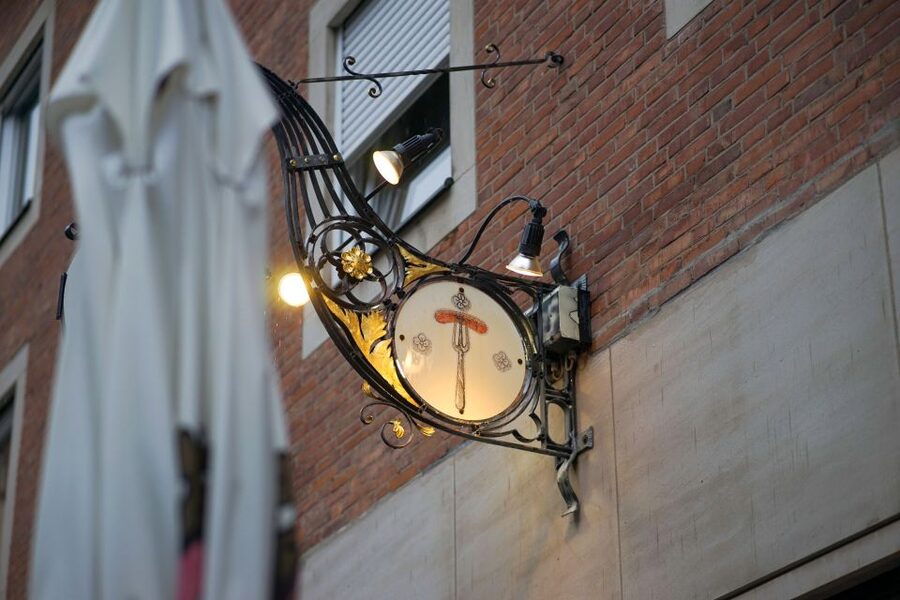
- Brewery finish: you end at Hausbrauerei Altstadthof, in the Rotbierstüberl area
Still hungry? More plates reviewed here
- Nuremberg: Christmas City Culinary Tour★ 4.6 · 40 reviews
Nuremberg food lore, served in bites
This tour is built around the idea that food names are clues. Instead of treating snacks like an afterthought, the guide ties each stop to the questions people always wonder about in Nuremberg: why bratwurst is called bratwurst, what makes Nuremberg gingerbread special, and how far back these cooking traditions really go.
You’ll also hear about food history that sounds surprising at first. The guide touches on topics like when Nuremberg cooks became known for ravioli, how much meat local citizens ate, and what Devil’s Kitchen means in this context. The point is not to memorize dates. The point is to understand the logic of a city through what it ate, brewed, and baked.
And yes, you get to experience the topic sensually, with samples served between the walking and storytelling. That makes the tour feel like a guided tasting menu, just with streets instead of a dining room.
Starting at Altes Rathaus: get your bearings fast
You meet at the Altes Rathaus, in front of the main entrance. Look for the picture folder and the green logo for Geschichte Für Alle e.V. right there at the start. It’s a small detail, but it helps you join quickly without standing around.
From the beginning, you’ll be in the rhythm of “walk, listen, taste.” The route doesn’t feel rushed. The on-foot stretches are short, the kind you can handle even if you’re not used to city walking. In about two hours, you move through key old-town areas and still have time to slow down when the guide explains what you’re eating.
Language note that matters: the tour is held in German. If you’re not comfortable with spoken German, you’ll still enjoy the samples and the atmosphere, but you may miss some of the story threads. If you do speak even some German, you’ll get way more out of the explanations.
Bratwurst Röslein: why bratwurst is more than a sausage
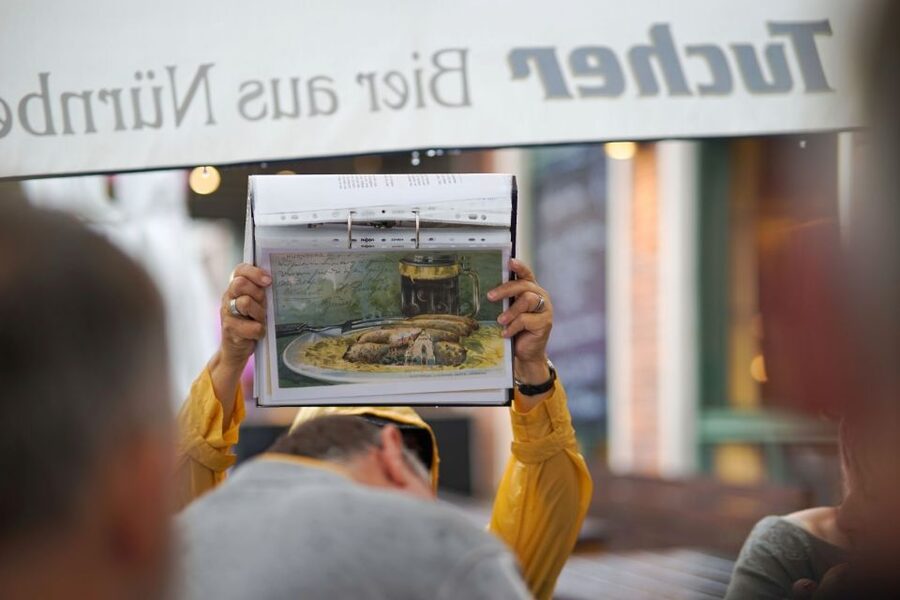
One of the first food stops is Bratwurst Röslein. This is where the tour turns from general sightseeing into specific Nuremberg eating culture. You’ll try a real Nuremberg Bratwurst, and the guide gives you the kind of explanation that makes you notice details you would otherwise walk right past.
The biggest hook here is the question of size. You will find out why Nuremberg bratwurst is so small. That sounds like trivia, but in practice it changes how you taste it. Small means fast, small means frequent, small means part of a street-eating routine instead of a heavy, single main course.
You’ll also hear why bratwurst is called bratwurst. Names can be misleading, and food names often hide old trade, old language, and old habits. The guide frames it so it feels connected to the city you’re standing in, not like a random word lesson.
If you love straightforward comfort food, this stop is a win. If you’re picky about meat or don’t eat pork, you should think ahead and consider whether the tour fits your diet, since the advertised tastings clearly center around classic Nuremberg specialties.
Hauptmarkt tastings: where beer and baking meet the square
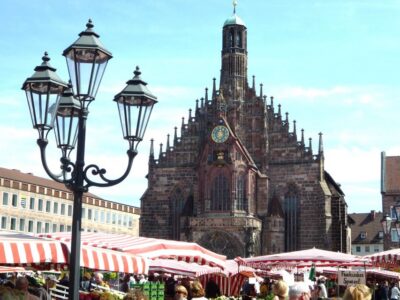
Next you move to the Hauptmarkt Nürnberg area, with multiple tastings around the square. This is a good chunk of the route because it’s visually anchored: you’re in the most recognizable heart of old Nuremberg, and the guide uses that setting to explain why food culture grew the way it did.
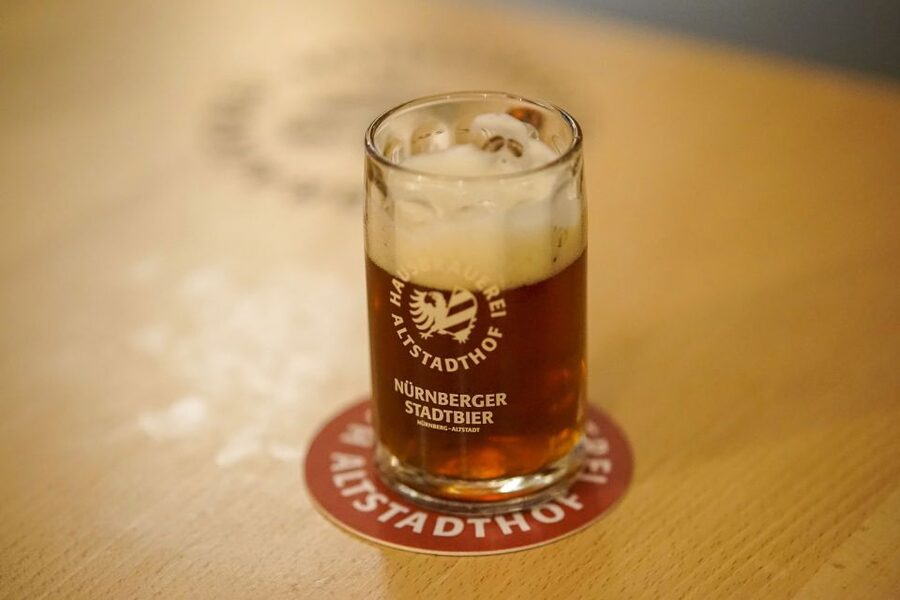
This is also where the tour’s brewing side really gets attention. You’ll experience the distinctive taste of local red beer. If you have never tried red beer, don’t expect it to taste like a generic dark beer. The tour treats it as a local signature, something you learn to recognize by context and by comparison with what the city is known for.
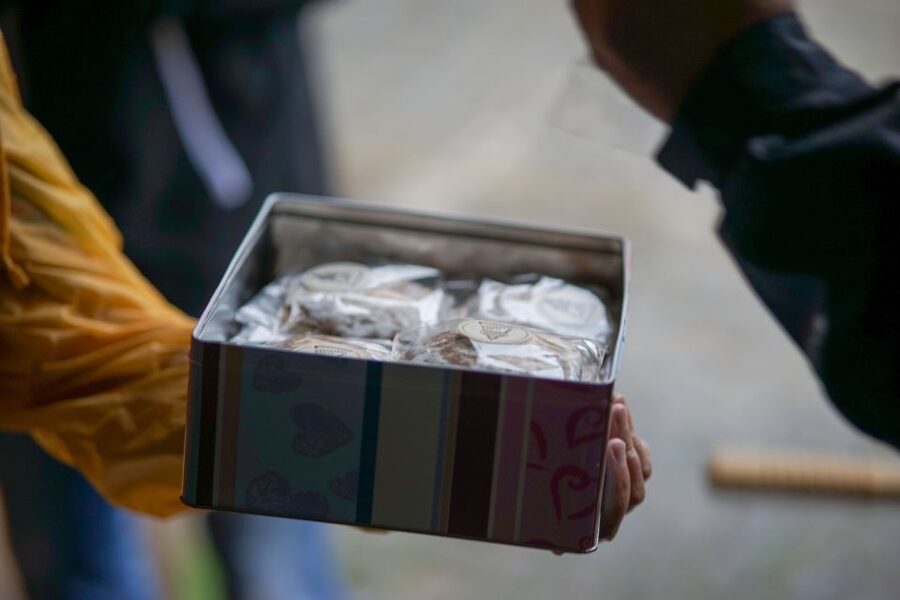
Then comes the sweet turn. The tour includes the best gingerbread in the world, at least as far as this experience frames it, and in a way that makes sense for Nuremberg. Gingerbread here is not just a cookie. It’s a cultural object, tied to spice routes, winter markets, and the kind of craftsmanship you only appreciate after you’ve tasted it.
At the Hauptmarkt stops, you’ll also hear explanations that connect your food to citizen life. The guide raises the big historical question of how much meat people ate, and you get a sense of what that means for a town where eating on the go is part of daily rhythm.
Other walking routes through Nuremberg


Trödelmarkt 13 and Unschlitthaus: a cooking-story detour with meaning
After the square, the tour moves toward Trödelmarkt 13 and then to Unschlitthaus. These stops are interesting because they shift the vibe. You’re still in food territory, but the storytelling feels more “how this city worked” than “what to try next.”
This is where the guide talks about the cooking pot in a broader sense. Devil’s Kitchen shows up as a meaning you’ll unpack during these segments. The way it’s presented helps you see food not just as flavor, but as labor, guilds, kitchens, and the practical realities of feeding a city.
Unschlitthaus is also a name worth paying attention to, because local building names often carry job history. Even if you only catch part of the German explanation, you can follow the logic through what the guide points out and what you taste. This is one of those sections that makes the tour feel more authentic than a standard “eat and run” food walk.
Practical note: the route changes streets and corners often enough that you’ll want to keep your snack cup steady. It’s not a problem, but it’s one of those small reasons to hold your phone away from the busy moments and focus on the guide.
St. Sebaldus Church: history you can hear, then food you can taste
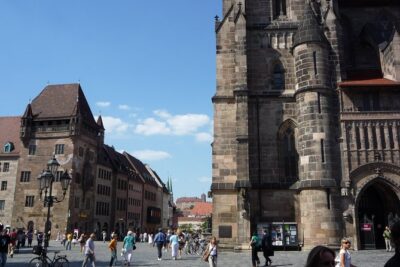
You also stop at St. Sebaldus Church. This part matters because it gives your brain a reset between tastings. The guide connects food storytelling to the larger timeline of the city, so the walk doesn’t become a sugar-and-yeast blur.
Even if church interiors are not the star of the show, the exterior setting helps you understand why old markets and kitchens were never separate from civic life. Nuremberg’s food culture grew inside a lived-in city, not in a themed museum bubble. Standing near a major landmark helps that idea land.
Then you move on to the next eating moment, and the tour brings you back from reflection to flavor quickly. That rhythm is exactly what keeps the two hours from dragging.
Altstadthof Brewery finish: Rotbierstüberl and a proper end
The tour ends at Hausbrauerei Altstadthof, in the Rotbierstüberl area, with mention of the brewery and whisky distillery. This finish is important for two reasons.
First, it gives the beer theme a real “where it comes from” payoff. You’re not just sampling in passing. You’re closing at a place that actually ties into brewing culture. Second, the end stop gives you breathing room to ask questions and settle your notes, because after the finish you can keep walking on your own through the area if you want.
In a two-hour tour, you need an ending that feels complete. Altstadthof does that. It’s the kind of stop where you can sense the local drinking and brewing tradition without needing a separate beer museum day.
If you’re a whisky fan, you’ll probably notice the mention and wonder about the distillery side. The tour data confirms the whisky distillery is part of the venue name, even if the focus here stays on the beer and food story.
Price and value: why $29 can make sense
At $29 per person for a roughly two-hour walking experience with a guide, snacks, and beer included, this can be good value if you enjoy guided context.
Here’s how I think about it as a “cost per experience” deal:
- You’re paying for a structured route through the old town, not just random restaurant recommendations.
- The included tastings matter. The tour doesn’t just promise beer and a sweet, it sequences the experience so you’re learning while you taste.
- You’re getting local storytelling in German, plus the time saved from figuring out where to go and what to order on your own.
What could make it feel less valuable to some people is the snack balance. One review points out that the snacks between tastings could be a bit more substantial. My take: expect the big hits to be the headline items like bratwurst, lebkuchen, and the red beer taste, and treat smaller bites as supporting cast.
If you want a tour where every single bite is a full meal replacement, this might not be that. If you want a compact, guided taste of Nuremberg culture, it’s priced like a smart afternoon plan.
Who this historical-culinary walk fits best
This tour is ideal if you want:
- a short, focused introduction to Nuremberg food culture
- a guided walk that connects food names to city places
- beer lovers who want the local red-beer taste experience
- gingerbread fans who care about the differences, not just the sweetness
You might want to think twice if:
- you don’t eat meat and the idea of bratwurst tastings isn’t workable for you
- you’re uncomfortable with a German-language guided experience
Also, bring the right mindset. This is not a “museum tour with snacks.” It’s closer to an educated street-food stroll where the guide uses questions like why the bratwurst name stuck, or how long certain cooking traditions have been around, to make the tastings feel purposeful.
Booking decision: should you go?
I’d book this if you’re spending only a day or two in Nuremberg and you want your time to pay off in flavor and context. The route stays compact, the theme is memorable, and the finish at Altstadthof brewery helps the experience feel like it has a natural arc.
I would not book it if you’re looking for long indoor stops or a purely English-led museum-style tour. The language is German, and the storytelling is the engine of the experience. For the right traveler, that’s also the best part.
FAQ
How long is the walk?
It lasts about 2 hours.
Where does the tour start?
Meet in front of the main entrance of the Altes Rathaus at Rathauspl. 5, with the picture folder and the green logo for Geschichte Für Alle e.V.
What is the price?
The price is listed as $29 per person.
What language is the tour in?
The tour is held in German.
Is the tour canceled if it rains?
No. The tour takes place rain or shine.
What is included in the tour price?
It includes a walking tour, a guide, snacks, and beer.
Is transportation included?
No. Transportation to and from the meeting point is not included.
Is it wheelchair accessible?
Yes, the tour is listed as wheelchair accessible.
Do I get an invoice?
No invoices can be issued for bookings made via the booking platform. Your booking confirmation serves as proof of payment.
Is there a cancellation option?
Yes. You can cancel up to 24 hours in advance for a full refund.
The Longer History of Nuremberg
Pavements of Nuremberg
More German Plates
Everything else we filed on Nuremberg
- Nuremberg: Medieval Time Travel for Kids
★ 4.9 · 15 reviews - PRIVATE Nuremberg WW2 and Old Town Day Tour (Product code: 87669P16)
★ 4.5 · 15 reviews - Nuremberg: St. Johannis Friedhof &Hesperidengärten IN GERMAN
★ 4.4 · 15 reviews - Nuremberg: Private guided tour of the Old Town in German
★ 4.9 · 17 reviews - PLAYMOBIL®-FunPark Entrance Ticket
★ 4.5 · 17 reviews - Stein: Public guided tour of the “Old Mine” museum
★ 4.5 · 18 reviews
German Food Tours and Tastings, side by side.
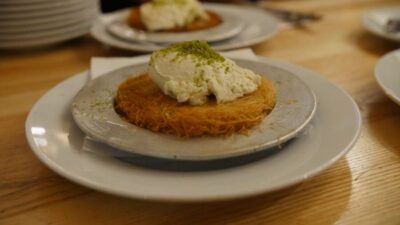 ★ 4.6Hamburg: Schanzenviertel Culinary TourFrom $572,051 reviews
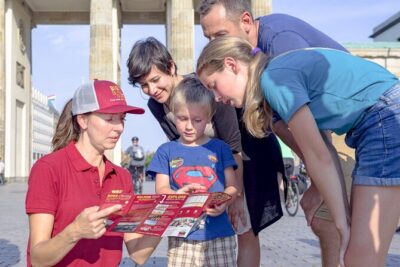 ★ 4.0Big Bus Berlin Hop-On Hop-Off Sightseeing Tour & CurrywurstFrom $25856 reviews
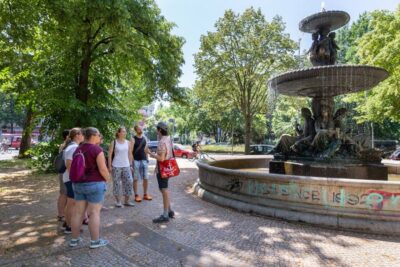 ★ 4.5Kreuzberg: Culinary Food TourFrom $589770 reviews
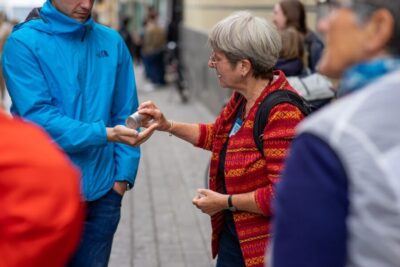 ★ 4.6Bamberg: Guided Historical Culinary TourFrom $29461 reviews
 ★ 4.5Berlin: Mitte Culinary Food TourFrom $57447 reviews
 ★ 4.7Munich: Viktualienmarkt Food Tasting Tour in GermanFrom $647394 reviews
 ★ 4.5Hamburg: Culinary Insider Tour of St. GeorgFrom $589272 reviews
 ★ 5.0Munich Viktualienmarkt and Beyond Small-Group Food Tasting TourFrom $175247 reviews
Other lists this tour is on