
REVIEW · MUSEUMS
Stein: Public guided tour of the “Old Mine” museum
Stein makes pencils feel like real industry, not just a stationery aisle. This Old Mine guided tour gives you a focused look at how pencil materials were produced, then places it inside historic mine rooms by the Rednitz. Two things I really like: the tour’s clear explanation of lead and color pencil production using old exhibits, and the practical payoff with a 15% store discount plus a souvenir. One possible drawback: because the tour is tight at about 1.5 hours, you may not have long to read every small information panel at a leisurely pace.
I also like that the experience is built around a real setting, not a copy-paste museum layout. The building itself matters, with rooms arranged in levels and eras inside a listed structure dating to 1848. Just plan ahead for walking and for the fact that some parts of the content may appear in the original language.
In This Review
- Key things that make this tour worth your time
- Where the pencil story starts in Stein, Bavaria
- Price and value: a ticket that pays off after the tour
- Getting to Faber-Castell Erleben and your 1.5 hours
- Entering the “Old Mine” rooms: where the industrial story becomes physical
- The west bank of the Rednitz and the building’s nested eras
- Castle as Press Camp: why the theme adds context
- How the guide explains pencil production (and what to listen for)
- Who this tour is best for
- Practical considerations: shoes, signage, and pacing
- After the tour: use the store discount wisely
- Should you book the Old Mine guided tour?
- FAQ
- How long is the guided tour of the Old Mine museum?
- How much does it cost?
- Where do I meet for the tour?
- Is the tour guided, or self-paced?
- What languages are offered?
- Is a souvenir included?
- Do I get a discount in the store?
- Is the attraction barrier-free?
- Can I cancel and get a full refund?
- Is there a payment option if I want flexibility?
Key things that make this tour worth your time
- A guided walk through the historic “Old Mine” production rooms, laid out across two floors
- Lead mine production explained for the 19th and 20th centuries, using old displays you can actually connect to the process
- A real historic building on the west bank of the Rednitz, with nested levels from different eras
- A special guided theme tied to Castle as Press Camp, so you understand why the place was used the way it was
- Practical value after the tour, with a store discount (Mon to Fri) and a souvenir
Undecided? The closest Nuremberg write-ups we have are these.
- Nuremberg: City Tour with the Bimmelbahn Train★ 4.4 · 2,475 reviews
- Nuremberg: Old Town Guided Walking Tour★ 4.6 · 2,416 reviews
- Nuremberg: Medieval Dungeons Guided Tour★ 4.8 · 1,726 reviews
- Nuremberg: Walking Tour of Former Nazi Party Rally Grounds★ 4.7 · 1,665 reviews
Where the pencil story starts in Stein, Bavaria
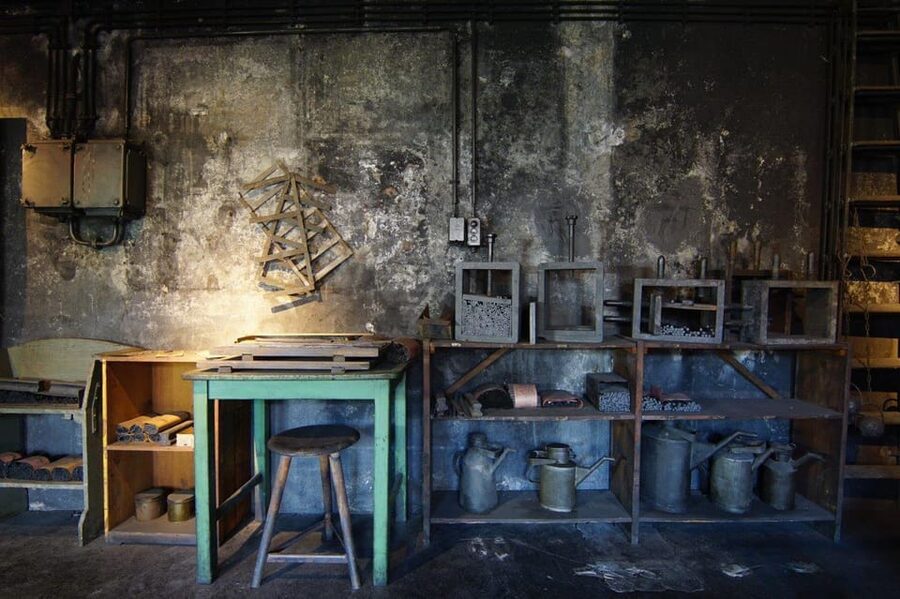
Faber-Castell’s headquarters in Stein is one of those places where you can quickly see the difference between “made in a factory” and “made by a company with deep roots.” The guided tour centers on their Old Mine museum, which turns historic production spaces into a readable story of industrial work.
The setting is part of the experience. You’re not looking at a few isolated cases on a wall. Instead, you’re moving through rooms connected to production, arranged in a listed building that dates back to the mid 1800s. That matters because it helps you understand how production was tied to architecture, not just to machines.
You also get a guided format with a live interpreter. The tour runs in German and English, so you can follow the main thread without relying entirely on signage. Some content may be shown in its original language, so if you’re sensitive to that, it’s worth being mentally prepared to catch details as you go.
Price and value: a ticket that pays off after the tour
At about $14 per person for an approx. 1.5-hour guided tour, this isn’t a “quick photo stop.” You’re paying for a guided explanation inside historic production spaces, plus a couple of built-in perks.
The biggest value add is the store advantage. You get a 15% discount in the store at the castle on the day of your tour, Mon to Fri, and your ticket also includes a souvenir. That changes the math. If you were already thinking about picking up something small like a pencil set or themed souvenir, this tour can shrink that cost in a way a standard museum ticket rarely does.
Also, the tour isn’t just “look at displays.” From what you’ll hear on the guide’s walkthrough, you’ll connect how pencil mines and colored pencil components were made back then to how the basic idea still functions today. That sort of “now I get it” understanding is where the ticket feels worthwhile.
Getting to Faber-Castell Erleben and your 1.5 hours
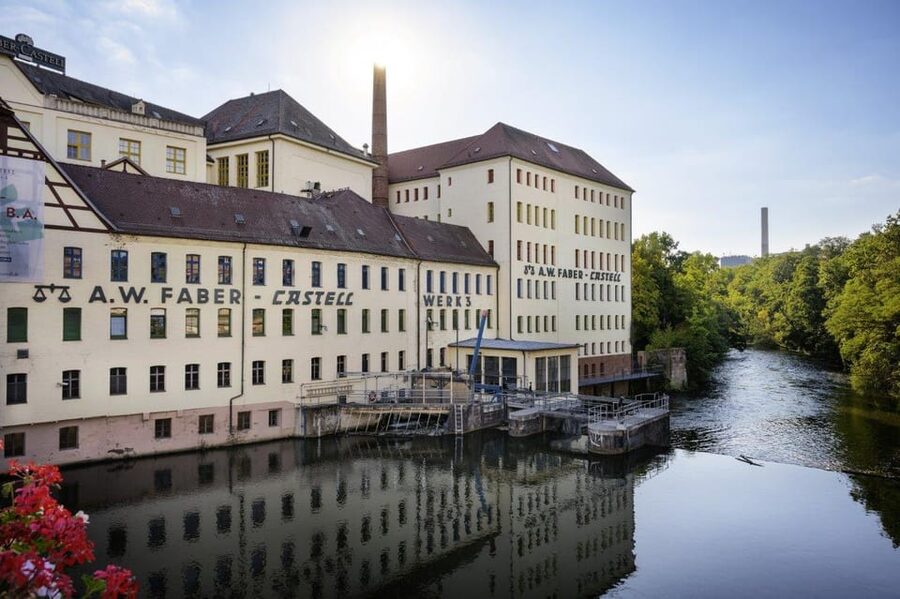
Your meeting point is the Faber-Castell Visitor Center. You’ll start there and the tour follows a set route, then returns you back to the same visitor area. The duration is about 1.5 hours, so you’re looking at a focused, paced experience rather than an open-ended wandering museum.
This pacing is both a strength and a small trade-off. With a guided route, you’ll never feel lost. But it also means you may not have time to slow down for every sign or photo. One thing I’d recommend is choosing what you care about most before you enter the main rooms. If you’re the type who loves reading every panel, be ready to skim more than you’d like during the tour itself.
Practical tip: wear sturdy shoes. The premises include historic areas and are not barrier-free, and you should expect to walk longer distances than a compact town museum. If you’re traveling with mobility limitations, plan around that in advance.
Entering the “Old Mine” rooms: where the industrial story becomes physical
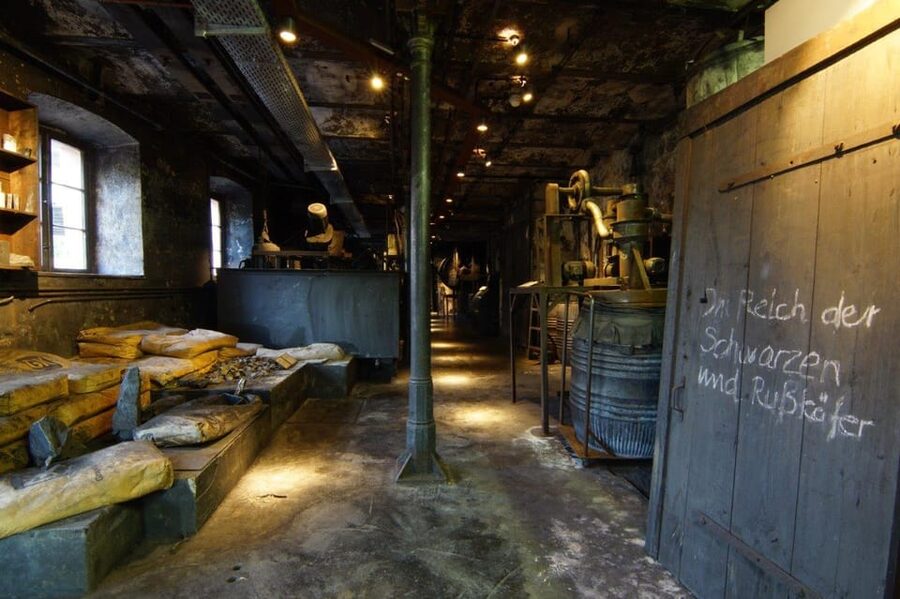
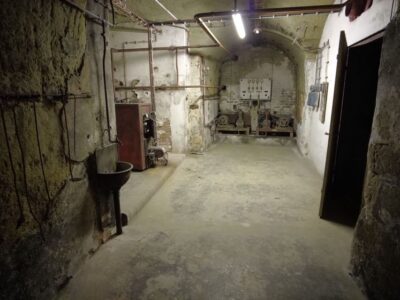
The heart of the tour is the guided visit to the Alte Mine (Old Mine) museum. It lives in historic production spaces that have been repurposed to tell industrial history. You’re shown the historic mine production rooms and the way lead mine production worked in the 19th and 20th centuries.
What makes this genuinely interesting is the transformation of the setting. The museum isn’t trying to pretend the rooms were something else. Instead, it treats the historic industrial environment as the teaching tool. The guide’s explanation helps you see what you’re looking at: how materials moved from raw production into what became pencil-related products.
The tour covers two floors. That vertical layout is useful because it helps you sense how production could be separated by function, time period, or workflow. It also keeps the route from feeling monotonous. If you’ve ever visited industrial museums where everything is flat and samey, this one gives your attention a reason to shift as you climb or descend.
The west bank of the Rednitz and the building’s nested eras
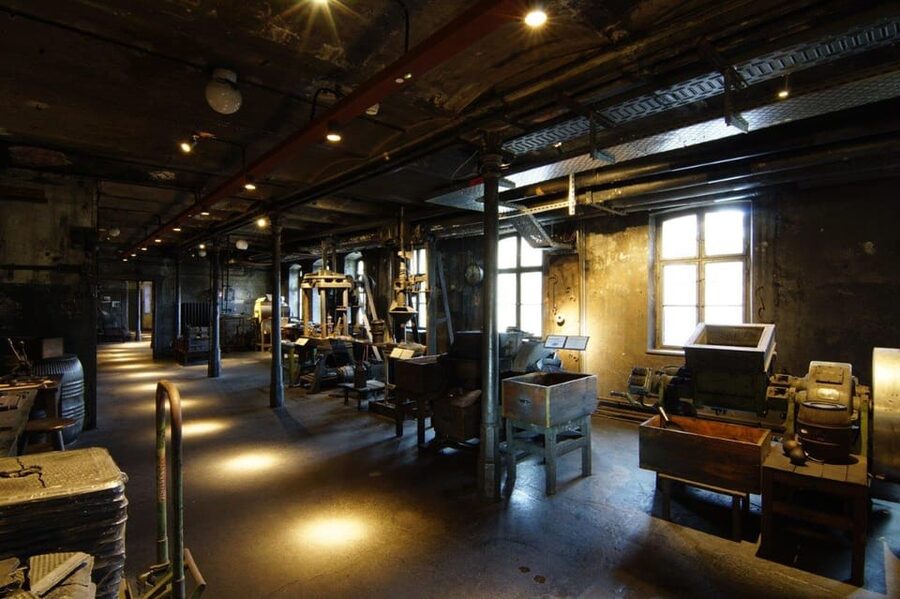
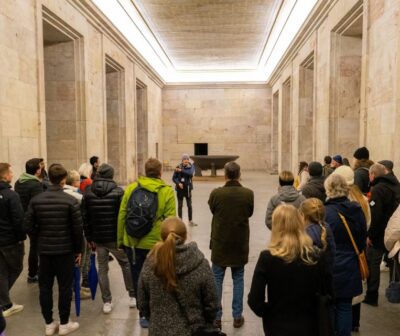
One standout detail is the building itself. The structure on the west bank of the Rednitz dates to 1848 and is listed. Inside, you’ll find a nested ensemble of levels and rooms from different eras. Translation: it isn’t one single uniform “museum box.” It’s a layered site where history is built into the walls and the layout.
I like this because it gives the story credibility. Industrial work doesn’t happen in a vacuum. The geography and the architecture are part of why certain processes made sense. Even if you’re not an industrial-history expert, the guide’s narrative helps you connect the dots: the rooms you’re standing in were designed for work, not for display.
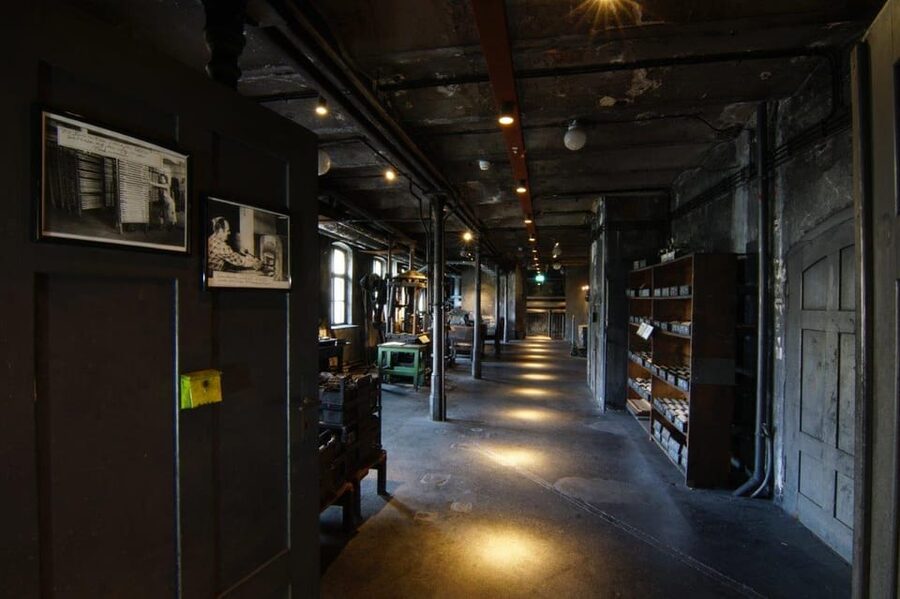
This also explains why the tour doesn’t rely only on text panels. You’re looking at spaces that carry meaning. When your feet are in the old production rooms, the story lands faster than it would in a generic exhibit hall.
Castle as Press Camp: why the theme adds context
The experience includes a special guided tour theme tied to Castle as Press Camp. While the Old Mine museum is the core, the theme helps you understand the broader purpose of the site, not just the mechanics of production.
The key value here is context. Production sites often include more than machinery. They include organization, storage, and the practical realities of running work over time. By tying the visit to how a castle functioned in a press and production context, the tour frames the rooms you see as part of a working system.
If you enjoy explanations that connect place to function, this theme is a real bonus. It keeps the tour from feeling like a straight “how it’s made” lecture. Instead, it feels like you’re learning why this particular setting mattered.
How the guide explains pencil production (and what to listen for)
A big reason this tour earns strong ratings is the clarity of the guiding. You’ll get an explanation of how pencil-making ties to mine production, and you’ll hear about both general steps and the special role of the mines in the story.
Here’s what to listen for while you’re inside:
- How the guide links old exhibits to the making of pencil mines and related production for pencil cores
- The way the tour compares historic processes with what is still similar today, so you can recognize continuity instead of treating the past like a totally different universe
- Any moments where the guide emphasizes how laborious and time-consuming production was, especially toward the late 19th century
One small tip: if you’re the kind of visitor who likes to linger on visuals, remind yourself that the guide is pacing the group. You can always decide to spend a bit more time at one stop during the tour, but don’t expect to read every sign cover to cover in the allotted time.
Who this tour is best for
I think this experience is especially good for:
- People who enjoy hands-on explanations of how everyday objects are made
- Anyone interested in industrial history around Nuremberg and the wider Bavaria region
- Travelers who like museum tours that are structured and guided, rather than self-paced wander time
- Families with curious kids who can handle about 1.5 hours of guided interpretation (just watch the reading time pressure)
If you’re the type who wants unlimited time to study exhibits at your own pace, you might find the 1.5-hour structure a little tight. In that case, consider pairing it with additional free time nearby after the tour so you can slow down and re-check the things that caught your attention most.
Practical considerations: shoes, signage, and pacing
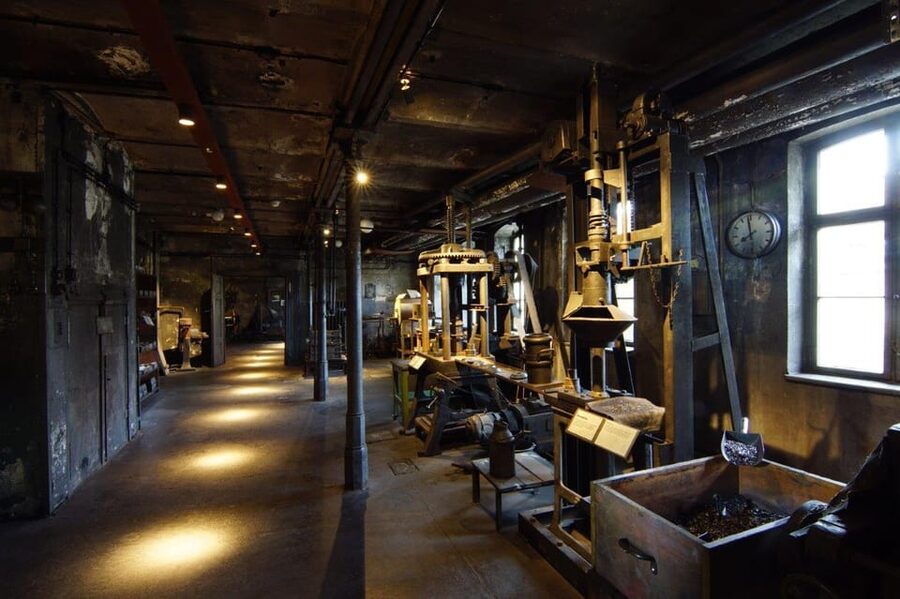
The premises are historic and not barrier-free, so you should expect walking and uneven transitions. Sturdy shoes help a lot. If you’re traveling in rainy weather, plan for slip-prone surfaces in older buildings.
Also, some content may be shown in its original language. Even with an English guide, you might see signage or segments that rely on the original wording. That’s not a deal-breaker, but it’s good to know so you don’t feel frustrated if you can’t translate everything instantly.
Finally, the tour is set to run roughly 1.5 hours. That means you should be ready to treat it like a guided storyline. You won’t have unlimited time to read every label, and if you try to do that, you may end up feeling like you’re racing the clock.
After the tour: use the store discount wisely
After the guided portion, the practical part kicks in. You can take advantage of the 15% discount in the store at the castle on the day of your tour, Mon to Fri, and you’ll also get a souvenir included with your ticket.
I recommend using that moment strategically. If you’re buying gifts, pencil-related items tend to be the easiest to choose since you already saw the story behind them. It also makes the tour feel more connected to your trip, not just a ticket you bought and forgot.
Should you book the Old Mine guided tour?
Yes, if you want a guided, well-paced look at how pencil-related production tied into historic mine rooms, and you like your museum experiences explained by a live guide in German or English. The value is stronger than the ticket price alone because you get a souvenir and the store discount, and the historic setting gives you more than generic “display-case learning.”
I would skip it or rethink timing if:
- you need barrier-free access due to mobility limits
- you dislike guided tours because you want to read every sign slowly
- you’re coming only for a quick pass and not for an actual explanation of the production process
If you’re in Stein near Nuremberg and you want a museum visit with a clear story and a real industrial setting, this one is a solid pick.
FAQ
How long is the guided tour of the Old Mine museum?
The tour lasts about 1.5 hours.
How much does it cost?
The price is $14 per person.
Where do I meet for the tour?
You meet at the Faber-Castell Visitor Center.
Is the tour guided, or self-paced?
It is a guided tour with a live tour guide.
What languages are offered?
The tour guide offers German and English.
Is a souvenir included?
Yes, a souvenir is included with your ticket.
Do I get a discount in the store?
Yes. You get a 15% discount in the store at the castle on the day of your tour, Monday to Friday.
Is the attraction barrier-free?
No. Some of the historic premises are not barrier-free, and you should plan for walking long distances and wearing sturdy shoes.
Can I cancel and get a full refund?
Free cancellation is available up to 24 hours in advance for a full refund.
Is there a payment option if I want flexibility?
Yes. You can reserve now and pay later.
Everything else we filed on Nuremberg
- Nuremberg: Medieval Time Travel for Kids
★ 4.9 · 15 reviews - PRIVATE Nuremberg WW2 and Old Town Day Tour (Product code: 87669P16)
★ 4.5 · 15 reviews - Nuremberg: St. Johannis Friedhof &Hesperidengärten IN GERMAN
★ 4.4 · 15 reviews - Nuremberg: Private guided tour of the Old Town in German
★ 4.9 · 17 reviews - PLAYMOBIL®-FunPark Entrance Ticket
★ 4.5 · 17 reviews - Stein: Public guided tour of the “Old Mine” museum
★ 4.5 · 18 reviews
Museums, side by side.
 ★ 4.5Berlin: Jewish Museum Berlin Entrance TicketFrom $08,393 reviews
 ★ 4.3Berlin: DDR Museum TicketsFrom $153,443 reviews
 ★ 4.6Berlin: Natural History Museum Entrance TicketFrom $123,382 reviews
 ★ 4.6Berlin: Neues Museum Entry TicketFrom $163,261 reviews
 ★ 4.4Cologne: Chocolate Museum Entrance TicketFrom $192,790 reviews
 ★ 4.7Dresden: Church of Our Lady Guided Tour of GalleryFrom $152,421 reviews
 ★ 4.1Skip-the-Line: Berlin Wall Museum at Checkpoint CharlieFrom $212,041 reviews
 ★ 4.4Berlin: Museum Island Multiple Museum Entry TicketFrom $272,007 reviews
Other lists this tour is on