
REVIEW · SACHSENHAUSEN
The Memorial Tour: Visit to Sachsenhausen Concentration Camp (licensed guide)
Tower A makes history feel painfully real, and this small-group Sachsenhausen visit uses an English licensed guide to connect the buildings to the Third Reich. You get to see the original structures and exhibits up close, with commentary that helps you understand what you are looking at. The drawback is that this is a heavy, emotionally intense site, and you should be ready for a good amount of walking.
I also like the pace this tour encourages. With a maximum of 15 people, your guide can keep answering questions and making sure the group stays together, which matters when the subject matter is so serious. I recommend it most if you want context and a respectful route through Sachsenhausen, not just a quick look around.
In This Review
- Key highlights worth planning for
- Why this Sachsenhausen memorial tour works better with a guide
- Meeting in Berlin: finding Birchys Berlin Tours near Brandenburg Gate
- Getting from Berlin to Sachsenhausen: 30 km north and real walking time
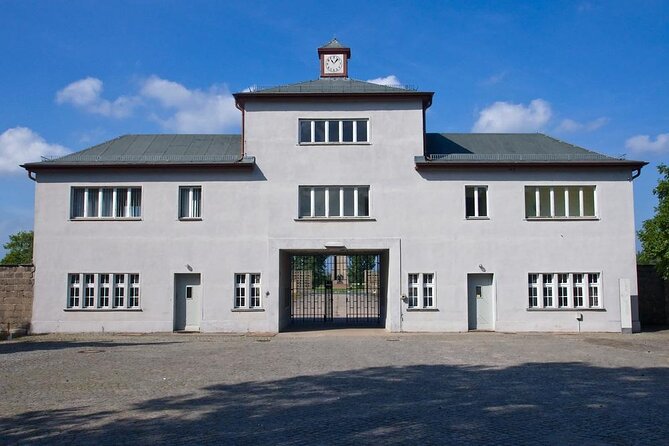
- Entering Tower A: what the entrance and roll-call area teach you
- The pathology building, infirmary buildings, and mortuary cellar
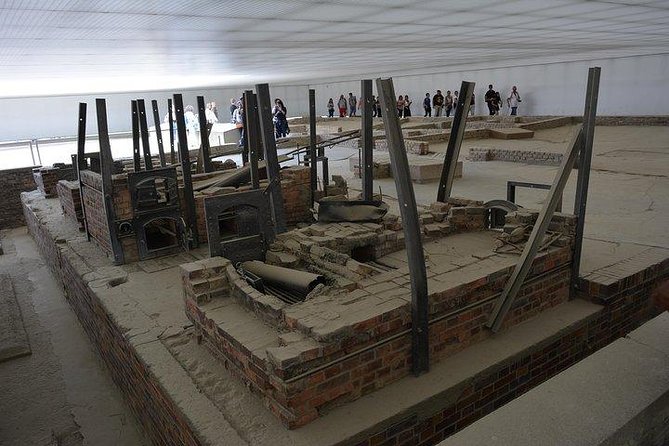
- Station Z: the execution facility made visible
- The former camp kitchen exhibition: learning through the less expected spaces
- SS and Gestapo Prison, plus barracks for the lived experience
- Small group size (15 max) and the rhythm of a 5-hour memorial tour
- English tour experience: staying engaged and understanding the story
- What it costs in real terms: $41.12 plus transit and meals
- What to bring, and how to plan your headspace
- Should you book this Sachsenhausen memorial tour?
- FAQ
- How long is the Sachsenhausen memorial tour?
- What time does the tour start?
- Where do we meet the guide in Berlin?
- Is the tour offered in English?
- What is included in the price?
- What extra costs should I expect?
- How large is the group?
- Can I get a refund if I cancel?
Key highlights worth planning for
- A tight group size (max 15) means you can ask questions and not get rushed.
- Original camp features are part of the route, not just museum rooms.
- Tower A, roll-call, and Station Z help you understand how the system worked on site.
- Multiple stops with different functions (prison, infirmary, execution facility, barracks) give a fuller picture.
- Licensed English commentary helps you process what you see in real time.
- Admission is included, so you do not have to figure out entry timing on your own.
Other guided visits to Sachsenhausen Memorial
- Berlin: Sachsenhausen Concentration Camp Tour in English★ 5.0 · 5,711 reviews
- Berlin: Sachsenhausen Concentration Camp Memorial Tour★ 4.7 · 3,716 reviews
- Sachsenhausen Concentration Camp Bus Tour in English from Berlin★ 5.0 · 1,962 reviews
- Berlin: Sachsenhausen Concentration Camp Tour in English★ 4.8 · 1,889 reviews
Why this Sachsenhausen memorial tour works better with a guide
If you come to Sachsenhausen on your own, you can still walk the grounds. But the site is made to be understood in layers, and a good guide changes how the visit lands in your head. Here, you are not only looking at buildings. You are getting commentary that puts what you see into context, so key areas make sense instead of feeling like a list of old walls.
I also like how the tour is structured around recognizable camp elements. You start at the entrance area through Tower A, you move into the roll-call area, and then you continue through spaces tied to punishment, imprisonment, and the medical side of the camp, including the pathology building and infirmary buildings plus the mortuary cellar. That flow helps you connect the dots as you go.
One more thing: this is an English tour in a setting where nuance matters. If you speak English well enough to ask follow-up questions, you will feel more supported. If English is a struggle, you might find the pace demanding, even with the small group size.
Meeting in Berlin: finding Birchys Berlin Tours near Brandenburg Gate
The meeting point is in central Berlin at Ebertstraße 24, 10117 Berlin, outside Hopfingerbrau. It is listed as being next to the Brandenburg Gate, so you can orient yourself quickly once you reach that area. The start time is 10:00 am, and the tour ends back at the meeting point.
This is a practical advantage. You do not have to hunt for a distant pickup point, and you can build the rest of your day around a clear return location in central Berlin. It also means you can come in by public transport and keep the logistics simpler.
When you book, you get a mobile ticket, and you should receive confirmation at booking time. That reduces the “where do I go” stress before you even leave your hotel.
Getting from Berlin to Sachsenhausen: 30 km north and real walking time
Sachsenhausen is about 30 km north of Berlin, on the outskirts of Oranienburg. In other words, you are doing a true day trip, not a quick hop across town. The tour uses public transit, but you should plan for time that is not spent inside the camp.
You might take a train north first, then do a walk from the station area toward the memorial. The site is not right on the platform. If you are the kind of person who hates last-minute running, give yourself buffer time to stay with the group.
Wear comfortable, supportive shoes. Even if you pace yourself, you will be moving between several key areas, and the ground in memorial sites can be uneven in places. One of the most common practical lessons from people who have done this is simple: bring good walking shoes and expect a solid day of mobility.
Entering Tower A: what the entrance and roll-call area teach you
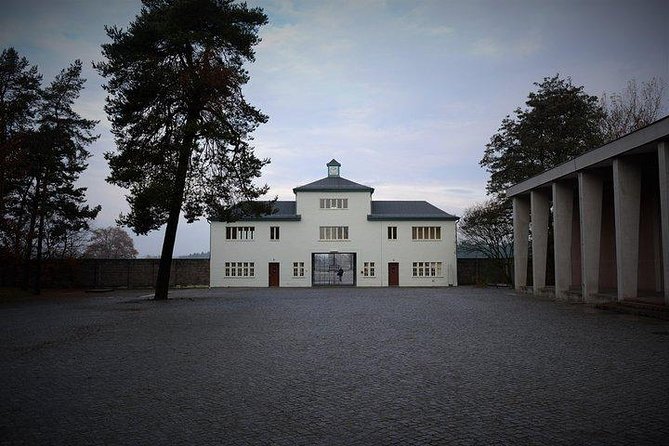
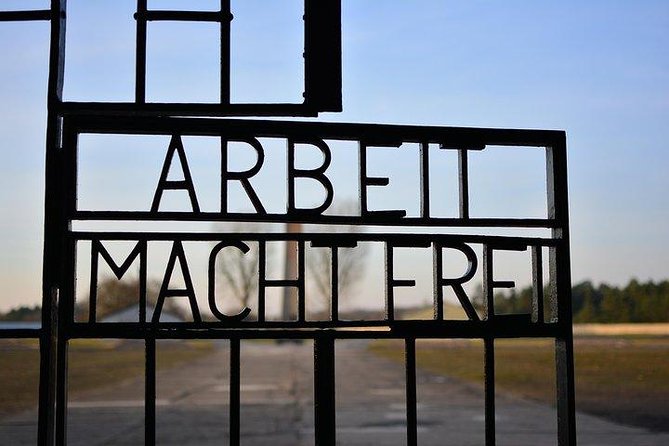
The tour begins at the memorial site at Gedenkstatte und Museum Sachsenhausen, and you first focus on the camp’s key layout. The first major stop is Tower A, which functions as the entrance into the main camp compound. Seeing it as a physical threshold helps you understand that the camp was designed to control movement from the start, not as an afterthought.
Next you move to the roll-call area. In camp history, roll-call is more than a routine detail. Standing in that space, with your guide explaining what it meant within the system, gives you a clearer picture of discipline and how prisoners were processed and monitored.
I like this order. You begin where access and control begin, then you shift to the space where people were managed in public view. Even without heavy reading, the site itself teaches you the logic, and your guide’s commentary keeps the meaning grounded.

The pathology building, infirmary buildings, and mortuary cellar
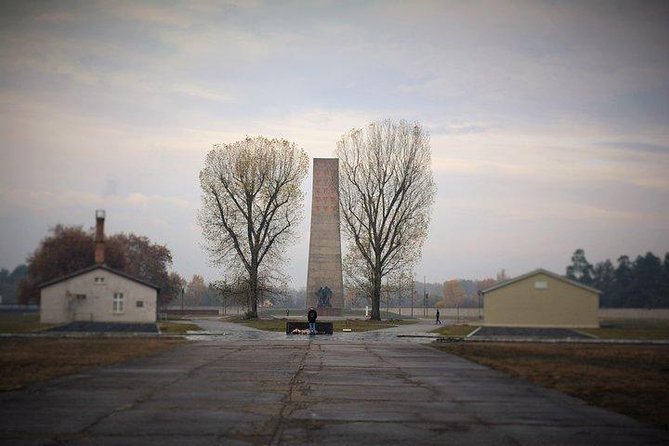
One of the most difficult parts of this tour is also one of the most important: the pathology building, infirmary buildings, and mortuary cellar. These stops bring attention to the medical and death-related functions connected with the camp.
The value here is not graphic shock for shock’s sake. It is the way the tour handles the places where suffering became part of the system. When you stand near these buildings, it helps you understand why the camp was not only a prison space, but also a place where harm was organized.
A practical note: these areas can feel quiet and heavy. If you need a moment, take one. With a small group and guide-led pacing, you are not being dragged through at a sprint. The group size makes it easier for you to stay steady when emotions run high.
Station Z: the execution facility made visible
From there, you reach Station Z, described as a purpose-built execution facility. Even if you already know the general history, this is the kind of stop where the physical design affects your understanding. A guide helps you interpret what you are seeing, so you are not stuck guessing why certain spaces exist.
This part of the tour is often where people feel the most grounded in the harsh realities of the period, because it ties the camp’s purpose to a specific location and function. If you are easily overwhelmed by emotionally intense environments, pace yourself here. It can help to take a short pause before continuing to the next segment.
The former camp kitchen exhibition: learning through the less expected spaces
Not every stop is an open yard or a building tied to one single function. The route includes an exhibition in the former camp kitchen. That choice matters because it expands what you think the camp was.
When you focus only on prisons and punishment, it can feel like the camp was just about violence. A kitchen exhibition adds a different layer, and your guide’s context helps you understand how daily operations and control were intertwined.
I like having an exhibit-based stop in the middle of the route. It gives your brain a chance to process while you stay in a place where information is presented directly. It also helps you avoid the “only standing outside in silence” problem that some self-guided visits can create.
SS and Gestapo Prison, plus barracks for the lived experience
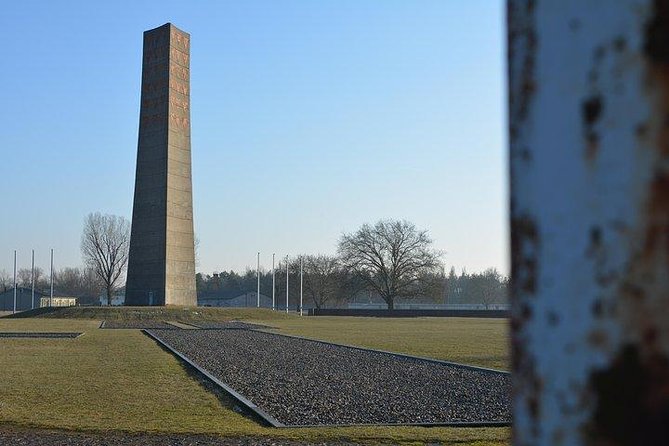
The tour continues through spaces tied to imprisonment and confinement, including the SS and Gestapo Prison. Then it moves to the former prisoner barrack block. Together, these stops shift the story from the camp’s functions to the human reality of incarceration.
The SS and Gestapo Prison area helps explain the role of different power structures within the system. The barracks block then grounds the experience back in where prisoners lived day to day, even within harsh conditions.
This pairing is valuable. You can look at prison spaces and feel the brutality. But then you see the barracks and your perspective changes again. The guide’s commentary keeps those transitions clear so the visit feels like a guided narrative rather than random stops.
Small group size (15 max) and the rhythm of a 5-hour memorial tour
The tour lasts about 5 hours. That is long enough to cover key areas properly, but short enough that you are not stuck for a full day without breaks.
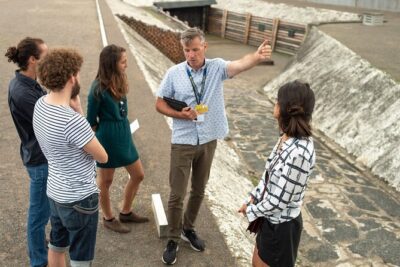
With a maximum of 15 travelers, you also get a more manageable group dynamic. In a place like Sachsenhausen, the guide has to do more than give facts. They need to help you find the right spots, keep the group together, and answer questions without turning the tour into a lecture.
You can expect time built around viewing key parts, plus moments to pause. Many visitors also value the chance to take restroom breaks and slow down if needed. If you plan to take photos, remember you will not be sprinting through everything. You’ll have opportunities to look carefully.
English tour experience: staying engaged and understanding the story
This tour is offered in English, and that matters for how you can interact. If you have solid English, you can ask follow-up questions while you stand in front of the exact feature being discussed.
If English is not your strongest language, you might still enjoy the tour, but you will likely get more out of it if you use additional support. Some visitors have rented an audio guide to follow along when language needs did not match expectations. That kind of backup can help you keep moving with confidence and avoid feeling left behind.
My practical tip is simple: come with basic questions. Even something like what a specific building was used for can lead to clearer understanding once you are on site.
What it costs in real terms: $41.12 plus transit and meals
The price is $41.12 per person, and admission to the memorial is included in the tour. For many people, that is the biggest value piece, because entry fees and timed access can add friction when you self-plan.
Still, you should budget for what is not included. You may need an ABC ticket for transit if you do not already have a travel pass. The guide can help, and the ABC ticket is listed at €4.70 per person. Bus fare and food and drinks are not included.
If you are trying to judge value, think about what you are buying: a licensed guide, a small group, and a structured route through the camp’s key areas. You are also buying time saved on figuring out how to connect all the parts yourself.
I recommend eating before you go or planning a meal afterward. Since food is not included, having a simple plan keeps you from making awkward choices during the day.
What to bring, and how to plan your headspace
This is a memorial visit, so your best “packing list” is not fancy gear. It is comfort, steadiness, and respect.
Bring:
- Comfortable walking shoes
- Layers, because weather can shift and you can end up outside for stretches
- Water if you prefer it, since food and drinks are not included
On the mindset side, plan to slow down with the emotionally heavy stops. It can help to decide in advance that you will not feel pressured to stay “tough” through every room. A pause, a quiet breath, and a moment to step back are not disrespect. They are how you stay present.
Also, if you want to reduce stress, try to arrive a little early at the meeting point so you start with calm. Being calm at the beginning makes it easier to handle the hard parts later.
Should you book this Sachsenhausen memorial tour?
You should book if you want a licensed English guide, a small group, and a guided walk through the most important camp elements, including Tower A, the roll-call area, Station Z, the SS and Gestapo Prison, and the former prisoner barracks. It is a strong choice when you care about context, respectful pacing, and having your questions answered in real time.
Skip it or consider another format if you feel you cannot handle emotionally intense historical sites, or if you know you want a fully self-paced visit without group rhythm. Even then, you might still consider pairing any visit with additional language support, since this one is explicitly offered in English.
FAQ
How long is the Sachsenhausen memorial tour?
It runs for about 5 hours.
What time does the tour start?
The start time is 10:00 am.
Where do we meet the guide in Berlin?
You meet outside Hopfingerbrau at Ebertstraße 24, 10117 Berlin, near the Brandenburg Gate.
Is the tour offered in English?
Yes, the tour is offered in English.
What is included in the price?
Entry or admission fee to the memorial is included.
What extra costs should I expect?
If you do not already have a travel pass, you will likely need an ABC ticket (listed at €4.70 per person). Bus fare and food and drinks are not included.
How large is the group?
The maximum group size is 15 travelers.
Can I get a refund if I cancel?
Yes. You can cancel up to 24 hours in advance for a full refund.
If you want, tell me your travel dates and your English level, and I’ll help you decide whether this timing and format fits your Berlin plan.
Visiting Sachsenhausen Memorial
Everything else we filed on Berlin
- East Berlin: City of Shadows Walking Tour
★ 5.0 · 11 reviews - Berlin: Die Stachelschweine – Frank Lüdecke – Träumt Weiter
★ 4.7 · 11 reviews - Potsdam Day Trip from Berlin with a Local: Private & Personalized
★ 4.0 · 11 reviews - An Introduction to Berlin Walking Tour
★ 5.0 · 11 reviews - DJ for a Day: Learn to Mix Like a Pro in Berlin
★ 5.0 · 11 reviews - 2-H Segway Sightseeing Tour Berlin
★ 4.5 · 11 reviews
Sachsenhausen Memorial Site Tours, side by side.
 ★ 5.0Berlin: Sachsenhausen Concentration Camp Tour in EnglishFrom $365,711 reviews
 ★ 4.7Berlin: Sachsenhausen Concentration Camp Memorial TourFrom $213,716 reviews
 ★ 5.0Sachsenhausen Concentration Camp Bus Tour in English from BerlinFrom $681,962 reviews
★ 4.8Berlin: Sachsenhausen Concentration Camp Tour in EnglishFrom $221,889 reviews
★ 5.0Sachsenhausen Concentration Camp Bus Tour in English from BerlinFrom $681,962 reviews
★ 4.8Berlin: Sachsenhausen Concentration Camp Tour in EnglishFrom $221,889 reviews
 ★ 5.0Sachsenhausen Concentration Camp Memorial Tour (Max. 15 Guests)From $351,516 reviews
 ★ 4.6Berlin: Sachsenhausen Concentration Camp and Potsdam TourFrom $651,334 reviews
 ★ 5.0Sachsenhausen concentration camp.From $341,189 reviews
 ★ 5.0Visita en español al campo de concentración SachsenhausenFrom $341,170 reviews
Other lists this tour is on