
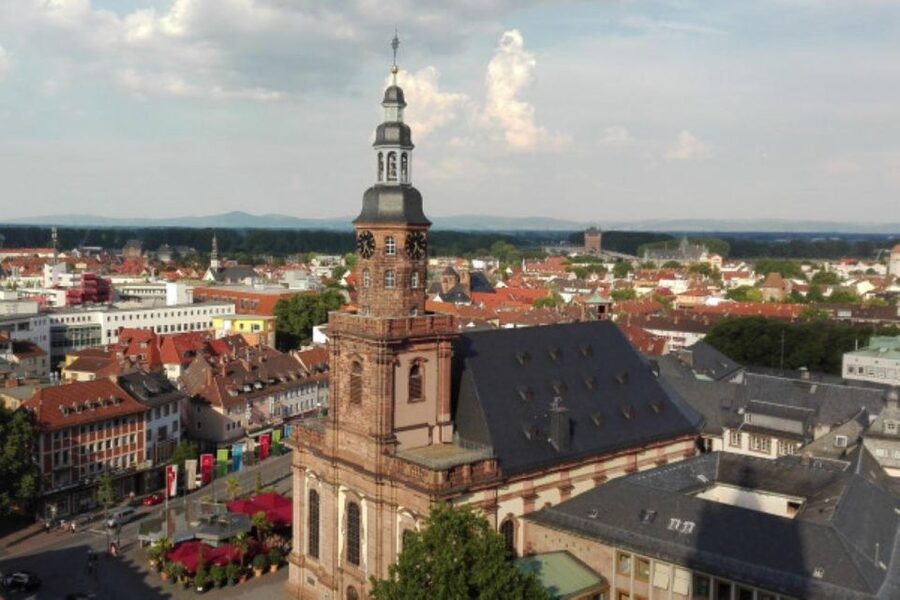
REVIEW · RHINE-MAIN
Worms: Historic Walking Tour With Heike
Worms feels close up on this walk. With Heike leading, I like how the tour explains medieval imagery and iconography in a way you can actually follow, not just hear. One thing to consider: based on past groups, you may not get a guided stop inside the Dom itself.
You start at the Dom entrance, and the pace is built for real comfort, including breaks to sit and take things in. I also appreciate the regional dialect presentation, because it stays lively while the guide keeps pronunciation and speed listener-friendly.
You will leave with a clearer view of Worms’ adventurous past, especially through spiritual places and remembrance stops linked to Worms Memoria. The overall theme is that buildings and symbols are part of the story, not decorations.
In This Review
- Key Highlights You Should Not Miss
- Meeting at the Dom Entrance: Where the Tour Sets Its Tone
- Heike’s Storytelling in German, Including Dialect and Group Interaction
- Reading Medieval Worms: Symbolism on Architecture and Iconography
- Places of Remembrance and Worms Memoria, With a Spiritual Focus
- How the Tour Balances Walking, Comfort, and Possible Claustrophobia
- Price and Value: $11 for a 2-Hour Guided Walk
- What Happens at Each Part of the Walk (So You Can Picture It)
- Who This Tour Suits Best, and Who Might Want Something Else
- Practical Tips for Your Day in Worms
- Possible Hiccups: When You Expect the Dom Inside
- Should You Book This Worms Walking Tour?
Key Highlights You Should Not Miss
- Heike keeps it interactive, with dialogue tailored to the group
- Medieval symbolism made practical, tied to what you see on facades and in religious imagery
- Worms Memoria and places of remembrance, with a clear focus on spiritual sites like the cathedral
- Regional dialect, clear speech, so you can keep up without guessing
- Comfort-first timing, including chances to sit and a pace that avoids stress
Meeting at the Dom Entrance: Where the Tour Sets Its Tone
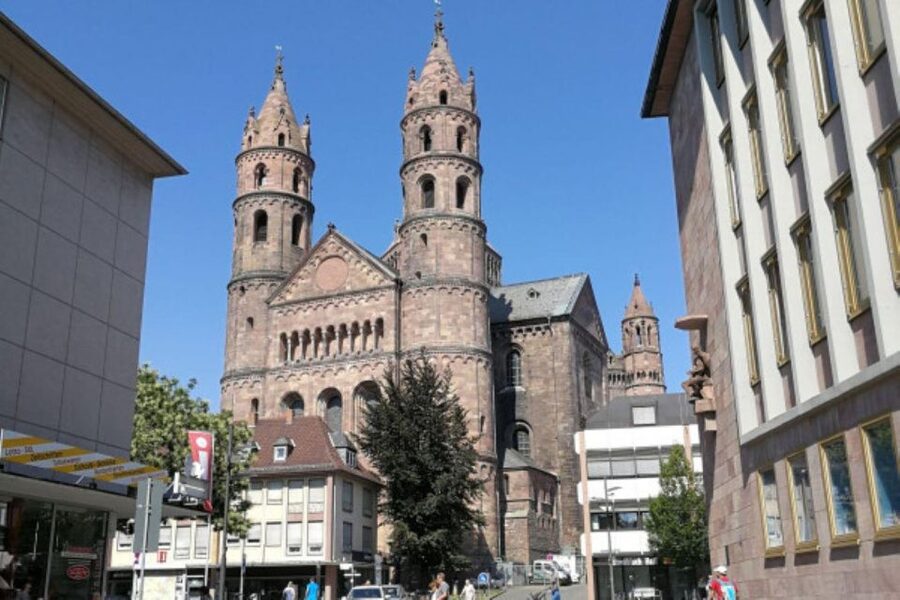
The tour meets at the entrance of the Dom in Worms, and that choice matters. You begin right at the most symbolic landmark in the area, so the talk can instantly connect to real stone, real shapes, and real religious context.
This is a classic “start with the anchor point” approach. Instead of throwing dates at you first, you see the setting, then learn how medieval people would have read it.
If you like walking tours that teach you how to look, you’re in the right place. The Dom area gives the guide a natural frame for talking about spiritual life, memory, and the way architecture carries meaning.
Heike’s Storytelling in German, Including Dialect and Group Interaction
Heike is the guide, and her style is a big part of the value. One of the strongest impressions from the experience is how the guide handles interaction. You are not just receiving a monologue, you are part of the conversation, and that helps the facts stick.
Another plus is that the tour uses regional dialect. That could be a headache on some tours, but here the guide keeps it usable with clear pronunciation and a pleasant speaking pace. In other words, you can enjoy the local flavor without constantly falling behind.
I also like that the guide works at a human pace. The tour is designed for comfort, with occasional opportunities to sit and absorb what you are hearing. For a two-hour walk, that matters, because it prevents the usual fatigue where your attention drops after the first 20 minutes.
Reading Medieval Worms: Symbolism on Architecture and Iconography
The core promise here is to uncover forgotten symbolism in architecture and iconography. This is where the tour can feel like a cheat code for understanding Worms.
Medieval buildings were not silent backdrops. They were visual storytelling tools. The guide helps you connect motifs and religious imagery to broader historical context, so you learn to “read” what you see rather than treating it as random decoration.
You will walk through parts of Worms’ adventurous history by looking at medieval imagery and how it connects to real places. That approach is especially good if you like history that explains motives, beliefs, and meaning instead of only listing rulers and wars.
A practical tip for you: watch your footing and let your eyes do the second job. If the guide points something out, pause for a moment and look where you are told. The tour works best when you take the time to compare the explanation with the actual carvings, shapes, and symbols.
Places of Remembrance and Worms Memoria, With a Spiritual Focus
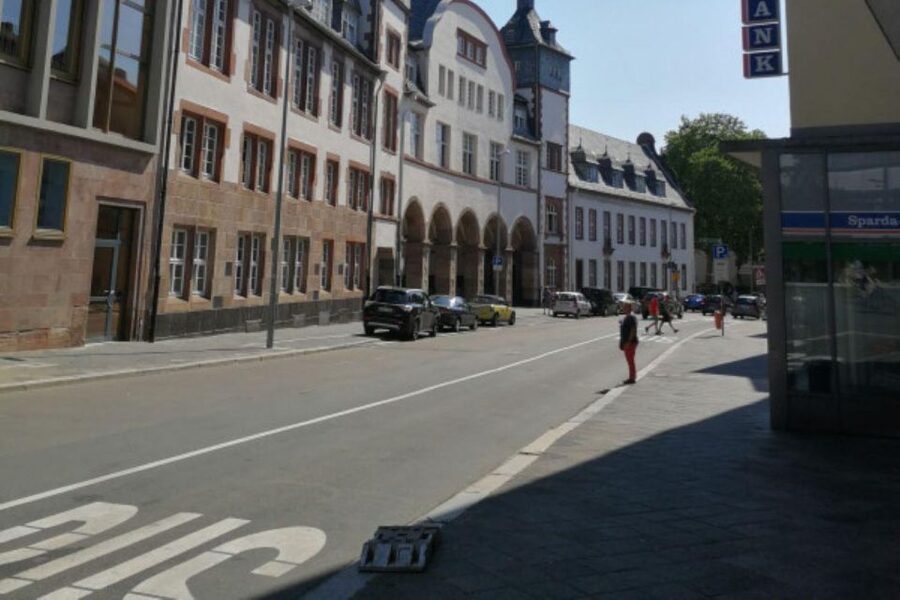
A major theme of the tour is places of remembrance and Worms Memoria. You also get a spiritual lens, especially centered on the cathedral area.
That combination is meaningful. Remembrance sites tend to be emotionally heavy, but the tour does not just name facts. It helps you understand why spiritual locations matter for memory, because religious spaces often hold community identity across centuries.
This is also where the tour’s structure helps you. You learn significant historical facts, then you encounter the places connected to them. The effect is that the story becomes physical, which makes it easier to remember later.
Even if you are not a “big cathedral person,” I think this focus works. The tour is not only about grand architecture. It is about how symbolism and faith show up in public life and collective memory.
How the Tour Balances Walking, Comfort, and Possible Claustrophobia
The tour is built to be comfortable, and it directly addresses common walking-tour issues. The experience is designed to avoid the claustrophobic feeling that can happen on tours with tight groups or crowded entry points.
You can expect a pleasant pace of speech and occasional chances to sit. That is not a small detail. Two-hour walking tours can feel long if you are standing nonstop and straining your ears. Here, you get built-in recovery moments.
The walking portion is the main activity, so you should plan for real movement. Bring comfortable shoes and dress for weather, because you will be outside for most of the tour.
One more practical consideration: it is not suitable for people with mobility impairments. If that applies to you, you should look for a different option that is designed for reduced walking or accessibility needs.
Price and Value: $11 for a 2-Hour Guided Walk
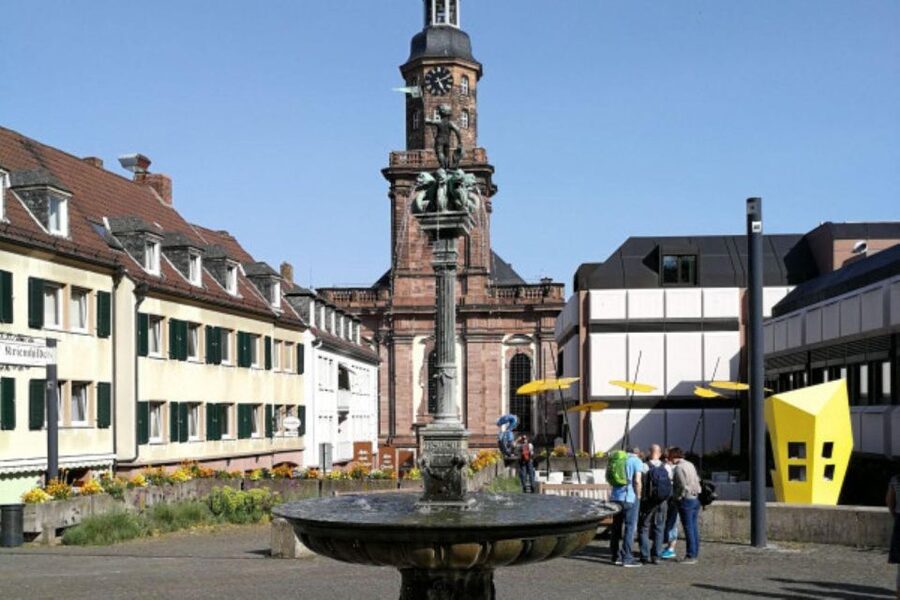
At $11 per person for a 2-hour guided walking tour, the price-to-time ratio is strong. You are not paying for a museum entrance or included meals. You are paying for local guidance and interpretation, and that is where this experience seems to shine.
The best value in a tour like this is clarity plus personality. Here you get storytelling, historical facts explained in an easy-to-understand way, and symbolism interpretation that turns stone and icons into meaning. That combination is exactly what makes even a short tour feel worth it.
Also, the guide is live and actively speaks German with a local-dialect touch. That is a real service component, not just a self-guided route.
If you are on a tighter budget in Rhineland-Palatinate, this is a very reasonable way to get context. You can spend more on food later, and you still get a guided understanding of Worms before you explore on your own.
What Happens at Each Part of the Walk (So You Can Picture It)
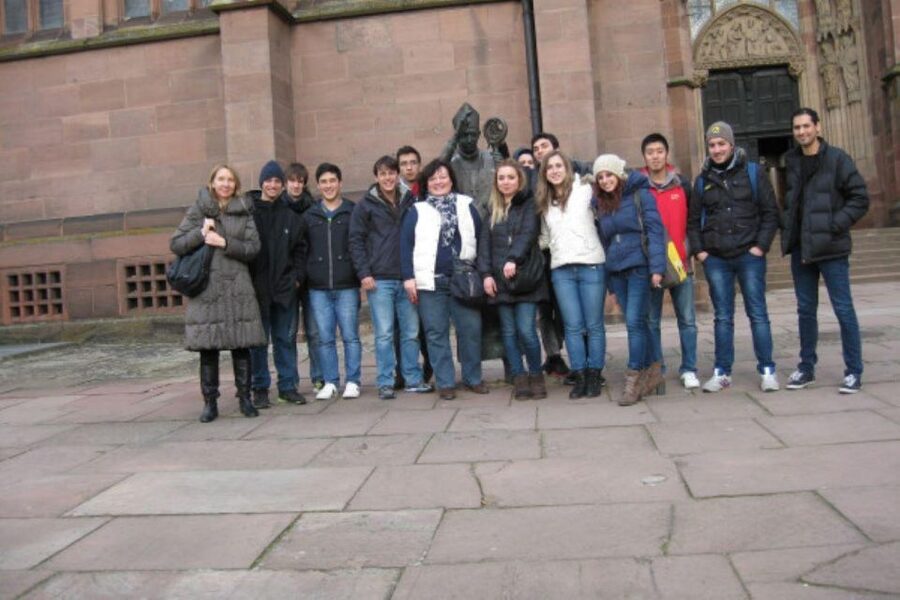
You should think of the tour as a story-led walk that uses Worms’ landmarks as chapter headings.
It starts with the Dom entrance, where the guide can set the tone and connect religious symbolism to Worms’ identity. From there, you move through key historic places and spaces of remembrance that fit the theme of Worms Memoria and spiritual locations.
The talk uses medieval imagery and broader historical context to connect the dots. As you move, you are shown how to interpret architectural details and iconography, rather than only hearing dates and events.
You also get room for questions and exchange. The experience highlights dialogue, and that makes the tour feel more like a guided conversation and less like a lecture.
One important “watch-out”: some past groups felt the tour did not include a formal guided visit inside the Dom. If that is a must for you, you should ask when booking whether the tour includes going into the cathedral during your specific departure.
Who This Tour Suits Best, and Who Might Want Something Else
This tour is a great match if you enjoy history you can see. If you like explanations that help you notice details in churches and older city centers, you will get a lot out of the symbolism-focused approach.
It is also a good pick if you want German-language context without giving up clarity. The guide’s approach includes clear pronunciation and pacing, plus interaction that can help you adjust as you go.
If you are traveling with limited patience for long standing, the built-in sits and comfort-first pace are a strong point. But it is still a walking tour, so you will need to handle two hours outdoors and on your feet.
If you need accessibility accommodations or you cannot manage the walking portion, this one is not suitable. In that case, consider an alternative format that reduces walking distance.
Practical Tips for Your Day in Worms
A walking tour can make your whole day better, but you need to set yourself up.
Wear comfortable shoes, because this is the main “included item.” Dress for the weather too, since the tour is outdoors most of the time.
Since food and drinks are not included, plan a snack stop before or after. If you get hungry, you will enjoy the interpretation less, so give yourself an easy way to recover energy.
If you are sensitive to crowds or tight group movement, pay attention to the tour’s comfort design. The experience is explicitly meant to avoid claustrophobia constraints, and that can be a comfort factor for you.
Finally, arrive at the Dom entrance with a bit of buffer time. Starting on time helps you settle into the story flow.
Possible Hiccups: When You Expect the Dom Inside
Here is the only drawback worth flagging clearly. One reported issue was that the tour did not include a guided session inside the Dom. That can matter if you came specifically for cathedral interior storytelling.
The tour still centers on spiritual locations and remembrance themes, and the meeting point is the Dom entrance. But based on that feedback, you should not assume you will automatically go inside for a guided interior experience every time.
If cathedral interior access is a priority, message the provider before you book. Ask whether your departure includes going into the Dom or staying focused on external viewpoints and nearby stops.
Should You Book This Worms Walking Tour?
I would book this tour if you want a short, thoughtful way to understand Worms. The mix of Heike’s interactive German storytelling and the focus on symbolism in architecture is exactly how you get real value from a two-hour walk.
You should probably think twice if you need a guaranteed guided visit inside the Dom, since some groups reported otherwise. Also, if you have mobility limitations, you will need a different tour format since this one is not suitable for mobility impairments.
If you are the type who enjoys looking at details and connecting them to meaning, this is a solid choice. For the price, you get interpretation you can carry with you, even after the walk ends.
Mainz Wiesbaden and the Rhine-Main Tours, side by side.
 ★ 4.4Karlsruhe: 24-Hour Hop-On Hop-Off Sightseeing Bus TicketFrom $28362 reviews
 ★ 4.7Speyer: Technik Museum Speyer Ticket with an IMAX Dome FilmFrom $35360 reviews
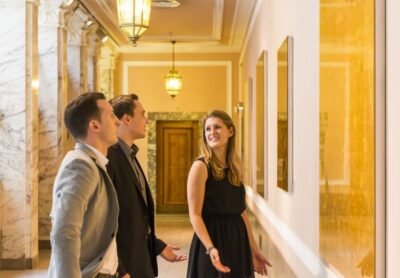 ★ 4.8Wiesbaden: Sparkling Winemaking Tour with 3-Glass TastingFrom $34155 reviews
 ★ 3.5SEA LIFE Speyer Admission TicketFrom $26131 reviews
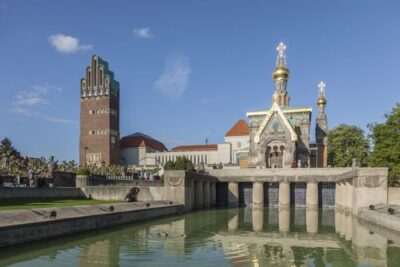 ★ 4.7Darmstadt: Mathildenhöhe UNESCO Site Guided VisitFrom $17124 reviews
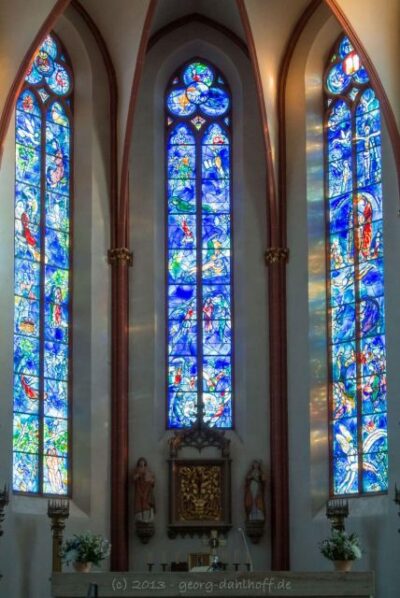 ★ 4.9Guided tour in Mainz on the Rhine in german and englishFrom $23106 reviews
 ★ 4.2Sea Life Speyer TicketFrom $2299 reviews
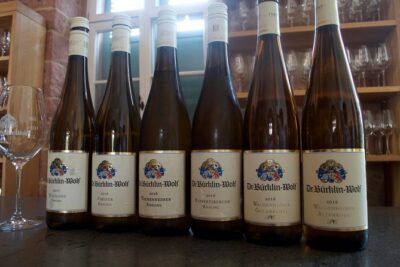 ★ 5.0Rhine Valley Wine Tasting Tour from Frankfurt and MainzFrom $47687 reviews
Other lists this tour is on