
REVIEW · COLD WAR BERLIN
Dresden Live-Guided Self-Drive Trabi Safari City Tour 1h15min
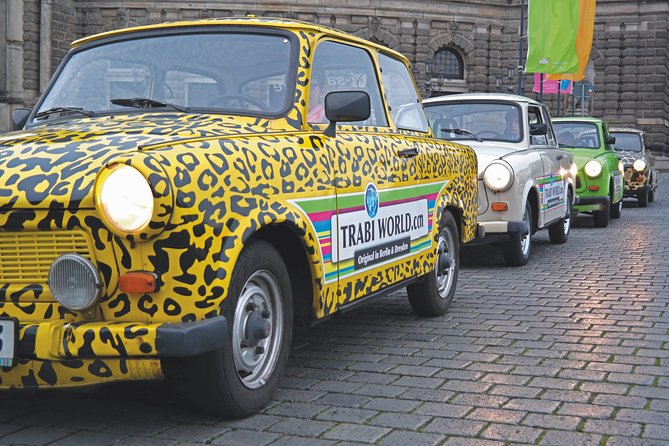
The Trabant turns Dresden into a time capsule. This 1h15 guided self-drive puts you behind the wheel of a classic East German car while you zip past top sights like the Zwinger, Semperoper area, and more. You get live guided narration and a convoy style route, so you spend the short time you have actually seeing the city, not hunting directions.
I especially like the chance to drive a manual shift Trabant through real streets, not a theme park loop. And I like that the tour is built for seeing key Dresden landmarks while still giving you time on the street for photos and quick looks. One consideration: you need the right driver’s license for non-automatic cars, and the cars are famously not modern-comfort machines, so go in expecting noise and slow-but-fun driving.
In This Review
- Key things you will notice on the Trabi safari
- Why a Trabant Safari Works in Dresden
- TrabiWorld meet point to your first turns on Dresden streets
- Manual shift reality: what to know before you commit
- Following the guide convoy through Dresden, not chasing it
- Neustadt quarter stop: cafés, culture, and real neighborhood energy
- The former oriental-style tobacco factory: where architecture tells a story
- Galleries stop with Alte Meister and Porzellansammlung vibes
- Oldest Christmas market in Germany: a stop that changes with the season
- Semperoper, Zwinger area, and the Catholic Church viewpoints
- Museum of Hygiene and the 1912 international exhibition idea
- The three castles segment: seeing Dresden’s skyline rhythm
- Your souvenir: the Trabant driver’s license
- Price and value for a 1h15 city safari at $91.04
- Who should book this, and who should skip it
- Should you book the Dresden Trabi Safari?
- FAQ
- FAQ
- Do I need a driver’s license to drive the Trabant?
- Is the Trabant automatic or manual?
- How long is the tour?
- Where do I meet for the tour?
- Do I get a souvenir at the end?
- Is food included?
- What is the maximum group size?
- Are service animals allowed?
- Can children join?
Key things you will notice on the Trabi safari
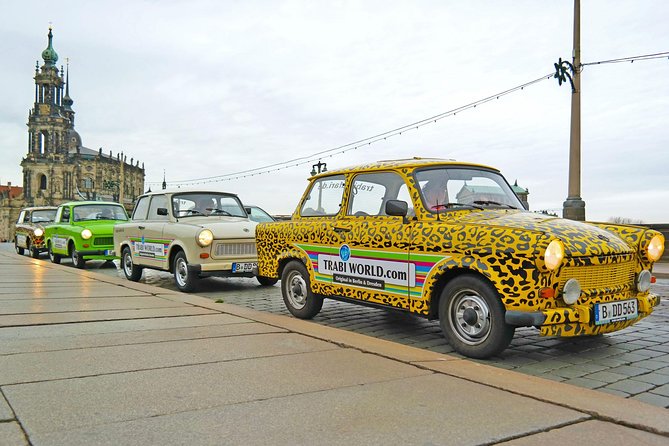
- You drive a manual Trabant in a convoy, with your guide in the lead
- Landmark stops across central Dresden, including the Zwinger and Semperoper area
- A souvenir Trabant driver’s license to take home after the ride
- Small group size (maximum 12 travelers), plus up to 4 people per car
- Live guidance designed to keep you moving and informed while you sightsee
More of the divided city, written up in full
- Dresden: 2 hour 15-Minute Trabi Safari★ 4.9 · 197 reviews
- Dresden Live-Guided Self-Drive Trabi Safari City Tour 1h15min★ 4.5 · 41 reviews
Why a Trabant Safari Works in Dresden
Dresden can feel like a city you either rush through or study in detail. This tour takes a third approach: you move through the highlights at street level, but with context as you go. A classic Trabant is a slow, loud, practical joke on wheels, which is exactly why it makes sense here. The city’s landmarks read differently when you are not doing them at walking pace in silent contemplation.
The East German-made Trabant has a very specific vibe, and that vibe helps you notice details you might otherwise skip. You’re not just passing buildings, you’re experiencing a different era of everyday life. That matters, especially for Dresden, where history is layered and visible in architecture, museum buildings, and memorial-type spaces.
Also, this isn’t a pure driving stunt. You’re accompanied by a live guide, and the route is set up so you can see multiple major sights within a compact timeframe.
TrabiWorld meet point to your first turns on Dresden streets
You meet at Trabi-Safari Dresden, Meschwitzstraße 13, right in downtown Dresden. The exact start time given is 11:30 am, and the tour wraps back at the same meeting point. Expect a mobile ticket experience, and come ready with whatever ID or driving proof the operator asks for at check-in.
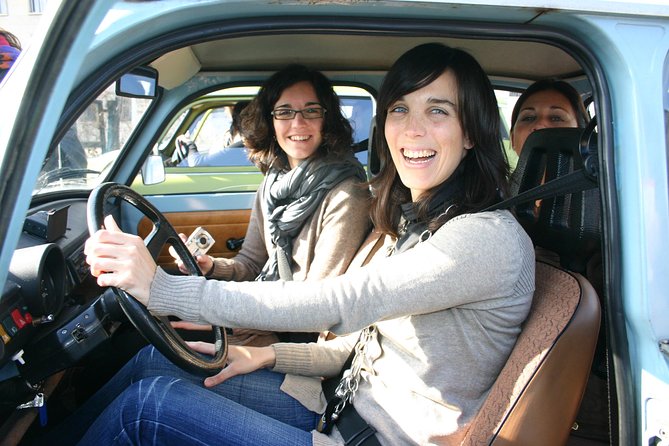
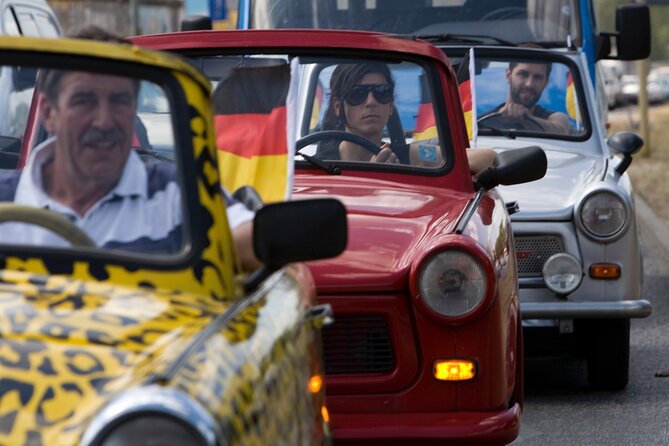
The moment you get set up with your Trabant is part of the fun. Each classic German car, produced in East Germany between 1957 and 1990, can fit up to four passengers. That setup keeps things sociable, but not cramped in the way some shared activities feel.
Small group size helps too. With a maximum of 12 travelers, you’re less likely to feel like a number in a long bus line. You also tend to get a more personal check-in and guidance when you are getting comfortable with the car.
Manual shift reality: what to know before you commit
This tour is for people who can drive a manual car. The Trabant is not automatic, and that is not a minor detail. It affects how stressful or relaxed your first 10 minutes behind the wheel will feel.
Here is what you should treat as non-negotiable:
- You must have a valid driver’s license for non-automatic cars. Evidence of that is required for all drivers.
- Most people can participate, but the minimum age is 18.
- If you’re bringing a child, children up to 17 can be free of charge when accompanied by an adult, but you may need to bring a child seat if it is necessary.
One more safety note. In case of an accident, the operator requires a co-payment of EUR 850. You don’t need to panic, but you do need to drive like you are responsible for a clunky classic car. Take it slow near intersections and cobblestones, and keep your eyes on the lead guide and the convoy flow.
Following the guide convoy through Dresden, not chasing it
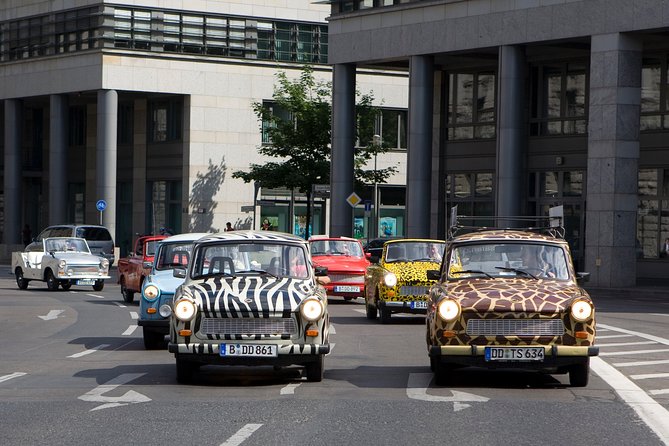
The structure is simple: you ride in a convoy with your guide leading. That matters more than it sounds. Dresden is best when you can move confidently between areas without losing time at every corner. The guide lead reduces decision fatigue, so you can focus on driving and noticing the sights.
You’ll also learn about the Trabant itself, including what it symbolized and why it became a cultural icon. The tour frames the car with the right kind of honesty too. It talks about the car’s reputation for being uncomfortable, slow, and noisy. That’s useful because it sets expectations. When you know what you’re getting into, you can enjoy the experience instead of fighting it.
In the feedback for this tour, the guides are repeatedly praised for being fun and professional, including hands-on guidance when people are still getting comfortable driving the car. One guide name that shows up with high praise is Kurt. Another guide, Marius, also gets called out for keeping the experience relaxed and for giving sightseeing information through radio.
The wider Dresden sightseeing pile
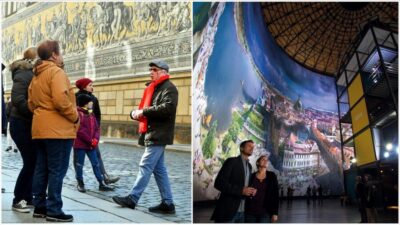
Neustadt quarter stop: cafés, culture, and real neighborhood energy
One of the early segments takes you through Dresden’s Neustadt quarter. This is a great choice because it’s not just about monuments. Neustadt is where the city’s street life and independent culture show up, with restaurants, cafés, boutiques, and art and culture in the mix.
What you should look for here is how Dresden changes feel as you move from landmark zones into everyday city streets. The Trabant makes that shift more noticeable. You’ll be able to look up at façades and signage while still feeling like you’re part of local movement, not watching from a distance.
A practical drawback of neighborhood-style segments: you may see less of the famous giant structures in this area, and some parts of the route can feel like short observational stops. If you love large, iconic viewpoints, you’ll probably want the later landmark portion as your main highlight. If you love street atmosphere and small details, Neustadt is a strong match.
The former oriental-style tobacco factory: where architecture tells a story
Next up, you’ll pass by a former tobacco and cigarette factory designed in an oriental style. This is one of those Dresden stops that helps you understand the city’s curiosity and architectural imagination. It’s not the kind of building you usually get in a fast highlights drive, and that makes it a good texture stop.
Why it works in a short tour: it’s visually distinctive and different from the more expected neoclassical or baroque landmarks. When you are driving a car that screams former East Germany, you’re already in a different time mode. An unusual building style like this adds variety instead of repeating the same aesthetic theme.
The possible downside is that the building itself might be more about how it looks and what it represents than about a long visit. Plan to treat it as a “pause and look” stop rather than a deep exploration. That aligns well with the tour length.
Galleries stop with Alte Meister and Porzellansammlung vibes
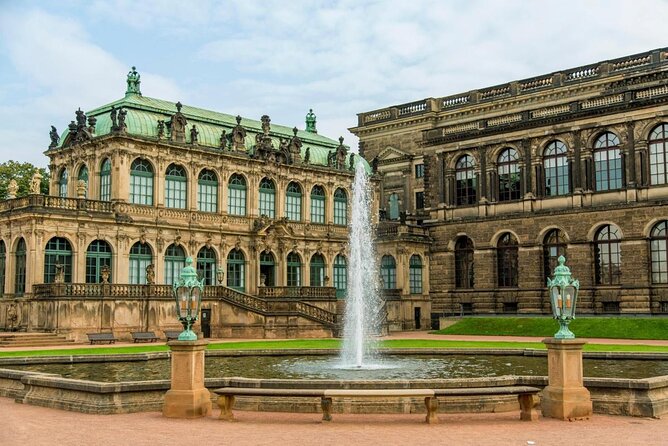
Another highlight is the area with famous galleries, including Alte Meister and Porzellansammlung. These names matter because they signal the kind of cultural collections Dresden is known for. Even if you do not go inside for a full museum session, seeing the setting helps connect the city’s art identity to the streets you’re driving.
In a Trabant tour, the value is not in pretending you’re doing a museum day. The value is in building context so that later, if you choose to visit at your own pace, you already know what to aim for.
One consideration: if you are expecting a structured gallery visit with lots of time inside rooms, this tour may feel too fast. It’s a drive-and-sightsee format. Use it to orient yourself, then build your deeper museum time afterward if you want.
Oldest Christmas market in Germany: a stop that changes with the season
The itinerary includes a stop at the oldest Christmas market in Germany. That’s a fun detail because Dresden’s seasonal identity is part of what makes the city feel alive. Even if you are not traveling during the season, knowing this is a historically significant market area helps you understand why the city embraces festive public space.
This stop works especially well because it connects a “living tradition” to a specific place. You can see how the city organizes a central public area around food, crafts, and community gatherings.
Year-round drawback: the atmosphere will be different outside the market period. So treat this as a heritage location you pass and look around at, rather than expecting the full market energy unless your travel dates line up.
Semperoper, Zwinger area, and the Catholic Church viewpoints
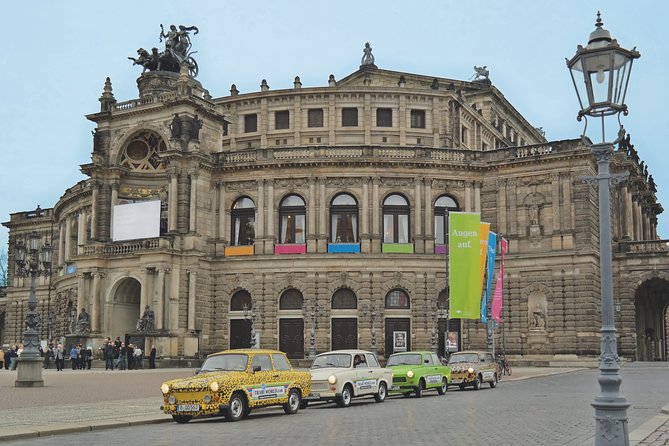
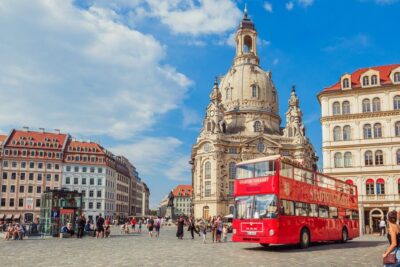
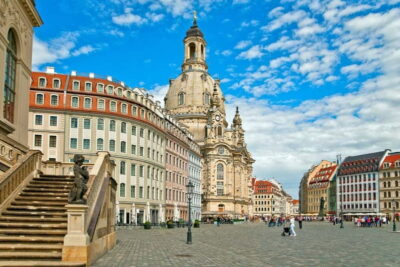
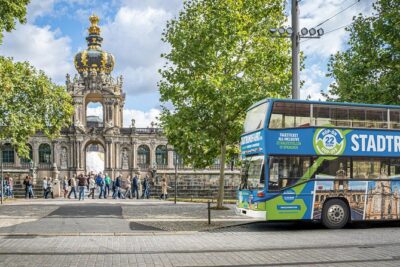
The tour then hits one of Dresden’s most recognizable combinations: Semperoper, Zwinger, and the Catholic Church area. That grouping is smart because these sites sit near each other in the city core, so you get maximum visual payoff without wasting time.
You’ll also see the Golden Rider and Great Garden along the way, plus several castles as the route continues. This is where Dresden’s grand scale starts to hit you. Driving slowly enough to appreciate stonework and silhouettes, while your guide explains what you are seeing, can feel surprisingly satisfying even within a compact 1h15.
One practical note. This kind of stop is more about sightlines and quick viewing, so you’ll get the best results if you travel with a photo plan. Decide what you want to capture before you arrive, then use the stop windows to frame those shots.
Museum of Hygiene and the 1912 international exhibition idea
You’ll pass the Museum of Hygiene area, connected to a key historical point: it was established in 1912 for the 1st international exhibition of hygiene. That is a very Dresden-specific piece of context, and it’s a good example of how this tour goes beyond just naming famous buildings.
Why this matters for you: it gives you a way to connect a museum space to a broader social message. Hygiene is not an abstract topic here. It’s about public health ideas and education, presented in a public, international setting. When you know this backstory, even seeing the museum building from the street can feel more meaningful than just reading a plaque later.
The tour time stays tight, so don’t expect a full museum visit. Instead, use the stop as orientation and motivation, especially if you like learning how cities teach their values through architecture and exhibitions.
The three castles segment: seeing Dresden’s skyline rhythm
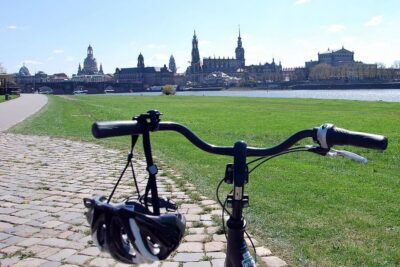
The route also includes three of Dresden’s castles. You might not get a long time in any single castle complex, but seeing multiple castle areas from the right city angle helps you understand Dresden’s “vertical” character.
Castles in Dresden sit in a way that affects how neighborhoods connect visually. When you are moving by car in a convoy, you can track the skyline changes in a way that walking between far points might not do as efficiently. That’s part of the tour’s logic, and it’s why the time window works.
If castles are your main obsession, you may still want to plan a separate time at a castle site afterward. Think of this segment as a map you can feel in your head, not as a substitute for a full cultural visit.
Your souvenir: the Trabant driver’s license
At the end of the tour, you walk away with your own souvenir Trabant driver’s license. This is more than a cute add-on. It’s a built-in memory device that turns a short city drive into a keepsake you can reference later.
Given how short the overall duration is, souvenirs that connect directly to the activity help you remember the “you were there” feeling. It also reinforces what this tour actually sells: participation. You drive, you learn, you take a tangible piece home.
Price and value for a 1h15 city safari at $91.04
Let’s talk money in practical terms. The price listed is $91.04 per person for about 1 hour 15 minutes. That sounds like a premium compared to public transport or a simple self-guided walk. But you are paying for several things at once:
- a classic vehicle experience (a Trabant, not a rental sedan)
- a live guide who leads the convoy and provides sightseeing context
- a manual car training-and-assistance setup in practice
- a souvenir driver’s license
- a small-group format, maximum 12 travelers
Also, you’re getting an efficiency boost. If your Dresden trip is short, you can use this as a high-impact orientation pass. You’ll see names you might later want to research and revisit, and you’ll understand how they connect geographically.
One value check: because it’s a compact tour, people who love long museum time might feel it’s too short. On the other hand, if you want a memorable experience that helps you steer your next day’s plans, this is priced like an activity, not like museum entry.
Who should book this, and who should skip it
This tour is a great fit if you:
- want a memorable, hands-on way to see central Dresden highlights
- enjoy cars, history, or GDR-era cultural context
- can drive a manual shift confidently
- like guided context that helps you navigate a city quickly
Skip it if you:
- hate manual driving or are uncomfortable driving in cobblestone-style street conditions
- want a long, slow museum day with lots of indoor time
- are traveling with limited tolerance for noise and a less comfortable ride
On the crowd side, the strong booking and recommendation numbers matter. The tour has a 4.7 rating from 41 reviews and 93% of people recommend it. That suggests the experience lands well when you match it to your preferences. Guides like Kurt and Marius are praised for making the driving relaxed and for delivering sightseeing information through radio, which is exactly the kind of support you want for a short but active tour.
Should you book the Dresden Trabi Safari?
If you want Dresden that feels different from the standard walking circuit, I’d book it. It’s short, guided, and built around an experience you can only get with this kind of vintage-car operation. The souvenir driver’s license also gives you a clear memory token, not just photos.
Book it if you’re comfortable with a manual car and you can bring the driver’s license evidence needed for non-automatic vehicles. If that part is a problem, you’ll lose the main joy of the day.
FAQ
FAQ
Do I need a driver’s license to drive the Trabant?
Yes. Evidence of a driver’s license for non-automatic cars is required from all drivers.
Is the Trabant automatic or manual?
It is manual shift. The tour specifically notes there is no automatic gearbox.
How long is the tour?
The duration is approximately 1 hour 15 minutes, and it runs from the listed start time of 11:30 am.
Where do I meet for the tour?
The meeting point is Trabi-Safari Dresden, Meschwitzstraße 13, 01099 Dresden, Germany.
Do I get a souvenir at the end?
Yes. After the tour concludes, you walk away with a souvenir Trabant driver’s license.
Is food included?
No. Food and drinks are not included.
What is the maximum group size?
The tour has a maximum of 12 travelers.
Are service animals allowed?
Yes, service animals are allowed.
Can children join?
Children must be accompanied by an adult. Children up to 17 years old are free of charge, and if a child seat is necessary you need to bring it yourself. The minimum age is 18 years for participation as a driver.
If you tell me your travel month and whether you are comfortable driving manual, I can help you judge how well this fits your Dresden schedule.
Seeing Dresden in One Go
The Divided Years, Reviewed
Everything else we filed on Dresden
- Outdoor escape game – the magical portal
★ 5.0 · 11 reviews - City Tour and Guided Tour in the New Green Vault – Program C – The Festive
★ 5.0 · 11 reviews - Bohemian and Saxon Switzerland Day Trip All inclusive-Winter Tour
★ 5.0 · 11 reviews - Escape Game Outdoor: Operation Mindfall
★ 5.0 · 12 reviews - Moritzburg: Scavenger Hunt Self-Guided Walking Tour
★ 4.8 · 12 reviews - Dresden: Bike Rental – City Bike with Option Children Seat
★ 4.5 · 13 reviews
Cold War and Stasi History Tours, side by side.
 ★ 4.9Berlin: Third Reich and Cold War 2 Hour Walking TourFrom $236,830 reviews
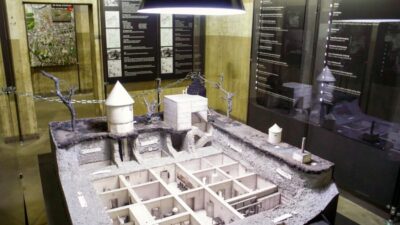 ★ 4.6Berlin: Berlin Story Bunker Entry TicketFrom $216,759 reviews
 ★ 5.0Berlin’s Best: 2 Hour Walking Tour Third Reich and the Cold WarFrom $245,486 reviews
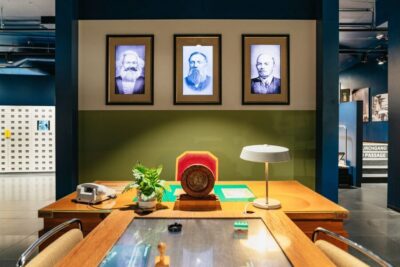 ★ 4.3Berlin: DDR Museum TicketsFrom $153,443 reviews
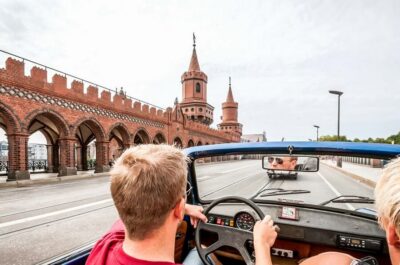 ★ 4.8Berlin: 75-minute Trabi SafariFrom $932,854 reviews
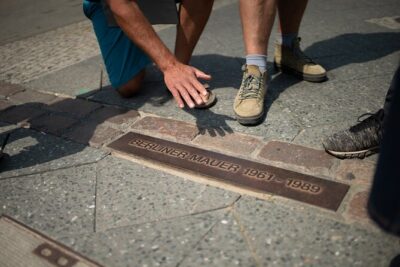 ★ 5.0Cold War, Berlin Wall, Spies and the East Side GalleryFrom $181,024 reviews
 ★ 4.8Nuremberg: Historischer Kunstbunker WWII Art Bunker TourFrom $14921 reviews
 ★ 4.9Leipzig: 90-Minute Trabi City TourFrom $81728 reviews
Other lists this tour is on