
REVIEW · COLD WAR BERLIN
Berlin: Third Reich and Cold War 2 Hour Walking Tour
Berlin turns real when you walk it. This tour strings together Nazi era Berlin and the Cold War in one tight route, starting at the Brandenburg Gate and ending at Checkpoint Charlie. It is history you can see with your own eyes, including a short stretch of the Berlin Wall you walk along.
I especially like two things. First, you get a tangible moment with a 200 meter section of the wall, not just a picture stop. Second, the guide turns major landmarks into one readable timeline, linking the Reichstag Fire turning point to the Soviet War Memorial and then on to the Cold War standoff at Checkpoint Charlie.
One heads up: the emotional stops are real and heavy, including the Holocaust Memorial and the sites tied to Nazi terror. This is a thoughtful walk, not a casual one.
In This Review
- Key highlights that make this tour worth your time
- Walking Brandenburg Gate to Checkpoint Charlie: a tight timeline you can follow
- Where to meet and how to plan your 2 km walk
- Brandenburg Gate: division, rallies, and the long shadow of 1989
- Reichstag stop: the 1933 Reichstag Fire and why it changed the game
- Tiergarten Soviet War Memorial: tanks, names of the fallen, and the cost of 1945
- Holocaust Memorial: facing the Memorial to the Murdered Jews of Europe
- Hitler’s bunker area: the end of the Third Reich on real ground
- From Göring’s ministry space to the birth of East Germany
- Topography of Terror: where the regime’s terror was organized
- The 200 meter Berlin Wall walk: division you can measure
- Checkpoint Charlie: a Cold War standoff you can still picture
- Why the guides matter so much (and what the best ones do)
- Price and value: is $23 for 2 hours actually fair
- Who should book this tour, and who might want a different option
- Should you book it
- FAQ
- How long is the Berlin Third Reich and Cold War walking tour?
- Where does the tour start?
- How do I find the guide at the meeting point?
- What sites does the tour include?
- How much walking is involved?
- What languages are available?
- Is the tour wheelchair accessible?
- What should I bring?
- Does it run in bad weather?
Key highlights that make this tour worth your time

- A 200 meter Berlin Wall segment you walk past on foot, so the division feels physical
- Brandenburg Gate to Checkpoint Charlie, a clean story arc from division to reunification
- Tiergarten Soviet War Memorial, including preserved Red Army tanks and remembrance for 80,000 soldiers
- Major Germany landmarks in a short 2 km stroll, including the Reichstag and key Cold War sites
- Topography of Terror and the Hitler bunker area, where the regime’s machinery is part of the landscape
More of the divided city, written up in full
- Berlin: Third Reich and Cold War 2 Hour Walking Tour★ 4.9 · 6,830 reviews
- Berlin: Berlin Story Bunker Entry Ticket★ 4.6 · 6,759 reviews
- Berlin’s Best: 2 Hour Walking Tour Third Reich and the Cold War★ 5.0 · 5,486 reviews
- Berlin: 75-minute Trabi Safari★ 4.8 · 2,854 reviews
Walking Brandenburg Gate to Checkpoint Charlie: a tight timeline you can follow
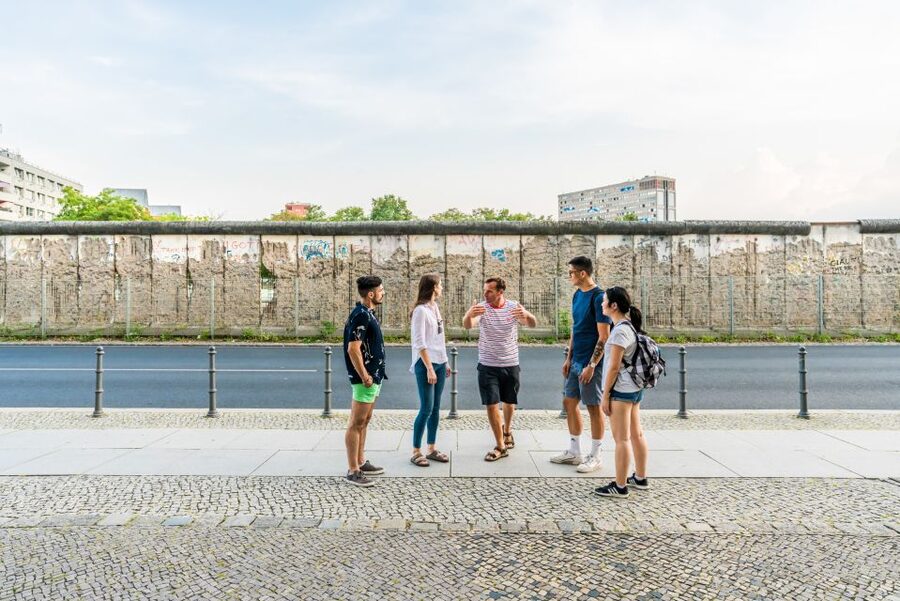
This is a 2 hour, roughly 2 kilometer walking tour that keeps you moving through Berlin’s toughest chapters in chronological order. You start at the tourist information at Brandenburg Gate, then work through the shift from the Third Reich era into the Cold War, and you finish at Checkpoint Charlie.
What makes this route click for most people is that it avoids the usual museum overload. You do not just hear facts in the abstract. You stand in front of the real settings that shaped the era, from the symbolism of Brandenburg Gate to the standoff mood of Checkpoint Charlie.
You also get a format that is easy to plan around. Two hours is long enough to make sense of connections, but short enough that you still have energy for the rest of Berlin the same day.
Where to meet and how to plan your 2 km walk
Meet in front of the tourist information point at Brandenburg Gate, Pariser Platz 1. Look for a guide with a pink umbrella at the gate. Public transit is nearby, with the Brandenburger Tor station for S-Bahn and U-Bahn (S1, S2, S25, S26 and U5), plus buses 100 and 245.
Expect about 2 kilometers of walking. That is usually comfortable for able walkers, but it matters because several stops are remembrance or memorial spaces where you will pause and listen.
Bring the basics the tour calls out: comfortable shoes, an umbrella, a camera, and water. Berlin weather can change fast, and the tour runs in all weather conditions and on public holidays.
Brandenburg Gate: division, rallies, and the long shadow of 1989
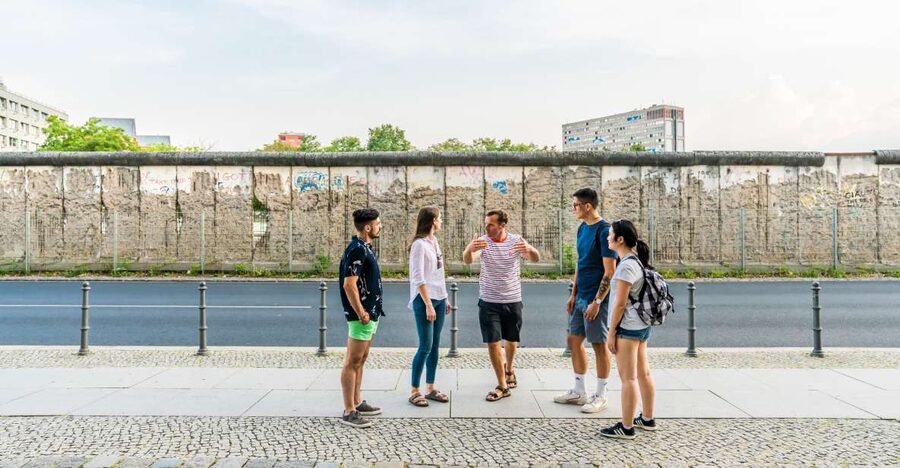
You begin at Brandenburg Gate, which is more than a landmark. It is a visual shortcut to Berlin’s big story: the city as a symbol of division, and later, reunification.
In this tour flow, Brandenburg Gate works like a set of opening credits. The guide explains how it sat at the heart of Nazi parades, then carried that tension through Cold War years, and finally became part of the unity story that culminated in 1989. Even if you know the outline already, having that timeline mapped directly onto the gate helps it feel less like trivia and more like a lived arc.
Practical note: arrive a few minutes early. Meeting point timing matters because the guide needs everyone together to start the story properly.
Reichstag stop: the 1933 Reichstag Fire and why it changed the game
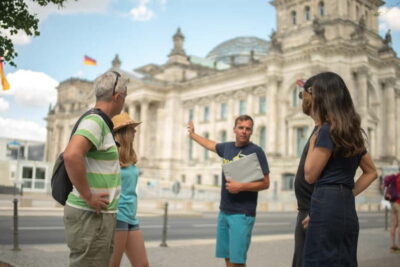
Next comes the Reichstag, and the focus is the mystery and impact of the 1933 Reichstag Fire, described as a turning point in Hitler’s rise to power. This is one of those stops where context matters, because the building itself survived wars, destruction, and division and then became the seat of German democracy.
So you are not only looking at architecture. You are watching a “before and after” story play out in stone. The guide uses the building’s survival to make a simple point: these structures can outlast regimes, but they also carry the marks of what happened around them.
Possible drawback: because this tour is only 2 hours, each major stop is a pause, not a long stay. If you want extra time inside a building or for deeper reading, you will likely want to add a follow up visit on your own.
Further wartime history walks we have written up
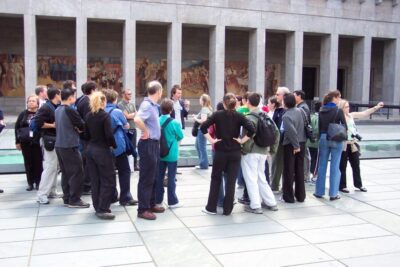
Tiergarten Soviet War Memorial: tanks, names of the fallen, and the cost of 1945
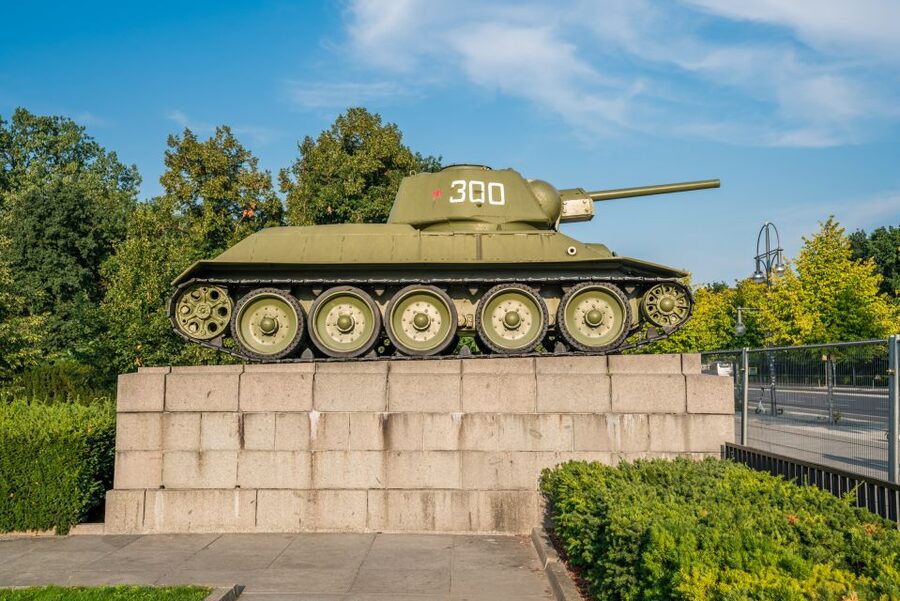
At the Soviet War Memorial in Tiergarten, you see preserved Red Army tanks and you pay tribute to the 80,000 Soviet soldiers who fell during the Battle of Berlin.
This stop does something valuable for your understanding. It pushes the story away from just one side of the conflict. Instead of treating Berlin like a battle fought only in Nazi records, you see how the Red Army presence shaped the city’s endgame and aftermath.
The guide’s role here is important. A memorial like this can feel “obvious” at first glance, but with a guide explaining what you are seeing and why it matters, it becomes a moment of focused remembrance rather than a quick photo.
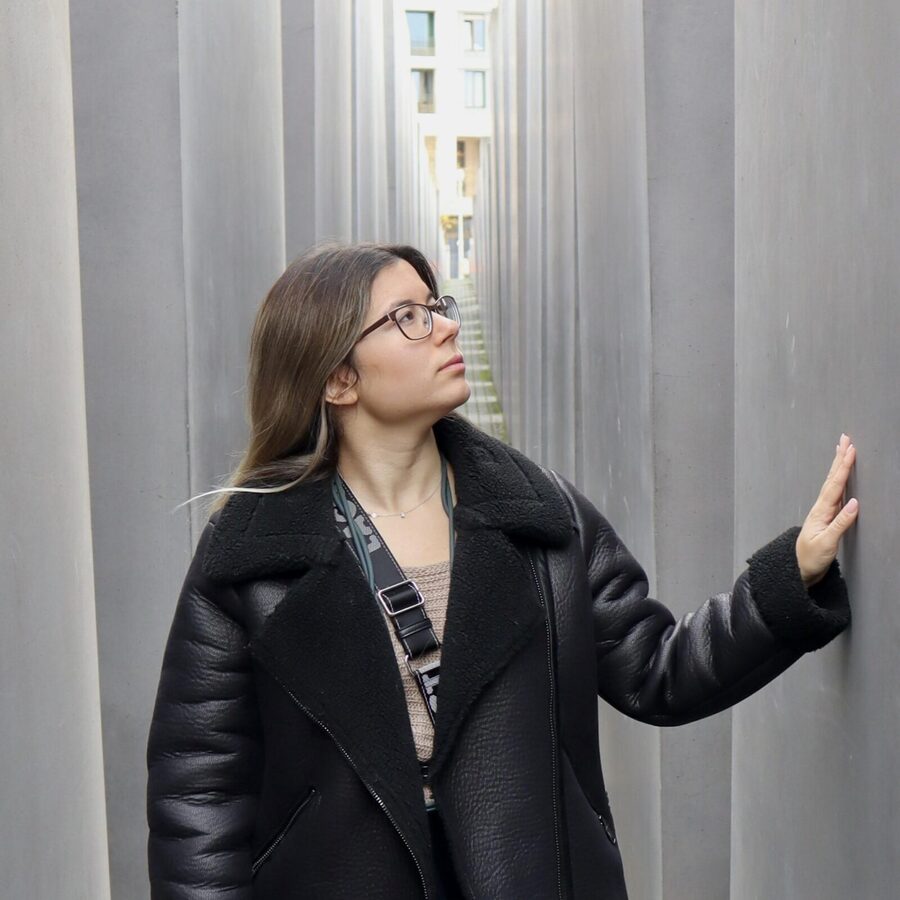
Holocaust Memorial: facing the Memorial to the Murdered Jews of Europe
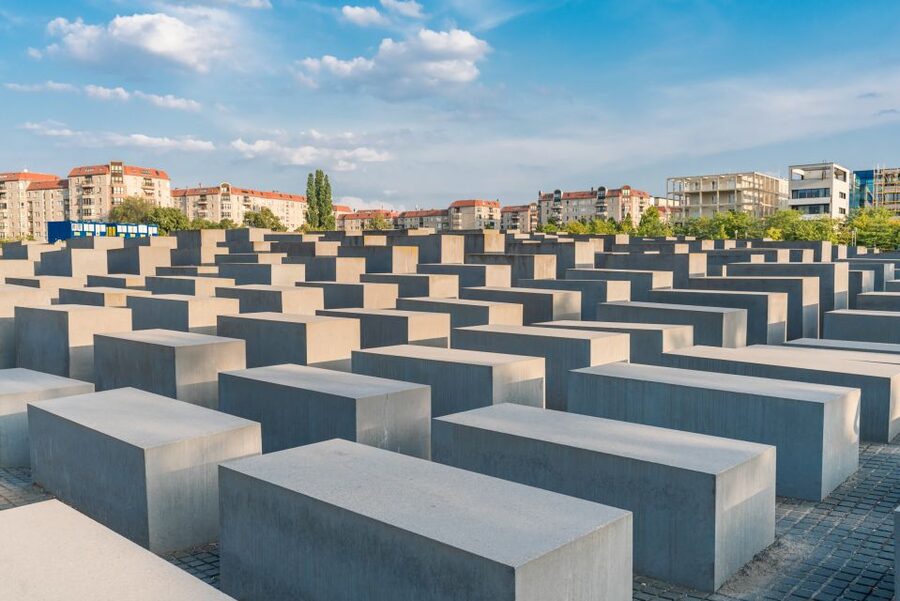
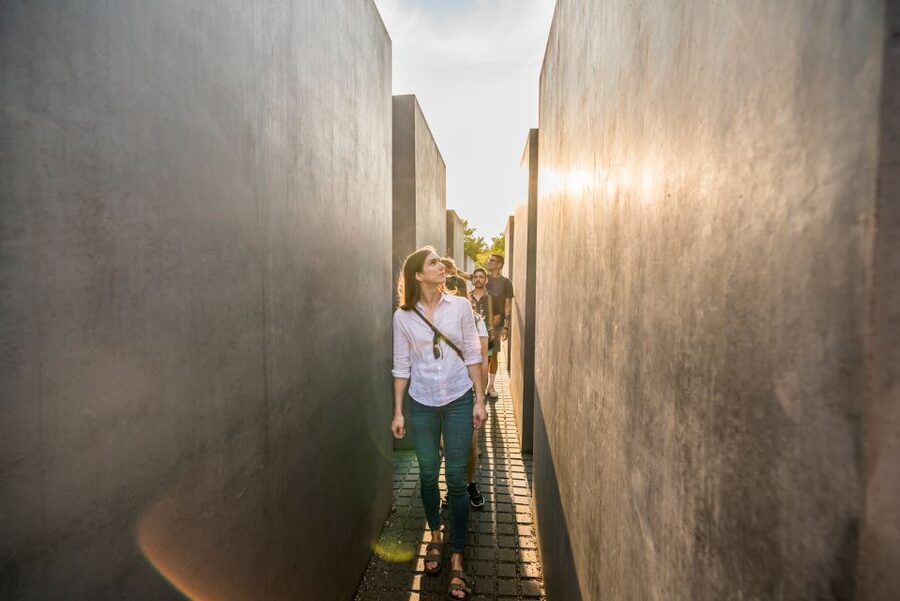
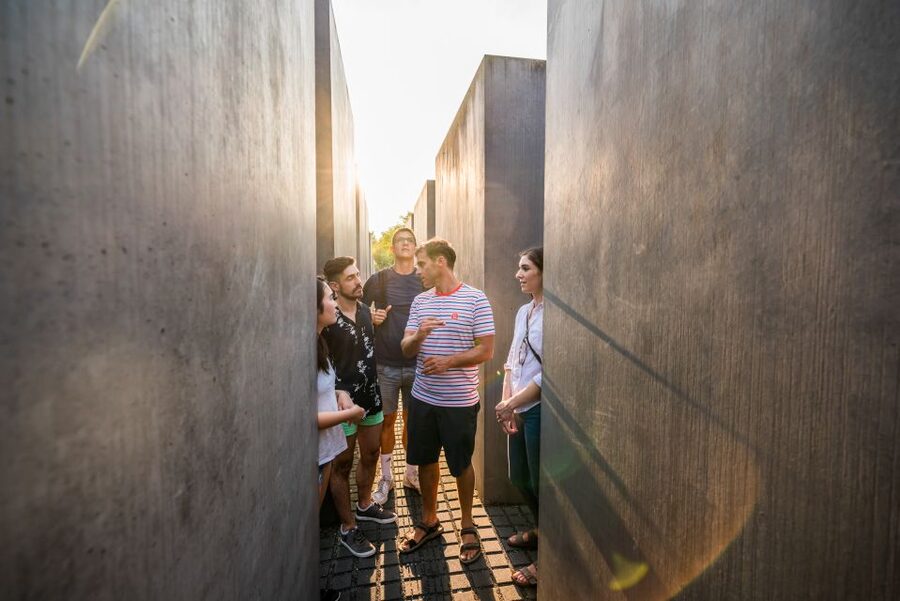
The tour also includes the Memorial to the Murdered Jews of Europe. The emphasis is clear and direct: it honors the six million Jewish victims of the Holocaust.
This is one of the stops where the guide’s pacing helps. You are not rushing through. You are stepping into a space designed to slow your thinking down.
One reason I like that this is included in a walking tour is that it prevents the Holocaust from being treated like a separate topic. Here, it sits inside the same city walk that also discusses Nazi terror and the machinery around it. That link helps your brain connect causes and consequences without losing respect for the solemnity of the site.
Hitler’s bunker area: the end of the Third Reich on real ground
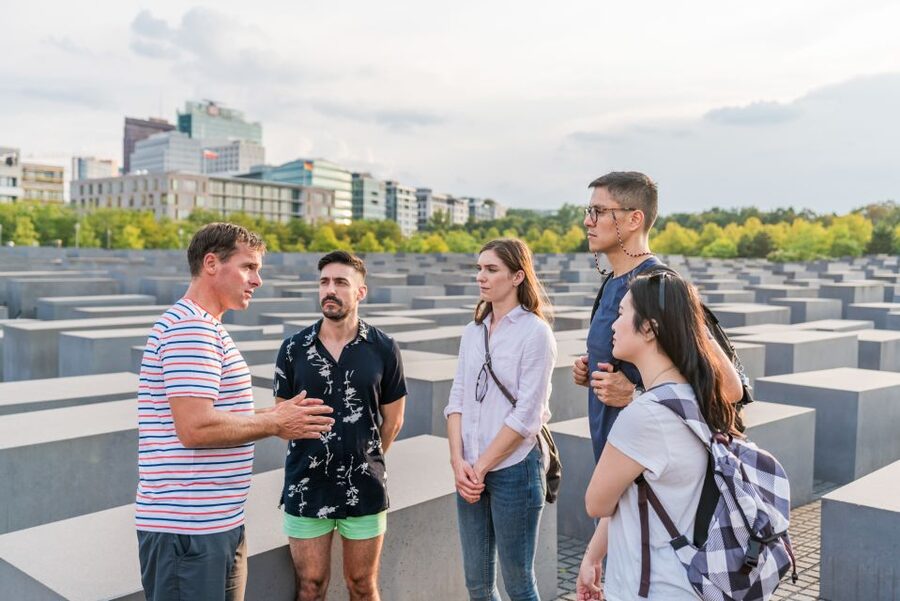
After the Holocaust Memorial, the route moves toward the site of Hitler’s Bunker, where he spent his final days before the fall of the Third Reich.
Standing at the edge of that story is unsettling, even if you already know the headlines. The value here is that it is presented as a place in a sequence, not a standalone shock moment. In other words, it is not just about the end. It is about how Berlin reached that point.
From Göring’s ministry space to the birth of East Germany
The tour then brings you nearby to Hermann Göring’s former Ministry of Aviation, described as later becoming the birthplace of East Germany in 1949.
This is a clever pivot because it shows how the same physical spaces can be used by completely different regimes. You start in the collapse zone of the Third Reich and then move into the early Cold War political reshaping, all without leaving the city’s built environment.
Stop 6 on the tour route is listed as Detlev-Rohwedder-Haus, and the surrounding explanation ties that area to the East Germany transition. Even if you do not care about architecture, the point lands: Berlin did not reset cleanly. It re-used, re-imagined, and re-purposed.
Topography of Terror: where the regime’s terror was organized
Next is Topography of Terror, tied to the former headquarters of the SS and Gestapo, where the Nazi regime’s reign of terror was orchestrated.
This stop is often what makes the tour feel real rather than academic. When you talk about terror in class, it can sound like a concept. When you walk around the place where it was managed, it starts to feel like a system with locations, decisions, and consequences.
If you are someone who needs emotional space, take breaks. Sit, breathe, and let the guide’s words land. You are not doing this stop like it is a normal sightseeing photo round.
The 200 meter Berlin Wall walk: division you can measure
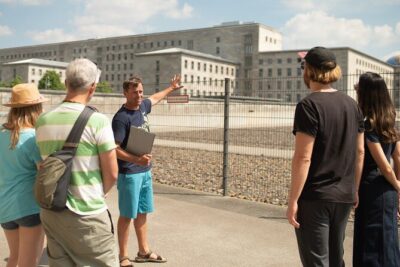
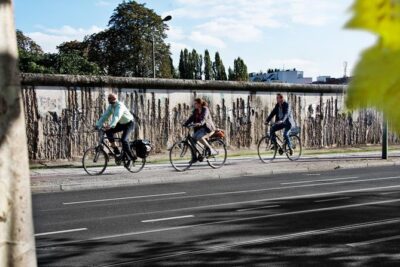
Then comes the highlight that many people talk about: stepping back in time on a 200 meter section of the Berlin Wall. This short stretch is chilling because it puts the Cold War division into a scale you can feel under your feet.
The guide shares stories of people who risked everything to escape and explains the lasting impact of the wall’s fall. That matters because the wall is often discussed as a symbol. Here you see why it was also infrastructure, and why losing it changed daily life.
Practical tip: wear shoes you can stand in for a while. Even though the wall segment is short, you will stop, listen, and absorb the meaning.
Checkpoint Charlie: a Cold War standoff you can still picture
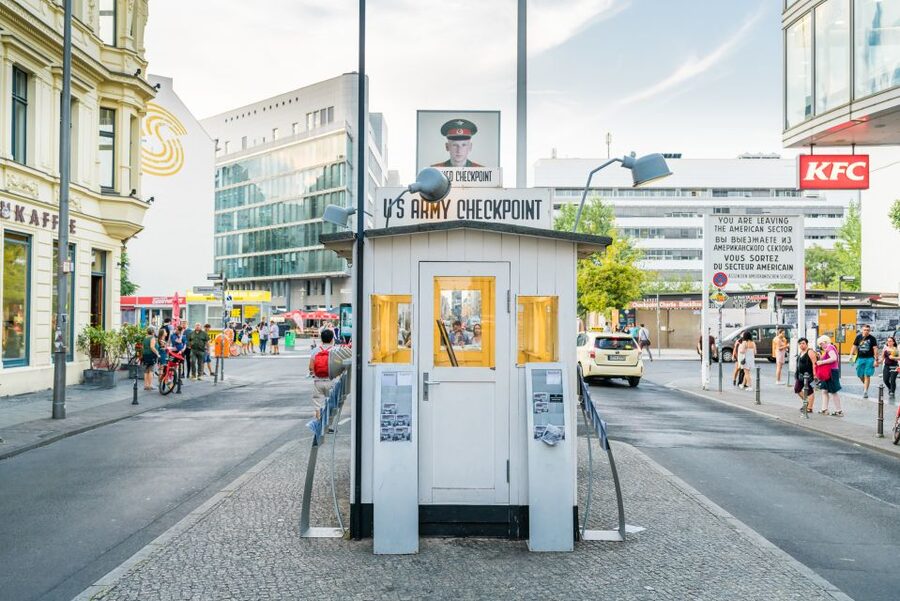
The tour finishes at Checkpoint Charlie, where American and Soviet tanks once faced off in a tense Cold War standoff.
This is a great ending because it is dramatic without being cartoonish. The guide relives escape attempts and focuses on the pivotal final hours before the wall came down, when Germany began to reunite.
If you want a clean final takeaway, it is this: Berlin is one city with two overlapping conflicts. The first was about the Third Reich’s violent control. The second was about control through division and pressure during the Cold War. Checkpoint Charlie holds the visual memory of that standoff like a poster you can walk up to.
Why the guides matter so much (and what the best ones do)
This tour is only 2 hours, so the guide has to keep the story tight. That is where the experience gets repeatedly praised.
A lot of guides in this program are noted for energy and clear storytelling. People mention guide names like Hannah, Jimmy, Steve, Ru, Scott, Klaus, Marie, Mikhail, Alex, Thomas, Tina, and Jasper, with repeated themes: the pace works, questions get answered, and the tour is easier to follow because the guide makes connections between stops.
I also like how several guides are described as being flexible with conditions. For example, there are mentions of guiding people safely under cover if weather turns, or finding shade during hot sun. Those small things matter when you have a schedule of memorial sites and you need to keep listening, not just surviving the elements.
Price and value: is $23 for 2 hours actually fair
At about $23 per person for a 2 hour guided walk, the value is strong if your goal is context. You are paying for interpretation across a lineup of major sites that would otherwise be disconnected if you visited alone.
You also get clear structure. The guide leads you from Brandenburg Gate to Checkpoint Charlie and fills in what connects the sites. That is the difference between looking at landmarks and understanding what you are looking at.
It is also a good length for a first-time Berlin day. You will still have time after the tour to explore on your own, but you will start your Berlin day with a story framework that makes everything else easier.
For groups, you can book group tours or a private group option. The tour is listed as wheelchair accessible, and you will likely appreciate that if you need step-free routing.
Who should book this tour, and who might want a different option
This tour is ideal if you want a guided, chronological overview of Berlin from the Third Reich into Cold War division. It is especially good if you like learning that sticks to real places, and if you want your guide to help you connect big events to what you see on the street.
You might want a different style of tour if you prefer long indoor stops, because this one is built around a short walking route with pauses. And if you strongly avoid heavy topics, know ahead of time that the itinerary includes the Holocaust Memorial and sites connected to Nazi terror.
Should you book it
Yes, I think you should book this tour if you want a focused, high-impact introduction to Berlin’s darkest chapters and its Cold War transition, without getting lost in scattered facts.
Start here if you are time limited or if you want your first Berlin history day to feel coherent. Bring sturdy shoes, an umbrella, and an open mind, and you will get a route that turns iconic landmarks into a real timeline you can actually remember.
FAQ
How long is the Berlin Third Reich and Cold War walking tour?
It lasts about 2 hours.
Where does the tour start?
It starts at the tourist information at Brandenburg Gate, Pariser Platz 1. Meet in front of the tourist information point.
How do I find the guide at the meeting point?
Look for the guide with a pink umbrella at the Brandenburg Gate.
What sites does the tour include?
The tour includes the Reichstag, the Soviet War Memorial in Tiergarten, the Memorial to the Murdered Jews of Europe, the Hitler’s Bunker area, the Detlev-Rohwedder-Haus area, Topography of Terror, a 200-meter stretch of the Berlin Wall, and it finishes at Checkpoint Charlie.
How much walking is involved?
Expect to walk approximately 2 kilometers.
What languages are available?
The tour is available in English and German.
Is the tour wheelchair accessible?
Yes, it is listed as wheelchair accessible.
What should I bring?
Bring comfortable shoes, an umbrella, a camera, and water.
Does it run in bad weather?
Yes, tours run in all weather conditions and on public holidays.
Pavements of Berlin
Wartime History Walks We Have Reviewed
The Divided Years, Reviewed
Everything else we filed on Berlin
- East Berlin: City of Shadows Walking Tour
★ 5.0 · 11 reviews - Berlin: Die Stachelschweine – Frank Lüdecke – Träumt Weiter
★ 4.7 · 11 reviews - Potsdam Day Trip from Berlin with a Local: Private & Personalized
★ 4.0 · 11 reviews - An Introduction to Berlin Walking Tour
★ 5.0 · 11 reviews - DJ for a Day: Learn to Mix Like a Pro in Berlin
★ 5.0 · 11 reviews - 2-H Segway Sightseeing Tour Berlin
★ 4.5 · 11 reviews
Cold War and Stasi History Tours, side by side.
 ★ 4.6Berlin: Berlin Story Bunker Entry TicketFrom $216,759 reviews
 ★ 5.0Berlin’s Best: 2 Hour Walking Tour Third Reich and the Cold WarFrom $245,486 reviews
 ★ 4.3Berlin: DDR Museum TicketsFrom $153,443 reviews
 ★ 4.8Berlin: 75-minute Trabi SafariFrom $932,854 reviews
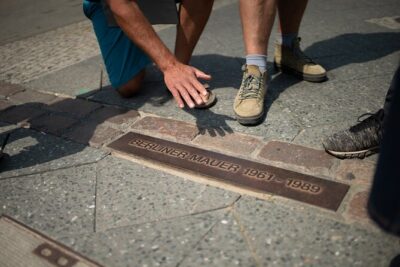 ★ 5.0Cold War, Berlin Wall, Spies and the East Side GalleryFrom $181,024 reviews
 ★ 4.8Nuremberg: Historischer Kunstbunker WWII Art Bunker TourFrom $14921 reviews
 ★ 4.9Leipzig: 90-Minute Trabi City TourFrom $81728 reviews
 ★ 4.9Dresden: Guided Sightseeing Tour in Classic Trabi CarFrom $81642 reviews
Other lists this tour is on