
REVIEW · GERMAN WINE
Koblenz: The Living Vineyard, Nature & Wine Enjoyment
Moselle vines come with a built-in nature lesson. At Weingut Lunnebach, a German-led guide turns a vineyard walk into a hands-on look at how vines, animals, and geology all connect. Along the way, you pause for tastings while taking in the steep Moselle setting that’s especially suited to Riesling.
I also love the straightforward drinking plan: a welcome secco plus three selected wines, served while the guide points out what you should taste and why. The only real drawback is that the trail is about three kilometers, goes leisurely uphill, runs rain or shine, and it is not suitable for wheelchair users or people with mobility impairments.
In This Review
- Key things to look forward to
- A 3-Hour Moselle Wine Walk That Feels Like a Nature Trip Plus Tastings
- Welcome Secco First, Then You Walk With Your Tasting Glass
- The Vineyard Path Above Weingut Lunnebach and Why It Matters
- What You’ll See: Vine Rows, Dry Stone Walls, Meadows, and Brauewald
- Habitat Safari in the Wine Country: Flora and Fauna at Vineyard Speed
- The Geology and Winemaker’s Work, Explained in Plain Language
- Napoleon’s Footsteps, Now With Wine Knowledge Added
- Tasting Stops: One Secco and Three Wines, Served With Context
- Views Toward Koblenz at the End of the Walk
- Rain or Shine, 3 Kilometers Uphill, and What to Bring
- Price and Value: What $30 Buys You in the Moselle Vineyards
- Who Should Book This Koblenz Tour, and Who Might Skip It
- Should You Book the Koblenz Living Vineyard Walk?
- FAQ
- How long is the Koblenz living vineyard tour?
- How much does the tour cost?
- Where does the tour start?
- What is included in the experience?
- What language is the tour conducted in?
- Is the tour suitable for wheelchairs or mobility impairments?
- What should I bring, and what about the weather?
Key things to look forward to
- Welcome secco on arrival, with a real tasting setup (glass and holder)
- A vineyard walk focused on plants, insects, birds, and reptiles
- Tastings of one secco and three selected wines from the cellar
- Steep Moselle slope viticulture, with slate soils and lots of sun
- Terrific views back toward the Moselle and the city of Koblenz
More Roman stone and river corners
- Koblenz: Rhine Valley Castles and Palaces Boat Tour★ 4.4 · 1,824 reviews
- Koblenz: 2-Hour Sightseeing Cruise on the Rhine★ 4.6 · 839 reviews
- Koblenz: Old Town Sightseeing Cruise along the Rhine★ 4.5 · 305 reviews
- Koblenz: Panoramic Cruise on Moselle River to Winningen★ 4.4 · 283 reviews
A 3-Hour Moselle Wine Walk That Feels Like a Nature Trip Plus Tastings
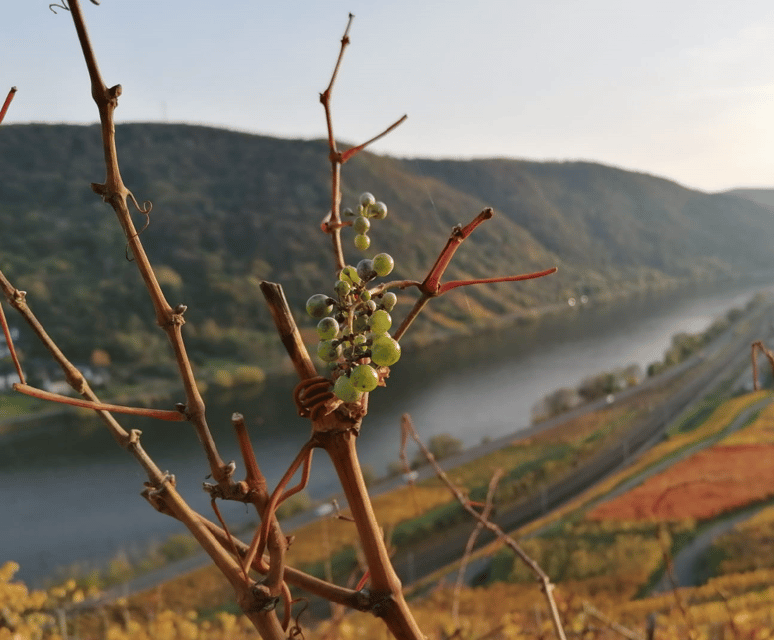
This isn’t the usual wine tasting where you sit, sip, and call it a day. You start at Weingut Lunnebach and head out on foot through the vineyard, so the wine experience is tied to what you can actually see and smell around you. That mix of wine and nature is exactly why the time flies.
The route is designed to be leisurely, but it is still uphill. Expect a walk of about three kilometers and wear shoes you’d trust on uneven vineyard paths. If you like learning outdoors and don’t want things to feel stiff, you are going to enjoy this format.
Welcome Secco First, Then You Walk With Your Tasting Glass
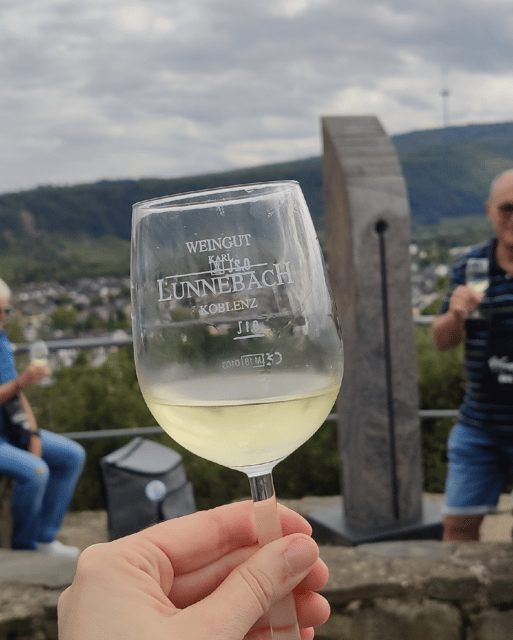
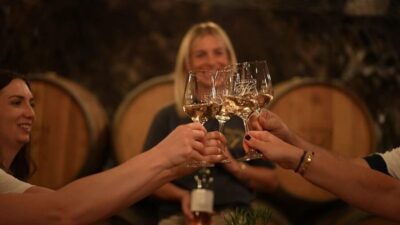
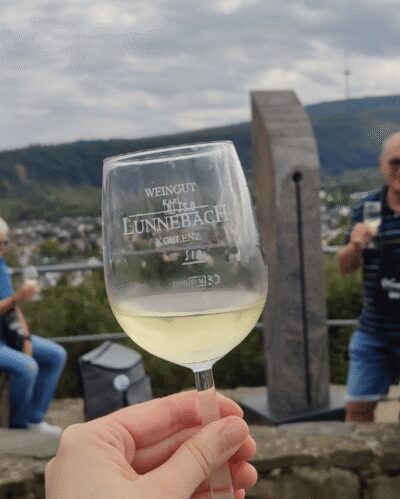
You begin with a welcome secco at the winery. You’re handed a wine glass and a glass holder, which is a small detail that makes a big difference. It means you can taste and move without juggling cups, and it keeps the whole experience feeling organized.
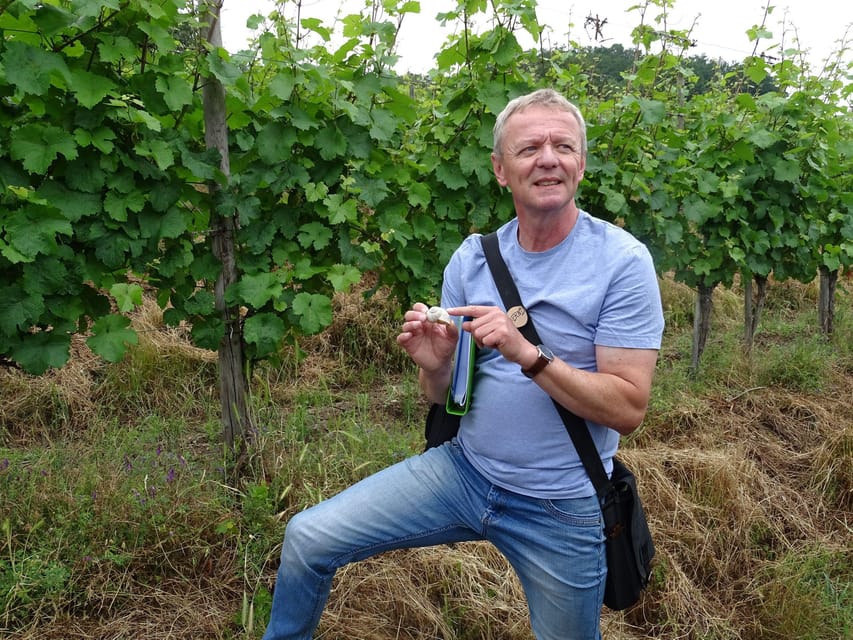
From there, you meet the nature experience guide and start up the path. The guide does more than point at vines. You’ll hear how the Moselle region formed, how winemakers work these slopes, and what to look for in the surrounding habitats as you go.
The Vineyard Path Above Weingut Lunnebach and Why It Matters
This is steep-slope viticulture in the Moselle style. Lunnebach grows Riesling in particular, and the vines ripen on slate-shaped soils with strong sunlight exposure. That combination is part of what gives Riesling its focus and mineral edge, and it’s also why the work is physically intensive even when the tour pace stays gentle.
As you walk, the guide weaves in history and place. One especially memorable tidbit is that Napoleon Bonaparte is said to have walked this path. It’s the kind of fact that doesn’t turn the walk into a museum. It just adds a human thread to the scenery.
What You’ll See: Vine Rows, Dry Stone Walls, Meadows, and Brauewald
One of my favorite parts of this experience is that you’re not just “looking at vineyards.” You’re being led through different habitat types that live right alongside winegrowing.
You move through areas such as:
- vineyard rows
- dry stone walls
- fallow land
- meadows with fruit trees
- a section called the Brauewald
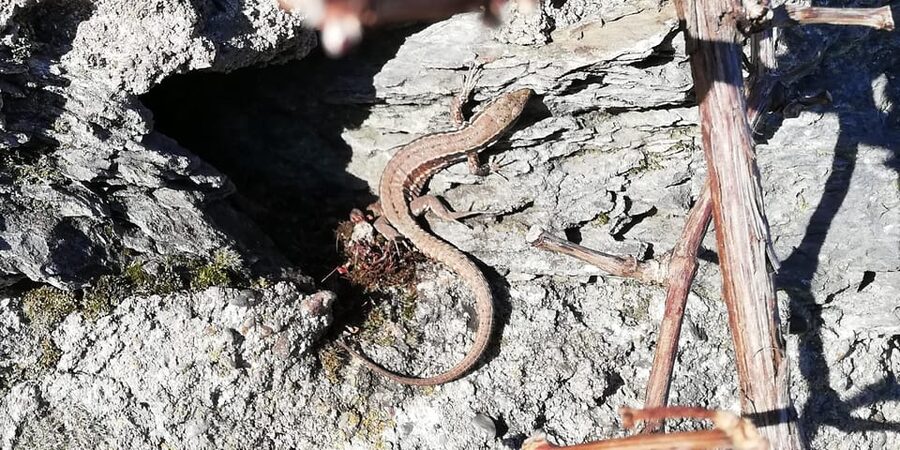
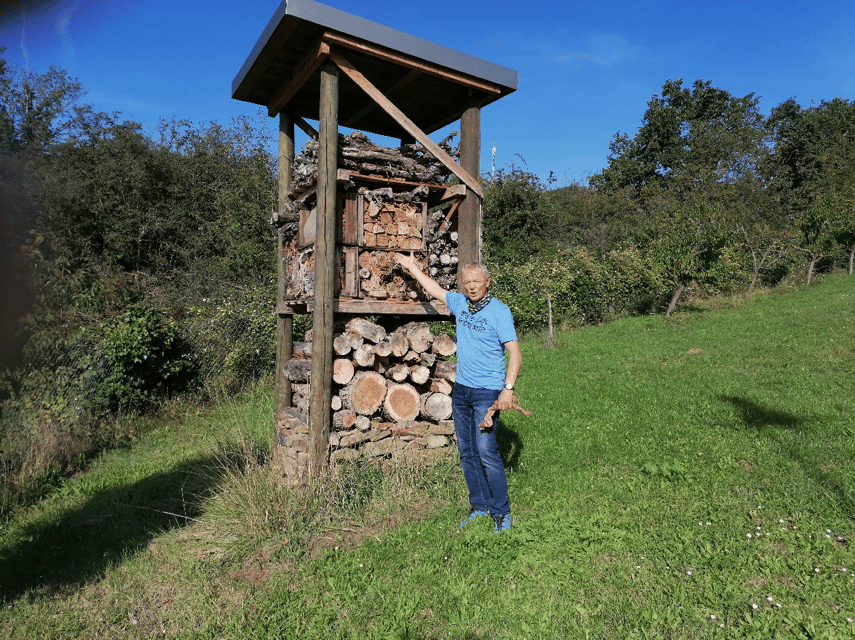
That variety matters because it changes what you might spot. Flowers and herbs show up in different places. Insects and birds have their own patterns. The guide also talks about reptiles and mammals, which makes the walk feel like a small safari without needing binoculars.
If you’re the type who gets impatient with vague nature talk, you’ll probably like how specific this is. The guide points out what you can notice at eye level, then connects it to how viticulture and habitat can coexist.
More cellars and vineyard walks
Habitat Safari in the Wine Country: Flora and Fauna at Vineyard Speed
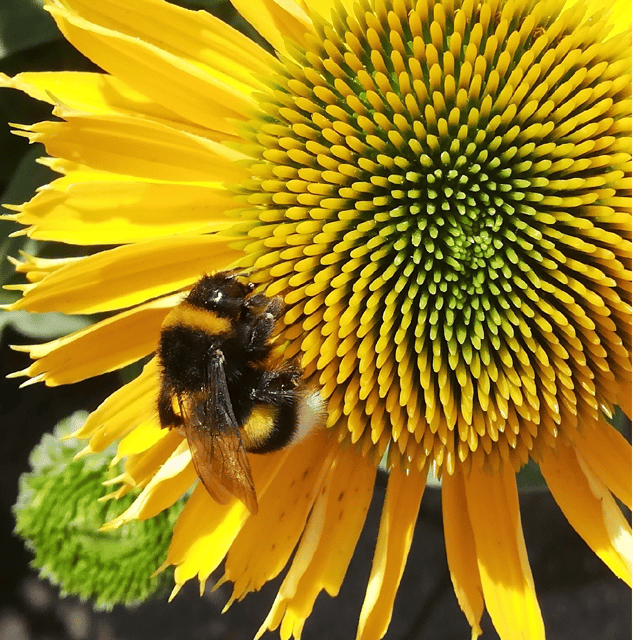
This tour is built around biodiversity. Instead of treating nature as background, it becomes part of the story of the wine.
As you go, you’re encouraged to pay attention to:
- which plants are thriving in different patches
- how insects use the vineyard edges
- where birds might show up as you pass dry stone and meadow zones
- how land use in a wine area creates different living conditions
The best part is that you don’t need prior botany skills. You just need curiosity and comfortable shoes. And because the walk is slow enough to take in details, you’ll actually have time to register what you’re seeing.
The Geology and Winemaker’s Work, Explained in Plain Language
Moselle geology gets talked about in a practical way, not as a lecture. The slate soils and the steep exposure aren’t just trivia. They explain why winemakers manage the slopes with care, and why Riesling is such a good fit for these conditions.
You’ll also get an insider look at how Lunnebach approaches wine production. They use targeted care measures in the vineyard and in the wine cellar. And importantly, they describe their near-natural viticulture approach as a way to protect nature while producing wine.
This matters for value, too. A lot of wine tours spend your money on the setting and the taste, not the “why.” Here, you get enough background to make the tasting feel more personal and less like a blind sip.
Napoleon’s Footsteps, Now With Wine Knowledge Added
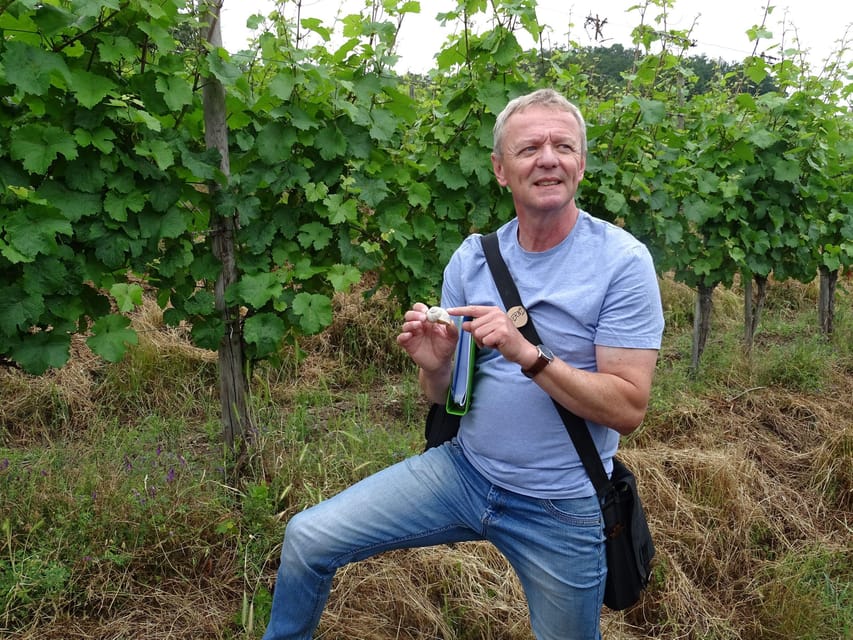
History on its own can feel like a distraction. Here, it works because it ties to the same physical path you’re walking.
Hearing that Napoleon Bonaparte walked this route gives you a mental picture of long-standing importance. This wasn’t just a random hillside for grapes. It was a corridor of views, travel, and human activity long before modern wine tourism.
Then the guide brings you back to the present by connecting that history to what the land does today. The view over the Moselle valley helps, because you can look out and understand why people kept returning to this place.
Tasting Stops: One Secco and Three Wines, Served With Context
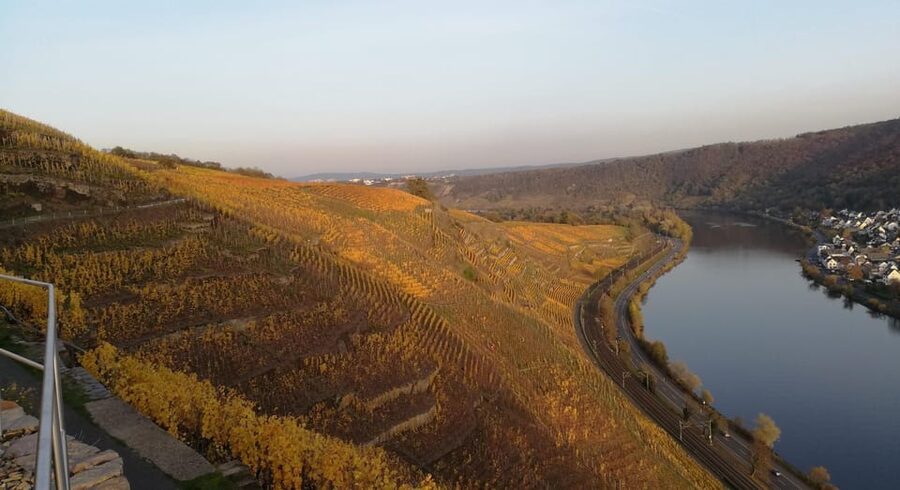
The tasting plan is one welcome secco and three selected wines from the wine cellar. You drink enough to learn, not so much that you lose the thread of the walk. And because tastings happen during the outdoor pacing, you’re tasting in context, not in a bubble.
The guide Bernd Doetsch keeps the tone lively and answers questions that go beyond the basic wine facts. In addition, Bettina is part of the team that looks after the group during the stops. You’ll feel taken care of without it becoming overly formal.
A practical tip: pace your sips. You’re moving on uneven ground and you’ll want your senses working for the nature part. Take smaller tastes at first, then slow down and focus when you find one you genuinely like.
Views Toward Koblenz at the End of the Walk
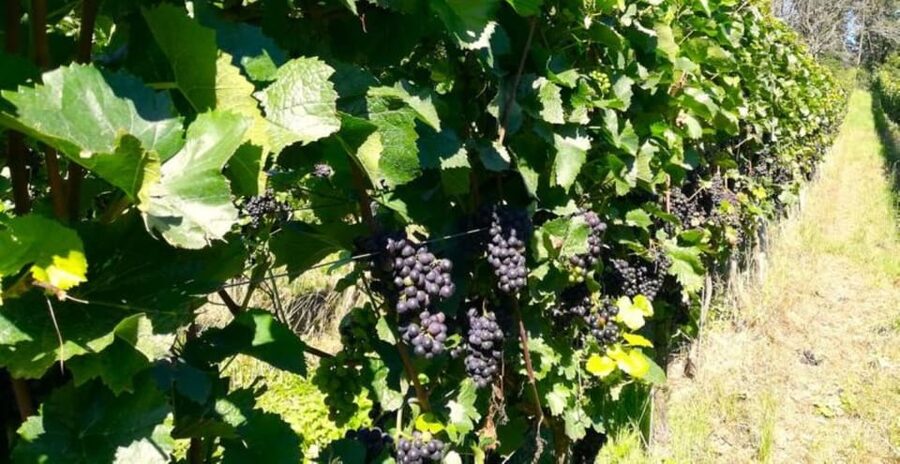
On the way back, the tour rewards you with a view over the Moselle valley toward Koblenz. It’s the sort of payoff that makes you grateful you wore decent shoes and actually paid attention on the uphill sections.
Those final minutes are also a good time to compare what you tasted with what you observed. You might notice how the guide’s explanations about soils and sun exposure changed what you think you’re tasting. That’s a big part of the value here.
Rain or Shine, 3 Kilometers Uphill, and What to Bring
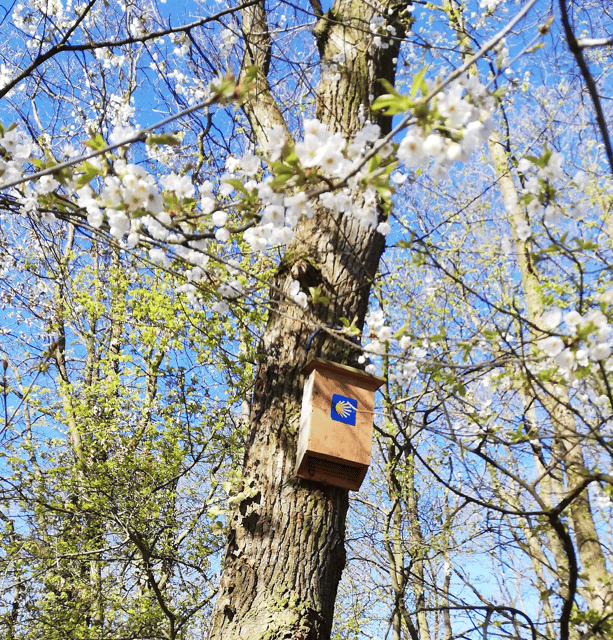
This walk happens rain or shine, so your planning should focus on comfort. Bring clothes that you can move in and that won’t make you miserable if the weather changes. Comfortable shoes are not optional here.
Also note the length and slope: about three kilometers, leisurely uphill. It’s not described as extreme, but it’s still a walk with elevation. If you know you struggle with uphill walking, choose another option.
If you’re traveling with mobility needs, double-check suitability. This tour is not meant for wheelchair users and people with mobility impairments.
Price and Value: What $30 Buys You in the Moselle Vineyards
At about $30 per person for a three-hour experience, you’re paying for more than four drinks. You’re paying for a guided walk, a nature-focused explanation, and a tasting format that connects the wine to the land.
Here’s why that feels fair:
- You get a welcome secco plus three wines, so it’s not just one glass.
- You also get a structured outdoor experience, not a quick photo stop.
- The guide ties together viticulture, geology, and biodiversity so you leave with better understanding, not just tips on what to buy.
If you’ve ever done a wine tasting where you feel like the menu is doing all the work, this tour gives the land and the guide equal weight. That’s the difference.
Who Should Book This Koblenz Tour, and Who Might Skip It
This is a great match if you want your day in the Moselle to feel active, not passive. You’ll enjoy it if you like wine but also like nature details, and you want a guide who talks about plants, animals, and how farming choices affect what lives nearby.
It’s also a smart choice for couples and small groups who want something different from a typical indoor tasting room. The pace is designed to be manageable, and the tasting stations break up the walk nicely.
You might skip it if:
- you need wheelchair accessibility
- uphill walking is a serious problem for you
- you only want wine tasting, and not the nature and geology story
Should You Book the Koblenz Living Vineyard Walk?
If you’re choosing between a simple tasting and an active, educational experience, I’d lean toward booking this one. The combination of a guided vineyard hike plus a secco and three wines tasting, with biodiversity turned into part of the program, is the kind of value you can feel immediately.
One more thing to consider: the tour runs in German only. If you’re comfortable enough to follow guided conversation, you’ll get much more out of it. If not, you might still enjoy the walk, but you’ll lose the detailed explanations.
If your plans are flexible, it also helps that cancellation is offered up to 24 hours in advance for a full refund, and there’s a reserve-now and pay-later option so you can keep your schedule loose.
FAQ
How long is the Koblenz living vineyard tour?
The duration is 3 hours.
How much does the tour cost?
The price is $30 per person.
Where does the tour start?
The meeting point is at Weingut Lunnebach.
What is included in the experience?
You get a guided adventure hike or walk in German, plus a tasting of one secco and three selected wines.
What language is the tour conducted in?
The tour is conducted exclusively in German.
Is the tour suitable for wheelchairs or mobility impairments?
No. It is not suitable for people with mobility impairments or for wheelchair users.
What should I bring, and what about the weather?
Bring comfortable shoes and comfortable clothes. The tour takes place rain or shine, and the trail is about three kilometers, going leisurely uphill.
Wine Country Near Koblenz
German Wine, Glass by Glass
Trier, Koblenz and the Saarland
Everything else we filed on Koblenz
- Koblenz: The Living Vineyard, Nature & Wine Enjoyment
★ 5.0 · 14 reviews - Koblenz – Old Town including the Deutsches Eck
★ 4.5 · 16 reviews - e-Scavenger hunt Koblenz: Explore the city at your own pace
★ 4.0 · 20 reviews - Discovery tour – cellar tour with wine tasting
★ 4.2 · 26 reviews - Winetasting / Weinprobe Koblenz
★ 4.3 · 31 reviews - Koblenz: Christmas Boat Tour with Mulled Wine
★ 4.3 · 35 reviews
German Wine Tastings and Vineyards, side by side.
 ★ 4.8Trier: Guided City Walk with Wine TastingFrom $43979 reviews
 ★ 4.7Trier: Discovery Tour – Germany’s Oldest Wine CellarFrom $20218 reviews
 ★ 4.1Stuttgart: Vineyard Tour by Covered WagonFrom $46217 reviews
 ★ 4.5Freiburg: Veni, vidi, vino – wine hike and tastingFrom $81144 reviews
 ★ 3.5Heidelberg and Rhine Valley Day Trip With Wine Tasting and Dinner from FrankfurtFrom $309101 reviews
 ★ 5.0Rhine Valley Wine Tasting Tour from Frankfurt and MainzFrom $47687 reviews
 ★ 4.8Reil, Mosel: Guided organic wine tasting and cellar tourFrom $2984 reviews
 ★ 4.8Winetasting with tour through the wineryFrom $1674 reviews
Other lists this tour is on