
REVIEW · BERLIN
Kreuzberg Walking Tour: Immigrants, Artists & Hipsters
Kreuzberg tells its story in layers. This 3-hour small-group tour follows the neighborhood’s shift from a Cold War-era no-go zone to a SO36 magnet for artists and hipsters, with stops tied to real streets, food, and visible history. You also get a guide who can read the area like a map, not a brochure.
I love that the route mixes big landmarks with street-level details, from the Oberbaumbrücke to Markthalle 9. I also like that you get a professional art historian guide and a tight group size, so questions and detours feel normal, not rushed.
One thing to consider is that parts of the route are handled by public transport because some key stops are too far to walk nonstop. If you prefer a totally walk-only tour, this might feel a bit split up.
In This Review
- Quick hits on Kreuzberg, artists, and hipsters
- Kreuzberg tells its story in layers, and you can feel it fast
- Starting at Schlesische Str. 18: getting oriented without wasting time
- Oberbaumbrücke, then SO36: the Cold War shadow and the modern buzz
- Wall remnants and abandoned spaces: where creativity grew out of neglect
- Görlitzer Park and Markthalle 9: a breather that still moves the story
- Turkish culture on the move: spice, flowers, and gözleme
- Street art, attention to detail, and why the guides matter
- Riverside development plans: the future argument at the end
- Bike or walking: which is the smarter choice for your day?
- What you get for $153.85: value that’s about guide quality and time
- So who should book this Kreuzberg tour?
- Should you book the Kreuzberg Walking Tour with Insight Cities?
- FAQ
- How long is the Kreuzberg Walking Tour?
- Is the tour walking only, or does it include a bike option?
- What does the bike rental cost?
- What language is the tour offered in?
- How big is the group?
- Where do I meet the guide?
- Do I need to buy tickets on my phone?
- Is food included?
- Will I use public transportation during the tour?
- Do you offer free cancellation?
Quick hits on Kreuzberg, artists, and hipsters
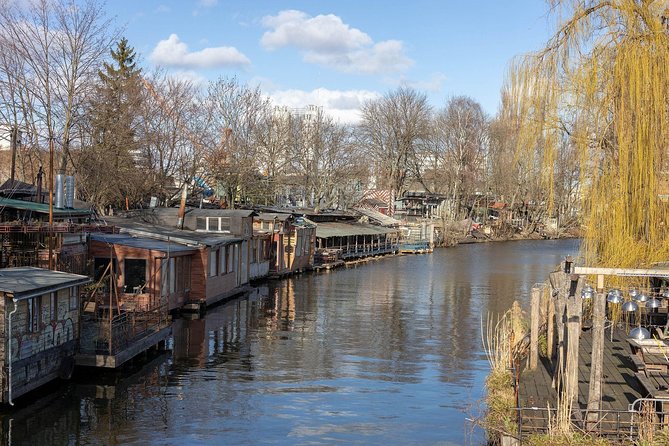
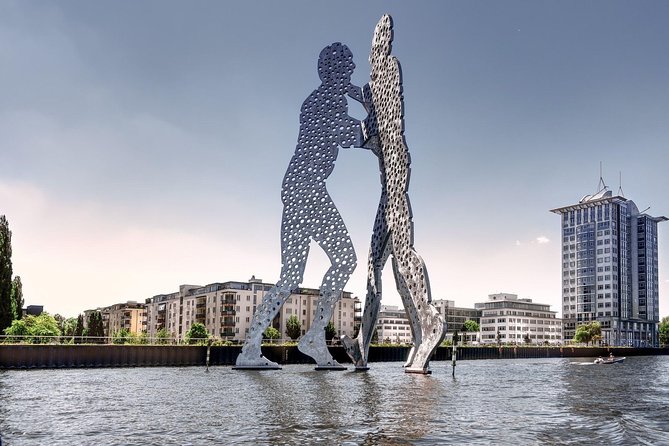
- Oberbaumbrücke start: a stunning bridge crossing to set the mood before the district story gets messy
- SO36 context: you’ll learn why this area became shorthand for a certain kind of Berlin energy
- Wall remains and street art: graffiti isn’t treated as decoration, it’s treated as neighborhood memory
- Markthalle 9 stop: an old market hall that helps you pace the tour without losing the narrative
- Turkish market streets and food: you can sample take-away bites like gözleme
- Riverside development discussion: you end with what’s changing now, not just what happened then
Deeper into the painted backstreets
- Berlin: Alternative Berlin Walking Tour★ 4.6 · 1,204 reviews
- Berlin: City Street Art Guided Walking Tour★ 4.8 · 886 reviews
- Berlin: 3-Hour Street Art Tour★ 4.7 · 778 reviews
- Kreuzberg: Culinary Food Tour★ 4.5 · 770 reviews
Kreuzberg tells its story in layers, and you can feel it fast
Kreuzberg is the kind of place where one block can hold three different eras. The Cold War era still leaves traces in how people talk about the city, and today you’ll see those same streets used for skate, music, murals, and market stalls. That mix is exactly why this tour works so well for first-timers and Berlin repeaters.
The tour’s theme is immigrants, artists, and hipsters, but it doesn’t feel like a category game. It feels like causality. You start at a major visual landmark, then move through the district in a way that helps you understand why people ended up here in the first place, and why the area keeps re-inventing itself.
Starting at Schlesische Str. 18: getting oriented without wasting time
You meet at Schlesische Str. 18, 10997 Berlin, near public transportation. That matters because you’ll use transit a few times during the experience, not constantly but enough to connect farther points without turning the day into a grind.
From there, the first big moment is the walk over the Oberbaumbrücke. Even if you’ve seen photos, being on the bridge changes the scale. It’s one of Berlin’s most beautiful crossings, and it gives you a natural “before and after” feeling when you look back toward where you started.
Timing-wise, you’re out for about 3 hours. That’s long enough to learn the story, but short enough that you’re not trapped on a clock all day. And because the group is kept small, you’re more likely to get real conversation from the guide, not just a stream of facts.
Oberbaumbrücke, then SO36: the Cold War shadow and the modern buzz
After the bridge, your tour moves toward the landward main part of SO36, and this is where the story tightens up. You’re not just shown pretty streets. You’re given context for why this neighborhood carried a reputation in the years around the Cold War, and how that reputation shaped who ended up living, working, and creating here.
The tour can be done on foot, but there’s also a bicycle option. If you choose the bike, you’ll cover more ground while still staying within the district. That can be a good choice when the day’s weather is ugly or when you want to see more without feeling like you’re sprinting. If you choose walking, you get a slower pace and more time to look at small details, like how storefronts, walls, and entrances reflect the people who use the space.
Either way, the guide helps you “take it easy” in Kreuzberg, which is a real skill here. The district moves fast, and if you rush, you miss what makes the neighborhood feel personal.
Wall remnants and abandoned spaces: where creativity grew out of neglect
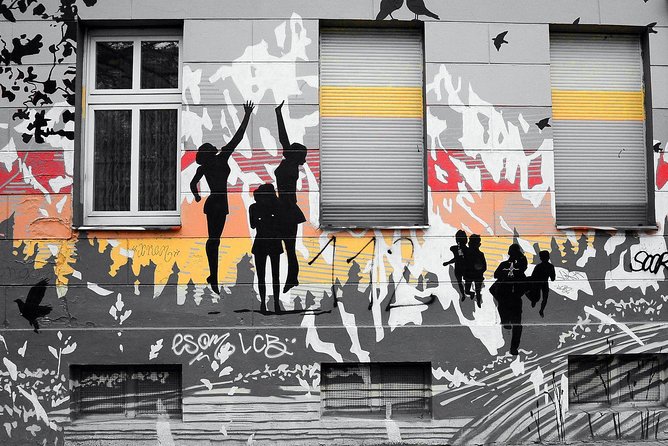
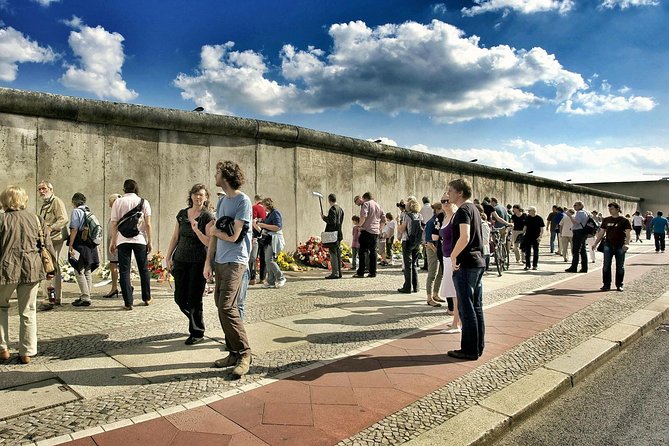
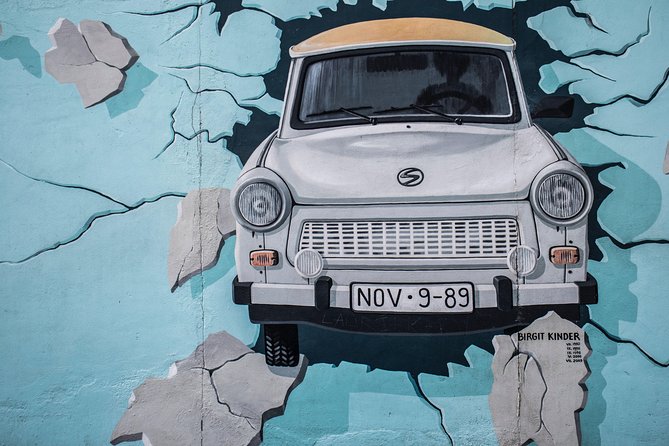
A strong part of this tour is the way it handles Berlin Wall remnants. You’ll see physical remains, and the guide connects them to the neighborhood’s rough history. That’s important because Kreuzberg’s identity isn’t only about today’s style. It’s also about what life looked like when parts of the city were harder to reach, harder to control, and therefore more available for alternative use.
Then comes one of the tour’s most memorable shifts: abandoned buildings and plots of land. You don’t just hear that there were empty spaces. You learn how people used them creatively, turning underused land into cultural activity. It’s the kind of story that makes you look at construction fences and vacant lots differently afterward.
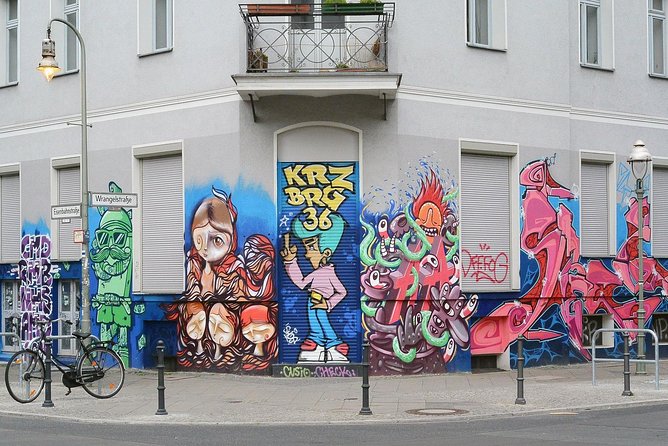
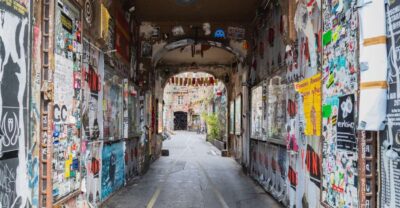
This is also where you’ll notice how the tour treats street art as something with purpose. You’ll grasp the importance of graffiti and street art to Kreuzberg’s look and feel. The point isn’t to say graffiti is good or bad. The point is to show how walls became a public voice when other channels were limited.
Other walking routes through Berlin
Görlitzer Park and Markthalle 9: a breather that still moves the story
Not every highlight is about intensity. The tour balances the heavier history with places that let you breathe while still staying in the narrative.
You’ll pass through Görlitzer Park, which gives you a calmer moment to watch daily life unfold around you. It’s a useful reset because after Wall-era stops and abandoned spaces, your brain needs a place to settle.
Then you reach Markthalle 9, a market hall that is around 120 years old. Even if you’re not a big market person, an old hall like this tells you something about how Berlin feeds itself and how neighborhoods support each other. It’s also a smart pacing tool in a 3-hour tour: you get a structured stop that feels different from street corners and memorial-style sights.
If you like tours that mix architecture, everyday life, and social history, this pairing of park plus market hall hits the right rhythm.
Turkish culture on the move: spice, flowers, and gözleme
One of Kreuzberg’s easiest pleasures is how quickly you can reach Turkish culture in everyday life. The tour moves through streets where Turkish shops and colorful markets are central to the district’s feel. You’ll see flowers, spices, and stalls built for fast browsing and take-away food.
If you’re hungry, this part is built for you. The tour highlights sampleable take-away foods, including deep-fried spinach and cheese gözleme. You’re not forced into a formal meal, which is great on a walking tour. It keeps the pace light while still giving you a real taste of the neighborhood.
This is also where I think the tour delivers best value for visitors who don’t want only “what happened” history. You get “what it feels like now” through sensory details, sights, and the everyday culture in shopfronts.
Street art, attention to detail, and why the guides matter
The most praised aspect of this tour is the guide. Names show up clearly in the feedback, especially Peter and Ronan. In different groups, the same pattern appears: guides bring an insider view, stay patient with questions, and keep the conversation going in a way that fits the neighborhood instead of fighting it.
Peter gets called out for a very insider view and for recommendations beyond the tour, which is handy when you want to keep exploring on your own. Ronan gets praised for being a brilliant conversationalist, patient, and tuned in to discussion, not just lecturing.
Why does that matter to you? Because Kreuzberg is layered and opinionated. If you’re hearing the story from someone who understands why people care, you’re more likely to connect dots. You also walk away with more than “I saw street art.” You walk away with a sense of why street art belongs in this district’s language.
And with the small-group size, the guide can steer you toward what you’re curious about, including how to enjoy the rest of Berlin after the tour.
Riverside development plans: the future argument at the end

Most history tours stop when the past ends. This one keeps going, because Kreuzberg’s story is still being written.
You conclude with a discussion of controversial riverside development plans. That adds a layer that can feel uncomfortable in a good way. It reminds you that neighborhoods don’t just evolve naturally. They’re influenced by politics, money, and who gets to decide what “improvement” means.
If you like tours that don’t pretend change is neutral, this final discussion is a strong finish. You’ll have the context from the Wall remnants, the abandoned spaces, and the street art, so the debate feels grounded rather than abstract.
In at least one case, the tour ended near the Friedrichshain-Kreuzberg Museum, which some groups found made the ending feel especially fitting.
Bike or walking: which is the smarter choice for your day?
The tour can be done by foot, and there’s also a bicycle option. If you go the bike route, you’ll cover more ground, while still staying in Kreuzberg. Bike rental is optional, priced at 10 EUR per person.
Here’s how I’d choose:
- If the weather is bad and you want less leg burn, the bike option likely makes the tour feel easier.
- If you love stopping to look closely at graffiti, storefront details, and the small stuff between sites, walking helps you read the neighborhood at street speed.
- If you’re unsure, the best move is to think about how much you normally like cycling in a busy city. The tour stays within the district either way, so you’re not committing to a cross-city commute.
Either option still includes transit a few times during the experience, so it’s not 100 percent either walking or cycling. But that mix usually keeps things comfortable and time-efficient.
What you get for $153.85: value that’s about guide quality and time
At $153.85 per person for about 3 hours, this isn’t a bargain-basement walking tour. What makes it feel worth it is the combination of:
- A professional art historian guide
- A small group format, with a stated maximum of 6 for the group size, and booking caps that keep the experience controlled
- A route that isn’t just “top sights,” but a coherent neighborhood narrative
If you’ve ever done a big-group tour in a popular area, you know what you get. You get photos and you get a timetable. Here, you get a guided lens on art, migration, and the way public space gets used, plus the chance to ask questions without waiting for your turn.
Add in that the tour is offered in English, and that you receive a mobile ticket, and it becomes a fairly smooth day plan for independent travelers who don’t want to overthink logistics.
Also, the tour is designed to fit most visitors. It notes that most travelers can participate, and children must be accompanied by an adult.
So who should book this Kreuzberg tour?
This is a smart pick if you want Kreuzberg to make sense quickly. It’s also great if you’re the type who notices walls, shopfronts, and street-level culture and wants a guide to explain why those details matter.
You’ll likely enjoy it most if:
- You’re new to Berlin and want a break from the obvious tourist core.
- You’re already in Berlin and want a fresh perspective, especially on the neighborhood’s history and art.
- You want a food moment without turning the entire tour into a restaurant crawl.
- You care about street art as culture, not just as decoration.
Should you book the Kreuzberg Walking Tour with Insight Cities?
I’d book it if you want a high-attention neighborhood tour with an art-focused guide, and if you’re curious about how immigrants, artists, and “alternative” culture shaped what Kreuzberg looks like today. The route is practical for a half-day plan, and the small group size helps you actually talk with the guide.
Skip it only if you strongly prefer a fully walk-only itinerary, or if you’re not interested in a discussion of controversial planning and neighborhood change. This tour includes that reality, because Kreuzberg is still a live conversation.
If you’re okay with a few transit hops, you’ll end up with a clearer mental map of Kreuzberg, plus better instincts for where to go next on your own.
FAQ
How long is the Kreuzberg Walking Tour?
The tour runs for about 3 hours.
Is the tour walking only, or does it include a bike option?
It can be done on foot, and there is also a bicycle tour option. Bike rental is optional.
What does the bike rental cost?
Bike rental is listed as 10 EUR per person.
What language is the tour offered in?
The tour is offered in English.
How big is the group?
It’s a small group tour, with a stated maximum of 6 for the small-group format. There are also booking caps of up to 8 people per booking, with an overall activity maximum of 10.
Where do I meet the guide?
The meeting point is Schlesische Str. 18, 10997 Berlin, Germany.
Do I need to buy tickets on my phone?
You’ll have a mobile ticket.
Is food included?
Food and drinks are not included unless specifically stated. The tour includes suggestions for sampling take-away foods such as gözleme.
Will I use public transportation during the tour?
Yes. You’ll need public transport a few times because some distances between key sites would be too far to walk.
Do you offer free cancellation?
Yes, you can cancel for a full refund if you cancel up to 24 hours in advance.
Pavements of Berlin
More Painted Walls and Backyards
Everything else we filed on Berlin
- Private Photo Tour in Kreuzberg
★ 5.0 · 3 reviews - Kreuzberg Private Walking Tour: Immigrants, Artists & Hipsters
★ 5.0 · 3 reviews - Berlin’s Jewish Heritage: Private Tour of the Vibrant Jewish District
★ 5.0 · 3 reviews - Individual city tour Berlin for max. 8 persons
★ 5.0 · 3 reviews - Berlin & The Third Reich Private Guided Tour
★ 5.0 · 3 reviews - Private Analogue Photography Experience in Berlin
★ 5.0 · 3 reviews
Street Art and Alternative City Tours, side by side.
 ★ 4.6Berlin: Alternative Berlin Walking TourFrom $291,204 reviews
 ★ 4.8Berlin: City Street Art Guided Walking TourFrom $23886 reviews
 ★ 4.7Berlin: 3-Hour Street Art TourFrom $23778 reviews
 ★ 4.5Kreuzberg: Culinary Food TourFrom $589770 reviews
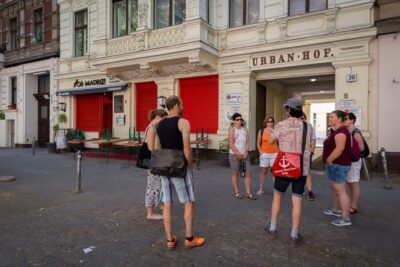 ★ 4.7Berlin: Kreuzberg Guided Walking Evening TourFrom $27555 reviews
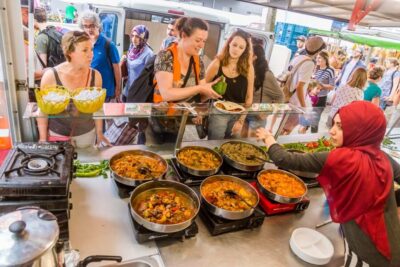 ★ 4.7Berlin: Alternative Bike Tour of Kreuzberg & FriedrichshainFrom $41548 reviews
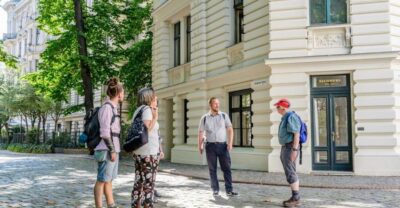 ★ 4.9Berlin: 2.5-Hour Walking Tour through Kreuzberg 61From $23525 reviews
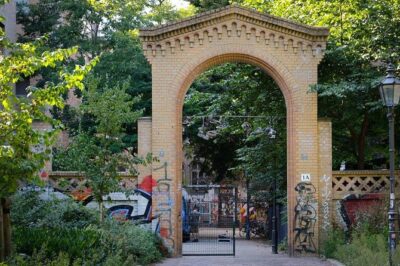 ★ 5.0Berlin Off-the-Beaten-Path Walking Tour: Kreuzberg, Mitte and FriedrichshainFrom $30412 reviews
Other lists this tour is on