
REVIEW · THE BALTIC
Lübeck: Hanseatic League History Walking Tour
Lübeck runs on sea-trade stories. I love the tight focus on Hanseatic League trade and how each stop explains who had the money and why the routes mattered. I also love the mix of big icons like Holstentor with smaller scenes like brick alleys and backyards.
With only 90 minutes, you’ll cover a lot on foot, so if you want extended photo stops or extra time inside churches or museums, add some self-guided time after the tour.
In This Review
- Key highlights at a glance
- Meeting at Holsten Gate: where the story starts
- Hanseatic League 101: from merchant guilds to a city confederation
- Holstentor and the fortified city: defense built for trade
- Salt storehouses and the Trave Harbour: the commerce you can almost smell
- Große Petersgrube: stepped-gables and old brick street theater
- Rathausmarkt and the city’s civic power
- St. Mary’s Church: a model that spread beyond Lübeck
- Buddenbrook House and the Mann family connection
- Schiffergesellschaft guild hall: where sailors and merchants met
- Hospital of the Holy Spirit and romantic backyards
- What the 90-minute format feels like on your feet
- Guides and their style: when the knowledge is fun
- Price and value for a private group in Lübeck
- Who should book this tour
- Should you book the Lübeck Hanseatic League History Walking Tour?
- FAQ
- Where does the tour start?
- How long is the tour?
- What does it cost?
- Is this a private tour?
- What languages are offered?
- What’s included in the price?
- What is not included?
- What sights will I see?
- FAQ
- Can I cancel and get a full refund?
- Is reserve and pay later available?
- When is the tour over, and where does it end?
Key highlights at a glance
- Holstentor as your anchor point, starting at a former fortification gate and building outward from there
- Hanseatic League context that stays practical, from merchant guilds to a city confederation
- Street-level Lübeck, with stepped-gables, narrow lanes, and old-brick scenes in between the main monuments
- Church architecture you can connect across the Baltic region, not just admire
- Guild and social life at the end, from the Schiffergesellschaft to the Hospital of the Holy Spirit’s backyards
More Baltic harbours and island days
- Lübeck: 1-Hour Splash Bus City Tour★ 4.0 · 2,626 reviews
- Lübeck: entertaining guided tour to old town highlights★ 4.7 · 594 reviews
- Lübeck: Entertaining Tour Through Hidden Courtyards★ 4.8 · 483 reviews
- Lübeck: Electric Boat Rental – without driving licence★ 4.8 · 174 reviews
Meeting at Holsten Gate: where the story starts
Your tour begins at the Holsten Gate area, the logical front door for Lübeck’s Hanseatic era. This isn’t a “stand and read” experience. It’s built for walking, looking, and listening while the city’s old walls and gates frame the big theme.
The first thing I like is how the guide sets the stage quickly. You get the idea that Lübeck was not just a pretty medieval city, it was a hub in a trade network that stretched across Northern Europe. From the start, you’ll be spotting details as the tour moves from defense and commerce into everyday life.
Also, it’s a private group format, up to 6 people per group. That matters because you can ask questions without feeling like you’re shouting over a crowd.
Hanseatic League 101: from merchant guilds to a city confederation
The core of the tour is the Hanseatic League story between the 12th and 17th centuries. You’ll learn how it grew from connections among merchant guilds into a broader confederation of cities. The guide puts a number on the scale too: at its height, it included about 300 maritime and inland cities across Northern Europe, from Riga to Bruges.
Why this is valuable for you: it helps you understand what you’re seeing. When you look at gates, harbors, and guild halls, you’re not guessing. You know these are not random medieval buildings. They are the physical infrastructure behind trade power.
I also appreciate that the tour keeps the explanation tied to places you pass in real time. The result is that you leave with a mental map, not just a list of landmarks.
Holstentor and the fortified city: defense built for trade
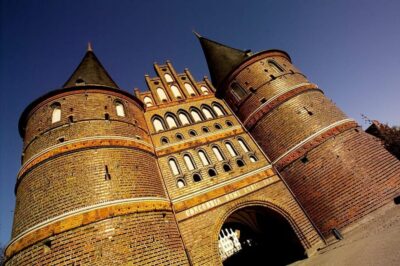
The walk starts at Holstentor, one of four city fortification gates at this wall passage alone. Even if you’re not a fortification fan, you’ll get why it matters. A gate is a statement: control access, protect goods, and manage movement.
From here, the guide builds a clear chain of “why here, why then.” Lübeck’s position and its sea connections made trade profitable, but also worth protecting. That’s why defensive architecture and economic life show up together so often in this city.
If you’re the type who likes to connect architecture to function, this part will click fast. If you’re mostly into quiet streets and photos, it still gives you the context to make those later details feel meaningful.
Salt storehouses and the Trave Harbour: the commerce you can almost smell
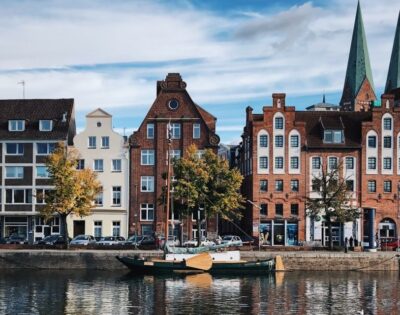
Next, you’ll stroll past the salt storehouses and toward the Trave Harbour. This section is all about the practical side of trade. Salt mattered because it helped preserve food and supported long-distance shipping. The harbor is where the money moved, literally and figuratively.
As you walk, you’ll also start noticing how Lübeck’s layout supports its economic story. You’re not just touring buildings. You’re moving through the geography that merchants depended on.
A small word of advice: keep your phone ready, but don’t spend the entire time filming. A couple of quick shots are enough, because the best images are the ones you understand. When the guide explains what you’re looking at, your photos come out more satisfying, even if they are simple.
Große Petersgrube: stepped-gables and old brick street theater
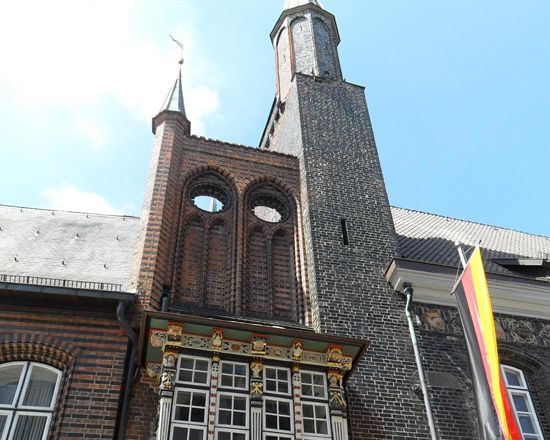
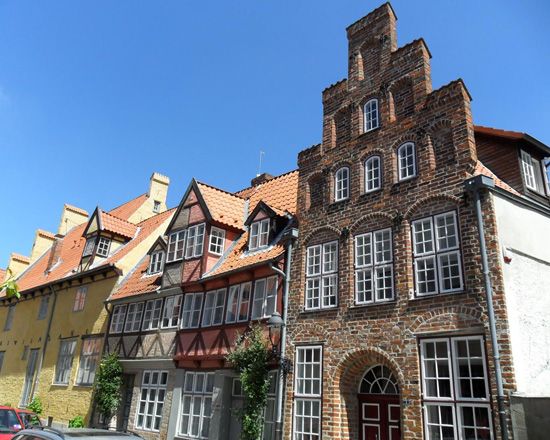
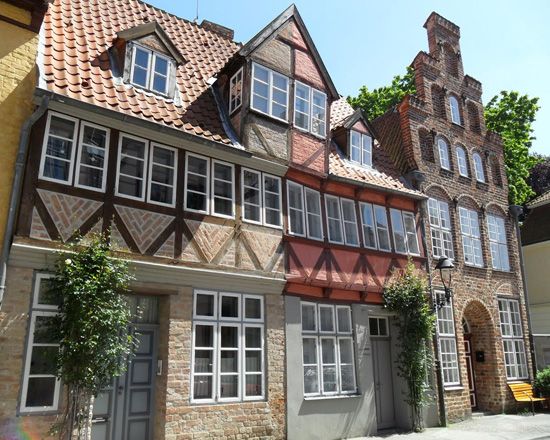
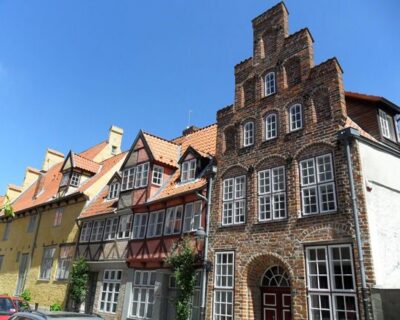
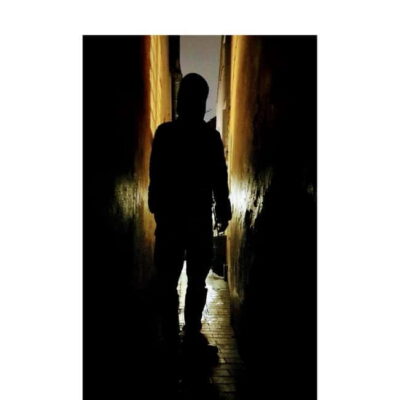
One of Lübeck’s oldest streets, Große Petersgrube, is where the tour slows down just enough for you to appreciate the setting. You’ll pass beautiful old brick buildings with stepped-gables, and you’ll get a feel for how narrow lanes and historic facades shaped daily life.
This is one of those stretches where a good guide changes everything. Without context, stepped-gables are just visual decoration. With context, they become clues to regional style, building traditions, and the kind of construction you’d expect in a prosperous trading city.
For practical planning, wear shoes with decent grip. Lübeck’s lanes can be uneven, and the tour pacing assumes you can comfortably keep walking for the full 90 minutes.
Rathausmarkt and the city’s civic power
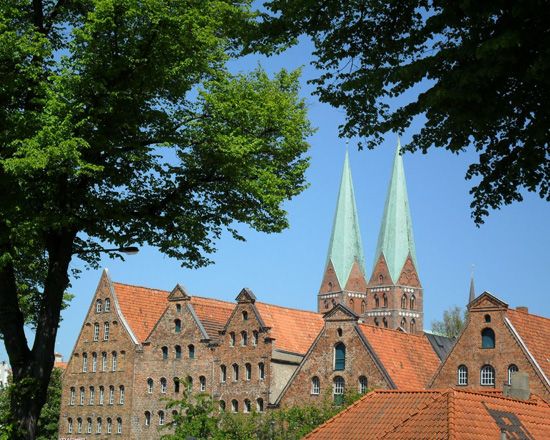
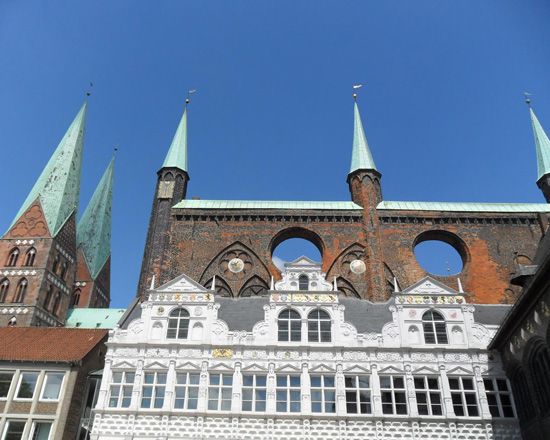
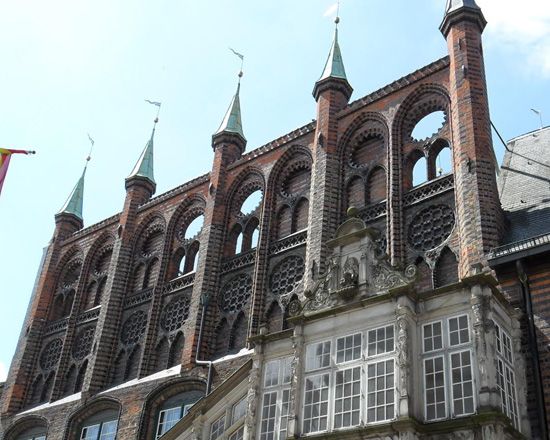
You’ll also see Rathausmarkt square and the City Hall area. This is where Hanseatic power isn’t only about ships and merchants. It’s also about civic authority, rules, and how cities coordinated their interests.
The Hanseatic League wasn’t a single country with one ruler. It was a network, and networks need governance. That’s why civic spaces matter in this story. When you look at a city hall in this context, it stops being just a building and becomes the place where decisions and priorities could be aligned.
If you like “how the system works” history, this stop will likely be a highlight. It answers the question that always comes up in Hanseatic stories: who actually made it happen on the ground?
St. Mary’s Church: a model that spread beyond Lübeck
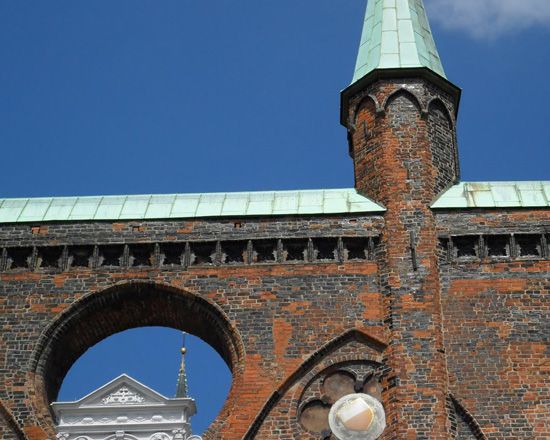
St. Mary’s Church is another key stop, and the tour frames it with a bigger regional picture. You’ll learn that this church served as a model for numerous churches in Hanseatic cities in the Baltic region.
That matters because it links trade networks with culture. Merchants moved goods. They also moved influence, standards, and architectural ideas. When you see St. Mary’s in this light, it becomes more than a landmark. It becomes evidence of how ideas travel alongside commerce.
You’ll likely walk away with a clearer way to compare Baltic architecture elsewhere later. Even if you never visit those other cities, you’ll know what to look for and why it’s related.
Buddenbrook House and the Mann family connection
You’ll pass the Buddenbrook House of the Mann family. This stop gives the tour an extra human dimension. Lübeck’s Hanseatic story isn’t only about ships and ledgers. It’s also about families and identities that endured after the peak medieval trade era.
I like how this kind of stop prevents the tour from becoming too purely academic. You get a sense of how Lübeck’s heritage continues to live in buildings and in the names tied to them. It’s the difference between “history as facts” and “history as presence.”
If you’re traveling with kids or friends who get impatient with heavy chronology, a stop like this can keep everyone engaged.
Schiffergesellschaft guild hall: where sailors and merchants met
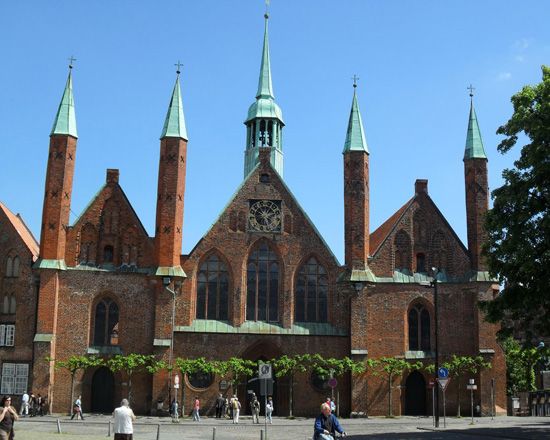
The tour’s later momentum shifts toward guild and social life. You’ll reach the Schiffergesellschaft guild hall, tied to the sailors of the Hanseatic League. This is the point where trade becomes community. People didn’t only work together. They organized, they gathered, and they had shared institutions.
Why you’ll appreciate this stop: guild halls explain a lot about behavior in historic trade cities. They were places for identity, networking, and support. When you’re walking through Lübeck and you see an impressive building with social importance, it’s helpful to know what kind of relationship it represents.
If you’ve ever wondered why medieval commerce felt so organized, this is the kind of stop that answers it without turning it into a lecture.
Hospital of the Holy Spirit and romantic backyards
The tour ends at the Hospital of the Holy Spirit, one of the oldest social institutions of Lübeck. The guide takes you to look into one or two backyards, described as romantic for a reason: the atmosphere is intimate after the more public streets and grand structures.
This ending spot can be surprisingly moving. The Hanseatic League story could easily focus only on wealth and trade power. Here, you see the other side, social care and community structures that mattered to the city.
Also, backyard looks work well with the walking format. Even if you’re not an interior-tour person, you’ll still get the sense of “this is how life continued” in a way that large monuments alone cannot deliver.
What the 90-minute format feels like on your feet
Ninety minutes is a smart length for this kind of city tour. Long enough to get the Hanseatic League narrative in order. Short enough that you don’t feel stuck when your legs get tired.
Expect a steady walking pace between stops. The guide is there to explain, but you’ll be doing most of the sightseeing by moving from landmark to landmark. That’s why choosing good shoes matters, and why you should not plan a museum visit immediately after if you want to stay comfortable.
Private group size, up to 6, also changes the feel. You’re less likely to get the “line up and wait” energy that ruins momentum on city walks. It also makes it easier for the guide to respond to your interests.
Guides and their style: when the knowledge is fun
The reviews highlight guides like Bernd and Karin, plus Chris as another example, for a reason. The common thread is an energetic way of teaching. The guide comes across like a walking storehouse of details, but it stays practical, not showy.
You can also often steer the focus. If you care about courtyards and quieter corners, the tour can point you there. If you prefer architecture and trade infrastructure, the guide will likely lean into that too. That flexibility is a real value in a short 90-minute format.
If you like learning but hate being trapped in a stiff classroom tone, this tour’s guide style tends to fit well.
Price and value for a private group in Lübeck
The price is $259 per group up to 6 for 90 minutes. On paper, that might look “premium” if you’re comparing per-person ticket costs. But for a private group, it often becomes reasonable fast.
Here’s the practical math: with 6 people, you’re effectively paying about $43 per person for a guide-led historical walk that covers multiple major Lübeck landmarks. With fewer people, it costs more per person, but you still get the benefit of a private format and the ability to ask questions in real time.
If you’re traveling as a couple or a small group and you want a focused narrative, the price-to-experience ratio makes sense. If you’re solo and prefer the cheapest option, you might compare against self-guided routes. But you’d lose the quick explanations that tie the whole Hanseatic League story together.
Who should book this tour
This tour is a great fit if you want:
- A clear Hanseatic League explanation tied directly to what you see
- A walking route that hits major Lübeck landmarks without turning into a marathon
- City architecture and civic history you can actually connect to trade and governance
- A private guide experience, ideally with questions and small-group pacing
It might be less ideal if you want lots of museum time, deep interior visits, or long stops at each site. In that case, treat this as your history primer, then go explore further on your own.
Also note what’s not included: transfers, and food and drinks. Plan accordingly so you’re not hunting for snacks while the tour is still fresh in your mind.
Should you book the Lübeck Hanseatic League History Walking Tour?
I think you should book this if you want a structured, high-clarity way to understand why Lübeck mattered. The stops are carefully chosen for storytelling: fortifications at Holstentor, trade life by the Trave Harbour and salt storehouses, the street texture of Große Petersgrube, civic power in Rathausmarkt, religious influence at St. Mary’s Church, and the social-guild ending at Schiffergesellschaft and the Hospital of the Holy Spirit.
Skip it only if you’re looking for a long, slow sightseeing day with lots of optional detours. This is fast and focused by design. If that matches your travel style, it’s a strong use of time.
FAQ
Where does the tour start?
Please meet your tour guide at the Holsten Gate.
How long is the tour?
The duration is 90 minutes.
What does it cost?
The price is $259 per group up to 6.
Is this a private tour?
Yes, it is a private group tour.
What languages are offered?
The live tour guide is available in German and English.
What’s included in the price?
A professional city guide is included.
What is not included?
Transfers, and food and drinks are not included.
What sights will I see?
You’ll see Holstentor (Holsten Gate area), Rathausmarkt and the City Hall, St. Mary’s Church, the Buddenbrook House, Schiffergesellschaft guild hall, and you’ll pass the Trave Harbour and salt storehouses, plus streets like Große Petersgrube. The tour ends at the Hospital of the Holy Spirit.
FAQ
Can I cancel and get a full refund?
Free cancellation is available up to 24 hours in advance for a full refund.
Is reserve and pay later available?
Yes, you can reserve now and pay later.
When is the tour over, and where does it end?
It ends at the Hospital of the Holy Spirit, where you can look into one or two backyards.
Along the Baltic Shore
Everything else we filed on Lubeck
- Lübeck Day Pass – Day ticket for Lübeck museums
★ 4.0 · 15 reviews - Lübeck: Backyards and Town Houses Private Guided Tour
★ 4.9 · 23 reviews - Lübeck zwischen Grusel und Geschichte Truecrime zu Halloween
★ 4.9 · 35 reviews - Lübeck: Hanseatic League History Walking Tour
★ 4.9 · 57 reviews - Lübeck: Electric Boat Rental – without driving licence
★ 4.8 · 174 reviews - Lübeck: Entertaining Tour Through Hidden Courtyards
★ 4.8 · 483 reviews
Baltic Coast and Island Tours, side by side.
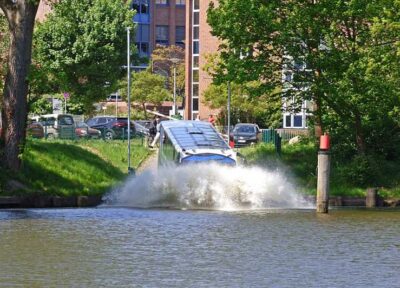 ★ 4.0Lübeck: 1-Hour Splash Bus City TourFrom $352,626 reviews
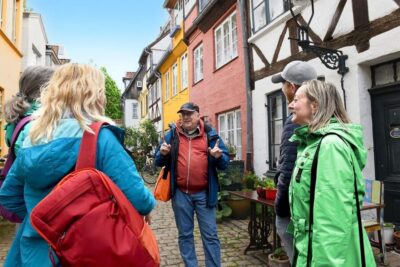 ★ 4.7Lübeck: entertaining guided tour to old town highlightsFrom $16594 reviews
 ★ 4.7Schwerin: City Highlights Guided TourFrom $12541 reviews
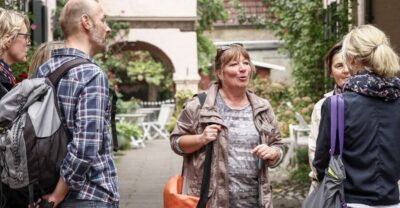 ★ 4.8Lübeck: Entertaining Tour Through Hidden CourtyardsFrom $20483 reviews
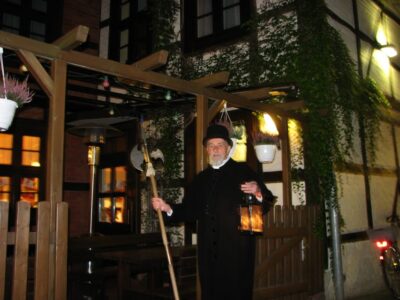 ★ 4.5Schwerin: Tour with the Night WatchmanFrom $15366 reviews
 ★ 4.6Stralsund: 1-Hour Harbor CruiseFrom $15365 reviews
 ★ 4.5Rostock: Guided tour of the historic city centerFrom $17311 reviews
 ★ 4.5All-in-One Berlin Shore Excursion from WarnemundeFrom $83293 reviews
Other lists this tour is on