
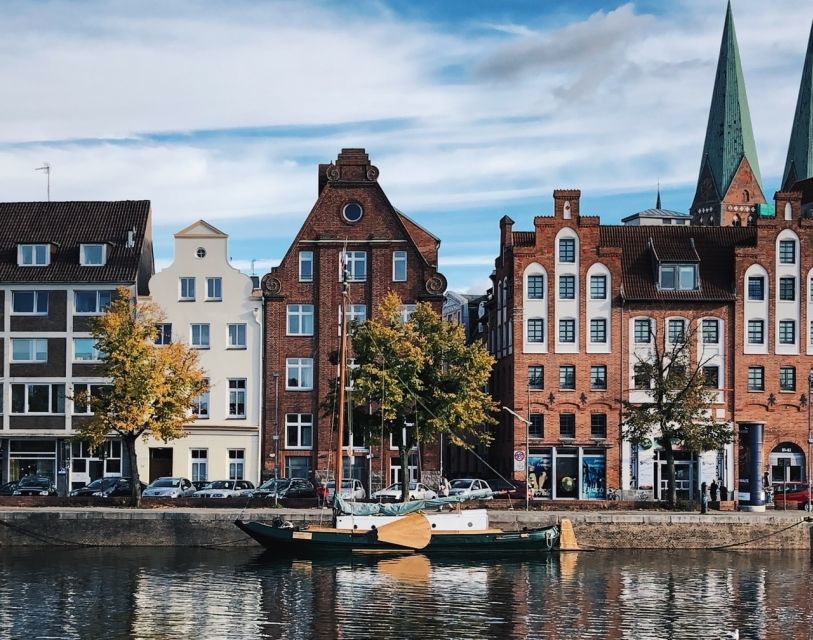
REVIEW · THE BALTIC
Lübeck: Backyards and Town Houses Private Guided Tour
Lübeck hides magic behind brick walls. On this private 90-minute walk, you follow medieval town planning you can actually see, from narrow lanes and townhouse gables to the quiet courtyards tucked behind them. I especially like the backyards and the way the guide connects everyday street details to life in the Middle Ages. One real consideration: the tour is in German, so if you are not comfortable with basic German, you may miss some of the finer points.
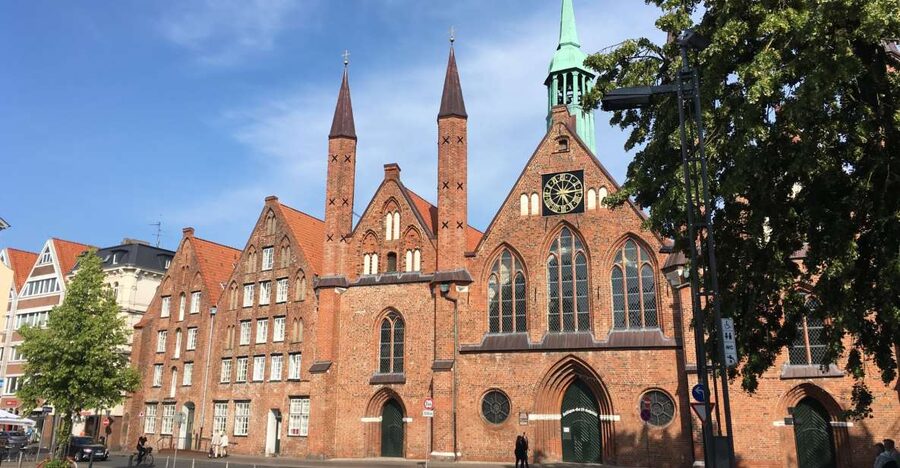
You are also stepping into a UNESCO-listed old town shaped by centuries of Hanseatic building, especially the unmistakable Gothic brick style. I like that it is not only big sights and church exteriors, it is the small stuff too, like house signs, passageways, and the city’s distinctive street-lamp details. The tour ends in a spot that feels purpose-built for lingering, Heiligen-Geist-Hospital, with its little turrets.
It starts at Holsten Gate, then your guide strings together a route that makes Lübeck feel like one continuous story. You will walk narrow old-town streets and likely notice how compact everything feels, which is great for seeing a lot fast, but not always ideal if you hate tight passageways.
In This Review
- Key points to know before you go
- Holsten Gate to the Hanseatic core: how the route is built
- Gothic brick townhouses: reading Lübeck’s gables and house signs
- Narrow streets and romantic corridors: why the route feels like a story
- Magical backyards and town courtyards: the city’s secret behind the street
- Angel pit myth-busting: the one fact that clicks the whole city
- Street lamps and church towers: small city details with big meaning
- Heiligen-Geist-Hospital ending: little turrets and a human-scale finish
- Price and who this private tour is best for
- Timing tips: picking the right start time in a compact city
- What you will get from the guide (and why it matters)
- Should you book this Lübeck backyards and town houses tour?
- FAQ
- Where is the tour meeting point?
- How long is the Lübeck backyards and town houses private tour?
- Is this a private tour?
- How many people are in a group?
- What language is the live guide?
- What is the tour price?
- What is included in the tour price?
- Is food or drinks included?
- When can the tour start?
- Are there cancellation and payment flexibility options?
Key points to know before you go
- Holsten Gate kickoff: start right at one of Lübeck’s most recognizable entrances.
- Backyards and low passageways: the tour’s best moments happen off the main streets.
- Gothic brick townhouses up close: house signs and gables help you read the city.
- Angel pit, explained: you get the real meaning behind a famous local term.
- Church landmarks with context: church towers and St. Jakobi show how the city formed over time.
- Heiligen-Geist-Hospital ending: a strong finishing stop with striking little turrets.
More Baltic harbours and island days
- Lübeck: 1-Hour Splash Bus City Tour★ 4.0 · 2,626 reviews
- Lübeck: entertaining guided tour to old town highlights★ 4.7 · 594 reviews
- Lübeck: Entertaining Tour Through Hidden Courtyards★ 4.8 · 483 reviews
- Lübeck: Electric Boat Rental – without driving licence★ 4.8 · 174 reviews
Holsten Gate to the Hanseatic core: how the route is built
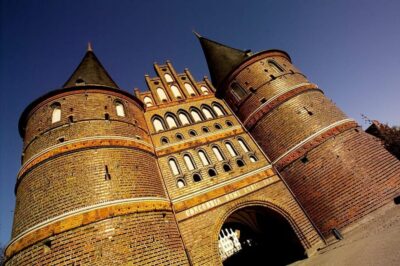
Meeting at Holsten Gate is a smart move because it gives you a clear mental starting point. From there, your guide leads you into Lübeck’s medieval layout, where streets feel slightly twisty and the sightlines keep changing. In a short time, you get that big-picture sense of how a port city organized itself, then you see it down at human scale.
This is a private group up to 6 people, so the pace can match your group. I like tours like this because you can ask a question without the whole crowd needing to hear every answer. Your guide also contacts you after booking to schedule your exact start time within the day, between 9:00 AM and 7:00 PM.
Since the tour is 90 minutes, expect a steady walking rhythm. You will be out and about in the old town, not sitting in one place. If you are planning this on a busy day, pick another flexible activity afterward, because your head will be full of street names, symbols, and what they meant.
Gothic brick townhouses: reading Lübeck’s gables and house signs
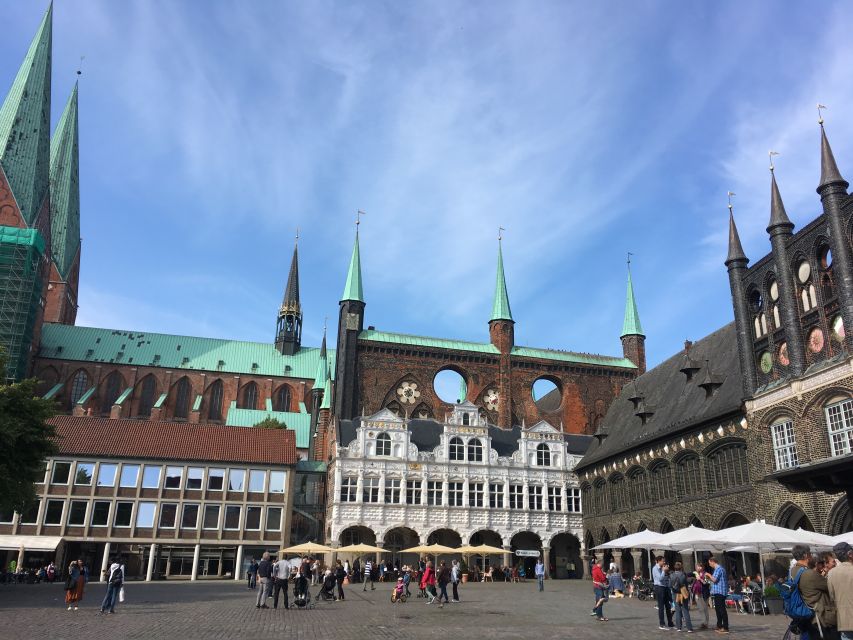
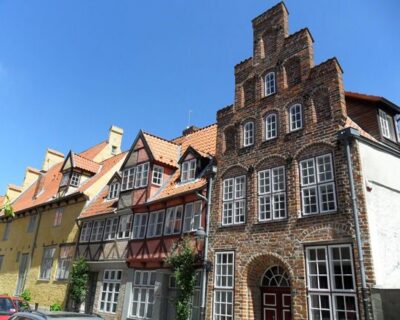
The star materials here are Gothic brick architecture and centuries-old buildings, and the guide shows you how to notice them quickly. You are not just looking at pretty facades. You learn to interpret house signs, gables, and the visual language Hanseatic cities used to identify buildings and families.
Lübeck can feel “photo-friendly” at first glance, but this tour helps you slow down and see patterns. You start connecting the dots between what you are seeing on walls and the city’s historical role as a trade hub. That context matters because it turns decorative features into clues, not just background.
Also, the old town is all about close details. Narrow streets mean you naturally end up closer to craftsmanship, doorways, and architectural quirks. If you like architecture but feel rushed in big group tours, this format usually works better because you can actually take in what is in front of you.
Narrow streets and romantic corridors: why the route feels like a story
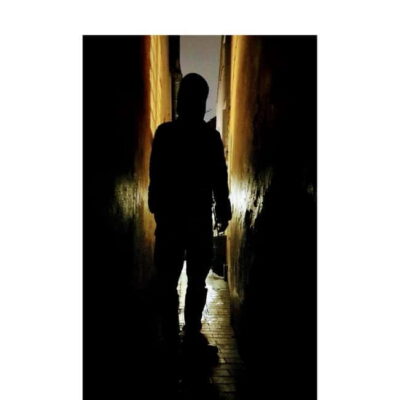
One of the best things about Lübeck is how quickly the city changes mood. You go from busy-looking lanes into quieter corridors where the light softens and the buildings feel more intimate. Your guide takes you through narrow streets and those romantic-feeling “corridors” that make Lübeck seem almost staged.
This is also where the tour earns its back-to-back medieval planning explanation. When you walk low passages and tucked alleyways, you feel how citizens moved through the city day to day. It is easier to understand a historic city when you experience its physical rules, like how much space people had and how buildings were arranged.
If you enjoy wandering, this tour is still structured, but it leaves room for the discoveries your guide points out. If you do not enjoy walking narrow streets, consider whether your comfort level matches an older city layout. The route is designed to show the best connections between areas, not to avoid tight spots.
Magical backyards and town courtyards: the city’s secret behind the street
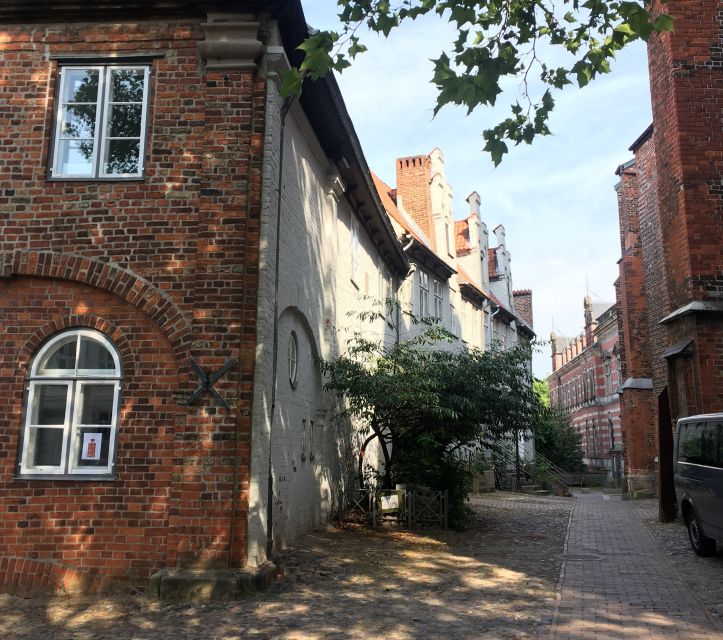
The highlight that makes this tour special is the focus on backyards and small courtyards. Lübeck has these tucked-away spaces where you can sense daily life was once lived behind the public face of townhouses. Your guide leads you through small yards, alleyways, secluded corners, and even low passages that you might otherwise miss.
This is practical sightseeing in disguise. From the street, you can see the exterior style. In the backyards, you get a different view, one that helps you understand how space was used. You also start appreciating why medieval town planning created these pockets of privacy inside a dense city.
I like that the tour does not treat these spaces like a museum exhibit. Instead, it frames them as places where people had to live, work, store things, and share limited space. That shift in perspective makes the whole old town feel more understandable and less like just a pretty set of buildings.
Angel pit myth-busting: the one fact that clicks the whole city
Every old city has a few stories people repeat, but not all of them are accurate. Here, you learn about the historical angel pit and why it has nothing to do with heavenly messengers. The guide explains what it actually referred to in the context of the city, turning a spooky-sounding name into something grounded.
This part is valuable because it teaches you how to approach old-city names with care. Lübeck’s past includes harsh realities, and local terms often carry weight. When you know the true meaning, you can walk through the old town without being distracted by misleading folklore.
It also makes the tour feel “alive” instead of scripted. One good myth-busting moment changes how you interpret other small details, like the way a lane bends or why a particular spot became known. If you like learning the real reason behind famous local names, this stop is a high point.
Street lamps and church towers: small city details with big meaning
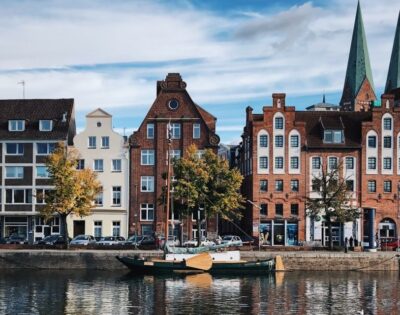
Lübeck’s church towers show up as more than skyline props. Your guide explains how the city’s religious landmarks shaped the city since the Middle Ages. When you understand that influence, towers stop being just architecture and start acting like visual anchors that organized a medieval world.
Then comes the street lamps. This might sound minor until your guide points out what is special about them and why they matter in Lübeck’s setting. Small urban details often reveal how a city thought about public space, safety, and everyday life. It is the sort of information that makes your walk feel guided rather than random.
You also stroll past the pilgrim church of St. Jakobi. Calling it a pilgrim church matters because it places the building in a network of movement and belief. Even if you are not religious, you can appreciate how that kind of traffic affected a city, from visitors to local business and street patterns.
Heiligen-Geist-Hospital ending: little turrets and a human-scale finish
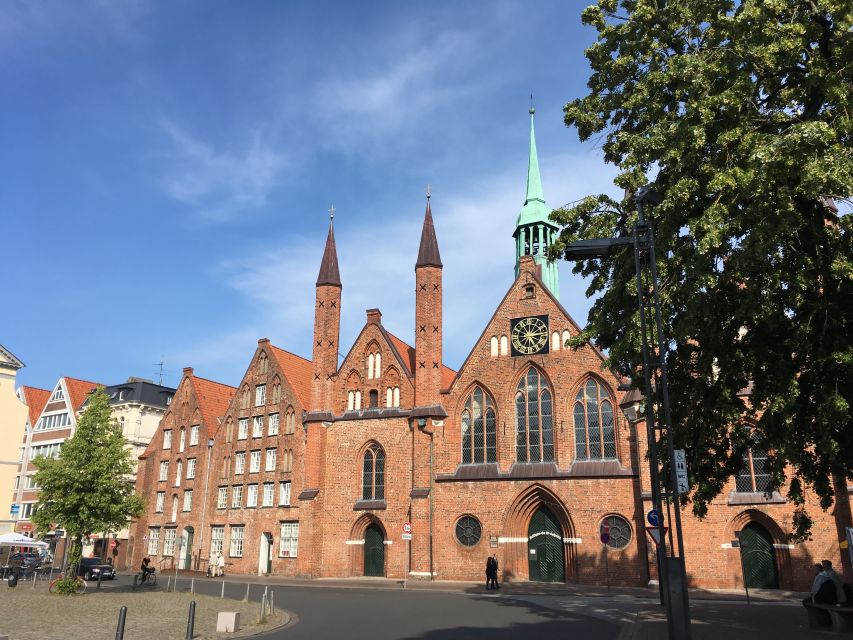
The tour wraps up at Heiligen-Geist-Hospital, and it is a great final stop because it feels like you arrived somewhere with purpose. You get to admire the striking little turrets, but more importantly, you see how historic institutions were embedded in the city fabric.
This ending works well after all the backyards and passageways. The first half of the tour trains your eyes on everyday building life. The finish shifts you to a place tied to care and community, which gives the tour a satisfying emotional tone without turning it into a long lecture.
If you like to end on a visual payoff, these turrets are the kind of detail you remember later. And since the tour duration is fixed, you avoid the problem of arriving at a “final sight” too late and too tired to appreciate it.
Price and who this private tour is best for
At $259 per group (up to 6 people) for 90 minutes, this is priced like a boutique private walk, not a mass-market tour. That is exactly why it can be good value if you are traveling with a small group that can share the cost. Two people pay more per person than a large group, but the private format still gives you a higher chance of meaningful Q and A and a tighter route.
For solo travelers, it is a luxury pick. The upside is quality of attention and the chance to focus on the details that matter to you. If you are a couple or a small family, this often feels like a smart spend, because you are getting a guide’s full attention plus entry into the city’s back-and-behind story.
Your main “fit” factor is language. The tour guide is German. If you speak basic German, or if you are comfortable following a guided walk with some translation help from context and architecture, you can still enjoy a lot. If you need full narration in English to feel confident, you might want to consider an alternative tour option that is offered in your language.
Timing tips: picking the right start time in a compact city
Your start time can be chosen between 9:00 AM and 7:00 PM, based on your preference. In a place like Lübeck, that flexibility is helpful because light changes how Gothic brick looks. Morning can feel sharper and crisp for architecture. Later afternoon can feel softer for narrow streets and courtyards.
Plan around comfort too. The old town layout is compact and walking-heavy. If you are sensitive to crowding, choose a start time that feels less hectic for you. The tour is private, so you will not have a giant group pressure, but the streets themselves are still streets.
Because the tour is 90 minutes, treat it like a “core orientation.” You learn what to look for, how to read the city, and what names mean. After this, you can wander longer on your own with better instincts.
What you will get from the guide (and why it matters)
A professional city guide is included, and that is a big part of the value. This is not a scavenger hunt of landmarks. The guide explains living conditions behind the scenes, connects architecture to how citizens used space, and points out small features like street lamps that most people skip.
The backyards and low passages are where the guide’s interpretation really matters. Without that context, you might still enjoy the visuals, but you would miss why those spaces were created and what they meant for everyday life.
The overall feedback score of 4.9 out of 5 with multiple highly positive comments in German suggests the experience lands well in practice. One theme is that people found the tour interesting and well tuned to the group. Another good sign is that even when someone could not join due to illness, the rest of the group was enthusiastic, which usually indicates the guide kept the walk engaging and well paced.
Should you book this Lübeck backyards and town houses tour?
Book it if you want Lübeck at human speed, with real context and a route that goes beyond main streets. The strongest reason is the focus on backyards, courtyards, and the angel pit explanation, because those details turn Lübeck from “pretty old town” into “understandable medieval city.”
Skip it or reconsider if you need the guide in English, because this tour is German-only. Also think twice if you dislike narrow corridors and low passageways. This tour is designed to show the old city’s physical reality, and that includes the tighter parts.
If you do book, go in with a simple mindset: slow down where your guide asks you to look, and treat architectural details like clues. Do that, and 90 minutes in Lübeck will feel like more than a walk. It will feel like reading the city page by page, with the best parts hidden behind the doors.
FAQ
Where is the tour meeting point?
Please meet your tour guide at Holsten Gate.
How long is the Lübeck backyards and town houses private tour?
The duration is 90 minutes.
Is this a private tour?
Yes. It is a private group experience.
How many people are in a group?
The price is listed per group up to 6 people.
What language is the live guide?
The live tour guide is German.
What is the tour price?
The price is $259 per group (up to 6 people).
What is included in the tour price?
A professional city guide is included.
Is food or drinks included?
No, food and drinks are not included.
When can the tour start?
The tour can start any time between 9:00 AM and 7:00 PM, based on your preference. Your guide will contact you after booking to schedule the tour.
Are there cancellation and payment flexibility options?
There is free cancellation up to 24 hours in advance for a full refund. You can also reserve now and pay later.
Along the Baltic Shore
Everything else we filed on Lubeck
- Lübeck Day Pass – Day ticket for Lübeck museums
★ 4.0 · 15 reviews - Lübeck: Backyards and Town Houses Private Guided Tour
★ 4.9 · 23 reviews - Lübeck zwischen Grusel und Geschichte Truecrime zu Halloween
★ 4.9 · 35 reviews - Lübeck: Hanseatic League History Walking Tour
★ 4.9 · 57 reviews - Lübeck: Electric Boat Rental – without driving licence
★ 4.8 · 174 reviews - Lübeck: Entertaining Tour Through Hidden Courtyards
★ 4.8 · 483 reviews
Baltic Coast and Island Tours, side by side.
 ★ 4.0Lübeck: 1-Hour Splash Bus City TourFrom $352,626 reviews
 ★ 4.7Lübeck: entertaining guided tour to old town highlightsFrom $16594 reviews
 ★ 4.7Schwerin: City Highlights Guided TourFrom $12541 reviews
 ★ 4.8Lübeck: Entertaining Tour Through Hidden CourtyardsFrom $20483 reviews
 ★ 4.5Schwerin: Tour with the Night WatchmanFrom $15366 reviews
 ★ 4.6Stralsund: 1-Hour Harbor CruiseFrom $15365 reviews
 ★ 4.5Rostock: Guided tour of the historic city centerFrom $17311 reviews
 ★ 4.5All-in-One Berlin Shore Excursion from WarnemundeFrom $83293 reviews
Other lists this tour is on