
REVIEW · THE BALTIC
Lübeck: Classic Tour of the Hanseatic City
Lübeck hits fast, even on a short walk. This private Hanseatic city tour strings together the key sights of the UNESCO old town, with stories that make the brick streets and church skyline feel connected. I love the clear focus on Holstentor and the old merchant center, and I also like how the five main churches give you an easy skyline to read as you move. The one thing to consider is simple: it is a 90-minute walking route, so plan comfortable shoes and expect more streets than sitting.
If you want Lübeck without the guesswork, this is a good fit. It starts right at the Holstentor, then moves through the port-side Salzspeicher areas, the Hanseatic town hall, and ends with the decorated-house streets around Buddenbrook-Haus.
You should know you are paying for a private guide experience, not for transfers or meals. If your group wants lots of stops to linger for long photo breaks, you may want to slow the pace with your guide.
In This Review
- Key highlights to look for
- Why this 90-minute Lübeck walk works
- Starting at Holstentor, where your orientation clicks
- Salzspeicherhäuser and the port side of Hanseatic power
- Town hall stops being more than a photo op
- Five churches, St. Mary’s, and the Teufelchen detail you will remember
- Kaufmannshäuser and decorated houses, the merchant-era clues
- Following the Mann brothers, ending at Buddenbrook-Haus
- Price and value for a private group up to 6
- Who this tour suits best
- Guide quality, based on real named examples
- Practical tips for a smooth walk
- Should you book this Lübeck classic tour?
- FAQ
- How long is the Lübeck Classic Tour of the Hanseatic City?
- Where do we meet for the tour?
- What is the price for the tour?
- Is this tour private?
- What languages are offered?
- Are food and drinks included?
Key highlights to look for
- Holstentor meeting point, so you can orient instantly
- Hanseatic town hall talk, built around how Lübeck ran itself
- Five main churches skyline, including St. Mary’s and the Teufelchen
- Kaufmannshäuser and decorated houses, the merchant-era details you might miss alone
- Mann brothers connections, with Buddenbrook-Haus as a natural ending point
More Baltic harbours and island days
- Lübeck: 1-Hour Splash Bus City Tour★ 4.0 · 2,626 reviews
- Lübeck: entertaining guided tour to old town highlights★ 4.7 · 594 reviews
- Lübeck: Entertaining Tour Through Hidden Courtyards★ 4.8 · 483 reviews
- Lübeck: Electric Boat Rental – without driving licence★ 4.8 · 174 reviews
Why this 90-minute Lübeck walk works
Lübeck is the kind of place where the details matter. On this classic tour, you get the most recognizable parts of the old town without feeling like you need a map course. The route is built to show you how the city layout, its brick architecture, and its church skyline reinforce each other.
The timing also helps. A 90-minute private walk is long enough to connect the dots, but short enough that you can still do other plans the same day. If you are only in northern Germany briefly, this is a practical way to get the big Lübeck images into your head first, then explore further on your own.
One more thing I appreciate is the framing. This is not just sightseeing. You hear stories about the city’s growth as a Baltic Sea power and why Lübeck earned recognition as the first German UNESCO World Heritage Site in 1987. That context makes the streets feel purposeful, not random.
Starting at Holstentor, where your orientation clicks
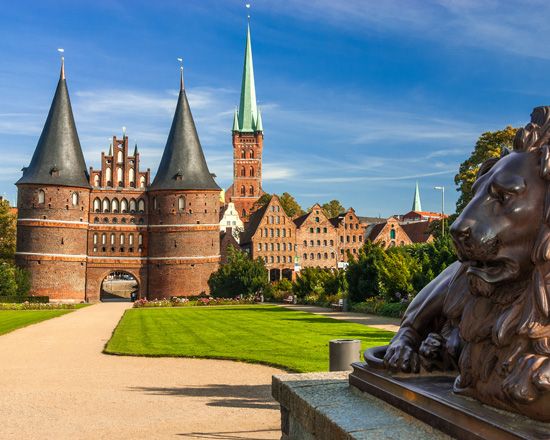
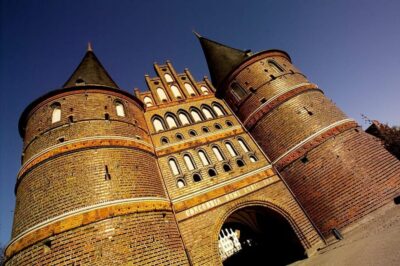
The tour begins right at the Holstentor (Holsten Gate). This matters more than it sounds. When a tour starts at a single iconic landmark, you can use it like a compass for everything that comes next.
Look for how the Holstentor anchors the rest of the story. Your guide uses it as the launching point for understanding Lübeck’s Hanseatic identity, then you move into the parts of town that reflect merchants, trade, and the wealth built from the sea.
If you like tours that help you get your bearings fast, this start is a smart design choice. No wandering for the first meeting point, no uncertainty about where you are supposed to begin.
Salzspeicherhäuser and the port side of Hanseatic power
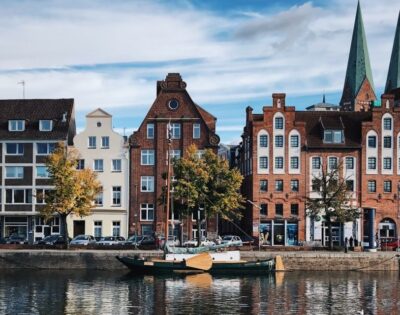
After the gate, the walk heads toward the Salzspeicherhäusern, the former storage houses tied to the port. This section is valuable because it shifts your focus from “pretty old city” to “how the economy worked.”
Here’s what to watch for. You will be moving past the former industrial heart of the city and the Port of Lübeck area. Even without getting technical, your guide’s stories help you connect the brick architecture to trade activity that shaped Lübeck for generations.
This is also where the tour’s flow makes sense. The city center and its churches can feel symbolic on their own. But once you see the port-side context, the religious skyline and merchant houses start to read like different chapters of the same Hanseatic life.
Town hall stops being more than a photo op
Next comes the town hall. On the street level, it is an impressive building, but the real value is what your guide does with it.
You get traditional Hanseatic architecture and history in a way that feels tied to the city’s day-to-day reality. Instead of treating the town hall like a standalone monument, the guide connects it to how Lübeck functioned as a trading power, including the kind of governance that kept commerce moving.
If you care about the “why” behind buildings, this is a strong stop. You are walking, so you see the scale and how the building fits into the urban fabric. That makes it easier to remember later when you are walking the old town on your own.
Five churches, St. Mary’s, and the Teufelchen detail you will remember
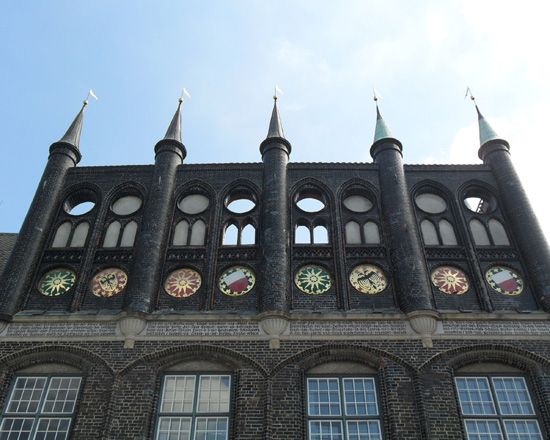
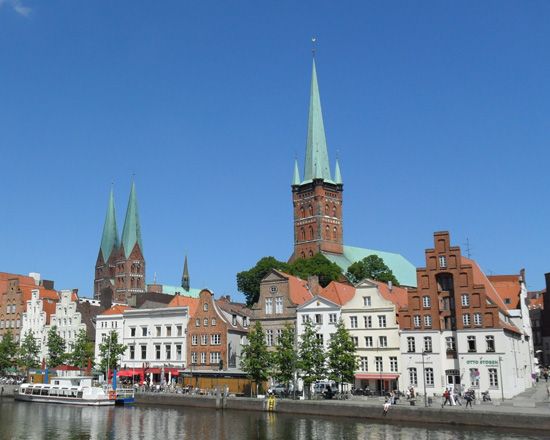
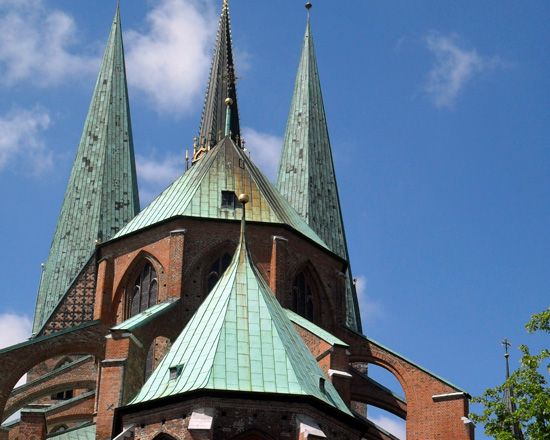
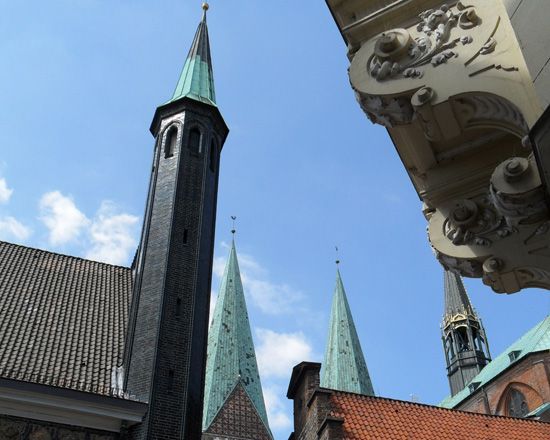
One of Lübeck’s signature visuals is its church skyline, and this tour builds that idea right into the route. You’ll see the city’s five main churches, plus specific attention on St. Mary’s Church and the stop called the Teufelchen.
Even if you are not a church-history person, I think the way this is organized helps. Your guide’s stories give you a reason to look upward and a reason to notice the skyline as you turn corners. Lübeck often gets described as the City of Seven Spires, and that nickname becomes more meaningful once you watch how the churches dominate the view over time.
The Teufelchen stop is a nice reminder that Lübeck isn’t only solemn architecture. It is also small, human scale details that add personality to the streetscape. If you enjoy finding local quirks, you will likely appreciate that the tour does not treat every stop as the same type of sight.
Kaufmannshäuser and decorated houses, the merchant-era clues
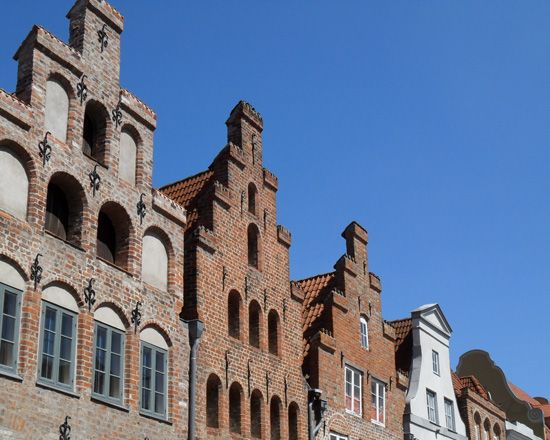
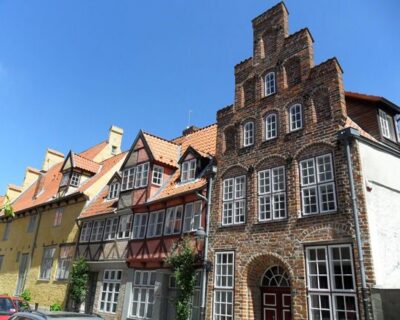
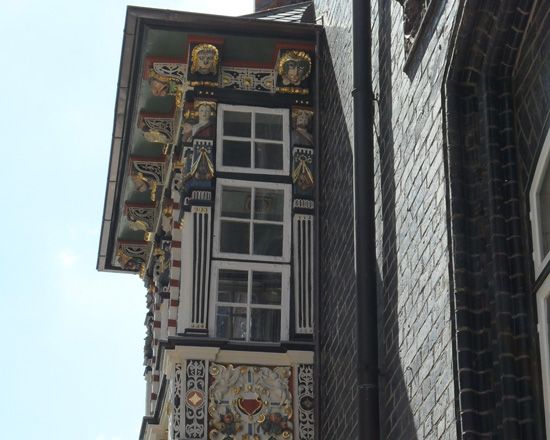
Now you get into the part of Lübeck that many people love but can’t always decode. The tour takes you past the Kaufmannshäuser, the merchant houses, and through streets with decorated houses.
This is where your guide adds real interpretation. Lübeck’s brick buildings are more than “old walls.” The merchant houses are part of how wealth and status showed up on the street. The decoration you might otherwise skim becomes legible when you understand what these houses represented in a Hanseatic city.
Here are a few practical ways to get more out of this section:
- Slow down your photos when your guide points something out, even if it feels small
- Notice how the brickwork and facades fit together from street to street
- Use the stop-and-explain moments to anchor your memory before you move on
It is also a good segment for anyone who wants Lübeck to feel like a living place. The decorated houses add charm, and the merchant-house focus makes the charm feel earned.
Following the Mann brothers, ending at Buddenbrook-Haus
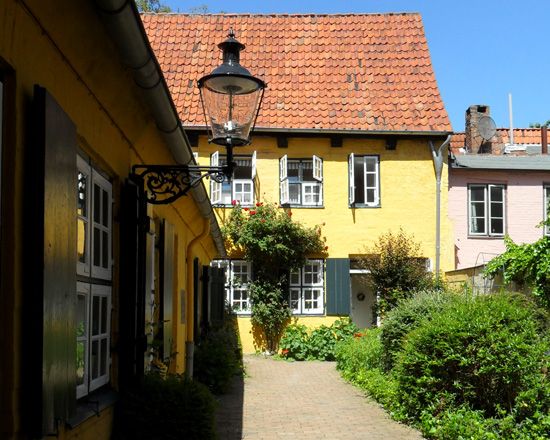
The tour wraps with a stroll through the famous streets and decorated houses near Buddenbrook-Haus. This is more than a final landmark. It is the emotional landing point for the Lübeck story the guide has been building.
You also follow the footsteps of the Brothers Mann. That connection matters because it gives the city a cultural throughline, linking the physical setting to literature tied to Lübeck. If you have read anything in that world, you will likely enjoy seeing how the streets and old-town feel match the tone of the setting.
Buddenbrook-Haus works well as an ending point because you finish in the place where the city’s character is easiest to absorb. After seeing the gate, the port context, the civic building, and the church skyline, you end with streets that feel intimate and story-friendly.
If you want to keep exploring afterward, this is a great place to transition. You will have enough context to recognize what you are seeing as you continue walking.
Price and value for a private group up to 6
The price is $259 per group up to 6 people for 90 minutes. That’s a private guide price, which means you should judge it by value per person, not just the headline number.
Here’s the simple math:
- If you fill the group with 6 people, it works out to about $43 per person.
- If you are only 2 people, it becomes about $130 per person.
So the best value is with a full group or a small family group where you can split the cost. If you’re traveling solo, it can still be worth it if you want a guide to tailor the pacing and answer questions in real time, but you should compare it to other options that might be per person.
You also get a professional guide, and the tour is private. For me, that combination is what makes this feel like more than a quick walk. You are not just collecting stamps at landmarks. You are getting story context applied directly to what you see around you.
Who this tour suits best
This tour fits best if you want an efficient, guided introduction to Lübeck’s old town. I also think it is ideal for people who like architecture plus explanation, not just one or the other.
It is especially well matched to:
- Couples and small groups who want the flexibility of a private walking pace
- Visitors who want to see key landmarks in one go, Holstentor, town hall, churches, and merchant houses
- Travelers who enjoy literature connections, thanks to the Mann brothers and Buddenbrook-Haus
If you already know Lübeck deeply and want hidden corners only, you might feel this is more classic than niche. But for most people, this is exactly the right first pass.
Guide quality, based on real named examples
Guide quality matters on a walking tour, and several named guides show up with strong feedback for both knowledge and group handling. Names like Frau Stump, Christel, and Crystal come up with praise for being friendly, organized, and able to share plenty of background information.
That is the sweet spot you want. You want the guide to keep the group moving while still making stops meaningful. With a private group, that balance matters even more, because everyone hears the same explanation and you can ask questions without losing momentum.
Practical tips for a smooth walk
A few small choices will make your tour more enjoyable, even if the weather or crowd level changes your plans.
- Wear comfortable walking shoes. You are walking through old streets for 90 minutes.
- Bring a light layer if the air feels cool. Northern Germany can be changeable.
- Plan for photos but don’t freeze at every corner. The tour is designed for a flow, so listen first, then shoot.
- Since food and drinks are not included, consider grabbing a snack before or after, depending on your schedule.
Also, transfers are not included. So you’ll want to plan how you get to the Holstentor area on your own.
Should you book this Lübeck classic tour?
Yes, if you want an organized introduction to Lübeck’s most important sights with a guide who can connect them. This tour is strong on recognizable landmarks, like Holstentor and the town hall, and it adds depth through churches, merchant houses, and the Mann brothers link.
If you are traveling with a group that can reach up to 6 people, you’re likely to get the best value per person. If you are solo or a duo, I’d book it only if you specifically want a private guide and you like walking tours with story time.
FAQ
How long is the Lübeck Classic Tour of the Hanseatic City?
It lasts 90 minutes.
Where do we meet for the tour?
The meeting point is right at the Holstentor.
What is the price for the tour?
The price is $259 per group for up to 6 people.
Is this tour private?
Yes, it is a private group tour.
What languages are offered?
The live guide speaks German and English.
Are food and drinks included?
No, food and drinks are not included.
Seeing Lubeck in One Go
Along the Baltic Shore
Everything else we filed on Lubeck
- Lübeck Day Pass – Day ticket for Lübeck museums
★ 4.0 · 15 reviews - Lübeck: Backyards and Town Houses Private Guided Tour
★ 4.9 · 23 reviews - Lübeck zwischen Grusel und Geschichte Truecrime zu Halloween
★ 4.9 · 35 reviews - Lübeck: Hanseatic League History Walking Tour
★ 4.9 · 57 reviews - Lübeck: Electric Boat Rental – without driving licence
★ 4.8 · 174 reviews - Lübeck: Entertaining Tour Through Hidden Courtyards
★ 4.8 · 483 reviews
Baltic Coast and Island Tours, side by side.
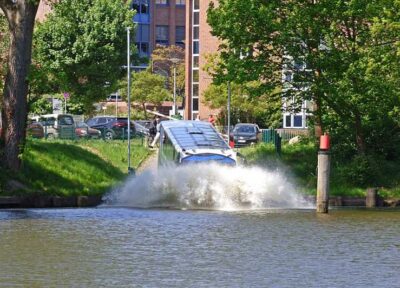 ★ 4.0Lübeck: 1-Hour Splash Bus City TourFrom $352,626 reviews
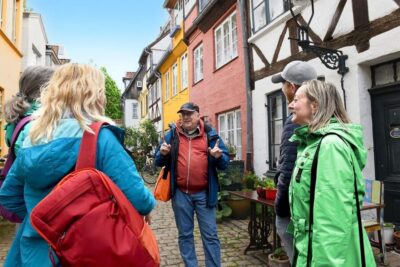 ★ 4.7Lübeck: entertaining guided tour to old town highlightsFrom $16594 reviews
 ★ 4.7Schwerin: City Highlights Guided TourFrom $12541 reviews
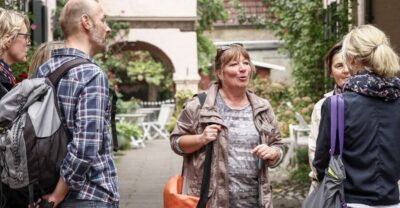 ★ 4.8Lübeck: Entertaining Tour Through Hidden CourtyardsFrom $20483 reviews
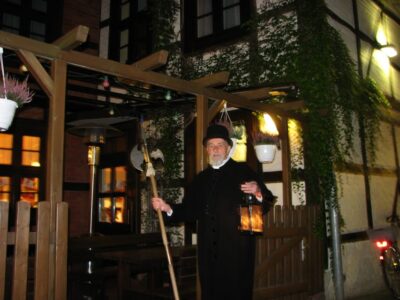 ★ 4.5Schwerin: Tour with the Night WatchmanFrom $15366 reviews
 ★ 4.6Stralsund: 1-Hour Harbor CruiseFrom $15365 reviews
 ★ 4.5Rostock: Guided tour of the historic city centerFrom $17311 reviews
 ★ 4.5All-in-One Berlin Shore Excursion from WarnemundeFrom $83293 reviews
Other lists this tour is on