
REVIEW · THE BALTIC
Lübeck: Private Historical and Architectural Walking Tour
Brick cities talk if you listen. This private 90-minute walk in Lübeck pairs the Holsten Gate story with a stop for marzipan, so you get facts and taste at the same time. One note, you will be on foot over uneven streets, so this is not a great fit if you need wheelchair access.
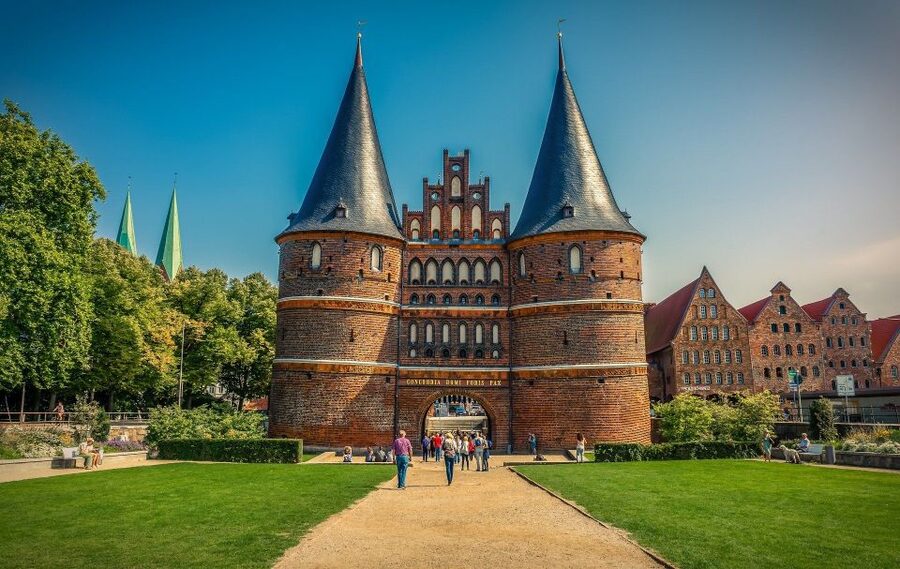
You start near Museum Holstentor and head through the sights that make Lübeck the Gateway to the North, plus the City of Seven Spires. By the time you reach the Town Hall, you will understand how Baltic Sea trade shaped the buildings, and why places like St. Mary’s Church and Buddenbrook House feel more personal than postcard views.
In This Review
- Key highlights you will actually feel
- Starting at Holsten Gate, the one landmark that sets the tone
- Gothic brick and skyline views that make Lübeck click
- The Merchants’ Quarter and Baltic trade behind the brick
- St. Mary’s Church, third-largest brick Gothic, plus a devil outside
- Buddenbrook House and stepping into Thomas and Heinrich Mann’s footsteps
- Marzipan tasting: a sweet stop with a point
- Ending at Lübeck Town Hall, one of Germany’s prettiest finishes
- How the 90 minutes actually works in your day
- Price and value: $265 per group for a guided, stop-heavy route
- Who this Lübeck private walk is best for
- Should you book this private walking tour of Lübeck?
- FAQ
- How long is the Lübeck private historical and architectural walking tour?
- Where do I meet the guide for the tour?
- What is the price for the tour?
- Is this tour private?
- What languages are the live guides available in?
- What is included in the price?
- Are entry tickets included?
- How much flexibility do I have to change my plans?
- Is the tour suitable for wheelchair users or people with mobility impairments?
Key highlights you will actually feel
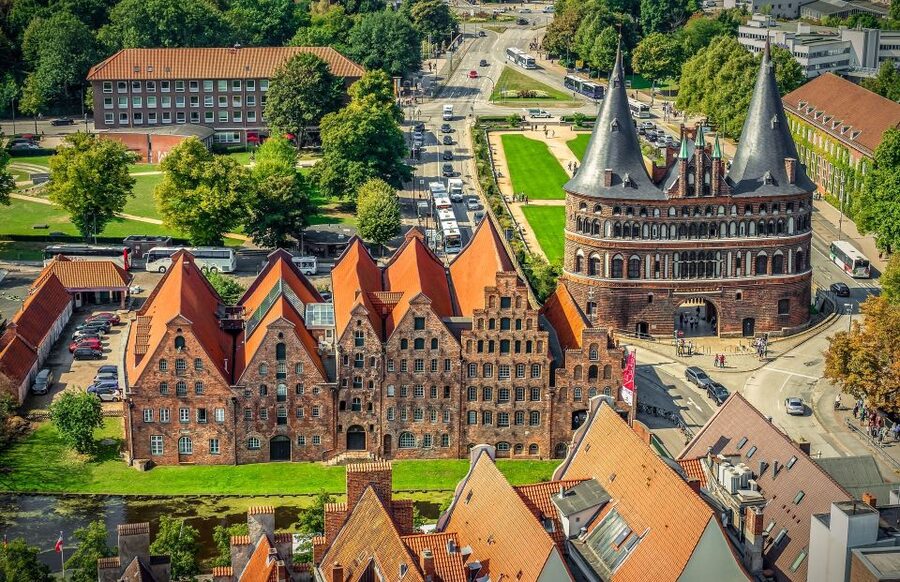
- Holsten Gate as a freedom symbol from the medieval fortifications, built in 1464
- Panoramic views of Lübeck’s skyline, including churches, salt storehouses, and merchant brick houses
- St. Mary’s Church and a devil story outside the church entrance
- Buddenbrook House connections to Thomas Mann and Heinrich Mann
- Marzipan tasting at a traditional bakery, plus the sweet’s local meaning
- Lübeck Town Hall finish at a UNESCO World Heritage Site
More Baltic harbours and island days
- Lübeck: 1-Hour Splash Bus City Tour★ 4.0 · 2,626 reviews
- Lübeck: entertaining guided tour to old town highlights★ 4.7 · 594 reviews
- Lübeck: Electric Boat Rental – without driving licence★ 4.8 · 174 reviews
- Lübeck: Classic Tour of the Hanseatic City★ 4.8 · 64 reviews
Starting at Holsten Gate, the one landmark that sets the tone
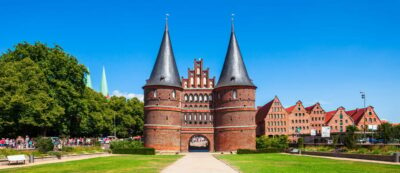
Meet your guide in front of Holsten Gate near Museum Holstentor. This gate is the perfect opener because it is both practical and symbolic: late-medieval brick Gothic, built in 1464, and still standing strong as one of the city’s last medieval fortification relics. Your guide frames it as a marker of freedom, not just an old wall you walk past.
What I like about starting here is how fast it gives you direction. Once you understand what Holsten Gate represents, the rest of the walk makes more sense. You are not just seeing buildings, you are learning what the city was trying to protect, and what it wanted to trade for.
Gothic brick and skyline views that make Lübeck click
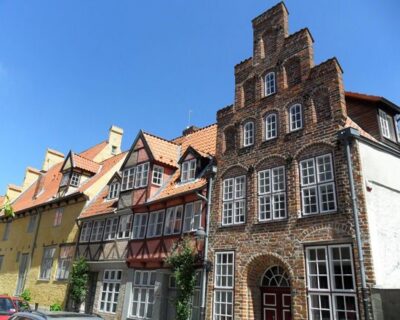
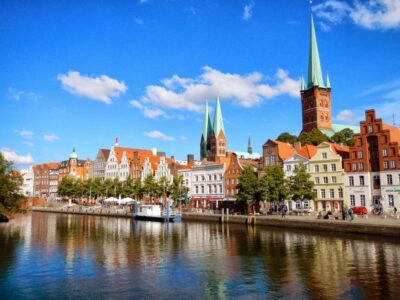
As you move inward, expect panoramic views of the historic skyline that show how Lübeck stacks its identity in layers. You will pick up the big picture fast: multiple churches (the tour highlights five in the wider view), salt storehouses, and luxurious brick homes built by wealthy merchants in the late 1700s.
This is where a live guide makes a difference. Architecture can look similar if you rush. With a guide pointing out what you are looking at, you start distinguishing shapes, purposes, and eras. You also get a sense of why Lübeck is sometimes described as the City of Seven Spires, because once you notice the rooftops, the whole city reads like a skyline puzzle.
You will also walk through streets inside the UNESCO World Heritage Site area. That matters because it is not just one monument. The character of Lübeck comes from the setting: cobbled streets, brickwork textures, and the feeling that you are moving inside the medieval layout rather than around it.
The Merchants’ Quarter and Baltic trade behind the brick
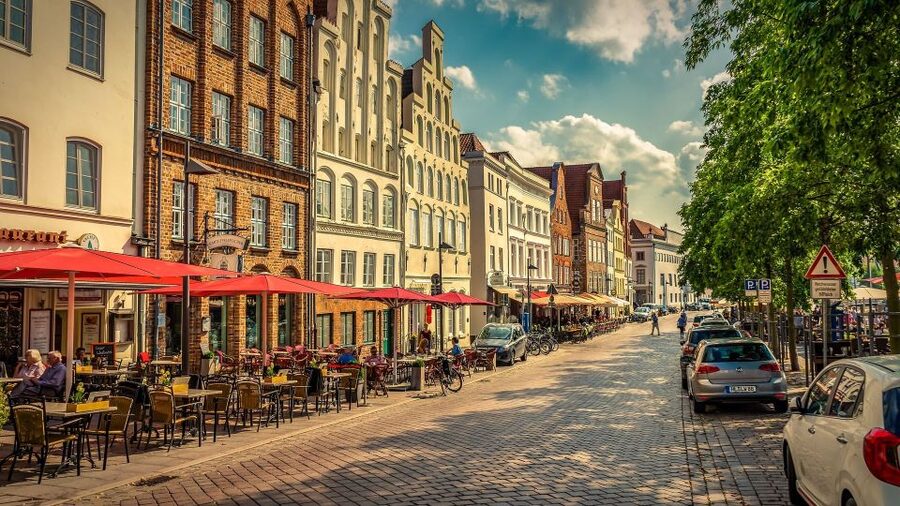
A big part of what you will hear is how money and shipping routes shaped the city. Your guide explains the economic impact of trading routes along the Baltic Sea, and it is one of the best ways to understand why Lübeck looks the way it does.
Here is the practical takeaway: when merchants are thriving, they build to signal stability. You see it in the brick homes and the grand civic spaces that follow the wealth. And you hear it in the Merchants’ Quarter context, where the city’s power is tied to trade rather than court politics.
If you have ever wondered why so many northern German cities feel commercial and confident at the same time, this section gives you a clean answer. Lübeck was built by people who depended on routes, goods, and connections. The architecture is basically the city’s receipt from that era.
St. Mary’s Church, third-largest brick Gothic, plus a devil outside
Next up is St. Mary’s Church, highlighted as the third largest brick Gothic church in Germany. The guide brings you close enough to appreciate brick Gothic style as something more than a label, with details that help you picture how the space worked for the city.
Then comes one of those small stories that make a place memorable. Outside the church entrance, your guide shares an entertaining tale about a little devil that resides there. It is the kind of moment that turns a church stop into a lived-in stop, because it adds local humor and folklore to an architectural landmark.
Why this matters for you: when you leave a church, it is easy to remember only the building. With a story attached to the exterior, you remember the whole experience, including the feeling of standing there long enough to notice what you might otherwise ignore.
Other walking routes through Lubeck
Buddenbrook House and stepping into Thomas and Heinrich Mann’s footsteps
After the churches and merchant areas, you go to Buddenbrook House. This is where literature becomes a walkable part of the city. The tour connects you to German writers Thomas Mann and Heinrich Mann, and you follow their footsteps through the setting tied to the Buddenbrook story world.
Even if you are not a hardcore literature reader, you will likely enjoy this stop because it changes your frame. Instead of only thinking in centuries and trade lanes, you start thinking in people and households. A writer’s name can feel abstract until you stand somewhere that anchors it.
One more practical benefit: this stop gives you a mental break from the constant “look at another facade” rhythm. It is still architectural and historical, but it is story-driven. That balance is what keeps the 90 minutes from feeling like a checklist.
Marzipan tasting: a sweet stop with a point
Your tour includes a traditional marzipan bakery stop. You taste-test different varieties of marzipan, and your guide explains the sweet’s history and significance in Lübeck.
This is not a random food detour. The tour sets the marzipan break up as part of the city identity, so the tasting feels connected to the place. When you know the background, the flavors make more sense as local culture rather than just a sugary snack.
If you are traveling with anyone who loves food as much as sights, this is often the moment they remember. You get to slow down for a few minutes, talk with your guide, and reset your eyes after looking at brick and church stone all morning or afternoon.
Ending at Lübeck Town Hall, one of Germany’s prettiest finishes
The tour concludes at Lübeck’s Town Hall, described as one of the most beautiful town halls in Germany and part of a UNESCO World Heritage Site. Ending here is a smart move because the Town Hall ties together everything you learned earlier: civic pride, merchant wealth, and the kind of public architecture that reflects what a city believed in.
You will not just look at it. Your guide points out what makes it special, so you can read the building rather than admire it silently. This is the kind of final stop that turns a walk into a story with a proper landing.
How the 90 minutes actually works in your day
This is a 90-minute private walking tour, so it moves at a steady but not rushed pace. You cover several major stops, plus the key streets between them, with explanations at the points that matter most.
Comfort matters. Wear comfortable shoes and plan for walking on cobbled or uneven surfaces. If you have any mobility challenges, keep in mind it is not suitable for people with mobility impairments or wheelchair users, so choose accordingly.
Group size stays relatively small because it is private, up to 15 people. That usually means the guide can keep the group together and still answer questions without the tour turning into a lecture you cannot follow.
Price and value: $265 per group for a guided, stop-heavy route
The price is $265 per group, up to 15 people, for a 90-minute experience. Value is really about how the cost breaks down for your exact group and how much you care about guided context versus just ticking off landmarks.
Here is the math lens I use: if your group fills the top end, the cost per person can come down a lot. If it is only a couple of people, you will feel the private-guide premium more. Either way, you are paying for a guide who connects Holsten Gate, St. Mary’s, Buddenbrook House, marzipan, and the Town Hall into one coherent story.
Also note what is not included: entry tickets. That means you should budget extra if any of the stops require admission during your visit window. If you are traveling light and just want the exterior and guided walk, it can still work well, but double-check what you expect to go inside.
Who this Lübeck private walk is best for
This tour fits best if you want more than surface photo stops. If you care about how trade shapes buildings, you will appreciate the Baltic Sea merchant context and why Lübeck’s architecture developed the way it did.
It also suits a few specific interests:
- Architecture and brick Gothic fans
- People who like story-based sightseeing (especially the little devil tale)
- Literature lovers drawn to Thomas Mann and Heinrich Mann
- Food travelers who enjoy learning the background before tasting
Languages are German and English, so you can match your comfort level. And because it is private, you can ask questions without competing with a large crowd.
Should you book this private walking tour of Lübeck?
I would book this if you want a focused, 90-minute introduction that mixes architecture, civic landmarks, literature, and a real food stop. Starting at Holsten Gate and ending at the Town Hall creates a clean arc, and the guide’s stories are the glue that makes each stop feel connected instead of random.
Skip it or choose a different format if you need wheelchair-friendly routes or mobility support. Also consider whether you plan to enter buildings, because entry tickets are not included, and some stops may cost extra depending on what you want to do.
If your goal is to understand Lübeck quickly, without getting lost in names and dates, this private guided walk is a strong value play.
FAQ
How long is the Lübeck private historical and architectural walking tour?
The tour lasts 90 minutes.
Where do I meet the guide for the tour?
Meet in front of Holsten Gate near Museum Holstentor.
What is the price for the tour?
The price is $265 per group, up to 15 people.
Is this tour private?
Yes, it is a private group tour.
What languages are the live guides available in?
The tour guide is available in German and English.
What is included in the price?
A private guide and the tour itself are included.
Are entry tickets included?
No, entry tickets are not included.
How much flexibility do I have to change my plans?
You can cancel up to 24 hours in advance for a full refund.
Is the tour suitable for wheelchair users or people with mobility impairments?
No, it is not suitable for people with mobility impairments or wheelchair users.
The Longer History of Lubeck
Pavements of Lubeck
Along the Baltic Shore
Everything else we filed on Lubeck
- Lübeck: Private Historical and Architectural Walking Tour
★ 4.5 · 6 reviews - Lübeck: Architecture and Local Craft Private Guided Tour
★ 4.0 · 6 reviews - Lübeck: Old Town Highlights Private Walking Tour
★ 4.8 · 8 reviews - Lübeck: Express Walk with a Local
★ 4.9 · 10 reviews - In Lübeck ist Weihnachten zu Haus.
★ 4.6 · 10 reviews - Lübeck Day Pass – Day ticket for Lübeck museums
★ 4.0 · 15 reviews
Baltic Coast and Island Tours, side by side.
 ★ 4.0Lübeck: 1-Hour Splash Bus City TourFrom $352,626 reviews
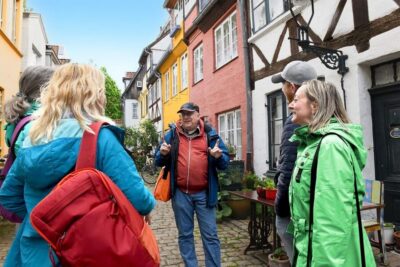 ★ 4.7Lübeck: entertaining guided tour to old town highlightsFrom $16594 reviews
 ★ 4.7Schwerin: City Highlights Guided TourFrom $12541 reviews
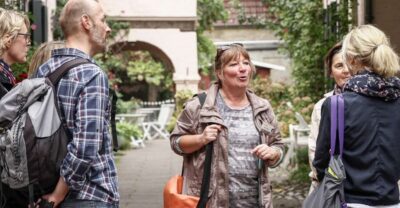 ★ 4.8Lübeck: Entertaining Tour Through Hidden CourtyardsFrom $20483 reviews
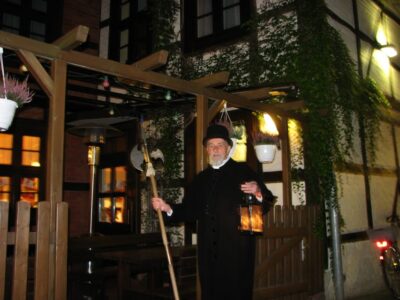 ★ 4.5Schwerin: Tour with the Night WatchmanFrom $15366 reviews
 ★ 4.6Stralsund: 1-Hour Harbor CruiseFrom $15365 reviews
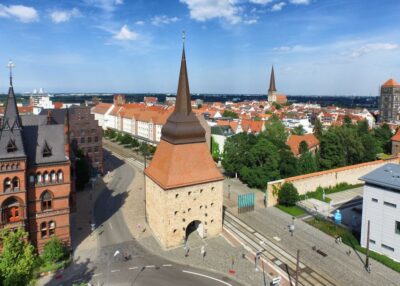 ★ 4.5Rostock: Guided tour of the historic city centerFrom $17311 reviews
 ★ 4.5All-in-One Berlin Shore Excursion from WarnemundeFrom $83293 reviews
Other lists this tour is on