
REVIEW · THE BALTIC
Lübeck Day Pass – Day ticket for Lübeck museums
Lübeck in 32 hours, one ticket, no rush. I love the Buddenbrooks angle, especially at the Museum Behnhaus Drägerhaus, and I also love that this pass lets you chase the North German carved altars highlight. The range of art names stretches from Caspar David Friedrich to Edvard Munch, so you are not stuck doing only one kind of museum. The main drawback is that this is self-guided, so you will need to pick your priorities and keep an eye on Monday opening rules.
This ticket is built for flexible days: it is valid for 32 hours with unlimited entries to the Lübeck Museums Association museums on your selected day. It is also wheelchair accessible, and some exhibits include content in the original language, so plan on a bit of reading (or at least a willingness to slow down and look closely).
In This Review
- Key things I’d plan around
- A Lübeck Museums Pass That Lets You Think Like a Local
- Price and Value: Why $14 Can Make Sense
- Monday Closures Can Make or Break Your Plan
- Your Core Stops: Buddenbrooks at Behnhaus Drägerhaus
- Art Highlights: From Friedrich to Munch, Plus Carved Altars
- Günter Grass-Haus and the Church and Gate Options
- St. Annen Quarter: A Cluster of Museums Under One Ticket
- Nature, the World Collection, and Why Variety Helps
- How to Build a Stress-Free Route With No Guided Tours
- Who This Pass Is Best For
- Should You Book the Lübeck Museums Day Pass?
- FAQ
- What is included with the Lübeck Day Pass?
- How long is the pass valid?
- How many museums can I access with the pass?
- Which museums are included?
- Are all the museums open on Mondays?
- Are guided museum tours included?
- Are food and drinks included?
- Is the pass wheelchair accessible?
- Who can get free admission?
- What languages should I expect at the museums?
Key things I’d plan around
- Unlimited museum entries for one selected day, so you can return if you walk back for one more look
- Buddenbrooks at Museum Behnhaus Drägerhaus, a strong literary thread through your visit
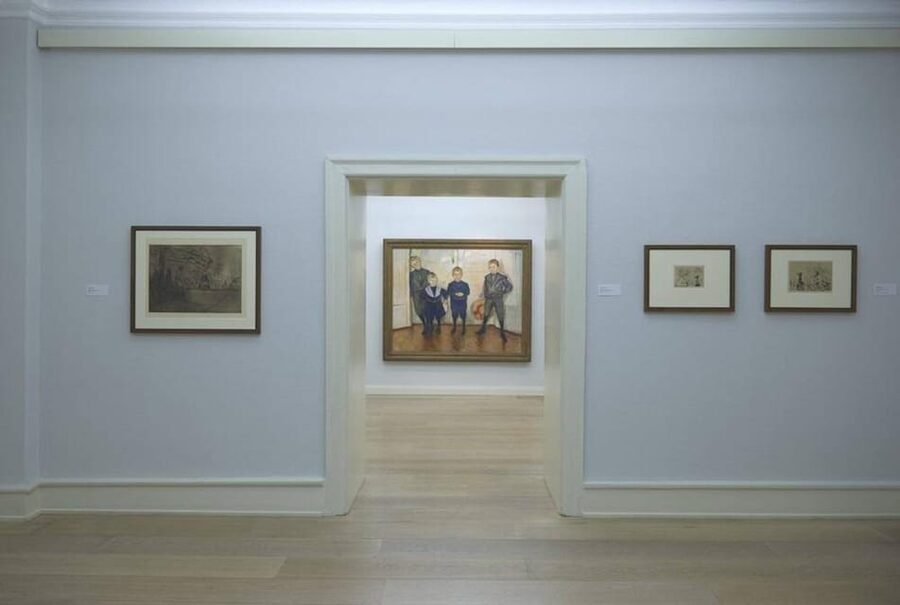
- Art from Caspar David Friedrich to Edvard Munch, so you get famous names alongside local stories
- North German carved altars, including the largest collection highlighted in the pass
- Monday closures with holiday exceptions, which can shape your whole schedule
More Baltic harbours and island days
- Lübeck: 1-Hour Splash Bus City Tour★ 4.0 · 2,626 reviews
- Lübeck: entertaining guided tour to old town highlights★ 4.7 · 594 reviews
- Lübeck: Entertaining Tour Through Hidden Courtyards★ 4.8 · 483 reviews
- Lübeck: Electric Boat Rental – without driving licence★ 4.8 · 174 reviews
A Lübeck Museums Pass That Lets You Think Like a Local
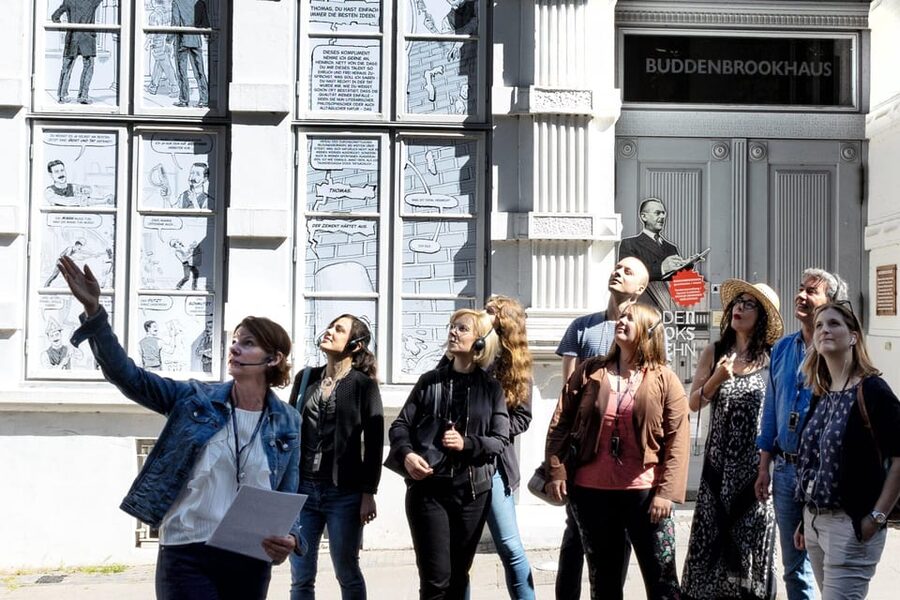
This is not a guided tour. It is admission, and that sounds simple because it is. In practice, it is a great way to move at your speed in a city where the museum pace depends on your mood, not a group schedule.
You are getting access to museums run by the Lübeck Museums Association, and that matters because it turns the day into a choose-your-own route. You can start with one theme, wander into another, then come back later if something catches your eye.
Also, the pass is valid for 32 hours, so you can stretch one start time into more than one calendar day without feeling like you are racing a clock. That is a quiet quality-of-life win if you are also walking the old town or catching trains.
Price and Value: Why $14 Can Make Sense
At $14 per person, this pass is priced like a budget move, not a splurge. The real value comes from the fact that admission is for multiple museums with unlimited visits on the selected day.
If you are only planning to visit one museum, this might feel like overkill. But if you want a mix of art, culture, and local storytelling, the pass is the easier math. You also avoid the mental overhead of deciding ticket-by-ticket for every museum stop.
One more practical note: guided tours are not included, and food and drinks are not included. That is not a downside as long as you plan like a museum-hopper, meaning you bring snacks or accept that you will need time for breaks.
Monday Closures Can Make or Break Your Plan
Here is the scheduling rule that you must respect. All museums except Museum Holstentor and the Günter Grass-Haus are closed on Mondays.
Those closures do not apply if Monday falls on these public holidays: Easter Monday, Labor Day (May 1st), Whit Monday, German Unity Day (October 3rd), or the 2nd Christmas holiday (December 26th). So if you are traveling midweek, you can ignore this. If you are traveling around a Monday, check the holiday dates before you build your route.
This matters because the pass gives you a lot of options. If you show up on a normal Monday and your plan depends on museums that are closed, you will waste time. On a holiday Monday, the same plan can work beautifully.
Your Core Stops: Buddenbrooks at Behnhaus Drägerhaus
If you like literature, this is a strong reason to get the pass. The Museum Behnhaus Drägerhaus is tied to Buddenbrooks, and that thread gives you an anchor while the rest of Lübeck’s museum lineup can feel wide-ranging.
What I like about a literary museum focus is that it gives context. Instead of treating everything as separate exhibits, you start seeing Lübeck as a place with stories that shaped art, people, and ideas. Even if you are not a deep literary reader, you can still enjoy the museum as a way to understand the city beyond buildings and viewpoints.
A drawback to keep in mind is pacing. Buddenbrooks themed visits can encourage a slower, reflective approach, which is great. But if you stack too many museums back-to-back, you may rush through the parts that would otherwise be the most satisfying.

Art Highlights: From Friedrich to Munch, Plus Carved Altars
This pass is not limited to one genre. The standout art highlight is the range from Caspar David Friedrich to Edvard Munch. That is a big signal that you are not just seeing small local displays. You are getting famous names and different artistic approaches.
Then there is the other headline attraction: the largest collection of North German carved altars. If you enjoy religious art, woodworking, detail, or simply looking at craftsmanship up close, this is the kind of museum highlight that rewards patience.
In a self-guided day, I recommend treating these two highlights as your “main courses.” Pick at least one art-related stop and at least one altar-focused stop. If you try to do everything, you will end up with a blur of rooms. If you pick smart targets, you will leave feeling like you really saw the point of Lübeck museums.
Günter Grass-Haus and the Church and Gate Options
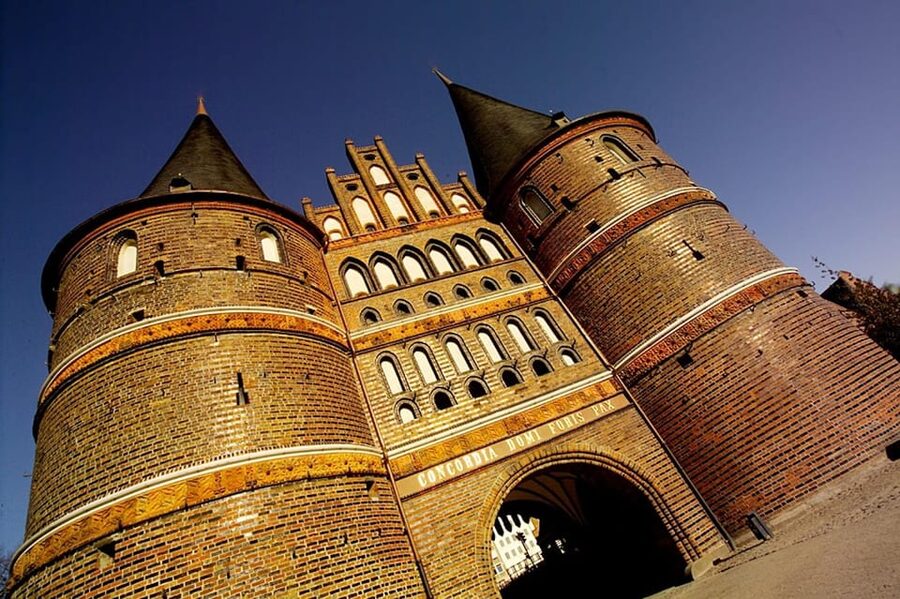
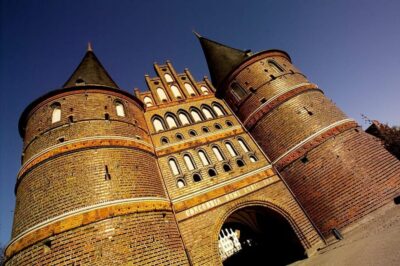
This pass includes several landmark-type museum sites, including the Günter Grass-Haus, the Katharinenkirche, and the Museum Holstentor.
The key practical benefit is simple: this gives you variety in mood. A house museum tends to feel personal. A church setting often slows the pace and changes how you look at objects and space. A gate museum helps you connect the museum world back to the city’s urban shape.
If you are visiting on a Monday, the scheduling rule becomes even more important. The Günter Grass-Haus and Museum Holstentor are the exceptions, meaning you still have at least a couple of solid choices even when many other museums shut their doors.
St. Annen Quarter: A Cluster of Museums Under One Ticket
One of the smartest ways to use a multi-museum pass is to group stops. The pass includes the Museumsquartier St. Annen, plus the Kunsthalle St. Annen and the St. Annen-Museum. That grouping is useful because you can stay in the same general museum zone and reduce the time spent transitioning between buildings.
I like museum clusters because you can bounce between styles. You can do one stop that feels more formal, then switch to another that might be more focused or accessible to you. And since the pass allows unlimited visits on the selected day, if one museum grabs you, you can return without paying again.
The possible downside is decision fatigue. With several related sites in one area, you may start thinking, Should I do them all? My advice is to set a cap. Choose two from the St. Annen cluster and leave room for one surprise stop later if you have energy.
Nature, the World Collection, and Why Variety Helps
Not every museum day needs to be art-only. The pass includes the Museum für Natur und Umwelt, and it also includes the Sammlung Kulturen der Welt.
That combination is useful if you want contrast. After spending time with art and objects in a more aesthetic mood, switching to a nature and environment museum can reset your brain. And moving from local art themes to world culture collections can broaden how you interpret what you are seeing in Lübeck.
I also find that variety prevents museum burnout. Even when you love museums, nonstop art after art can flatten your enjoyment. A nature or world cultures stop can bring you back into curiosity mode, not just visual scanning.
How to Build a Stress-Free Route With No Guided Tours
Because guided tours are not included, your success comes from light planning and smart flexibility.
Here is a simple strategy that works well with a 32-hour pass:
- Pick one museum that matches each mood you have, for example literary, art highlight, and one variety stop like nature or world cultures.
- Use the Monday closure rules first, then fill in the rest.
- Leave gaps for wandering, since the day pass gives you the freedom to shift without penalties.
Also, keep your breaks in mind. Food and drinks are not included, so plan time to eat and recharge. This is not about being fancy. It is about staying functional so the second half of your museum day is as good as the first.
One more thing: some content is shown in its original language. If you are not fluent, do not panic. Many museums communicate through labels, object details, and exhibit structure. But it helps to go with the expectation that you will spend a bit more time reading what is in front of you.
Who This Pass Is Best For
This is a strong fit if you want a self-guided museum day with flexibility. It is also a good choice if you like variety, since the included lineup spans literary themes, major art names, carved altars, nature and environment, and world culture collections.
You will get the best value if you are:
- Interested in at least two or three of the featured highlights, not just one
- Visiting on a day when most sites are open, or you are okay building your route around Monday exceptions
- Comfortable planning your own route since there are no guided tours included
If you prefer a strict itinerary with a tour guide, this is less ideal. The pass does not do hand-holding. It gives you access, then lets you run the day.
Should You Book the Lübeck Museums Day Pass?
I think you should book this pass if your goal is to see more than one side of Lübeck in a short window. The price is modest, the access covers a wide museum range, and the highlight mix is genuinely practical: Buddenbrooks, big art names from Friedrich to Munch, and the carved altars highlight.
Skip it if you only want a single museum visit, or if you are traveling on a normal Monday and you hate adjusting plans. With the Monday closure rules, you have to be ready to work around them.
If you do book it, build your day around two anchor interests, then add one contrast stop. That approach keeps the day enjoyable and makes the ticket feel like a smart purchase rather than a checklist.
FAQ
What is included with the Lübeck Day Pass?
The pass gives you a one day ticket for all museums in the Lübeck Museums Association, with unlimited visits on your selected day.
How long is the pass valid?
The pass is valid for 32 hours. You can check availability for the starting times.
How many museums can I access with the pass?
The pass is valid for admission to 9 different museums in Lübeck.
Which museums are included?
The pass covers these museums: Buddenbrookhaus, Günter Grass-Haus, Katharinenkirche, Museum Behnhaus Drägerhaus, Museum für Natur und Umwelt, Museum Holstentor, Museumsquartier St. Annen, Kunsthalle St. Annen, St. Annen-Museum, and the Sammlung Kulturen der Welt.
Are all the museums open on Mondays?
No. All museums are closed on Mondays except Museum Holstentor and the Günter Grass-Haus. These closures do not apply if Monday is one of these public holidays: Easter Monday, Labor Day (May 1st), Whit Monday, German Unity Day (October 3rd), or the 2nd Christmas holiday (December 26th).
Are guided museum tours included?
No. Guided tours are not included with the pass.
Are food and drinks included?
No. Food and drinks are not included.
Is the pass wheelchair accessible?
Yes, the activity is wheelchair accessible.
Who can get free admission?
Kids under 18, students, Lübeck Card holders, honorary card holders, and severely disabled people with a degree of disability of at least 50 get free admission to Lübeck’s museums.
What languages should I expect at the museums?
Some content is shown in its original language.
Along the Baltic Shore
Everything else we filed on Lubeck
- Lübeck Day Pass – Day ticket for Lübeck museums
★ 4.0 · 15 reviews - Lübeck: Backyards and Town Houses Private Guided Tour
★ 4.9 · 23 reviews - Lübeck zwischen Grusel und Geschichte Truecrime zu Halloween
★ 4.9 · 35 reviews - Lübeck: Hanseatic League History Walking Tour
★ 4.9 · 57 reviews - Lübeck: Electric Boat Rental – without driving licence
★ 4.8 · 174 reviews - Lübeck: Entertaining Tour Through Hidden Courtyards
★ 4.8 · 483 reviews
Baltic Coast and Island Tours, side by side.
 ★ 4.0Lübeck: 1-Hour Splash Bus City TourFrom $352,626 reviews
 ★ 4.7Lübeck: entertaining guided tour to old town highlightsFrom $16594 reviews
 ★ 4.7Schwerin: City Highlights Guided TourFrom $12541 reviews
 ★ 4.8Lübeck: Entertaining Tour Through Hidden CourtyardsFrom $20483 reviews
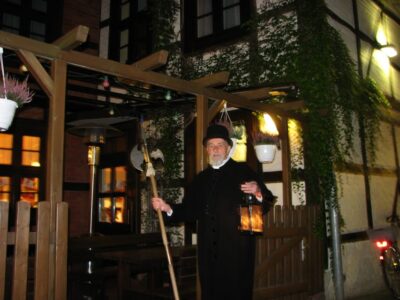 ★ 4.5Schwerin: Tour with the Night WatchmanFrom $15366 reviews
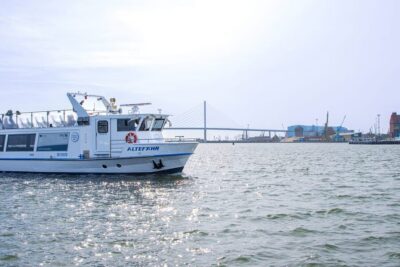 ★ 4.6Stralsund: 1-Hour Harbor CruiseFrom $15365 reviews
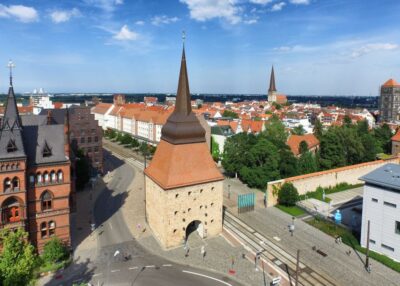 ★ 4.5Rostock: Guided tour of the historic city centerFrom $17311 reviews
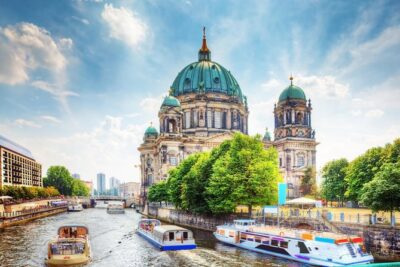 ★ 4.5All-in-One Berlin Shore Excursion from WarnemundeFrom $83293 reviews
Other lists this tour is on