
REVIEW · THE BALTIC
Lübeck: Architecture and Local Craft Private Guided Tour
Brick streets in Lübeck tell stories you can feel. On a private 90-minute walk starting at the Holstentor, you decode Hanseatic brick architecture with a live guide, including the kind of behind-the-scenes stories you usually never hear.
I especially like how the guide connects what you see to how the city actually grew, down to the original street system and why some houses look the way they do. I also like the built-in pacing, with a real stop at the town market square for the town hall and the Ratskirche St. Marienchurch, then a shift into the tighter spaces around passages and courtyards.
One consideration: this is a compact architecture-and-craft route, so church interiors depend on the optional entrance fee (2.00 EUR) and what fits into the 90 minutes.
In This Review
- Key highlights to look for on this Lübeck tour
- Why Lübeck’s Hanseatic brick feels personal once you learn the rules
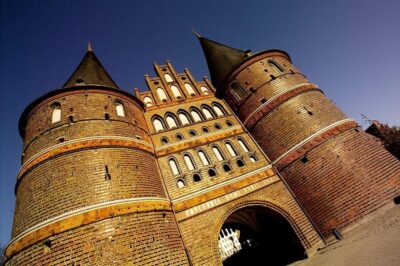
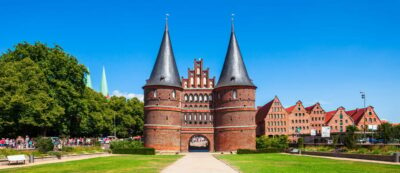
- Starting at the Holstentor, the city’s landmark gateway
- Town market square: where civic power meets Gothic brick
- From playfully decorated townhouses to the Buddenbrockhaus
- Glockengießerstraße and the secret logic of passages and courtyards
- A merchant’s house and the craft behind the brick
- Church time and the optional 2.00 EUR entrance fee
- Private tour value: $277 per group up to 8 people
- Timing and what a 90-minute walk actually feels like
- Who should book this Lübeck Architecture and Local Craft private tour
- Should you book this Lübeck tour or keep it self-guided?
- FAQ
- Where does the guide meet?
- How long is the tour?
- What is the price?
- Is the tour private?
- What languages are available?
- Do churches cost extra to enter?
- How flexible is the start time?
Key highlights to look for on this Lübeck tour
- Holstentor meeting point and a proper first impression so you know where you are and what you are looking at
- Hanseatic brick Gothic, explained with practical stories about streets, building changes, and even sagging houses
- Town market square focus with the town hall and the Ratskirche St. Marienchurch in one concentrated moment
- Buddenbrockhaus contrast as Baroque style interrupts the brick Gothic mood
- Glockengießerstraße passages and courtyards showing Lübeck’s “in-between” spaces, not just the postcards
- Brick-making in a merchant’s house with insight into why the craft mattered so much to Lübeck
More Baltic harbours and island days
- Lübeck: 1-Hour Splash Bus City Tour★ 4.0 · 2,626 reviews
- Lübeck: entertaining guided tour to old town highlights★ 4.7 · 594 reviews
- Lübeck: Electric Boat Rental – without driving licence★ 4.8 · 174 reviews
- Lübeck: Classic Tour of the Hanseatic City★ 4.8 · 64 reviews
Why Lübeck’s Hanseatic brick feels personal once you learn the rules
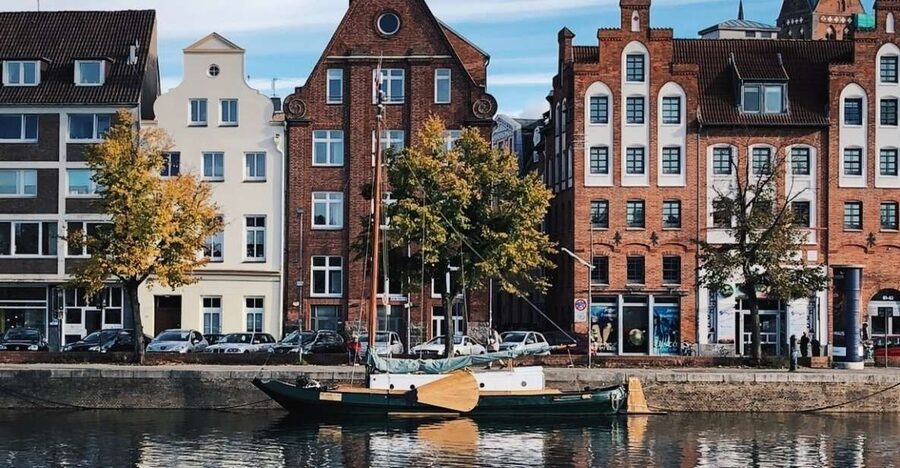
Lübeck’s brick architecture can look like it is all the same until someone explains the logic. That is the real value of this tour. You start noticing patterns in brickwork and layout, and you understand how a medieval city kept building, adapting, and correcting itself over time.
I like that you are not just handed facts. You are guided through cause and effect: why Lübeck’s street system mattered, how construction areas expanded in the Middle Ages, and what you can learn from buildings that have shifted or changed. The tour also points you toward the city’s UNESCO World Heritage context, so you see the architecture as part of a living city, not a museum set.
There is also a promise of secret stories, the kind that exist because people once lived and worked behind doors. You should expect that these stories relate to the city’s residents and institutions, not random trivia.
Starting at the Holstentor, the city’s landmark gateway
Your guide meets you at the Holstentor entrance, so you begin with orientation. That matters in Lübeck. The old town is compact, but the details are everywhere, and it is easy to lose your bearings fast if you are wandering unguided.
Holstentor is more than a dramatic gate photo. It is a starting point for the city’s bigger story about trade, wealth, and the medieval need to control movement. From the first moments, your guide frames what you will see as Hanseatic brick architecture shaped by commerce and civic pride.
You also get a full circle feel. Even though the meeting point is at the Holstentor, the tour later includes a trip to the mighty Holstentor again as a closing landmark. So you are not just leaving it behind, you are re-reading it after the rest of the city has “taught” you what to look for.
Practical tip: arrive a few minutes early and stand right at the entrance area. Meeting points sound simple until you are scanning crowds for one specific spot.
Town market square: where civic power meets Gothic brick
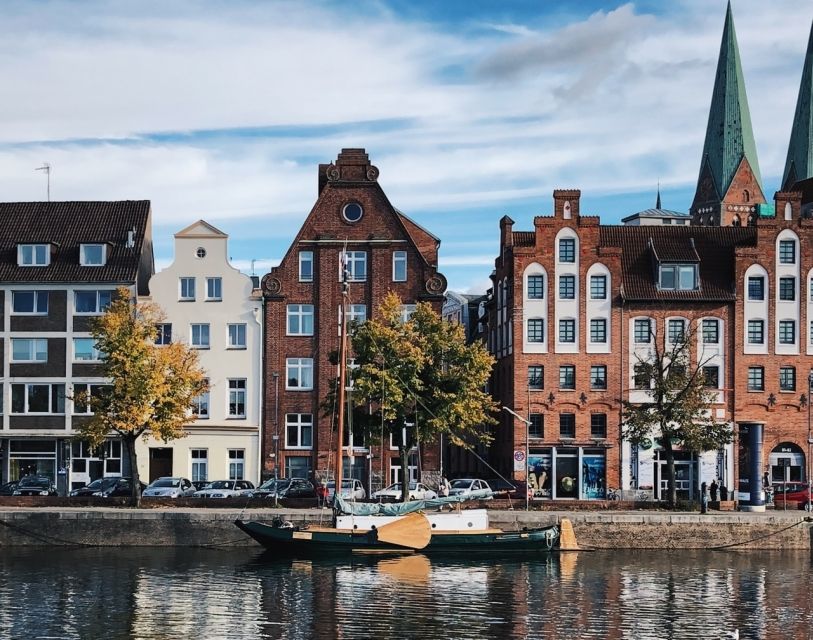
One of the most satisfying parts of this route is the stroll through the town market place. This is the place where Lübeck’s public face comes together: the town hall and the Ratskirche St. Marienchurch.
The town market square is where you see architecture as a statement. A city like Lübeck did not build grand buildings only for aesthetics. It built them to signal stability, authority, and identity to merchants, visitors, and residents.
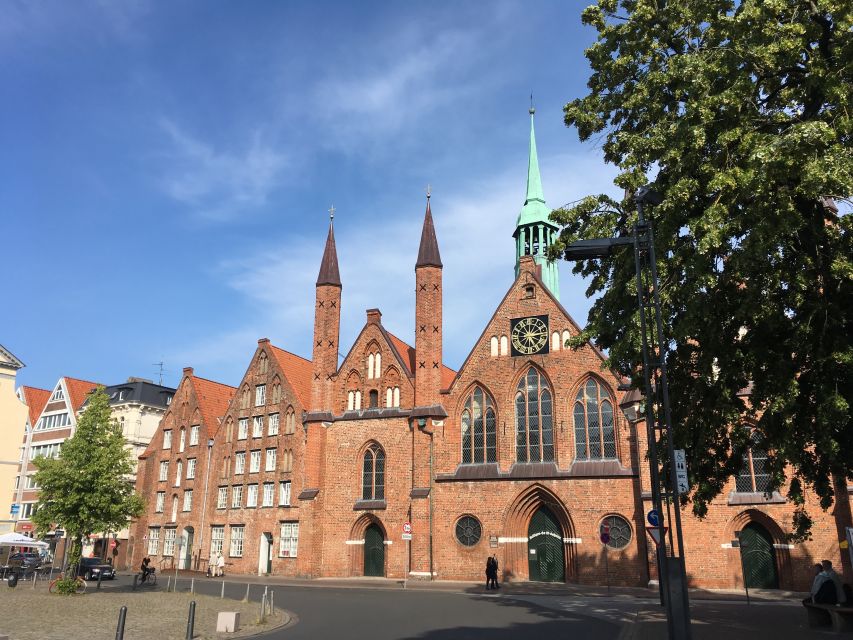
Then you shift to the Ratskirche St. Marien church area. Gothic brick church architecture is a major reason Lübeck became famous, and this stop helps you connect the church to the surrounding civic world. Instead of treating churches as standalone sights, the guide places them in the flow of the city’s life.
A small drawback to keep in mind: church entrances are optional, and church visits can mean a short budget and time decision. You can still learn a lot from what you see outside, but if you want interiors, be ready for the optional 2.00 EUR entrance fee.
From playfully decorated townhouses to the Buddenbrockhaus
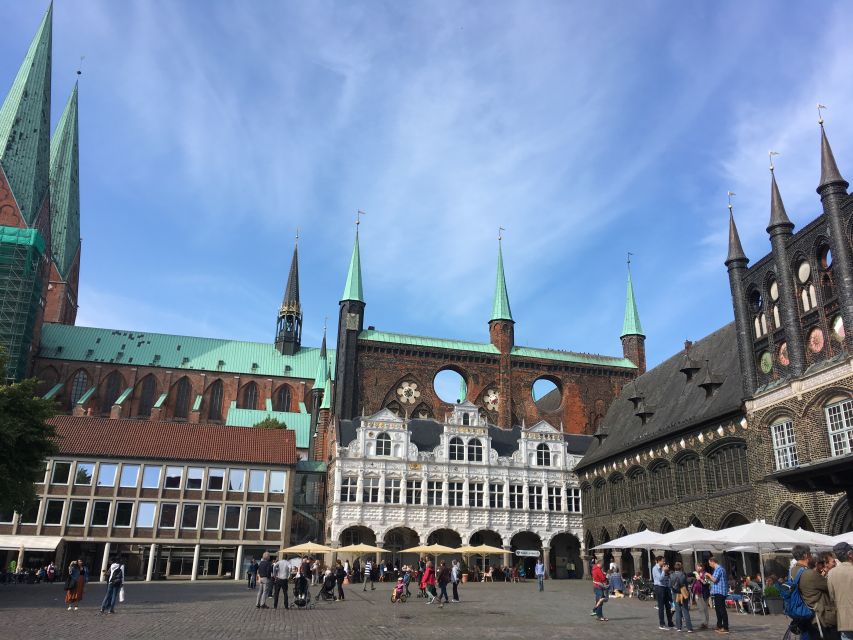
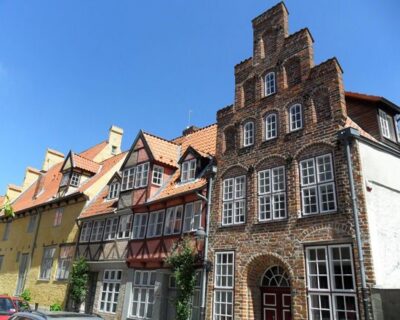
After the market square, the tour moves through town streets with a clear theme: how style changes without erasing the old. You pass the Baroque Buddenbrockhaus, which gives you a contrast break from Gothic brick.
That contrast is more useful than it sounds. Medieval cities often look unified from a distance, but once you notice the stylistic shifts, you start understanding time layered into stone and brick. The Baroque stop helps you grasp that Lübeck kept changing its tastes, even while it protected its core identity.
This is also a good point in the walk to slow down and actually look at edges and details. Many travelers speed past facades, but here the guide’s explanations encourage you to compare older brick structures with later alterations. That is when you start seeing modern gable alterations and the results of long-term structural change, including why houses can appear to sag.
If you like architecture, you will find this section especially rewarding because it bridges the big famous landmarks with the smaller, everyday buildings that make Lübeck feel inhabited.
Glockengießerstraße and the secret logic of passages and courtyards
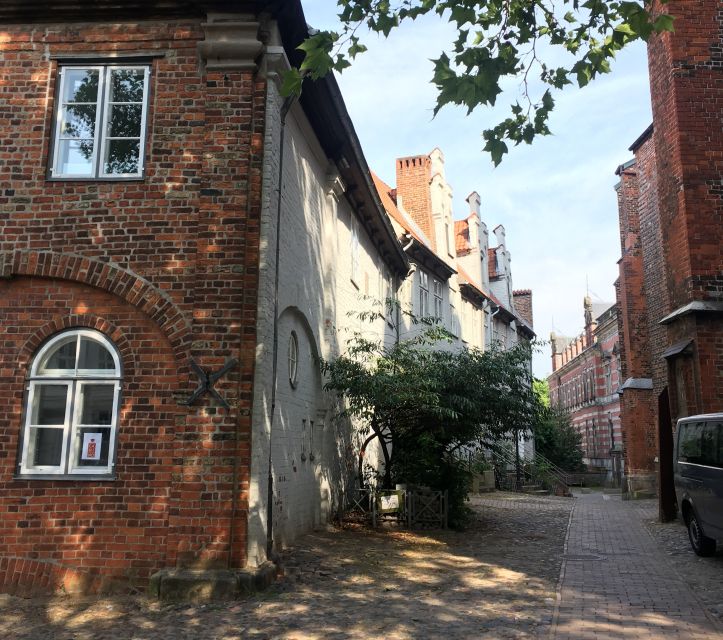
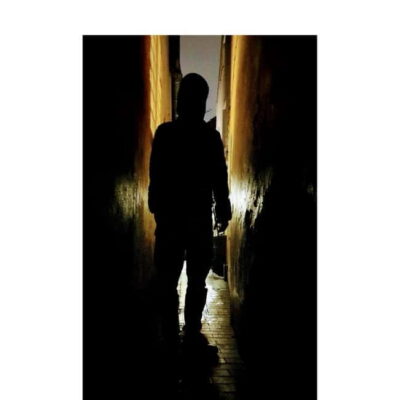
One of Lübeck’s quiet strengths is how it uses space. The tour takes you to Glockengießerstraße, where you can see several passages and courtyards.
This is the part that turns your photos from pretty into meaningful. Passages and courtyards are like the city’s private corridors. They show you how people moved through dense areas, how buildings related to each other, and how space was managed when land was valuable.
Your guide’s explanations about the history and construction of these passages help you understand that they are not just charming shortcuts. They reflect planning choices, later modifications, and the practical need for light, access, and protection in older neighborhoods.
This is also where the behind-closed-doors promise starts to feel real, because courtyards and passages tend to be the places where daily life happened out of the main street’s view. Even without dramatic plot details, the atmosphere changes once you are walking through those in-between spaces.
Tip for photos: courtyards can be darker than the street. If your camera phone struggles in low light, you might want to take a few shots at the edges first, then go in slowly.
A merchant’s house and the craft behind the brick
Toward the end, you visit a local merchant’s house where you learn fascinating insight about brick-making, and why mastering this craft was so important to Lübeck and its residents.
This is one of the most valuable stops on the tour because it shifts from architecture as appearance to architecture as skill. When a city builds many landmark brick structures, the craft is not a background detail. It becomes part of the local economy, training, and identity.
I like tours that explain the material. It helps you look at brickwork differently. Instead of seeing decorative facades, you start thinking about how brick production and building know-how shaped what was possible. That also ties back to why Lübeck’s construction expanded artificially in the Middle Ages. Growth required practical capability, not just ambition.
This stop also makes the city feel grounded. You are not only learning about churches and civic buildings. You are learning how merchants and builders lived with the craft that made their world.
Church time and the optional 2.00 EUR entrance fee
Church buildings are a major theme on this tour. The route includes world-famous churches and highlights the Ratskirche St. Marienchurch specifically in the town market area.
Here is how to plan for it: the tour notes that church entrance fees are optional, at 2.00 EUR. That means you can decide based on your time and energy. If you are focused on architecture outside, you may still be very satisfied. If you want interiors, you should be ready to pay that small optional fee.
In a 90-minute tour, interiors also mean trade-offs. You may have less time in the passages and courtyards afterward if you spend more time inside. If you care more about layout and city planning, prioritizing outdoor structure views can be the smarter choice.
Either way, you will still get the big picture, because the guide connects the church architecture to the city’s story rather than treating it like an isolated stop.
Private tour value: $277 per group up to 8 people
The price is 277 USD per group, for up to 8 people, and the tour runs 90 minutes. That is not a budget option on a per-person basis unless you are filling seats with your group.
Here is the practical way to think about value:
- If you book as a duo or small group, the per-person cost stays high, but you get a guide who can tailor pacing and answer questions for your specific interests.
- If you come with a few friends or family members and spread the cost, the math gets much more reasonable.
What you are paying for is a professional city guide and a private format. Private matters here because architecture questions tend to be specific. You might want to focus on brick construction, street planning, or the contrast between Gothic and later styles, and a private guide can keep the focus where you care.
Also, the tour is offered in English and German with a live guide. So you are not relying on headsets or random audio content. You get real back-and-forth, and the guide’s style is praised for answering questions in detail and making the history stick.
Timing and what a 90-minute walk actually feels like
The tour duration is 90 minutes. It starts between 9 AM and 7 PM, and your guide contacts you after booking to schedule the specific time.
Why that matters: architecture looks different in different light. If you want the brickwork to pop, choose a time when the façades are well lit. If you prefer a calmer experience and less crowd noise at the main landmarks, earlier in the window can be helpful.
Also, since this is a walking tour with multiple tight spaces like passages and courtyards, comfortable shoes are not optional. You will likely spend more time looking down and around rather than just standing at a single viewpoint.
For the best experience, keep your goals simple: focus on learning how the city was built and changed, not on trying to see every single landmark in one session. The tour packs a lot of Lübeck’s meaning into a short loop.
Who should book this Lübeck Architecture and Local Craft private tour
This is a smart choice if you:
- Want the story behind Lübeck’s Hanseatic brick architecture, not just a list of sights
- Like architecture that shows age, repair, and adaptation, including houses that have visibly shifted or been altered
- Appreciate a mix of public landmarks and smaller city spaces like courtyards and passages
- Prefer private guiding with a live professional who can answer questions in English or German
It is less ideal if your top priority is long museum-style time or a heavy focus on food and drink stops. The tour is built for walking, looking, and learning about buildings and craft. If that is your style, you will likely have a very satisfying 90 minutes.
Should you book this Lübeck tour or keep it self-guided?
Book it if you want to understand the city fast, with clear explanations tied to what you are seeing in real time. The route is designed to teach you how Lübeck works as a place, from street system history to the craft behind brick-making, and it lands you at the right landmarks without wasting time guessing.
Skip it if you already feel comfortable reading Lübeck’s architecture on your own, or if you want a more free-form stroll with no structured stops like the town market square and the Holstentor revisit. In that case, a self-guided approach might fit better.
My simple rule: if you want meaning, book the guide. If you just want scenery and freedom, wander.
FAQ
Where does the guide meet?
The guide meets you at the Holstentor, waiting directly at the entrance of the Holstenstor.
How long is the tour?
The tour lasts 90 minutes.
What is the price?
It costs $277 per group, up to 8 people.
Is the tour private?
Yes. It is a private group tour.
What languages are available?
The live guide is available in English and German.
Do churches cost extra to enter?
Church entrance fees are optional and cost 2.00 EUR.
How flexible is the start time?
The tour can start any time between 9 AM and 7 PM based on your preference, and your guide will contact you after booking to schedule the time.
Along the Baltic Shore
Everything else we filed on Lubeck
- Lübeck: Private Historical and Architectural Walking Tour
★ 4.5 · 6 reviews - Lübeck: Architecture and Local Craft Private Guided Tour
★ 4.0 · 6 reviews - Lübeck: Old Town Highlights Private Walking Tour
★ 4.8 · 8 reviews - Lübeck: Express Walk with a Local
★ 4.9 · 10 reviews - In Lübeck ist Weihnachten zu Haus.
★ 4.6 · 10 reviews - Lübeck Day Pass – Day ticket for Lübeck museums
★ 4.0 · 15 reviews
Baltic Coast and Island Tours, side by side.
 ★ 4.0Lübeck: 1-Hour Splash Bus City TourFrom $352,626 reviews
 ★ 4.7Lübeck: entertaining guided tour to old town highlightsFrom $16594 reviews
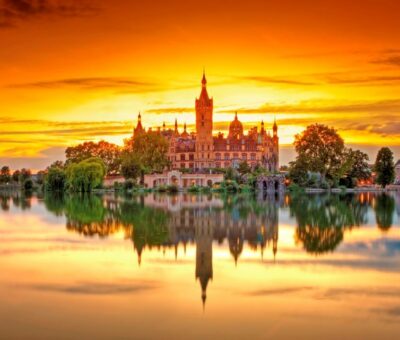 ★ 4.7Schwerin: City Highlights Guided TourFrom $12541 reviews
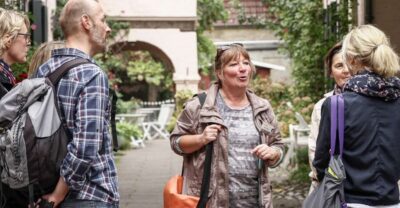 ★ 4.8Lübeck: Entertaining Tour Through Hidden CourtyardsFrom $20483 reviews
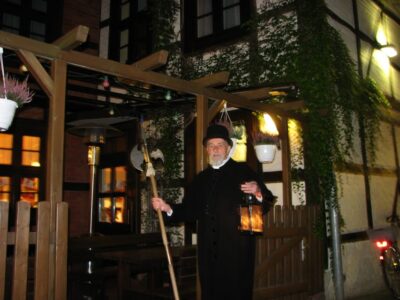 ★ 4.5Schwerin: Tour with the Night WatchmanFrom $15366 reviews
 ★ 4.6Stralsund: 1-Hour Harbor CruiseFrom $15365 reviews
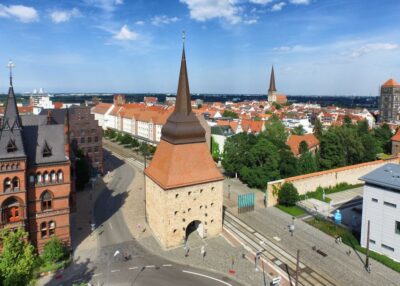 ★ 4.5Rostock: Guided tour of the historic city centerFrom $17311 reviews
 ★ 4.5All-in-One Berlin Shore Excursion from WarnemundeFrom $83293 reviews
Other lists this tour is on