
REVIEW · PRIVATE
Mozart and German Composers Private Tour in Munich
Mozart makes Munich feel personal. This 2-hour private walking tour threads the lives of Mozart, Strauss, Wagner, and other German composers through the streets and buildings you can still see today, from Marienplatz to the Residenz. If you like classical music as a city experience, not just a museum topic, this hits the sweet spot.
I really like the way the tour links composer stories to specific performance spaces and church traditions, so you understand why these places mattered. You’ll also spend time on well-known landmarks like St. Peter’s Church and the Frauenkirche, but with an angle focused on how musicians were trained and where premieres happened.
One thing to consider: it’s a walking tour with a set route, and one review noted they went a little longer than expected, so wear comfy shoes and don’t plan anything tight right after.
In This Review
- Key points to know before you go
- Munich’s Old Town, with a music score in your pocket
- Start at Marienplatz, opposite St. Peter’s (and get your bearings fast)
- St. Peter’s Church: where choir tradition becomes part of the story
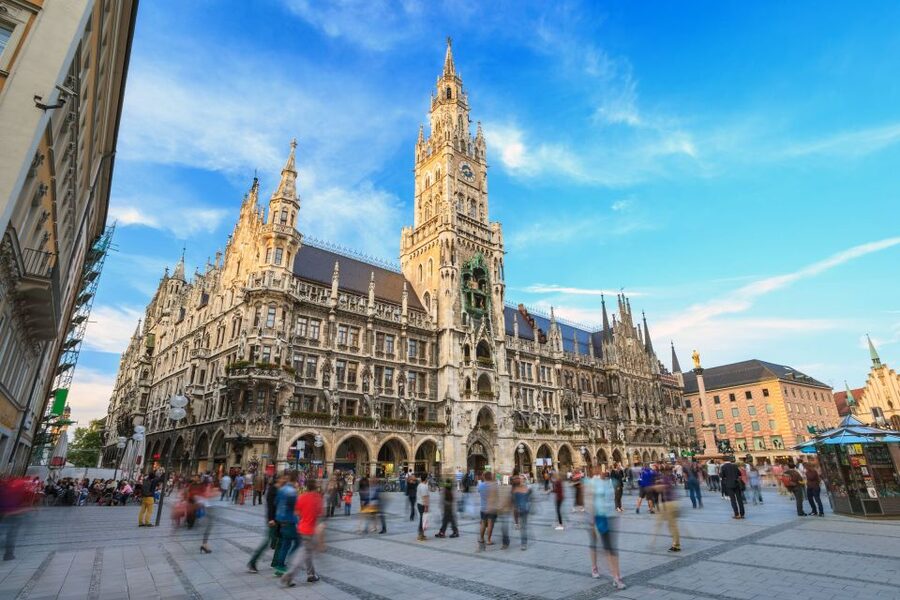
- Frauenkirche and Marienplatz: musical training in a city square
- Munich National Theater and the Bavarian State Opera link to Wagner and Strauss
- The Munich Residenz: Mozart playing for Elector Karl Theodor
- Cuvilliés Theater: the 1781 premiere of Idomeneo in your route
- Price and pace: is $215 per person good value?
- Who this tour suits best (and who might want something else)
- Should you book the Mozart and German Composers Private Tour?
- FAQ
- How long is the Mozart and German Composers Private Tour in Munich?
- Where does the tour start?
- Is this tour private or group-based?
- Which languages are available?
- What sights are included?
- Who is the tour guide?
- Is there a place for composer and opera stories during the walk?
- Is free cancellation offered?
Key points to know before you go
- A 5-star licensed guide focuses the whole walk on how Munich became a music center
- Marienplatz, St. Peter’s Church, and Frauenkirche get explained through the music that shaped the city
- National Theater and Bavarian State Opera context for Wagner and Strauss working there
- Munich Residenz and Mozart at court connections that feel concrete, not abstract
- Cuvilliés Theater and the 1781 premiere of Idomeneo tied to a real stage in the city
Undecided? The closest Munich write-ups we have are these.
- From Munich: Neuschwanstein & Linderhof Castle Full-Day Trip★ 4.5 · 12,494 reviews
- Neuschwanstein & Linderhof Castle-Fairytale Day Tour from Munich★ 4.5 · 7,275 reviews
- Munich: Third Reich & WWII Walking Tour★ 4.6 · 6,181 reviews
- Dachau Concentration Camp Memorial Site Tour from Munich by Train★ 4.5 · 5,637 reviews
Munich’s Old Town, with a music score in your pocket

Munich can feel big and modern, but the core of the city is still compact enough to walk. What makes this tour special is the framing: you’re not just ticking off sights, you’re watching the musical story unfold in the same places where court, opera, and church traditions shaped careers. In two hours, that turns famous buildings into something you can actually picture as real performance spaces.
The private format matters too. Instead of hearing a generic script, you get an expert guide fluent in your chosen language (English, French, German, Italian, Spanish, or Polish). That’s not a small detail. Music history gets much easier when someone can match your pace, explain the connections clearly, and keep the focus on what you care about most.
The route also gives you variety. You’ll move from church music roots to bourgeois and court culture, then into opera and dramatic theater. That blend helps you understand why composers in this era weren’t operating in one world only. Court life, church choirs, and opera houses fed each other.
Start at Marienplatz, opposite St. Peter’s (and get your bearings fast)
Your tour meets at the front of the hotel BEYOND by Geisel, Marienplatz 22, across from St Peter’s. The meeting point is right in the thick of Old Town, so you start with the energy already around you. It’s also convenient for orientation. Even if you’re not a “city map” person, you can quickly see the geometry of the area: squares, church spires, and the routes that lead you toward the Residenz and the performance venues.
One practical note: don’t enter the hotel. It’s just a meeting point, and staff won’t be involved with your tour. If you’re meeting a group, arrive a few minutes early so you can check in and start without stress.
From the first minutes, the guide sets up the main theme: Munich’s evolution into a medieval and later music center. That context is what makes the later stops click. Without it, you’d see landmarks. With it, you understand how a city becomes a magnet for performers, composers, and audiences.
St. Peter’s Church: where choir tradition becomes part of the story
St. Peter’s Church is one of the quieter “anchors” on this walk, and the tour uses it well. You’ll learn about its choir roots, which date back to the early 13th century. That’s a huge time span, and it changes how you think about music in the city. Instead of treating classical music as something that starts in the concert hall, you realize church traditions were a long-running training ground.
This is where the tour’s narrative style really helps. The guide doesn’t just name a building. You get the sense of why choir schools and church music mattered. Choirs required discipline, ongoing practice, and a pipeline of talent. That shapes what later composers can do, and it explains why Munich had the cultural machinery to support big musical careers.
If you love choral music, you’ll probably enjoy this stop the most. Even if you don’t, it adds a human layer to the composers later on. You’re reminded that music begins with rehearsal and community, not only with big premieres.
Frauenkirche and Marienplatz: musical training in a city square
From St. Peter’s, you stroll into the heart of Old Town, and Marienplatz is the obvious center of gravity. The tour uses this square to connect public space to musical education. You’ll see Frauenkirche, and you’ll also hear about how young musical talents trained there under well-known figures, including Orlande de Lassus, a major musician of the 16th century.
This is one of the tour’s best ideas: it shows music as something social. Marienplatz is a place people pass through. By linking that daily movement to training and musicianship, the guide turns the city into a living classroom.
And Frauenkirche itself works as a recognizable landmark even if you’re not a Munich veteran. You get the wow factor of the church, but you also get the why behind it. That’s what makes the stop more than a quick photo stop.
One thing to keep in mind: because this tour is focused on storytelling and connections, your pace through the square is part of the experience. If you like to linger and read every plaque, this may feel a bit time-bound, but that’s also what keeps the tour tight and efficient.



Munich National Theater and the Bavarian State Opera link to Wagner and Strauss
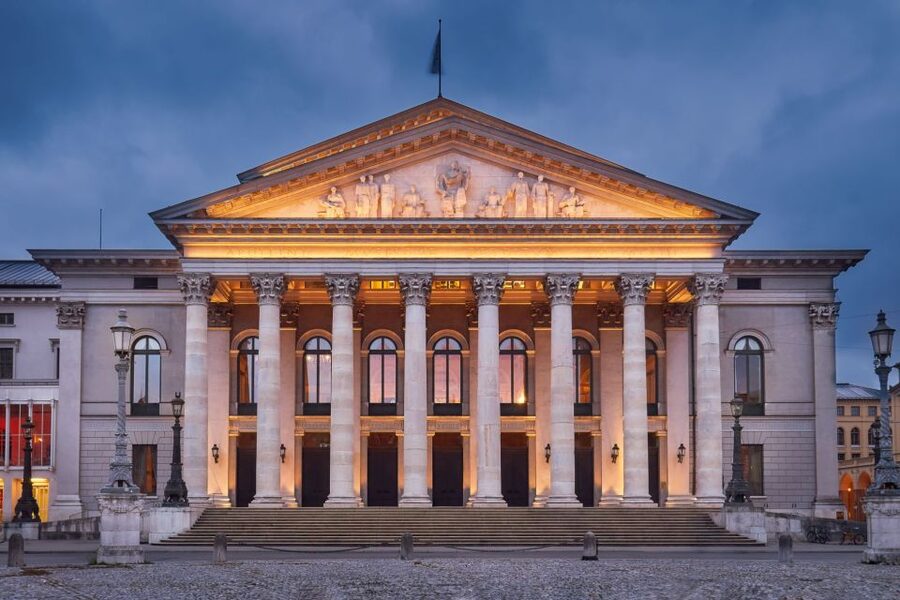
Next comes the performance world. The National Theater is home to the Bavarian State Opera, and this is where the tour pivots from training and tradition to premieres and professional careers. You’ll learn that many of Richard Wagner’s works were premiered here, and that Richard Strauss worked as a third conductor.
Those two names alone are a reason to pay attention, but the guide’s real value is in helping you understand what that means in practice. A premiere is not only an artistic event. It’s a political and cultural statement, and it tells you what a city wants to showcase. When a house supports both Wagner-style drama and Strauss’s work as a conductor, you can feel how Munich positioned itself as a major musical stage.
Even if you’re not an opera diehard, you’ll likely enjoy this stop because it connects the scale of opera production to the careers you’ve heard about. This tour doesn’t require you to know anything in advance. You just need curiosity.
The Munich Residenz: Mozart playing for Elector Karl Theodor
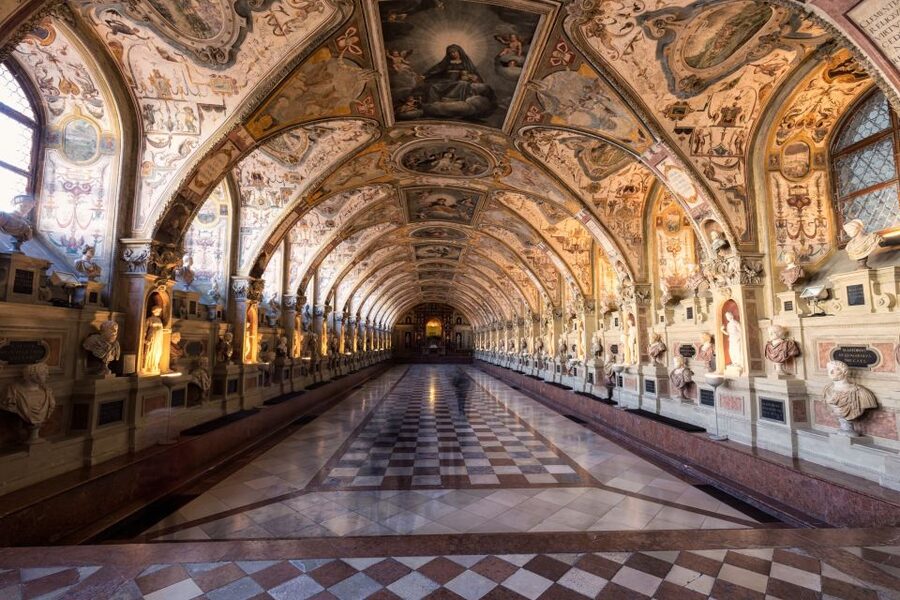
The Residenz is the kind of landmark that can swallow tourists in its size. On this tour, it’s used differently. The guide focuses on the court link, and that makes the building feel more personal.
You’ll visit the Residenz area and learn about a specific Mozart connection: Wolfgang Amadeus Mozart played a concert there for Elector Karl Theodor and King of Naples, Ferdinand IV. That detail matters. It shows you Mozart wasn’t only writing music in isolation. He performed at power centers where patrons, politics, and prestige intersected.
I like this part because it gives you a concrete scene. Once you picture Mozart playing for court figures, you can start imagining how performances were received, how reputations were made, and why certain venues became essential for serious musicians.
This stop is also a strong “memory peg.” If you later walk through Munich on your own, you’ll likely remember the Residenz as the place where music met court life. That’s the kind of mental hook that makes a short tour feel longer.
Cuvilliés Theater: the 1781 premiere of Idomeneo in your route
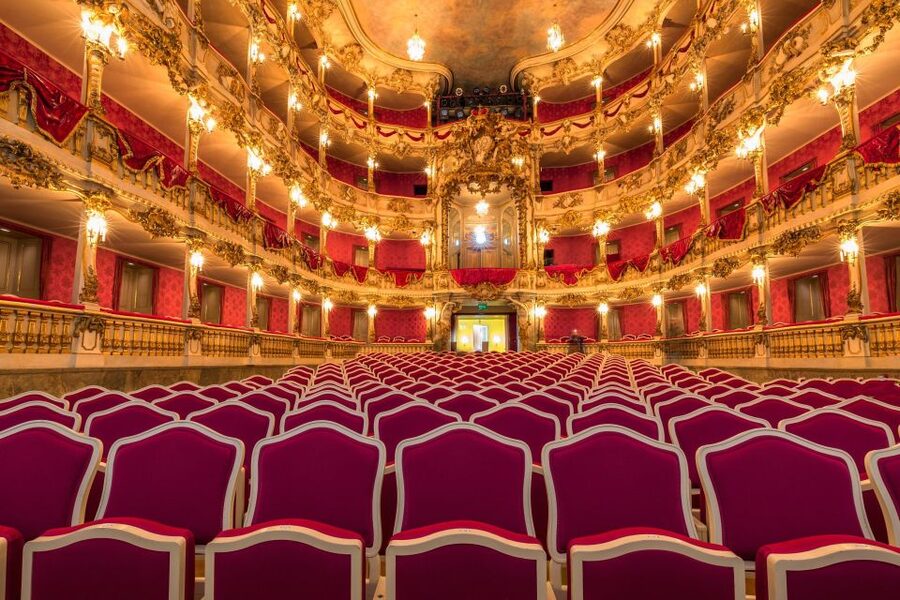
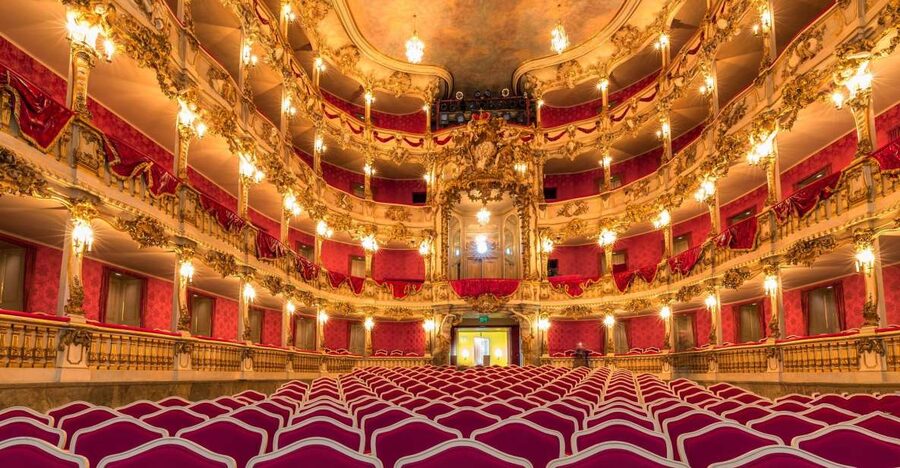
Inside the Residenz complex is the Cuvilliés Theater, and this is the closer that classical-music fans tend to love. You’ll learn it is where Mozart premiered his opera Idomeneo in 1781.
That premiere fact is powerful because it’s specific: one composer, one opera, one year. When the guide ties that to the space you can see (even if you are mainly observing from the outside or at a viewing point depending on how the tour is conducted), it makes the “famous work” feel like it belonged to Munich, not just to a textbook.
This stop is also a reminder that opera history is tied to architecture. The room shapes how music and performance land with an audience. A theater like this is not just a shell for art. It’s part of the storytelling system.
If you’re deciding whether to book based on your interests, consider this: if you want composer names but also want a sense of where those premieres truly happened, the Cuvilliés Theater connection is the reason.
Price and pace: is $215 per person good value?
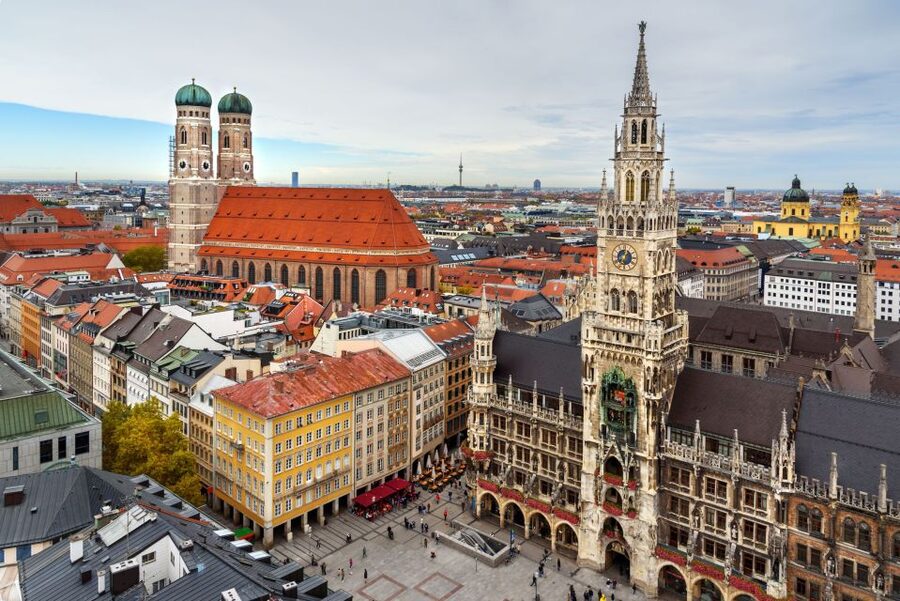
At $215 per person for a 2-hour private walking tour, you should think about value in terms of flexibility and depth, not just “how many sights.” Private tours usually cost more because you’re paying for time with a licensed guide and a tailored approach. Here, the tour’s focus is narrow in a good way: German composers and their Munich connections, with stops that map to real places.
If you’re going as a small group and want to reduce the chance of getting a generic overview, the price starts to make sense. You’re buying a guided storyline through Marienplatz, major churches, and key performance sites tied to Mozart, Strauss, and Wagner.
The pace also matters. Two hours is compact, so you’ll be on your feet and moving between landmark clusters. One review noted the tour ran a bit longer, so plan a little buffer afterward. If you have tight reservations directly after, pick something flexible.
Also check your language needs. The tour offers multiple languages, so you can keep the learning smooth instead of mentally translating. That’s another quiet value driver.
Who this tour suits best (and who might want something else)
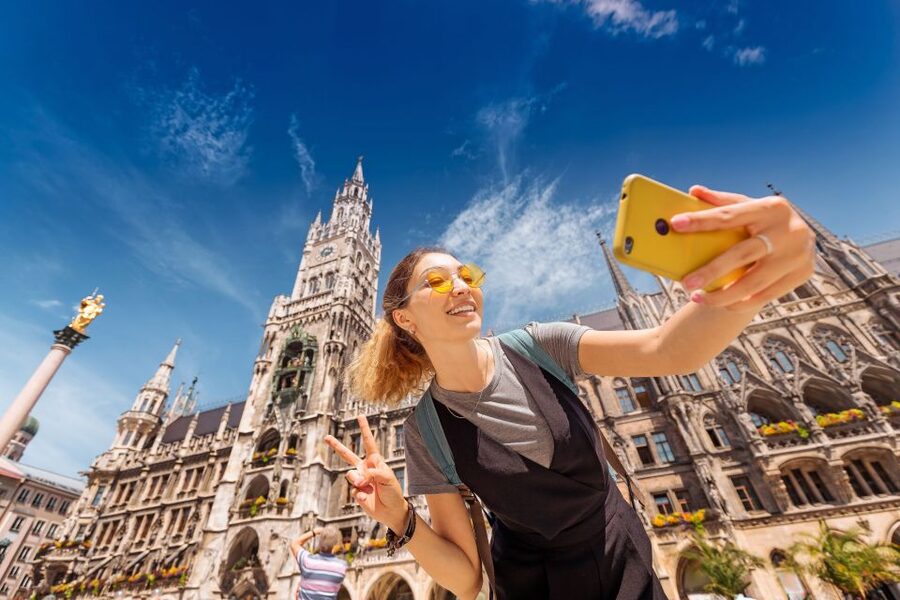
This is a strong match if you’re:
- A music lover who wants the story connected to real buildings
- Interested in Mozart, Strauss, Wagner, and the broader German composer tradition
- The type who likes walking city centers but doesn’t want to spend days researching on your own
It may feel less ideal if you:
- Want a lot of museum time or indoor touring beyond the Old Town highlights
- Prefer very relaxed strolling with lots of independent stops
- Need a tour that is fully adaptable to deep detours, since this is a structured highlights walk
Should you book the Mozart and German Composers Private Tour?
I’d book it if you want a focused, guided “music map” of Munich’s Old Town in just two hours. The biggest reason is the way the guide ties composer careers to the exact places where training, court culture, and premieres mattered. St. Peter’s choir tradition, Orlande de Lassus linked to Frauenkirche training, Wagner and Strauss connected to the Bavarian State Opera, Mozart performing for court figures at the Residenz, and Idomeneo premiering at the Cuvilliés Theater give you a chain of facts that feels satisfying.
If you’re on the fence, ask yourself one question: do you want Munich’s famous landmarks explained through music? If yes, this tour is built for you.
FAQ
How long is the Mozart and German Composers Private Tour in Munich?
The tour lasts 2 hours.
Where does the tour start?
You meet your guide in front of hotel BEYOND by Geisel, Marienplatz 22, 80331 Munich, Germany, opposite St Peter. Please do not enter the hotel.
Is this tour private or group-based?
It is a private group tour.
Which languages are available?
The live guide is available in English, French, German, Italian, Spanish, and Polish.
What sights are included?
The highlights include Marienplatz, Frauenkirche, St. Peter’s Church, the National Theater (Bavarian State Opera), the Munich Residenz, and the Cuvilliés Theater.
Who is the tour guide?
You’ll have a 5-star licensed guide.
Is there a place for composer and opera stories during the walk?
Yes. The tour explains the life and work of Mozart, Strauss, Wagner, and other composers, with cultural anecdotes and facts connected to the sites you see.
Is free cancellation offered?
Yes, you can cancel up to 24 hours in advance for a full refund.
Everything else we filed on Munich
- Paul’s Private Tour Munich Highlights
★ 5.0 · 3 reviews - Private Linderhof Castle, Entry-Ticket – optional Toboggan Run
★ 5.0 · 3 reviews - Paul’s Private Tour in the Alte Pinakothek Munich
★ 5.0 · 3 reviews - Private Tour at Neuschwanstein And Linderhof Palaces From Munich
★ 4.5 · 3 reviews - Private Highlights of Munich Bike Tour with Beer Garden Stop
★ 5.0 · 3 reviews - Munich WWII and Dachau Concentration Camp Private Tour with Licensed Guide
★ 5.0 · 3 reviews
Private, side by side.
 ★ 4.8Berlin: Private Reichstag and Glass Dome TourFrom $2882,226 reviews
 ★ 5.0Berlin Private Complete History All Day Walking TourFrom $253474 reviews
 ★ 5.0Munich Private Tour with a Local – Highlights & Hidden GemsFrom $112469 reviews
 ★ 5.0Private Walking Tour Berlin Third Reich Hitler and World War IIFrom $192360 reviews
 ★ 5.0Your private 3-hour Hamburg driving tour with a former policemanFrom $337304 reviews
 ★ 5.0Private Berlin: Iconic Sights and Hidden Gems Walking TourFrom $192292 reviews
 ★ 4.8Nuremberg: 1.5-Hour Private Tour through Historical Old TownFrom $140283 reviews
 ★ 5.0Berlin Private Half-Day Walking Tour: Discover the German Capital’s HistoryFrom $180244 reviews