
REVIEW · NUREMBERG
Nuremberg Private Walking Tour: Old Town and Nazi Rally Grounds
Old Town Nuremberg hits hard, in a good way. You get a private guide who connects medieval prosperity to the darker Nazi era, with stops that feel like a guided route through real places, not a slideshow. I especially like how the walk stays practical, you see timber-framed streets and fortress walls, and you still have time to understand what you are looking at.
My other favorite part is the pairing of sights you can actually walk between, the Imperial Castle area and the city walls for the Old Town side, then major surviving rally-ground structures for the Third Reich side. The one drawback to consider is simple, it is a lot of walking, so if your legs are limited, pick the shorter option or plan rest stops and slower museum time accordingly.
In This Review
- Key things to know before you go
- Old Town first, then the rally grounds, in the same day
- Price and what you really get for $133.03 per person
- The private format, and why it changes the day
- Starting point at Hauptmarkt, where the city center has always mattered
- Imperial Castle time, and the view from Kaiserburg
- The Schöne Brunnen and the small details that make Nuremberg feel human
- City Walls, timber-framed streets, and the Craftsmen’s Courtyard feel
- St. Lawrence Church and the wartime rebuilding you can still see
- St. Sebaldus Church for the older layer of faith
- Handwerkerhof, a crafts market that feels like a throwback
- Albrecht Dürer’s house, Renaissance art in real surroundings
- When you upgrade to 3 or 4 hours, you head toward the rally grounds
- Kongresshalle and Luitpoldhain, surviving structures with hard context
- Great Street, Congress Hall plans, and Nazi architecture explained
- Documentation Center and the Nuremberg Trials connection
- Your guide’s role: how you get more than a checklist
- Timing, walking effort, and how to choose the right duration
- Food, transit, and practical day planning
- Who this tour suits best
- Should you book this Nuremberg Private Walking Tour?
- FAQ
- What is included in the tour price?
- How long is the tour?
- What language is the tour offered in?
- Where can the guide pick me up?
- Is this a private tour?
- Does the tour include the Nazi rally grounds?
- What are common stops in the Old Town portion?
- Are museum admissions or church entries included?
- Do I need to pay for transportation or tickets separately?
- What is the cancellation policy?
Key things to know before you go
- A private guide, not a crowd, so you can ask questions and adjust what matters most to you
- Old Town first, with classic Nuremberg sights like Hauptmarkt, the Imperial Castle, and church stops
- You can upgrade to include Nazi rally grounds, including the Kongresshalle and areas used in propaganda films
- Great Streets and half-finished planning, explained clearly, so the big-scale Nazi architecture makes sense
- Documentation Center visits the why and the aftermath, tying the rallies to the Nuremberg Trials
- Hotel pickup and drop-off in central Nuremberg, so you do not waste time figuring out transit
Further wartime history walks we have written up
- Nuremberg: Walking Tour of Former Nazi Party Rally Grounds★ 4.7 · 1,665 reviews
- Nuremberg: Historischer Kunstbunker WWII Art Bunker Tour★ 4.8 · 921 reviews
- Nuremberg Old Town and Nazi Party Rally Grounds Walking Tour in English★ 4.5 · 504 reviews
- Nuremberg Old Town and Nazi Rally Grounds Walking Tour★ 4.7 · 377 reviews
Old Town first, then the rally grounds, in the same day
This tour works because it keeps Nuremberg’s story in order, at least in the way it feels on foot. You start in the medieval center, move through the feel of a fortress city, and then you head toward the massive structures tied to Nazi power.
What I like is that it does not treat the Nazi period like a separate planet. You see the city that produced emperors and artists, then you see how the regime used space, spectacle, and architecture. It is heavy. But it is also clarifying.
Price and what you really get for $133.03 per person
The price is $133.03 per person, and the value depends on how you like to travel. If you want a route that is already chosen, with a guide to explain what you are seeing and where to look, this is the kind of spend that saves time and confusion.
Here’s what is included: hotel pickup and drop-off plus a private guide. That matters in Nuremberg because you want to be moving through the historic core without wasting your day on getting to meeting points. If you do not want the extra structure, a self-guided plan could be cheaper, but you would miss the thread that ties the Old Town and rally grounds together.
Also, there are group discounts and a mobile ticket, and it is typically booked around 65 days ahead. That is a good sign for demand, it usually means you want to reserve early if your dates are fixed.
The private format, and why it changes the day
This is a private tour, only your group. That means the guide can slow down when you want to read inscriptions, pause for photos, or spend a little longer at a church or a market lane.
It is also customizable. You are encouraged to share specific requests during booking. I like this for a city like Nuremberg, because different visitors focus on different things, the Holy Roman Empire era, Renaissance art, the Nuremberg Trials, or the physical scale of Nazi planning.
One practical note: the tour is offered in English, it includes a mobile ticket, and the guide meets you at a central hotel or at Nuremberg’s Hauptbahnhof train station, or another central location.
Starting point at Hauptmarkt, where the city center has always mattered
Your day usually begins at Hauptmarkt, the marketplace that has been the city center since the 1300s. This is one of those places where it helps to have context. A guide can explain how Nuremberg’s role shifted across centuries, from imperial power and trade to later chapters tied to WWII.
In practice, expect a short orientation stop, enough time to reset your bearings and decide what you want to linger on later. Hauptmarkt also gives you a sense of the city rhythm, the feeling that Nuremberg has always been a place where people gather.
Further guided walks over the former rally grounds
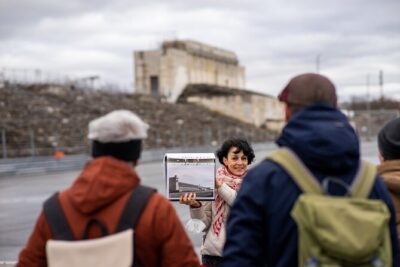
Imperial Castle time, and the view from Kaiserburg
Next comes Kaiserburg Nuremberg, the Imperial Castle dating back to at least 1050. Even if you only spend around 15 minutes in this area, it sets the tone. From here you understand why Nuremberg mattered strategically and symbolically.
If you like architecture and power politics, this is a key stop. The Imperial Castle courtyards help you see the city as more than a pretty Old Town. A good guide also ties the castle era to who was crowned here and why emperors and the imperial system mattered.
Practical tip: wear good walking shoes. This part of town involves stone underfoot and a bit of climbing, even if the schedule is tight.
The Schöne Brunnen and the small details that make Nuremberg feel human
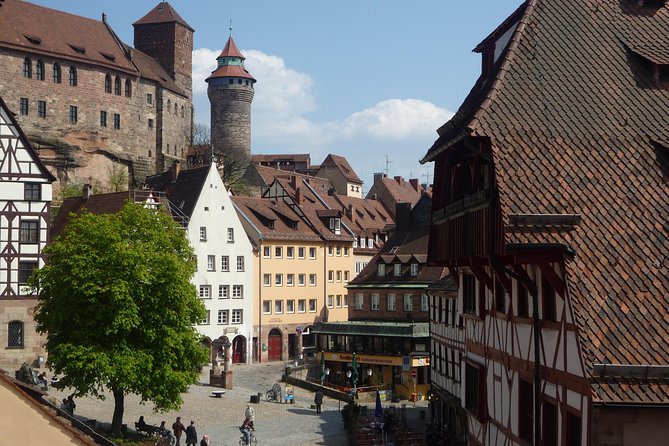
Then you reach Der Schöne Brunnen, the Beautiful Fountain with a golden Gothic tower and Nuremberg’s wishing ring. It is quick, but it is one of those stops that adds color to the day.
I find fountains like this helpful because they give your brain a breather. After heavier history, you want small delights that remind you this is a living city. And a guide can connect the fountain to local traditions and the long street-life of the city.
City Walls, timber-framed streets, and the Craftsmen’s Courtyard feel
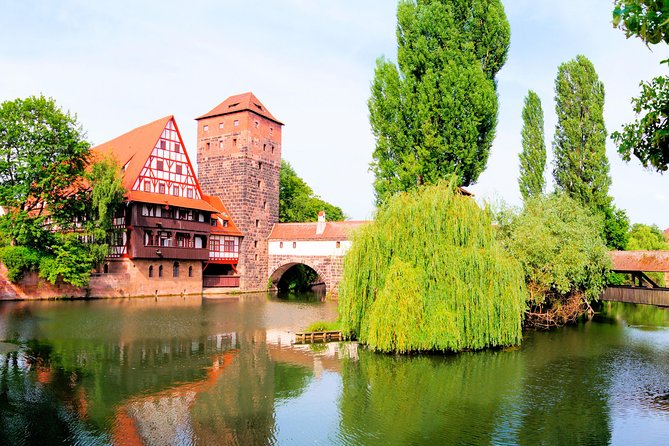
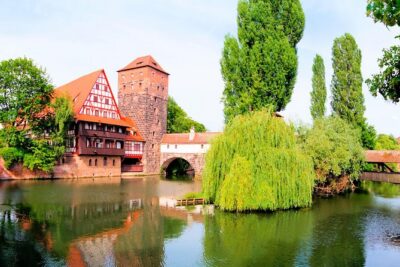
The heart of the Old Town experience is not one building, it is the walk itself. You move through cobblestone streets and timber-framed houses, then you see the City Walls that still run for about 2.5 miles, roughly four kilometers.
You also pass the Craftsmen’s Courtyard, where you can picture Nuremberg artisans at work. The tour highlights include glass cutters, leather workers, gold and silversmiths, stained-glass painters, and other craftspeople selling their wares.
Why this matters: Nuremberg earned its prosperity through trade and specialized labor. If you only look at the famous buildings, you miss the engine that kept the city wealthy enough to fund art, churches, and imperial standing.
St. Lawrence Church and the wartime rebuilding you can still see
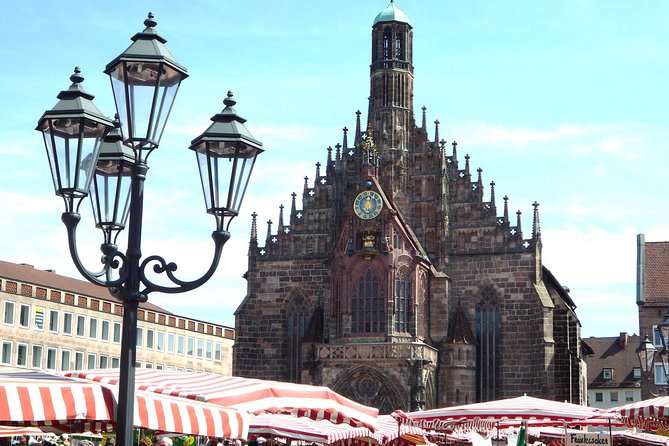
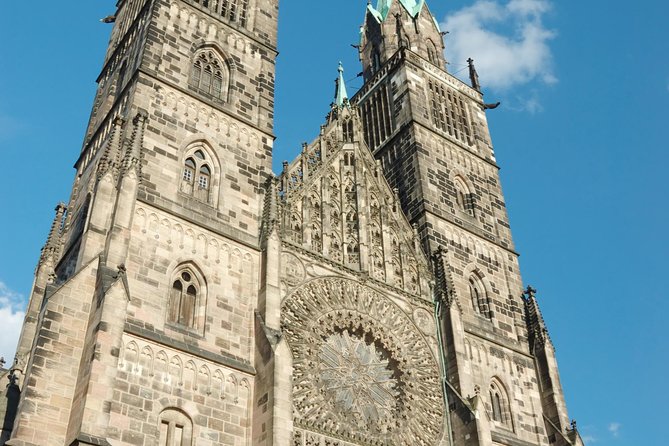
You will also see St. Lawrence Church, a Gothic church rebuilt after World War II. That detail changes how you read the building. It is not only about style, it is about what happened to the city and how it repaired itself.
In a short time window, you might not get deep inside. Still, a guide can point out the bigger story, Renaissance prosperity, later violence, and the rebuilding that followed.
St. Sebaldus Church for the older layer of faith
Depending on your route and timing, you may also stop at St. Sebaldus Church, Nuremberg’s oldest church. Saint Sebald is the patron saint of the city, and the stop is around 10 minutes.
Admission is marked as not included here, so if you want inside time, you will need to plan for that as a separate decision. For many people, the church exterior and the guide’s framing are enough to make the stop worthwhile.
Handwerkerhof, a crafts market that feels like a throwback
Handwerkerhof is a reproduction of a traditional craftsman’s market, with shops and restaurants. The tour schedules it at about 10 minutes, which is usually just enough time to browse or grab a quick look before continuing.
What I like about this stop is the mood. You get a sense of Nuremberg’s long relationship with making things, not only ruling and wars. Even if you do not buy anything, you can connect the artisans from earlier parts of the day to how the city sells that identity today.
If you want to snack or sit, this is the place you might do it, since it is built for that sort of break.
Albrecht Dürer’s house, Renaissance art in real surroundings
You will also see the original house of Albrecht Dürer. Dürer is the kind of figure where a guide helps you go beyond name recognition and into why his work matters to German Renaissance culture.
This stop is a strong “bridge” point. It links the Old Town story of artists and workshops to the later turning points in Nuremberg’s history. If Renaissance art is your focus, you may want to linger longer here than the walk allows.
When you upgrade to 3 or 4 hours, you head toward the rally grounds
The short option keeps you closer to Old Town highlights. If you choose the 3- or 4-hour tour, you go out to the Nazi party rally grounds and related sites.
This is where the tone changes. You move from medieval streets and civic pride into the scale of Nazi planning. The guide’s job becomes crucial, because these places can feel overwhelming if you only look at size and forget purpose.
Kongresshalle and Luitpoldhain, surviving structures with hard context
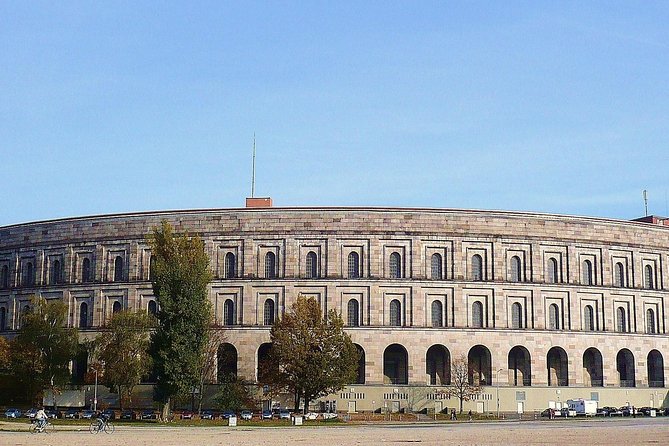
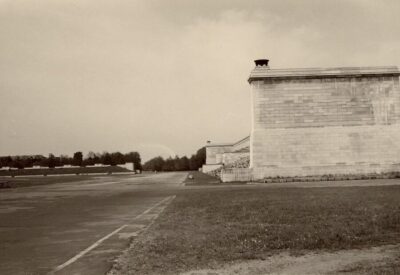
One of the key stops is the Kongresshalle, described as one of the largest Third Reich buildings left in the world. This is scheduled at about 30 minutes.
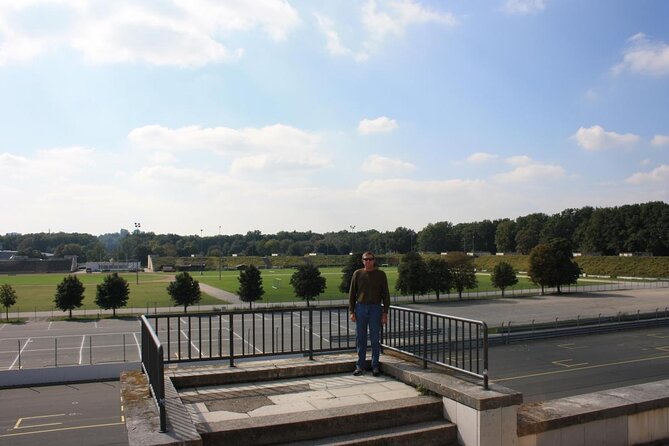
Then you spend time at Luitpoldhain, an area infamous in propaganda films like Triumph of the Will. Again, plan on about 30 minutes.
What makes these stops valuable is the framing: you see how Germany confronts this past today. A guide also helps you connect what Nazi leaders planned to what exists now, and how postwar memory reshapes the meaning of the site.
Practical consideration: the day can feel emotionally intense. If you prefer a lighter pace, bring a moment buffer, like planning a longer pause in the Old Town earlier, then take breaks on the rally grounds side.
Great Street, Congress Hall plans, and Nazi architecture explained
For the rally grounds portion, you can expect mention of Great Street, designed by architect Albert Speer as the central axis of the complex. You also see the half-finished Congress Hall, a building Hitler planned to use for party meetings.
And the tour can include major surviving buildings where Hitler inspected members of the SS. That is also part of the reason a live guide matters. These were not random monuments. They were designed to manage crowds, power, and belief through space.
Documentation Center and the Nuremberg Trials connection
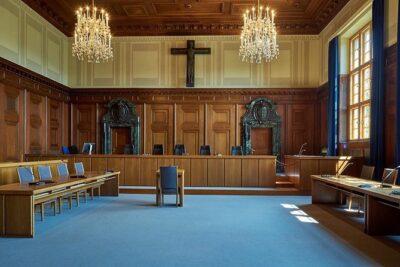
The Nazi-era story does not end at bricks. The tour includes the Documentation Center, with exhibits about vital wartime and post-war events such as the Nuremberg Trials.
This is the emotional and historical anchor for many visitors. You leave the physical rally grounds and get the explanation of what the world learned after the war, including how justice and documentation shaped the aftermath.
If you like learning with photos and clear exhibits, this stop can be the most grounding part of the experience.
Your guide’s role: how you get more than a checklist
From the guide experience angle, I pay attention to whether the guide can answer questions without rushing. This tour is built for that. It is private, so your guide can handle your pace and your interests.
In past tours led by people like Niklas, Dimitri, Jason, Christoph, Natasha, and Hannes, the common thread is clear, they connect history to what you see in front of you. That makes the walk feel less like memorizing dates and more like reading a city.
If you want to maximize value, ask for comparisons. For example, ask how the city’s Holy Roman Empire role and Renaissance craftsmanship connect to what Nuremberg later became for Nazi symbolism and propaganda.
Timing, walking effort, and how to choose the right duration
The duration is listed as about 2 to 4 hours depending on your selection. The 2-hour style option tends to focus on the Old Town core. The 3 and 4-hour upgrades include the rally grounds.
I’d choose based on your comfort with walking and your interest level in WWII-era context. If you mostly want Old Town architecture, churches, markets, and the Renaissance side, the shorter option is often enough. If you want both the rally grounds structures and a museum context stop, the longer option is worth it.
Also, plan on breaks. Even with a structured tour, you will be on cobblestones and in outdoor areas. If the weather is rough, having pickup and a guide to navigate saves time and stress.
Food, transit, and practical day planning
Food and drinks are not included, so plan to eat either before or after the tour. Since you start in the city center and end with hotel drop-off, you can usually build an easy meal plan around the route.
Public transportation costs are not included, listed as €8.00 per person. If you are staying outside central Nuremberg, that matters. The hotel pickup helps reduce transit friction, but you might still use some local movement during the rally grounds portion depending on the exact route.
A small heads up for expectation setting: the tour does a lot of outdoor sightseeing. If you love museum time, you might wish you had more hours once you reach indoor exhibits at the Documentation Center.
Who this tour suits best
This is a strong fit for history lovers who want both the good, the ugly, and the in-between, without turning it into a trivia session. It also works well for first-time visitors, because it gives you a map you can later reuse for self-guided wandering.
If you have teens who like stories, this tour can be a smart choice because the guide can explain propaganda-era visuals and why the architecture was built that way. If you are traveling with mobility limitations, consider shortening the tour or focusing on the Old Town side to reduce walking load.
Should you book this Nuremberg Private Walking Tour?
Book it if you want an organized way to understand Nuremberg as a city that mattered, then a city used for Nazi symbolism, and finally a place that confronts the past. The private format and hotel pickup are the big reasons to choose this over solo wandering.
Skip or choose a shorter version if you mostly want casual sightseeing and you do not want the emotional weight of the Third Reich sites. Also, if walking is tough for you, factor in that the route covers both dense Old Town areas and the larger rally-ground space.
FAQ
What is included in the tour price?
The tour includes hotel pickup and drop-off and a private guide. Food and drinks are not included.
How long is the tour?
The tour is listed as 2 to 4 hours, approximately. A 3- or 4-hour option adds time at the Nazi party rally grounds.
What language is the tour offered in?
The tour is offered in English.
Where can the guide pick me up?
Pickup can begin at your centrally located hotel, at Nuremberg train station (Hauptbahnhof), or at any other central location.
Is this a private tour?
Yes. It is a private tour/activity, so only your group participates.
Does the tour include the Nazi rally grounds?
If you choose the 3- or 4-hour tour, you upgrade to see the Nazi party rally grounds. Stops include major rally-ground sites and the Documentation Center.
What are common stops in the Old Town portion?
You can expect highlights like Hauptmarkt, Kaiserburg (Imperial Castle), Der Schöne Brunnen, areas around the crafts and market courts, and church stops such as St. Sebaldus and St. Lawrence Church.
Are museum admissions or church entries included?
St. Sebaldus Church is listed as admission not included. The Documentation Center is part of the rally grounds experience, but ticket inclusion is not specified in the details provided.
Do I need to pay for transportation or tickets separately?
Public transportation is not included and is listed as €8.00 per person. Some admissions are free as noted for specific stops, and at least one church stop is not included.
What is the cancellation policy?
Free cancellation is available up to 24 hours in advance for a full refund. If you cancel less than 24 hours before the start time, the amount paid is not refunded.
Nuremberg Within the Walls
The Rally Grounds and the Trials
Wartime History Walks We Have Reviewed
Everything else we filed on Nuremberg
- Nuremberg: Medieval Time Travel for Kids
★ 4.9 · 15 reviews - PRIVATE Nuremberg WW2 and Old Town Day Tour (Product code: 87669P16)
★ 4.5 · 15 reviews - Nuremberg: St. Johannis Friedhof &Hesperidengärten IN GERMAN
★ 4.4 · 15 reviews - Nuremberg: Private guided tour of the Old Town in German
★ 4.9 · 17 reviews - PLAYMOBIL®-FunPark Entrance Ticket
★ 4.5 · 17 reviews - Stein: Public guided tour of the “Old Mine” museum
★ 4.5 · 18 reviews
Nuremberg Old Town and Castle Tours, side by side.
 ★ 4.4Nuremberg: City Tour with the Bimmelbahn TrainFrom $122,475 reviews
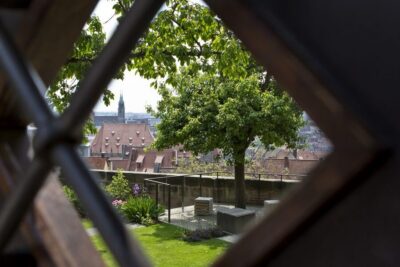 ★ 4.6Nuremberg: Old Town Guided Walking TourFrom $182,416 reviews
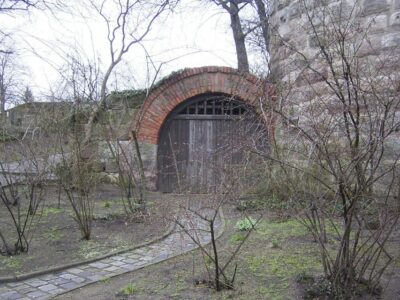 ★ 4.8Nuremberg: Tunnels and Secret Passages in the City Wall TourFrom $142,334 reviews
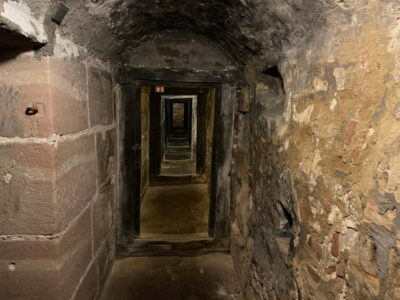 ★ 4.8Nuremberg: Medieval Dungeons Guided TourFrom $111,726 reviews
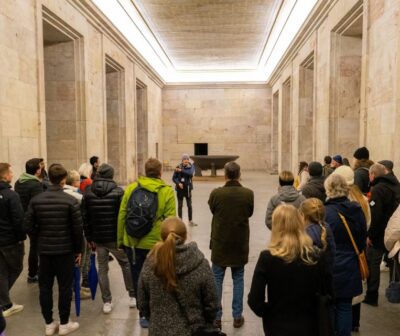 ★ 4.7Nuremberg: Walking Tour of Former Nazi Party Rally GroundsFrom $151,665 reviews
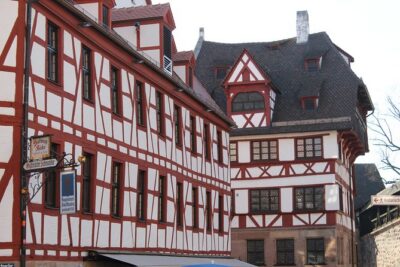 ★ 5.0Medieval Tour in Nuremberg in SpanishFrom $191,374 reviews
 ★ 4.8Nuremberg: Historischer Kunstbunker WWII Art Bunker TourFrom $14921 reviews
 ★ 4.7Nuremberg: PLAYMOBIL®- FunParkFrom $29863 reviews