
REVIEW · NUREMBERG
Nuremberg: Tour of Former Nazi Party Rally Grounds
Scale can chill you. This tour brings the former Nazi rally grounds to life, especially Albert Speer’s unfinished Congress Hall, and I like how the guide ties it to the political story behind National Socialism, even though it’s German-only.
You meet right outside the Documentation Centre Nazi Party Rally Grounds (DokuZentrum), so the topic is framed before you ever step onto the site. I also appreciate the private group up to 8, because it makes Q and A easier, and the route connects the mass-spectacle vision to the later Nuremberg Trials in 1946.
In This Review
- Key things to know before you go
- Meeting at DokuZentrum: why the start matters
- A guided walk through the former Nazi rally grounds
- The unfinished Congress Hall: Albert Speer’s mass spectacle plan
- Zeppelin Field and the Colosseum area: built for presence
- Linking the grounds to the Nuremberg Trials in 1946
- Price and value: when $128 makes sense
- Language and group size: who this tour is best for
- Should you book the Nuremberg Nazi Rally Grounds Tour?
- FAQ
- Where is the meeting point for the tour?
- How long is the guided tour?
- What does the $128 price cover?
- Is there a live guide, and what language is it in?
- Are entrance fees and meals included?
- Is free cancellation available?
Key things to know before you go
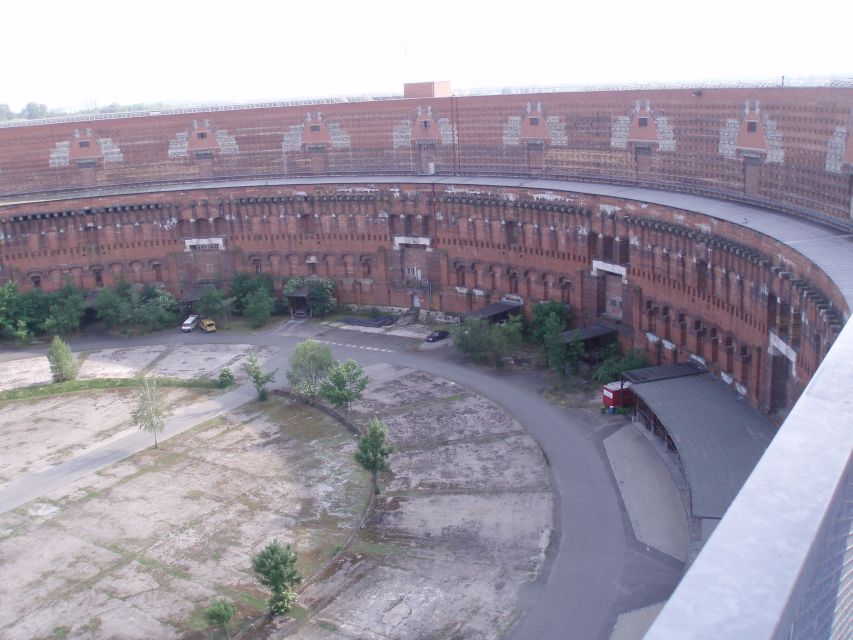
- Unfinished mega-plans by Albert Speer, including the congress hall intended for massive gatherings
- Zeppelin Field and the Colosseum area, both part of the rally-ground spectacle
- Uncompleted buildings meant as masterpieces, today they read like reminders of megalomania
- A live guide in German, with a strong ability to answer questions
- 90 minutes, a focused walk through the site’s most important elements
Further wartime history walks we have written up
- Nuremberg: Walking Tour of Former Nazi Party Rally Grounds★ 4.7 · 1,665 reviews
- Nuremberg: Historischer Kunstbunker WWII Art Bunker Tour★ 4.8 · 921 reviews
- Nuremberg Old Town and Nazi Party Rally Grounds Walking Tour in English★ 4.5 · 504 reviews
- Nuremberg Old Town and Nazi Rally Grounds Walking Tour★ 4.7 · 377 reviews
Meeting at DokuZentrum: why the start matters
You begin in front of the Documentation Centre Nazi Party Rally Grounds (DokuZentrum), Bayernstraße 110, Nuremberg. Starting here is smart. It sets the tone and gives context for what you’re about to see, instead of treating the place like just another old building complex.
The tour is built for a 90-minute walk, so timing starts the moment you meet. That matters because the rally grounds are spread out enough that you do not want to waste time figuring out where to go next. If you show up early, you can get your bearings without feeling rushed.
One practical tip: the meeting point can feel a touch unclear at first. I’d follow the plan closely, and if anything seems off, use the phone contact shown on your booking confirmation to get the guide quickly. That small step can save you stress, especially if you arrive right at start time.
Also note the tour is a private group. With a group size limited to up to 8, you usually get more interaction than you would on a big public tour. That matters on a subject like this, where good explanations and the ability to ask questions make a real difference.
A guided walk through the former Nazi rally grounds
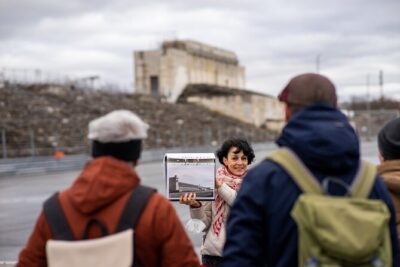
This is not a museum-only visit. You’re shown key parts of the former Nazi party rally grounds in Nuremberg, and you walk through the great streets of the site, hearing the stories that connect architecture to ideology.
Expect the guide to explain how the National Socialist regime used space, ceremony, and scale to influence people. The route focuses on the political background as well as the physical setting. That combination is what makes the tour more than a photo stop. You’ll come away understanding why the buildings and open areas were designed the way they were.
During the walk, you’ll pass by uncompleted buildings intended to be masterpieces. Even though they were never finished, they still communicate the idea behind the project. They read like blueprints of ambition, not just leftover stone.
A key part of the experience is scale. The tour highlights that the plan was meant for enormous gatherings, not everyday events. That’s where the history can feel uncomfortable but important. The guide puts the emphasis on the system behind the spectacle, so you understand what you are looking at, rather than just being impressed or shocked in a vague way.
You will also hear about the way these spaces later became associated with the Nuremberg Trials in 1946. That detail changes how you read the grounds. It’s no longer only about the attempted performance of power. It’s also about accountability that came afterward.
The main “how it feels” point: the tour stays moving, and the explanations keep pace with what you’re seeing. If you prefer very long stops for photos, you might find the rhythm a bit tight, but it’s ideal for most visitors who want a clear, guided overview in 90 minutes.
The unfinished Congress Hall: Albert Speer’s mass spectacle plan
One of the strongest parts of the tour is the stop connected to the unfinished congress hall, tied directly to Albert Speer. The guide explains that Speer, described here as the head architect of National Socialism, planned a huge assembly and demonstration area in the southeast of the city.
The most gripping number is the planned audience size: up to 400,000 people. Hearing that while you’re looking at the shapes and intentions of the site changes the way you understand the buildings. It’s not “monumental” in a neutral way. It’s engineered to create awe at a level that dwarfs the individual.
Why this stop is valuable: you can’t fully grasp the regime’s thinking from a single photo. Standing near the unfinished structure helps you see the scale the plans were aiming for. You start noticing geometry, sightlines, and the idea that crowds were meant to be controlled and directed as part of a staged experience.
This is also where the tour’s tone makes a difference. The experience does not treat the site like a curiosity. It frames the architecture as part of political messaging. You’ll hear about the megalomania behind the project, and you’ll understand why uncompleted elements still carry that message today.
Practical note: since the tour includes walking and explanation, you’ll get the most if you listen closely in the moment. If your German is rusty, you might want to skim a few simple terms beforehand, so the big ideas land even if every sentence doesn’t.
Zeppelin Field and the Colosseum area: built for presence
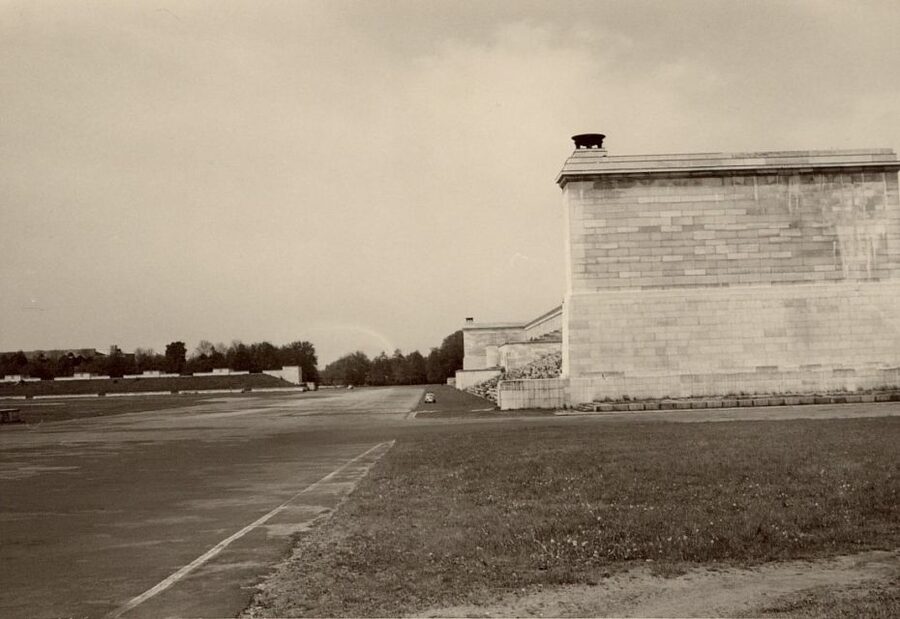
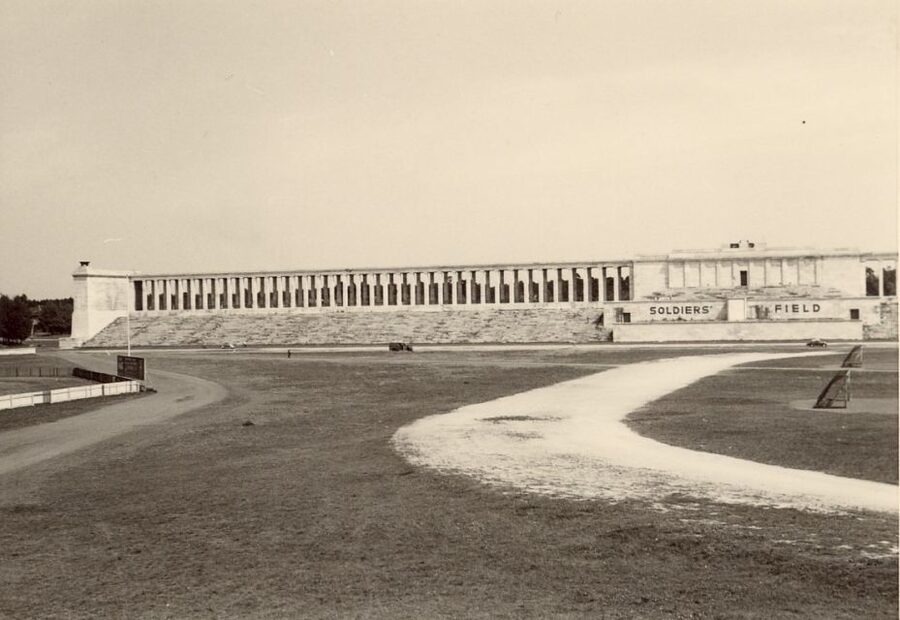
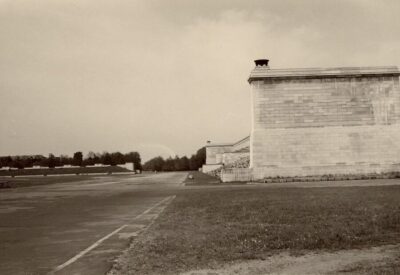
Another highlight is how the tour connects Colosseum and Zeppelin Field to the broader rally-ground design. These names come up often because they are part of the recognizable story of the site, and your guide uses them to explain how the spaces were meant to function.
Here’s what I like about this part: the guide turns the buildings and open areas into a “why.” You’re not just looking at structures. You’re learning how the regime wanted mass gatherings to feel, and how architecture could amplify that feeling.
The Zeppelin Field connection is especially effective for understanding the idea of spectacle. The space was designed to handle huge crowds, and even if you’re standing in a quieter moment today, the layout helps you imagine the intended scale.
The Colosseum area also helps you see the planned theatricality of the grounds. You can look for clues in the shapes and surroundings, but the guide’s explanation is what ties it back to the political purpose behind National Socialism.
One small consideration: this kind of site can trigger strong emotions for some visitors. If you know you need more time to process, you might want to plan your day so you are not rushing to the next stop immediately afterward. A calm break later helps.
If you care about photography, this is one of those places where timing matters. I’d prioritize getting the story from your guide first, then do photos with intention. Otherwise, it’s easy to end up with lots of images that don’t connect to what you learned.
Further guided walks over the former rally grounds
Linking the grounds to the Nuremberg Trials in 1946
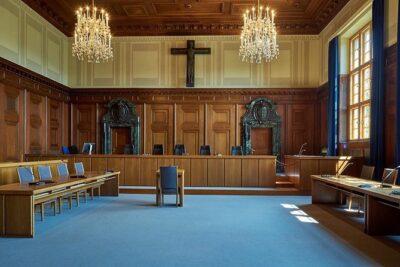
The tour doesn’t leave the story stuck in the 1930s. It ties the rally grounds to the Nuremberg Trials in 1946, and that connection is one of the most important threads.
Why it matters: it reminds you that the site is not only about how power tried to present itself. It’s also about what came next. The same space that was designed for ideological demonstration later became famous for a different kind of demonstration, one about justice and historical record.
When your guide brings up the trials, the earlier points suddenly make more sense. The scale and intent you saw with Speer’s planning and the rally grounds’ massive design take on a new meaning when placed next to what happened after the war.
This also changes the atmosphere of the walk. Instead of only thinking about the regime’s engineering of public feeling, you start considering the later world’s response. You’re effectively reading the grounds as part of two timelines: the attempt to rule and the later reckoning.
I find this approach makes the tour more balanced. It acknowledges the horror of the ideology without stopping there, and it avoids turning the visit into only a shock experience. You leave with a clearer sense of cause and consequence.
Price and value: when $128 makes sense
The price is listed as $128 per group up to 8 people, lasting 90 minutes. The value depends on how many people are in your group.
If you’re traveling as a couple or solo, you’ll likely feel the cost more, since the price is per group, not per person. But if you can share it with friends, it becomes much more reasonable fast. For example, with 8 people, the effective per-person cost drops dramatically, and you get the benefit of a private format.
That private format matters here. With a private group, you get a live guide experience in German with enough room for questions. The reviews you’ll find for this tour emphasize that the guide is experienced and answers questions fully, and that kind of interaction is often the difference between a quick overview and a meaningful understanding of what you’re seeing.
Entrance fees are not included, and meals are not included either. So plan a short break and a snack if you need one afterward. Also, if there are specific site entrances involved, you’ll want to be ready to pay separately. The tour itself is the guided story and the route through the rally grounds.
Timing is another value point. 90 minutes is long enough to make the key stops make sense, but short enough that you can fit it into a busy Nuremberg itinerary without losing your whole day.
The bottom line on value: you’re paying for a guided interpretation of a sensitive, complex site. If you want facts plus context, and you can share the group price, this is a solid deal.
Language and group size: who this tour is best for
The tour runs with a live guide in German. That is the biggest fit factor. If you speak German comfortably, you’ll likely get the full benefit. If you don’t, you might still appreciate the visuals and some key points, but you should be honest with yourself about how much explanation you’ll catch.
That said, the private group format helps. With fewer people, it’s easier to ask questions or clarify details that you might otherwise miss. And because the tour is only 90 minutes, the guide tends to focus on what connects the physical site to the political story.
This tour is a good match for:
- First-time visitors who want the essentials of the former Nazi rally grounds
- People who like clear, guided context instead of reading everything alone
- Anyone traveling in a small group that can split the group price
If you’re traveling with very small kids or you need very low walking time, you might want to consider alternatives. Not because the tour is inappropriate, but because the format is a walk-and-talk approach, and that takes steady attention.
Should you book the Nuremberg Nazi Rally Grounds Tour?
I’d book it if you want a guided, structured walk through the site’s most meaningful elements, especially the stops connected to Speer’s unfinished Congress Hall and the Zeppelin Field and Colosseum areas. The 90-minute private group setup is also a practical sweet spot, long enough for context, short enough for your schedule.
Skip it or think twice if you are not comfortable with German, because the tour is led in German and the value comes from the guide’s explanations. Also, if you are sensitive to heavy historical material, plan your rest of the day carefully so you can process what you learn.
If you do book, come ready to listen. Then do photos afterward, not during the key explanations. You’ll remember the stories more clearly that way. And if the meeting point feels unclear when you arrive, use the contact information on your confirmation to connect fast, so you start on time and avoid that last-minute scramble.
FAQ
Where is the meeting point for the tour?
You meet in front of the Documentation Centre Nazi Party Rally Grounds (DokuZentrum), Bayernstraße 110, Nuremberg.
How long is the guided tour?
The tour lasts 90 minutes.
What does the $128 price cover?
The price is for a private group, up to 8 people, and includes the tour plus a live tour guide. Entrance fees and meals are not included.
Is there a live guide, and what language is it in?
Yes, there is a live tour guide, and the language is German.
Are entrance fees and meals included?
No. Entrance fees and meals are not included.
Is free cancellation available?
Yes. You can cancel up to 24 hours in advance for a full refund. The tour also offers a reserve now, pay later option.
Nuremberg Within the Walls
The Rally Grounds and the Trials
Wartime History Walks We Have Reviewed
Everything else we filed on Nuremberg
- Nuremberg: Medieval Time Travel for Kids
★ 4.9 · 15 reviews - PRIVATE Nuremberg WW2 and Old Town Day Tour (Product code: 87669P16)
★ 4.5 · 15 reviews - Nuremberg: St. Johannis Friedhof &Hesperidengärten IN GERMAN
★ 4.4 · 15 reviews - Nuremberg: Private guided tour of the Old Town in German
★ 4.9 · 17 reviews - PLAYMOBIL®-FunPark Entrance Ticket
★ 4.5 · 17 reviews - Stein: Public guided tour of the “Old Mine” museum
★ 4.5 · 18 reviews
Nuremberg Old Town and Castle Tours, side by side.
 ★ 4.4Nuremberg: City Tour with the Bimmelbahn TrainFrom $122,475 reviews
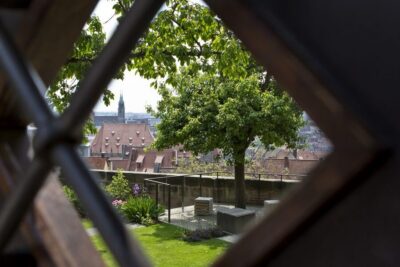 ★ 4.6Nuremberg: Old Town Guided Walking TourFrom $182,416 reviews
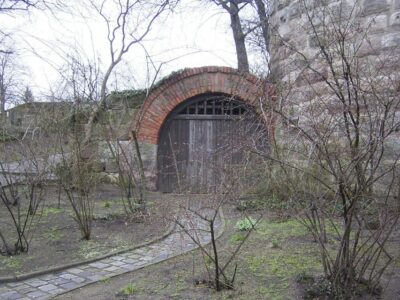 ★ 4.8Nuremberg: Tunnels and Secret Passages in the City Wall TourFrom $142,334 reviews
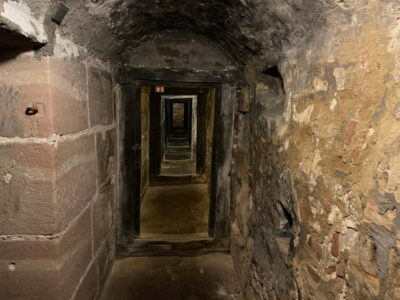 ★ 4.8Nuremberg: Medieval Dungeons Guided TourFrom $111,726 reviews
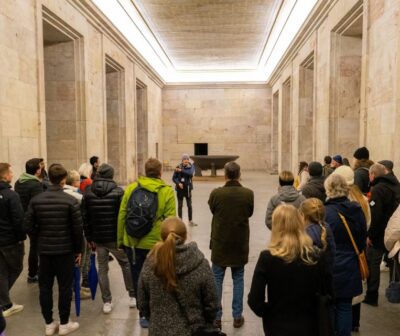 ★ 4.7Nuremberg: Walking Tour of Former Nazi Party Rally GroundsFrom $151,665 reviews
 ★ 5.0Medieval Tour in Nuremberg in SpanishFrom $191,374 reviews
 ★ 4.8Nuremberg: Historischer Kunstbunker WWII Art Bunker TourFrom $14921 reviews
 ★ 4.7Nuremberg: PLAYMOBIL®- FunParkFrom $29863 reviews