
REVIEW · NUREMBERG
Tour at the Former Nazi Party Rally Grounds (english)
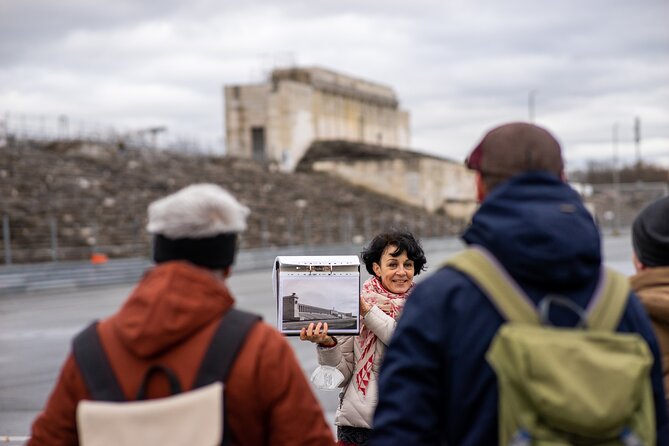
Nuremberg’s Nazi sites feel painfully real. This 2-hour walk connects the Nazi Party Rally Grounds with clear, human explanations at places you can actually stand in front of. I especially like the way the guide turns the buildings and plans into a story you can follow. I also love the small group pace, so questions do not get lost.
The tour is easy to join. You get a mobile ticket, and the meeting spot at Bayernstraße 110, 90478 Nürnberg makes it simple to find your guide and get moving. It’s a rain or shine experience, so you will be outside a lot.
One thing to consider: construction and scaffolding can limit access to certain areas. For example, some indoor spaces like the Golden Hall, and parts like balconies, may not be reachable while work is ongoing.
In This Review
- Quick hits before you go
- The weight of standing where propaganda was staged
- Kongresshalle Nürnberg: 40 meters of ruin and the “Arcadengang” idea
- Große Straße near the Dutzendteich: planning an entire machine
- Zeppelinfeld and the grandstand: scale, symmetry, and crowd theater
- Steintribune: 1934 to 1938, then and now
- How the tour works in real life: meeting point, timing, and pacing
- What you pay for: value at $16.82 plus no extra stop admissions
- Who this tour suits best
- Construction reality: when scaffolding changes what you can see
- Should you book this former Nazi Party Rally Grounds tour?
Quick hits before you go
- Short and focused: about 2 hours across multiple rally-ground stops without rushing.
- English guided narration: offered in English with a group capped at 25.
- Big architecture moments: you get the scale at the Kongresshalle and the grandstand at Zeppelinfeld.
- Propaganda explained through design: you’ll connect ideology to architecture, not just dates and names.
- Outdoor walking in real weather: rain or shine, so plan for standing and walking.
Further wartime history walks we have written up
- Nuremberg: Walking Tour of Former Nazi Party Rally Grounds★ 4.7 · 1,665 reviews
- Nuremberg: Historischer Kunstbunker WWII Art Bunker Tour★ 4.8 · 921 reviews
- Nuremberg Old Town and Nazi Party Rally Grounds Walking Tour in English★ 4.5 · 504 reviews
- Nuremberg Old Town and Nazi Rally Grounds Walking Tour★ 4.7 · 377 reviews
The weight of standing where propaganda was staged
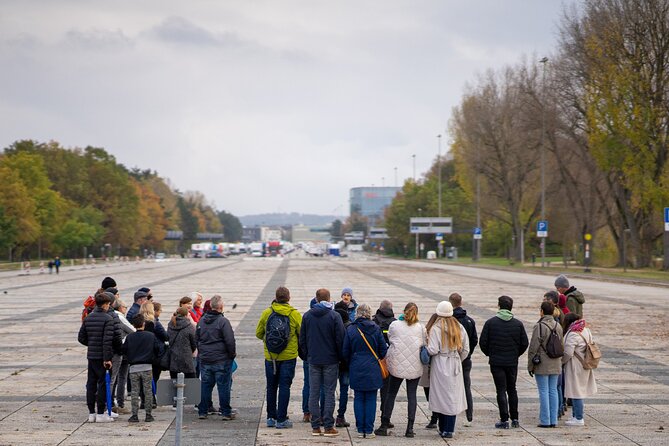
This is not a casual sightseeing loop. You’re walking through a purpose-built stage for Nazi power, where mass rallies and spectacle were designed to shape people’s emotions and beliefs.
What makes the experience click is that you’re not left staring at ruins and wondering what you’re looking at. The guide’s job is to explain how the National Socialist Party used propaganda rallies and architecture together, and to keep you oriented as you move site to site.
And yes, you should expect to feel the heaviness. You’ll likely have that moment where the scale hits you, then the history hits you again right after.
Kongresshalle Nürnberg: 40 meters of ruin and the “Arcadengang” idea
The tour starts at Kongresshalle Nürnberg, a major anchor of the rally grounds. Here you learn about the National Socialist Party, the crimes behind their rule, and how rallies and propaganda were constructed to persuade people.
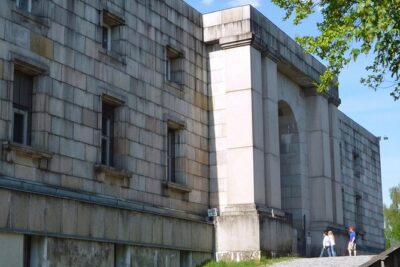
One of the standout details is the sheer size. You get to experience the ruins of the Congress Hall rising to about 40 meters, which makes it hard to treat this site like just another set of old stones. Even from the outside, you can grasp why it worked as a backdrop for spectacle.
Another key stop within this stop is the so-called Arcadengang, where you see how the National Socialists translated ideology into architecture. This is where the tour becomes more than “look at this building,” because the guide helps you connect the design choices to what the regime was trying to communicate.
Practical note: this portion includes time for you to view, listen, and ask questions, and there’s no separate paid admission mentioned for this segment.
Große Straße near the Dutzendteich: planning an entire machine
After Kongresshalle, you move toward the Dutzendteich area and the Große Straße. This section is about the wider plan, not just single monuments. You’ll learn how many buildings were planned around the axis of movement and ceremony.
What I like here is that the guide keeps zooming out, so you see the layout like a system. You’ll hear about the Märzfeld and the Deutsches Stadion, and you’ll also connect planned infrastructure to the darker reality of what happened during the war.
The tour description is clear that participant camps were embedded in the Nazi machinery of crime. That matters, because it prevents this area from feeling like an abstract “architecture museum.” You understand the function behind the design.
Drawback to keep in mind: this is still mostly walking and standing. If you need lots of sheltered indoor time, this might not fit your style. But if you want the big picture of how an entire event system was built, this is one of the most effective parts.
Zeppelinfeld and the grandstand: scale, symmetry, and crowd theater
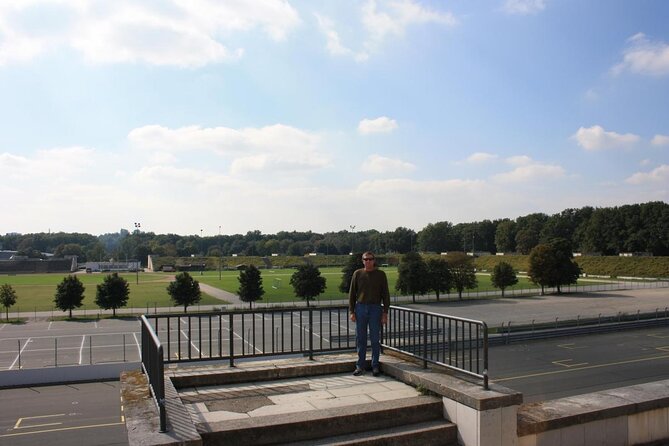
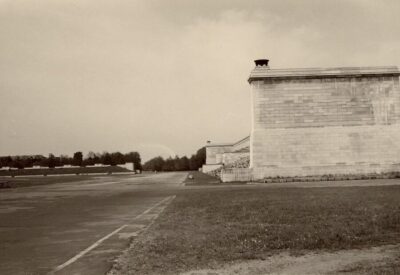
Next comes Zeppelinfeld, home to the huge grandstand. This stop is short, but it’s one of the most visually striking.
You’ll be looking at a space that was designed to host mass events. Even if you already know the broad history, seeing the physical size changes your mental model. It’s much easier to understand how regimes used gathering and movement to create pressure, unity, and fear.
The guide explains what you are seeing in context and helps you translate the space into meaning. You’re not just walking past slabs and walls. You’re learning why this kind of venue mattered and how it fed propaganda narratives.
Practical tip: this is outdoors and exposed. Wear shoes you trust. If it’s windy or rainy, you’ll want good footing and layers.
Further guided walks over the former rally grounds
Steintribune: 1934 to 1938, then and now
At Steintribune, the focus turns to the period between 1934 and 1938. You’ll learn about what events took place there during those years, and you’ll also hear how the site is used today.
That “then and now” comparison is important. It keeps the tour from being locked inside the past. You get to see how places like this live on in public memory and modern use, instead of being sealed away like closed chapters.
This stop is also a good moment to slow down. By the time you reach Steintribune, the walking fatigue has usually set in a bit, so the guide’s explanation helps make sense of why this structure is worth your attention even if you only spend around 15 minutes here.
How the tour works in real life: meeting point, timing, and pacing
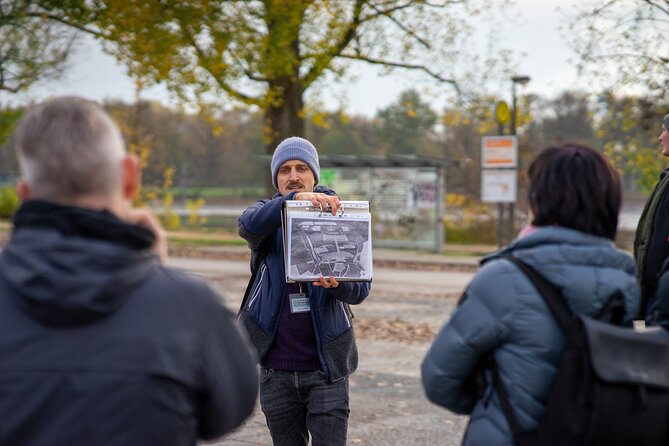
The tour is built for a straightforward experience. You meet at Bayernstraße 110, 90478 Nürnberg, Germany, and it ends at Zeppelinstraße, 90471 Nürnberg, Germany. That means you’re not retracing your steps like a theme park loop.
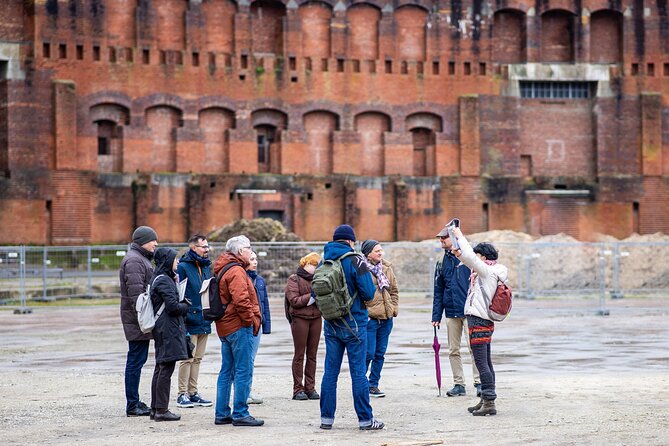
A couple details matter for day-planning. The tour lasts about 2 hours total, and the schedule is made of smaller time blocks at each stop, including about 20 minutes at Kongresshalle, about 20 minutes at Große Straße, about 10 minutes at Zeppelinfeld, and about 15 minutes at Steintribune. It’s enough time for explanations and photos, but you should still expect a real walking session.
Also, the group size is capped at 25 travelers. That’s a sweet spot. It’s small enough for questions, large enough that the energy stays steady.
You’ll get a mobile ticket, so you do not need to hunt for printouts. Confirmation is sent at the time of booking, and the tour runs rain or shine.
The meeting point is near public transportation, which is handy if you’re bouncing between other sights in Nürnberg.
What you pay for: value at $16.82 plus no extra stop admissions
The price is $16.82 per person, which is a fair ask for a guided, multi-stop walk through a major historical site area. You’re paying for more than someone walking with you. You’re paying for context, interpretation, and the ability to make sense of a complex layout.
Another value point: the stops listed here are shown with admission ticket free access. In other words, you’re not paying separately at each location based on this tour’s included information.
And because it’s a small group with set time blocks, you’re getting a planned experience rather than trying to self-navigate with no explanation. For many people, that difference is worth the money alone.
Booking early helps. On average, this tour is booked about 22 days in advance, so if you want your preferred day and time window, don’t wait until the last minute.
Who this tour suits best
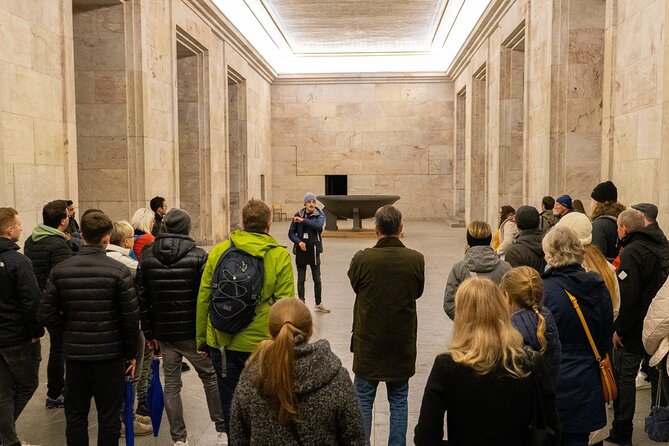
This tour is a strong fit if you want more than sightseeing. If you like walking tours with a clear narrative, and you want your questions answered on-site, you will probably enjoy it.
It’s also a good choice if you have family or friends who like World War II history. The site is intense, but the structure of the tour keeps it understandable, with time to compare what you see now with what used to exist.
Most people can participate, and service animals are allowed. If you have mobility limits, keep in mind this is a walking tour and includes outdoor time. You might find it challenging depending on your needs, especially in rain or strong weather.
Construction reality: when scaffolding changes what you can see
This is a living area, and not every corner is always accessible. Construction and scaffolding can affect what is reachable, including some interior spaces.
For example, some notable features may be closed while work is ongoing, and some balcony access may not be available during periods of scaffolding. The practical takeaway for you: check expectations before you go, and focus on the bigger story you can still experience at the main stops.
Should you book this former Nazi Party Rally Grounds tour?
If your goal is to understand the sites with context, I’d book it. The format is efficient, the guided explanations make the architecture meaningful, and the multi-stop flow helps you see how everything connects.
Skip it only if you dislike walking, strong weather exposure, or heavy historical topics. This is not a light day out, but it can be a powerful one if you want to learn with clarity and stand in the locations where propaganda was built.
If you decide to go, pack for the outdoors, wear solid shoes, and come ready to treat this as both history and place, not just a checklist stop.
The Rally Grounds and the Trials
Wartime History Walks We Have Reviewed
Everything else we filed on Nuremberg
- Nuremberg: Medieval Time Travel for Kids
★ 4.9 · 15 reviews - PRIVATE Nuremberg WW2 and Old Town Day Tour (Product code: 87669P16)
★ 4.5 · 15 reviews - Nuremberg: St. Johannis Friedhof &Hesperidengärten IN GERMAN
★ 4.4 · 15 reviews - Nuremberg: Private guided tour of the Old Town in German
★ 4.9 · 17 reviews - PLAYMOBIL®-FunPark Entrance Ticket
★ 4.5 · 17 reviews - Stein: Public guided tour of the “Old Mine” museum
★ 4.5 · 18 reviews
Nuremberg Nazi Party Rally Grounds Tours, side by side.
 ★ 4.7Nuremberg: Walking Tour of Former Nazi Party Rally GroundsFrom $151,665 reviews
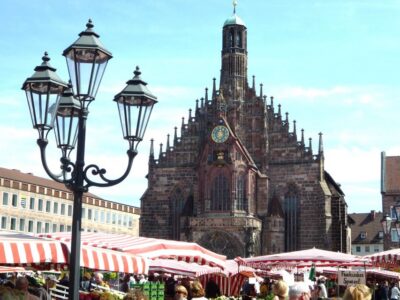
 ★ 4.5Nuremberg Old Town and Nazi Party Rally Grounds Walking Tour in EnglishFrom $44504 reviews
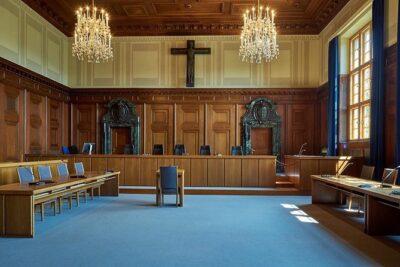
 ★ 4.7Nuremberg Old Town and Nazi Rally Grounds Walking TourFrom $43377 reviews
 ★ 4.5Nuremberg WWII Tour, Courtroom 600 and 3rd Reich SitesFrom $160151 reviews
 ★ 4.5PRIVATE Nuremberg Trials & Rally Grounds TourFrom $24795 reviews
★ 4.6Nuremberg: WWII Tour, Courtroom 600 and 3rd Reich SitesFrom $14794 reviews
★ 4.5PRIVATE Nuremberg Trials & Rally Grounds TourFrom $24795 reviews
★ 4.6Nuremberg: WWII Tour, Courtroom 600 and 3rd Reich SitesFrom $14794 reviews
 ★ 5.0Nuremberg Private Walking Tour: Old Town and Nazi Rally GroundsFrom $13392 reviews
 ★ 5.0Nuremberg: Tour of Former Nazi Party Rally GroundsFrom $12843 reviews
Other lists this tour is on