
REVIEW · LGBTQ-FRIENDLY
Queer Berlin Tour: Birthplace of LGBTQ+ Movements
Berlin tells its queer story on foot. This 3-hour walk traces the city from Nollendorfplatz into Schöneberg, the world’s first gay ghetto, and out to Cold War Berlin at Alexanderplatz, with an expert guide turning names like Magnus Hirschfeld into street-level context.
I love how specific the stops are, from the Memorial to Homosexuals Persecuted Under Nazism to the spot tied to Hirschfeld’s Institute for Sexual Science, where he coined the term transsexualism. I also like the guide-driven energy, with options like Justin and Dan bringing personal connections, humor, and story-specific music that help the eras click in your head. One consideration: because it’s focused on a lot of ground in a short time, it can feel quick if you want to linger at every site.
The price is $153 per person for a 3-hour walking tour, and that can be fair value if you want guided context rather than just sightseeing. The small-group or private options add to the sense that you’re not getting rushed through history at maximum volume, even though you will be walking.
In This Review
- Key Things You’ll Notice on This Tour
- Entering Schöneberg: Where a City Started Changing
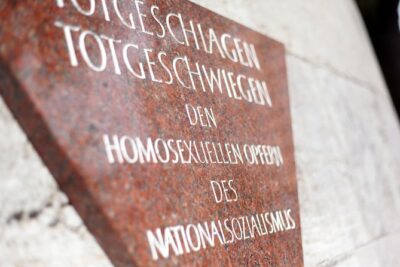
- The Memorial to Nazi Persecution, and Why Names Matter
- Hirschfeld at the Colorful Monument: Science, Rights, and Suppression
- Real de Catorce and the “Street-Level” Stops
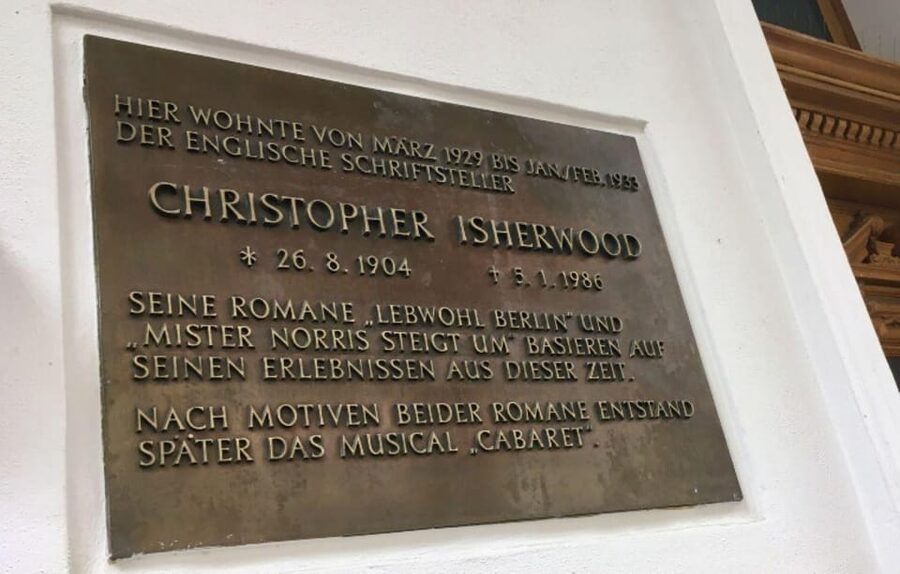
- Christopher Isherwood, Cabaret, and Weimar-Era Color
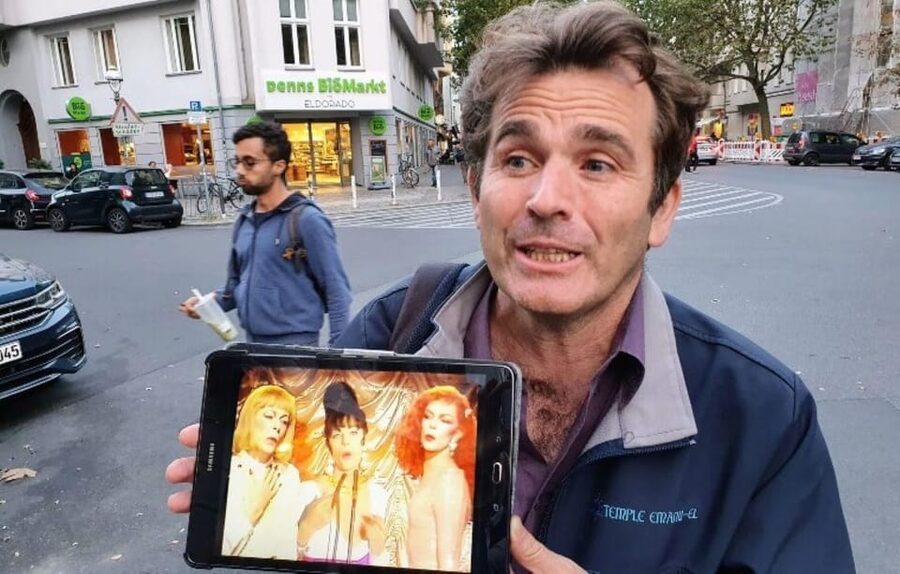
- The El Dorado Cabaret, Marlene Dietrich, and Ernst Röhm
- Post-WWII Schöneberg Rebirth and the Gay Heart Idea
- Chez Romy Haag, Bowie, and the Real Story Behind Heroes
- Unter den Linden: Disguise, Power, and Famous Names
- Alexanderplatz and Cold War Suffering Behind the Iron Curtain
- Guides, Pace, and What to Do in the Moment
- Price and Value for a 3-Hour Queer History Walk
- Who This Tour Fits Best
- Should You Book This Queer Berlin Tour?
- FAQ
- How long is the Queer Berlin Tour?
- Is this tour mostly walking?
- What languages are available for the live guide?
- What does the tour include?
- Is metro fare included in the price?
- How much does it cost?
Key Things You’ll Notice on This Tour
- Schöneberg as the “first gay ghetto” story, with lesbian bars and neighborhood culture woven into the streets
- Hirschfeld’s Institute for Sexual Science, including Anders als die Andern (Different from the Others) and the 1933 shutdown
- Memorial stops that put names and dates in front of you, especially the Nazi persecution of homosexuals
- Weimar-era queer culture on a walking route, from Christopher Isherwood’s former flat to the former El Dorado Cabaret
- Berlin’s later queer revival links, including Chez Romy Haag and David Bowie’s Heroes
- Cold War reality at Alexanderplatz, where the guide connects history to what life cost behind the Iron Curtain
Undecided? The closest Berlin write-ups we have are these.
- Berlin: Reichstag, Dome and Government District Guided Tour★ 4.7 · 18,288 reviews
- Berlin: 1-Hour City Tour by Boat with Guaranteed Seating★ 4.3 · 16,993 reviews
- Berlin: Boat Tour Along the River Spree★ 4.4 · 11,252 reviews
- Discover Berlin Half-Day Walking Tour★ 5.0 · 9,624 reviews
Entering Schöneberg: Where a City Started Changing
Schöneberg is the heart of what this tour is trying to show you: how Berlin became a place where queer life could be visible, organized, and culturally influential, even when it faced constant backlash. You start around Nollendorfplatz, then move into the neighborhood’s layered streets, where the “history” isn’t stuck in a museum. It’s right there in the block patterns, the corners, and the surviving landmarks.
What I find most useful here is the way the guide ties geography to social life. Schöneberg is presented as a location with momentum, not just a single historical footnote. You’re meant to walk away understanding how queer community can form in a city, how it can be targeted, and how it can rebound afterward.
And yes, Schöneberg is also where pop culture keeps showing up. The tour points you toward the places connected to Cabaret, including Christopher Isherwood’s former flat. That link matters because it helps you separate the romanticized version of the 1920s from what real people lived through.
The Memorial to Nazi Persecution, and Why Names Matter
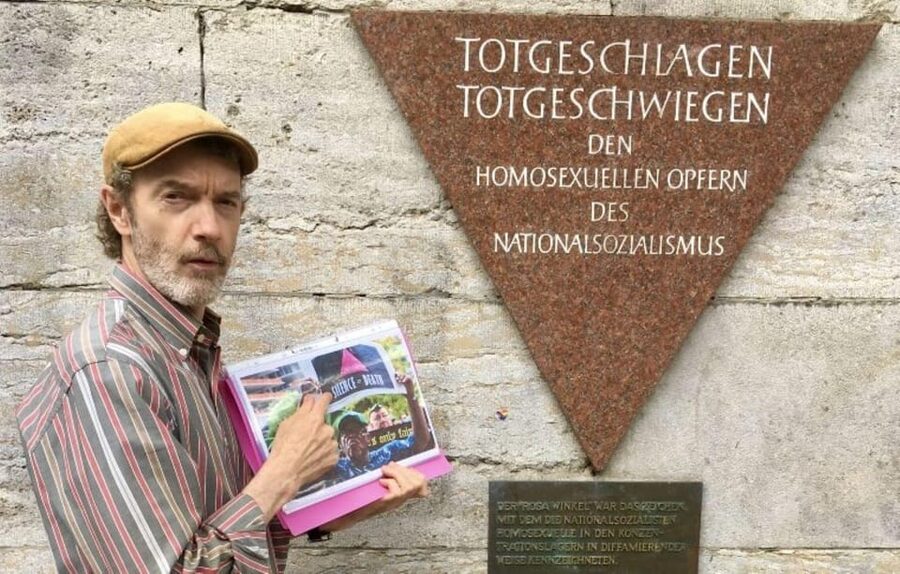
One of the most serious stops is the Memorial to the Homosexuals Persecuted Under Nazism. This is not “edutainment.” The point is to make the scale of state persecution concrete, and to connect that violence to Berlin’s LGBTQ+ history.
This tour makes you walk past the kinds of markers that many cities have, but Berlin’s story is unusually direct. You see how regimes didn’t just disapprove quietly. They enforced oppression through policy and terror. It’s a heavy moment in a walking tour that also includes nightlife stories, so it helps to be mentally prepared.
If you’re the type who likes your history with context, this stop is one of the best parts. The guide uses it to set stakes for everything that follows. You can’t fully understand Schöneberg’s early visibility without understanding how quickly visibility could become danger.
Hirschfeld at the Colorful Monument: Science, Rights, and Suppression
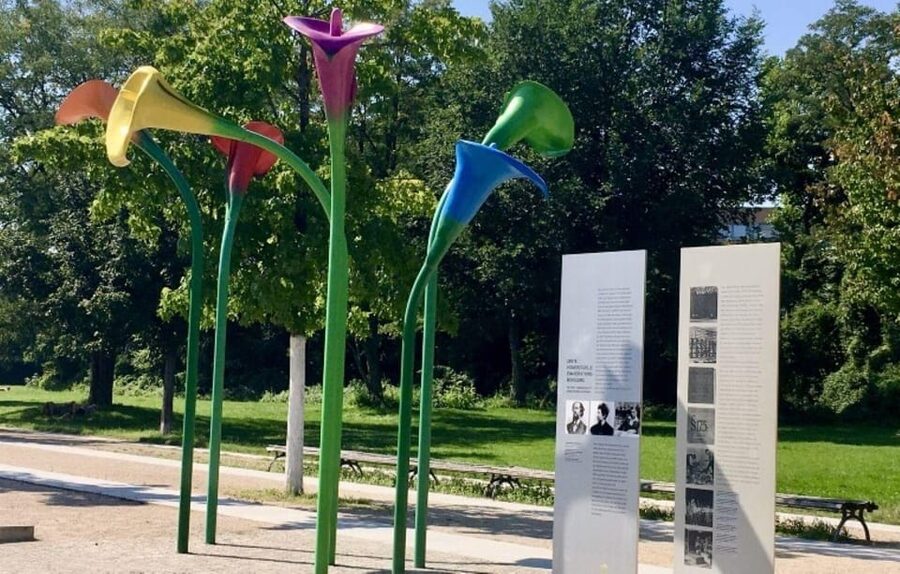
In Berlin, Magnus Hirschfeld is not a distant name. The tour brings him into focus around the monument to the Gay Emancipation Movement in the Tiergarten area. From there, you’re guided to the site tied to Hirschfeld’s Institute for Sexual Science.
Hirschfeld’s story is powerful because it crosses categories. He wasn’t only a political advocate. He was also a physician and researcher who helped build public arguments using early sexology. The tour emphasizes that he coined the term transsexualism and helped pioneer the gay rights movement.
You also learn how progressive work met brutal censorship. Nazis closed the Institute in 1933 and burned its library. That act is described as more than a symbolic attack. It erased material, evidence, and accumulated knowledge. When the tour connects that to what people believed and argued back then, it gives you a sharper idea of what was lost.
There’s also the culture side: Hirschfeld co-authored the first pro-gay film in the world in 1919, Anders als die Andern (Different from the Others). Seeing how the tour places a film title next to a science institute is smart. It reminds you that queer history isn’t only about laws and violence. It’s also about art, communication, and making ideas legible to the public.
Real de Catorce and the “Street-Level” Stops
You’ll make a guided stop at Real de Catorce. The key value of this part is not that you’re ticking off another landmark. It’s that you’re learning how to read the city like a map of queer life, not just a list of famous sights.
In a tour like this, those smaller stops matter because they break the pattern of big-name history. They help the story feel lived-in. You also pass by places tied to queer nightlife, including a rent-boy dive that remains gay-run to this day. That matters because it shows continuity, not just rupture.
If you’re visiting Berlin for only a few days, these quick “in-between” moments are what help the big stories stop feeling abstract.

Christopher Isherwood, Cabaret, and Weimar-Era Color
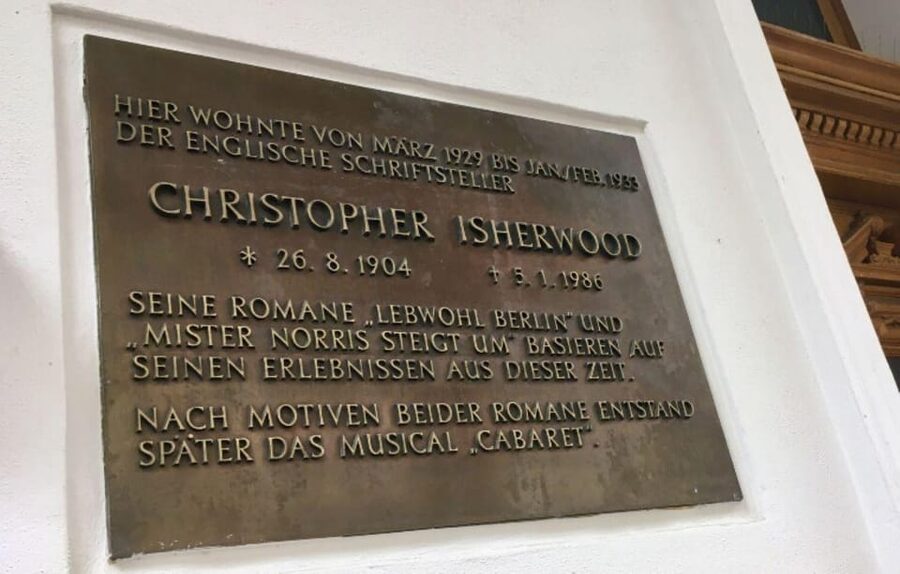
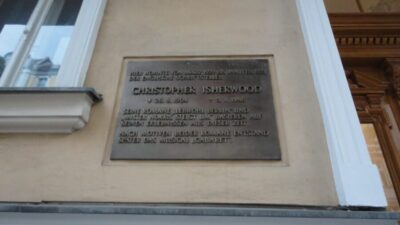
Next comes the Weimar-era thread, and it gets fun in a way that still respects the context. You stroll through Schöneberg and visit Christopher Isherwood’s former flat, with guidance on how his adventures helped inspire Cabaret.
This part works best if you see Cabaret as a starting point, not the full story. The tour helps you connect fiction to the atmosphere of the time: the performances, the identities, and the ways people lived with each other when the city felt experimental and theatrical.
The tour also has you pass by nightclubs he frequented. You then hear about the rent-boy dive that stays gay-run, plus stops tied to major cabaret culture. The goal isn’t to send you hunting for nightlife tonight. It’s to show you where the creative ecosystem sat, and why certain places became magnets for queer attention.
The El Dorado Cabaret, Marlene Dietrich, and Ernst Röhm
Outside the former El Dorado Cabaret, the guide brings up Marlene Dietrich, including her connection through performances there. This is one of those Berlin moments where entertainment history intersects with political history.
Then you learn about Ernst Röhm, described as the openly gay head of the Sturmabteilung, the Nazi Brown Shirts, and a notable regular. That detail is meant to unsettle you in the right way. It forces a more complicated view of how power operated, and how queer people could be entangled with systems that later turned lethal.
You also hear what happened to Röhm during the Night of the Long Knives, also called Nacht der langen Messer, in 1934. The tour uses this to underline a brutal point: political regimes did not build stable tolerance. They weaponized morality and power when convenient.
The effect is sobering, but it’s also clarifying. You come away with a better understanding of why queer history in Berlin involves both culture and catastrophe.
Post-WWII Schöneberg Rebirth and the Gay Heart Idea

After the horror chapters, the tour returns to place and renewal. It talks about the post-WWII rebirth of Schöneberg as the gay heart of the city, which is an important narrative shift.
This section matters because it avoids the trap of treating queer history like a single line of persecution. Instead, it shows how communities rebuild institutions, spaces, and social networks. You’re not only learning what was destroyed. You’re learning what people refused to let disappear.
Even the way the tour moves through streets supports this. You can feel the difference between “pointing at tragedy” and “showing continuity.” Berlin is one of the few places where you can literally walk through layers of history like stacked film reels, and this tour uses that advantage.
Chez Romy Haag, Bowie, and the Real Story Behind Heroes
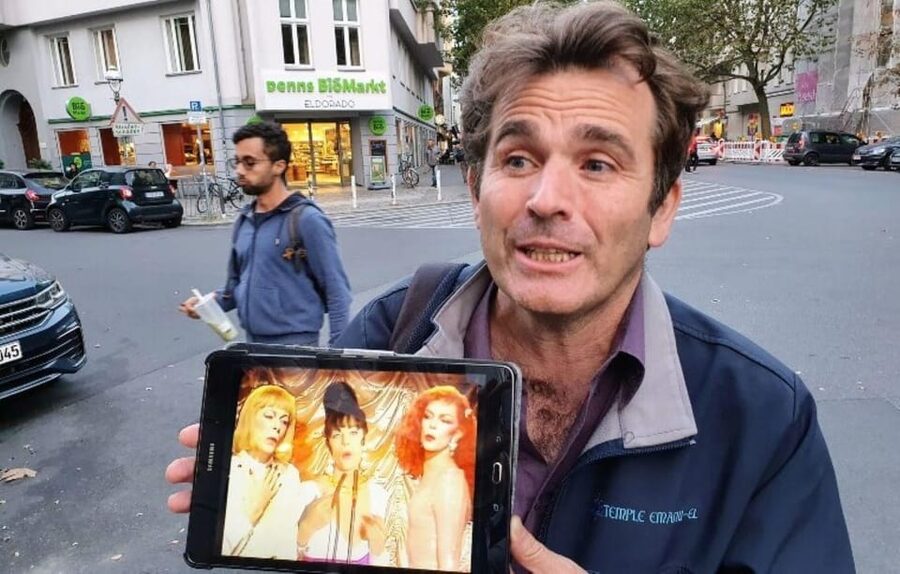
One of the most talked-about stops is Chez Romy Haag in the 1970s. The tour highlights Romy Haag, described as a transgender actress, singer, and dancer, and explains that she met David Bowie there and began an affair. It also connects that relationship to Bowie’s song Heroes.
This is one of the smartest segments for modern visitors because it links queer history to something you already know. Many people arrive in Berlin with Bowie on their mental playlist. The tour uses that familiarity to pull you back into the actual people and spaces behind the song.
It also gives you a reminder that queer art and queer identity are not side stories. They are part of how world culture gets made. And in Berlin, where eras overlap so sharply, it’s easier to see those connections than in many other cities.
Unter den Linden: Disguise, Power, and Famous Names
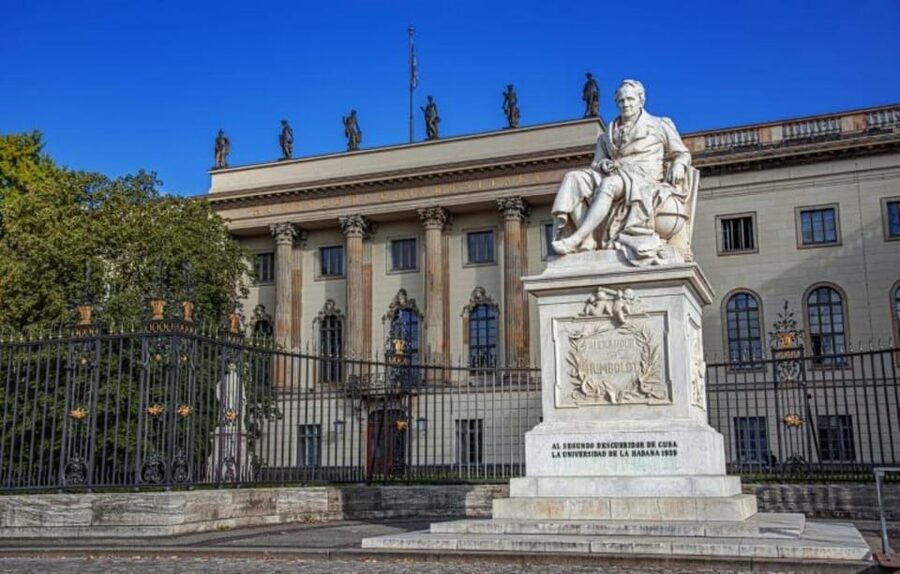
The walk then moves to Unter den Linden, where you meet early gay Berliners such as Prussian King Frederick the Great and explorer Alexander von Humboldt. The guide explains how these figures disguised their sexuality.
This part is valuable because it doesn’t treat “being queer” as something that always looked the same across time. It shows you that history involves coded behavior, social risk management, and survival strategies.
Even if you don’t know these names well, you’ll recognize the pattern: power structures often demand conformity, and people adapt. Berlin’s story here becomes less about slogans and more about how individuals maneuvered in public without giving everything away.
Alexanderplatz and Cold War Suffering Behind the Iron Curtain
The tour ends around Alexanderplatz, described as the heart of Cold War East Berlin. This is where the narrative shifts toward suffering under the Iron Curtain, including the specific challenges gays and lesbians faced behind it.
Why this ending works is simple. It brings you from early queer visibility and cultural influence into the reality of enforced separation and state control. The guide’s framing helps you understand that oppression changes form, but it often keeps the same goal: controlling who gets to live freely.
By the time you reach the conclusion, the tour also aims to point you toward today’s Queer Berlin. That final note is practical, not preachy. You’re meant to leave with a sense of where to look next in the city, and what you’re walking through with clearer eyes.
Guides, Pace, and What to Do in the Moment
This tour can feel like a timeline on foot, so your strategy matters. Wear comfortable shoes. You’ll be in motion for the full 3 hours, and you’ll be asked to follow story threads across neighborhoods.
Small groups or private formats can make a real difference here. Based on guide style, you might get extra personalization, more Q and A, and better opportunities to compare what you know to Berlin’s specific story. One guide, Justin, is described as having a US background and using comparisons to make certain history feel familiar. Another guide, Dan, is described as telling stories with a story-specific soundtrack and even visuals, and he came to Berlin before the wall came down, which adds lived-in perspective.
One small thing to consider: ask the guide to do quick introductions at the start if that’s your preference. In a tour full of names, even a simple roll call helps you keep track of who is who.
Also, if you’re a music person, pay attention to the soundtrack moments. They’re not filler. They help you feel the era instead of just memorizing it.
Price and Value for a 3-Hour Queer History Walk
At $153 per person for 3 hours, this isn’t a bargain tour. But you are paying for guided interpretation, not just a route.
Here’s how the value can work in your favor:
- You cover multiple key eras in a short span, including the Nazi period, Weimar culture, post-WWII renewal, the 1970s, and Cold War East Berlin.
- You get expert-led context around major figures like Magnus Hirschfeld, Christopher Isherwood, Marlene Dietrich, Ernst Röhm, Romy Haag, and David Bowie.
- You also get on-street storytelling around places tied to LGBTQ+ nightlife culture, like the former El Dorado Cabaret and the gay-run dive, which you likely would not find by yourself.
If your goal is only to check famous attractions, you could build a self-guided route. But if you want the “why” behind each stop and the ability to connect them, a guided format is the more efficient play.
Finally, plan your transport. Metro fare is not included, so budget for getting to the meeting point, which depends on your selected option.
Who This Tour Fits Best
I’d put this tour at the top of your list if you:
- Want LGBTQ+ history that mixes politics, science, art, and nightlife
- Prefer walking routes with context over disconnected museum visits
- Like Berlin for how it layers eras, and you want help connecting those layers
- Enjoy story-driven guides, especially ones who bring music, images, or personal perspective
It may be a tougher fit if you:
- Need a slow pace with lots of standing time at fewer sites
- Have mobility limitations, since it is a walking tour and you’ll want to check with the operator if you have any concerns
Should You Book This Queer Berlin Tour?
Book it if you want a guided, emotionally honest route through queer Berlin, with key stopping points you can’t easily piece together on your own. The strongest reason to choose it is the way it connects big names and big events to real places you can stand on, especially around Schöneberg, Hirschfeld’s influence, and the later cultural threads tied to Bowie and Romy Haag.
Skip it only if you’re determined to do everything at your own speed or you’re not interested in a history-heavy route. Berlin is great for casual roaming, but this one is built for meaning. If that’s what you want, this tour is a solid use of your time.
FAQ
How long is the Queer Berlin Tour?
The tour lasts 3 hours.
Is this tour mostly walking?
Yes. It is a walking tour, so you should plan for time on your feet.
What languages are available for the live guide?
The live tour guide is available in German and English.
What does the tour include?
It includes a 3-hour guided walking tour, key LGBTQ+ historical and cultural sites, stops tied to Magnus Hirschfeld, Christopher Isherwood, the former El Dorado Cabaret, and scenes connected to Schöneberg’s rebirth and 1970s nightlife.
Is metro fare included in the price?
No. Metro fare is not included.
How much does it cost?
The price is $153 per person.
Everything else we filed on Berlin
- Private Photo Tour in Kreuzberg
★ 5.0 · 3 reviews - Kreuzberg Private Walking Tour: Immigrants, Artists & Hipsters
★ 5.0 · 3 reviews - Berlin’s Jewish Heritage: Private Tour of the Vibrant Jewish District
★ 5.0 · 3 reviews - Individual city tour Berlin for max. 8 persons
★ 5.0 · 3 reviews - Berlin & The Third Reich Private Guided Tour
★ 5.0 · 3 reviews - Private Analogue Photography Experience in Berlin
★ 5.0 · 3 reviews
LGBTQ-Friendly, side by side.
 ★ 4.8Berlin: Gay Berlin Out in Schöneberg Walking TourFrom $23281 reviews
 ★ 4.5Berlin’s Gay, Lesbian, and Queer Scene Small-Group Walking TourFrom $2466 reviews
 ★ 4.9Street Art & Berlin Gay, Queer, Trans History + Free Gay MapFrom $5715 reviews
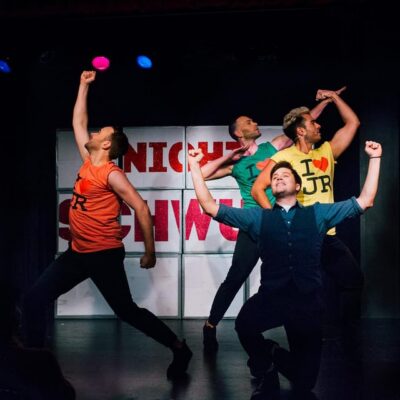 ★ 4.0Berlin: BKA Theater “Operetta for two gay tenors”4 reviews
Other lists this tour is on