
REVIEW · WALKING TOURS
Berlin’s Gay, Lesbian, and Queer Scene Small-Group Walking Tour
Queer history in Berlin is always on the move. This small-group walk (about 3 hours 30 minutes) threads Schöneberg, Tiergarten, and Kreuzberg into one story, from the 19th century to today. I love the way it connects people like Marlene Dietrich and Mayor Klaus Wowereit to real streets you can stand on, and I also like the practical, human pacing, with guides such as Finn, Tom, and Mal bringing the facts to life. One possible drawback is simple: the tour can feel long if the weather is hot, so plan for comfort and shade.
The price, $24.14, is what makes this feel like a smart Berlin move. You get a professional guide, a tight route, and a thoughtful look at both struggle and celebration, not just party photos. With a max group size of 15, it stays friendly, but you’ll want to arrive on time so you do not miss the start, especially since meeting-point signage is not guaranteed.
In This Review
- Key Things You’ll Notice Right Away
- Entering The Map: Where The Tour Starts And How It Feels
- Why This Walk Works: Queer Berlin From The 19th Century To Now
- Schöneberg And Tiergarten Streets: The City Becomes The Text
- Kreuzberg And Alternative Berlin: Modern-Day Queer Culture On Foot
- Südblock: The Queer-Run Bar And Restaurant Stop That Teaches Community
- The Legendary Club History Stop: From 90s Gay Scene To All-Hours Life
- Schwules Museum Stop: When You Want The Deeper Layer
- Price And Logistics: What $24.14 Buys, And What To Plan For
- Group Size, Guide Quality, And The Start Moment That Matters
- Who Should Book This Tour (And Who Might Skip It)
- Should You Book This Berlin Queer Walking Tour?
- FAQ
- How long is the Berlin Gay, Lesbian, and Queer Scene Small-Group Walking Tour?
- What time does the tour start, and where does it meet?
- Where does the tour end?
- Is the tour in English?
- What is the price?
- What is included in the tour price?
- Do I need public transportation tickets?
- FAQ
- Is the tour limited to a small group?
- Does the tour run in bad weather?
- Is cancellation possible if my plans change?
- Is the tour suitable for most people?
- Are service animals allowed?
Key Things You’ll Notice Right Away
- A true small-group format (max 15) that makes it easier to ask questions and stay together
- Street-to-history storytelling across Schöneberg, Tiergarten, and Kreuzberg, not just museum talk
- Power names and places like Marlene Dietrich, Klaus Wowereit, and Christopher Isherwood woven into the walk
- Südblock as a cultural anchor, a queer-run bar and restaurant with community roots
- A club-history stop that tracks the jump from the 90s gay scene to today’s all-hours legend
- Schwules Museum stop for extra context when you want the deeper layer
Other walking routes through Berlin
- Berlin: Third Reich and Cold War 2 Hour Walking Tour★ 4.9 · 6,830 reviews
- Berlin: Discover Berlin Walking Tour★ 4.9 · 5,998 reviews
- Berlin’s Best: 2 Hour Walking Tour Third Reich and the Cold War★ 5.0 · 5,486 reviews
- Berlin: Hidden Backyards Guided Walking Tour★ 4.8 · 5,360 reviews
Entering The Map: Where The Tour Starts And How It Feels
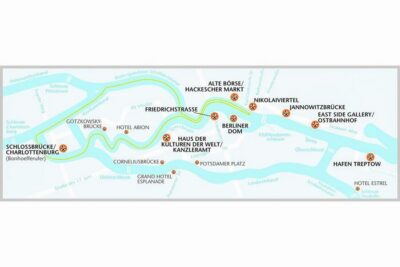
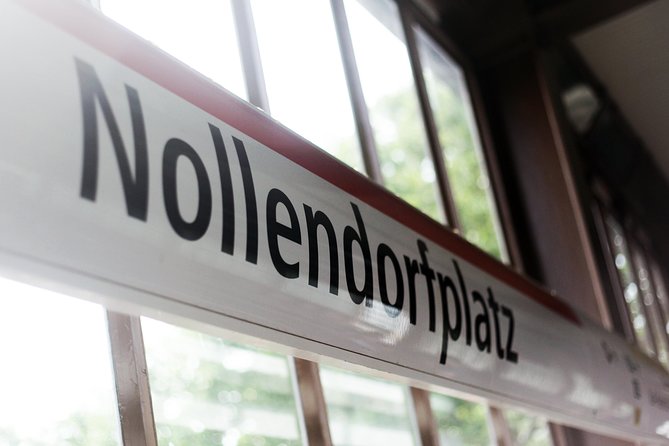
The tour begins at Neue Promenade 3, 10178 Berlin at 12:00 pm, and it ends near Nollendorfplatz (10787 Berlin). That matters because you get a clean arc: you start central, you walk through major neighborhoods people associate with queer Berlin, then you finish where you can easily jump back into the rest of your day.
This is a walking tour, but it is not a marathon. The core structure is about connecting dots in a small radius, so you get that step-by-step feeling of learning, stop after stop. The tour runs in all weather, so bring sensible layers. Berlin can go from pleasant to annoying fast, and you do not want to spend 3.5 hours fighting your clothes.
One practical tip from real-world experience: arrive a bit early and look for the guide leading the group. On one past departure, confusion happened because people did not have clear cues at the meeting point. It is not the end of the world, but you can avoid the stress by showing up on time and watching for the guide announcements right away.
Why This Walk Works: Queer Berlin From The 19th Century To Now
What makes this tour special is that it does not treat queer history like a single chapter. You are taught to see it as a long thread: shifting laws, changing visibility, and evolving community life. You start with the idea that queer culture has been part of Berlin for centuries, then you move into the modern geography of neighborhoods that became central for LGBTQ+ life.
Along the way, you connect historical personalities to the present-day city. You hear about figures such as Marlene Dietrich, and you also get political context through Mayor Klaus Wowereit. And yes, you will hear Christopher Isherwood tied to one of the oldest LGBTQ neighborhood stories in Europe, which helps you understand why certain streets carry meaning even when they look ordinary today.
The guides matter here. People mention how Finn, Tom, and Mal stayed clear, energetic, and organized, sometimes using visuals on a tablet to point to original places and references as you walk. That is a big deal. You do not just memorize names. You learn to recognize what you are looking at in front of you.
Schöneberg And Tiergarten Streets: The City Becomes The Text
Schöneberg and Tiergarten are not random stops. This is where Berlin’s queer story becomes geographically real. You get a sense of how neighborhoods earn reputations over time, how community spaces gather people, and how social life changes with politics and public attitude.
This tour does a good job of keeping you oriented. You do not wander in a “tourist maze” where you only collect pictures. Instead, you learn what to notice: street-level clues that explain how people lived, how they met, and where culture formed. That is the practical part. You leave with a better sense of Berlin’s layout and why the city developed certain queer hubs.
If you like history but hate lectures, this style should fit you. It stays grounded in locations and human stories. And if you want to go further on your own afterward, you will know what to look for when you pass a building later.
Kreuzberg And Alternative Berlin: Modern-Day Queer Culture On Foot
After you get your bearings in older parts of the story, the tour shifts toward modern alternative Berlin. Kreuzberg is part of this arc, with an emphasis on how queer culture shows up in the everyday city scene now, not only in old archives.
Think of this section as the bridge. The guide helps you understand continuity: communities that existed in older forms evolve into new ones. You also get a chance to see how attitude and identity show up in street life, venues, and social gathering points.
This is also where your guide’s personality can really land. Some guides keep the tone fun without turning it into a party lecture. That balance shows up in guides people praised for being both friendly and respectful, with the serious side of history included where it belongs.

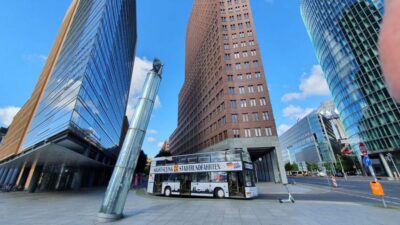
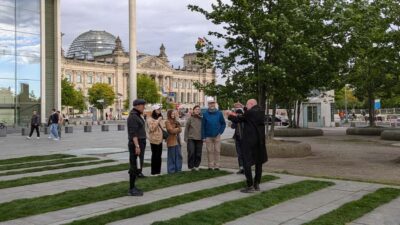
Südblock: The Queer-Run Bar And Restaurant Stop That Teaches Community
One stop I like the most in the route is Südblock, described as a queer-run bar and restaurant with far more going on than the name alone suggests. The guide frames it as a pillar of the LGBTQ+ community, which changes how you see the place.
This is not a “quick photo and move on” type of stop. It is meant to help you connect a physical venue to community infrastructure: where people gather, how spaces support belonging, and why certain places matter beyond nightlife.
There is also a lesson embedded here. Berlin has always been good at turning spaces into statements. When a venue becomes a community anchor, it turns into a meeting point for new ideas, mutual support, and cultural continuity. You feel that logic as you walk from spot to spot.
Also, since food and drinks are not listed as included, treat this stop as a context stop first. If you want to grab something there, check what is available that day and plan spending accordingly.
The Legendary Club History Stop: From 90s Gay Scene To All-Hours Life
Then the tour takes you into the story of one of the world’s most famous club cultures, traced from roots in the 90s gay scene to the “open-all-hours madness” that people associate with modern Berlin nightlife. Even without needing to be a club expert, you get the timeline and the cultural logic.
This part works because it explains why club scenes became major social engines. In cities where queer life faced pressure, clubs often served as more than entertainment. They became places for safety, community visibility, and experimentation.
You will likely walk away understanding that Berlin nightlife is not just about music volume. It is also about history, identity, and how people carve out space to exist out loud. If you plan to go out later, this stop gives you a context lens so the night feels less random and more meaningful.
Schwules Museum Stop: When You Want The Deeper Layer
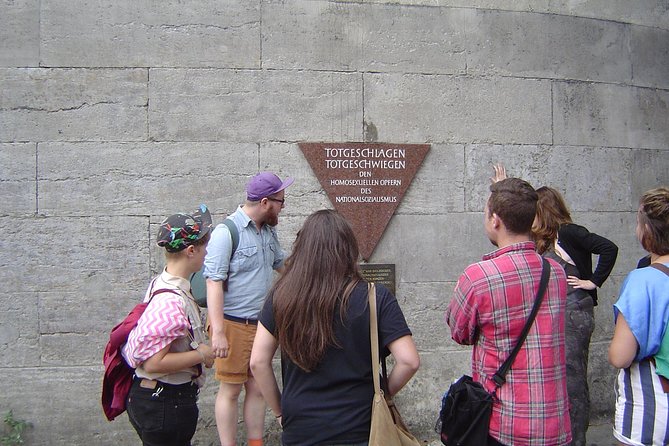
The tour includes a stop at the Schwules Museum, the Gay Museum. This is your “extra context” moment. Walking tours can only fit so much. The museum stop gives you a path to keep learning once your feet are tired.
I like that this is not presented as a hard sell. It is a chance to see how the city’s queer story is documented and interpreted. If you enjoy museums, you can use the visit time to connect guide stories to exhibits and artifacts.
A small note to help you plan: one person felt the museum mention was a bit off from what they expected. So if you are very museum-averse, consider going in with that awareness. If you do like history, you are in the right place, because this is exactly the kind of stop that helps you turn facts into understanding.
Price And Logistics: What $24.14 Buys, And What To Plan For
At $24.14 per person, this tour is strong value for Berlin. You get a professional guide, a set route across key neighborhoods, and multiple history beats that would be hard to piece together yourself unless you already know the city well.
The day pass detail is important. A Berlin Transport AB Zone ticket is not included, and the tour notes a day pass is about 7.00 Euros and is available from your guide on the day. That means you should be thinking about transit right from the start. Even if much of the tour is walking, the neighborhoods are spread enough that transit helps keep the day smooth.
What to bring:
- Comfortable shoes, because this is a real walking tour
- Weather gear, since it runs in all weather
- A charged phone, useful if you want to check directions after the walk
What I would not do is overpack your schedule. Build in time after, especially since one outing ran closer to 4.5 hours for a group in hot weather. If you start the day already tired, you might feel it later.
Group Size, Guide Quality, And The Start Moment That Matters
With a maximum of 15 travelers, this stays in the human zone. You can actually hear the guide, and the group does not feel like a moving wall of strangers. That helps you connect names, places, and timelines without losing the thread.
Guide quality is consistently a highlight. People singled out Finn as fantastic and extremely informative, praised Tom for passion and a big knowledge base, and liked Mal for strong expertise. Lorna also received strong praise for being the perfect fit.
There is one caution worth repeating. If you arrive and do not find clear signage or an obvious guide intro, it can turn into confusion. Your best defense is timing: be there a little early, listen for the announcement, and start the tour only once you are with the right guide. If something feels off at the meeting point, ask quickly rather than walking with the wrong group.
Who Should Book This Tour (And Who Might Skip It)
This tour is ideal if you want:
- A guided history walk that connects queer culture to specific neighborhoods
- Context for modern Berlin without needing to be a nightlife person
- A structured route that includes both street stories and a museum stop
It is also a good fit if you like hearing about specific figures, not just vague themes. Names like Marlene Dietrich, Klaus Wowereit, and Christopher Isherwood make the tour feel anchored.
You might consider a different option if you:
- Want only party culture and nothing about historical context
- Are strongly turned off by the idea of stopping at the Schwules Museum
- Hate walking in heat, since the duration can stretch when conditions are tough
Should You Book This Berlin Queer Walking Tour?
I think you should book it if you are coming to Berlin for more than the standard highlights. This tour offers a well-priced route that ties together history, politics, culture, and real places, not just anecdotes. The combination of Schöneberg and Kreuzberg geography, the Südblock community stop, the club-culture timeline, and the Schwules Museum touchpoint gives you a rounded understanding.
The math is simple. For $24.14, you are buying guided context in neighborhoods that would be hard to interpret alone. Add in the strong overall rating of 4.7 out of 5 and 92% recommended, and it is a pretty safe bet for a first-time or second-time Berlin visitor who wants the city with context.
If you do book, do the small things that make it easier: arrive early, dress for the weather, and carry the day pass plan in your head. You will get a lot more out of the walk when you are relaxed enough to listen.
FAQ
How long is the Berlin Gay, Lesbian, and Queer Scene Small-Group Walking Tour?
It runs for about 3 hours 30 minutes.
What time does the tour start, and where does it meet?
It starts at 12:00 pm. The meeting point is Neue Promenade 3, 10178 Berlin, Germany.
Where does the tour end?
The tour ends at or near Nollendorfplatz, 10787 Berlin, Germany.
Is the tour in English?
Yes, it is offered in English.
What is the price?
The price is $24.14 per person.
What is included in the tour price?
The tour includes a professional guide. Food and drinks are not included.
Do I need public transportation tickets?
A Berlin Transport AB Zone ticket is not included. The tour notes a day pass is about 7.00 Euros and is available from your guide on the day.
FAQ
Is the tour limited to a small group?
Yes, it has a maximum of 15 travelers.
Does the tour run in bad weather?
The tour operates in all weather conditions, so you should dress appropriately.
Is cancellation possible if my plans change?
Free cancellation is available. You can cancel up to 24 hours in advance for a full refund.
Is the tour suitable for most people?
Most travelers can participate.
Are service animals allowed?
Yes, service animals are allowed.
Pavements of Berlin
Everything else we filed on Berlin
- East Berlin: City of Shadows Walking Tour
★ 5.0 · 11 reviews - Berlin: Die Stachelschweine – Frank Lüdecke – Träumt Weiter
★ 4.7 · 11 reviews - Potsdam Day Trip from Berlin with a Local: Private & Personalized
★ 4.0 · 11 reviews - An Introduction to Berlin Walking Tour
★ 5.0 · 11 reviews - DJ for a Day: Learn to Mix Like a Pro in Berlin
★ 5.0 · 11 reviews - 2-H Segway Sightseeing Tour Berlin
★ 4.5 · 11 reviews
Walking Tours, side by side.
 ★ 5.0Discover Berlin Half-Day Walking TourFrom $249,624 reviews
 ★ 4.9Berlin: Third Reich and Cold War 2 Hour Walking TourFrom $236,830 reviews
 ★ 4.6Munich: Third Reich & WWII Walking TourFrom $316,181 reviews
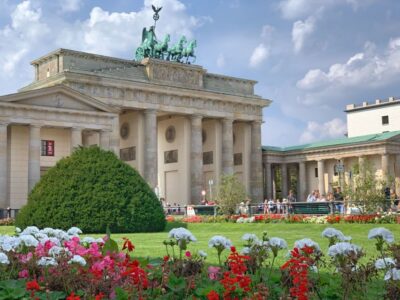 ★ 4.9Berlin: Discover Berlin Walking TourFrom $235,998 reviews
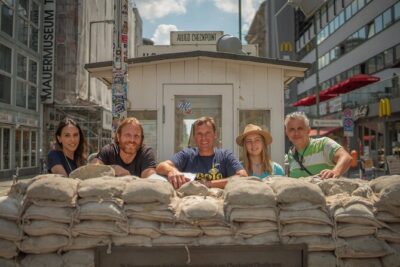 ★ 5.0Berlin’s Best: 2 Hour Walking Tour Third Reich and the Cold WarFrom $245,486 reviews
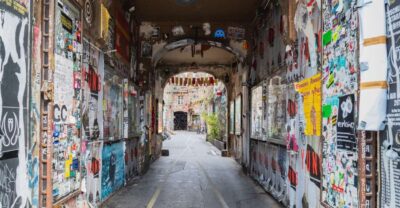 ★ 4.8Berlin: Hidden Backyards Guided Walking TourFrom $235,360 reviews
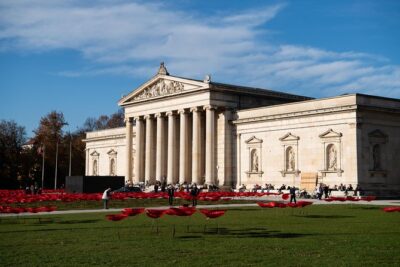 ★ 4.5Third Reich Walking Tour MunichFrom $454,291 reviews
 ★ 5.0Third Reich Berlin: Hitler and WWII Walking TourFrom $243,301 reviews