
REVIEW · BERLIN
Small-Group 3-Hour Berlin Walking Tour of Kreuzberg ‘s Wild Side
Kreuzberg tells Berlin’s wild street story. This 3-hour walk is built for people who want more than photo stops, you’ll move through a neighborhood that grew from hard times into one of the city’s most interesting cultural zones. Kreuzberg is the center of the action here, with alternative cafés, stylish bars, and international food tucked into everyday streets.
I especially like the focus on how the area changed over time, from the 19th century to modern Berlin. You’ll also get small-group attention, with a maximum of 12 travelers, which helps you hear details and ask questions as you go. The route is packed with specific landmarks, so you always know where you are in the story.
One thing to keep in mind is timing. In at least one past instance, there was a long wait for the guide, and on a separate occasion the tour was canceled due to a BVG strike and the group not meeting the needed turnout. Build in a little flexibility on your schedule.
In This Review
- Key things to know before you walk Kreuzberg
- Kreuzberg’s wild side, what this walking tour really delivers
- Price and what you get for $22.45
- The walk from Skalitzer Str. 137 to Oberbaumbrücke, how the route feels
- Kottbusser Tor and the SO36 area, where Kreuzberg’s edge becomes visible
- Rio-Reiser-Platz to Heinrichplatz, plus Frauenzentrum and Schokoladenfabrik vibes
- Görlitzer Park, how a park stop changes your pace and perspective
- Oranienstraße courtyards and the buildings between the buildings
- Mariannenplatz and Arthouse Bethanien, where history sits beside modern creativity
- Squatted-house projects en route, plus St. Thomas Protestant Church
- The treehouse by the Berlin Wall area and Wiener Straße details
- Market Hall break and local food rhythm near the action
- Why the small-group format changes the feel of Kreuzberg
- Practical tips so you enjoy this walk more
- Should you book this Kreuzberg walking tour?
Key things to know before you walk Kreuzberg
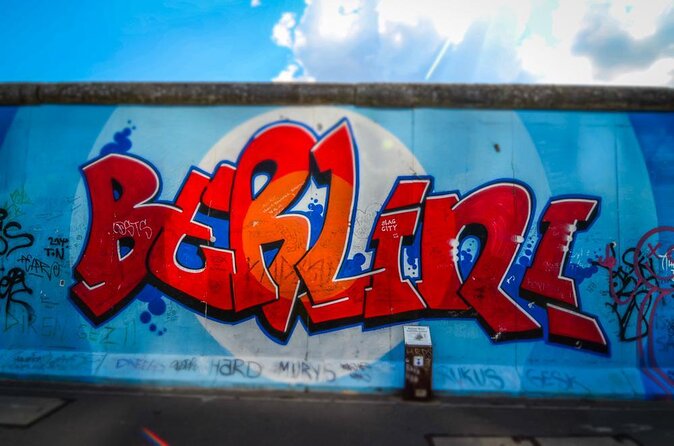
- Start at Kottbusser Tor, a multicultural hotspot that sets the tone right away
- SO36 and club culture nearby, including a quick stop at Club SO36 with time to soak up the vibe
- Oranienstraße and courtyard life, where Berlin’s “in-between spaces” tell a big part of the story
- Bethanien near the former Wall, mixing architecture with postwar and contemporary change
- A Market Hall break is included, so you get a pause at a place locals actually use
- Route runs to Oberbaumbrücke, ending at a classic Berlin crossing with great atmosphere
Deeper into the painted backstreets
- Berlin: Alternative Berlin Walking Tour★ 4.6 · 1,204 reviews
- Berlin: City Street Art Guided Walking Tour★ 4.8 · 886 reviews
- Berlin: 3-Hour Street Art Tour★ 4.7 · 778 reviews
- Kreuzberg: Culinary Food Tour★ 4.5 · 770 reviews
Kreuzberg’s wild side, what this walking tour really delivers
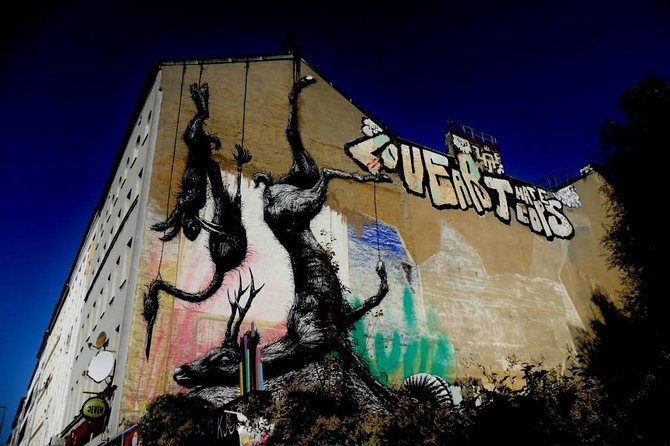
If you’ve ever wondered why Berlin feels like multiple cities stacked on top of each other, Kreuzberg is one of the best places to test that idea. The neighborhood is known for creativity and edge, but this walk keeps it grounded by tying what you see to what happened here, step by step.
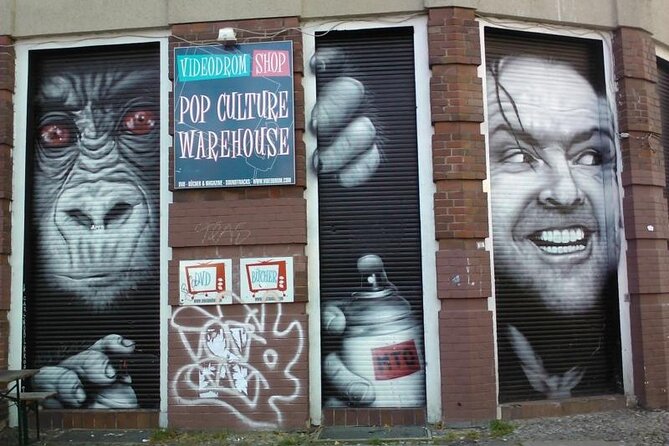
You’re not just strolling past murals and cafés. You’ll learn how Kreuzberg evolved from one of Berlin’s poorer quarters into a district that attracts artists, fashion people, and music lovers. That shift shows up in the details along the route, especially around the streets and courtyards where everyday life happens.
Also, the small-group size matters. With up to 12 people, you’re less likely to feel like a number. You can actually pay attention to what’s in front of you, instead of constantly trying to catch up with the group.
Price and what you get for $22.45
At $22.45 per person for about 3 hours, this is a solid value if you care about interpretation, not just movement. What you’re paying for is a local guide plus a driver, and the included break at the Market Hall.
Food and drinks are not included, so you should plan to budget a little extra if you want coffee, a snack, or something from the market stalls during the break. That said, the included pause is still smart value because it gives you a natural moment to refuel without turning the whole tour into a restaurant mission.
One practical note: the tour uses a mobile ticket. That’s convenient, especially if you’re balancing transit, photos, and a busy itinerary.
The walk from Skalitzer Str. 137 to Oberbaumbrücke, how the route feels
The meeting point is Skalitzer Str. 137, 10999 Berlin. The tour ends at Oberbaumbrücke, 10243 Berlin. That start-to-finish setup helps you cover a noticeable stretch of Kreuzberg without needing to hop on public transit mid-walk.
What you should expect is a steady pace with enough stops to absorb details. The tour is short enough to feel doable, but long enough that you’ll cross multiple “moods” of Kreuzberg, from streets where youth culture and clubs loom nearby to calmer spaces like courtyards and parks.
Since it runs near public transportation, you can also bail out or rejoin your day more easily if your feet start talking to you.
Kottbusser Tor and the SO36 area, where Kreuzberg’s edge becomes visible
Kottbusser Tor is the kind of place that feels like Berlin at full volume. Right at the beginning, you’re in a zone known for a mix of cafés, bars, clubs, and international restaurants. It’s not just a landmark, it’s a cue that this walk is going to talk about Kreuzberg as a living culture, not a museum district.
A key early stop is SO36, including a quick visit to Club SO36. Even with only about 10 minutes here, it’s valuable because it helps you connect the neighborhood’s music and youth scene to the broader history of the district. You’ll get the feeling that Kreuzberg’s identity is partly built on spaces where people gather and make their own rules.
If you like neighborhoods with strong character, you’ll appreciate this sequencing. It starts in the present, then builds back toward the past as the walk continues.
Other walking routes through Berlin

Rio-Reiser-Platz to Heinrichplatz, plus Frauenzentrum and Schokoladenfabrik vibes
Next you’ll head toward Rio-Reiser-Platz and the Heinrichplatz area, with a stop connected to Frauenzentrum and Schokoladenfabrik. This section is about context, because Kreuzberg’s story is often told through community spaces, not just famous monuments.
There’s a 10-minute stop time here, free to enter, so it’s not a deep dive. But it’s enough to understand the idea behind the area: creative scenes are supported by institutions and gathering points, and those places often sit right next to everyday life.
If you’re the kind of traveler who likes learning how local culture is organized, you’ll find these stops more useful than they might sound on paper.
Görlitzer Park, how a park stop changes your pace and perspective
Görlitzer Park is where the walk gives your legs a small reset. You’ll have about 15 minutes here, and it’s a free stop, so the focus is on observation.
Parks in Berlin often function like social meeting grounds. In Kreuzberg, that matters because the neighborhood’s energy is both public and personal. A park stop gives you room to notice how people use space, how the district feels when you’re not stuck in street canyon mode, and how the neighborhood’s character holds up beyond the nightlife streets.
This is also a good point to ask the guide a question if something earlier clicked for you, because the pace typically feels calmer than the shopping streets.
Oranienstraße courtyards and the buildings between the buildings
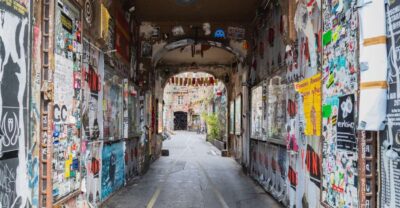
One of the most compelling parts of Kreuzberg is not always the street you’re standing on, it’s what’s behind it. On this walk, you’ll explore courtyards that show the neighborhood’s layers of development, and the guide ties those spaces to topics like fashion, art, and music.
Courtyards can feel like Berlin shortcuts, but they also help explain how dense living worked, and how communities shaped their environments over time. Instead of just seeing an exterior wall, you get a better sense of why the neighborhood looks the way it does today.
If you like photography, you’ll probably end up pointing your camera at doorways, stairways, and the rhythms of courtyard architecture. Just remember that the tour is timed, so keep moving when the group does.
Mariannenplatz and Arthouse Bethanien, where history sits beside modern creativity
As you move on, you’ll pass through Mariannenplatz and see the Arthouse Bethanien, a historic hospital building next to the former Berlin Wall. This stop is important because it anchors the walk in a real physical reminder of Berlin’s 20th-century turning points.
Bethanien is the kind of building that makes you understand why Berlin artists and cultural groups like reusing serious structures. You’re looking at a space with an older purpose, now used for creative life. That contrast is part of what makes Kreuzberg feel like the city’s long-term workshop.
The “next to the former Berlin Wall” detail is also a reminder that history here isn’t abstract. You’ll hear about how the neighborhood changed around those events, including the way the district became a place for alternative living and expression.
Squatted-house projects en route, plus St. Thomas Protestant Church
Along the way, you’ll hear about former squatted house projects. This is one of those topics where the street-level reality is hard to get from a guidebook alone. Even if you don’t know the names of the buildings, the idea explains a lot about why Kreuzberg became known for nontraditional lifestyles and creative scenes.
You’ll also see St. Thomas Protestant Church. A church sounds straightforward, but in this neighborhood context it serves as a strong reference point. It helps you connect the newer cultural identity to the older urban fabric, so the walk doesn’t feel like it only covers the last few decades.
This mix of old and new is part of the tour’s value. You’re not choosing between architecture and street culture, you’re getting both in the same walk.
The treehouse by the Berlin Wall area and Wiener Straße details
One of the most unusual things on the route is a treehouse built next to the Berlin Wall. This kind of detail sticks in your mind because it’s not what you expect to find in a place tied to division and tension.
You’re basically getting a reminder that people use the remaining spaces, even in places with heavy historical weight. That’s part of Berlin’s story, and it shows up in odd, human ways.
As you continue, you’ll also pass through areas connected to Wiener Straße. The point of these street segments is to help you recognize how daily life, small venues, and international tastes mix into the neighborhood, without needing a single big-ticket attraction to explain it.
Market Hall break and local food rhythm near the action
The tour includes a break in the Market Hall. This is a practical feature, and it’s also a great cultural reset. Market halls in Berlin are not only about shopping, they’re about local habits and quick meals, the kind of everyday choices that make a district feel real.
You’ll be at the Market Hall Nine area, and it’s connected to a farmer’s market. Since food and drinks are not included, treat the break like a chance to refuel, not a free buffet. If you want to keep your day efficient, it’s a smart moment to buy something small and keep walking.
This break also helps balance the tour. After time on streets and history points, you get a chance to stand still, breathe, and let the information you heard settle in.
Why the small-group format changes the feel of Kreuzberg
Kreuzberg can be a lot. It’s easy to get overwhelmed by signs, music leaks from doorways, and the sheer variety of people and places. A small group keeps the whole experience from turning into chaos.
With a maximum of 12 travelers, you’ll likely get more back-and-forth with your guide. That matters when the story involves specific places like courtyards, community institutions, and buildings with layered pasts. You’re not just walking, you’re learning how to read the neighborhood.
The route also uses short stops, usually free to enter, so you’re not stuck waiting for long museum-style entries. You can stay engaged without feeling like you spent half the time standing in a line.
Practical tips so you enjoy this walk more
Bring comfortable shoes. Kreuzberg streets can involve lots of small turns, and the tour is about 3 hours, so your feet will notice if you chose fashion over comfort.
Dress for the weather. The tour is outdoors for most of the time, and you’ll move between multiple spots.
If you care about photos, plan to shoot quickly and keep your place in the group. Courtyards and street details are best when you catch them on the fly.
Finally, consider your timing on the day you book. While this is usually straightforward, there has been at least one cancellation tied to a BVG strike and a delayed start issue in another case. If you’re on a tight schedule, keep your next plan flexible.
Should you book this Kreuzberg walking tour?
I think you should book it if you want a neighborhood walk that explains what you’re seeing, not just where to stand for a good picture. Kreuzberg is famous for being “different,” but the value here is how the guide connects alternative culture to real changes over time, from the district’s earlier hardship through its shift into an art and music magnet.
Skip it only if you hate walking for about 3 hours in city streets, or if you’re the type who wants long stops inside major attractions. This tour is made of street-level observations, short visits, and one included Market Hall break, so it won’t feel like an all-day sightseeing bus tour.
If you’re spending time in Berlin anyway and want one focused outing in Kreuzberg with small-group attention and a route that ends in a satisfying place, Oberbaumbrücke, this is a strong pick for your itinerary.
Pavements of Berlin
More Painted Walls and Backyards
Everything else we filed on Berlin
- Private Photo Tour in Kreuzberg
★ 5.0 · 3 reviews - Kreuzberg Private Walking Tour: Immigrants, Artists & Hipsters
★ 5.0 · 3 reviews - Berlin’s Jewish Heritage: Private Tour of the Vibrant Jewish District
★ 5.0 · 3 reviews - Individual city tour Berlin for max. 8 persons
★ 5.0 · 3 reviews - Berlin & The Third Reich Private Guided Tour
★ 5.0 · 3 reviews - Private Analogue Photography Experience in Berlin
★ 5.0 · 3 reviews
Street Art and Alternative City Tours, side by side.
 ★ 4.6Berlin: Alternative Berlin Walking TourFrom $291,204 reviews
 ★ 4.8Berlin: City Street Art Guided Walking TourFrom $23886 reviews
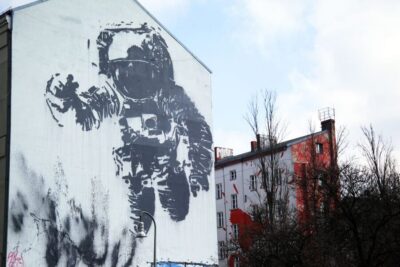 ★ 4.7Berlin: 3-Hour Street Art TourFrom $23778 reviews
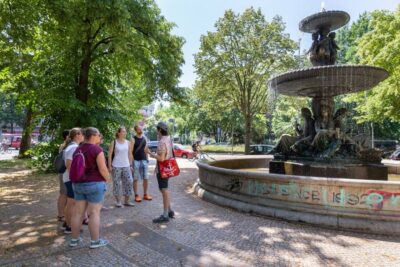 ★ 4.5Kreuzberg: Culinary Food TourFrom $589770 reviews
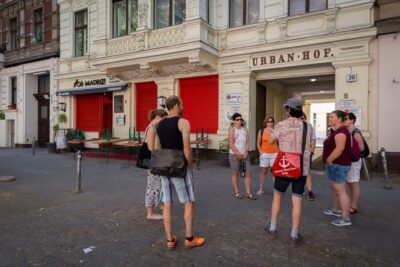 ★ 4.7Berlin: Kreuzberg Guided Walking Evening TourFrom $27555 reviews
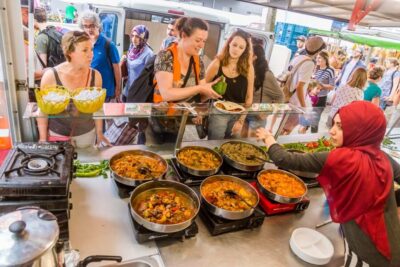 ★ 4.7Berlin: Alternative Bike Tour of Kreuzberg & FriedrichshainFrom $41548 reviews
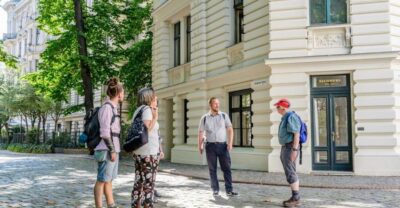 ★ 4.9Berlin: 2.5-Hour Walking Tour through Kreuzberg 61From $23525 reviews
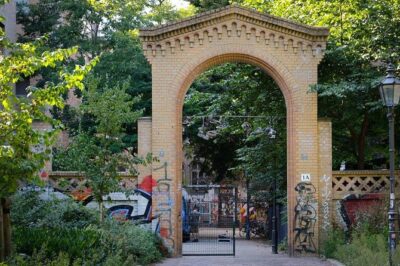 ★ 5.0Berlin Off-the-Beaten-Path Walking Tour: Kreuzberg, Mitte and FriedrichshainFrom $30412 reviews
Other lists this tour is on