
REVIEW · BERLIN
Alternative tour, History off the beaten path
The best Berlin stories are often the sideways ones. This alternative history walk mixes small-group energy with wall-era, neighborhood-scale details you will not get from the big sights. You start with a quick look at YAAM, then move through less typical corners while your guide puts the city into context.
I really like the way this tour blends history with real place. You do not just hear dates, you see how buildings and streets reflect what happened. I also love the guide style, Annabelle is passionate and personable, and the talk feels human, not memorized.
The only real drawback to plan around is that it depends on good weather and you will be walking for around 3 hours. If you hate time outside, or it is rainy when you visit, you may want a flexible day.
In This Review
- Key things you will like
- Why this Berlin history walk feels different in 3 hours
- Entering the route at Ostbahnhof, then sliding toward Friedrichshain-Kreuzberg
- Stop 1 at YAAM: a quick included ticket moment
- How the wall-era story comes through on the street
- The guide is the headline: Annabelle’s energy and community focus
- Walking pace, group size, and who it fits best
- Budget reality: what costs extra and what is covered
- Where you end at Mariannenplatz, and how to keep the evening going
- The bottom line: should you book this alternative history tour?
Key things you will like
- Small group, max 10 people, so the conversation stays easy
- English tour with a guide who explains with personality, not a script
- Off-the-beaten-path locations, including stories tied to the Berlin Wall
- YAAM is a short stop with admission included
- Ends with time to grab a drink nearby, which is a nice social finish
Deeper into the painted backstreets
- Berlin: Alternative Berlin Walking Tour★ 4.6 · 1,204 reviews
- Berlin: City Street Art Guided Walking Tour★ 4.8 · 886 reviews
- Berlin: 3-Hour Street Art Tour★ 4.7 · 778 reviews
- Kreuzberg: Culinary Food Tour★ 4.5 · 770 reviews
Why this Berlin history walk feels different in 3 hours
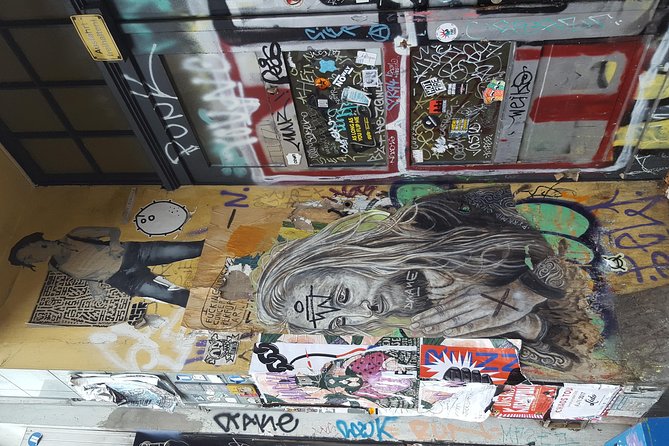
Berlin can be a lot of museums and memorials. This tour takes a different approach. You spend about three hours on a guided route that favors street corners, architecture you notice only when someone points it out, and the kind of history that still shows up in the city plan.
The small group matters. With a maximum of 10 travelers, you get a calmer pace and more back-and-forth. I like that because it changes the feel from a lecture into a conversation. You can ask quick questions, and you get answers tied to what you are actually seeing.
This is also an alternative-tour style choice, meaning you go where other tours often do not bother. You should expect less popular and unusual stops, plus the guide’s knack for connecting the dots between neighborhood life and the bigger Berlin story. If you are the type who enjoys how cities work, this format makes a lot of sense.
Entering the route at Ostbahnhof, then sliding toward Friedrichshain-Kreuzberg
Your start point is Ostbahnhof, specifically Koppenstraße 3, 10243 Berlin. It is a sensible meeting choice because it is well-connected. You can reach Ostbahnhof using S3, S5, S7, or S9, and it is straightforward to meet there if you are coming in from elsewhere.
If you prefer another entry point, you can also plan to use Kottbuser Tor via U8, then connect to get to the meeting area. The tour is near public transportation, which helps if your day in Berlin is already packed.
You will use a mobile ticket. That is a practical detail, because you do not need to hunt for paper confirmations when you are navigating the city. Also, you receive confirmation at the time of booking, so you should not be left guessing.
Stop 1 at YAAM: a quick included ticket moment
The tour’s first stop is YAAM. It is a short, express passage, about 10 minutes, and the admission ticket is included.
Think of YAAM here as a quick scene-setter. Even with limited time, a venue like this can help you shift gears from “history facts” into “Berlin is lived-in.” It is also a built-in advantage for your wallet. You are not paying separate entry costs right away, and you get a structured reason to visit something specific rather than wandering randomly.
Since the stop is brief, do not expect a long hang-out. Treat it like a short introduction point in the overall route, a pause to reset your attention before the guide starts connecting Berlin’s past to what you will see next.
How the wall-era story comes through on the street
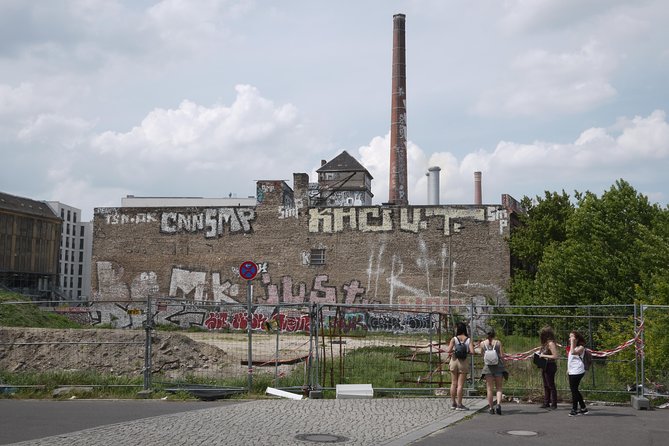
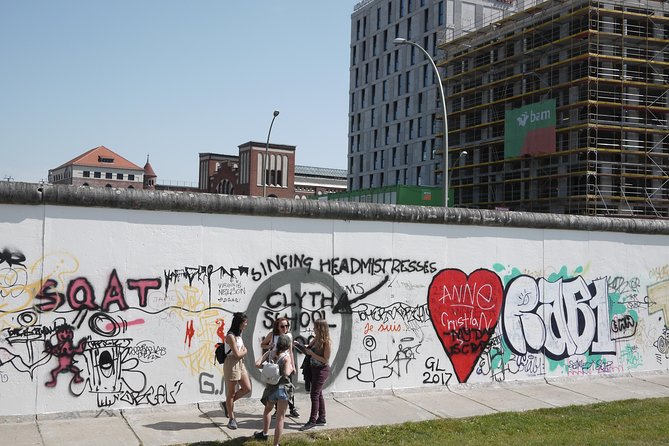
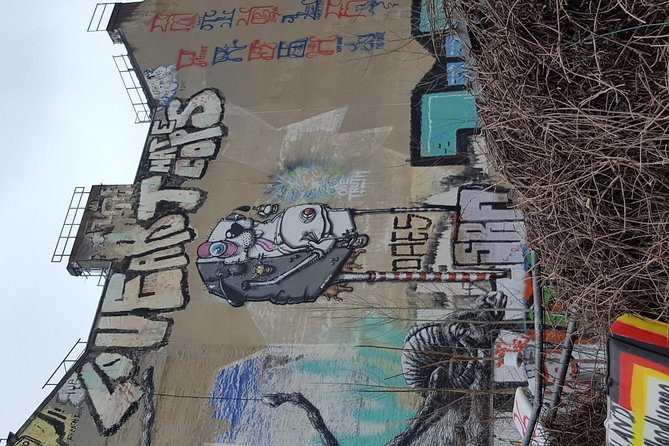
A big part of this tour’s appeal is how it reframes the Berlin Wall beyond the usual postcard approach. You get the history through the lens of neighborhoods and everyday space: squats and community anchors, the logic of dividing lines, and how the city changed around the wall.
From what I look for in Berlin tours, this is the good stuff. When the guide explains the historical anchoring of squats, and connects that to why certain spaces existed, you start understanding the city as a system, not just a set of monuments. The tour also highlights the idea of no-man’s land and why those blocked-off areas mattered. The “story of the space” is often more memorable than another timeline of dates.
You will also hear about how parts of the wall-era landscape shifted over time, including the idea of a green corridor. That is the kind of detail that makes you look at the city differently after the walk ends. It helps you see the physical leftovers of major events, and how people later turned them into something usable.
One more thing I appreciate is that the tour balances “underground” Berlin energy with historical framing. That combination is hard to fake, and it tends to work best when the guide genuinely cares about the city.
More history walks in Berlin



The guide is the headline: Annabelle’s energy and community focus
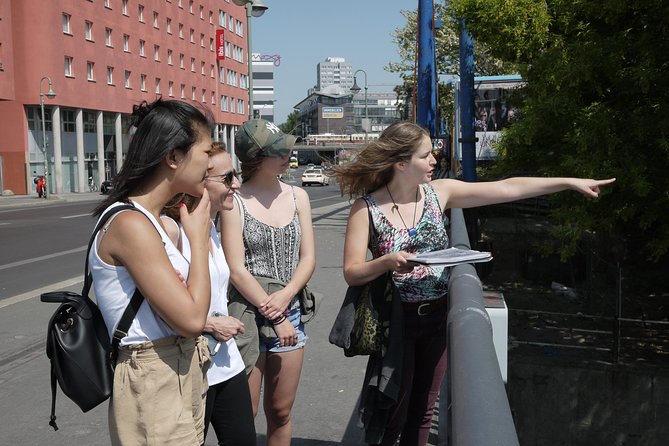
If you care about tours that feel alive, this one hinges on the guide. Annabelle comes through as dynamic and genuinely passionate about Berlin. In a way, that is the biggest value you are paying for: the ability to translate a complex city into understandable stories without turning everything into a lecture.
What I like most in this style is the delivery. You get explanations that sound like they come from lived interest rather than a script. The tour also feels anchored in community, not just buildings. When the guide talks about the community you walk through, it gives you a sense of Berlin as a place where history happened and also continues to shape daily life.
If you want a guide who can connect architectural clues to political events, you are in the right place. Several standout moments come from anecdotes tied to corners of streets and why certain places carried specific meanings during tense periods.
Walking pace, group size, and who it fits best
This is built for people who want a smaller-group experience and prefer street-level learning. With a maximum of 10 travelers, it is easy to follow along and still feel like you have time to actually look around.
The tour is offered in English, so you should expect explanations designed for that audience. It also says most travelers can participate, which usually means it is not aimed only at expert hikers or people with specialized mobility needs.
Service animals are allowed, which is a plus if you travel with one.
The real practical question is weather. The experience requires good weather. If rain or bad conditions are in the forecast, plan to keep your schedule flexible, since the operator may offer a different date or a full refund if it gets canceled due to poor weather. For a walking-and-talking tour, that matters.
Budget reality: what costs extra and what is covered
At $100.93 per person for about three hours, this is not a “cheap and quick” add-on. But it also is not wildly priced for what you get. Here is what is explicitly included: GST is included, and the YAAM admission ticket is included at the first stop.
Snacks are not included. Expect extra money for a drink at the end. That final drink idea is part of the tour’s social rhythm, and it is actually a nice touch. It gives you a natural moment to meet the other small-group participants and share impressions while the stories are still fresh.
My advice: bring some cash or a card for water, a snack, and whatever drink you want at the end. If you are traveling with a tight food budget, plan ahead so you are not forced to choose between hunger and paying for extras.
Where you end at Mariannenplatz, and how to keep the evening going
The tour ends at Mariannenplatz, Mariannenpl., 10997 Berlin-Bezirk Friedrichshain-Kreuzberg. That finishing point is handy because Friedrichshain-Kreuzberg is a popular area for evenings, so you are not stuck at some remote edge of town when the tour ends.
Since you finish near a lively part of Berlin, you can keep your momentum going after the guide turns you loose. If you want to continue with food or a second drink, it is a good location to do it without burning time.
Also, because the tour ends after a drink moment is already built into the flow, you can take it at your pace. If you want to keep socializing, do it. If you want to head out, you are starting from a convenient neighborhood.
The bottom line: should you book this alternative history tour?
Book it if you want Berlin history that is tied to streets, not just set pieces. I especially recommend it if you like learning from someone who can connect the Berlin Wall era to how spaces worked for real people, including community corners and the way the city rewrote itself afterward. The small group size is a big plus, and Annabelle’s energy is clearly part of why this experience lands well.
Skip it, or at least think twice, if you are hunting for classic top-five sights only. This tour aims for less popular places and unusual stops, and the payoff is in that perspective. Also, if you are strongly weather-dependent or hate walking for three hours, you may want a backup plan.
If your schedule can flex and you want a guide-led walk with actual place-based stories, this is the kind of Berlin afternoon that changes how you look at the city afterward.
The Longer History of Berlin
More Painted Walls and Backyards
Everything else we filed on Berlin
- Private Photo Tour in Kreuzberg
★ 5.0 · 3 reviews - Kreuzberg Private Walking Tour: Immigrants, Artists & Hipsters
★ 5.0 · 3 reviews - Berlin’s Jewish Heritage: Private Tour of the Vibrant Jewish District
★ 5.0 · 3 reviews - Individual city tour Berlin for max. 8 persons
★ 5.0 · 3 reviews - Berlin & The Third Reich Private Guided Tour
★ 5.0 · 3 reviews - Private Analogue Photography Experience in Berlin
★ 5.0 · 3 reviews
Street Art and Alternative City Tours, side by side.
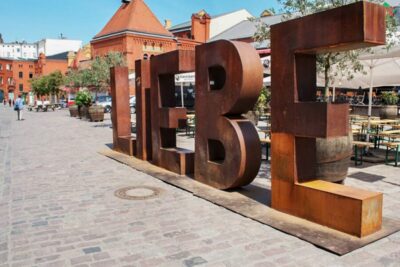 ★ 4.6Berlin: Alternative Berlin Walking TourFrom $291,204 reviews
 ★ 4.8Berlin: City Street Art Guided Walking TourFrom $23886 reviews
 ★ 4.7Berlin: 3-Hour Street Art TourFrom $23778 reviews
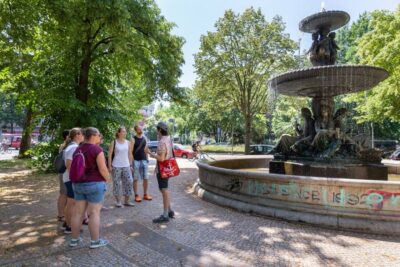 ★ 4.5Kreuzberg: Culinary Food TourFrom $589770 reviews
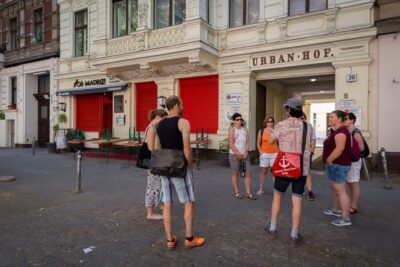 ★ 4.7Berlin: Kreuzberg Guided Walking Evening TourFrom $27555 reviews
 ★ 4.7Berlin: Alternative Bike Tour of Kreuzberg & FriedrichshainFrom $41548 reviews
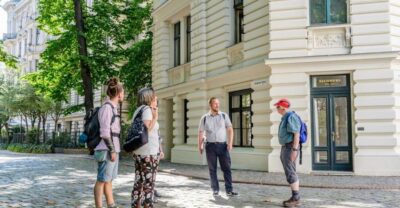 ★ 4.9Berlin: 2.5-Hour Walking Tour through Kreuzberg 61From $23525 reviews
 ★ 5.0Berlin Off-the-Beaten-Path Walking Tour: Kreuzberg, Mitte and FriedrichshainFrom $30412 reviews
Other lists this tour is on