
REVIEW · HISTORICAL TOURS
Berlin Historical Highlights Walking Tour
Berlin makes history walkable. I like how this route links big sights to the stories behind them, and I especially love the small-group guiding that turns famous landmarks into something you can actually picture. Expect a tight, thoughtful visit plan: Holocaust Memorial reflection time is built in, and the stops around the Berlin Wall, Checkpoint Charlie, and the Humboldt Forum help you understand how the city changed. One thing to consider is that this is a lot of walking in winter or summer, even when the guide may use the metro if weather gets difficult.
Guides matter here. Names I’ve seen mentioned include Paul, Jean Charles, Céline, and Paolo, and the common thread is how they make the walk feel manageable by explaining what you’re looking at and what to notice next. If you hate cramming, you might want a slower pace on your own after this tour.
In This Review
- Key points to know before you go
- Why Potsdamer Platz to Museum Island is the smartest kind of Berlin walk
- Potsdamer Platz: where Berlin’s modern reset begins
- Brandenburg Gate and Unter den Linden: a grand stage you can read
- The Berlin Wall story, then Topography of Terror
- Checkpoint Charlie: Cold War theater explained without the drama
- Hitler’s bunker area and the WWII scars you can’t unsee
- Holocaust Memorial: time to stop, not just time to look
- Reichstag, Bebelplatz, and Museum Island: the cultural spine of the city
- Humboldt Forum: the ending stop that makes Berlin feel whole again
- Price and logistics: when $389 per group makes sense
- Who should book this tour, and who should choose a different pace
- Should you book Berlin Historical Highlights?
- FAQ
- Where does the tour start?
- How long is the Berlin Historical Highlights walking tour?
- What is the price for this tour?
- What’s included in the price?
- Is public transport included?
- Do I need to bring anything?
- What languages are the guides available in?
- Is the tour wheelchair accessible?
- Can the tour pick you up from a hotel?
- What happens at the end of the tour?
Key points to know before you go
- 3 to 6 hours of “see and understand” history, built around a logical central Berlin route.
- Potsdamer Platz to the Museum Island area, so you start modern and end in the grand cultural core.
- Heavy stops get time, including the Holocaust Memorial and multiple WWII and Cold War sites.
- Checkpoint Charlie experience, with Cold War symbolism explained in plain language.
- Small group feel, plus guides who keep you oriented so the walking doesn’t feel like effort.
- Winter weather handling, with at least some flexibility to take the metro if conditions are rough.
Other walking routes through Berlin
- Berlin: Third Reich and Cold War 2 Hour Walking Tour★ 4.9 · 6,830 reviews
- Berlin: Discover Berlin Walking Tour★ 4.9 · 5,998 reviews
- Berlin’s Best: 2 Hour Walking Tour Third Reich and the Cold War★ 5.0 · 5,486 reviews
- Berlin: Hidden Backyards Guided Walking Tour★ 4.8 · 5,360 reviews
Why Potsdamer Platz to Museum Island is the smartest kind of Berlin walk
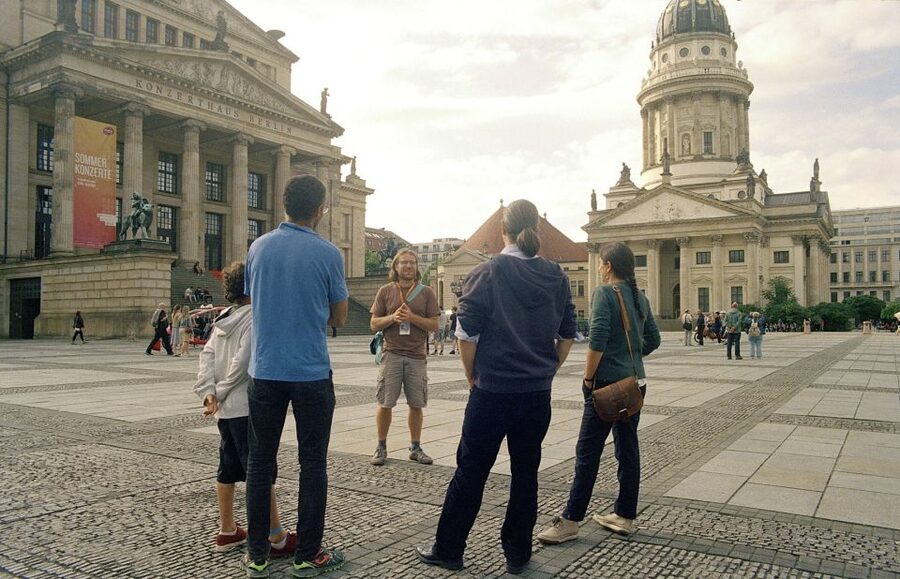
This tour is built like a timeline you can walk. You start at Potsdamer Platz, where Berlin shows its modern face, then you move toward the places that explain what happened when the city was divided, occupied, and rebuilt. That order matters, because you’re not just ticking off monuments. You’re learning how Berlin’s center got remade over and over.
I like that the guiding is front and center. The tour is guide-led (no self-guided wandering), and the focus is on telling stories you can connect to what’s in front of you. In the reviews, the guides are repeatedly praised for making the walk easier to handle through clear explanations, even in cold weather. That’s a big deal in Berlin, where “easy walking” can still mean long stretches.
Practical reality check: it’s designed to be done on foot, so bring comfortable shoes. The route can stretch depending on weather, and you may take the metro during the tour if conditions are hard. If you’re the type who needs lots of breaks, plan extra time after the tour to slow down on your own.
Potsdamer Platz: where Berlin’s modern reset begins
The walk starts at Potsdamer Platz, and that opening choice sets you up well. This is one of the easiest places to understand the city’s “after” story, because Potsdamer Platz is part of Berlin’s post-division redevelopment. You get a short guided introduction, then the tour pushes you toward older layers.
This is also a practical starting point for meeting, especially since meeting points can vary by option. If you choose hotel pickup, you’ll wait in the lobby about 10 minutes before pickup time. That can be convenient if you’re staying centrally and don’t want to figure out the meeting logistics in a busy area.
Quick tip: even if the tour uses walking, Berlin is huge, and you don’t want to waste time getting lost afterward. The tour suggests having a day public transport ticket for the AB zones. That’s a smart move because the tour ends at a drop-off in the center near Unter den Linden.
Brandenburg Gate and Unter den Linden: a grand stage you can read
One of the tour’s anchors is the Brandenburg Gate. The schedule includes a guided stop with a break time later, so you can actually stand back and look instead of just rushing past. It’s one of those places where a short explanation completely changes what you notice, because the Gate isn’t just a photo spot. It’s a symbol tied to different eras and different political moods.
You’ll also spend time walking around Unter den Linden, which gives you a feel for Berlin’s main ceremonial boulevard. That matters because Berlin’s power and politics have always played out through big, formal spaces. Standing in the middle of that kind of street helps your brain connect the landmarks you’ll see later, like government buildings and memorials.
Drawback to consider: the Brandenburg Gate area is popular. Even with a guided visit, it can feel busy. If you’re sensitive to crowds, the extra break time can still help you get a moment to breathe, but don’t expect solitude.
The Berlin Wall story, then Topography of Terror
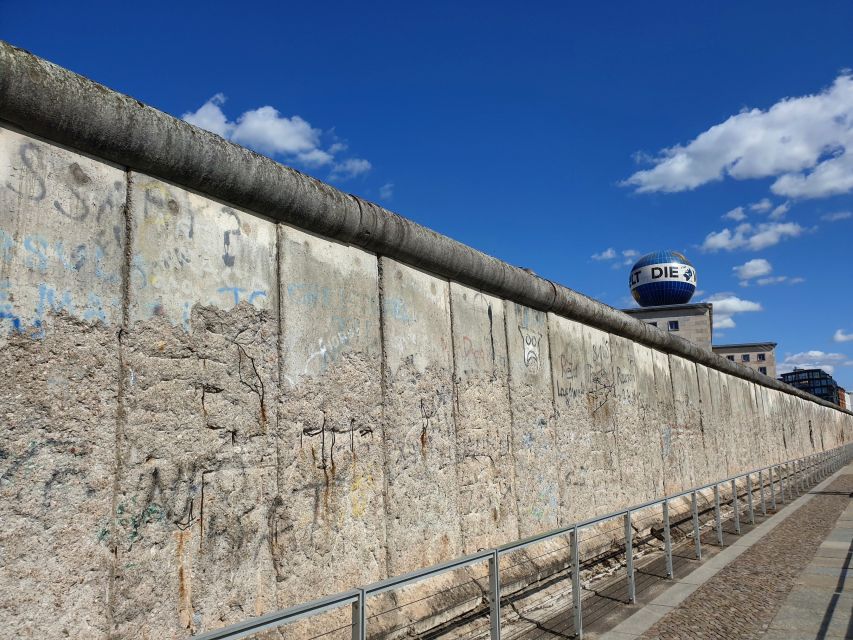
A major early section focuses on the Berlin Wall, with a guided visit nearby and then a shift into WWII and Nazi-era accountability through Topography of Terror. The tour moves quickly, but it’s not just “here’s the wall.” It’s about showing you how the city’s division was enforced, and how that enforcement shaped daily life.
Topography of Terror is a heavy stop, and you should treat it that way. The guided portion is short, so you’re not getting a book-length lesson. Still, a guide’s role here is important, because without context you can miss what the site is trying to communicate. You’re there to understand the machinery of terror, not just to look at historic buildings.
If you want to linger on your own, plan for that after the tour. The tour tempo is designed to cover more ground, so your best strategy is to use the guided time for orientation, then return later if you want deeper reading.
More history walks in Berlin
Checkpoint Charlie: Cold War theater explained without the drama
Checkpoint Charlie is one of the most recognizable symbols of the Cold War, and the tour gives it focused attention. You’ll get a guided visit that’s meant to make the symbolism click, not just point to a famous name.
What I like about this stop is that it’s easy to turn it into a shallow “photo and move on” moment. A good guide prevents that. The goal is to show you how border control, surveillance, and propaganda shaped Berliners’ choices and fears during division. When you connect that to the Berlin Wall section earlier, Checkpoint Charlie feels less like a standalone attraction and more like part of a system.
Time note: the guided visit is brief. If you want more than one angle, take a quick look at the surroundings during the walk and save longer exploration for later with transit.
Hitler’s bunker area and the WWII scars you can’t unsee
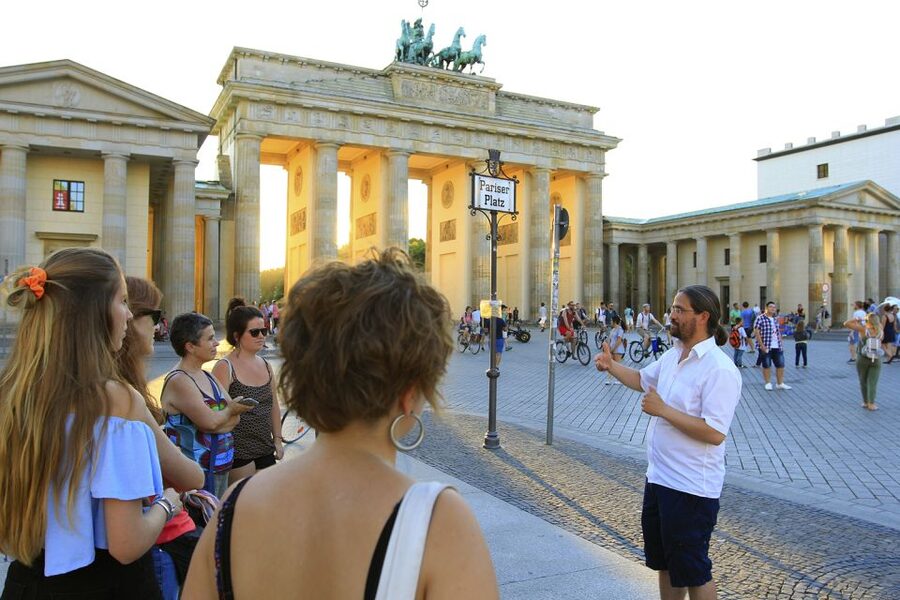
The tour includes a stop for Hitler’s bunker area. That’s another heavy topic, and you’ll likely feel it. The guided portion is short, but it’s positioned within the broader arc of Berlin’s 20th-century story, from Nazi power to war devastation and then division.
A helpful way to think about this stop is as “context, not completion.” The guide is there to help you understand why that location matters. You’re not meant to become a WWII expert in 10 minutes. You are meant to recognize what Berlin carried through the end of the war and what got rebuilt afterward.
If you’re traveling with kids or with someone who gets overwhelmed by dark history, this is the moment to plan extra compassion. There’s no wrong way to experience it, but it is intense.
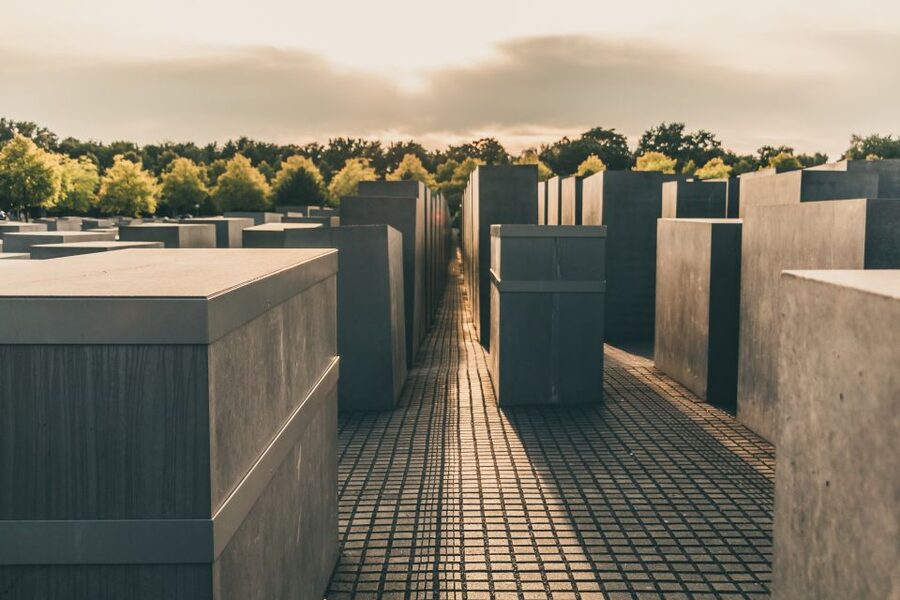
Holocaust Memorial: time to stop, not just time to look
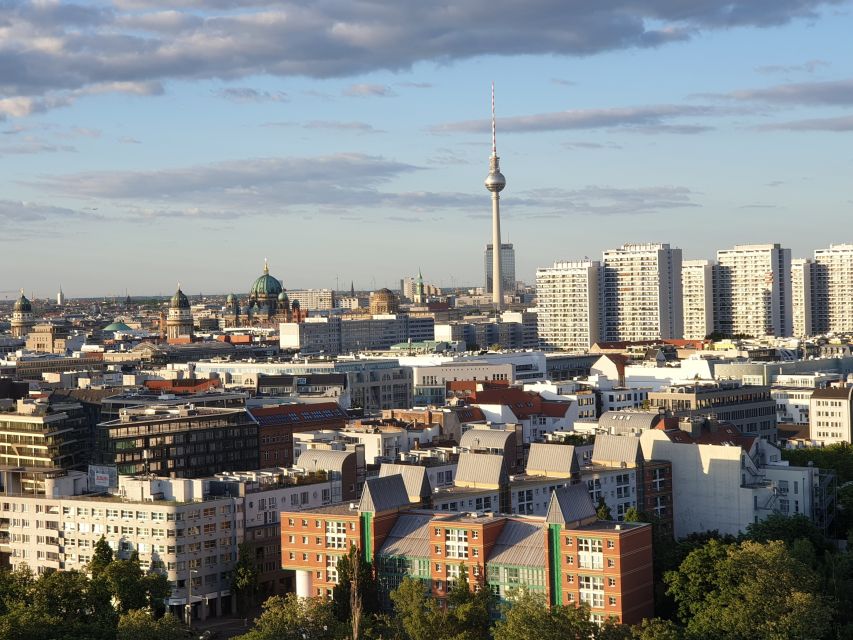
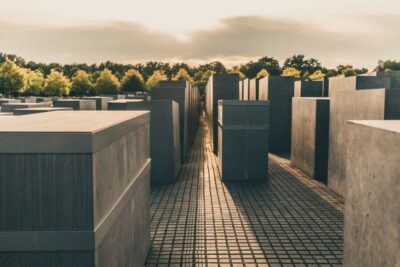
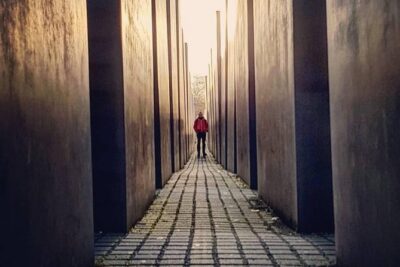
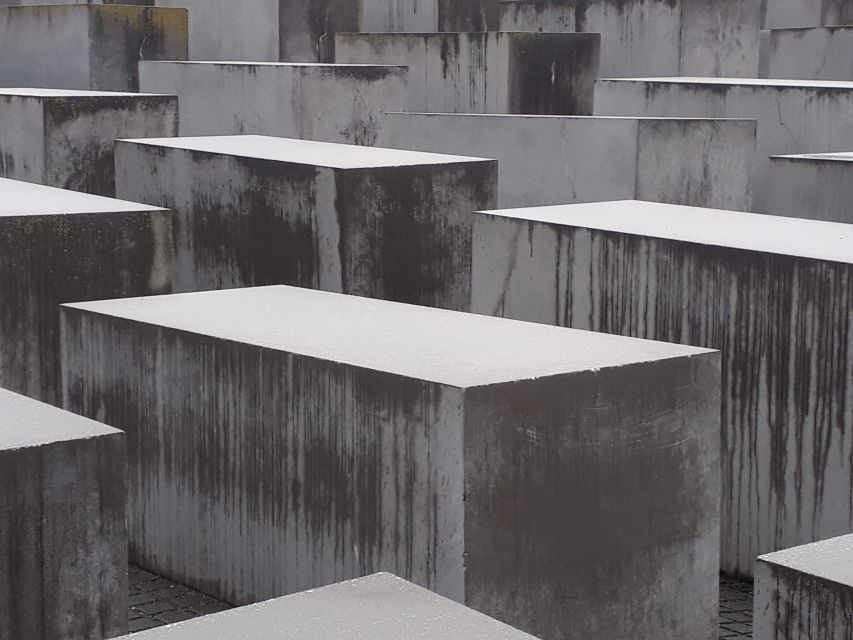
One of the tour’s best choices is how it treats the Holocaust Memorial. You get guided time here, and the schedule allocates enough minutes for you to actually slow down. This is not a quick snap-and-go stop.
I like that the tour frames it as reflection. A guide’s explanation can help you understand what you’re looking at and why it was designed the way it was, but your job is to take the pause seriously. Even if you consider yourself a fast walker through sights, this is where you should stop thinking like a tourist and start thinking like a human.
Downside to keep in mind: since the tour is time-managed, you can’t linger as long as you might want in a solemn space. If this memorial is especially important to you, plan one separate visit later when you can control your pace.
Reichstag, Bebelplatz, and Museum Island: the cultural spine of the city
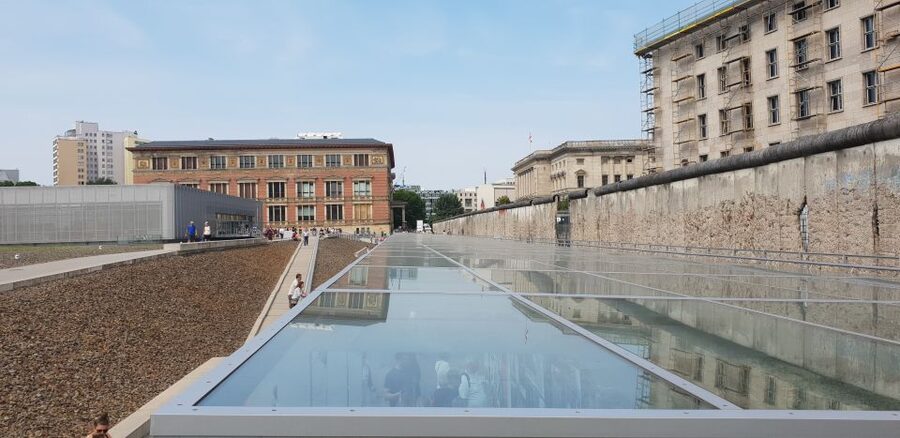
After the memorials and division-era stops, the tour shifts back toward Berlin’s institutional landmarks. You’ll see the Reichstag with guided context, then move toward Bebelplatz and Museum Island.
The Reichstag stop works well in a timeline sense. You’ve just learned about conflict, persecution, and division. Then you look at Germany’s parliament and you can feel the contrast between political ideals and political realities. Even a short guided look helps you spot architectural and symbolic clues.
Bebelplatz is another smart addition because it’s a place where history sits in urban space, not behind a fence. The guided visit helps you understand what happened here and why it matters for Berlin’s story.
Then you reach Museum Island, one of Berlin’s major cultural centers. The guided portion keeps it moving, but you’ll get a sense of why this area became so important, and how the city’s identity was shaped through art and scholarship.
The only real drawback: museum-area walking can feel like “passing through” if you expected long interior time. This tour is about seeing and understanding key exteriors and major settings, not going deep into museum galleries.
Humboldt Forum: the ending stop that makes Berlin feel whole again
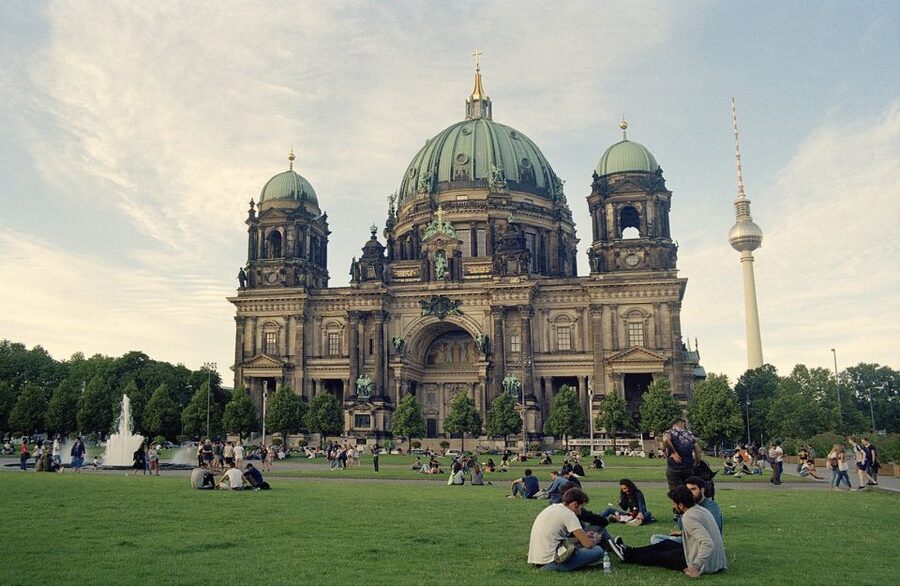
The final highlighted stop is the Humboldt Forum. You get a guided look here that ties the cultural side of Berlin back into the whole story. After division and dark chapters, ending near a major modern cultural institution helps you see how Berlin rebuilt its public life.
The value of this ending is momentum. When a tour finishes in the Museum Island cultural zone, you’re positioned to keep going. You can grab food nearby, visit nearby sights on your own, or simply revisit the places that grabbed you most.
One more practical thing: the tour includes a drop-off in the center near Unter den Linden 5. That makes it easier to keep exploring without needing a complicated transfer.
Price and logistics: when $389 per group makes sense
The price is $389 per group up to 6, with 3 to 6 hours of time on the ground. That means your cost per person can be very reasonable if you’re splitting with friends or family. If you fill the group, you’re likely closer to a lower per-person figure than many solo-priced tours in major European capitals.
What you’re buying here is not just access to sights, it’s context. Berlin has monuments at almost every corner, and a guide helps you sort what matters and why. If your priority is to understand Berlin’s split-city story without spending hours researching on your own, the guide-led structure can feel like good value.
Logistics you should plan for:
- Public transport ticket not included, and Berlin is huge. The tour recommends a day ticket for AB zones to reach the meeting point and continue afterward.
- Duration runs 3 to 6 hours, so build buffer time around your day.
- The tour is wheelchair accessible, and pickup can be optional if you coordinate with the provider in advance.
Who should book this tour, and who should choose a different pace
This tour is a strong fit if you want a guided route through Berlin’s most important historical signals: division, Cold War symbolism, WWII aftermath, and memorial reflection, followed by the cultural core around Museum Island and the Humboldt Forum.
You’ll probably love it most if:
- You’re visiting for the first time and want orientation fast.
- You enjoy stories tied to landmarks, not just standing in front of them.
- You’re okay with a brisk walking day, with the guide helping you keep your bearings.
You might skip or adapt the plan if:
- You prefer slower, museum-heavy days.
- You want lots of interior time, because this tour is mostly about guided exterior stops and brief visits.
- You are extremely sensitive to dark history and need long recovery breaks built into the schedule.
Should you book Berlin Historical Highlights?
If your goal is to understand Berlin’s turning points without wasting time, I think it’s worth booking. The biggest strength is the human one: guides like Paul, Jean Charles, Céline, and Paolo are repeatedly praised for making the walk feel manageable and the landmarks make sense. That combination matters in a city where it’s easy to feel overwhelmed.
If you’re choosing between this and a pure sightseeing day, I’d pick this one. It’s structured to connect the dots between Potsdamer Platz, the Wall and Cold War sites, serious memorial moments, then ends in the Museum Island and Humboldt Forum area where Berlin’s present-day identity comes back into view.
Book it if you can handle a guided walking pace and you want clarity, not just photos.
FAQ
Where does the tour start?
The tour starts at a meeting point that may vary depending on the selected option. The pickup location depends on whether you choose optional pickup.
How long is the Berlin Historical Highlights walking tour?
The duration is listed as 3 to 6 hours. The route described starts with a 3-hour walking tour framework.
What is the price for this tour?
The price is $389 per group for up to 6 people.
What’s included in the price?
The guide is included.
Is public transport included?
No. A public transport ticket is not included.
Do I need to bring anything?
Wear comfortable shoes. The tour involves walking.
What languages are the guides available in?
Live tour guides are available in French, Italian, Spanish, and English.
Is the tour wheelchair accessible?
Yes. The tour is wheelchair accessible.
Can the tour pick you up from a hotel?
Pickup is optional. If you choose it, you should wait in the hotel lobby about 10 minutes before your scheduled pickup time, and you should contact the provider some days before the tour to discuss details.
What happens at the end of the tour?
The tour has drop-off locations, including Berlin, Unter den Linden 5, 10117 Berlin, Deutschland. The tour does not end at the meeting point.
The Longer History of Berlin
Pavements of Berlin
Everything else we filed on Berlin
- East Berlin: City of Shadows Walking Tour
★ 5.0 · 11 reviews - Berlin: Die Stachelschweine – Frank Lüdecke – Träumt Weiter
★ 4.7 · 11 reviews - Potsdam Day Trip from Berlin with a Local: Private & Personalized
★ 4.0 · 11 reviews - An Introduction to Berlin Walking Tour
★ 5.0 · 11 reviews - DJ for a Day: Learn to Mix Like a Pro in Berlin
★ 5.0 · 11 reviews - 2-H Segway Sightseeing Tour Berlin
★ 4.5 · 11 reviews
Historical Tours, side by side.
 ★ 4.7Leipzig: City History Canal Sightseeing Tour on a MotorboatFrom $186,232 reviews
 ★ 4.6Berlin: Natural History Museum Entrance TicketFrom $123,382 reviews
 ★ 4.7Leipzig: 1.5-Hour Historical Walking Tour in GermanFrom $172,217 reviews
 ★ 4.5Berlin: World Heritage Cruise to PotsdamFrom $251,435 reviews
 ★ 4.7Heidelberg: Night Watchman Historic Adventure TourFrom $3051,186 reviews
 ★ 5.0The Local Tour of Hamburg Historic CentreFrom $31,058 reviews
 ★ 4.8Elbfloren: Historical city tourFrom $15819 reviews
 ★ 4.6Bamberg: Guided Beer History Tour with Optional TastingFrom $21772 reviews
Other lists this tour is on