
REVIEW · FOOD
Berlin: Disgusting Food Museum Entry Ticket and Tasting
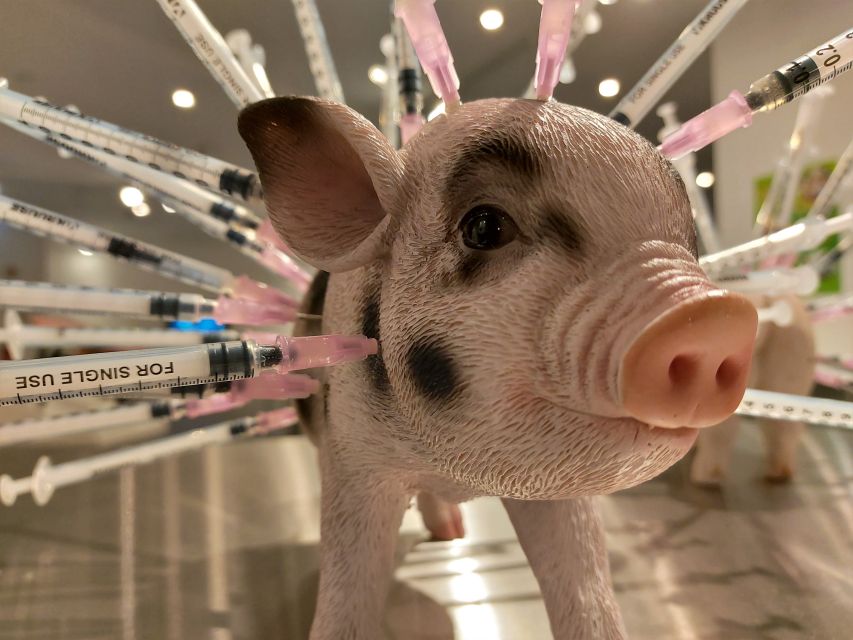
If you can handle the weirdest foods, you will enjoy this. Berlin’s Disgusting Food Museum turns shock value into a real conversation about nutrition and what we choose to eat. I like the way it mixes classic gross-out items, like stinky fish, worms, and mite cheese, with bigger questions about how food is produced and where our preferences come from. The one drawback: some content may be genuinely uncomfortable, depending on your limits.
My second big win is the Tasting Bar, where you get small “disgusting” samples instead of just staring at displays. I also appreciate the museum’s scale, because it is not huge, yet it still covers plenty of exhibits and keeps the presentation moving. Just plan for strong smells, since the experience can be very odor-focused.
In This Review
- Key Highlights You Should Know Before You Go
- 90 Disgusting Foods, But With a Point
- Entering the Museum and Finding Your Pace
- The Exhibits: Worms, Mite Cheese, Stinky Fish, and More
- The Hall of Fame Challenge (Yes, It’s Supposed to Be Hard)
- The Tasting Bar: Small Samples, Big Personal Feedback
- Discussions About Food Production and What We’ll Eat Next
- Price and Value: Why $20 Can Be a Fair Deal
- What to Bring, What to Expect, and How to Stay Comfortable
- Who This Is Best For (And Who Might Want to Skip)
- Should You Book the Disgusting Food Museum in Berlin?
- FAQ
- How many exhibits are included in the visit?
- What is included in the $20 entry ticket?
- Is there a tasting during the visit?
- How long is the experience?
- Do I need to arrive at a specific time?
- What should I bring with me?
- Is the museum wheelchair accessible?
- Will the exhibition content be uncomfortable?
- What is the cancellation policy?
Key Highlights You Should Know Before You Go
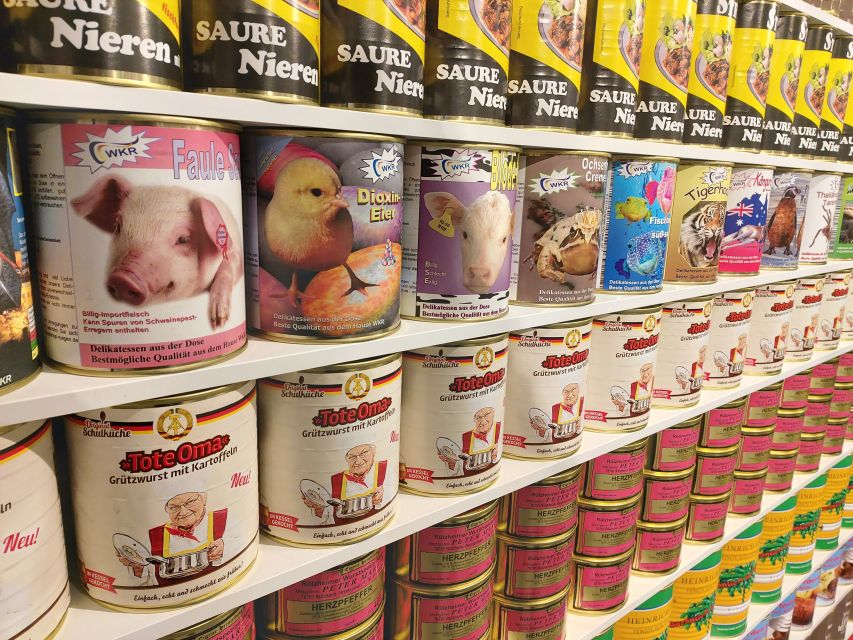
- 90 food exhibits from around the world, built for a full 1-day visit
- Tasting Bar samples included with your entry ticket, so you can test your own limits
- Hall of Fame challenge that feels serious, even if the museum is not large
- Food and nutrition lessons that connect disgust to real-world habits
- Discussions about today’s food choices and tomorrow’s future
More forks and glasses around Berlin
- Berlin Center Food Tour with 8+ Authentic Local Tastings★ 5.0 · 1,227 reviews
- Berlin City Bike Tour with Beer Garden Stop★ 5.0 · 917 reviews
- Kreuzberg: Culinary Food Tour★ 4.5 · 770 reviews
- Berlin: BRLO BRWHOUSE Tour and Craft Beer Tasting★ 4.4 · 654 reviews
90 Disgusting Foods, But With a Point
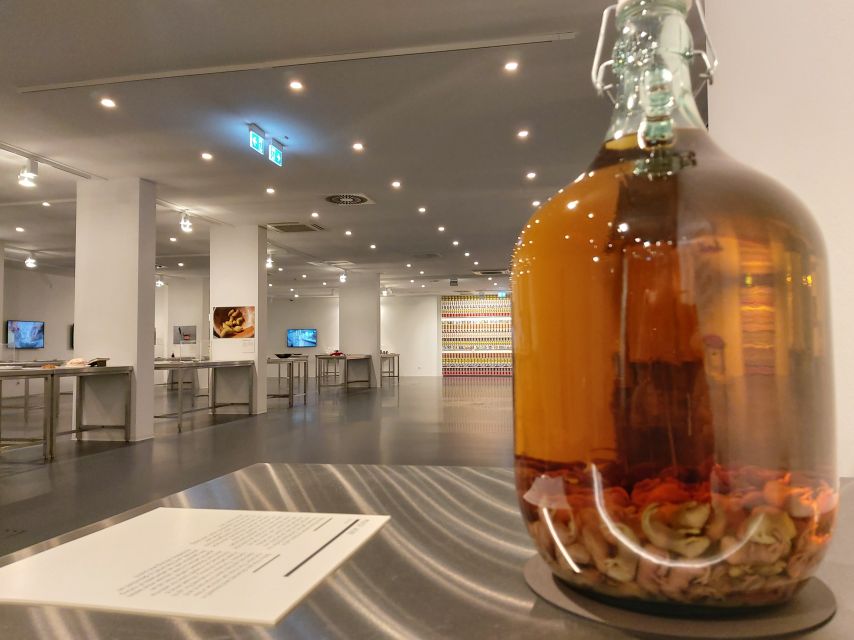
This is not a museum that wants you to laugh and leave. It wants you to notice how food can make us judge, recoil, and then rethink. You will walk through more than 90 exhibits that frame “disgust” as a clue to culture, biology, and the way food systems work.
I like that it gives you multiple angles at once. You get the obvious shock factor, then you get the nutrition angle, and then you get the future angle. That combination is why this feels more than a one-note gag.
Entering the Museum and Finding Your Pace
Your ticket is valid on the date and time you book, so you can show up and start right away at the Disgusting Food Museum Berlin. The experience is designed to be a self-paced visit within that day, with tastings and discussion spots built into the flow.
Because the museum experience includes content that may be uncomfortable, I recommend you set your own pace before you even begin. If you are smell-sensitive, take breaks between exhibit clusters and step out of tight spaces when you need air.
A small practical note: transportation is not included, so you will need to plan your own way to the museum. If you are walking, consider leaving a little buffer time so you can settle in instead of rushing when your senses are already on alert.
The Exhibits: Worms, Mite Cheese, Stinky Fish, and More
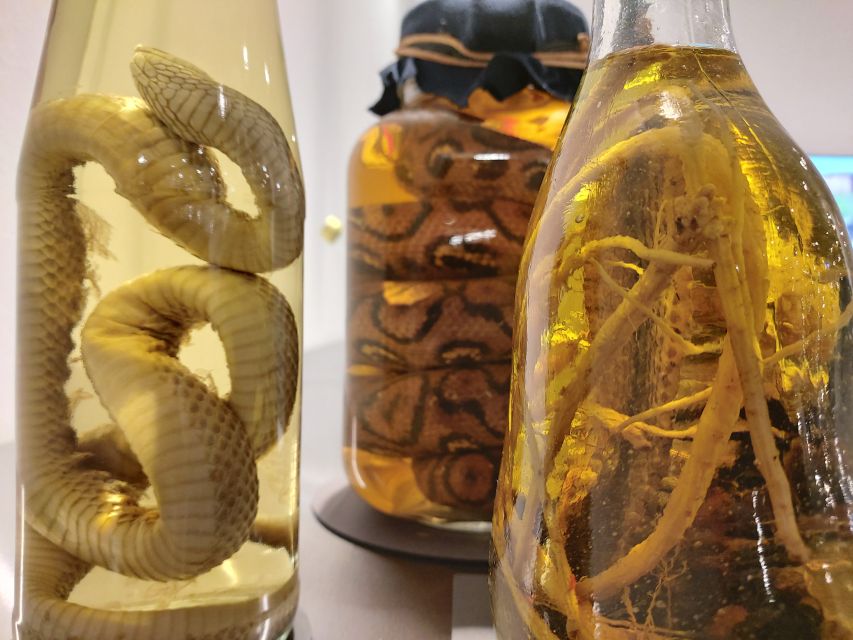
You can expect a lineup of foods that people often reject, but that others genuinely eat. The museum highlights examples like mouse wine, mite cheese, stinky fish, and worms. You will see exhibits that frame why these foods exist, how they connect to nutrition, and why your brain might label them as gross even when they are part of someone else’s diet.
The best part is that it does not treat disgust as a dead end. It treats it as a question. Why does one person react and another treat the food as normal? How does nutrition differ across cultures? What does food preference do to health and access?
The Hall of Fame Challenge (Yes, It’s Supposed to Be Hard)
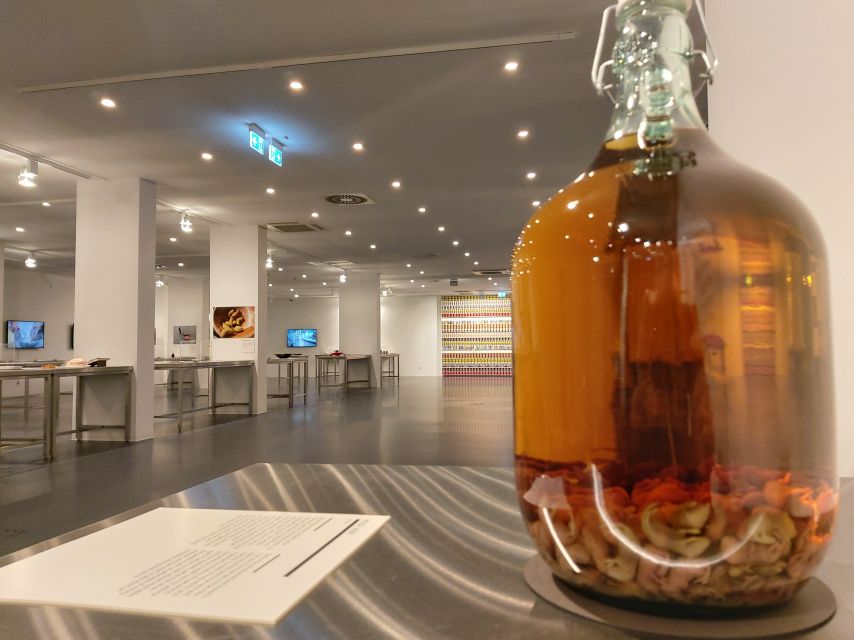
One of the most mentioned experiences here is the Hall of Fame challenge. People describe it as hard, and I can see why that energy matters. This is the museum nudging you from spectator mode into participant mode.
Even if you do not plan to challenge yourself to the limit, the presence of a structured “Hall of Fame” moment changes how you move through the place. It encourages you to think: what am I willing to try, and why?
If you like interactive activities, this will likely be a highlight. If you want everything to stay strictly visual, the Hall of Fame energy might feel like pressure. That does not mean you have to do it all, but you should know it exists.
More collections to walk through in Berlin




The Tasting Bar: Small Samples, Big Personal Feedback
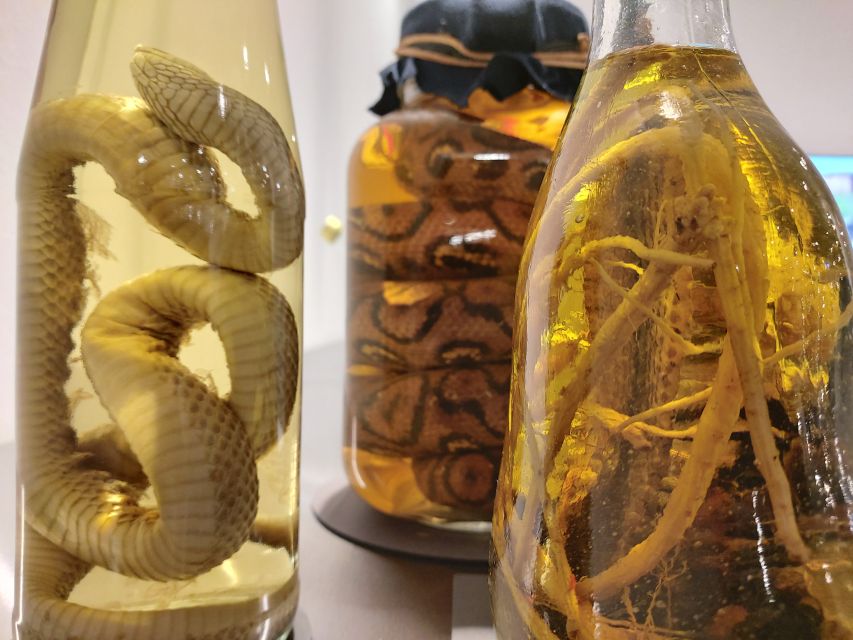
The ticket includes small disgusting samples at the museum’s Tasting Bar, and this is where your visit becomes personal. This is not a full buffet. You get small portions, so you can test different textures, flavors, and after-notes without committing to a heavy meal.
I love this format because it respects limits. You can decide on the spot whether a sample is a curiosity you want, or a stop sign for you. And since the museum is built around disgust and nutrition, each tasting becomes a mini lesson in how your preferences work.
How to make it work for you:
- Start with one or two samples, then reassess before going further.
- Use the pacing option built into a 1-day visit, meaning do not rush tastings right at the start.
- If you are learning how you react to strong smells, slow down. Odor can be the first barrier, and it is okay to take breaks.
Discussions About Food Production and What We’ll Eat Next
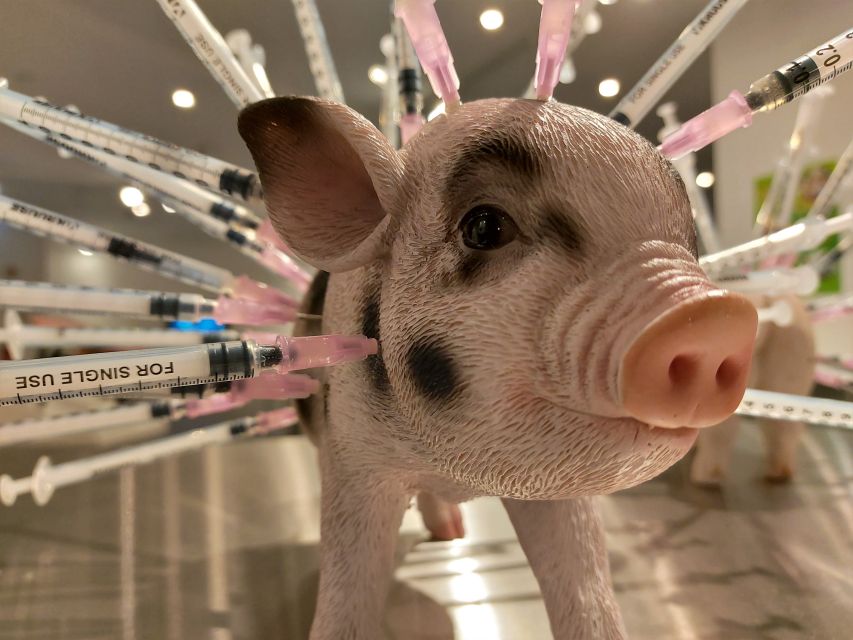
A big part of the experience is not just tasting. You can join discussions about food and current issues. The museum pushes you to think about food production, the consequences of certain food preferences, and what we might be eating in the future.
This is valuable because it connects the gross stuff to real decisions. “Disgusting” foods are often tied to availability, sustainability questions, and cultural acceptance. When you hear the conversation in the context of exhibits, the museum stops feeling like shock theater and starts feeling like a debate starter.
I also like the way it handles uncertainty. It does not force one moral answer. It encourages you to ask questions and look for the logic behind nutrition choices.
Price and Value: Why $20 Can Be a Fair Deal
At $20 per person, this is priced like a mid-range museum ticket, and the value depends on what you want from a museum visit. If you want a passive, picture-taking experience, $20 might feel like a lot. If you want an interactive, thought-provoking day, it starts to make more sense.
Here is the value math that matters:
- You get entry into exhibits covering 90 foods.
- Your ticket includes tastings at the Tasting Bar.
- The time investment is a full 1 day, not just a quick stop.
So you are paying for both curiosity and participation. For many people, the included tastings are the tipping point that turns the visit from “interesting” into “I did something with it.”
What to Bring, What to Expect, and How to Stay Comfortable
Bring a credit card. That’s the only item the museum lists as required, and it is a simple one.
Next, take seriously this heads-up: some of the exhibition content may be uncomfortable for some people. That includes both visual content and the tasting component. If you have a sensitive stomach or strong reactions to animal-based or insect-based foods, you should plan a cautious approach.
Also, the museum is wheelchair accessible, so you should feel welcome to plan your route for comfort. Just note that a museum focused on smell and taste can still be challenging for some sensory needs, even when physical access is available.
Finally, keep in mind that the museum is not described as massive. People mention it is not large, and that matters because it means you can finish in one day without feeling trapped. You can also choose to linger around parts that interest you most and skip what you already know will upset you.
Who This Is Best For (And Who Might Want to Skip)
This is a great fit if you:
- like museums that ask questions, not just repeat facts
- enjoy hands-on experiences, especially the tasting format
- can handle strong smells and gross-out themes without panicking
- want a day in Berlin that feels different from the usual monuments and galleries
It may be a rough fit if you are:
- easily disturbed by challenging food content
- looking for a gentle, purely educational museum day with no sensory surprises
- expecting a traditional museum with quiet rooms and low stimulation
One more thought: this place works best when you treat it as a personal experiment. You are not trying to prove you can be brave. You are trying to understand why you react the way you do.
Should You Book the Disgusting Food Museum in Berlin?
If you like being surprised and you want your visit to include real tastings, I think you should book this. The combination of 90 exhibits plus the Tasting Bar plus the food and future discussions makes it feel like a full experience, not a gimmick.
I would hesitate only if you know you cannot handle content that may be uncomfortable, or if you strongly dislike strong odor experiences. But if you are curious, you will likely leave with new perspective on nutrition, culture, and what we accept as food.
FAQ
How many exhibits are included in the visit?
The museum experience includes over 90 diverse food exhibits from around the world.
What is included in the $20 entry ticket?
Your ticket includes museum entry plus small disgusting samples at the Tasting Bar.
Is there a tasting during the visit?
Yes. The Tasting Bar offers small samples, and tastings are included with your entry ticket.
How long is the experience?
The experience is listed as valid for 1 day.
Do I need to arrive at a specific time?
Your entry ticket and tastings are valid on the date and time you book, so you should plan to start at that scheduled time.
What should I bring with me?
You should bring a credit card.
Is the museum wheelchair accessible?
Yes, the activity is wheelchair accessible.
Will the exhibition content be uncomfortable?
Some content may be uncomfortable for some people. If you have strong sensitivities to unusual foods, plan accordingly.
What is the cancellation policy?
Free cancellation is available up to 24 hours in advance for a full refund.
Museums Worth the Queue in Berlin
Plates and Steins in Berlin
Everything else we filed on Berlin
- East Berlin: City of Shadows Walking Tour
★ 5.0 · 11 reviews - Berlin: Die Stachelschweine – Frank Lüdecke – Träumt Weiter
★ 4.7 · 11 reviews - Potsdam Day Trip from Berlin with a Local: Private & Personalized
★ 4.0 · 11 reviews - An Introduction to Berlin Walking Tour
★ 5.0 · 11 reviews - DJ for a Day: Learn to Mix Like a Pro in Berlin
★ 5.0 · 11 reviews - 2-H Segway Sightseeing Tour Berlin
★ 4.5 · 11 reviews
Food, side by side.
 ★ 4.7Hamburg: Elbphilharmonie Plaza and HafenCity Food TourFrom $691,711 reviews
 ★ 4.5Bavarian Beer and Food Evening Tour in MunichFrom $871,575 reviews
 ★ 5.0Berlin Center Food Tour with 8+ Authentic Local TastingsFrom $1181,227 reviews
 ★ 4.5Munich: Viktualienmarkt Food TourFrom $501,127 reviews
 ★ 4.7Munich: Beer and Food Tour with Dinner & Oktoberfest MuseumFrom $841,086 reviews
 ★ 4.5Kreuzberg: Culinary Food TourFrom $589770 reviews
 ★ 4.6Cologne: Südstadt Guided Foodie Walking TourFrom $589624 reviews
 ★ 4.5Berlin: Mitte Culinary Food TourFrom $57447 reviews
Other lists this tour is on