
REVIEW · HISTORICAL TOURS
Berlin Uncensored: A History of Sex & Freedom
Berlin’s sex story is on the streets. This 3.5-hour tour connects ideas about freedom, sex science, and identity to real Berlin locations, from Nollendorfplatz to today’s club culture. I love that the guide, Jeff, is a sociologist and certified sex educator who makes room for questions. I also like the hands-on approach with AR visuals, plus Mixies photo moments you can keep.
One thing to consider: this is an adult-focused topic and the tour is for ages 18+, so if you want a purely light nightlife stroll, this one may feel heavy in parts.
In This Review
- Key highlights worth your time
- Why this tour feels different from a typical Berlin walk
- Your guide Jeff, and why the tone is part of the value
- Tour length, meeting point, and what you should plan for
- Nollendorfplatz and Berlin nudism (FKK): freedom, not just bodies
- Magnus-Apotheke and Magnus Hirschfeld’s sex-science breakthrough
- The Monument to Homosexuals Persecuted Under National Socialist Regime
- Kurfürstenstraße and the pre-Nazi nightlife economy
- Schwerinstraße 9, lesbian community, and Toppkeller
- Christopher Isherwood’s Berlin addresses and the Cabaret connection
- Denns BioMarkt and the Eldorado Club before the crackdown
- After the Wall: the memorial and how East vs West shaped sex culture
- Nollendorfplatz again and Berlin’s current sex-positive nightlife scene
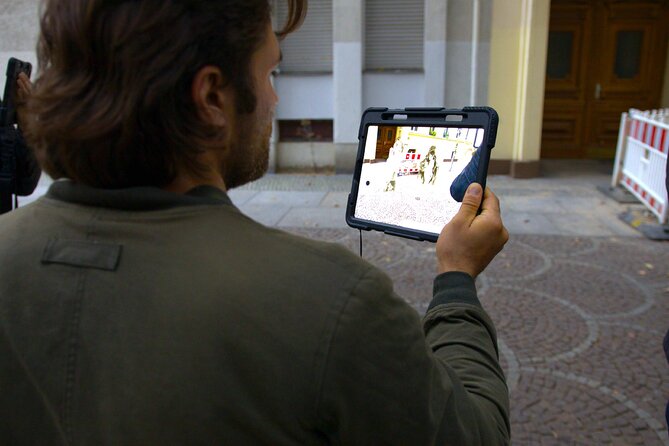
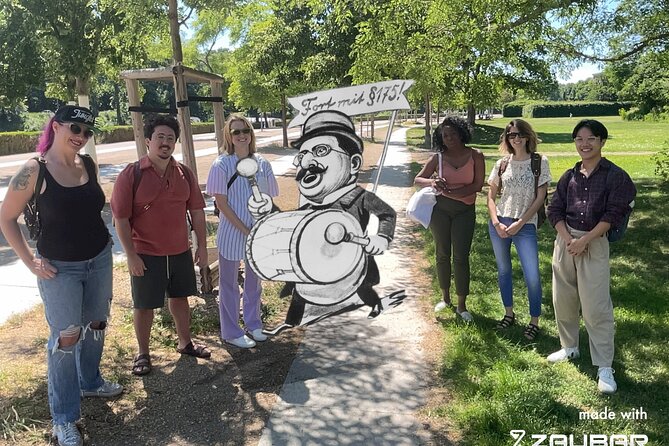
- AR, Mixies photos, and the “why” behind the extra tech
- Who should book this tour, and who should skip it
- Value check: what $82.90 buys you
- Should you book Berlin Uncensored?
Key highlights worth your time
- Jeff’s guided, question-friendly style makes the subject feel safer and clearer, not awkward or lecture-like
- Small group size (max 10) keeps the pace realistic and discussion possible
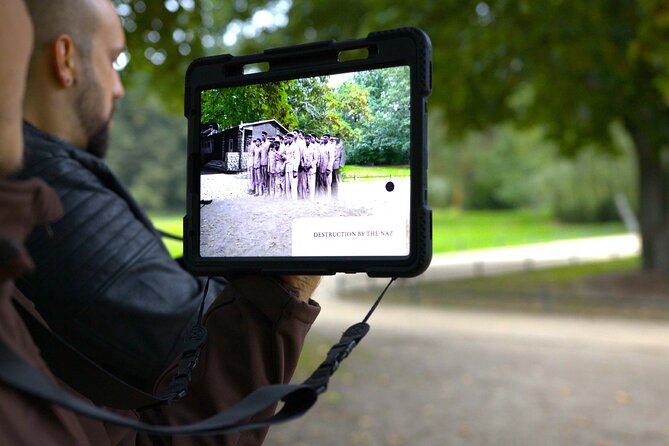
- AR visuals and video footage help explain places and people you might otherwise miss
- A timeline that moves from nudism to Nazi repression to post-war Berlin gives you real perspective
- Modern sex-positive tips point you toward Berlin’s current events and scenes
- Mixies AR photos add a fun memory you can actually use later
More history walks in Berlin
- Berlin: Natural History Museum Entrance Ticket★ 4.6 · 3,382 reviews
- Berlin: World Heritage Cruise to Potsdam★ 4.5 · 1,435 reviews
- Berlin Historical Highlights Walking Tour★ 4.9 · 657 reviews
- Berlin Private Complete History All Day Walking Tour★ 5.0 · 474 reviews
Why this tour feels different from a typical Berlin walk
This tour is built like a guided conversation, not a script. You get a structured route with specific stops, and you also get space to ask questions. That matters here because the topic is personal for many people, and history around sex and gender can touch real fears and real identity.
The format also helps you stay oriented. At eight or so stops over about 3.5 hours, you are not sprinting from sight to sight. You get enough time at each location to understand why it’s there, then move on. And because the group stays under 10 people, the atmosphere stays more human than crowded.
The practical value is strong too. You are paying $82.90 for a guided walking tour in English, but you are also getting AR elements, Mixies photo extras, and a bundle of 200+ rare archival photos and videos plus insider tips for modern Berlin. In other words, you are not just buying a walk. You are buying a package that supports learning.
Your guide Jeff, and why the tone is part of the value
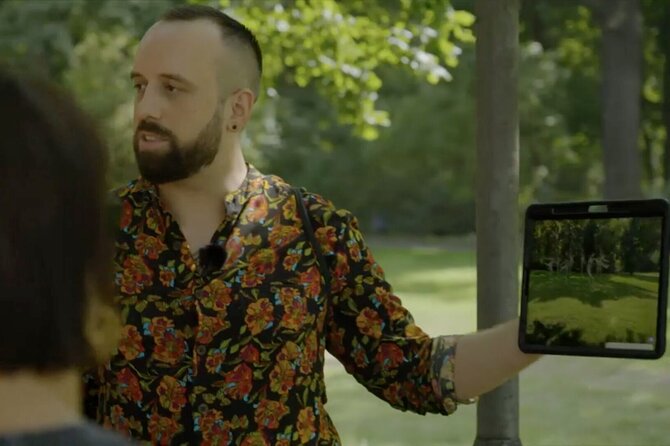
Jeff is the guide on this tour. He is described as a sociologist and a certified sex educator, and that combination shows in how the tour is presented. Multiple people highlight that Jeff stays respectful and responsible, including using a trauma-informed approach. That is not a vague marketing phrase. It translates into how you can ask questions without feeling judged.
Also, Jeff’s English is noted as easy to follow. If you have ever been on tours where the guide speeds up, loses the room, or avoids answers, you’ll appreciate this setup. The tour is designed so you can actually keep up and still get thoughtful explanations.
There is another practical benefit: your group can be no larger than 10. That small size means you can hear answers from across the group, and you are less likely to feel like you are being rushed past your own concerns.
Tour length, meeting point, and what you should plan for
This is about 3 hours 30 minutes, and it starts at 2:00 pm. The tour ends back at the meeting point, so you do not need to figure out how to get across Berlin at the end of the walk.
You meet at Alnatura Super Natur Markt, Else-Lasker-Schüler-Straße 18, 10783 Berlin. It’s also described as near public transportation, which matters because Berlin is spread out and you do not want to waste time getting there late.
You should plan for good weather. The tour can be canceled in extreme weather like heavy rain or a storm, and you would be fully refunded in that case. That is not a minor detail, because the experience is a walking route with multiple outdoor stops.
Finally, it’s 18+ only. That affects who this tour suits and how the conversation will be handled.
Nollendorfplatz and Berlin nudism (FKK): freedom, not just bodies
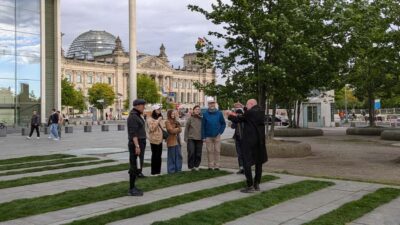
The tour begins at Nollendorfplatz, where you start with a warm welcome and a short intro from Jeff. From there, you explore Berlin’s long relationship with nudism, tied to FKK, a movement that promoted body freedom from the 19th century onward.
Here’s what I find valuable as a framework: nudism in Berlin is not presented as just a lifestyle choice. It is treated as a cultural idea about how the body fits into public life, and how openness can become part of a community identity. You also learn why the movement remained relevant in Berlin’s lakes and parks.
What to watch for: if you are uncomfortable with explicit sexual topics, you should still know that this stop is about nudism and body freedom. It may not feel graphic, but it can be personal. The tour tone is designed to be respectful, and it creates room for questions, which helps.
Magnus-Apotheke and Magnus Hirschfeld’s sex-science breakthrough
Next you go to Magnus-Apotheke, connected to a landmark in sexology. Berlin had the world’s first Institute for Sexual Science, founded by Magnus Hirschfeld. This stop is where the tour becomes very educational, quickly.
You learn about research into desire, relationships, contraception, and gender identity. And the tour also highlights specific “firsts” and inventions linked to the work being conducted there, including the development of the rubber condom. You also hear about early studies on Viagra precursors and advances in sexual health.
A major point here is the human cost when institutions get destroyed. The Nazis destroyed the institute in 1933, which meant years of progressive work were erased. The tour uses this to explain how political power can directly attack knowledge and health.
One practical consideration: this is the kind of stop where you’ll want to listen closely, because the names and concepts matter. If you tend to skim, you’ll miss what makes this location important.
The Monument to Homosexuals Persecuted Under National Socialist Regime
At the Monument to Homosexuals Persecuted Under National Socialist Regime, the story shifts from innovation to violence. The tour covers how the Nazi regime cracked down on sexual freedoms: censorship, shutdown of erotic clubs, and criminalization of sexual diversity.
You also learn about a key moment in Nazi history tied to homophobia: the Night of the Long Knives, where Ernst Röhm, a high-ranking Nazi figure known to be homosexual, was executed. The persecution is shown as wider than LGBTQIA+ alone, including sex workers and people labeled “degenerate.”
The tour also explains the pink triangle, first used as a camp marker and later reclaimed by LGBTQIA+ rights movements. That contrast is important because it turns the monument from a symbol of loss into a symbol of resilience and meaning-making.
If you’re choosing between this tour and something lighter, consider this. Parts of the content are heavy, and the guide’s trauma-informed approach is there for a reason.
Kurfürstenstraße and the pre-Nazi nightlife economy
Then you walk through Kurfürstenstraße, where the tone changes again. Before the Nazi era, Berlin was known for a thriving sex life and diverse nightlife, including prostitution that was openly practiced in some areas. The tour also points out Berlin’s earlier kink and fetish culture, long before it became mainstream.
What I like about this stop is that it shows sex culture as something connected to social spaces and economies, not only private acts. Berlin’s nightlife helped shape identity and community, and this location is treated as part of that ecosystem.
A consideration: this stop is about sexual venues and underground culture. If you prefer history without the “how people lived” details, you may still appreciate the context, but you might want to pace yourself mentally. Jeff’s approach helps, especially because you can ask questions and steer the level of detail.
Schwerinstraße 9, lesbian community, and Toppkeller
At Schwerinstraße 9, the tour shifts toward lesbian history in early 20th-century Berlin. You learn that Berlin had one of the world’s thriving lesbian communities at the time.
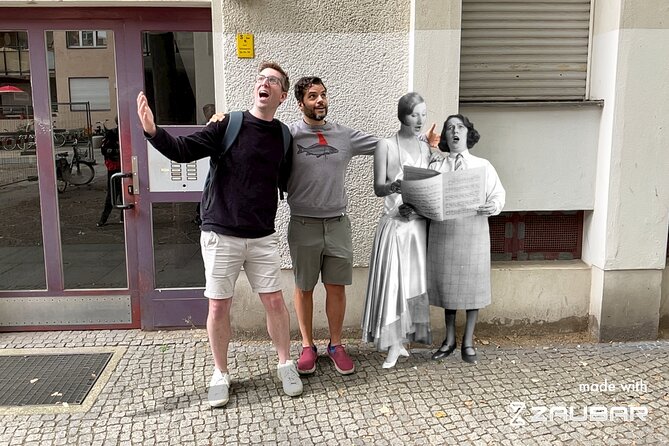
A highlighted location is the Toppkeller, described as a meeting place for women who defied societal norms. The tour also connects this subculture to nightlife and music, including stories around Claire Waldoff, a cabaret singer known for her lesbian identity, and references to the Lavender Song.
There is also a discussion of Josephine Baker, with the note that her time in Berlin included both admiration and discrimination tied to race. That detail is useful because it reminds you that queer history intersects with other kinds of inequality, not only gender or sexuality alone.
What to expect: this stop is rich in names and cultural references. If you enjoy connecting history to art, cabaret, and everyday community life, you will likely enjoy it a lot.
Christopher Isherwood’s Berlin addresses and the Cabaret connection
At the residential building of Christopher Isherwood, the tour brings you into the literary layer of Berlin’s 1920s and early 1930s atmosphere. You walk through areas where the author lived and socialized, and you connect that to the works that later influenced Cabaret.
This is one of the more “human” stops, because it frames Berlin not only as clubs and institutions, but as a place that pulled writers, artists, and visitors into new kinds of social permission.
A useful tip here: if you know the popular version of Cabaret, this stop helps you separate what you already know from what was actually happening on the ground in Berlin at the time.
Denns BioMarkt and the Eldorado Club before the crackdown
The tour heads to Denns BioMarkt, which ties into the story of the Eldorado Club in 1920s Berlin. You learn how the club functioned as a meeting place for drag performers and sexually open individuals, and even how high-ranking Nazi officials were linked to it before the crackdown on “degeneracy.”
You also hear a specific story involving a journalist from Vogue visiting Eldorado and naming a drag queen the most beautiful woman in Berlin. The point is not the celebrity detail alone. It’s the way Berlin’s openness could be publicly visible, then abruptly crushed.
You also get another connection to Ernst Röhm, reinforcing how the Nazi regime’s later actions reshaped what was allowed.
This stop is often where I think people recalibrate what they thought Berlin was. It can feel surprising how close glamour and repression sit in the same timeline.
After the Wall: the memorial and how East vs West shaped sex culture
Next is the Internationale Stele GEGEN DAS VERGESSEN, focused on post-WWII Berlin and the divided city. Here the tour compares sexual culture in West Berlin versus East Berlin.
You learn that in West Berlin, the sexual revolution pushed toward more openness in relationships, pornography, and alternative lifestyles. In East Berlin, freedom was restricted in many ways, but public nudism (FKK) remained popular.
The tour also explains why the Wall was sometimes referred to as the condom of the GDR, using that phrase to describe a barrier that still produced a surprising amount of life and adaptation behind it. And you hear about a conservative politician who saved thousands of lives during the AIDS crisis, presented as part of how public health policies can change outcomes even when politics is restrictive.
If you’ve only learned about Berlin’s history in terms of borders and buildings, this stop gives you a different lens. It’s history you can feel in everyday behavior and cultural norms.
Nollendorfplatz again and Berlin’s current sex-positive nightlife scene
The tour returns to Nollendorfplatz and looks at what “openness” looks like today. You learn about Berlin’s nightlife as one of the most sexually open in the world, with strong links to clubs and events.
The tour specifically covers Berghain, including its strict no-photo policy, plus KitKat Club, Insomnia, and Lab.Oratory, where electronic music and sexual exploration intersect. You also hear about Folsom Europe, described as the largest fetish festival in the world, which brings thousands to Berlin each year.
I like the way this end section avoids hype and instead frames the modern scene as something that has a long background. You are not just being told to go party. You’re being shown how earlier freedoms, repression, and recovery shaped what Berlin feels like now.
If you plan to go out later the same night or the next day, use the insider tips you get from the guide. The tour is designed to point you toward modern sex-positive events in a way that makes sense after learning the context.
AR, Mixies photos, and the “why” behind the extra tech
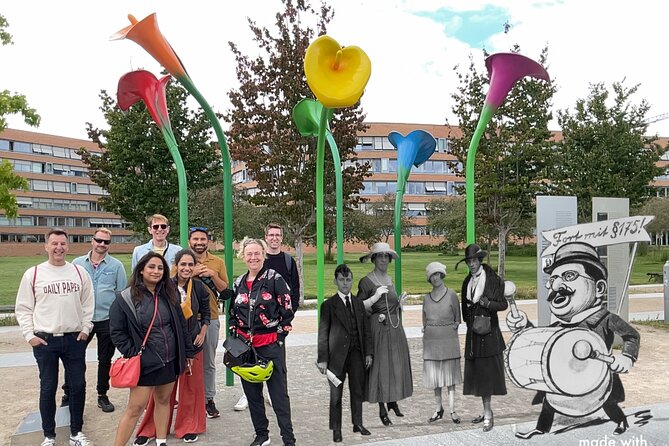
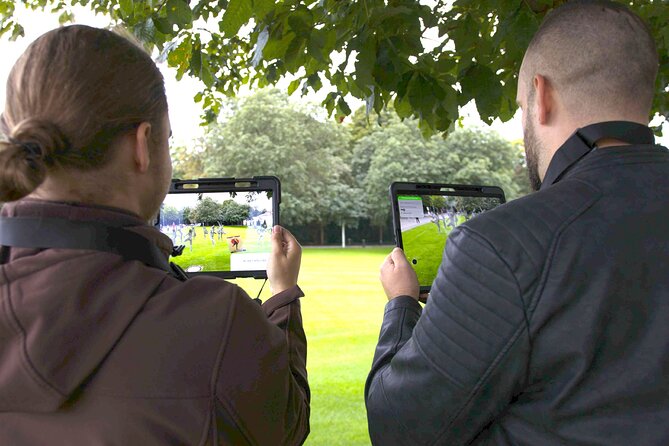
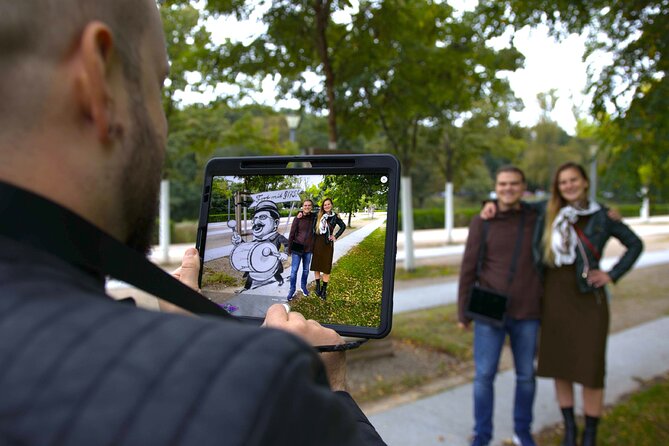
A lot of walking tours use phone apps or audio. This one adds Augmented Reality (AR) elements, plus Mixies AR photo moments. It also includes 200+ rare historical photos, videos, and archival materials.
Here’s the practical reason I think this matters: sex and identity history can be hard to picture because the places and the evidence are not always obvious today. AR visuals and archival materials help you connect what you’re seeing now with what happened there before. It turns “street-level sightseeing” into “street-level explanation.”
That said, AR is only useful when it adds clarity. One reviewer noted that the virtual imagery was sometimes unnecessary. So keep that in mind: if you love tech in tours, you’ll likely enjoy it. If you prefer straight history talk, you may still find value, just don’t expect every effect to feel essential.
Who should book this tour, and who should skip it
This tour is best for adults who want sex and gender history tied to real Berlin locations. It’s especially good if you like:
- guided Q and A
- small-group discussions
- history connected to nightlife and culture
- a respectful, sex-ed tone from a professional
If you’re uncomfortable with sexual content or if you want a very light, only-entertainment-style tour, I’d pass. This is adult history and it includes persecution under the Nazi regime.
Also, if you’re the type who likes to sit back and never ask questions, you may still learn a lot, but you’ll benefit more if you engage. Jeff’s whole format is built for interaction.
Value check: what $82.90 buys you
Price is $82.90 per person for about 3h30. On a typical walking tour, you might pay similar money for a guide and a handful of context stories. Here, you also get:
- AR elements during the walk
- Mixies personalized AR photos for memories
- 200+ rare historical photos, videos, and archival materials
- modern sex-positive nightlife and event tips
- a maximum group size of 10
That combination makes the value feel more “education + add-ons” than “just a route.” If you care about learning and want take-home memory content, this pricing can make sense. If you only want a basic overview and you do not care about AR or photo extras, you might consider whether you’d prefer a different type of Berlin history tour.
Should you book Berlin Uncensored?
If you want Berlin in a way most history tours do not offer, this is a strong choice. The tour’s biggest wins are the expert guide Jeff, the ability to ask questions, and the respectful, trauma-informed handling of serious topics. The AR support and archival materials also help you connect street corners to the people and ideas that shaped them.
Book it if you’re curious about how nudism (FKK), sex science under Magnus Hirschfeld, Nazi persecution, and post-war Berlin all connect to today’s nightlife energy. You’ll come away with a clearer map of why Berlin feels the way it does, socially and culturally.
Skip it if you dislike adult-focused history or if you want only light entertainment. This route includes repression and violence, even with a careful tone.
If you match the audience, this tour is the kind you will remember long after the walking ends.
The Longer History of Berlin
Everything else we filed on Berlin
- East Berlin: City of Shadows Walking Tour
★ 5.0 · 11 reviews - Berlin: Die Stachelschweine – Frank Lüdecke – Träumt Weiter
★ 4.7 · 11 reviews - Potsdam Day Trip from Berlin with a Local: Private & Personalized
★ 4.0 · 11 reviews - An Introduction to Berlin Walking Tour
★ 5.0 · 11 reviews - DJ for a Day: Learn to Mix Like a Pro in Berlin
★ 5.0 · 11 reviews - 2-H Segway Sightseeing Tour Berlin
★ 4.5 · 11 reviews
Historical Tours, side by side.
 ★ 4.7Leipzig: City History Canal Sightseeing Tour on a MotorboatFrom $186,232 reviews
 ★ 4.6Berlin: Natural History Museum Entrance TicketFrom $123,382 reviews
 ★ 4.7Leipzig: 1.5-Hour Historical Walking Tour in GermanFrom $172,217 reviews
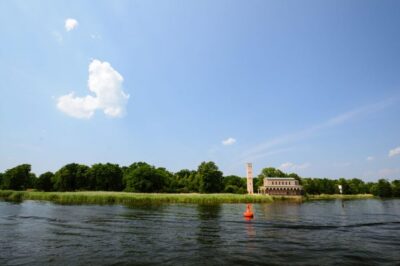 ★ 4.5Berlin: World Heritage Cruise to PotsdamFrom $251,435 reviews
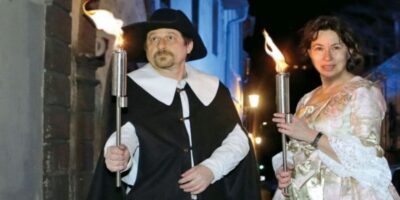 ★ 4.7Heidelberg: Night Watchman Historic Adventure TourFrom $3051,186 reviews
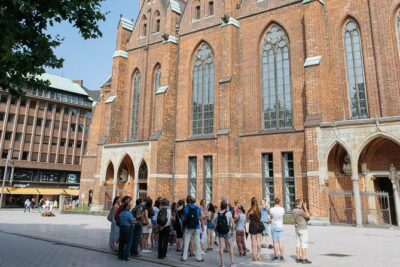 ★ 5.0The Local Tour of Hamburg Historic CentreFrom $31,058 reviews
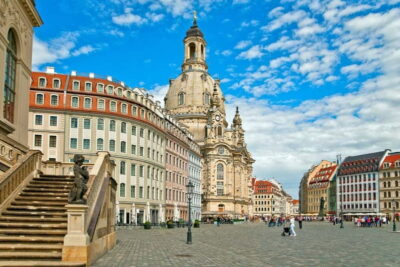 ★ 4.8Elbfloren: Historical city tourFrom $15819 reviews
 ★ 4.6Bamberg: Guided Beer History Tour with Optional TastingFrom $21772 reviews
Other lists this tour is on