
REVIEW · BERLIN
Charlottenburg: 2-Hour City Walking Tour
Charlottenburg rewards curious walkers. I love the way this Charlottenburg Palace finale and the city planning stories turn a pretty neighborhood into a readable timeline of Berlin. One possible drawback: the live guide speaks German, so you will want basic German or comfort with English-between-the-lines.
This is a focused 2-hour city walk led by a professional museum expert from Sonderweg-Berlin. It runs rain or shine, starts at the Rathaus Charlottenburg main entrance, and sticks to a mix of monuments and lived-in streets, so you get both the “wow” moments and the everyday texture.
In This Review
- Key Points to Expect on This 2-Hour Charlottenburg Walk
- Charlottenburg, the Prussian side of Berlin you can actually walk
- Starting at Rathaus Charlottenburg, then heading to the medieval nucleus
- Heinrich Zille and the Stadtbad area: art that points at real life
- Luisenkirche and 18th-century planning, plus the housing that still defines the skyline
- 1786 schoolhouses and pre-war development that tells you how education fit in
- Nehringstraße and Christstraße: Klausener Kiez street life in miniature
- Villa Oppenheim and Schlossstraße: museum street without the museum ticket
- Charlottenburg Palace finale, framed by Stüler’s dome-topped buildings
- Price and value: $23 for two hours of context, not just photos
- Practical tips so your 2-hour walk feels easy
- Who this tour suits best, and who should rethink it
- Should you book this Charlottenburg City Walking Tour?
- FAQ
- How long is the Charlottenburg city walking tour?
- How much does the tour cost?
- Where do I meet the guide?
- What is included in the price?
- Are museum visits included?
- What language is the live guide?
- Does the tour run in bad weather?
- Is the tour wheelchair accessible?
- Is it possible to cancel for a refund?
- Is there an option to pay later?
Key Points to Expect on This 2-Hour Charlottenburg Walk
- Rathaus Charlottenburg to Charlottenburg Palace: a clear path from civic power to royal splendor
- Prussian-era urban planning: you will learn how neighborhoods were shaped, not just what they look like
- Art and social history tie-ins: Heinrich Zille comes up near the historic Stadtbad area
- Housing and school architecture you can still see: including preserved schoolhouses dating from 1786
- Local street life time: cafés, thrift stores, and corner shops around Nehringstraße and Christstraße
- Schlossstraße museum street views: world-class institutions are part of the story, without paid museum stops
Still more Museum Island tickets to compare
- Berlin: Madame Tussauds Admission Ticket★ 4.6 · 3,941 reviews
- Berlin: Charlottenburg Palace Entry Ticket★ 4.4 · 2,076 reviews
- Berlin: Museum Island Multiple Museum Entry Ticket★ 4.4 · 2,007 reviews
- DDR Museum Berlin Admission Ticket★ 4.0 · 352 reviews
Charlottenburg, the Prussian side of Berlin you can actually walk
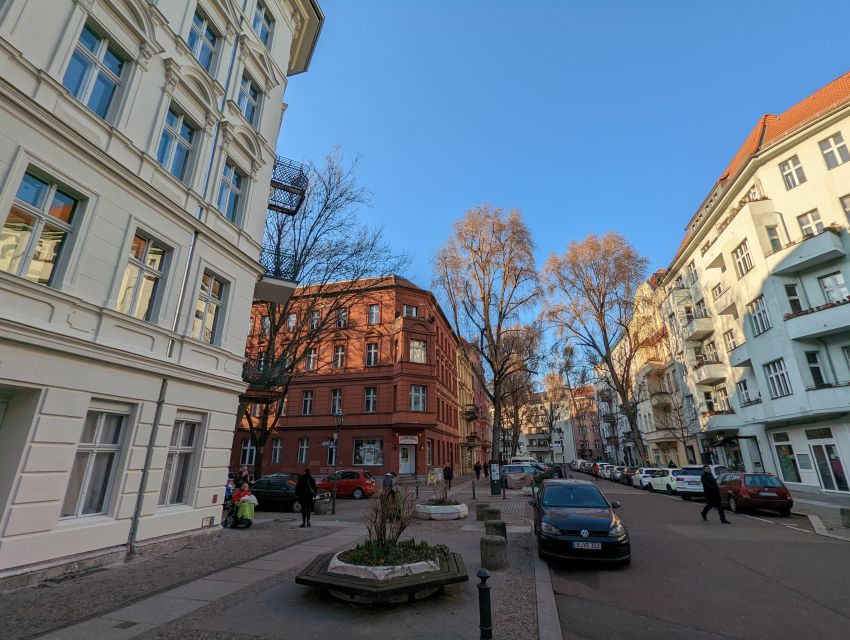
Charlottenburg can feel like a separate world from Berlin’s more familiar scenes. That is why this style of tour works: in two hours, you move through layers of the city where status, design, and daily life all overlap.
You will spend less time staring at the same headline sights and more time understanding how a prosperous Berlin community took shape. Expect a “see it, then know it” rhythm. And yes, the payoff is real at the end, when the walk leads you to the opulence of Charlottenburg Palace and the dome-topped buildings by Stüler that frame it.
Starting at Rathaus Charlottenburg, then heading to the medieval nucleus
The walk kicks off at Rathaus Charlottenburg, right in front of the main entrance. The point of this start is practical and smart: the Rathaus signals civic importance in a neighborhood long associated with prosperity. Within the first stretch, you will get oriented so the rest of the route makes sense as geography, not just a list of landmarks.
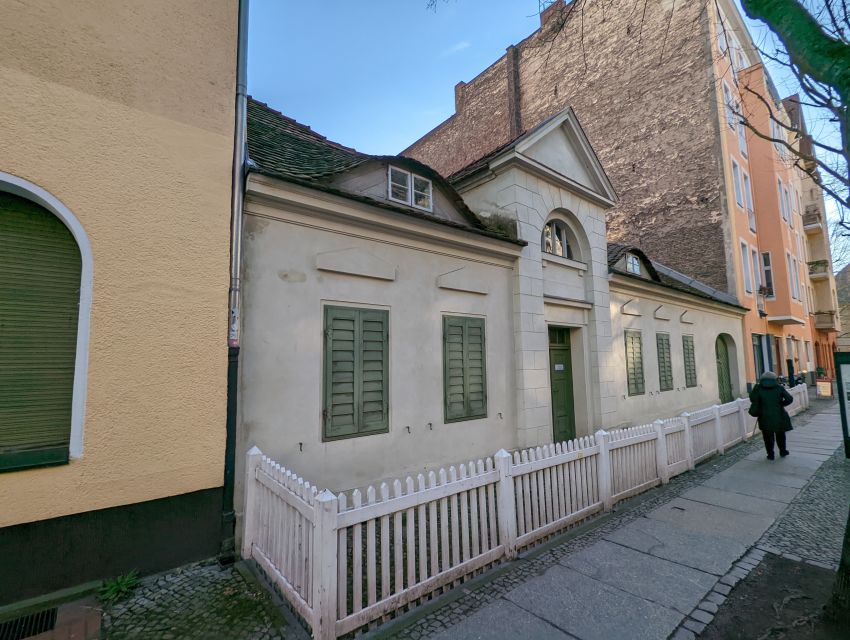
From there, the tour heads toward the older heart of the area, described as the medieval nucleus and old village square. This is the moment when the neighborhood stops feeling “modern Berlin” and starts feeling like a place that has kept evolving for centuries. You will learn how urban growth in Charlottenburg didn’t happen in one dramatic jump, but in stages, with old cores guiding new development around them.
A small consideration: since you begin in a civic square and then shift back in time, the early part can feel denser with dates and names than the lighter, café-focused later sections. If you like history that has structure, you will appreciate this.
Heinrich Zille and the Stadtbad area: art that points at real life
One of the more interesting turns on this walk comes near the historic Stadtbad, where you will hear about Heinrich Zille. Zille is known for his lovingly ironic depictions of Berlin’s working class, and this stop gives you a new way to see how art and everyday city life connect.
What I like about this kind of stop is that it helps you read architecture and streets for what they suggest about people. You are not just collecting pretty facades. You get a lens: how a city’s social reality can shape what an artist notices, and how those themes can still echo in the urban fabric you are walking through.
This is also a good reminder of what Charlottenburg is not only: it is not just palaces and museums. Parts of it connect to ordinary neighborhoods, and the tour makes that connection without turning the walk into a lecture with no street context.
Luisenkirche and 18th-century planning, plus the housing that still defines the skyline
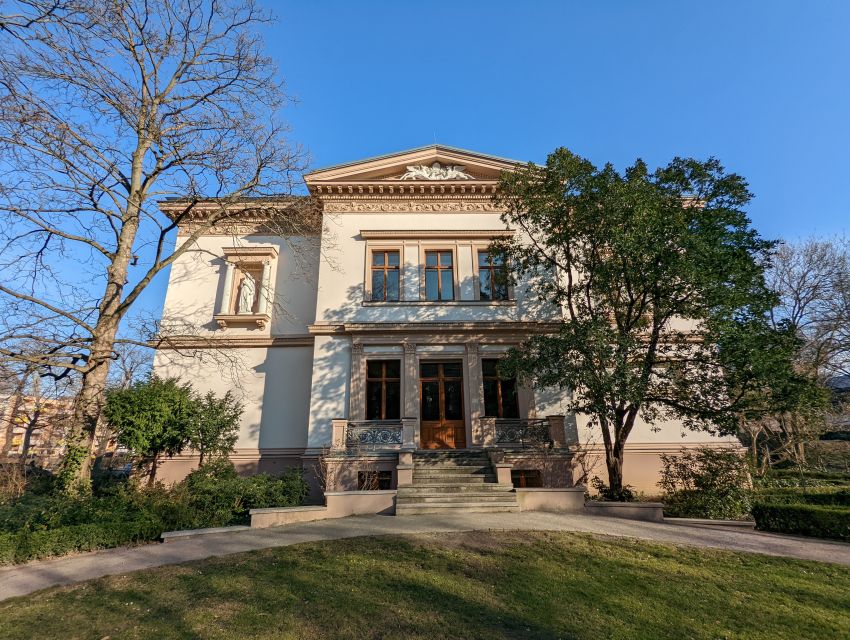
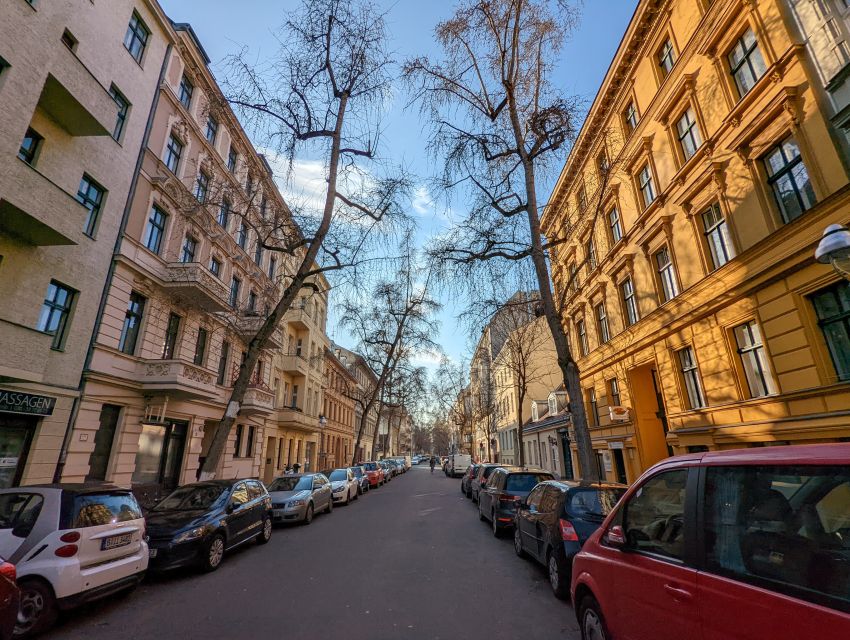
Next you move toward Luisenkirche, where the focus shifts to architectural history and 18th-century urban planning. This is where the tour earns its keep. You start noticing that buildings are not random: the way streets, church presence, and residential patterns line up tells a story about how the city expected people to live and move.
You will also see examples of the style of housing that still characterizes Berlin’s cityscape. The value here is practical: once you know what to look for, you stop walking past rows of buildings as background. You start spotting patterns that reflect eras, tastes, and social needs.
If you are the kind of traveler who wants more than postcard facts, this portion is for you. The pacing stays walkable, but the information is detailed. The guide is set up to handle questions, and that matters because planning and architecture topics can raise follow-ups fast.
Other walking routes through Berlin

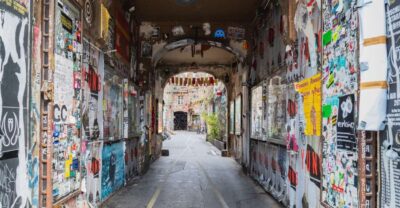
1786 schoolhouses and pre-war development that tells you how education fit in
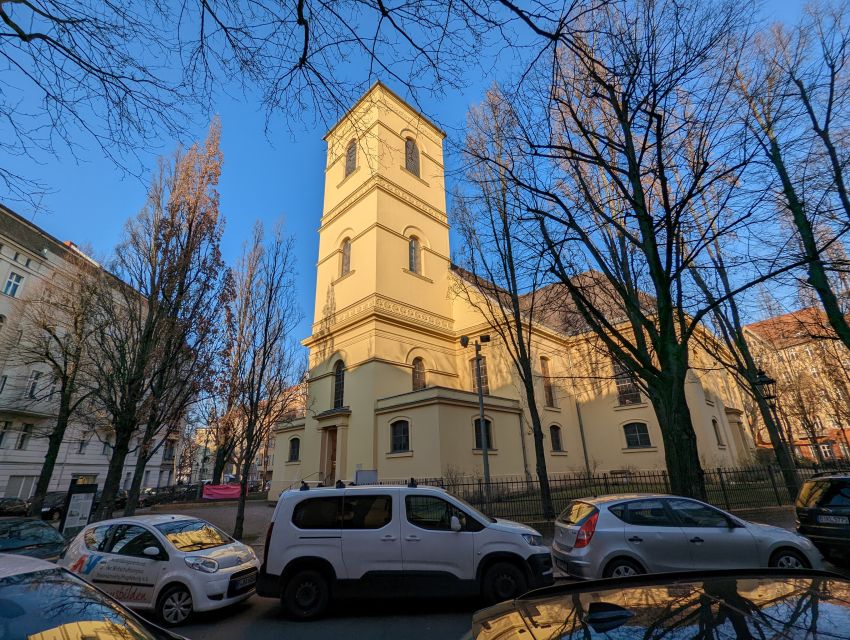
Another standout stop is around preserved schoolhouses from 1786. School architecture is one of the most useful clues for understanding how a society organized itself. It tells you what a city valued, what it expected kids and families to do, and how public life was planned into neighborhoods.
You will also see signs of pre-war urban development discussed in context, so you can connect the educational buildings to wider city growth. Even if you do not go inside anything, you get enough context to understand why these structures matter. They are not just old buildings. They are “infrastructure for people.”
The practical side: schoolhouses and older neighborhood edges can mean slightly uneven sidewalks. Comfortable shoes are not optional here, even though the tour is only two hours.
Nehringstraße and Christstraße: Klausener Kiez street life in miniature
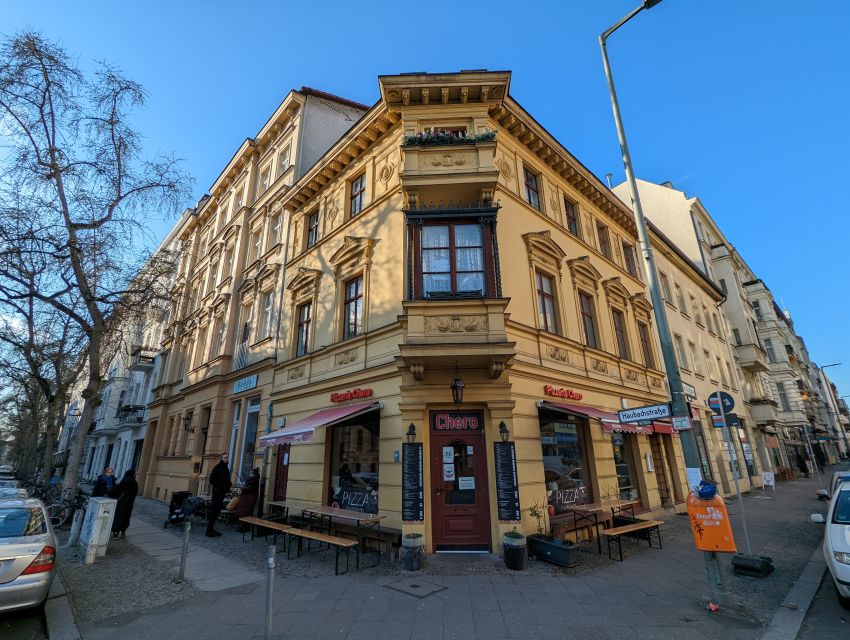
The tour then shifts into a more relaxed, human scale around the corner of Nehringstraße and Christstraße. This is where you get “all around authentic city life” energy, not a stage set.
Expect to notice locals moving through cafés, thrift stores, and corner shops. It is a quick change from palace views to everyday rhythms, and that contrast is the point. Charlottenburg’s story is not only about power and design. It is also about consumption, community habits, and how people actually spend their time in a neighborhood.
This section is also helpful if you plan to explore on your own after the tour. You come away with names and corners you can follow later, instead of only remembering distant landmarks.
Villa Oppenheim and Schlossstraße: museum street without the museum ticket
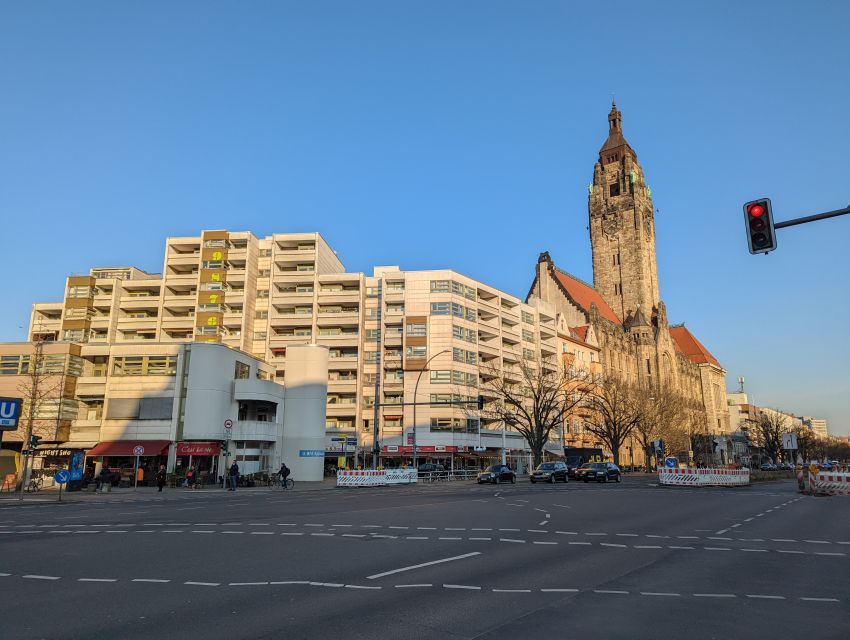
Then comes the swing back toward grandeur, with mention of Villa Oppenheim and a walk along Schlossstraße, where world-class museums are housed. Even without museum visits included, you still get something valuable here: an understanding of why the museum cluster matters in the neighborhood’s identity.
Schlossstraße works especially well after you have already walked through residential and civic scenes. You can feel how the city moves from everyday functions to prestige institutions. The guide helps you connect the dots so it does not feel like you are just passing storefronts and ignoring them.
If you were hoping for guaranteed interior visits, adjust expectations now. Museum visits are not included in this tour, so you are primarily seeing exteriors and learning the context around what sits there.
Charlottenburg Palace finale, framed by Stüler’s dome-topped buildings
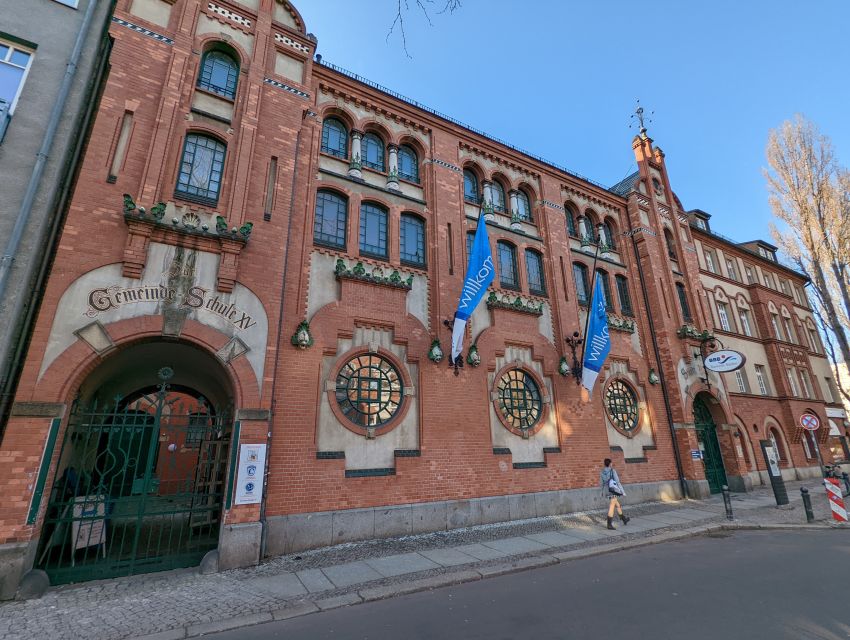
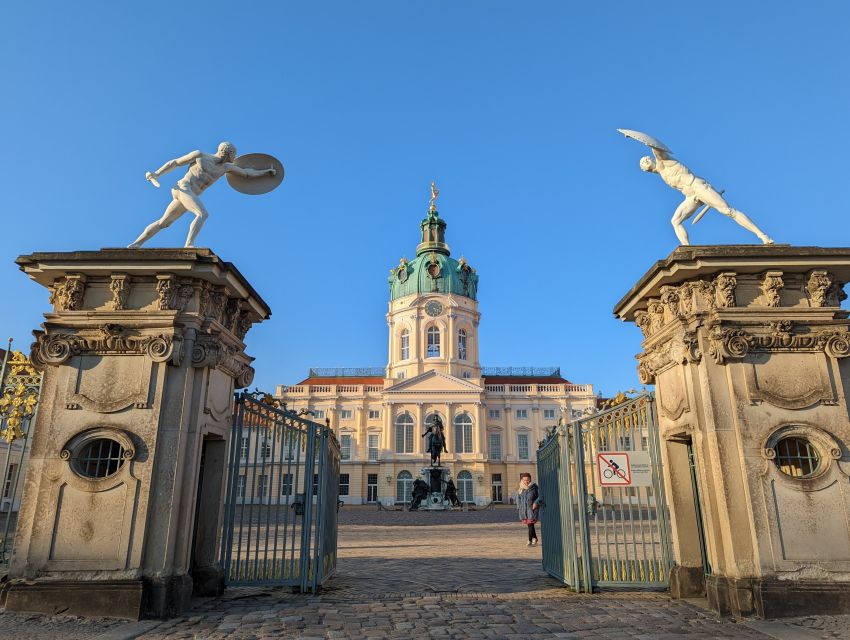
The walk ends at the opulent Charlottenburg Palace. This is the moment when the whole route clicks. Earlier stops gave you the planning logic, social context, and architectural patterns. Now you get the visual pay off.
One specific detail to notice: the palace area is lined with magnificent dome-topped Stüler buildings. Even if you do not plan to go inside, the framing matters. You get the sense of power and intention, and you also understand why Charlottenburg has been associated with Prussian prestige.
This final stretch is also a good place to slow down and re-check your route. By the time you arrive, the guide’s stories should make the grounds feel like a designed environment, not just a famous monument.
Price and value: $23 for two hours of context, not just photos
At $23 per person for a two-hour guided walk, this is a solid value if you care about how a city works. You are paying for a professional museum expert who explains what you are seeing, not only pointing at it.
The value gets stronger because the tour covers a lot of “types” of places in a short window:
- Civic history (Rathaus)
- Older neighborhood core (medieval village square)
- Social and artistic connections (Heinrich Zille near Stadtbad)
- Religious and planning-era architecture (Luisenkirche and 18th-century urban design)
- Long-lasting public buildings (schoolhouses from 1786)
- Local everyday life (cafés and thrift shops at Nehringstraße and Christstraße)
- Cultural prestige zones (Villa Oppenheim and Schlossstraße)
- The flagship payoff (Charlottenburg Palace and Stüler architecture)
Also, the tour includes the guide, but excludes museum visits. That is a smart trade. You keep the walk time intact, and you can choose later whether to spend extra time and money going inside one specific museum that matches your interests.
Practical tips so your 2-hour walk feels easy
Bring comfortable shoes. This is a walking tour with multiple historic edges, and older Berlin streets can mean uneven spots.
Dress for weather. The tour runs rain or shine, so a light rain layer or umbrella helps.
Know your language comfort. The tour is live guided in German only. If you only speak English, you might still follow many visual cues, but you will likely miss parts of the historical storytelling.
Finally, arrive a few minutes early and meet at the Rathaus Charlottenburg main entrance. Starting on time keeps the pace tight and respectful of the group.
Who this tour suits best, and who should rethink it
This tour is ideal if:
- You want Charlottenburg without a “palace-only” experience
- You like city planning, architecture, and how neighborhoods formed
- You want a guide who can answer questions and keep the story moving
- You enjoy mixing monuments with everyday street life
You might rethink it if:
- You need an English-only guide for full comprehension
- You want museum entry included as part of the ticket
- You prefer slower, more leisurely stops with long indoor breaks
The route also has a good balance between recognizable highlights and lesser-known corners. That balance is one reason this sort of tour works well when you have limited time in Berlin but still want depth.
Should you book this Charlottenburg City Walking Tour?
I think you should book it if your goal is to understand Charlottenburg fast, with a guide who connects palace grandeur to the street-level structure around it. The price is reasonable for a museum expert-led walk, and the mix of scenes from Rathaus and village squares to schoolhouses and café corners makes the two hours feel worth it.
Skip it only if German language guidance is a dealbreaker for you or if you specifically want scheduled museum entry stops. Otherwise, this is one of the better ways to get a real sense of how Prussian-era power, Berlin architecture, and modern neighborhood life all share the same streets.
FAQ
How long is the Charlottenburg city walking tour?
The tour lasts 2 hours.
How much does the tour cost?
It costs $23 per person.
Where do I meet the guide?
Meet your guide right in front of the main entrance to the Rathaus Charlottenburg.
What is included in the price?
The tour includes a guided tour led by a professional museum expert.
Are museum visits included?
No. Museum visits are not included.
What language is the live guide?
The live tour guide is German.
Does the tour run in bad weather?
Yes, it takes place rain or shine.
Is the tour wheelchair accessible?
Yes, it is wheelchair accessible.
Is it possible to cancel for a refund?
Yes, you can cancel up to 24 hours in advance for a full refund.
Is there an option to pay later?
Yes, you can reserve now and pay later, so you do not pay nothing today.
Seeing Berlin in One Go
Pavements of Berlin
Museum Island, Ticket by Ticket
Everything else we filed on Berlin
- East Berlin: City of Shadows Walking Tour
★ 5.0 · 11 reviews - Berlin: Die Stachelschweine – Frank Lüdecke – Träumt Weiter
★ 4.7 · 11 reviews - Potsdam Day Trip from Berlin with a Local: Private & Personalized
★ 4.0 · 11 reviews - An Introduction to Berlin Walking Tour
★ 5.0 · 11 reviews - DJ for a Day: Learn to Mix Like a Pro in Berlin
★ 5.0 · 11 reviews - 2-H Segway Sightseeing Tour Berlin
★ 4.5 · 11 reviews
Berlin Museum Island and Gallery Tickets, side by side.
 ★ 4.6Berlin: Madame Tussauds Admission TicketFrom $253,941 reviews
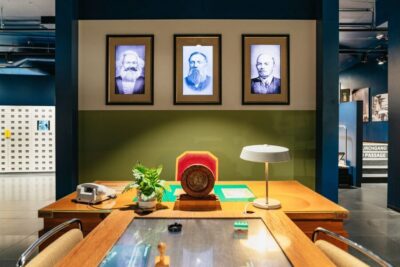 ★ 4.3Berlin: DDR Museum TicketsFrom $153,443 reviews
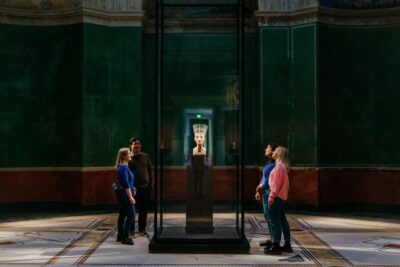 ★ 4.6Berlin: Neues Museum Entry TicketFrom $163,261 reviews
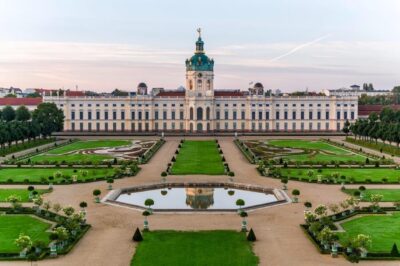 ★ 4.4Berlin: Charlottenburg Palace Entry TicketFrom $222,076 reviews
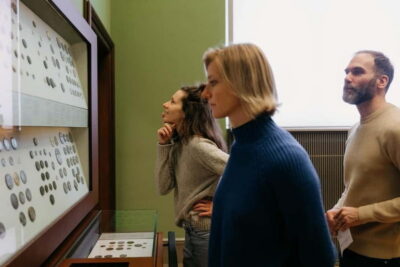 ★ 4.4Berlin: Museum Island Multiple Museum Entry TicketFrom $272,007 reviews
 ★ 4.5Berlin Dungeon: Entrance TicketFrom $281,918 reviews
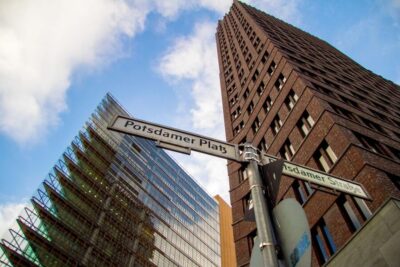 ★ 4.4Berlin: Panoramapunkt Skip-the-Line Elevator TicketFrom $151,219 reviews
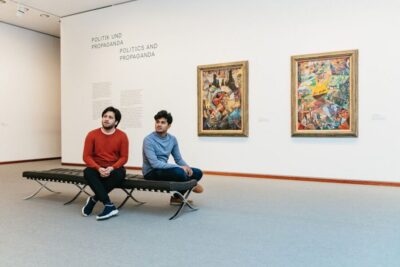 ★ 4.7Berlin: Neue Nationalgalerie Entry TicketFrom $231,212 reviews
Other lists this tour is on