
REVIEW · BERLIN
DDR Museum Berlin Admission Ticket
This ticket turns history into hands-on play.
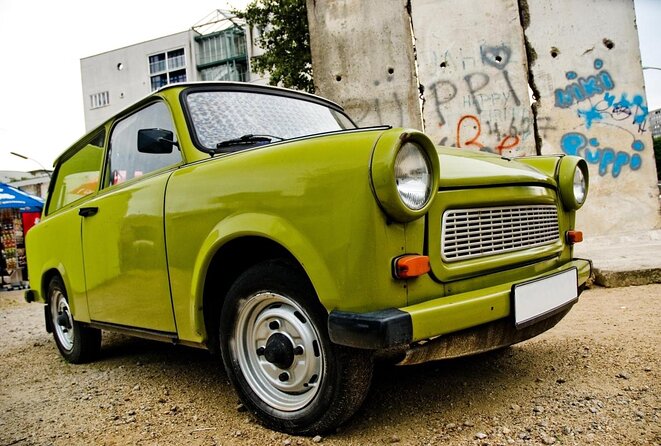
I love the interactive recreated rooms where East German daily life feels close-up, and I love the Trabant display plus other hands-on moments that make the GDR story stick fast. The museum is also set up in English, so you do not need to hunt for translations to understand what you are seeing.
The main thing to watch is crowds. The museum is small, and it can get packed, plus many spaces can feel hot since there is no air conditioning, so plan your timing with that in mind.
In This Review
- Key Things I’d Focus On
- Why the DDR Museum Matters in Berlin
- Finding DDR Museum Berlin, and How the Entry Usually Feels
- Reconstructed East German Homes and Propaganda TV
- Trabant Cars, a GDR Housing Estate Virtual Tour, and Everyday Life
- Stasi Interrogation and GDR Politics, Including Elections
- The Berlin Wall Exit and How Long You Should Budget
- Price and Value: Is $16.26 Worth It?
- Comfort Tips: Heat, Crowds, and Getting the Most Out of It
- Who Should Visit the DDR Museum, and Who Might Not Love It
- Should You Book This DDR Museum Ticket?
- FAQ
- Where is the DDR Museum located?
- Is the DDR Museum ticket available in English?
- How long should I plan to visit the DDR Museum?
- What does the ticket include?
- Does the ticket include hotel pickup or drop-off?
- Can I cancel if my plans change?
Key Things I’d Focus On
- Recreated GDR living spaces that let you inspect everyday details up close
- Trabant car exhibition with experience-style stops, not just photos
- Stasi interrogation and political displays that put power and fear into context
- Family-friendly interaction, including hands-on elements for kids and adults
- Berlin Wall exit that lands the emotional finale of the visit
More of the divided city, written up in full
- Berlin: Third Reich and Cold War 2 Hour Walking Tour★ 4.9 · 6,830 reviews
- Berlin: Berlin Story Bunker Entry Ticket★ 4.6 · 6,759 reviews
- Berlin’s Best: 2 Hour Walking Tour Third Reich and the Cold War★ 5.0 · 5,486 reviews
- Berlin: 75-minute Trabi Safari★ 4.8 · 2,854 reviews
Why the DDR Museum Matters in Berlin
If Berlin is a city of layers, the DDR Museum is one of the most direct ways to touch the layer right after World War II. You are not just reading about socialist East Germany. You are walking through a series of recreated spaces that are meant to show how daily life worked, what people watched, and how control shaped choices.
What I like about this approach is that it helps you connect the big, political story to normal stuff: a living room setup, kitchen appliances, the routines around home and work, and the way propaganda showed up in everyday screens. It also helps that the museum does not treat the GDR as a distant concept. It keeps returning to what life felt like behind the Iron Curtain, from household life to politics.
Yes, it can be fun. But the museum also has darker stops. The trick is pacing yourself so you do not speed past the serious parts.
Finding DDR Museum Berlin, and How the Entry Usually Feels
The museum sits in central Berlin at Karl-Liebknecht-Str. 1, opposite Berlin Cathedral, right by the Spree. That location is a plus because you can pair it with other nearby sights, and you are not stuck on the far edges of the city.
You also get a mobile ticket and an entry flow designed to get you inside with minimal fuss. The practical move: once you book, double-check that your ticket works on your phone before you join any line. A few visitors report getting stuck at the gate due to ticket format issues, so having everything ready reduces stress.
Plan for public transit access. The museum is described as being near public transportation, so you should be able to fit it into a typical Berlin walking day without needing a car.
Reconstructed East German Homes and Propaganda TV
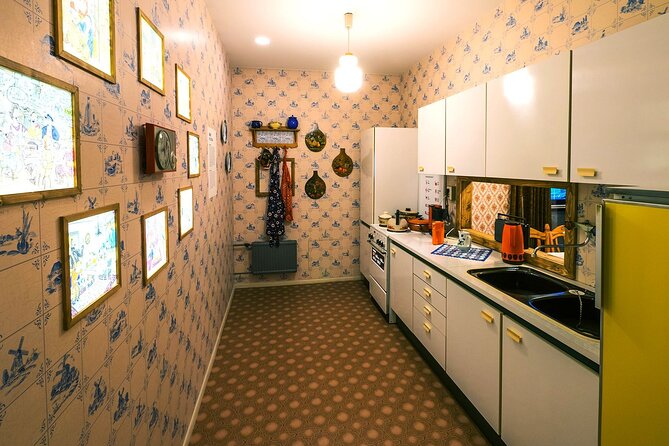
The visit starts by putting you in the role of someone living in East Germany from about 1949 to 1989. The museum builds that feeling with replica living spaces that look like real homes. The goal is not just visual. It is sensory enough that you can almost imagine what daily life might have been like.
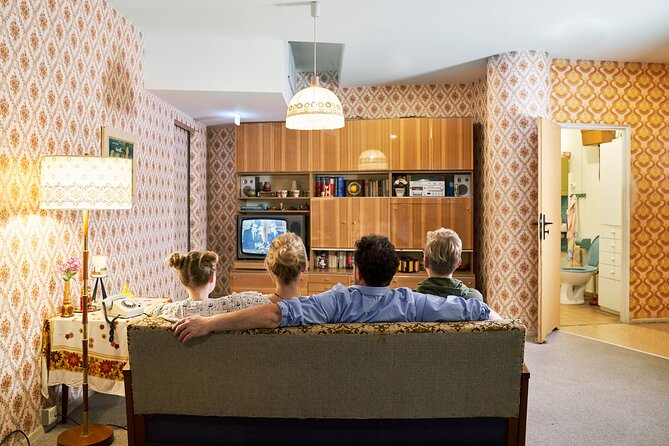
One of the standout moments in this part of the museum is the reconstructed living room space, including the idea of exploring things like a cupboard and kitchen setup. There is also East German TV running programming and propaganda. That is an important choice by the museum, because it shows how messaging was not only official posters or speeches. It was part of what people saw in their homes.
This is also where you will notice the museum’s “hands-on” style. Some interactive elements are more tactile and playful, like opening small access areas or drawers to reveal text. Other areas lean more heavily on reading labels, which can be fine if you like information, but it can feel less “interactive” if you expected lots of button-pushing.
If you have kids, this section can be a good match because the rooms give them something concrete to point at. If you hate crowds, the earlier areas can feel tight when lots of groups arrive together.
Trabant Cars, a GDR Housing Estate Virtual Tour, and Everyday Life
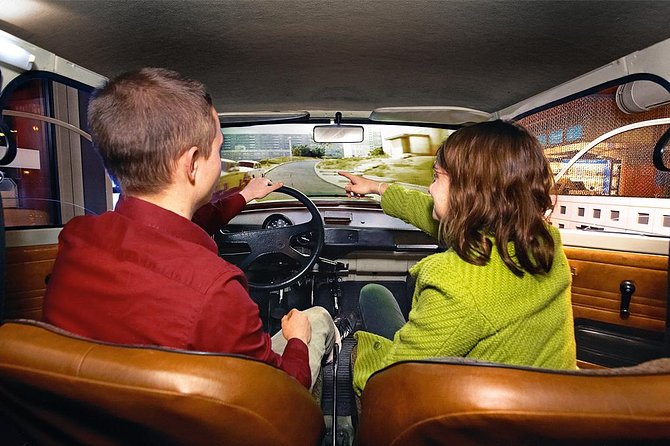
After the home replicas, you get pulled into the museum’s most iconic object: the Trabant. East Germany’s famous small car shows up as more than a single photo. The display includes the chance to experience it in an exhibit-style way, including sitting inside.
Right around the car stop, you also get films of everyday scenes and a virtual tour of a GDR housing estate. This matters because it expands the story beyond a single apartment. You get a sense of how neighborhoods and daily environments shaped routines. It is the difference between thinking about the GDR as politics and thinking about it as a system that surrounded people’s lives.
The virtual tour style helps when you are short on time. Instead of chasing details across multiple rooms, you can grasp the “where you lived” picture in one go. It is also where your brain starts to connect the dots: the cramped housing reality, the transportation options, and the way daily life narrowed.
Just be ready for the fact that the museum is not huge. That can make these exhibits feel dense. When it is busy, you may have to wait your turn for the interactive bits or squeeze past other people to see inside displays.
Still more Museum Island tickets to compare


Stasi Interrogation and GDR Politics, Including Elections
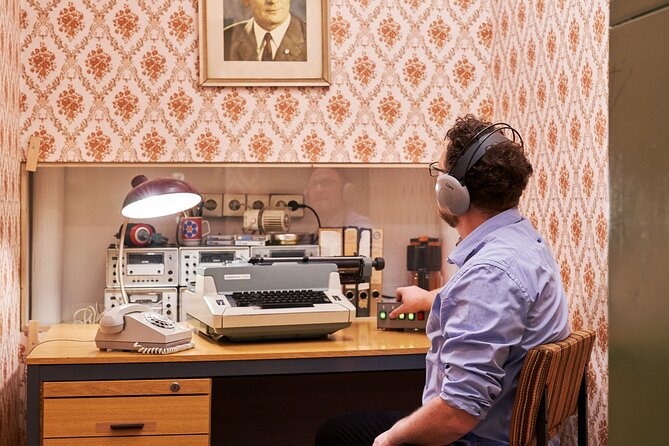
If the earlier parts of the museum are about daily life, this section is about control. You will see a Stasi interrogation experience area, along with exhibits that connect the system to political power, including the Socialist Union Party. There are also displays connected to GDR elections, including an interactive election-style component.
This is the part of the museum where you should slow down a bit. The themes are not light. A well-run museum can make you feel the tension without turning it into cheap shock. Here, the Stasi element and the election visuals are designed to show how power worked and why choices were constrained.
Now for the balanced caution: because the museum also markets itself as family-friendly and interactive, some visitors feel the pacing can skew toward fun in places where they want more sensitivity. In practice, you can manage that by deciding ahead of time how much time you want in the political and interrogation areas. If you want a more serious experience, spend extra time reading and watching and less time rushing through button-based interaction.
Also note the crowd factor again. In this section, when groups pack in, it can be harder to focus. If you come during a busy hour, you may not get the same calm, reflective moment.
The Berlin Wall Exit and How Long You Should Budget
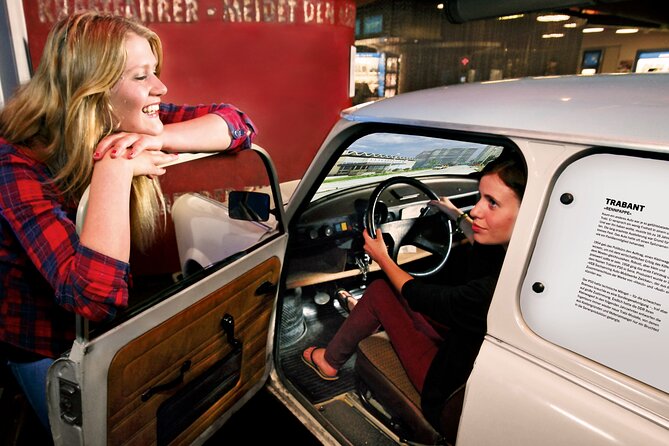
The museum ends with a striking finale: you exit through a hole in the Berlin Wall. It is meant to land the emotional reality after you have walked through homes, vehicles, everyday scenes, and political control. You leave with the story reorganized in your head, not just as facts, but as lived spaces and lived systems.
Time-wise, plan for about 1 to 2 hours. Many people find they can do the museum in closer to an hour if they skim some of the reading. If you like to read the English plaques carefully, you will likely stretch closer to the two-hour mark.
The museum is open daily from 9:00 AM to 9:00 PM, which is useful. You can pick a quieter slot. One practical tip from real-world experience is to avoid the busiest times. If your goal is comfort and flow, later in the day can work well, but you will still want a bit of patience because the museum is small and crowds move through it.
Price and Value: Is $16.26 Worth It?
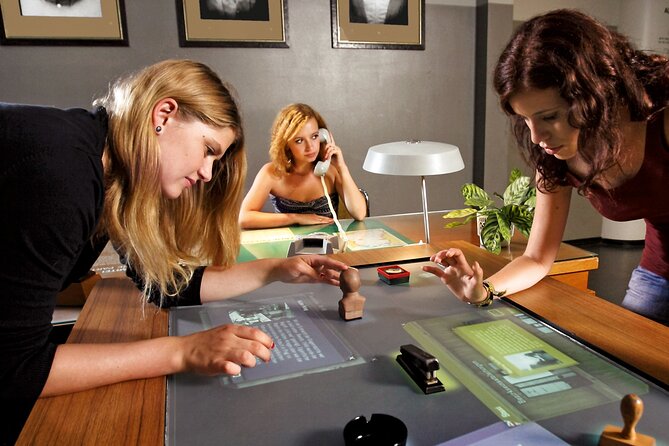
At $16.26 per person, this ticket is priced like a focused museum experience, not a half-day attraction. That can be a good deal because the museum gives you a lot of “try it, see it, read it” stops inside a tight loop.
Here is why I think it can be good value for the right visitor:
- You get multiple themed areas that connect together: home life, TV messaging, transportation, housing environments, and political control.
- The exhibits are presented in English, so you are not stuck with a language barrier.
- The layout supports short visits. If you are tight on time in Berlin, you can still get a coherent experience.
That said, the value depends on your expectations for interaction. Some visitors felt the museum was smaller than expected and that interactive parts were limited, with a lot of reading in certain areas. If you strongly prefer large-scale, room-sized exhibits with lots of physical participation, you might feel underwhelmed.
My advice is simple: go with the mindset of a compact, themed museum with interactive touches. If that sounds like your style, the price is fair.
Comfort Tips: Heat, Crowds, and Getting the Most Out of It
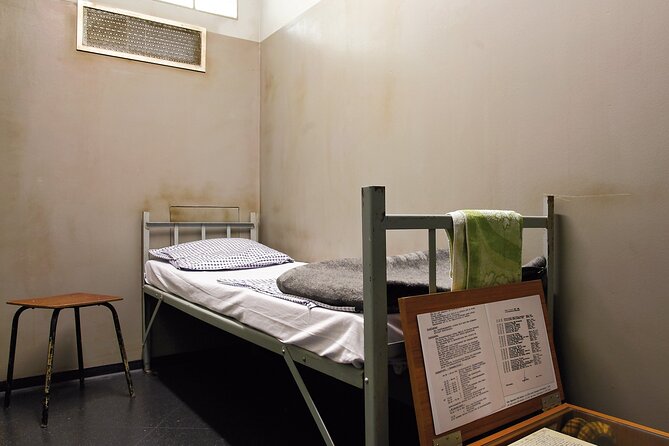
This is the part people do not always think about with indoor museums: temperature and crowd density.
Several visitors note the building can be extremely hot with no air conditioning. That means your comfort can change how much you enjoy the visit. If you are sensitive to heat, plan to come earlier in the day or move through faster paced sections and take quick breaks when you can.
Crowds are another major factor. The museum is small, so busy periods can make it hard to see exhibits clearly or spend time reading. Some people also point out that because the museum is fun and family-friendly, kids can be running around and pressing buttons, which can ruin the calm experience you might want for more serious topics.
So what should you do? Pick a time when foot traffic looks manageable. Then decide your priorities. If you want the best photos and the easiest viewing, prioritize the Trabant and the recreated living spaces early. Save Stasi and political areas for when you can focus without people piling in front of you.
Who Should Visit the DDR Museum, and Who Might Not Love It
This museum is a strong fit for:
- History buffs who want to understand the GDR through lived spaces, not just timelines
- Families looking for a hands-on museum day in Berlin
- Visitors who like English plaques and clear thematic rooms
You might enjoy it less if:
- You expected a huge museum campus. This one is small, and the density is real.
- You need lots of space to read and think quietly.
- You get frustrated when interactive exhibits are crowded and you have to wait.
If you are visiting with kids, you will likely have a good time because there are interactive moments and a recreated apartment style that keeps things concrete. If you are traveling solo and want quiet, choose the least busy time you can.
Should You Book This DDR Museum Ticket?
Yes, I think this ticket is worth booking if you want a compact, English-friendly, hands-on way to understand life in East Germany. The combination of reconstructed homes, the Trabant stop, and the Stasi plus politics section creates a full arc, from daily life to control.
Book it if you can handle crowds or you are willing to choose a smart time slot. Skip or reconsider if you hate hot, packed indoor spaces, or if you need big, slow-moving museum rooms to feel satisfied.
FAQ
Where is the DDR Museum located?
It is located in central Berlin at Karl-Liebknecht-Str. 1, opposite Berlin Cathedral, near the Spree.
Is the DDR Museum ticket available in English?
Yes. The experience is offered in English.
How long should I plan to visit the DDR Museum?
Plan for about 1 to 2 hours.
What does the ticket include?
Your admission ticket to the DDR Museum is included. Food and drinks are not included.
Does the ticket include hotel pickup or drop-off?
No. Hotel pickup and drop-off are not included.
Can I cancel if my plans change?
Yes, you can cancel for a full refund up to 24 hours in advance of the experience start time. If you cancel less than 24 hours before, the amount paid is not refunded.
Museums Worth the Queue in Berlin
Museum Island, Ticket by Ticket
The Divided Years, Reviewed
Everything else we filed on Berlin
- East Berlin: City of Shadows Walking Tour
★ 5.0 · 11 reviews - Berlin: Die Stachelschweine – Frank Lüdecke – Träumt Weiter
★ 4.7 · 11 reviews - Potsdam Day Trip from Berlin with a Local: Private & Personalized
★ 4.0 · 11 reviews - An Introduction to Berlin Walking Tour
★ 5.0 · 11 reviews - DJ for a Day: Learn to Mix Like a Pro in Berlin
★ 5.0 · 11 reviews - 2-H Segway Sightseeing Tour Berlin
★ 4.5 · 11 reviews
Berlin Museum Island and Gallery Tickets, side by side.
 ★ 4.6Berlin: Madame Tussauds Admission TicketFrom $253,941 reviews
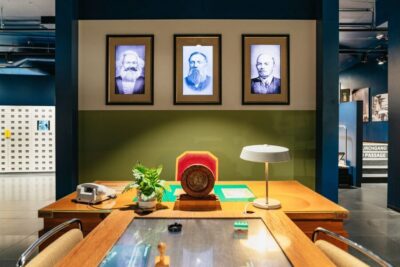 ★ 4.3Berlin: DDR Museum TicketsFrom $153,443 reviews
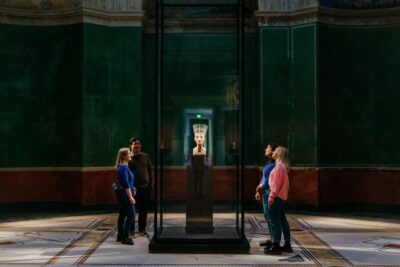 ★ 4.6Berlin: Neues Museum Entry TicketFrom $163,261 reviews
 ★ 4.4Berlin: Charlottenburg Palace Entry TicketFrom $222,076 reviews
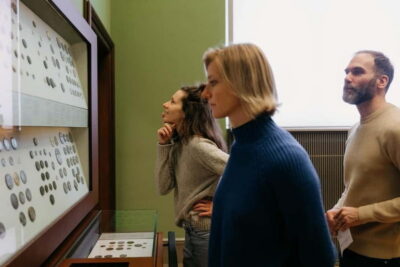 ★ 4.4Berlin: Museum Island Multiple Museum Entry TicketFrom $272,007 reviews
 ★ 4.5Berlin Dungeon: Entrance TicketFrom $281,918 reviews
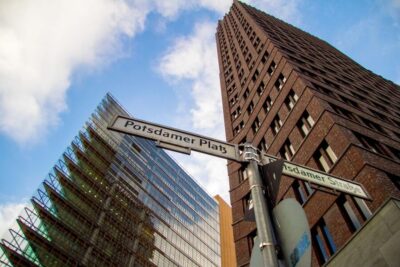 ★ 4.4Berlin: Panoramapunkt Skip-the-Line Elevator TicketFrom $151,219 reviews
 ★ 4.7Berlin: Neue Nationalgalerie Entry TicketFrom $231,212 reviews
Other lists this tour is on