
REVIEW · WALKING TOURS
Hamburg: Guided Walking Tour in Danish
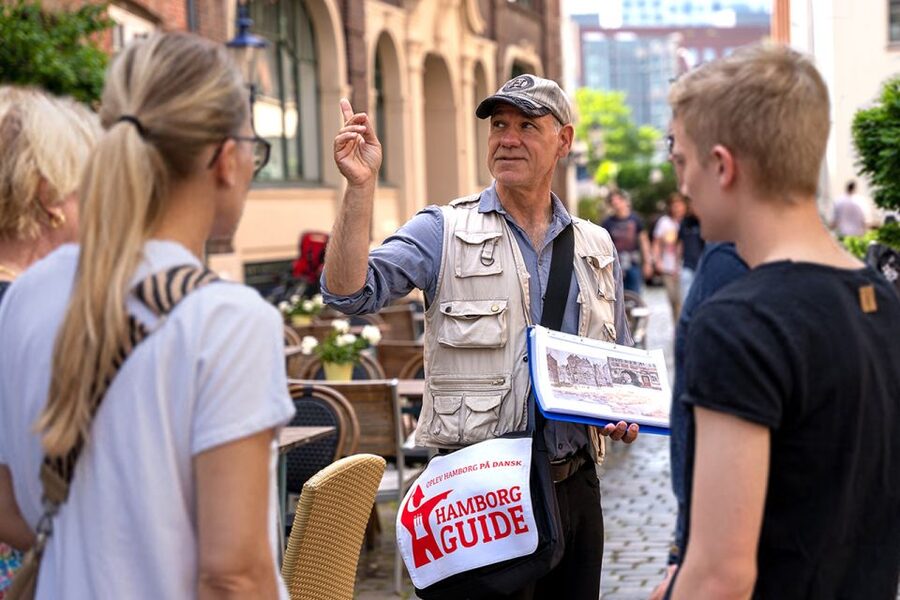
Hamburg’s past and future, on one walk. This tour is a smart way to learn the city’s 1,200-year story with Danish guidance, while you move through the places that explain how a marketplace became a major port. I especially like how it links everyday street scenes to big turning points, and then caps the route in the modern harbor area.
What you get is not just a list of sights. You’re led by a licensed guide with historical visual aids, so the stops connect into one narrative: Saxon roots, Hanseatic League power, major fires, and the city’s rebuilding over time. You’ll also see both the old stone scars and the new skyline ambition in a tight two hours.
One thing to plan for: the tour runs in Danish only. If your Danish is limited, bring a translation app or consider a different language option, because the storytelling is the main draw.
In This Review
- Key things to know before you go
- A Danish guided Hamburg walk that connects the dots
- Starting at Swatch Jungfernstieg, then straight to Hamburg’s civic center
- Deichstraße, a 1765 landmark, and why fire shaped the city
- The St. Nikolai Memorial ruins, and what Operation Gomorrah means on the ground
- Speicherstadt warehouses: seeing the world’s largest warehouse district up close
- HafenCity and the Elbphilharmonie finish, where the skyline takes over
- Price and value: is $280 for a group tour a good deal?
- What the pacing feels like in real life
- What to bring, and how to handle rain or cold
- Who this tour fits best (and who should skip it)
- Should you book this Danish Hamburg walking tour?
- FAQ
- FAQ
- How long is the Hamburg guided walking tour in Danish?
- Where do I meet the guide?
- What language is the tour in?
- Where does the tour end?
- Are food and drinks included?
- Is the tour suitable for wheelchair users or people with mobility impairments?
- Can I cancel, and is there an option to pay later?
Key things to know before you go
- Danish-only live guiding for a focused, story-driven experience
- Townhall, St. Nikolai Memorial, Speicherstadt, and HafenCity in one 2-hour circuit
- Licensed guide plus historical visual aids to make the timeline easier to follow
- Elbphilharmonie Plaza finish point where you can keep looking on your own
- Rain or shine, so dress for the weather and bring comfortable walking shoes
Other walking routes through Hamburg
- Hamburg: Guided Walking Tour for Magic Fans★ 4.8 · 1,992 reviews
- Reeperbahn Walking Tour with St. Pauli Local★ 4.8 · 577 reviews
- Hamburg: Speicherstadt Walking Tour with Coffee Tasting★ 4.6 · 360 reviews
- Hamburg Reeperbahn Small-Group Walking Tour★ 4.0 · 269 reviews
A Danish guided Hamburg walk that connects the dots
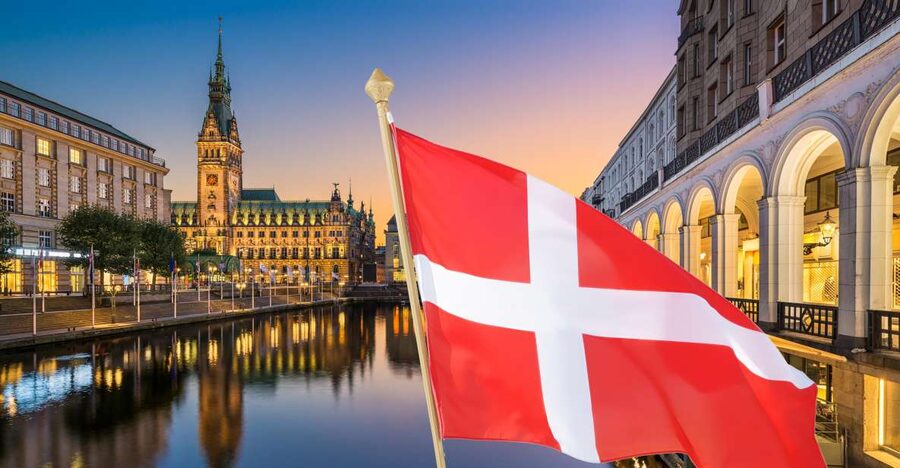
Hamburg can feel like two cities stitched together. You have the classic civic center and canal-like old streets, then you hit the port zones where warehouses and trade built the wealth. This walking tour makes that connection easy. Instead of jumping around on your own, you follow a route that takes you from the city’s core to Speicherstadt, then into HafenCity for the Elbphilharmonie finish.
The Danish language is part of the package. It’s not a casual “see this, then that” stroll. The guide talks through Hamburg’s development, from its early days to its role today as a world-scale port city. If you’re a Danish reader or speaker, you’ll get more from every stop. If not, you still might enjoy the sights, but the value drops because the narration is doing most of the work.
Starting at Swatch Jungfernstieg, then straight to Hamburg’s civic center
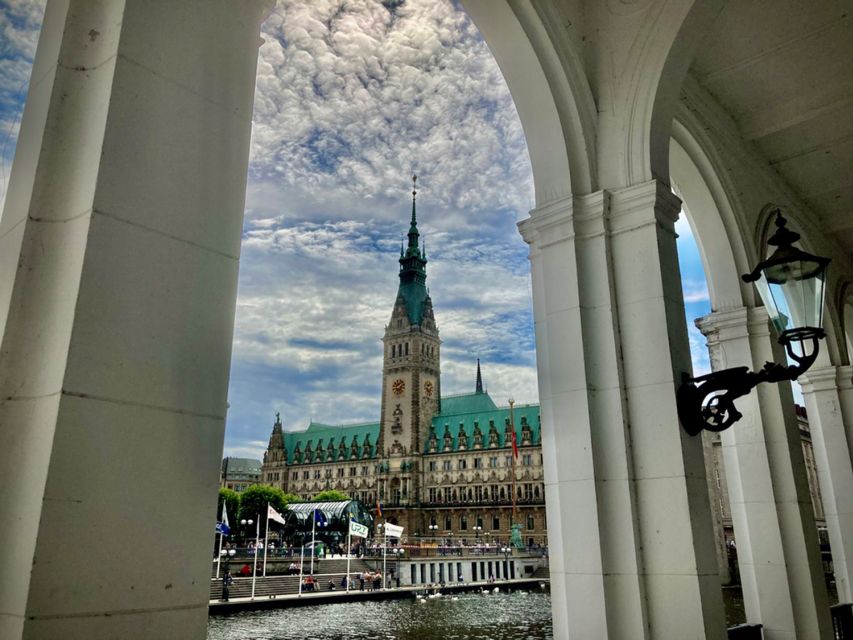
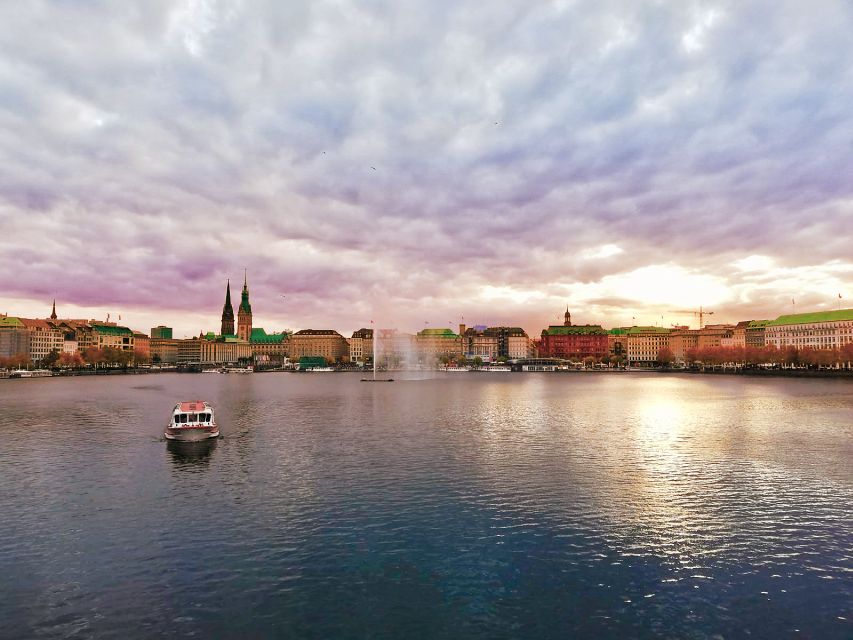
You begin at Swatch Jungfernstieg, at the corner of Jungfernstieg and Alsterarkaden. This is a good starting point because it’s central, easy to spot, and close to the water scenery of the Alster area. You get oriented fast, and you’re walking into the historical core right away.
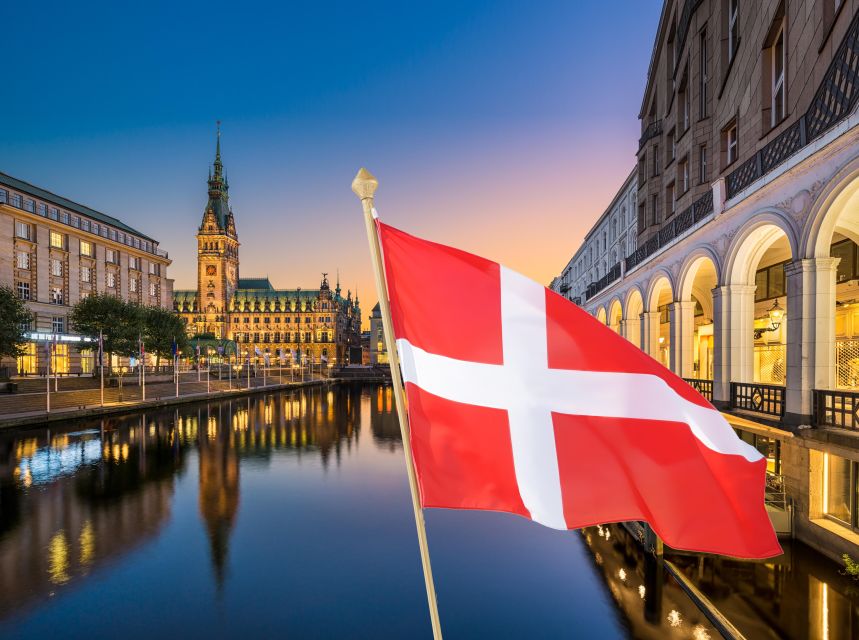
From there, the tour heads to Hamburg’s Townhall. It’s one of those places where you can feel the city’s identity. Even without extra background, it signals civic power and local governance. Here, your guide gives you the thread that ties Hamburg’s medieval rise to what you’re seeing in the present. Expect a short, focused stop, about 20 minutes, which is long enough to absorb the main points without turning the day into a waiting game.
Then you continue along key streets where the story keeps moving. You’ll pass Deichstraße and stop briefly at the Patriotic Society of 1765. Times are short, around 10 to 15 minutes each, but the pacing matters. These aren’t “hang out” stops. They’re place-based explanations. Your guide uses these locations to talk about how Hamburg grew, how it adapted, and why certain themes, especially fire and rebuilding, show up repeatedly in the city’s history.
Deichstraße, a 1765 landmark, and why fire shaped the city
Hamburg’s history isn’t only about trade routes and big institutions. A major theme is how fire affected the city’s development. On this tour, that idea is not an abstract fact. You hear it as you walk through the old town areas and learn why parts of the city you might assume are ancient are actually much newer than your instincts suggest.
One reason I like this approach is that it helps you read the city like a map with clues. Instead of memorizing dates, you start noticing patterns: where history is preserved, where it’s rebuilt, and where the “newness” hides behind old-looking street scenes. The guide also points out how Hamburg grew from an early Saxon marketplace into a leading member of the Hanseatic League in the Middle Ages, and then into one of the world’s biggest ports.
You also make a stop at Laeiszhof. The name alone might not mean much until your guide uses it in the broader explanation. These short stops are designed to keep your attention and keep you from getting lost in the weeds. In a two-hour tour, that matters.
The St. Nikolai Memorial ruins, and what Operation Gomorrah means on the ground
The tour’s most emotional stop is the St Nikolai Memorial. This is where Hamburg’s modern identity meets its wartime scars. The church was bombed by Allied forces during Operation Gomorrah in 1943, and today the site houses a WWII memorial and museum.
Even if you’re not a museum person, this stop works on a walking tour because the setting does the explaining. You’re not reading history in a vacuum. You’re standing in a place tied to a specific event and seeing how the city chose to remember it.
Your guide adds context and keeps the pace respectful, with about a 15-minute stop. It’s enough time to understand what you’re looking at without turning the tour into a long museum detour. If you want, you can also linger after the main route, but the tour gives you a meaningful anchor point before moving toward the calmer, trade-focused streets ahead.


Speicherstadt warehouses: seeing the world’s largest warehouse district up close
After the emotional wartime stop, the tour shifts back into trade mode with Speicherstadt. This is where Hamburg’s commercial roots become visible in architecture. Speicherstadt is described as the world’s largest warehouse district, and on foot you really start to understand how designed and intentional the area feels.
The guide’s historical framing helps you connect the dots between the Hanseatic League era and what you’re walking through now. In the Middle Ages, Hamburg became part of the Hanseatic League, and trade power grew from there. Speicherstadt is basically the long-term physical reminder of that role, even as the city modernized around it.
Expect about 15 minutes in Speicherstadt. That’s just long enough to absorb the scale and the overall vibe, plus take photos. But it’s also short enough that you’re not stuck in a maze. If you want more time here later, you’ll likely know where to come back, because the tour points you in the right direction and gives you the story to match.
HafenCity and the Elbphilharmonie finish, where the skyline takes over
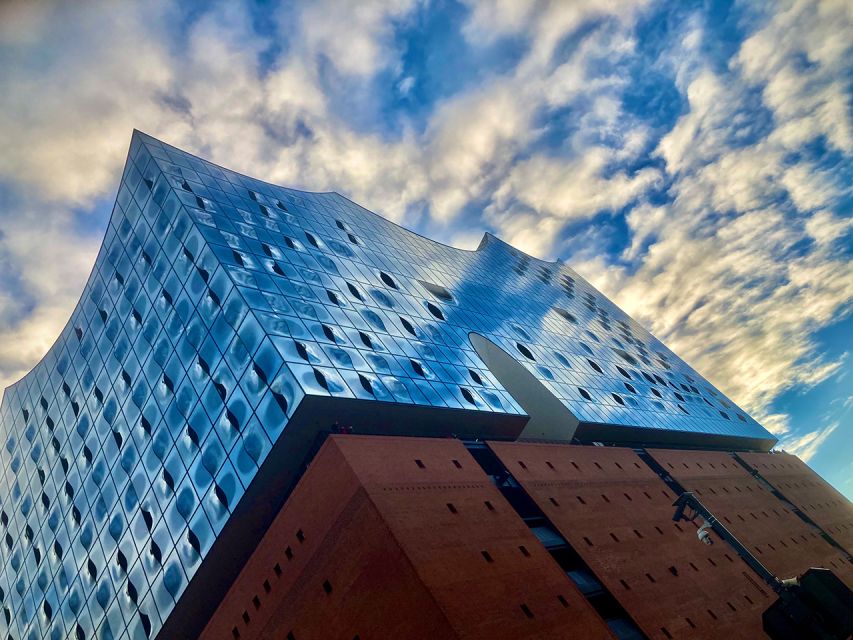
The route then moves into HafenCity, Hamburg’s residential and business district by the water. This is where the city’s present and future vibe is strongest. Your guide gives a quick orientation so you understand you’re leaving the warehouse era behind and moving into a newer kind of urban identity.
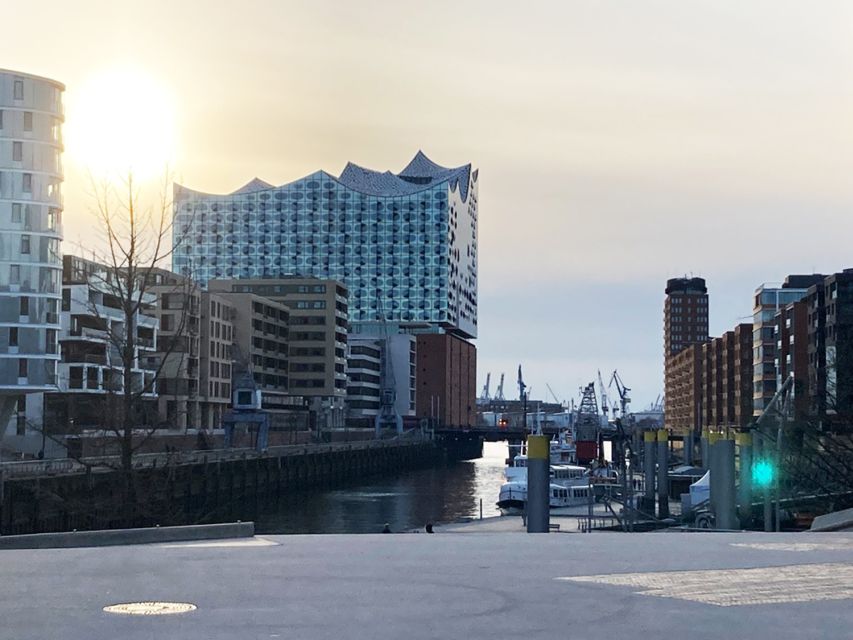
Finally, the tour ends at the Elbphilharmonie area. You’ll have a guided stop of about 15 minutes, then your tour finishes near Platz d. Deutschen Einheit. From here, you’re set up to explore the Elbphilharmonie Plaza and public viewing platform on your own.
I like this finish because it’s practical. You get enough structure to understand what you’re seeing, but you’re also free to spend extra time where your curiosity leads. If you’re into harbor views, this is a strong payoff. If you’re more into architecture, the plaza area gives you plenty of angles without committing to an indoor concert plan.
One more thing: because HafenCity and Elbphilharmonie are modern and designed, the lighting and sight lines can be great for photos. If the weather is decent, plan to linger a bit after the tour ends.
Price and value: is $280 for a group tour a good deal?
The price is listed as $280 per group, up to 30 people, for a 2-hour guided walking experience. On paper, that might look like a “group deal” number rather than a per-person ticket. In practice, your value comes from what you’re being handed: a licensed guide, Danish narration, and historical visual aids. That’s the part most self-guided walks miss.
You’re also not just seeing one neighborhood. You’re getting a coordinated route that covers major historical layers: civic Hamburg, the St. Nikolai Memorial site, Speicherstadt, and the HafenCity/Elbphilharmonie finish. Even if you only care about one or two of those areas, the tour saves you the time of figuring out sequencing and context.
What you should consider is language. Because the guide talks in Danish, you’re paying for comprehension, not just movement. If Danish is comfortable for you, it’s likely a solid use of your time. If it isn’t, you might still enjoy the landmarks, but the value shifts from learning to sightseeing.
What the pacing feels like in real life
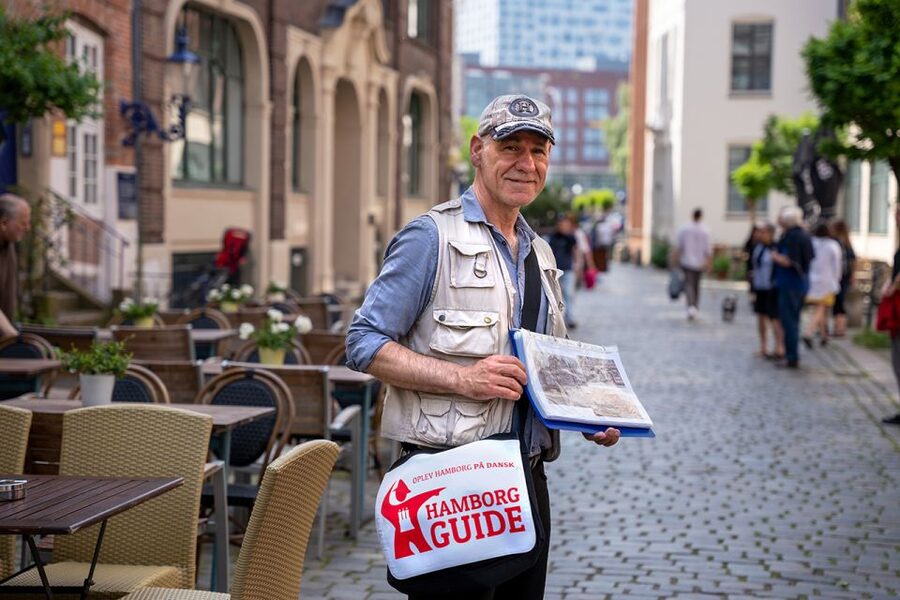
The stop durations are short and deliberate, with many segments in the 10 to 20 minute range. That creates a good rhythm for a two-hour outing. You’re constantly changing scenery, so you don’t burn out staring at the same facade.
The downside of a tight schedule is that you won’t have time for deep detours. If you want long museum reading, this isn’t that format. Think of it as an effective orientation plus meaning. You’ll leave with a clearer sense of what matters, then you can decide if you want to spend longer exploring any one stop afterward.
Also, because it’s a walking tour, your comfort matters. Hamburg is a city where good shoes make everything nicer, especially when the weather turns.
What to bring, and how to handle rain or cold
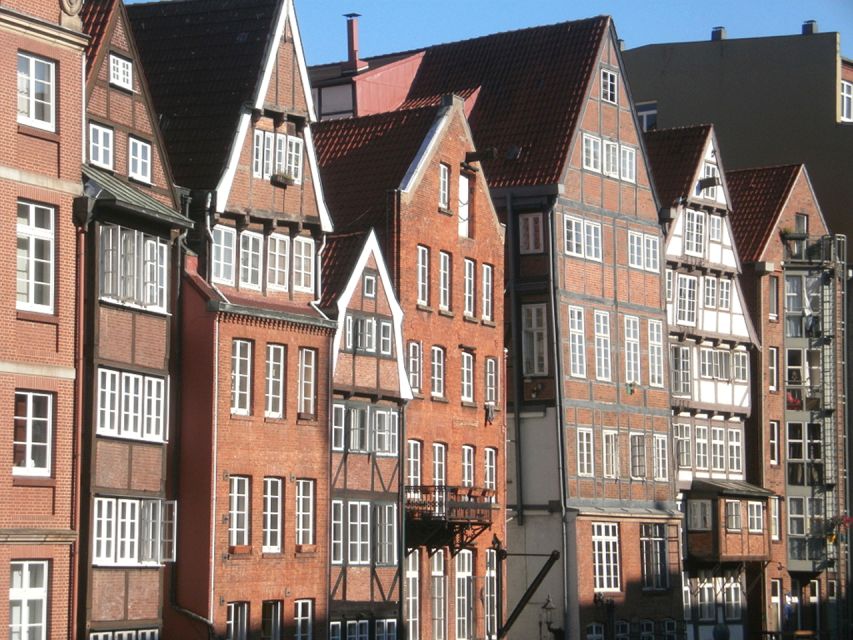
This tour runs rain or shine. So you should dress accordingly. In practice, that means comfortable shoes you can walk in on slick sidewalks, and clothes that handle wind and changing temperatures.
You’ll also want to bring cash. The tour data calls this out, so treat it as a practical suggestion, not a random extra.
And yes, the cold can bite in northern Germany. Plan for it. Even if you’re not expecting winter weather, layered clothing helps, because you’ll be outside between stops.
Who this tour fits best (and who should skip it)
This one works best if you:
- Enjoy city history that is told as a story, not a reading assignment
- Want a route that combines Old Town context with port architecture
- Prefer a tour told in Danish
- Like having a clear endpoint you can build on, like the Elbphilharmonie plaza
It’s not a match if you need an accessible route. The tour is listed as not suitable for people with mobility impairments, wheelchair users, and visually impaired or hearing-impaired guests. It’s also not suitable for children under 6.
If your group needs accessibility accommodations, you’ll want to look for a different format or a different route designed for those needs.
Should you book this Danish Hamburg walking tour?
Book it if you want a high-value, 2-hour way to understand Hamburg, not just photograph it. The route is well chosen: civic center landmarks, the St. Nikolai Memorial with its WWII meaning, then the trade-focused Speicherstadt, and finally HafenCity and the Elbphilharmonie finish. Danish-only guidance is the big condition, so check your comfort level first.
If Danish is a strength, you’ll likely enjoy the way the guide makes key themes land, especially the way Hamburg’s development is explained from early marketplace days to Hanseatic power and on into modern port life. And if you love endings that feel like a reward, the Elbphilharmonie Plaza and public viewing platform are a great place to wrap up.
If Danish is not comfortable, you can still enjoy Hamburg’s highlights, but you may feel like you’re missing the point of the tour.
FAQ
FAQ
How long is the Hamburg guided walking tour in Danish?
It lasts 2 hours.
Where do I meet the guide?
Meet your guide in front of the Swatch Shop at the corner of Jungfernstieg and Alsterarkaden.
What language is the tour in?
The live tour guide speaks Danish.
Where does the tour end?
The tour finishes at Platz d. Deutschen Einheit, 20457 Hamburg, Germany, near the Elbphilharmonie area.
Are food and drinks included?
No. Food and drinks are not included.
Is the tour suitable for wheelchair users or people with mobility impairments?
No. The tour is not suitable for people with mobility impairments or for wheelchair users. It also isn’t listed as suitable for visually impaired or hearing-impaired guests.
Can I cancel, and is there an option to pay later?
Yes. You can cancel up to 24 hours in advance for a full refund, and you can reserve now and pay later.
Pavements of Hamburg
Everything else we filed on Hamburg
- Hamburg: Safari tour in St. Pauli
★ 4.9 · 11 reviews - Hamburg: Party Bingo with the Bingo Gringos
★ 4.8 · 11 reviews - Hamburg Harbor: 3.5-Hour Guided Tour by Bike
★ 4.7 · 11 reviews - Hamburg: 2-Hour St. Georg Walking Tour
★ 4.8 · 11 reviews - Hamburg: Guided Walking Tour in Danish
★ 5.0 · 11 reviews - Discover Hamburg in a retro Bulli
★ 3.0 · 12 reviews
Walking Tours, side by side.
 ★ 5.0Discover Berlin Half-Day Walking TourFrom $249,624 reviews
 ★ 4.9Berlin: Third Reich and Cold War 2 Hour Walking TourFrom $236,830 reviews
 ★ 4.6Munich: Third Reich & WWII Walking TourFrom $316,181 reviews
 ★ 4.9Berlin: Discover Berlin Walking TourFrom $235,998 reviews
 ★ 5.0Berlin’s Best: 2 Hour Walking Tour Third Reich and the Cold WarFrom $245,486 reviews
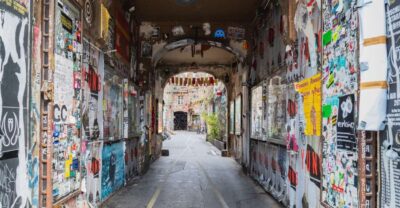 ★ 4.8Berlin: Hidden Backyards Guided Walking TourFrom $235,360 reviews
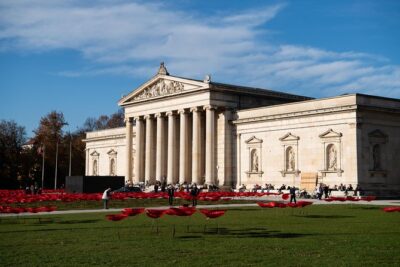 ★ 4.5Third Reich Walking Tour MunichFrom $454,291 reviews
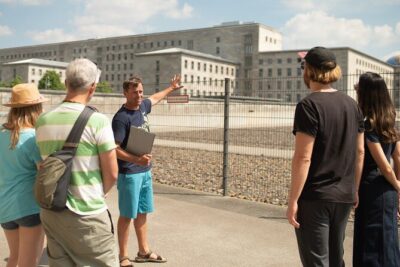 ★ 5.0Third Reich Berlin: Hitler and WWII Walking TourFrom $243,301 reviews