
REVIEW · WALKING TOURS
Hamburg: Walking Tour for School Groups
Hamburg can teach fast, if you plan it right. This school-group walking tour brings history to life with routes built for kids and teens, plus a guide who keeps the pace and stories age-appropriate.
You’ll also get clear structure in a short time window, 90 minutes, which matters when you’re managing a class. The tour offers three different areas to match your group’s interests, from UNESCO-listed warehouses to the Reeperbahn in daytime.
What I like most is the focus on on-the-ground landmarks and not just facts. You’ll see the big set pieces, like the world’s largest warehouse complex in Speicherstadt and the Elbphilharmonie Plaza area, then connect them back to how Hamburg grew and worked.
Second, the guide approach stands out in the feedback I saw: a mix of history, society, and personal stories, with explanations shaped to the students’ level and language needs.
One thing to consider: the St. Pauli option is only for students at least 14, and one feedback note mentioned that moral commentary around topics like alcohol did not land well for some classes. If your school prefers a strictly factual tone, it’s worth setting expectations ahead of time so the discussion stays aligned with your students.
In This Review
- Key things to know before you choose your Hamburg route
- Picking between Speicherstadt, Altstadt, and St. Pauli
- Speicherstadt and HafenCity: UNESCO warehouses to the Elbphilharmonie Plaza
- Hamburg Altstadt: Kontorhäuser, City Hall, churches, and port context
- St. Pauli by day for students 14+: Reeperbahn stories, not nightclubs
- How the 90-minute format fits school schedules
- What’s actually included, and what you must handle
- Guide style that works for kids and teens
- Weather, rain or shine, and what to pack
- Price and value: $294 per group up to 25
- Who should book this tour (and who should skip it)
- Should you book this Hamburg school-group walking tour?
- FAQ
- How long is the Hamburg school group walking tour?
- How much does the tour cost?
- Is this tour only for school groups?
- What tour options are available in Hamburg?
- Is the St. Pauli tour suitable for all ages?
- What language is the live tour guide?
- Does the tour run in bad weather?
- What should we bring?
- Where do we meet?
- Is food and hotel pickup included?
Key things to know before you choose your Hamburg route

- Three different tour themes (Speicherstadt and HafenCity, Altstadt, or St. Pauli) so you can match your class to the right vibe
- 90 minutes that fit a school schedule, with just a guided walk and no added museum time
- German-only live guide, so plan for how your group will follow the lesson
- Rain or shine, meaning you should dress and pack like the city will be doing its job wet or dry
- St. Pauli is age-gated (14+), with daytime Reeperbahn walking and stories focused on nightlife context
Other walking routes through Hamburg
- Hamburg: Guided Walking Tour for Magic Fans★ 4.8 · 1,992 reviews
- Reeperbahn Walking Tour with St. Pauli Local★ 4.8 · 577 reviews
- Hamburg: Speicherstadt Walking Tour with Coffee Tasting★ 4.6 · 360 reviews
- Hamburg Reeperbahn Small-Group Walking Tour★ 4.0 · 269 reviews
Picking between Speicherstadt, Altstadt, and St. Pauli
You choose one of three routes, and that’s the smart part. If you send younger students, the Warehouse-to-waterfront themes tend to be easier to picture. If you have older students and you want social history, Altstadt and port views can feel more grounded. For the oldest teens, St. Pauli is the obvious choice, but only if they meet the minimum age.
All routes are built as a walking tour for school groups and include a live guide. That one decision shapes the whole experience: the guide isn’t performing for random tourists, they’re teaching a class, with pacing and language aimed at that audience.
Also, this is a private group tour for your school group, not something you share with strangers. That typically makes it easier to keep students together and keep questions manageable.
Speicherstadt and HafenCity: UNESCO warehouses to the Elbphilharmonie Plaza
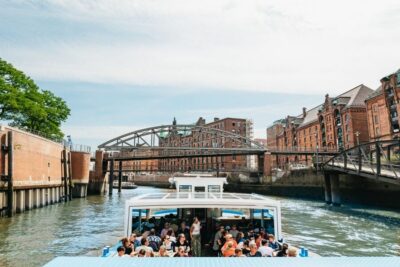
This is the route I’d pick if you want a clear visual story of Hamburg. You start with Speicherstadt, described as the world’s largest warehouse complex, and it’s a UNESCO World Heritage Site. That matters because UNESCO sites come with a sense of significance, and your guide can use that legitimacy to explain why these buildings still matter.
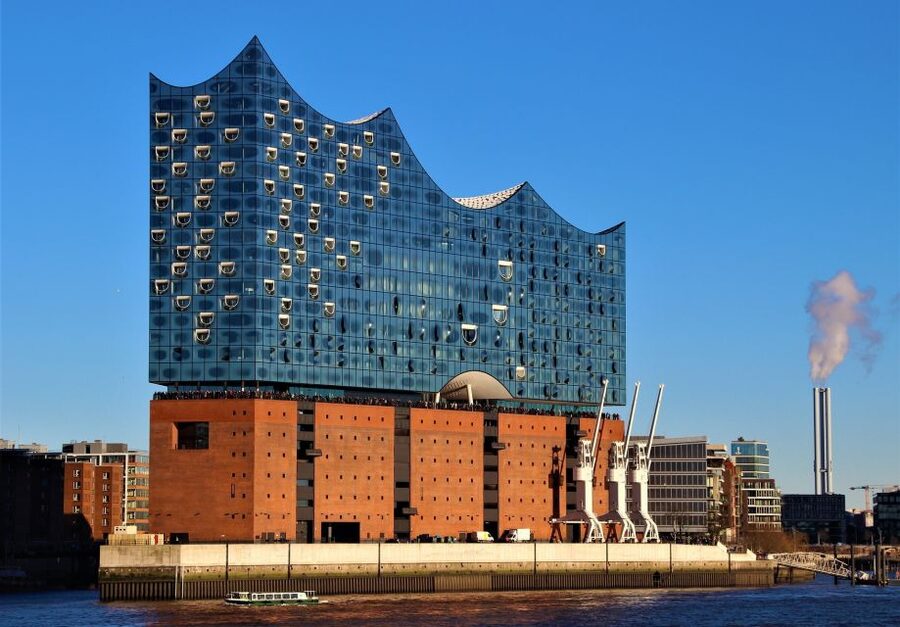
From there, you shift to HafenCity, Hamburg’s modern waterfront district. You’re not stuck in the past. You’ll see how Hamburg reuses space and changes its skyline, and you end up at the Elbphilharmonie Plaza area, tied directly to the city’s newest landmark energy.
What makes this route work for school groups is the mix of scale and contrast. Warehouses give you big, solid architecture that students can point to, while HafenCity and Elbphilharmonie connect the dots to today’s city planning.
What might feel challenging: students sometimes get “warehouse fatigue” if the group is very young or restless. The way to fix that is simple. Wear comfortable shoes, keep your lesson mindset, and encourage quick questions as you go. A good guide will do this naturally, and the feedback I saw repeatedly highlighted guides who adjusted to the needs of the group.
Hamburg Altstadt: Kontorhäuser, City Hall, churches, and port context
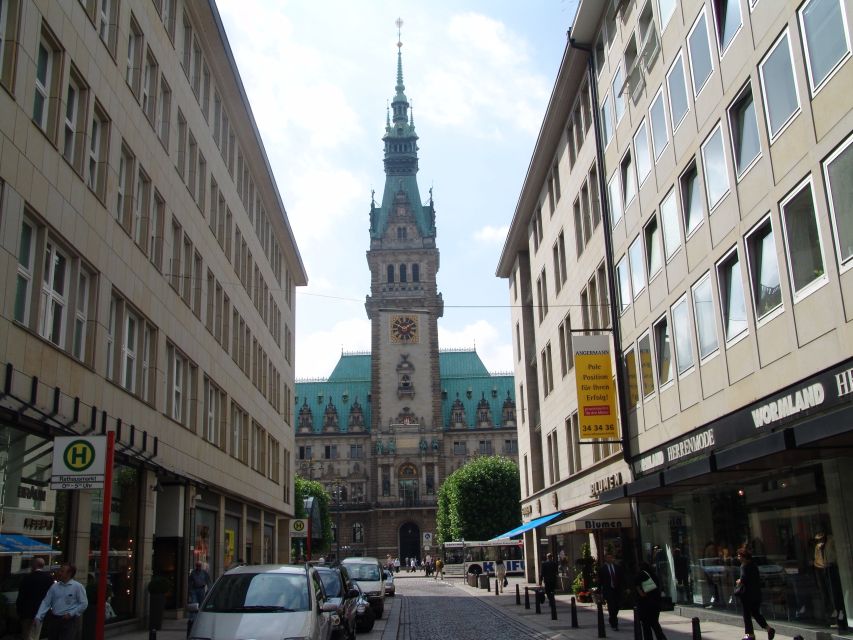
If your class likes civic buildings and city structure, the Altstadt option is a strong match. This tour focuses on Hamburg’s history in the central city, with stops that include Kontorhäuser (the historic office building style), the City Hall, and the city’s main churches.
Then you connect it back to what makes Hamburg Hamburg: the port. The route includes the most interesting part of the port for this walking format, so students leave with the idea that the city’s power and identity were tied to shipping and work.
This route tends to shine when your students are ready for social and economic explanations. One piece of feedback I saw mentioned the guide included background on socio-cultural conflicts then and now. That kind of connection is exactly why a walking tour can beat a textbook for school groups. Students can see the physical geography, then understand how the city’s growth affected people.
A practical consideration: churches and civic buildings can feel “samey” if your class has attention issues. Your guide’s job here is to keep it varied with stories, and the best guides in the feedback I saw were praised for being engaging and tailored to the group. Still, if your class has a habit of zoning out in formal spaces, choose the route carefully and prepare them for a short walk with frequent prompts.
St. Pauli by day for students 14+: Reeperbahn stories, not nightclubs
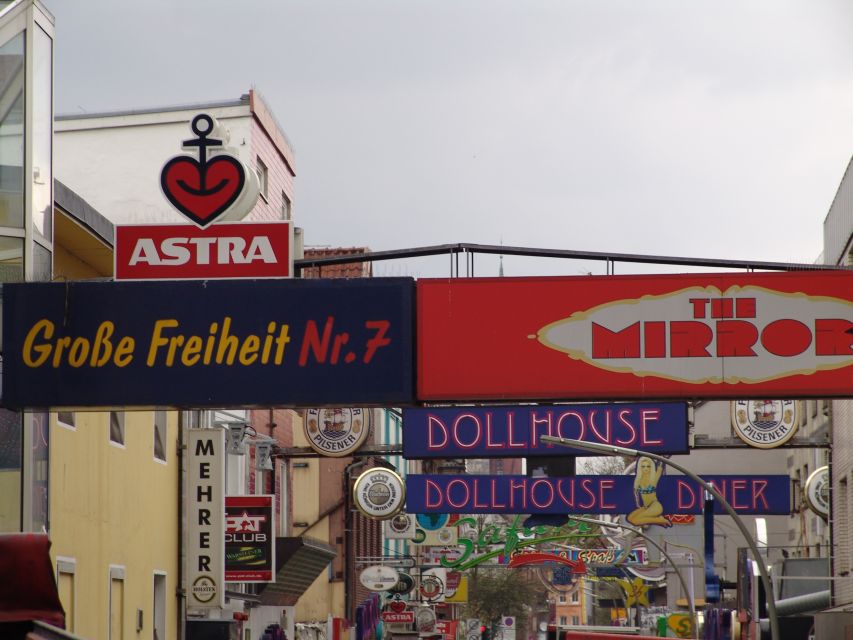
This one is different, and it’s the route you choose when you have older students who can handle topic intensity responsibly. The St. Pauli tour is only suitable for children at least 14 years old, and it takes you to the Reeperbahn during the day.
The focus is on interesting stories and facts about the exciting nightlife there. That wording is important. The tour is positioned for learning and context, not for partying. Your guide can explain what the area became known for and how entertainment districts work inside a real city, with rules, regulations, and social consequences.
One caution comes directly from the feedback I saw: there was a note that moral hints around alcohol consumption did not land well with some students. So if you’re working with a group that gets defensive around lectures, it’s reasonable to ask the guide for a more neutral, factual style, or at least to expect that the discussion may include guidance.
When this route works best is when you treat it like a social studies walk. Give students a simple mission, like collecting examples of how the city organizes nightlife areas, what the signs and architecture suggest, and what people mean when they say nightlife shapes a neighborhood.


How the 90-minute format fits school schedules
A school trip has one enemy: time. Ninety minutes is short enough to keep energy up, but long enough for a guide to build a storyline. You’re not wandering randomly. You’re moving through specific areas, then leaving with a stronger understanding than you’d get from a quick look outside.
Because it’s a walking tour, your pace is likely to match a group’s needs more than a standard sightseeing crowd. That’s especially helpful for school leaders who need students to stay together and learn without constant regrouping.
Also, this is a “private group” tour, which can keep the flow smoother. The guide can ask questions that fit your specific class and keep students from getting lost in translation.
What’s actually included, and what you must handle
Good news: the tour guide is included. That’s it for the core experience. No hotel pickup, no ticket add-ons beyond what the tour itself handles, and no food or drinks.
So you should plan your own logistics:
- Assign a meeting spot early, since the meeting point may vary by which option you book
- Bring snacks or water if your schedule needs it, since food and drinks are not included
- Start with a “shoes first” rule, because comfortable walking footwear is the one must-have listed
If you’re thinking about student comfort, this part matters. A guided lesson that feels physically hard loses value fast, and the tour is rain or shine. That’s not a suggestion. It’s the reality of doing a walking program in Hamburg.
One extra practical perk: it says skip the ticket line. That can matter if the route includes any access that would otherwise cause delays, and it also helps keep students moving instead of waiting.
Guide style that works for kids and teens
The strongest praise in the feedback I saw centered on how well the guide handled the group’s needs. People noted a mix of history, society, and personal stories, and another comment highlighted how the guide explained socio-cultural conflicts in Hamburg then and now.
That’s not fluff. For school groups, students need more than dates and buildings. They need reasons. A guide who connects architecture and port activity to social change helps students see the city as a living system.
Age and language tailoring also came up, especially for the St. Pauli route. The feedback called it refreshing and informative, and it specifically mentioned that the explanation matched the students’ interests and age, including language that suited their level. That’s exactly what you want from a guide doing a school-focused tour.
The one negative note about alcohol-related moral hints is also useful. It suggests that the tour may include some guidance about behavior. If your school has strict rules around classroom tone, or if you want this lesson to stay purely historical and social-science focused, communicate that preference ahead of time.
Weather, rain or shine, and what to pack
This tour runs rain or shine, so don’t treat weather as a gamble. Hamburg weather can be changeable, and a walking tour means you’re outside for the whole 90 minutes.
Bring:
- Comfortable shoes (the only explicit item, but you should take it seriously)
- A rain layer, especially if your class is likely to complain or get cold
- Simple prep, like reminding students they will stay together and follow your leader’s instructions
Because the tour is short, you can usually keep it comfortable with smart clothing. If you plan to stay dry, focus on the basics. If students are uncomfortable, they stop listening.
Price and value: $294 per group up to 25
The price is $294 per group up to 25 for a 90-minute private school walking tour. On a per-student basis, that can be a good value when you fill the group size.
Here’s the math idea: at the full group limit of 25 students, the cost is about $11.76 per student. If you bring fewer students, the per-person cost goes up, but you still get the key benefit of a private, school-tuned guide rather than squeezing into a general crowd.
What makes the pricing feel fair is that you’re paying for:
- A guide (the only included item)
- A structured route chosen for kids or teens
- A learning-focused approach, not just sightseeing
Also, there’s a stated flexibility feature: free cancellation up to 24 hours in advance for a full refund, plus reserve now and pay later. That matters for schools juggling schedules and attendance.
Who should book this tour (and who should skip it)
Book this tour if you:
- Are a school group and need a teacher-friendly, scheduled learning walk
- Want a choice among Speicherstadt and HafenCity, Altstadt, or St. Pauli
- Have students who can handle guided explanation in German (since the tour guide is German)
- Prefer a short, controlled outdoor program that doesn’t require ticket planning for multiple sites
Skip or reconsider if you:
- Have a mixed-age group and you’re not sure everyone meets the requirements for St. Pauli
- Need the guide in a language other than German
- Have very young students who might struggle with walking time and listening stamina, unless your school knows how to keep engagement high
Should you book this Hamburg school-group walking tour?
If your main goal is a structured, school-ready introduction to Hamburg, I’d book it. The routes give you real anchors, like Speicherstadt’s UNESCO warehouse complex, City Hall, and the daytime Reeperbahn, and the feedback strongly suggests guides tailor the lesson to the students’ needs. The 90-minute length is also a practical win for classroom reality.
I’d pay extra attention to two points before confirming: which route fits your students’ ages, and whether your school is comfortable with the guide including behavior guidance. If you align those details, this is the kind of activity that turns a city walk into a lesson students can actually remember.
FAQ
How long is the Hamburg school group walking tour?
The duration is 90 minutes.
How much does the tour cost?
The price is $294 per group up to 25.
Is this tour only for school groups?
Yes, it is only for school groups.
What tour options are available in Hamburg?
You can choose between Speicherstadt and HafenCity, Hamburg’s Altstadt, or St. Pauli.
Is the St. Pauli tour suitable for all ages?
No. The St. Pauli walking tour is only suitable for children at least 14 years old.
What language is the live tour guide?
The live tour guide language is German.
Does the tour run in bad weather?
Yes, it takes place rain or shine.
What should we bring?
You should bring comfortable shoes.
Where do we meet?
The meeting point may vary depending on the option booked.
Is food and hotel pickup included?
No. Food and drinks are not included, and hotel pickup and drop-off are not included.
Pavements of Hamburg
Everything else we filed on Hamburg
- Hamburg Private Food Tours with a Local: 100% Personalized
★ 5.0 · 3 reviews - The Beatles on St. Pauli
★ 5.0 · 3 reviews - Short walk St. Pauli – the St. Pauli quickie
★ 5.0 · 3 reviews - Hamburg: Safari Tour in St. Pauli
★ 5.0 · 3 reviews - Hamburg Like a Local: Private and Personalized Experience (3hrs)
★ 5.0 · 3 reviews - Private Hamburg rickshaw tour for 2 people
★ 5.0 · 3 reviews
Walking Tours, side by side.
 ★ 5.0Discover Berlin Half-Day Walking TourFrom $249,624 reviews
 ★ 4.9Berlin: Third Reich and Cold War 2 Hour Walking TourFrom $236,830 reviews
 ★ 4.6Munich: Third Reich & WWII Walking TourFrom $316,181 reviews
 ★ 4.9Berlin: Discover Berlin Walking TourFrom $235,998 reviews
 ★ 5.0Berlin’s Best: 2 Hour Walking Tour Third Reich and the Cold WarFrom $245,486 reviews
 ★ 4.8Berlin: Hidden Backyards Guided Walking TourFrom $235,360 reviews
 ★ 4.5Third Reich Walking Tour MunichFrom $454,291 reviews
 ★ 5.0Third Reich Berlin: Hitler and WWII Walking TourFrom $243,301 reviews