
REVIEW · HISTORICAL TOURS
Historic Berlin: Exclusive Private Tour with a Local
Berlin’s history is close up.
This exclusive private walk with a local is built around the places where Germany’s past became public life, from the Reichstag area to major memorials, Cold War markers, and Berlin’s historic center.
I like that the pace can flex to your group and interests, so the story lands instead of feeling like a checklist. I also like the way the local host keeps the tone balanced, with strong context that helps you connect the dots across Nazi years, division, and reunification.
One consideration: this is still a walking tour, and it is not recommended for guests with impaired mobility. If weather turns rough, expect the route details to adjust too.
In This Review
- Key highlights worth booking
- Why this 2-hour private walk is such good value
- Meeting at Pariser Platz and getting oriented fast
- The Reichstag Building: democracy, symbolism, and how to look at it
- Holocaust remembrance at the Memorial to the Murdered Jews of Europe
- Former Gestapo and SS headquarters: learning memory the hard way
- Cold War memory: the 1953 uprising and the divide you can still see
- Classic Berlin squares and Bebelplatz on Unter den Linden
- Berlin Cathedral and finishing in Nikolaiviertel
- What to expect from the private guide, pacing, and tailoring
- Price, what’s included, and what you may need to add
- Who this tour is best for
- Should you book this exclusive Historic Berlin tour?
- FAQ
- How long is the tour?
- Is this tour exclusive or shared with other groups?
- What language is the tour offered in?
- Where does the tour start and end?
- Are entry tickets included for museums and monuments?
- Is the tour suitable if I have impaired mobility?
Key highlights worth booking
- Exclusive private format means only your group is on the walk, not a mixed crowd shuffle.
- A tight 2-hour route that links major sites across eras instead of treating them as separate stops.
- Stop-by-stop human context around democracy, persecution, and memory, not just dates and names.
- Flexible pacing and tailored focus based on your interests and walking speed.
- A strong guide example in Abie, known for being well educated, informed, and balanced in approach.
- Great finish point in Nikolaiviertel, so the tour ends in an atmospheric older-feeling Berlin quarter.
More history walks in Berlin
- Berlin: Natural History Museum Entrance Ticket★ 4.6 · 3,382 reviews
- Berlin: World Heritage Cruise to Potsdam★ 4.5 · 1,435 reviews
- Berlin Historical Highlights Walking Tour★ 4.9 · 657 reviews
- Berlin Private Complete History All Day Walking Tour★ 5.0 · 474 reviews
Why this 2-hour private walk is such good value
At $151.41 per person for about 2 hours, you’re paying for two things that matter in Berlin: time, and interpretation. Berlin can feel overwhelming because so much history is visible on the street. This tour uses a concentrated route so you leave with clearer meaning, not just photos.
The other value is the format. Because it is an exclusive private tour, you are not competing with a large group for attention, and you can ask follow-up questions without the guide rushing to keep everyone synced. The itinerary is also described as tailored to your interests and walking pace, which is exactly what you want when your group includes fast walkers, slower walkers, or people who want more context at memorial sites.
What you should budget for is that transportation, museum, and monument entry tickets are not included. That is common for walking tours, but it does change the “all-in” cost. If you plan to add any optional indoor elements, bring a bit of extra money so you do not get surprised later.
Meeting at Pariser Platz and getting oriented fast
You start at the Academy of Arts, Pariser Platz 4, 10117 Berlin. This is a practical meeting spot because it is in a central, well-known area and close to public transport. From there, you are set up to walk into the part of Berlin where modern government, big memorials, and major historical streets all connect.
I like the early orientation built into tours like this. Berlin’s center can confuse first-timers. Getting your bearings at the start means every next stop feels less random. You also get a smooth shift from architecture and power (the democracy side of the story) into the darker chapters, without having to manage it all yourself.
Because the guide adapts to walking pace, you are not stuck in a rigid rhythm. If your group wants more breathing room near memorials or fewer stops because of energy levels, the tour is designed to adjust.
The Reichstag Building: democracy, symbolism, and how to look at it
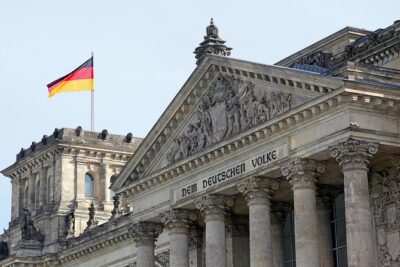
One of the headline stops is the Reichstag Building at Platz der Republik. The iconic detail here is the glass dome, and that matters because it is not just a cool photo spot. It is a visible metaphor tied to German democracy and the building’s history.
What I find useful in a guided approach is learning how to read a landmark while you’re standing in front of it. You get historical significance grounded in what you can actually see, so you are not just memorizing facts. The guide can also help you understand why this site has such emotional weight, especially for people who know less about German political history.
Potential drawback: if you are hoping for lots of time to linger, a two-hour tour is still a two-hour tour. You can usually take photos and absorb the basics, but you should not expect an extended deep-dive at each exterior stop. The point is flow, and the guide’s job is to keep the story moving while still giving you what you need.
Holocaust remembrance at the Memorial to the Murdered Jews of Europe
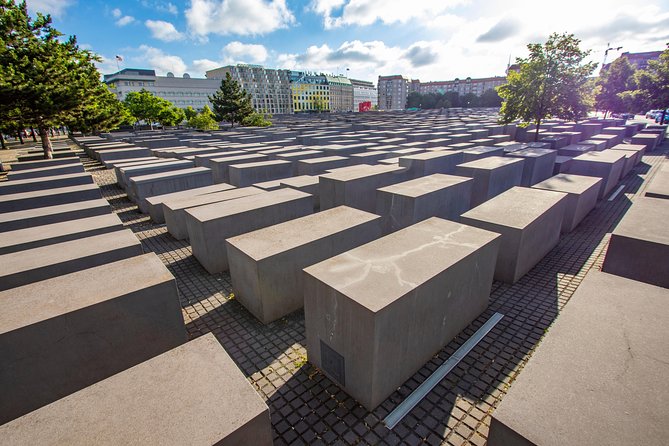
Next comes the Memorial to the Murdered Jews of Europe, near Cora-Berliner-Straße. This is one of those places where the setting does the work, but you will feel it more when you understand what you are looking at.
A good local guide helps you avoid two extremes: turning it into a quick photo stop or getting lost in details without a sense of why the memorial exists. On this tour, you get the kind of context that supports reflection without lecturing. It also fits the overall route because it sits within a larger timeline of how Nazi persecution shaped the entire country.
If you are the type who likes quiet, go with a slower pace. Ask your guide for a moment to take it in. Stops may vary depending on weather, but the memorial stop is a core anchor in the experience.

Former Gestapo and SS headquarters: learning memory the hard way
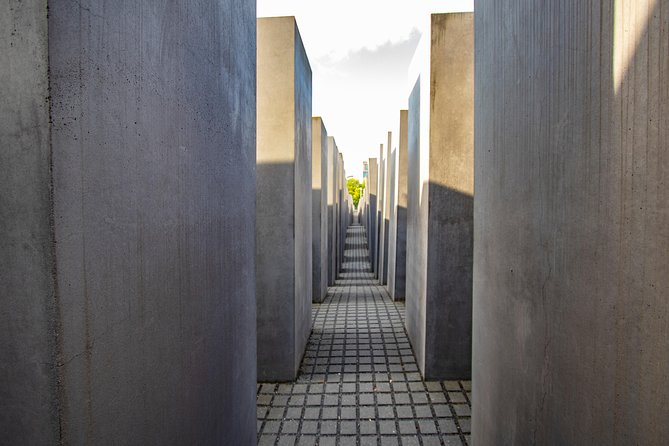
The tour includes a museum and memorial site on the grounds of the former Gestapo and SS headquarters. This is heavy ground. It is also incredibly important, because it shifts the conversation from what happened to the country into where the machinery of terror operated.
Even without extra time for indoor tickets, you can still benefit from a guide who can connect the location to the broader narrative. The value of being on a private walk here is simple: you can ask for clarification if something feels unclear, and you are not stuck listening to a one-size-fits-all talk.
A practical note: because entry tickets are not included, you may want to check whether you want any indoor components. If you do, plan for extra time and money. If you do not, you can still gain a lot from the exterior context, but you should accept it as a shorter visit.
Cold War memory: the 1953 uprising and the divide you can still see
Then the tour moves into the Cold War era. You visit Platz des Volksaufstandes von 1953, which commemorates the East German uprising. This stop matters because it reminds you that the division of Berlin was not just geographic. It was political pressure, fear, and resistance.
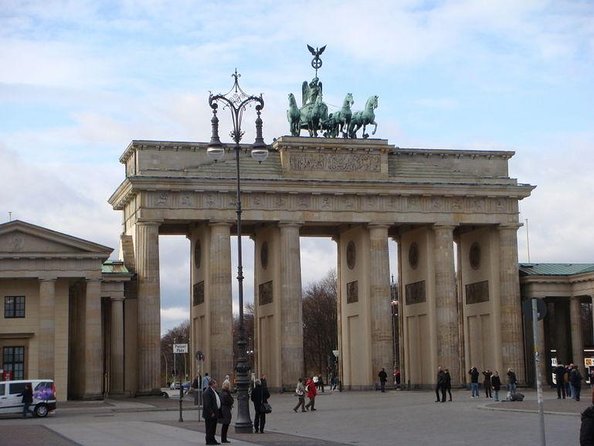
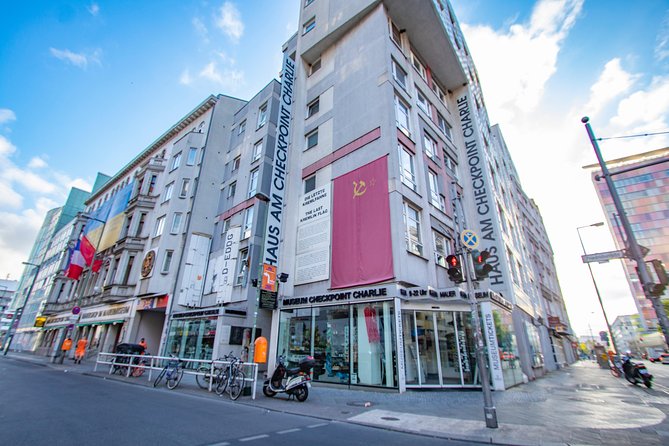
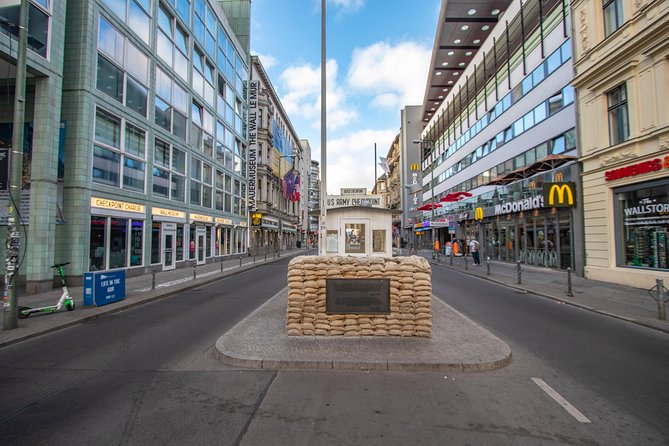
After that, you reach a landmark that symbolizes the division and eventual reunification of Berlin, once a crossing point between East and West Berlin. The guide’s role becomes especially helpful here, because reunification is often treated as a single event. In reality, it is a long process. Standing in a place that links both sides makes the time gap feel smaller and more real.
If you want a smooth story arc, this is where it clicks. You see how one era’s trauma and control lead into another era’s standoff, and then into a turning point. It is the kind of flow that is hard to construct on your own unless you already know the timeline.
Classic Berlin squares and Bebelplatz on Unter den Linden
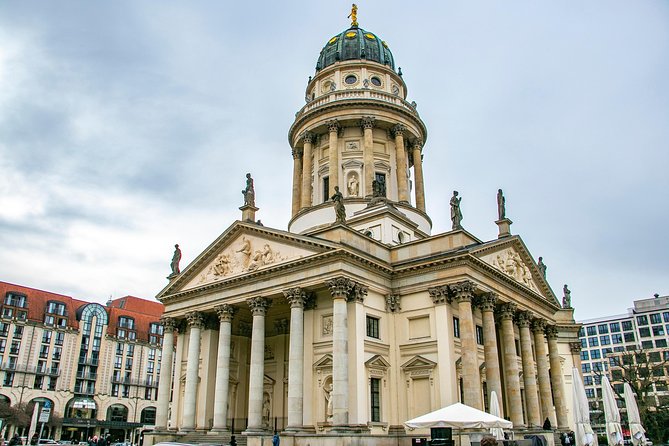
One of the stops includes a picturesque square in Berlin flanked by architectural masterpieces. The idea is to slow down and appreciate Berlin’s classical look even while you are surrounded by modern narratives. I find this pacing break helpful because it gives your brain room to absorb what you just learned.
The next major stop is Bebelplatz on Unter den Linden, known for the infamous Nazi book burning. This is a different type of memory site. Instead of focusing only on violence, it highlights the attack on ideas and culture. That adds an important layer to understanding how Nazi rule aimed to control more than bodies.
A guide can also help you spot how the surrounding buildings frame the story. When you know what happened here, Unter den Linden feels less like a “pretty street” and more like a stage where ideology played out in public view.
Berlin Cathedral and finishing in Nikolaiviertel
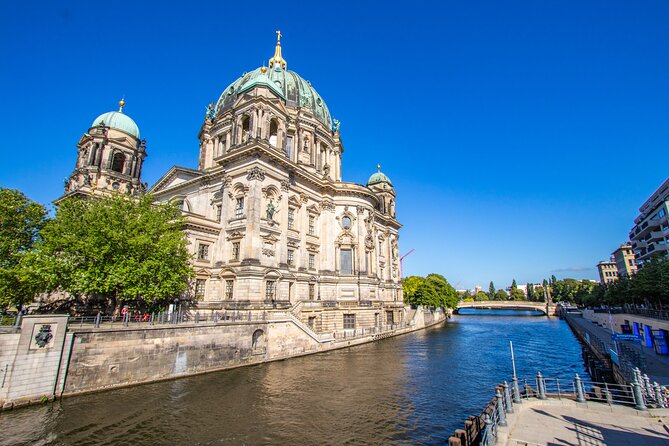
You end the walk at two different “feel” points. First is Berlin Cathedral at Am Lustgarten, described as a magnificent example of Berlin’s religious architecture and a key cultural landmark. A guided stop like this is not just about the exterior. It is also a chance to see Berlin as a city with spiritual and cultural identity beyond political conflict.
Then you reach Nikolaiviertel in Rathausstraße, which represents the historical heart of Berlin with medieval origins, traditional buildings, and charming streets. The ending is a smart choice. If the tour starts by pushing you into the big political story, the finish gives you something human and walkable. You get a place where you can keep exploring on your own without needing a new plan.
Your tour ends at Nikolaiviertel, Rathausstraße 21, 10178 Berlin. That location can be a convenient launch point for nearby strolling, cafes, or continuing your day with a more relaxed rhythm.
What to expect from the private guide, pacing, and tailoring
This tour is hosted by an independent local and is explicitly described as exclusive. Only your group participates. That matters because it changes how the guide can teach. You are more likely to get real conversation, not just a script.
The itinerary also adapts to your interests and walking pace. That sounds like a marketing line, but it has a real effect for this kind of route. If your group is more interested in democracy and institutions, you can spend extra time around the Reichstag area. If your group is focused on memorials and sites of persecution, you can slow down where it matters most.
From the example of guides like Abie, who is described as well educated and informed with a balanced approach, the key thing you should hope for is fairness in tone. Berlin’s history can get intense fast. A balanced guide keeps the focus on context and meaning, not on shock value.
Stops may vary depending on weather conditions. That is practical. In Berlin, rain and wind can change how comfortable it is to walk between exterior stops. The goal is to keep you safe and still hit the most important places.
Price, what’s included, and what you may need to add
Here is the practical breakdown based on the info provided:
Included
- Local host
- Exclusive private tour
- Tailored itinerary
Not included
- Personal expenses
Also not included (important for budgeting)
- Entry tickets for transportation, museums, and monuments
So the $151.41 per person is primarily paying for guided time, interpretation, and the private experience, not for paid entry. If you want the full effect and plan to go inside at any stop, factor those costs in.
The other plus is group discounts. If you are traveling as a small group, it may improve value, especially because the format stays exclusive. If you are traveling solo, the value is still strong if you want a focused route and strong context, but it depends on whether you like private-guided time versus self-guided exploration.
Who this tour is best for
I think this tour fits best if you:
- Want a guided story through major Berlin landmarks without building the timeline yourself
- Prefer a private setting where you can ask questions
- Enjoy history that connects politics, persecution, and memory in a single walking arc
- Are comfortable with an exterior-focused route where some stops may vary with weather
It is not a great match if you:
- Need mobility accommodations, because it is not recommended for impaired mobility
- Want a long indoor museum visit at multiple stops, since the tour is set for about 2 hours and ticketed entry is not included
Should you book this exclusive Historic Berlin tour?
Yes, if you want a focused, well-structured walk that makes Berlin’s most important turning points easier to understand. The exclusive private format, the ability to adapt to your interests and pace, and the balanced approach from local hosts like Abie are exactly what help when you are trying to connect democracy, persecution, division, and reunification in just two hours.
Book it with this mindset: treat it as your “framework” tour. Let it organize the city for you. Then use your free time after the walk to linger in whatever stop connected most with you, especially around Nikolaiviertel where the vibe shifts toward strolling and atmosphere.
FAQ
How long is the tour?
The tour lasts about 2 hours.
Is this tour exclusive or shared with other groups?
This is an exclusive private tour, so only your group participates.
What language is the tour offered in?
The tour is offered in English.
Where does the tour start and end?
It starts at Academy of Arts, Pariser Platz 4, 10117 Berlin and ends at Nikolaiviertel, Rathausstraße 21, 10178 Berlin.
Are entry tickets included for museums and monuments?
No. Entry tickets for transportation, museums, and monuments are excluded.
Is the tour suitable if I have impaired mobility?
It is not recommended for guests with impaired mobility. Service animals are allowed, and the meeting points are near public transportation.
The Longer History of Berlin
Everything else we filed on Berlin
- Private Photo Tour in Kreuzberg
★ 5.0 · 3 reviews - Kreuzberg Private Walking Tour: Immigrants, Artists & Hipsters
★ 5.0 · 3 reviews - Berlin’s Jewish Heritage: Private Tour of the Vibrant Jewish District
★ 5.0 · 3 reviews - Individual city tour Berlin for max. 8 persons
★ 5.0 · 3 reviews - Berlin & The Third Reich Private Guided Tour
★ 5.0 · 3 reviews - Private Analogue Photography Experience in Berlin
★ 5.0 · 3 reviews
Historical Tours, side by side.
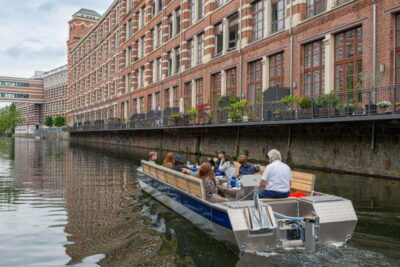 ★ 4.7Leipzig: City History Canal Sightseeing Tour on a MotorboatFrom $186,232 reviews
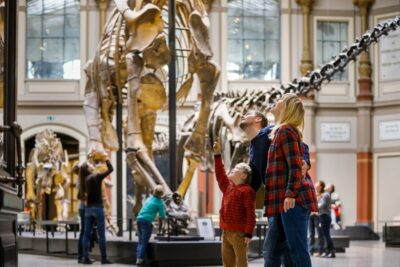 ★ 4.6Berlin: Natural History Museum Entrance TicketFrom $123,382 reviews
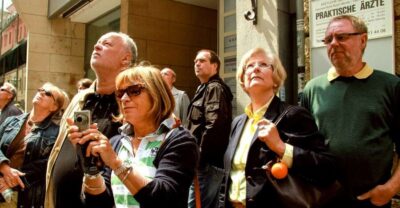 ★ 4.7Leipzig: 1.5-Hour Historical Walking Tour in GermanFrom $172,217 reviews
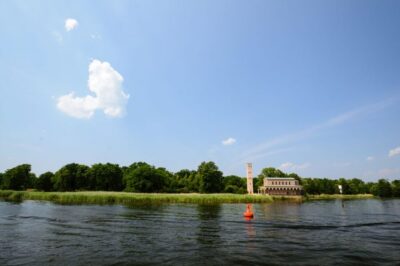 ★ 4.5Berlin: World Heritage Cruise to PotsdamFrom $251,435 reviews
 ★ 4.7Heidelberg: Night Watchman Historic Adventure TourFrom $3051,186 reviews
 ★ 5.0The Local Tour of Hamburg Historic CentreFrom $31,058 reviews
 ★ 4.8Elbfloren: Historical city tourFrom $15819 reviews
 ★ 4.6Bamberg: Guided Beer History Tour with Optional TastingFrom $21772 reviews
Other lists this tour is on