
REVIEW · MUSEUMS
Klassik im Museum
An hour of music in a real museum.
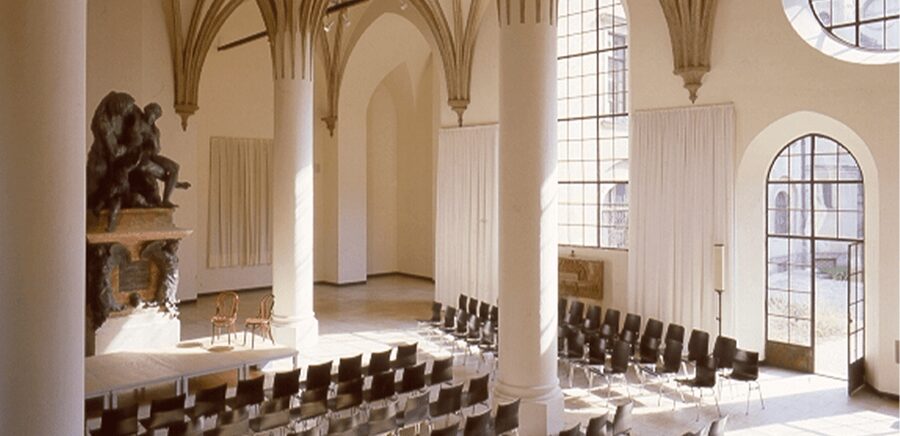
That is what makes Klassik im Museum such a smart, old-school choice: you pair a concert by the Residence Soloists with admission to the Bavarian National Museum, so you get sound and art in the same ticket. The setting, including the famed Mars-Venus Hall acoustics, turns a Saturday afternoon into a mini culture plan without extra fuss.
I especially like two things. First, you’re not just seeing objects behind glass, you’re hearing classical music in the middle of a museum experience, with no intermission and a tight one-hour program. Second, the museum itself brings you European cultural history in a way that feels very “Bavaria,” including precious historical musical instruments and the world-famous Nativity scene collection.
One thing to consider: seating is unreserved, so if you want a certain view or you prefer to sit close to the sound, you should plan to arrive with a little breathing room.
In This Review
- Key things to know before you go
- A Museum Concert at the Bavarian National Museum
- Mars-Venus Hall Sound and a No-Intermission Hour
- What the Residence Soloists Play in This One-Hour Program
- Tickets, Seating, and Getting There Without Stress
- Timing Your Museum Visit Around the Music
- Price and Value for a One-Hour Museum Concert
- Who This Experience Suits Best (and Who Might Want to Skip It)
- Should You Book Klassik im Museum?
- FAQ
- How long is the Klassik im Museum concert?
- Is there an intermission during the concert?
- What type of seating should I expect?
- When do I pick up tickets?
- Can I visit the museum before the concert?
- Is the venue wheelchair accessible?
- Is free cancellation available?
- Is the host available in multiple languages?
Key things to know before you go
- One-hour concert, no intermission means you can plan your afternoon cleanly.
- Residence Soloists perform in a museum setting, not a theater, which changes the feel.
- Mars-Venus Hall acoustics are the big deal, so timing matters once the music starts.
- Unreserved seating rewards early arrival if you care about where you sit.
- Museum entry is included, so you can pair the concert with time in the exhibits.
More collections to walk through in Munich
- Munich: Beer and Food Tour with Dinner & Oktoberfest Museum★ 4.7 · 1,086 reviews
- Munich: FC Bayern Museum + Arena View★ 4.5 · 944 reviews
- Munich: FC Bayern Museum Entry Ticket★ 4.6 · 193 reviews
- Munich: Deutsches Museum Entry Ticket★ 4.7 · 189 reviews
A Museum Concert at the Bavarian National Museum
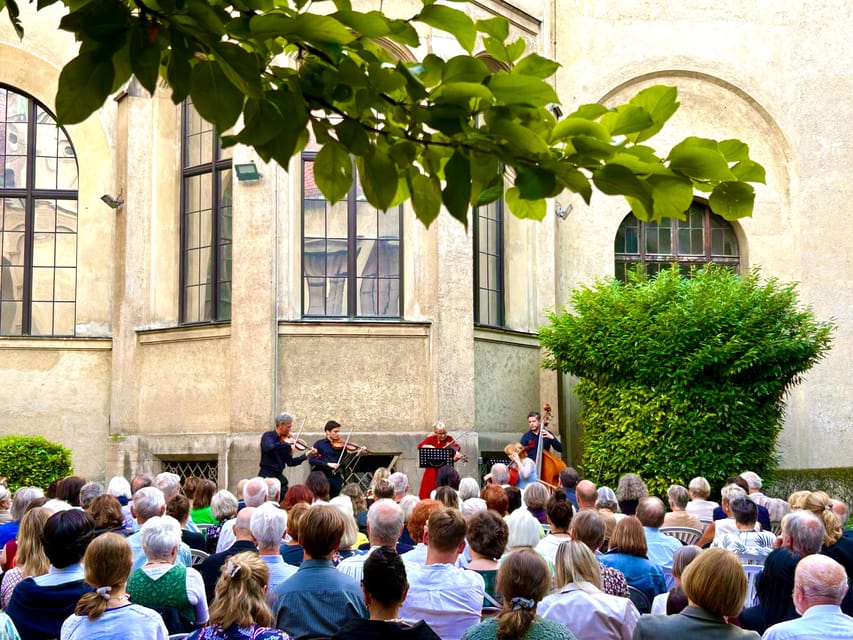
Klassik im Museum is basically a two-for-one afternoon: a classical concert plus museum admission at the Bavarian National Museum in Bavaria, Germany. You’re there for one hour of music by the Residence Soloists, and you can treat the museum visit as either a warm-up before the concert or a follow-on activity after.
What makes this experience practical is that it’s not asking you to build a complex plan. On a Saturday afternoon, you show up, get seated, and the music starts. Then, if you want, you use the same ticket to sink into the museum’s collections. I like this setup because it helps you avoid the common “I came for one thing and left after ten minutes” problem. Instead, you’re set up to appreciate both the performance and the cultural context.
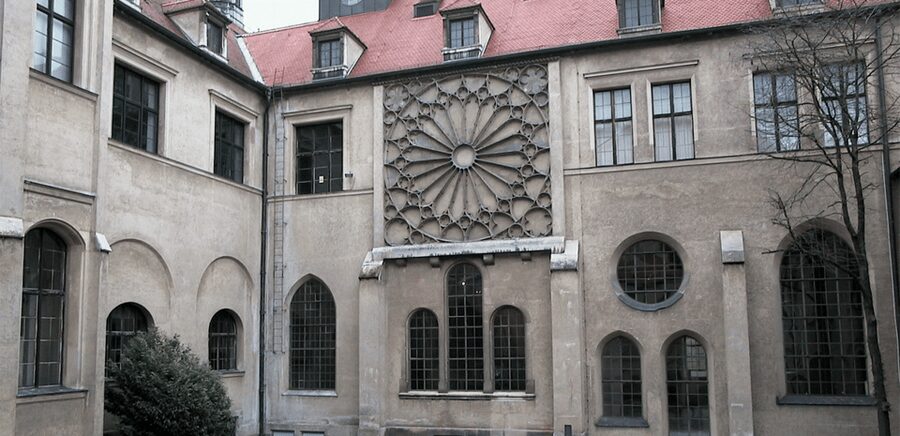
The Bavarian National Museum is also known as the Treasure House on the Eisbach Wave. That nickname matters, because it hints at what you’re walking into: a museum environment where you can move between European art and specific Bavarian treasures. In the provided details, you can expect precious historical musical instruments and the world-famous Nativity scene collection. If those types of objects grab you, the pairing with a classical music concert makes a lot of sense.
And if you are not sure what to expect from a museum concert, I’d frame it this way: you’re trading a long evening for a focused one. One hour is short enough to feel satisfying even if your day is packed, but it’s long enough to let you actually enjoy the pieces rather than just catch a few minutes.
Mars-Venus Hall Sound and a No-Intermission Hour
The concert takes place in the Mars-Venus Hall, and the details specifically call out superb acoustics there. That matters more than people think. Many classical concerts sound fine, but when the acoustics are genuinely good, you hear more detail in strings and piano, and the music feels more “in the room” than “on a stage.”
Here’s the timing reality. The performance is one hour and there is no intermission. That’s great for people who hate the break rush, but it does mean the organizers keep the music momentum going the whole time. I’d plan your arrival so you are already settled when the music begins. If you wait until the last minute, you’ll be the person checking seats while everyone else is already listening.
Seating is unreserved, which is another key point. Unreserved seating can feel intimidating if you’re used to assigned rows, but it’s also liberating once you accept the game. The best strategy is simple: arrive early enough to pick what you want. If you care about hearing clearly, pick the best compromise between visibility and proximity.
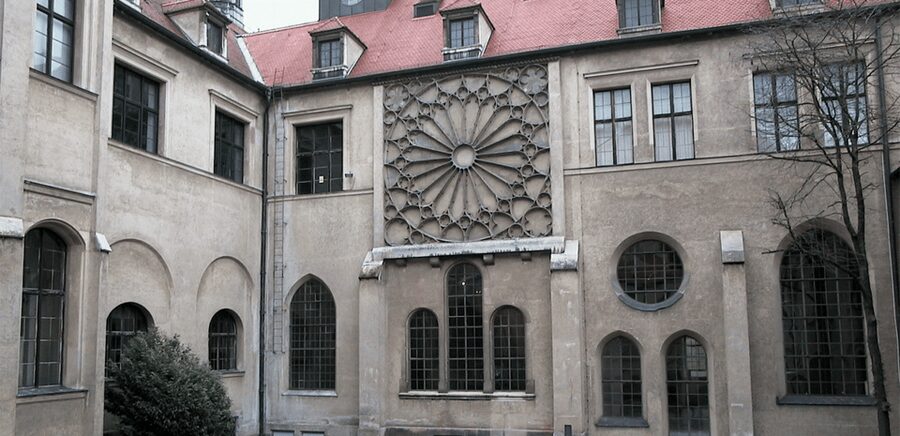
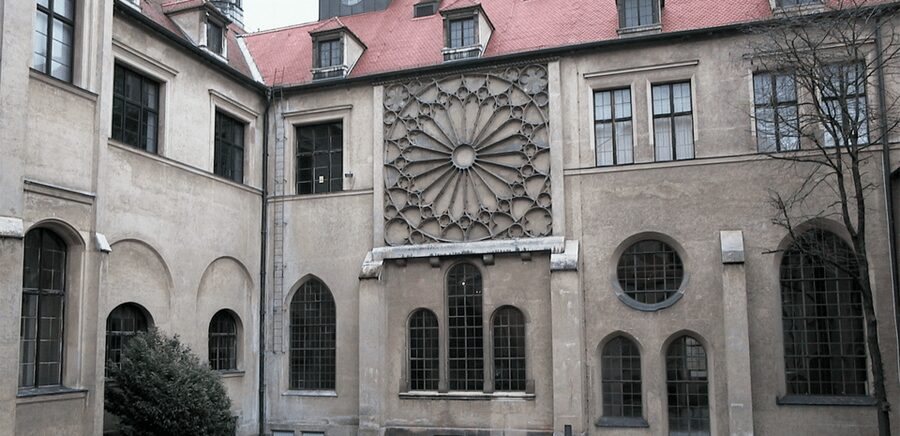
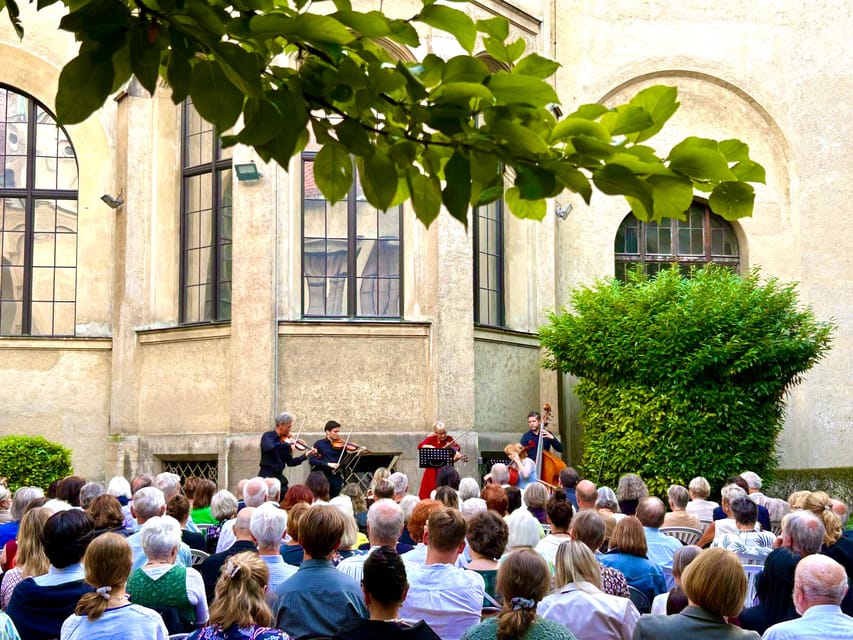
One reviewer highlighted excellent acoustics in the museum courtyard, and that lines up with the idea that this venue and its spaces are designed for good sound, not just good architecture. Even if your concert is in the Mars-Venus Hall, arriving early to absorb the atmosphere can make the whole experience feel smoother. Think of it as setting your ears before the program starts.
If you’re traveling with someone who needs frequent breaks, plan for the fact that the concert itself will not pause. The museum environment can be a relief valve, but the music portion stays continuous.
What the Residence Soloists Play in This One-Hour Program

You’re going to hear a mix built for an afternoon audience. The details mention options like piano recitals, exploring Baroque music in the afternoon, or familiar string sounds connected with composers such as Vivaldi, Mozart, Beethoven, and Albéniz. Even though you might not know the exact pieces until you’re there, the program direction is clear: this is classical music with recognizable names and styles, not an exam of obscure theory.
Why does this matter to you? Because a lot of people hesitate to book a classical concert if they worry it will be slow or too technical. Here, the described composer list and the “journey through classical music” framing suggests something friendlier. You’ll get the structure of classical repertoire, plus tunes that you might already recognize, which can make it easier to relax and actually enjoy the performance.
The format is also important: it’s a single, continuous hour. That usually means the musicians keep the musical story moving. Instead of waiting for a break, you stay inside the same listening mood the whole time. With great acoustics, that continuous flow can feel surprisingly intimate.
I also like that the experience doesn’t separate “music time” from “culture time.” The museum admission is part of the deal, and the museum is full of musical and historic objects. So even if the concert program leans broadly across classical eras, you can connect what you hear with what you see elsewhere in the building.
In plain terms, the Residence Soloists offer a focused afternoon listen. It is serious music, but the setup is designed to help you feel comfortable, even if classical concerts are not your usual plan.
Tickets, Seating, and Getting There Without Stress

Logistics here are not complicated, but you should follow them closely because the timing and ticket rules are specific.
Tickets are picked up at the box office on-site about 30 minutes before the concert starts. The tickets are issued in your name, so do not arrive late with a vague plan like I’ll figure it out. Also, if you are visiting the museum before the concert, you need to coordinate a bit: provide your email address to the organizer, and they send your concert tickets by mail, because GetYourGuide codes are not accepted at the museum.
This is the kind of detail that saves you from a last-minute scramble. If you want to see exhibits before the music, treat your email submission as part of your trip planning, not an afterthought.
Once you’re there, you can usually count on the “one-hour window” to keep things orderly. Since the performance is without intermission, you do not need a second plan for food during the concert. What you do need is a first plan: arrive early enough to pick your seat and settle.
Because seating is unreserved, I recommend arriving before the 30-minute pickup mark if you have strong seating preferences. If you do not care about being close, you can likely keep it simple. But for anyone sensitive to sound balance or who needs easier sightlines, “arrive a bit early” is the best free upgrade you can give yourself.
If you like clear communication at check-in, note that the host or greeter lists many languages, including Arabic, Chinese, English, French, German, Hindi, Italian, Japanese, Russian, Turkish, Ukrainian, Vietnamese, and Bosnian. That multilingual setup can make museum-day nerves feel smaller.





Timing Your Museum Visit Around the Music

The museum visit is part of the ticket, and you can use it in a few different ways. The details say you can visit before the concert, and you can contact the organizer if you want to do that. If you do, your concert tickets will be sent to you by mail because codes are not accepted at the museum.
I like the idea of doing the museum first, but only if you keep it realistic. The museum is big, and you could easily turn this into a three-day obsession if you get hooked. One of the reviews mentioned that the range of exhibits is so extensive that you would need at least three days to see everything. That’s not a requirement, but it is a good reality check: you will not see it all in one afternoon.
So I suggest you choose a small mission. If you’re drawn to musical objects, spend your pre-concert time focusing on historical instruments, then let the concert feel like a “sound chapter” that matches what you just saw. If Nativity scenes are the draw, make that your anchor and then let the music connect emotionally and culturally.
If you prefer a slower start, you can also use the museum visit after the concert. The benefit is you don’t have to rush before the music. The downside is that you may feel a little “done” once you get out of the hall. With one hour of music and continuous flow, you might want downtime rather than more walking.
A useful middle approach is to arrive early, pick up tickets, and do a quick lap through a couple of rooms. Keep your expectations small. Then settle in for the concert. If you still have energy afterward, go back and go deeper.
Also pay attention to atmosphere. One review specifically praised acoustics in the museum courtyard. Even if your concert happens indoors, spending a few minutes in the courtyard area can help you transition from sightseeing mode into listening mode.
Price and Value for a One-Hour Museum Concert
The price is listed at $53 per person, and the package details also show a ticket price of 45€. In other words, you’re paying a set amount for a combined deal: concert plus museum admission.
Is that good value? In my view, yes, because you are buying two different kinds of experiences that reinforce each other. A museum admission alone can easily take most of an afternoon, and a classical concert ticket alone can be a separate purchase. Here, the structure is designed so you can justify the day even if you only have an hour for music.
The time length also helps. One hour is short enough to fit into a schedule even if you’re traveling with kids, older relatives, or anyone who gets tired after long walking days. One of the reviews noted an older visitor found it the most interesting museum visit they’d ever had. That kind of comment suggests this format works for people who appreciate a focused plan.
Where value can go either way is your personal interest in the museum. If you only want the music, you might feel like you’re paying for museum access you will not use fully. But the museum has clear highlights in the details, including historical musical instruments and the Nativity scene collection, plus European art and cultural history. If any of that sounds like your thing, the package feels more like a bargain than a compromise.
One more value point: seating is unreserved, which typically means you’re not locked into a single expensive row. Your money goes toward a good sound experience in a hall, plus admission. So your real job is to show up with enough time to choose a seat you’ll enjoy.
Who This Experience Suits Best (and Who Might Want to Skip It)

I think this works best for three types of travelers.
First, it’s great for anyone who wants classical music but does not want a half-night commitment. One hour, no intermission, and a museum setting gives you a complete experience without the usual late start.
Second, it’s a strong fit if you like blending music with historical context. Since the museum is already full of musical instruments and Bavarian cultural treasures, you’ll likely enjoy connecting what you see to what you hear.
Third, it’s good for travelers who appreciate easy-going logistics. The ticket pickup is close to concert time, and the host is listed with many languages, which reduces the risk of communication headaches.
Who might not love it? If you dislike unreserved seating, or if you require a break during performances, the no-intermission structure could feel limiting. Also, if you are planning a trip day packed with multiple activities, the museum can be tempting to overdo. Remember the review point about how much is inside, and decide how much you actually want to see.
There’s also the “music preferences” factor. This program sounds designed for listeners who enjoy familiar classical voices and styles. If you strictly want modern experimental music, you might find this approach more traditional. Still, that’s often the point of concerts like this in major museum halls: comfort plus quality.
Should You Book Klassik im Museum?
If you want an easy, high-quality Saturday afternoon in Bavaria, I’d book it. The biggest reasons are the combination of museum admission with a one-hour, no-intermission performance in a hall known for acoustics, and the fact that the museum highlights you can experience are exactly the kind that pair well with classical music.
Book it if you:
- like a focused plan and can spare one hour for music
- want museum time without spending your whole day in queues
- enjoy classical composers listed in the program direction, like Vivaldi, Mozart, Beethoven, and others
Skip or reconsider if you:
- dislike unreserved seating and need assigned places
- cannot handle a continuous performance with no intermission
- only want music and are not likely to use the museum admission beyond a quick look
FAQ
How long is the Klassik im Museum concert?
The concert duration is 1 hour.
Is there an intermission during the concert?
No, the one-hour concert is scheduled without intermission.
What type of seating should I expect?
Seating is unreserved.
When do I pick up tickets?
You can pick up tickets at the box office on-site about 30 minutes before the concert begins.
Can I visit the museum before the concert?
Yes. If you want to visit before the concert, you should provide your email address so the organizer can send your concert tickets in advance, because GetYourGuide codes are not accepted at the museum.
Is the venue wheelchair accessible?
Yes, the experience is listed as wheelchair accessible.
Is free cancellation available?
Yes. You can cancel up to 24 hours in advance for a full refund.
Is the host available in multiple languages?
Yes, the host or greeter is listed in multiple languages, including Arabic, Chinese, English, French, German, Hindi, Italian, Japanese, Russian, Turkish, Ukrainian, Vietnamese, and Bosnian.
Museums Worth the Queue in Munich
Everything else we filed on Munich
- Paul’s Private Tour Munich Highlights
★ 5.0 · 3 reviews - Private Linderhof Castle, Entry-Ticket – optional Toboggan Run
★ 5.0 · 3 reviews - Paul’s Private Tour in the Alte Pinakothek Munich
★ 5.0 · 3 reviews - Private Tour at Neuschwanstein And Linderhof Palaces From Munich
★ 4.5 · 3 reviews - Private Highlights of Munich Bike Tour with Beer Garden Stop
★ 5.0 · 3 reviews - Munich WWII and Dachau Concentration Camp Private Tour with Licensed Guide
★ 5.0 · 3 reviews
Museums, side by side.
 ★ 4.5Berlin: Jewish Museum Berlin Entrance TicketFrom $08,393 reviews
 ★ 4.3Berlin: DDR Museum TicketsFrom $153,443 reviews
 ★ 4.6Berlin: Natural History Museum Entrance TicketFrom $123,382 reviews
 ★ 4.6Berlin: Neues Museum Entry TicketFrom $163,261 reviews
 ★ 4.4Cologne: Chocolate Museum Entrance TicketFrom $192,790 reviews
 ★ 4.7Dresden: Church of Our Lady Guided Tour of GalleryFrom $152,421 reviews
 ★ 4.1Skip-the-Line: Berlin Wall Museum at Checkpoint CharlieFrom $212,041 reviews
 ★ 4.4Berlin: Museum Island Multiple Museum Entry TicketFrom $272,007 reviews
Other lists this tour is on