

REVIEW · MUSEUMS
Munich: Deutsches Museum Entry Ticket
This museum makes science feel mechanical. At the Deutsches Museum on Munich’s Museumsinsel, you get hands-on experiments and big-theme 20 exhibitions in one place. I love the way it turns complicated ideas into stuff you can try, but it is also a big museum, so you will want a loose plan or you can burn your day fast.
I also love the sheer scale and variety, from aviation and astronautics to atomic physics and chemistry. The collection runs on the impressive side too, with over 125,000 objects, including highlights like the first diesel engine, historic printing presses, a lunar rover, and iconic airplanes.
The layout is designed for real access, with barrier-free space from the entrance to the restrooms, and you can cover it in one day. Open daily from 9:00 to 17:00 with last admission at 16:30, the museum is a practical choice if you want a science stop without guessing too much.
In This Review
- Key points to know before you go
- Why the Deutsches Museum is worth your one-day ticket
- Finding the museum on Museumsinsel 1 and planning your day
- Your ticket gives access to 20 permanent exhibitions, so think in loops
- Hands-on experiments that actually help you remember
- Aviation, astronautics, atomic physics, and chemistry: what to look for
- Signature shows and demos: model railway, microscopy theater, chemistry
- The collection’s scale: famous objects and why they matter
- The museum’s bigger mission, from 1903 to the future
- Audio guide on the Deutsches Museum App and making it worth your time
- Price and value: what $17 gets you in Munich
- Who should book this ticket and who might pass
- Should you book the Deutsches Museum entry ticket?
- FAQ
- What is the location of the Deutsches Museum ticket?
- How much does the Deutsches Museum entry ticket cost?
- How long is the ticket valid?
- What are the opening hours and last admission time?
- What does the ticket include?
- Is the museum wheelchair accessible?
- Are there any age rules for children?
- What admission options are available for discounts?
- Can I cancel my booking?
- Is there a pay later option?
Key points to know before you go
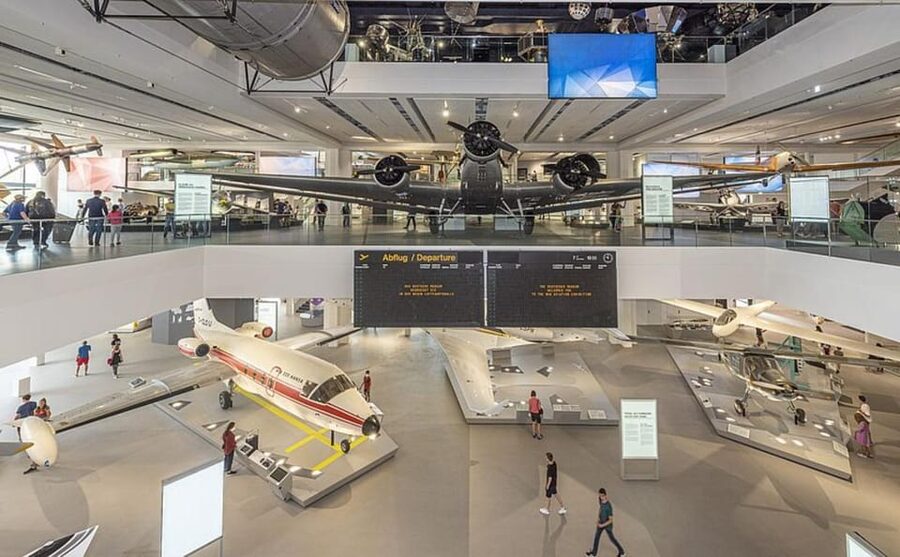
- A hands-on museum, not just glass cases: you will find stations and experiments built for interaction.
- 20 permanent exhibitions across a big footprint: it is one ticket, but you need a rhythm.
- Major science-and-tech topics in one loop: aviation, astronautics, atomic physics, chemistry, and more.
- Signature demonstrations: model railway, microscopy theater, and chemistry show-and-tell.
- Over 125,000 collection items: famous machines and tools, not just ideas on panels.
- Barrier-free design: barrier-free paths from entry to restrooms, plus wheelchair accessibility.
More collections to walk through in Munich
- Munich: Beer and Food Tour with Dinner & Oktoberfest Museum★ 4.7 · 1,086 reviews
- Munich: FC Bayern Museum Entry Ticket★ 4.6 · 193 reviews
- Munich: Deutsches Museum Entry Ticket★ 4.7 · 189 reviews
- Munich: Magic Bavaria – Museum of Fun, Photos and Illusions★ 4.3 · 133 reviews
Why the Deutsches Museum is worth your one-day ticket

If you like science that you can touch, the Deutsches Museum in Munich is a strong use of time. This is a natural science and technology museum in the plainest sense: you come for how things work, how humans built, measured, powered, and explored. It is not a museum that hides behind style. It works like a workshop mixed with a lecture hall.
My favorite part is the mix of topics. You will move from aviation and astronautics through atomic physics and chemistry, then circle back to the history of technology and the future. The experience feels like one long conversation where the museum keeps changing the subject, then pulling it back to the same question: what’s the mechanism behind the magic?
The second big win is that it is built around interaction. You are not limited to reading labels. The museum includes hands-on stations and experiments that make learning easier for kids and adults who learn by doing. If you are visiting Munich and you want one stop that feels different from palaces and churches, this is it.
Finding the museum on Museumsinsel 1 and planning your day
You will find the Deutsches Museum at Museumsinsel 1, 80538 Munich. The meeting point is the main entrance on Museumsinsel, and the ticket covers a day at the museum. Open daily from 9:00 to 17:00, with the last admission at 16:30. That last admission matters, because you want enough time to finish at least a couple of the big exhibition themes.
The museum sits on an island in the river, close to the center. That helps, because it makes your walk feel like a mini outing. One minute you are in Munich city energy, the next you are headed onto the Museumsinsel to spend time with engines, experiments, and historic tech.
Here is the practical trick I recommend: plan your “must-see” list before you enter. With 20 exhibitions across about 20,000 square meters, it is easy to wander. Pick two big themes you care about most, then add one demo show. If you do that, you will feel like you “finished” even if you do not see everything.
Also note that children under age 12 must be accompanied by an adult. That is important for pacing, because interactive stations can turn into a small adventure. Build in time for crowd flow and for breaks. The museum is a full day experience even when you only aim for the highlights.
Your ticket gives access to 20 permanent exhibitions, so think in loops
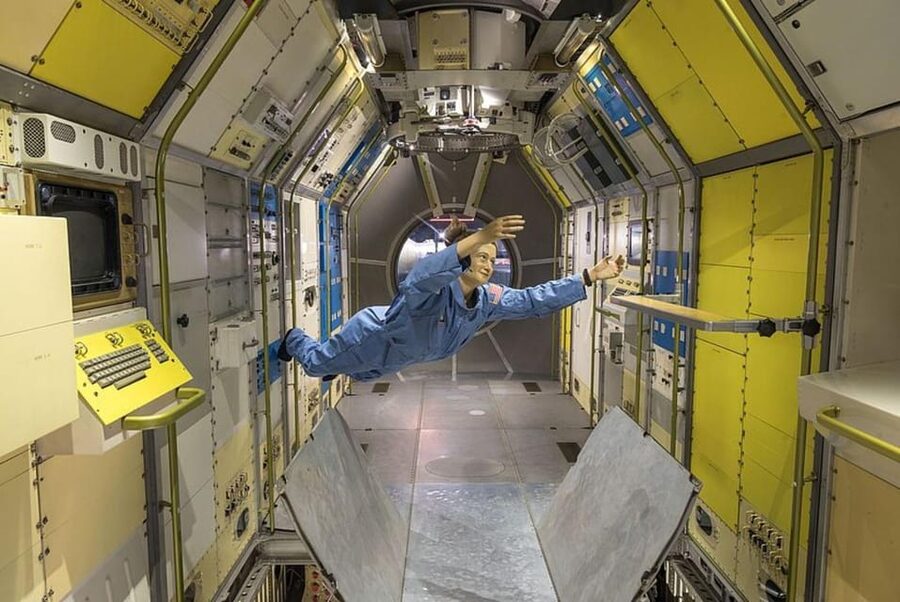
This ticket is valid for one day and includes access to the permanent exhibitions. The museum is built as a circuit through major themes in science and technology. In total, the museum operates across 20 permanent exhibitions, which can sound simple until you realize how much physical space that covers.
I like thinking of it as loops rather than a checklist. Start with the section that matches your curiosity most, then branch into the next topic that complements it. For example, if you lean toward aviation and astronautics, you can follow that with physics ideas in atomic physics. Or if you like hands-on tinkering, you can use the chemistry area as your anchor and then bounce into related experiments elsewhere.
You do not need to see every object. You need to see enough to make connections. The Deutsches Museum is good at building those connections because it repeatedly links tools to principles. That is why the museum works for science fans and non-fans alike. Even if you do not remember formulas, you start recognizing patterns: energy in, energy out. Measurement matters. Materials matter. Timing and control matter.
One more consideration: it is a science-and-technology-only museum. That is a plus if that is your vibe, but it means you will not find a lot of art, fashion, or general sightseeing mixed in. If you want mixed highlights, this is best paired with another Munich day plan.
Hands-on experiments that actually help you remember
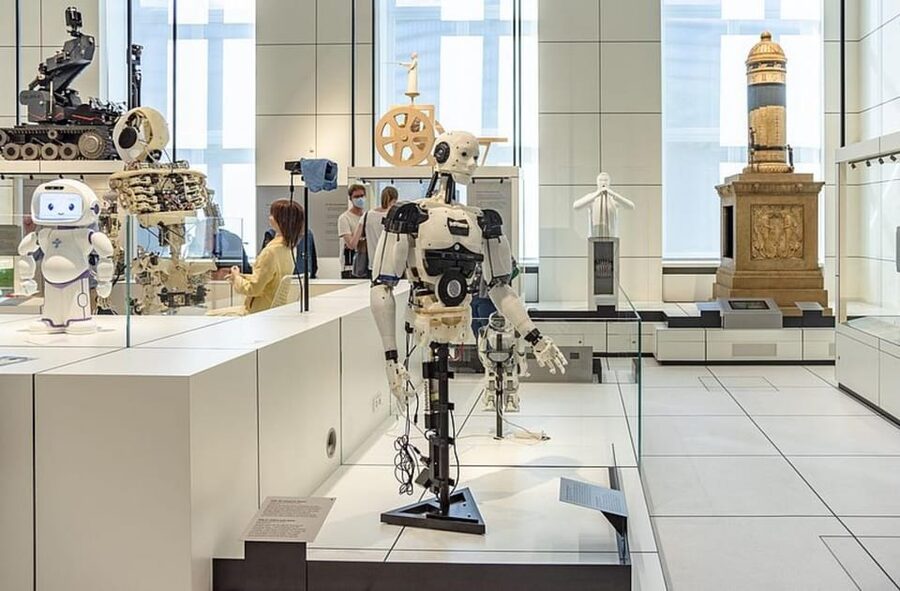
The Deutsches Museum is at its best when you use the interactive stations and experiments instead of hovering. The museum’s concept is basically: if you can try it, you learn it faster. That learning-by-doing approach shows up across many of the exhibition themes.
What I like is that the hands-on elements are not random gimmicks. They are connected to the scientific principles the museum teaches. A station that involves moving parts or visualizing processes gives you a direct sense of cause and effect. A demo related to chemistry helps you connect everyday substances to how scientists think about reactions and change.
For families, this kind of setup is a lifesaver. Kids can spend time without feeling like they are stuck in a slideshow. For adults, it can be refreshing too. You get to step out of pure reading and back into the physical world, which helps if you are the type who learns by building mental models through observation.
My practical advice: do not try every single station. Instead, hit the interactive ones in your main two themes first. Then, if you still have energy, circle back. This keeps you from turning your day into a sprint of half-started experiments.
And if you have limited mobility, note that the museum is wheelchair accessible and designed with barrier-free space from the entrance to the restrooms. That makes the interactive parts less of a hassle, because you are not constantly fighting stairs or awkward routes.




Aviation, astronautics, atomic physics, and chemistry: what to look for
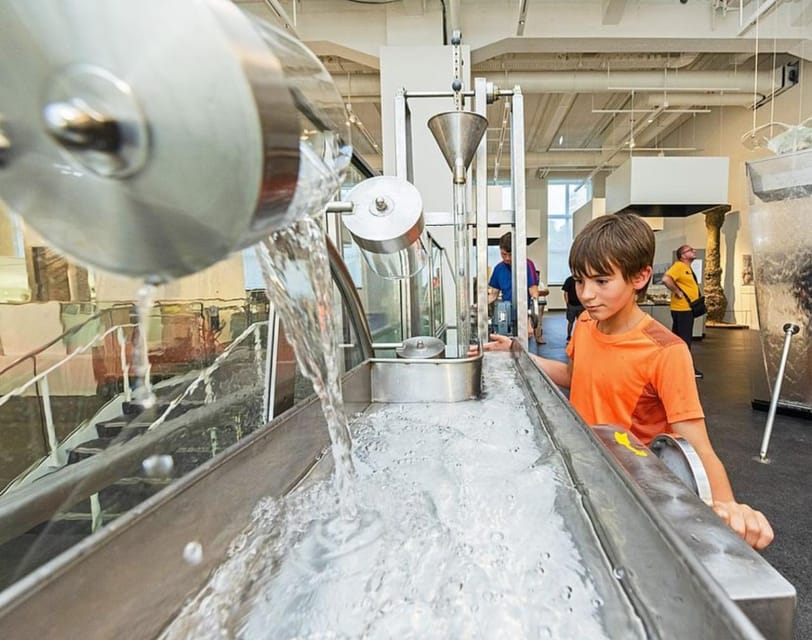
The museum spans big, exciting categories, including aviation and astronautics, plus atomic physics and chemistry. This broad mix is not just for show. It keeps your brain switching between scales.
Aviation and astronautics help you think about motion, thrust, control, and how humans plan for environments they cannot breathe in. Atomic physics is a different kind of challenge. It pushes you toward the world of very small things and what you can infer when you cannot directly see an atom.
Chemistry is where many people feel the connection to real life. Even if you skip the deepest technical panels, you can still follow the logic of transformation: substances, reactions, and the idea that change can be measured and predicted. That is also where demos tend to feel most tangible, because chemistry is visible when it works.
Here’s how I’d structure your time in these areas:
- Give aviation and astronautics a focused first block, because the big machines and models tend to pull you in.
- Then spend time in atomic physics or chemistry, depending on your interest level. This is where the museum’s educational payoff is often highest.
- Leave room for at least one demonstration, because the museum uses those moments to tie everything together.
If you like museums that are mostly about concepts and systems, this will feel very satisfying. If you prefer art and atmosphere more than science, you might find you are done faster. That is not a negative. It just sets expectations.
Signature shows and demos: model railway, microscopy theater, chemistry
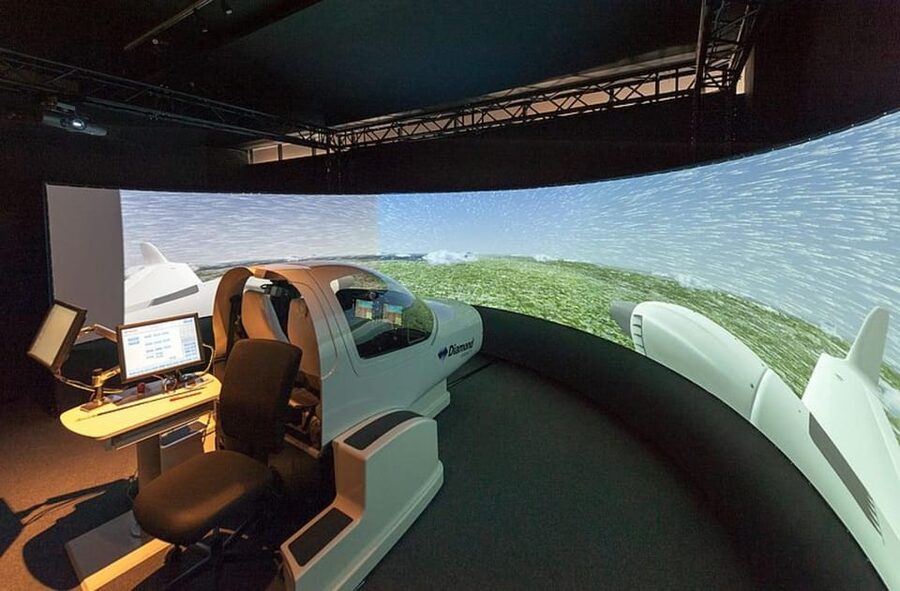
One of the reasons the Deutsches Museum works so well is that it does not rely only on static displays. It includes unique demonstrations and shows. Three examples called out in the museum’s lineup are the model railway, microscopy theater, and chemistry.
The model railway is a great reset button. Even if you start the day tired, a well-run demo with trains moving and systems working can get you back in the mood. It also helps explain real engineering logic. Railways are about scheduling, power, tracking, and coordination, which mirrors how scientific systems operate.
The microscopy theater is another strong anchor, especially if you like the idea that science changes what you can see. Microscopy is a gateway concept. Once you understand how magnification works, your brain becomes more curious about the hidden world all around you.
Chemistry demos tend to be high impact too, because chemistry is about transformation. It turns invisible processes into something you can watch and interpret. If you are the type who always asks why something reacts the way it does, this is where you will feel the museum start to talk your language.
My recommendation: build at least one demo into your day plan. Do not treat it like optional theater. Think of it like a course correction, where the museum helps you connect the dots after hours of roaming.
The collection’s scale: famous objects and why they matter
You are walking through a museum with over 125,000 objects. That is huge, but the point is not the number. The point is variety, and the museum uses that variety to show continuity between early inventions and modern science.
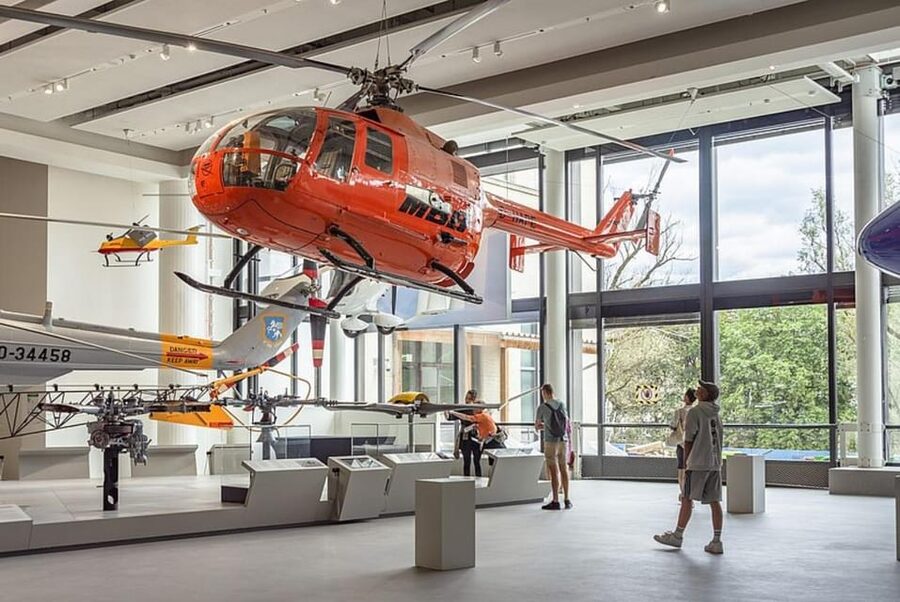
Some highlights you can look for include the first diesel engine, historic printing presses, a lunar rover, and iconic airplanes. These are the kinds of objects that give context fast. You see the machine or tool, then the museum explains the underlying idea: why that design worked, what problem it solved, and how it influenced what came next.
Historic printing presses are especially interesting because they show technology as communication. It is not only about mechanics. It is also about how tools reshape society. That makes the museum feel broader than a workshop. It becomes a story about how people move information and build understanding.
And the lunar rover is the kind of exhibit that makes people look up from their phone. It is not just a space object. It connects engineering choices to constraints. Space is unforgiving. Rovers have to be designed around power, traction, and reliability, which makes astronautics feel practical rather than dreamy.
Even with famous objects, the museum’s real value is in the connective tissue. The museum helps you notice that innovation is rarely one invention. It is networks of improvements over time.
The museum’s bigger mission, from 1903 to the future

The Deutsches Museum was founded in 1903 by Oskar von Miller. That origin story matters because it shapes the museum’s purpose. The museum was designed to provide a comprehensive overview of science and technology, and it still feels focused on that mission.
The museum also plays an important role in preservation. It houses Germany’s largest museum library and a leading special archive on the history of science and technology. In other words, this is not only a place to entertain you. It is also a place to safeguard the record of how science and technology evolved.
You can feel this in the pacing. The museum does not treat technology as a pile of unrelated gadgets. It treats it like a timeline with recurring themes: experimentation, measurement, and refinement. That is why the museum includes both history and future themes.
If you care about learning how innovation happens, this museum gives you that angle without forcing a lecture style. You walk through the tools, the demonstrations, and the ideas, and the story forms naturally.
Audio guide on the Deutsches Museum App and making it worth your time
Your entry ticket includes access to a downloadable multilingual audio guide through the Deutsches Museum App. That is a big value add because it helps you go deeper without needing to stop every few minutes to read.
In practice, the audio guide works best if you use it strategically. Pick the zones that match your main interests, then let the guide fill in context as you walk. If you try to use the audio guide for everything, you might slow down too much, and the museum can feel long. But used in bursts, it turns a self-guided walk into an organized learning experience.
The museum is also designed with barrier-free routes from the entrance to the restrooms, and wheelchair accessibility is noted. That matters when you add audio. It is easier to keep your flow consistent when you are not constantly detouring around access barriers.
Price and value: what $17 gets you in Munich
The price is about $17 per person, and for what you get, that is solid value. Why? Because the ticket covers entry and gives access to the permanent exhibitions. This is not a one-room experience. You are paying for a full day of science-and-technology coverage across about 20,000 square meters.
Also, you are not just getting exhibits. You are getting interactive stations, hands-on experiments, unique demonstrations and shows, plus a multilingual audio guide via the Deutsches Museum App. Even if you only fully engage with a fraction of the museum, the content density is high.
A museum is like food in one way. You do not just pay for the plate. You pay for the time and satisfaction you get while you are there. The Deutsches Museum is built for time. If you like experimenting and you want something that feels educational without being stiff, $17 looks fair.
The only cost to consider is time. You need a real day. If your Munich schedule is packed and you only have a couple of hours, you might feel like you skimmed instead of experienced. But with one day in hand, this ticket becomes a good deal.
Who should book this ticket and who might pass
I’d book this entry ticket if you want a science-and-technology museum that is practical, interactive, and genuinely fun. It fits well with families who want hands-on learning. It also fits adult travelers who enjoy understanding how systems work, whether that’s engines, materials, motion, measurement, or chemistry.
You might skip it or choose another activity if you mainly want art, history in a broad sense, or a museum that mixes topics beyond science and technology. This one is focused, and the focus is the point.
It is also a good match if you want a straightforward plan: one day, open daily from 9:00 to 17:00, last admission at 16:30, and a clear museum location at Museumsinsel 1.
If you are traveling with limited mobility, it’s worth noting that it is wheelchair accessible and barrier-free from entrance to restrooms. That makes it more comfortable than many museums.
Should you book the Deutsches Museum entry ticket?
Yes, if you have one day and you like science, technology, and anything hands-on. The museum is big, but it is not aimless. With 20 permanent exhibitions, interactive stations, and standout demos like the model railway, microscopy theater, and chemistry, you are likely to leave with more than photos. You will leave with a better sense of how modern life is built, and how ideas become machines.
Book it when you can, then go in with a short list: two exhibition themes you care about most, plus one demo show. Do that, and you will get the best of the Deutsches Museum without feeling like you sprinted through it.
FAQ
What is the location of the Deutsches Museum ticket?
The address is Museumsinsel 1, 80538 Munich. The meeting point is the main entrance at Museumsinsel 1 for the Deutsches Museum.
How much does the Deutsches Museum entry ticket cost?
The price listed is $17 per person.
How long is the ticket valid?
The ticket is valid for 1 day. Starting times depend on availability, so check what is offered for your date.
What are the opening hours and last admission time?
The museum is open daily from 9:00 to 17:00. The last admission is at 16:30.
What does the ticket include?
The entry ticket includes access to all exhibitions. It also includes a downloadable multilingual audio guide in the Deutsches Museum App.
Is the museum wheelchair accessible?
Yes. The experience notes wheelchair accessibility and barrier-free space from the entrance to the restrooms.
Are there any age rules for children?
Children under the age of 12 must be accompanied by an adult.
What admission options are available for discounts?
Discounted admission is available when you select Youth for pupils, trainees, and full time students, and for severely disabled adults (with an accompanying person free of charge). Free admission applies when you select Child for severely disabled children and young people from 6 to 17 years, and for accompaniments of severely disabled visitors with registered B.
Can I cancel my booking?
Free cancellation is available up to 24 hours in advance for a full refund.
Is there a pay later option?
Yes. You can reserve now and pay later, so you can book your spot without paying today.
Museums Worth the Queue in Munich
Everything else we filed on Munich
- Munich Beer and Bavarian Bites Private Tour
★ 5.0 · 11 reviews - Private Day Trip from Munich to Neuschwanstein and Linderhof
★ 4.0 · 11 reviews - Private Munich Old Town Walking Tour – with optional Breakfast
★ 5.0 · 11 reviews - Festive Concert in the All-Saints Court Church
★ 4.6 · 11 reviews - Private Castle Tour from Munich: Neuschwanstein, Hohenschwangau, and Linderhof
★ 4.5 · 12 reviews - Munich: Oktoberfest Big Beer Tent Evening including table reservation
★ 4.8 · 12 reviews
Museums, side by side.
 ★ 4.5Berlin: Jewish Museum Berlin Entrance TicketFrom $08,393 reviews
 ★ 4.3Berlin: DDR Museum TicketsFrom $153,443 reviews
 ★ 4.6Berlin: Natural History Museum Entrance TicketFrom $123,382 reviews
 ★ 4.6Berlin: Neues Museum Entry TicketFrom $163,261 reviews
 ★ 4.4Cologne: Chocolate Museum Entrance TicketFrom $192,790 reviews
 ★ 4.7Dresden: Church of Our Lady Guided Tour of GalleryFrom $152,421 reviews
 ★ 4.1Skip-the-Line: Berlin Wall Museum at Checkpoint CharlieFrom $212,041 reviews
 ★ 4.4Berlin: Museum Island Multiple Museum Entry TicketFrom $272,007 reviews
Other lists this tour is on