
REVIEW · WALKING TOURS
Munich: Highlights Walking Tour with a Guide
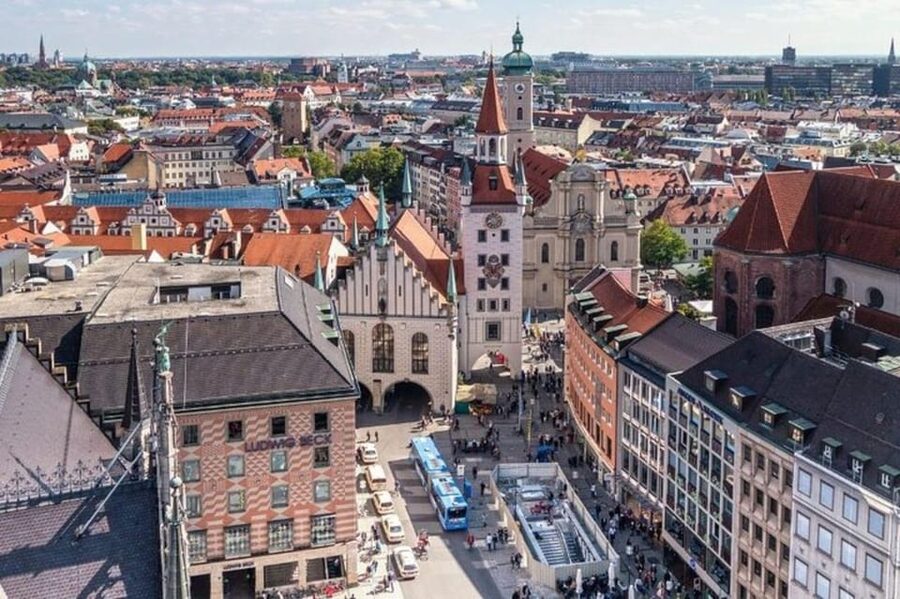
Walking Munich starts at a giant clock, and this 3-hour Old Town tour is built around the sights you actually want to understand. You meet your guide at the Julia-Capulet-Statue near Marienplatz, then head through the city center on a route that mixes famous landmarks with the little context that makes them click.
What I really like is the way the guide turns set pieces into a living story. Two things I’d pick right away: major sights timed to real viewing moments and a guide who gives practical next-step advice for the rest of your Munich day. I also like that it’s private and customizable if you choose that option, so you are not stuck with a rigid script.
One possible drawback to consider: this kind of highlights walk can lean more into church interiors and wartime rebuilding stories than you might expect. If you are not into religious architecture, or you care about seeing the Glockenspiel at a specific time, I’d make your preferences crystal clear early so the pace and stop order match your plan.
In This Review
- Key highlights I’d plan around
- Where the tour starts, and why Marienplatz is the right anchor
- Marienplatz and the Glockenspiel shows at 11:00, 12:00, and 5:00
- Frauenkirche: Munich’s biggest church and the city’s skyline
- Rathaus-Glockenspiel: civic pride, with a history lesson attached
- Hofbräuhaus München: beer hall energy, plus beer law and Oktoberfest context
- Odeonsplatz: a beautiful square with 1930s to 1940s context
- Residenz: the Wittelsbach royal base, where power shows in the details
- Viktualienmarkt: the fresh-food heart you can turn into a snack plan
- Private and customizable: how the guide shapes your experience
- Price and value for 53 USD per person
- Who should book this tour, and when to pair it with other plans
- Should you book the Munich Highlights Walking Tour?
- FAQ
- Where do I meet the guide?
- How long is the tour?
- Is this a private tour?
- Which languages are offered for the live guide?
- What are the Glockenspiel show times during the tour season?
- What stops are included on the walking route?
- What is included in the price?
- Is food or drink included?
- Is there a cancellation window?
Key highlights I’d plan around
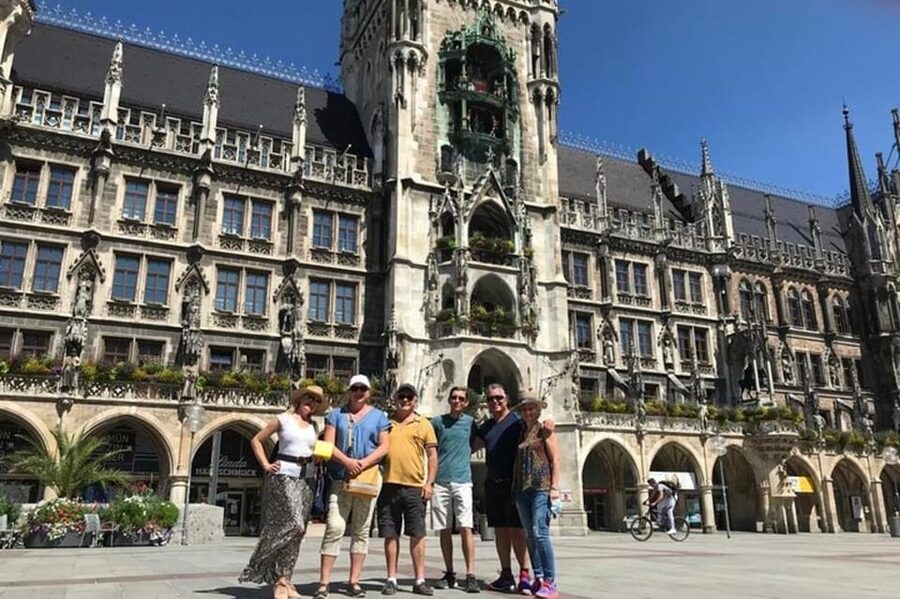
- Marienplatz with the Glockenspiel at 11:00 am, 12:00 pm, and 5:00 pm (March to October)
- Frauenkirche and quick context that helps you read the skyline and the building’s role
- Rathaus-Glockenspiel history explained at one of Munich’s most visited spots
- Staatliches Hofbräuhaus stop with beer-law and Oktoberfest angles to tie Munich to its traditions
- Odeonsplatz with 1930s and 1940s context, not just a pretty square
- Residenz and Wittelsbach connections for anyone who wants the political backbone of Bavaria
Other walking routes through Munich
- Munich: Third Reich & WWII Walking Tour★ 4.6 · 6,181 reviews
- Third Reich Walking Tour Munich★ 4.5 · 4,291 reviews
- Munich: Old Town & Viktualienmarkt City Walk in German★ 4.7 · 2,304 reviews
- Munich: Night Watchman Walking Tour★ 4.7 · 2,092 reviews
Where the tour starts, and why Marienplatz is the right anchor
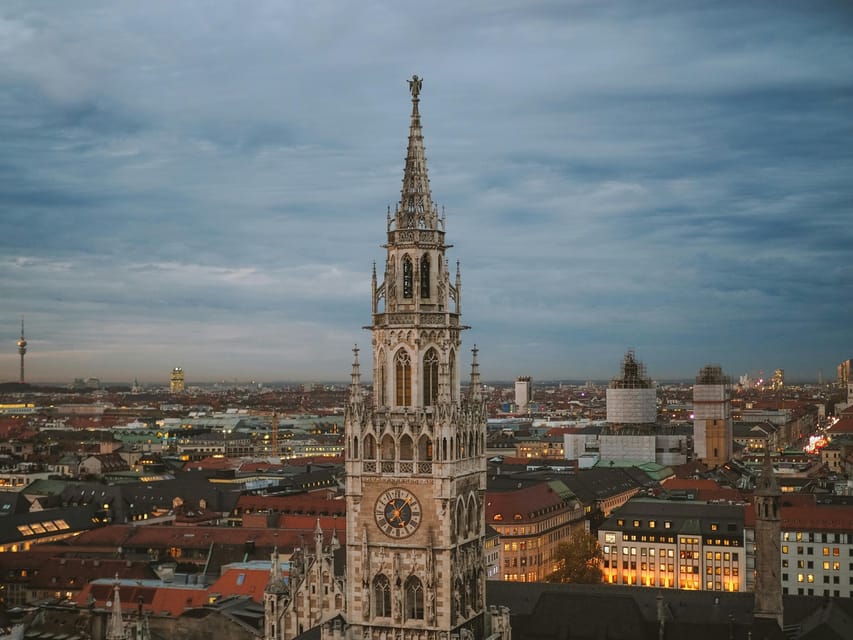
The tour begins right in the center, at the Julia-Capulet-Statue by Marienplatz (with the tour set around Marienplatz 15 as the key reference point). That matters because Marienplatz is the hub for so much of Munich’s attention: it is the square where the city’s civic and cultural identity shows up at street level.
In the first stretch, you are not just walking, you are orienting. Your guide helps you connect the dots between street names, major squares, and the buildings you see from far away. If this is your first time in Munich, that orientation payoff is huge. Even if you plan to come back later on your own, you’ll know which corners are worth your time and which are just passing scenery.
Marienplatz and the Glockenspiel shows at 11:00, 12:00, and 5:00
Marienplatz is famous for the Glockenspiel, and the tour is timed to take you there during the performance windows. From March to October, it runs at 11:00 am, 12:00 pm, and 5:00 pm. This is one of those experiences where timing is half the battle, because you want to be at the right spot before the crowd fully thickens.
What I like about seeing it through a guide is that it turns into more than a quick spectacle. You get the why behind the sound and the scenes, and you can also judge what kind of view you want. Some people prefer standing back for the full façade effect. Others want to be close for clearer detail. A guide can help you choose the viewing style that fits your interests in real time.
Practical note: if you are planning a tight day, treat the Glockenspiel as a fixed moment. You can still roam around the area before and after, but I’d build your schedule so you do not feel rushed. This tour is only 3 hours, so you want to protect those minutes.
Frauenkirche: Munich’s biggest church and the city’s skyline
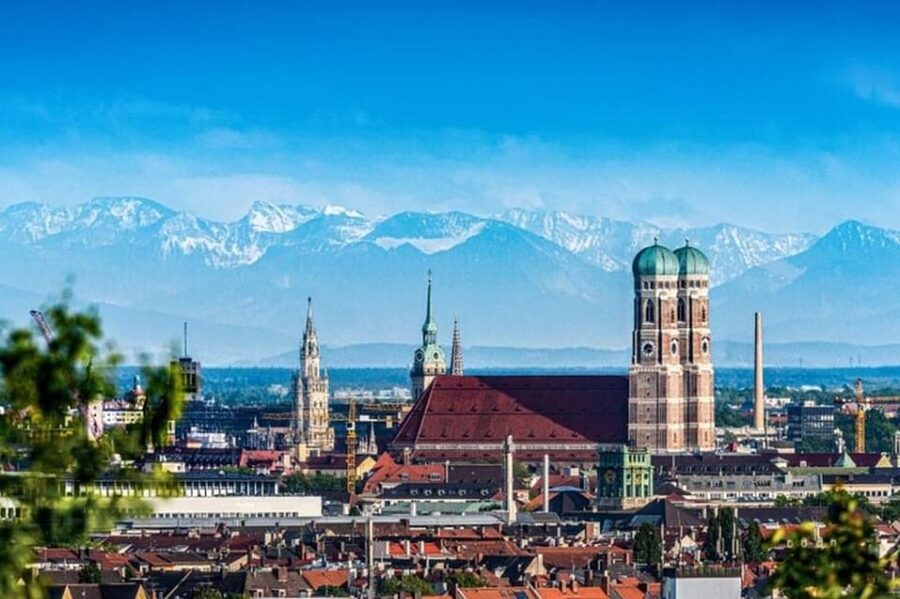
Next up is Frauenkirche, Munich’s largest church and a major cathedral in the city. You get more than the postcard version. The guide’s job here is to help you see how it functions as a landmark, not just as a building you point at.
Depending on your guide’s style, you might hear stories about how Munich’s churches were affected by the war and how they look today. That angle can be fascinating if you like architecture and historical context. It can also be a miss if your priority is purely sightseeing and you’d rather skip heavy church-damage talk.
Either way, Frauenkirche is worth it because it anchors the visual identity of central Munich. From nearby streets and squares, you’ll start noticing sightlines and why people orient themselves around this skyline marker.
Rathaus-Glockenspiel: civic pride, with a history lesson attached
Then you move to the Rathaus-Glockenspiel (part of the Neues Rathaus complex area), one of Munich’s most visited attractions. This is where you’ll hear how the clock display fits into the civic story of the city, and why it became such a symbol.
What’s practical here is that it gives you a framework for what you’re seeing. If you only know that the Glockenspiel plays at set times, you miss the bigger point: it’s a public-facing identity marker. A guide helps you understand how a city communicates values and heritage through everyday landmarks.
This stop is also good for photos, since you can frame it against surrounding streets and squares. I’d watch your timing though. With only 3 hours total, you do not want to get stuck taking one endless photo sequence that delays the rest.



Hofbräuhaus München: beer hall energy, plus beer law and Oktoberfest context
The tour includes a visit at Staatliches Hofbräuhaus in München, one of the world’s best-known beer halls. Even if you do not plan to drink during the tour, this stop helps you understand why Munich is Munich.
The guide shares fun facts, including the beer purity law and how it connects to Oktoberfest. If you’ve only heard the slogans, this kind of explanation turns it into something more concrete. You start seeing Munich’s beer culture as a system of rules, rituals, and public celebration, not just a party.
One thing to keep in mind: the tour does not include food or drink. So treat this stop as a culture checkpoint. If you want beer hall time to stretch longer, plan it after the walk. You’ll enjoy it more when you have time to sit, order, and actually settle in.
Odeonsplatz: a beautiful square with 1930s to 1940s context
From there you head to Odeonsplatz, described as one of Munich’s most beautiful squares. It is easy to appreciate the architecture and open space here, but the guide adds a key layer: the square’s role in Nazi rallies during the 1930s and 1940s.
This is the part of the tour that keeps it grounded. You get beauty, but you also get the historical weight behind the space. That matters because it makes Munich more honest. You stop treating monuments as decorative scenery and start understanding why certain places still matter in public memory.
If you prefer purely light, relaxed sightseeing, this might feel like a tone change. If you like your travel with some clarity, it becomes one of the most meaningful stops in the walk.
Residenz: the Wittelsbach royal base, where power shows in the details
The route also passes by the Residenz, the largest inner city palace in Germany and the ancestral home of the Wittelsbach Royal family of Bavaria. This is an ideal stop for anyone who wants to understand the political backbone behind Bavarian culture.
A palace visit can be overwhelming on your own, because it’s big and you do not know what to prioritize. Even in a shorter walking tour format, a guide can highlight what to look for and why it mattered. You’ll also connect Munich’s civic landmarks with the broader story of who held power here and how that power was displayed.
If your main goal is to spend real time inside the palace, check whether you want to use a longer separate visit after the tour. In a 3-hour format, the palace stop is more about getting oriented and getting the highlights story.
Viktualienmarkt: the fresh-food heart you can turn into a snack plan
You end up passing by Viktualienmarkt, the largest inner-city fresh food market in Germany. Even if you do not stop for a long browse during the walk, it’s a useful marker because it shows you how Munich eats when it’s not in beer-hall mode.
I like having a market on the route because it gives you an easy follow-up plan. After the tour, you can swing back and do the fun part: sample something small, pick up a picnic item, or just watch how people shop in a lively public space.
Since the tour does not include food, this is also a natural point to decide how you want to handle your next meal without feeling like you missed it.
Private and customizable: how the guide shapes your experience
The tour can be private and customizable if you select that option. In a city like Munich, that flexibility is not just a luxury. It changes how satisfied you’ll feel because you can steer around your preferences.
This is where the reviews give you useful signals. Some guides are praised for being very prepared, friendly, and able to tailor the walk to your needs. Names that come up in the guide set include Elettra and Roberto, both described as highly informative and engaging. That aligns with what I’d hope for here: a guide who can explain, not just recite.
Still, the best use of private customization is to be specific. If you are not religious and you’d rather focus on squares, clocks, and palace power, tell the guide early. If you are aiming to catch the Glockenspiel at 12:00 pm, tell them that too, and ask where you will be positioned for the show. This kind of clarity helps keep the walk from turning into a church-focused slow march you did not plan for.
Price and value for 53 USD per person
At $53 per person for a 3-hour walk, the value mostly comes from three things: the guide, the time-saving route through central sights, and the help booking tickets for visits you choose. You are essentially paying for expert direction plus a curated order so you are not spending your limited first day figuring out what matters.
If you love structure and want a fast way to build a foundation, this price can feel reasonable. If you already know Munich well and you prefer independent wandering, you could always DIY Marienplatz, the churches, and the big squares.
But if you want your first Munich day to feel efficient and guided, the cost makes sense. You are not just seeing buildings, you’re getting context for why they mattered, plus practical recommendations for what to do next.
Who should book this tour, and when to pair it with other plans
I’d recommend it if you:
- Want a first-time orientation to Munich’s Old Town in 3 hours
- Care about landmarks like Marienplatz and want timing for the Glockenspiel
- Like your history told in context, including heavier moments at places like Odeonsplatz
- Appreciate a guide who can adjust to your pace and interests
I’d be a little cautious if you:
- Strongly dislike church architecture or would rather skip any war-and-rebuilding emphasis
- Have a very tight schedule where the Glockenspiel timing must be exact and you cannot risk any delay
- Plan to pack other major museum stops immediately after, without buffer time
A good strategy is to pair this tour with something flexible afterward. Maybe give yourself time to wander near Viktualienmarkt, then decide on a longer palace visit later based on how the day feels.
Should you book the Munich Highlights Walking Tour?
If you want Munich’s center explained in a way that helps you move confidently through the city, I think this is a solid buy. The biggest reason to book is the combination of major sights plus real guidance, including advice on what to do next.
My only pushback is mindset. Go in knowing that the route includes prominent church sites, and some guides may lean into wartime rebuilding stories when talking about churches. If that sounds like your cup of tea, you’ll likely enjoy how it connects Munich’s beauty to its past.
If you do book, send a quick message to your guide about what you care about most, especially your timing priorities for the Glockenspiel. Do that, and you’ll get a far better chance at a tour that feels like highlights, not just stops.
FAQ
Where do I meet the guide?
You meet your guide in front of the Julia-Capulet-Statue.
How long is the tour?
The tour lasts 3 hours.
Is this a private tour?
A private group is available, and the tour is private and exclusive if you choose that option.
Which languages are offered for the live guide?
The live guide is available in English, French, Spanish, Italian, and German.
What are the Glockenspiel show times during the tour season?
From March until October, the Glockenspiel performs at 11:00 am, 12:00 pm, and 5:00 pm.
What stops are included on the walking route?
The tour includes Marienplatz, Munich Frauenkirche, Rathaus-Glockenspiel, Staatliches Hofbräuhaus in München, Odeonsplatz, the Residenz area, and a pass by Viktualienmarkt.
What is included in the price?
The guide and the walking tour are included. If selected, the private and exclusive option is included, and there is help from the team to book tickets for desired visits.
Is food or drink included?
No. Drink or food is not included.
Is there a cancellation window?
You can cancel up to 24 hours in advance for a full refund.
Pavements of Munich
Everything else we filed on Munich
- Paul’s Private Tour Munich Highlights
★ 5.0 · 3 reviews - Private Linderhof Castle, Entry-Ticket – optional Toboggan Run
★ 5.0 · 3 reviews - Paul’s Private Tour in the Alte Pinakothek Munich
★ 5.0 · 3 reviews - Private Tour at Neuschwanstein And Linderhof Palaces From Munich
★ 4.5 · 3 reviews - Private Highlights of Munich Bike Tour with Beer Garden Stop
★ 5.0 · 3 reviews - Munich WWII and Dachau Concentration Camp Private Tour with Licensed Guide
★ 5.0 · 3 reviews
Walking Tours, side by side.
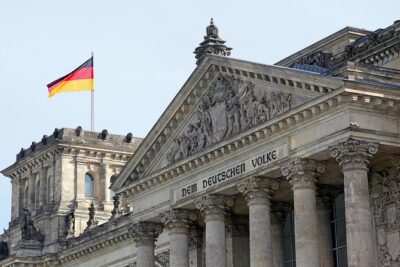 ★ 5.0Discover Berlin Half-Day Walking TourFrom $249,624 reviews
 ★ 4.9Berlin: Third Reich and Cold War 2 Hour Walking TourFrom $236,830 reviews
 ★ 4.6Munich: Third Reich & WWII Walking TourFrom $316,181 reviews
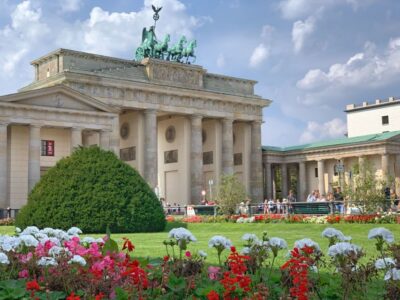 ★ 4.9Berlin: Discover Berlin Walking TourFrom $235,998 reviews
 ★ 5.0Berlin’s Best: 2 Hour Walking Tour Third Reich and the Cold WarFrom $245,486 reviews
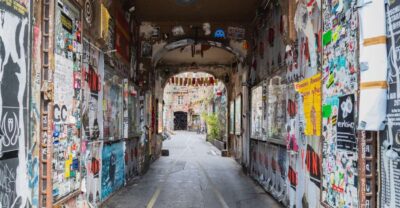 ★ 4.8Berlin: Hidden Backyards Guided Walking TourFrom $235,360 reviews
 ★ 4.5Third Reich Walking Tour MunichFrom $454,291 reviews
 ★ 5.0Third Reich Berlin: Hitler and WWII Walking TourFrom $243,301 reviews