
REVIEW · WALKING TOURS
Munich: Old Town Walking Tour in Spanish
Munich’s old town is best with a guide. This Spanish-speaking walking tour stitches together big sights and street-level stories, from church bells to beer culture. I especially like the way it connects landmarks like Marienplatz with the day-to-day rhythm of the city.
Two highlights for me: the stop at Frauenkirche for its cathedral feel, and the way Hofbräuhaus is used as a springboard to explain Munich’s beer culture and even contemporary history. The walk also threads in food culture at Viktualienmarkt, so you get more than just buildings.
One consideration: you cover a fair amount of ground, and it is not recommended for people with limited mobility. Also, this tour is only open to travelers who speak Spanish.
In This Review
- Key things that make this Munich walk worth your time
- Why Munich old town works best on foot, in Spanish
- Getting started at Karlstor Gate: pace, meeting point, and what to expect
- Sant Michael: the first church stop that sets the tone
- Frauenkirche and Marienplatz: cathedral scale, then city square energy
- Viktualienmarkt: market life, local food culture, and beer garden vibes
- Hofbräuhaus: beer culture and the story behind contemporary Munich
- National Theater and the Residenz: royal Munich without the overwhelm
- How the 3 hours fits real-life sightseeing (and where you should slow down)
- Price and value: why $23 works if you want context
- Who should book this Munich old town Spanish tour
- If you like great guides, this tour has a pattern
- Should you book this Munich Old Town Walking Tour in Spanish?
- FAQ
- How long is the Munich Old Town Walking Tour in Spanish?
- What is the price per person?
- Where does the tour start?
- What are the main stops on the walk?
- What is included in the price?
- Are food and drinks included?
- Is hotel pickup or drop-off provided?
- Do I need to speak Spanish?
- Is the tour suitable for people with mobility impairments?
Key things that make this Munich walk worth your time
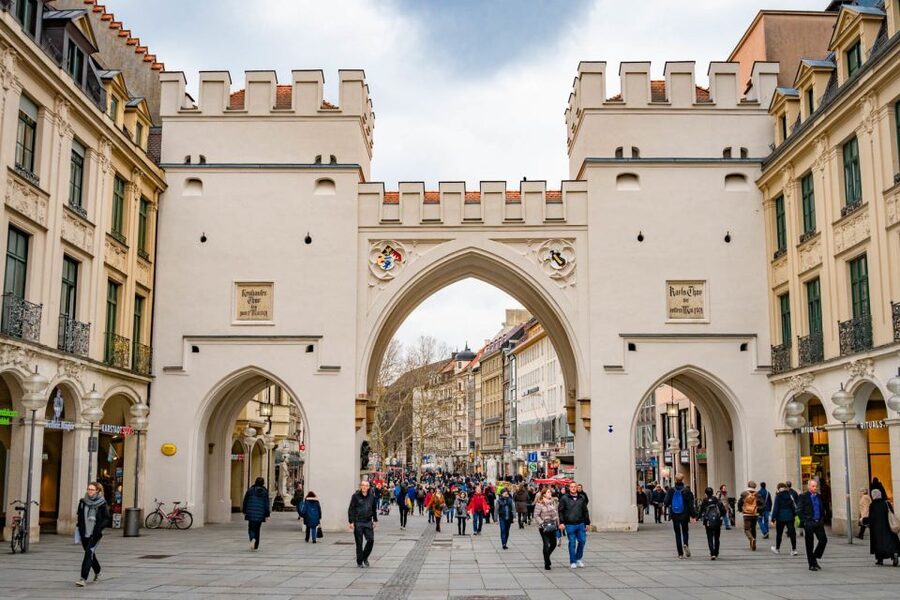
- Karlstor meeting point: you start right by the old city gate, so the tour has a clear historical vibe from minute one.
- Sant Michael + Frauenkirche: you see two major church moments, not just one photo stop.
- Marienplatz Town Hall chimes: you get the signature soundscape that makes this square feel unmistakably Munich.
- Viktualienmarkt with a culinary focus: you’ll learn how the market shapes local food culture.
- Hofbräuhaus for beer and context: beer isn’t treated as a single drink, it’s treated as a story.
- National Theater and Residenz: you end with royal Munich landmarks tied to the Wittelsbach family.
Other walking routes through Munich
- Munich: Third Reich & WWII Walking Tour★ 4.6 · 6,181 reviews
- Third Reich Walking Tour Munich★ 4.5 · 4,291 reviews
- Munich: Old Town & Viktualienmarkt City Walk in German★ 4.7 · 2,304 reviews
- Munich: Night Watchman Walking Tour★ 4.7 · 2,092 reviews
Why Munich old town works best on foot, in Spanish
Munich can feel “clean and orderly” in photos. On the street, it’s more fun than that. This kind of old town walk helps you understand how the city is laid out, where the important civic life happens, and why certain corners keep pulling you back.
The Spanish format matters. You are not just reading a sign or following a map. You’re hearing stories and explanations directly, including amusing anecdotes that connect famous people and events to places you can actually stand in.
I like that the tour balances “wow factor” sights with practical context. You leave with a mental map that makes the next day in Munich easier, because you know what you’re looking at and why it’s there.
Getting started at Karlstor Gate: pace, meeting point, and what to expect
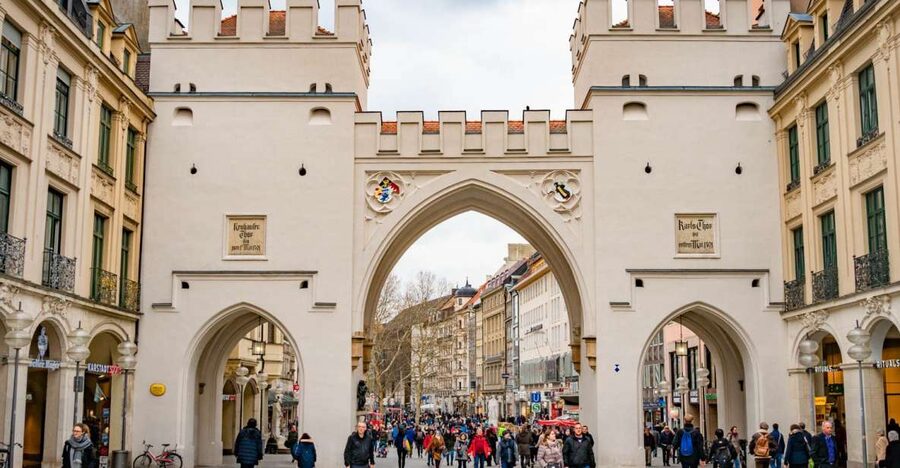
The tour starts at the Karlstor Gate, near Karlsplatz. Plan to arrive about 10 minutes early so you’re not rushing while your brain is trying to switch into walking mode.
From the start, the tour has a classic old town flow: gate area first, then churches, then the civic square, then market life, then brewery culture, and finally the royal landmarks. That order is smart because it moves from medieval-feeling streets into the places where Munich’s public life, food life, and power came together.
Practical note: you’ll want comfortable shoes. This is the kind of walk where you feel it in your legs more than you feel it in your head, and that’s exactly why the guide’s pacing matters. In a couple of runs, the guide quality stood out for staying on-topic, explaining details clearly, and keeping the group’s attention.
Sant Michael: the first church stop that sets the tone
Your first major stop is Sant Michael’s Church. Starting with a church on day one of your Munich walk is a good move. It anchors the city’s religious and architectural identity early, so later stops like Frauenkirche feel like part of the same story, not random buildings.
What’s useful here is the way the guide frames what you’re seeing. Instead of only pointing out “this is pretty,” you get historical facts and stories about important people connected to the city. That helps you look longer at the details, even when you’re walking through a busy area.
A small drawback to expect with church stops: you may still have to keep moving, because the tour is time-based. If you prefer slow solo wandering, think of this tour as your orientation plus key highlights, then you can come back later with extra time.
Frauenkirche and Marienplatz: cathedral scale, then city square energy
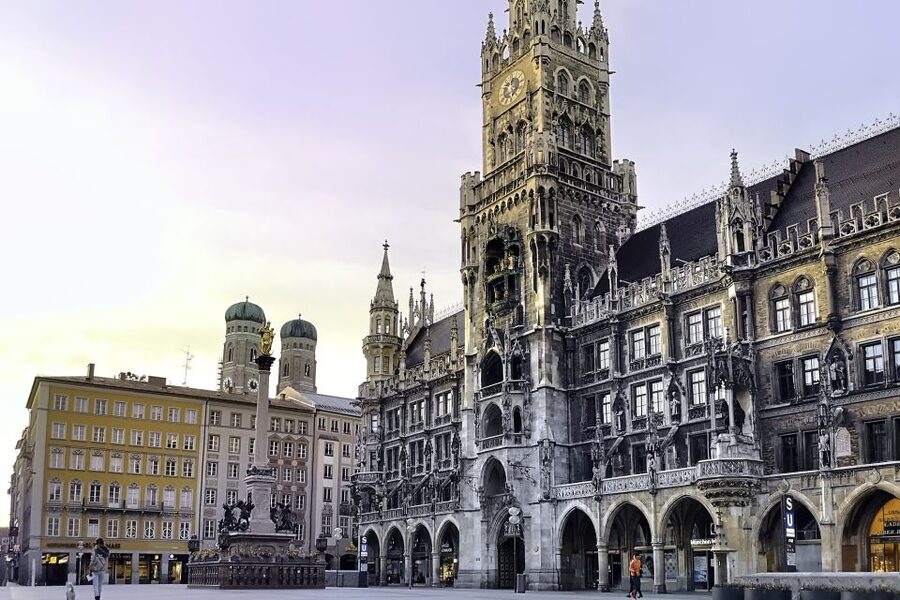
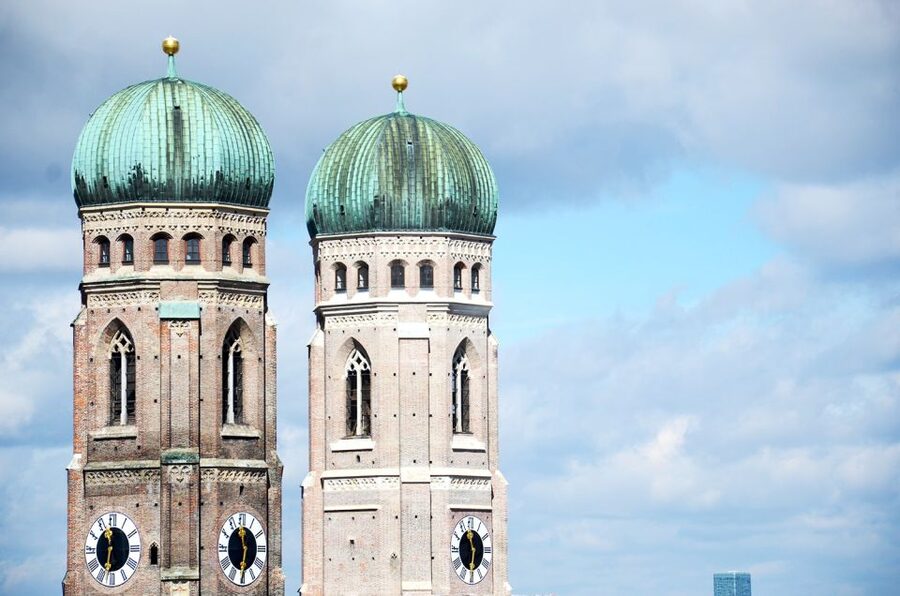
After Sant Michael, you head to Frauenkirche, Munich’s famous cathedral. This is where the tour leans into “big moment” sightseeing. You’ll be able to recognize it instantly, and the guide’s explanations help you see it as more than a landmark for postcards.
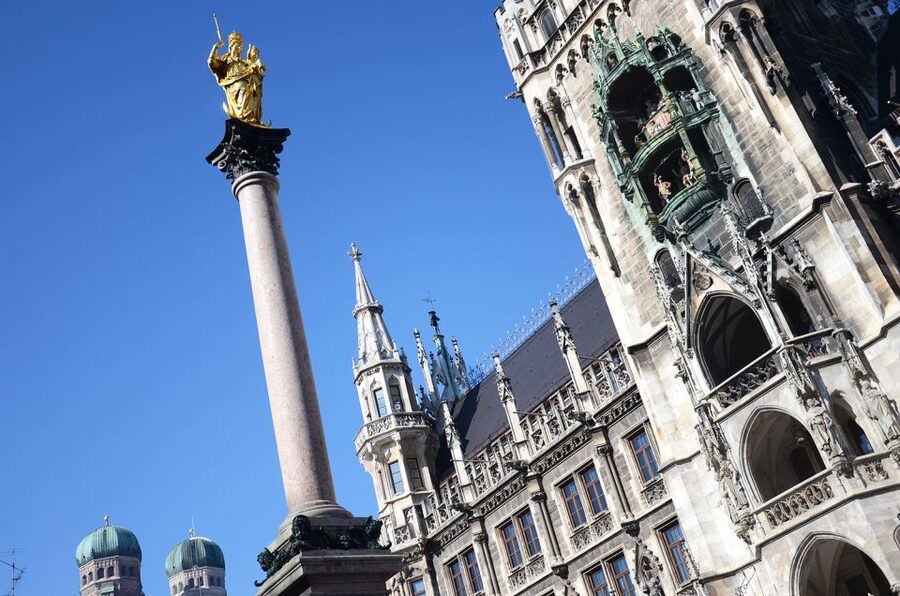
Next comes Marienplatz, and here the tour hits one of Munich’s signature moments: the Town Hall chimes. That’s the kind of thing that can feel like background noise if you don’t know what to listen for. With a guide, you understand why the sound matters to the square and the city’s identity.
I also like how Marienplatz is treated as a civic hub, not just a scenic plaza. You learn how places like the Town Hall and the square shaped public life, which makes it easier to notice what’s around you: entrances, streets that funnel people in, and the way the architecture organizes movement.
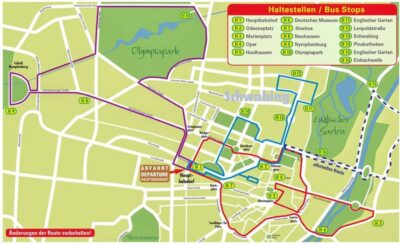
Viktualienmarkt: market life, local food culture, and beer garden vibes
Then you shift from official Munich to everyday Munich at Viktualienmarkt. This market stop is a highlight for me because it shows how locals actually use the city center.
You’ll get a look at market life and its culinary culture, plus a typical beer garden atmosphere. That combination is practical. It shows you two sides of Munich culture that visitors often treat separately: food and beer. Here they connect naturally, like they do for locals.
One smart thing the guide does is keep the story tied to what you can see right now. Market stalls, gathering spaces, and the general pace of people matter. When you understand the “why,” you stop taking pictures for every corner and start paying attention to what’s happening.
If you’re the kind of traveler who likes to snack while you walk, this is the part where you’ll probably wish you had more time. You don’t need to buy anything to enjoy it, but you’ll likely want to. That’s also why it’s better as a guided stop than as a random walk, since the explanations help you decide what to sample later on your own.
Hofbräuhaus: beer culture and the story behind contemporary Munich
After the market, the tour swings into Hofbräuhaus, the best-known brewery in town. This is the place where Munich beer stops being an abstract concept and becomes something you understand in context.
The guide uses Hofbräuhaus as more than a beer lesson. You also get a sense of contemporary history, explained in a way that stays connected to the setting. That matters, because beer halls can feel like tourist traps if you treat them like only a drinking stop. Here, the story gives the place weight.
I find brewery culture easiest to understand when you connect it to social habits. Hofbräuhaus is ideal for that. It’s a focal point where people gather, celebrate, and talk. The guide’s anecdotes help you read the mood of the room and not just the menu.
Practical tip: even if you’re not planning to order during the tour, keep your energy up. You might be tempted to treat it like a quick stop, but the value is in the explanation and the time spent absorbing the atmosphere.
National Theater and the Residenz: royal Munich without the overwhelm
To close, you visit the National Theater and the Residenz, the royal residence of the Wittelsbach family. This part shifts the tone again, from everyday public life into the city’s power structure.
The Residenz stop is valuable because the Wittelsbach connection gives you a framework. You’re not just looking at a grand building and thinking, that’s nice. You’re understanding that this was a seat of authority and culture, which helps you connect Munich’s architecture and public spaces to the people who shaped the city.
The National Theater adds a cultural layer. Even if you do not plan to attend a performance, it helps explain why Munich invested in institutions tied to arts and public life.
This end stretch can feel like a “final exam,” meaning you’re seeing several big-name sights in a row. If you want to remember everything, take quick notes or snap a couple of key photos that you can match to the guide’s explanations later.
How the 3 hours fits real-life sightseeing (and where you should slow down)
This tour runs about 3 hours, and that’s a sweet spot for first-time visitors. You get enough time to cover multiple iconic locations without turning it into an all-day event.
But the “3 hours” is not the same as “three hours of sitting.” You will be walking through old streets, changing neighborhoods, and moving between landmarks. One review note also pointed out that you walk quite a bit, and that’s consistent with the route style.
If you have energy for a city sprint with stops, you’ll be happy. If you want a slow stroll where you can linger everywhere, plan to come back to the places that grabbed you most, especially the cathedral and the square.
Also think about timing in your overall day. This tour gives you orientation, so it works well in the earlier part of your trip. Later, when you wander on your own, you’ll have a cleaner sense of direction and what each area represents.
Price and value: why $23 works if you want context
At $23 per person, this tour is strong value for what you get: guided walking coverage, multiple major landmarks, and explanations in Spanish. In a city like Munich, that combination can be pricier if you add up private guides or separate entrance-style experiences.
The best part of the value is not the sightseeing list. It’s the way the guide ties places together with stories about famous people and key cultural details, including anecdotes. That kind of context turns “I saw it” into “I understand it.”
Food and drinks are not included, so you should budget for personal choices if you want a snack or a drink at a market or brewery. Still, you can enjoy the tour without spending extra, since the focus is the walk and the storytelling.
Who should book this Munich old town Spanish tour
This is a great fit if you:
- Want a guided overview of Munich’s old town rather than only museum time
- Speak Spanish and prefer explanations in your own language
- Like church and civic landmarks, plus beer and food culture
- Want a route that helps you get your bearings fast
It’s not the best fit if you:
- Do not speak Spanish, because this tour is not open to travelers who do not speak Spanish
- Have mobility limitations, since it is not recommended for people with limited mobility
- Want a long, unhurried pace with lots of free time between stops
One more practical point: the tour needs at least three participants to operate. If that minimum is not met, you’ll be contacted about an alternative.
If you like great guides, this tour has a pattern
The strongest praise centers on the guide’s performance. One named guide, Oscar, was highlighted for being friendly, competent, and attentive to details. The descriptions also emphasized that the tour felt engaging and well paced, with explanations that made the sights click.
That lines up with what matters most in a walking tour: good guidance keeps you moving without feeling rushed, and it keeps the stories clear instead of turning into a lecture. If you’re picky about how guides communicate, this one has a track record worth paying attention to.
Should you book this Munich Old Town Walking Tour in Spanish?
Yes, if you want a focused 3-hour tour that combines Sant Michael, Frauenkirche, Marienplatz chimes, Viktualienmarkt, and Hofbräuhaus with Spanish storytelling. It’s a smart first-tour option because it gives you context, not just photos.
No, if you need an easier walking day, or if Spanish isn’t your working language. In those cases, you’ll likely spend the whole tour trying to translate instead of enjoying the flow.
If your goal is to understand Munich’s center through churches, squares, markets, and beer culture, this is a good booking.
FAQ
How long is the Munich Old Town Walking Tour in Spanish?
The tour lasts about 3 hours.
What is the price per person?
The price is $23 per person.
Where does the tour start?
Meet under Karlstor Gate at Karlsplatz. Arrive 10 minutes before the activity starts.
What are the main stops on the walk?
You’ll visit Sant Michael’s Church, Frauenkirche, Marienplatz, Viktualienmarkt, Hofbräuhaus, and also see the National Theater and the Residenz.
What is included in the price?
You get a guided city walking tour with a Spanish-speaking guide.
Are food and drinks included?
No. Food and drinks are not included.
Is hotel pickup or drop-off provided?
No. Hotel pickup and drop-off are not included.
Do I need to speak Spanish?
Yes. This tour is not open to travelers who do not speak Spanish.
Is the tour suitable for people with mobility impairments?
It is not recommended for people with limited mobility.
Pavements of Munich
Everything else we filed on Munich
- Munich Beer and Bavarian Bites Private Tour
★ 5.0 · 11 reviews - Private Day Trip from Munich to Neuschwanstein and Linderhof
★ 4.0 · 11 reviews - Private Munich Old Town Walking Tour – with optional Breakfast
★ 5.0 · 11 reviews - Festive Concert in the All-Saints Court Church
★ 4.6 · 11 reviews - Private Castle Tour from Munich: Neuschwanstein, Hohenschwangau, and Linderhof
★ 4.5 · 12 reviews - Munich: Oktoberfest Big Beer Tent Evening including table reservation
★ 4.8 · 12 reviews
Walking Tours, side by side.
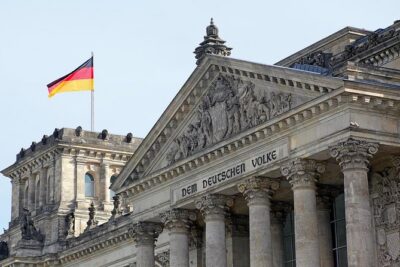 ★ 5.0Discover Berlin Half-Day Walking TourFrom $249,624 reviews
 ★ 4.9Berlin: Third Reich and Cold War 2 Hour Walking TourFrom $236,830 reviews
 ★ 4.6Munich: Third Reich & WWII Walking TourFrom $316,181 reviews
 ★ 4.9Berlin: Discover Berlin Walking TourFrom $235,998 reviews
 ★ 5.0Berlin’s Best: 2 Hour Walking Tour Third Reich and the Cold WarFrom $245,486 reviews
 ★ 4.8Berlin: Hidden Backyards Guided Walking TourFrom $235,360 reviews
 ★ 4.5Third Reich Walking Tour MunichFrom $454,291 reviews
 ★ 5.0Third Reich Berlin: Hitler and WWII Walking TourFrom $243,301 reviews