
REVIEW · HISTORICAL TOURS
Private Berlin Top Historical Sites Tour with Black Van
Berlin history hits different at street level. This private top historical sites tour strings together Berlin’s turning points, from the Prussian era to the fall of the Berlin Wall, with a guide who keeps things personal. I like that it is built for orientation, so you leave with a mental map you can actually use.
I love the practical comfort: hotel pickup, a modern black van, and a route that lets you see more than a pure walking plan would. One possible drawback is the pacing, since many stops are brief, so if you want long museum-style time at one place, you may have to add that later on your own.
A second big plus is the guide attention. It is private, in English, and you can steer the “what do we stop for” moments. The stop list is heavy hitters, including Topography of Terror, Checkpoint Charlie, and the Holocaust Memorial, so you will get context fast, not just photos.
In This Review
- Key things to know before you go
- The “black van + walking” rhythm that actually works in Berlin
- Reichstag Building: the political center, explained in human terms
- Brandenburg Gate: a landmark you see, then understand
- Museum Island: UNESCO-level art and why the location matters
- Topography of Terror: the facts hit harder when you know the map
- Potsdamer Platz: a strategic stop to bridge eras
- Unter den Linden: when the city’s layout becomes the story
- Gendarmenmarkt: a peaceful pause inside a busy timeline
- Tiergarten: a green break that helps the story stick
- Memorial of the Berlin Wall: understanding the division you can still see
- Bebelplatz: where history meets the quieter side of memory
- The Holocaust Memorial: a necessary stop with context that matters
- Checkpoint Charlie: Cold War geography, made clear
- Fuhrerbunker: the past is physical, even when details are complicated
- How much you will actually see in 4 hours, and how to plan around it
- Guide quality and the personalization factor
- Value check: what $681.49 per person buys you
- Should you book this private historical sites tour?
- FAQ
- How long is the tour?
- Is the tour private?
- What is the price per person?
- Do I get hotel pickup and drop-off?
- Is the tour in English?
- Do I need to buy tickets for the stops?
- What should I do if it rains or it is cold?
- Can I cancel for a full refund?
Key things to know before you go
- Hotel pickup and drop-off make the tour feel easy, not like another commute.
- Private black van + walking helps you cover a lot without feeling totally fried.
- A tight 4-hour route means short, focused looks at major sites.
- Museum Island and other UNESCO-level stops are on the radar.
- English-speaking guide and mobile ticket help you move smoothly.
- Rain or shine touring with practical advice on what to bring.
More history walks in Berlin
- Berlin: Natural History Museum Entrance Ticket★ 4.6 · 3,382 reviews
- Berlin: World Heritage Cruise to Potsdam★ 4.5 · 1,435 reviews
- Berlin Historical Highlights Walking Tour★ 4.9 · 657 reviews
- Berlin Private Complete History All Day Walking Tour★ 5.0 · 474 reviews
The “black van + walking” rhythm that actually works in Berlin
Berlin is huge, and its history is spread out. This tour uses a smart mix: you get picked up at your hotel, then hop between major zones in a private black van, with walking for the moments that benefit from being on foot. That matters because you are not just watching landmarks from a distance. You get street-level orientation, where the buildings, squares, and memorials make more sense in context.
The other reason this format is great is comfort. Even if you love walking, weather happens. The tour runs rain or shine, and the operator explicitly plans for cold and wet days, with a nearby cafe option so you are not stuck shivering while everyone pretends to be fine.
The vibe is also firmly “private.” Only your group goes, so you can ask follow-up questions on the spot. That is a real value in Berlin, where people often have the same questions and the answers change depending on what era you care about.
Reichstag Building: the political center, explained in human terms
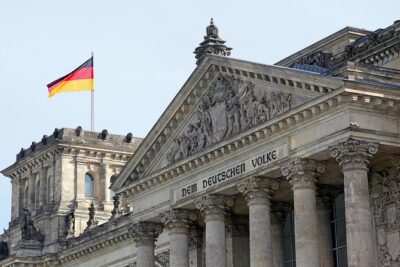
The Reichstag Building is the kind of site that can feel intimidating. The good news here is that your guide frames it as a timeline you can follow, not a pile of names. This stop is described as spanning more than 100 years of history, from the Kingdom of Prussia through the fall of the Berlin Wall. That is a helpful way to connect the dots before you move on to other Cold War touchstones.
You also get the benefit of a short, free admission stop. The tour notes free admission for the Reichstag portion, which is handy because it reduces friction. You are not losing time negotiating tickets or figuring out entry rules right as you arrive.
The trade-off is simple: the time at each stop is limited (around 10 minutes is listed), so you will get the big picture, not an exhaustive visit. If you want to go deeper, this is a great “orientation first” stop, and then you can choose later whether to return for longer.
Brandenburg Gate: a landmark you see, then understand
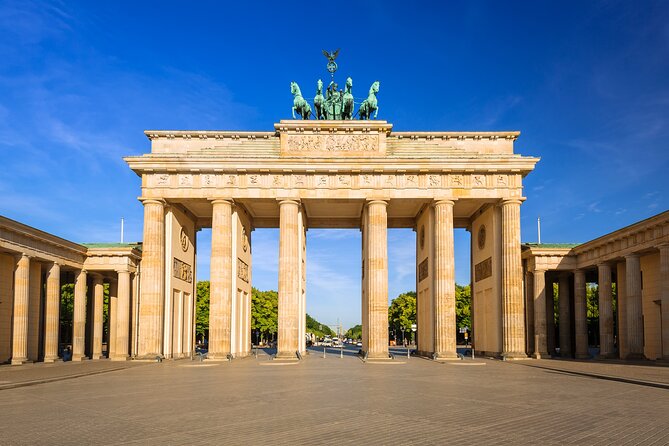
Brandenburg Gate is one of those places everyone recognizes, even if they have never studied German history. What makes it valuable on this kind of tour is that the guide ties it to the same sweeping arc you just heard at the Reichstag, again linking the Prussian past to the Wall era and beyond.
Why does that matter? Because Berlin can feel like two cities stacked together, old and new, divided and reunified. When you hear the story with a guide guiding your attention to what changed, the gate stops being a postcard and starts being a symbol you can explain.
The visit is also short and free admission is noted. That combination is good if you are trying to cover a lot in a half day. It is less ideal if your goal is slow photography and lingering views. For that, plan extra time on a separate outing.
Museum Island: UNESCO-level art and why the location matters
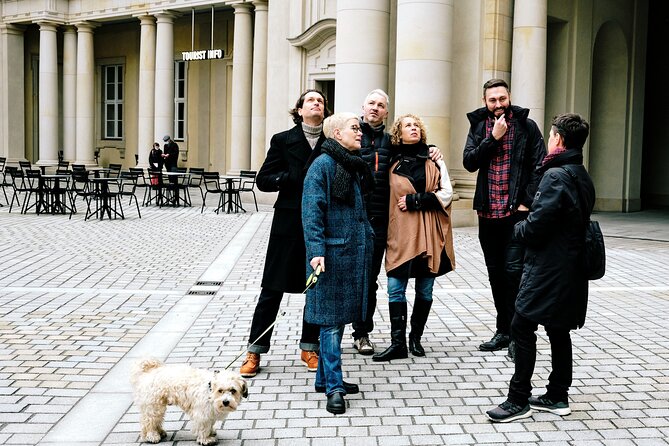
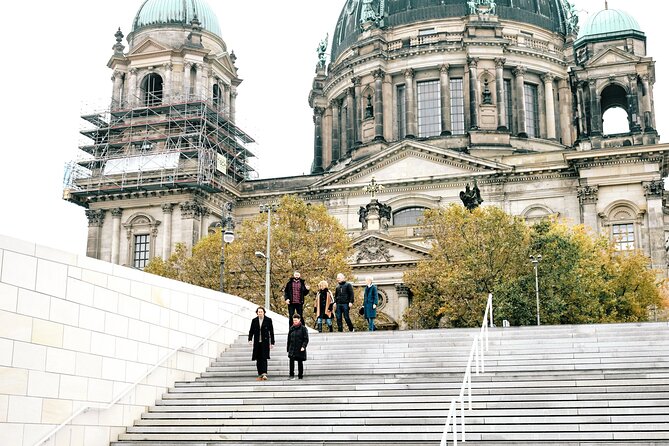
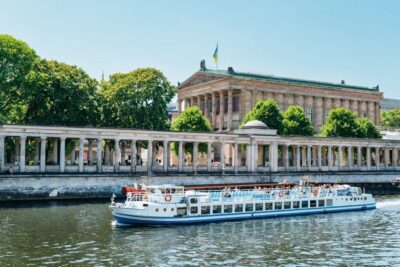
Museum Island is listed as UNESCO World Heritage. That is not just a label. It signals that the area is treated as a cultural anchor, where Berlin keeps returning to the idea that art, learning, and public life belong together.
On this tour, Museum Island is your “cultural pivot” after the heavy political and memorial stops. Even if you do not go inside every museum on your schedule, the exterior, the setting, and the guide’s framing can help you understand why this island matters in Berlin’s story.
As with other stops, your time is brief. So think of this as getting your bearings and identifying which museum you actually want to return to later. If you are the type who loves picking one or two museums and going deep, this tour will still pay off, because you will know where to start.

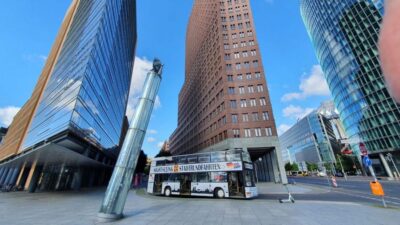
Topography of Terror: the facts hit harder when you know the map
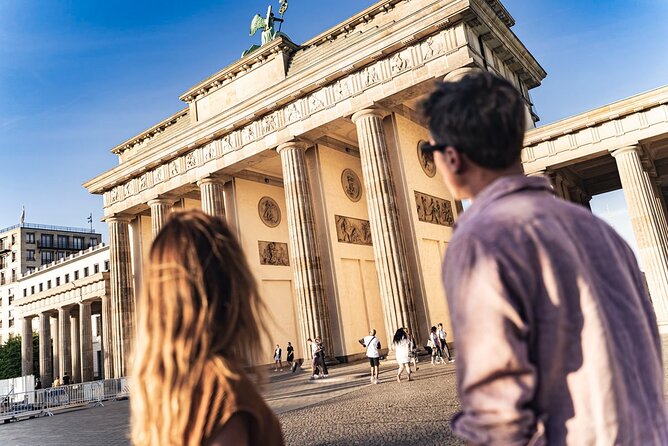
Topography of Terror is one of the sites where you want context, not just silence. The tour includes it as a key stop, and it also positions it within Berlin’s larger story of how power and violence shaped the city.
The advantage of coming here on a guided route is that the guide can help you understand what you are looking at right away, and how it fits into the broader timeline you heard earlier. You do not have to figure out connections alone while you are absorbing difficult material.
The drawback, again, is time. A short visit can feel emotionally intense, and 10 minutes will not replace a longer museum-style visit. Still, for many people, this is the best way to get oriented first, then choose whether you want to come back for more reading and deeper viewing later.
Potsdamer Platz: a strategic stop to bridge eras

Potsdamer Platz is on the list because it helps you connect what you have learned to how Berlin looks and moves today. The tour treats it as part of the big historical through-line, the same thread stretching from Prussia to the fall of the Berlin Wall.
Even if you know Potsdamer Platz as a modern landmark, the value on this tour is the “how did Berlin become this?” perspective. You get a guided pause at a major city node, so you do not just pass through it.
As a practical note, short stops are perfect for orientation and quick photos. They are not for deep investigation. If Potsdamer Platz is a must for you for architecture, film history, or city planning, add extra time later.
Unter den Linden: when the city’s layout becomes the story
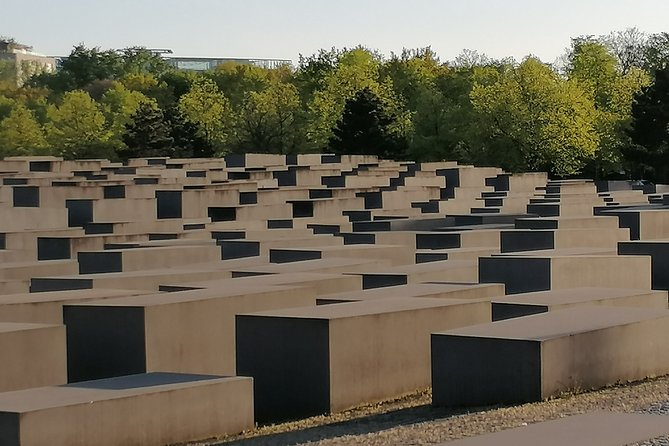
Unter den Linden is a street you feel before you fully notice. It is included as a central stop, and it is a strong move because it visually ties together parts of the city’s identity. The guide’s job here is to show you how the city reshaped itself over time, especially across the eras the tour highlights.
This is also one of the best places on the route to ask your guide for “walkable next steps,” like where to continue on your own after the tour ends. A good orientation tour should help you plan your remaining days. A guide who can point out where the next sight cluster is saves you time and guesswork.
Your visit is brief, so think of it as a guided primer on the city’s structure. Then you can come back and stroll it slowly, once you understand what you are looking at.
Gendarmenmarkt: a peaceful pause inside a busy timeline
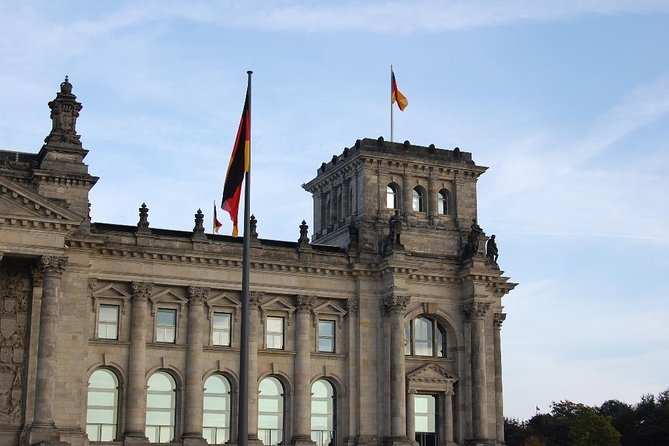
Gendarmenmarkt functions like a palate cleanser. After memorial and Cold War sites, you get a beautiful square moment, one where the guide’s context still matters, but the mood shifts. It is listed as a stop with the same guided historical framing, linking Berlin’s evolution to the wider theme of how the city reinvented itself.
This is where you can breathe, look around, and let the story land. A short stop still gives you enough time to notice the spaces and buildings, and to understand why this area is famous as a public gathering place.
If it is a photo priority for you, arrive ready to take images quickly. Ten minutes passes fast in busy central locations.
Tiergarten: a green break that helps the story stick
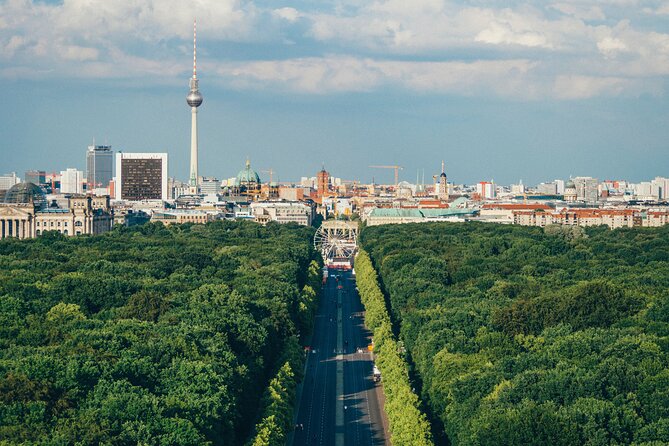
Tiergarten is on the route as another major orientation point. The tour uses it to connect history to the city’s everyday life, and that is why it works. Green space makes the city feel livable, and the guide can help you see why Berlin’s history is not just about buildings and dates, it is also about how people use space.
This is also a nice spot for questions that are hard to ask at memorial sites. You can ask about neighborhoods, where to wander next, or how different districts feel, because Tiergarten is big enough that it feels like you can reset your brain.
Again, the time is limited. Use this stop to get your bearings, not to spend an entire afternoon here.
Memorial of the Berlin Wall: understanding the division you can still see
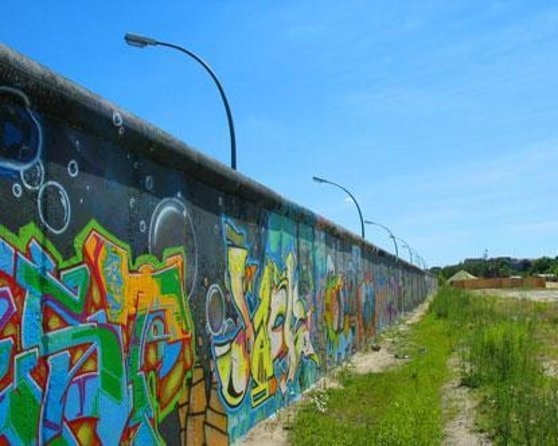
The Memorial of the Berlin Wall is a key inclusion, and it is powerful because it turns a historical event into something you can stand near. The tour positions it within the story of Berlin during and after division, including the fall of the Berlin Wall.
This stop is the tour’s emotional hinge. Earlier sites can feel political or symbolic, but this memorial forces you to confront the physical reality of separation. A guide can help you make sense of what you are seeing so you do not just remember it as a sad photo, you remember it as a lesson about how cities change under pressure.
The trade-off is that a short stop will not satisfy everyone who wants a long, reading-heavy visit. If you are a detail person, plan a return visit later.
Bebelplatz: where history meets the quieter side of memory
Bebelplatz is another thought-provoking stop. The tour includes it as part of the same guided arc, connecting Berlin’s past to the present. This is the kind of place where you might not expect to feel moved, but with the right framing it becomes clear that Berlin’s memory is built into ordinary squares and street corners too.
The time here is brief, so you will likely get the key points and a sense of why it belongs on an essential list. That makes it ideal for people who want a curated introduction in limited time.
If you want to linger, treat this as a stop to learn what to look for, then return when you have more time for reading and reflection.
The Holocaust Memorial: a necessary stop with context that matters
The Holocaust Memorial, formally the Memorial to the Murdered Jews of Europe, is on the route. This is one of the hardest stops in Berlin, and it benefits from having a guide help you understand the purpose and symbolism before you walk the space yourself.
The tour’s framework is helpful because it treats memorials as part of the city’s story, not isolated experiences. With a guide, you are better equipped to handle what you are seeing without feeling lost or overwhelmed by your own assumptions.
The drawback is emotional time. Ten minutes can feel too short for a site like this. But as an orientation stop, it can still be meaningful. If you want more, the best move is to do this tour, get grounded, then come back for a slower visit later.
Checkpoint Charlie: Cold War geography, made clear
Checkpoint Charlie is included as a major Cold War reference point. The value of this stop on a guided half-day tour is that you get the geography, not just the name. You hear how Berlin reshaped itself through the eras the tour emphasizes, and you understand why this crossing became famous.
On your own, it is easy to treat Checkpoint Charlie like a tourist backdrop. With a guide, you can focus on what the place represents and how it connects to the broader story. That is especially important because Berlin’s Cold War history is present all over the city, and it can be hard to organize mentally without help.
The listed stop time is short. That means you will likely get a guided overview and photo moment rather than a long, step-by-step exploration of every nearby detail.
Fuhrerbunker: the past is physical, even when details are complicated
The tour includes Fuhrerbunker as a stop, which is one of the more serious, less “easy to picture” locations on the list. This is exactly the kind of site where you benefit from a guide. The tour frames it within the century-spanning narrative, so you get a sense of what this place meant in its time.
Because the time is limited, you should treat it as a guided introduction. You may not leave with every detail, but you should leave with enough context to understand why the site matters in Berlin’s story.
Practical tip: if you are sensitive to heavy historical subject matter, pace yourself. You can always ask your guide for a quick recap before you move on, so your brain has a “rest point.”
How much you will actually see in 4 hours, and how to plan around it
The tour lists around 10 minutes at each stop, and it includes 13 stops. That tells you the pacing style: quick orientation stops, frequent “look here, this matters because…” moments, then moving on. The tour is designed to cover the big names without making you spend your whole day on one site.
This pacing is great if:
- you have limited time in Berlin
- you want the city organized into eras
- you want to ask questions while someone else handles the route
- you are visiting in cold or rainy weather and want a comfortable way to keep moving
It is less ideal if:
- you want long museum time at Topography of Terror or at the Holocaust Memorial
- you plan to read every panel and linger for an hour per stop
- you are the “slow travel, no rush” type, especially at the memorials
A smart way to use the tour is to pick two stops you care about most, then plan a longer return visit for those later. This tour helps you decide which ones are worth your time.
Guide quality and the personalization factor
The private format is the big difference-maker, but the guide is the engine. The best part of this tour, based on the kind of feedback people consistently give for strong guides, is that the experience feels tailored. People describe guides who were entertaining, informative, and able to show exactly what they wanted, plus a few extra places they did not plan on.
It also helps that the tour includes hotel pickup and drop-off, so your day starts smooth. A driver and guide team means less logistics stress. That is not glamorous, but it is the difference between enjoying Berlin and spending your afternoon watching your watch.
One more perk: strong guides often share practical local ideas. In this case, guides are credited with pointing out food spots too. That is valuable because Berlin days can be long, and when you finally need a warm meal, you will appreciate getting a suggestion that fits the area you are already in.
Value check: what $681.49 per person buys you
At $681.49 per person for about 4 hours, this is not a budget tour. But it does bundle several things that would cost you money and time separately: private hotel pickup and drop-off, a private black van and driver, and a local expert guide in English.
Here is how I think about value:
- If you are traveling as two or more people and the operator offers group discounts, the per-person cost can feel more reasonable.
- If you are short on time, paying for a private route can be cheaper than adding extra transit time and missing key sites.
- If you are visiting in winter or bad weather, the comfort and fewer transfers can be worth a lot, because the alternative might be slow, crowded walking between widely spaced landmarks.
My practical advice: if Berlin history is a top priority for your trip and you want a guided orientation that also hits memorial and Cold War sites, this price can make sense. If you mainly want photos and you have plenty of days to wander, you might find cheaper self-guided options.
Should you book this private historical sites tour?
Book it if you want a focused half-day hit list that turns major Berlin landmarks into a clear story arc, plus a guide who can answer your questions as you go. The private van and hotel pickup make it a good choice for families, first-time visitors, and people who are visiting in rain or cold.
Skip it or add time elsewhere if your goal is long, quiet, museum-style visits at memorials like Topography of Terror or the Holocaust Memorial. This tour is built for orientation and context, not for staying deep for hours at one stop.
If you do book, do yourself a favor: plan one or two “return targets” for later. After the tour, you will know exactly where to spend more time, because the city will finally start making sense.
FAQ
How long is the tour?
The duration is about 4 hours.
Is the tour private?
Yes. It is a private tour, and only your group participates.
What is the price per person?
The price is $681.49 per person.
Do I get hotel pickup and drop-off?
Yes. Pickup and drop-off are included, and you meet at your hotel lobby. The guide holds a sign with your name.
Is the tour in English?
Yes. The tour is offered in English.
Do I need to buy tickets for the stops?
Admission tickets are noted as free for the listed stops. You also receive a mobile ticket.
What should I do if it rains or it is cold?
The tour runs rain or shine. Dress accordingly and bring an umbrella or raincoat. In winter, temperatures can get quite low, so bring an extra sweater. If you need to warm up, there is a cafe nearby.
Can I cancel for a full refund?
Yes. You can cancel up to 24 hours in advance for a full refund. Canceling less than 24 hours before the start time means you would not get a refund.
The Longer History of Berlin
Everything else we filed on Berlin
- Private Photo Tour in Kreuzberg
★ 5.0 · 3 reviews - Kreuzberg Private Walking Tour: Immigrants, Artists & Hipsters
★ 5.0 · 3 reviews - Berlin’s Jewish Heritage: Private Tour of the Vibrant Jewish District
★ 5.0 · 3 reviews - Individual city tour Berlin for max. 8 persons
★ 5.0 · 3 reviews - Berlin & The Third Reich Private Guided Tour
★ 5.0 · 3 reviews - Private Analogue Photography Experience in Berlin
★ 5.0 · 3 reviews
Historical Tours, side by side.
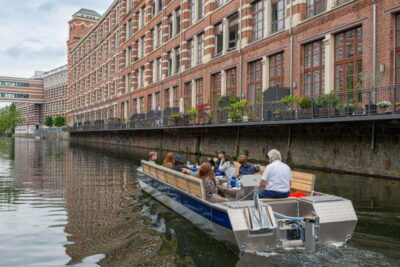 ★ 4.7Leipzig: City History Canal Sightseeing Tour on a MotorboatFrom $186,232 reviews
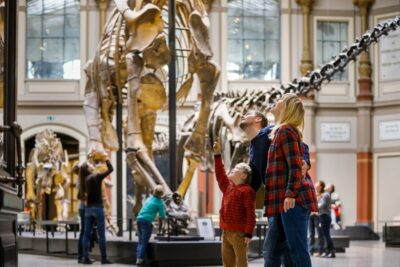 ★ 4.6Berlin: Natural History Museum Entrance TicketFrom $123,382 reviews
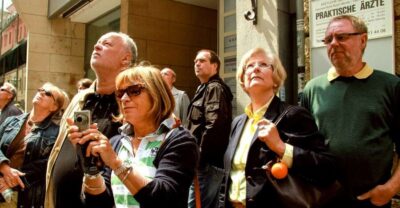 ★ 4.7Leipzig: 1.5-Hour Historical Walking Tour in GermanFrom $172,217 reviews
 ★ 4.5Berlin: World Heritage Cruise to PotsdamFrom $251,435 reviews
 ★ 4.7Heidelberg: Night Watchman Historic Adventure TourFrom $3051,186 reviews
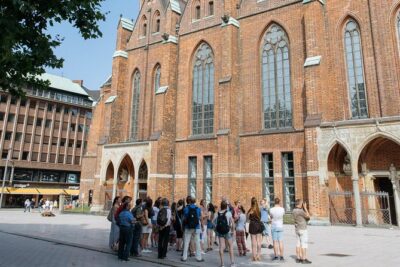 ★ 5.0The Local Tour of Hamburg Historic CentreFrom $31,058 reviews
 ★ 4.8Elbfloren: Historical city tourFrom $15819 reviews
 ★ 4.6Bamberg: Guided Beer History Tour with Optional TastingFrom $21772 reviews
Other lists this tour is on