
REVIEW · SACHSENHAUSEN
Sachsenhausen Memorial: Walking Tour from Berlin
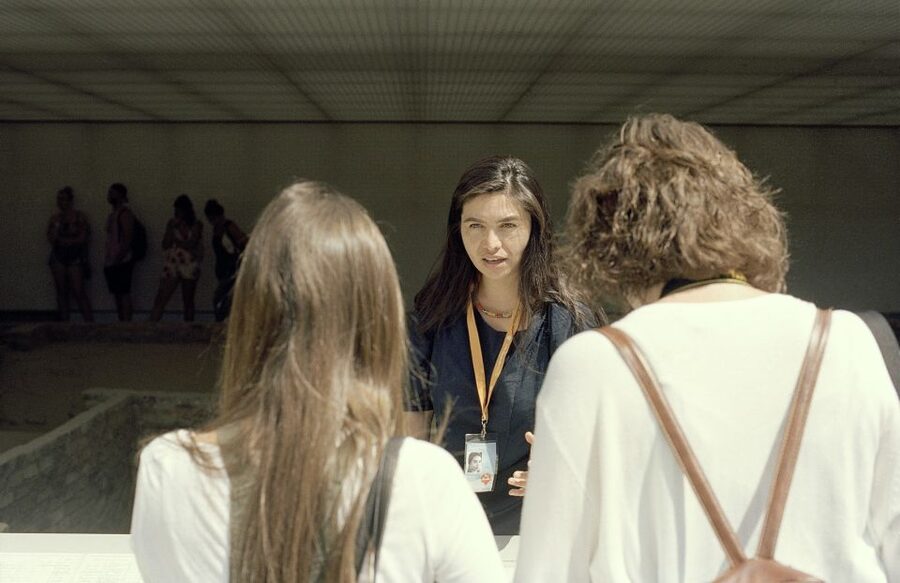
Sachsenhausen turns history into something physical. This is the Nazi camp closest to Berlin, and the way your guide connects the camp layout to how SS power worked is genuinely gripping. I especially liked the three-hour-plus guided walk that moves from Tower A to Station Z, and the human, plainspoken way guides such as Fabio, Lorenzo, and Soleil explain a system meant to crush people. One consideration is that the day has no lunch stop at the memorial, so you must plan food around the rules and the long walking hours.
You start together in Berlin and head north by public transit to Oranienburg, then spend the bulk of the time on foot at the site. The group stays small, and the format is built for learning with a real guide, not just drifting through exhibits. The biggest practical drawback: you have to stay sharp on timing and logistics, since the group will likely catch the train shortly after the tour start, and late arrivals can miss the departure.
Because this is a memorial for political and racist terror, the content is heavy. Still, the best versions of this tour are guided with empathy and solid context, and the feedback you will see repeatedly points to that care and professionalism. The memorial itself is open to all weathers, so wear comfortable shoes and dress for rain, cold, or sun.
In This Review
- Key things I’d mark on your map before you go
- Why Sachsenhausen, the camp near Berlin, matters
- The trip from Berlin to Oranienburg: trains, timing, and meeting up
- Inside the camp in 3.5 hours: Tower A to Station Z
- How camp architecture became a weapon of SS control
- Forced labor, prison barracks, and medical rooms that explain daily terror
- The former kitchen, resistance, and what happens at the end of the war
- Postwar Sachsenhausen under Soviet occupation
- Price and logistics: what $511 per group up to 6 really buys you
- Should you book this Sachsenhausen walking tour from Berlin?
- FAQ
- How long is the Sachsenhausen guided walking tour?
- What language is the guide available in?
- Do I need a public transport ticket in Berlin?
- Is there a memorial donation fee?
- Is there a lunch stop during the tour?
- What are the rules on site?
Key things I’d mark on your map before you go
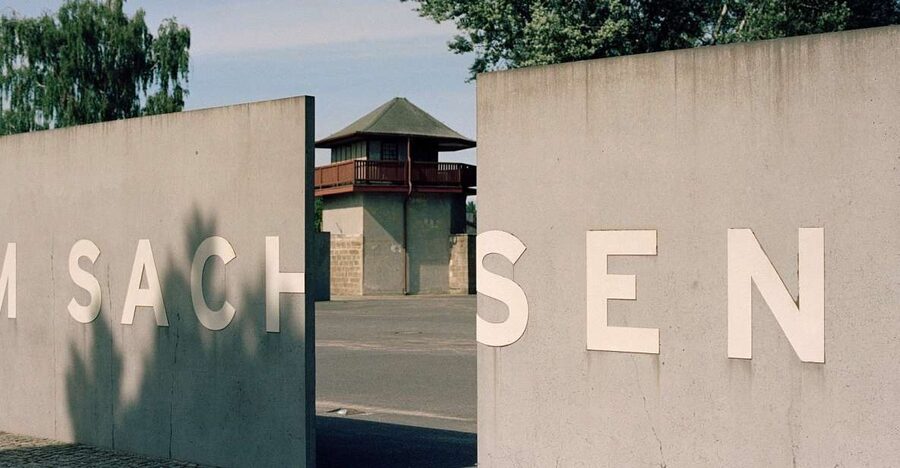
- Tower A and the roll-call square first to understand how control was staged in plain sight
- Station Z (crematorium and gas chamber area) is explained in context, not just shown
- Architecture as a tool of oppression, with the camp design linked to SS authority
- A guide-led route that includes forced labor, punishment, prison barracks, and medical rooms
- Oranienburg orientation plus the return to Berlin, so you’re not stuck figuring it out alone
- Bring cash for the €3 memorial donation required by the Sachsenhausen Memorial
Other guided visits to Sachsenhausen Memorial
- Berlin: Sachsenhausen Concentration Camp Tour in English★ 5.0 · 5,711 reviews
- Berlin: Sachsenhausen Concentration Camp Memorial Tour★ 4.7 · 3,716 reviews
- Sachsenhausen Concentration Camp Bus Tour in English from Berlin★ 5.0 · 1,962 reviews
- Berlin: Sachsenhausen Concentration Camp Tour in English★ 4.8 · 1,889 reviews
Why Sachsenhausen, the camp near Berlin, matters
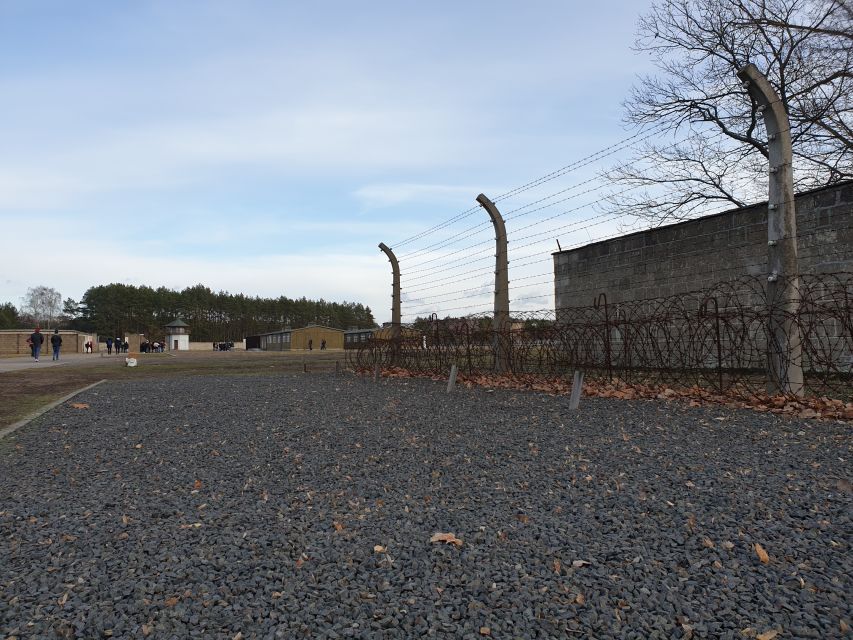
Sachsenhausen is one of those places where you quickly understand why the Nazis built camps the way they did. It is not just a historical location in Germany, it is a model site, close to the Nazi capital, that helped shape the concentration camp system used across occupied Europe.
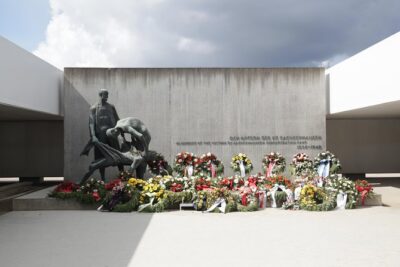
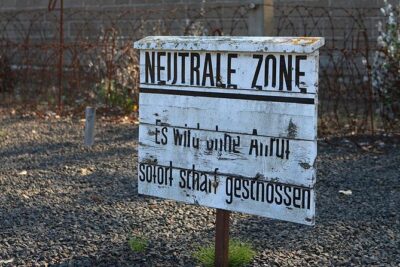
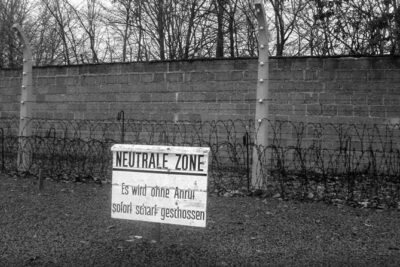
The memorial also forces you to pay attention to design. The camp was deliberately planned by Nazi architects so SS authority could be enforced with constant, physical pressure. When you walk the paths and see how sections connect, the explanation makes sense in your body, not only your head.
Another reason this visit is so important is that Sachsenhausen changed over time. It began in the mid-1930s to imprison political opponents, then later held Sinti and Roma, Jews, prisoners of war, and Jehovah’s Witnesses. The memorial also documents the scale of suffering, with more than 40,000 people who perished under horrific conditions.
The trip from Berlin to Oranienburg: trains, timing, and meeting up
This tour is built as a day trip that is mostly about getting you to the right place, on time, and in a group. You start in Berlin from a meeting point that depends on the option you choose, then you board public transport together. There is a train segment of about 40 minutes to reach the Oranienburg area, then you’ll get some short guided time around the arrival side.
Oranienburg is the nearest station area to the memorial site, roughly 35 km north of Berlin. That means you are not just taking a local stroll in a neighborhood. You are doing a real transfer day, and the schedule matters.
Here is the key practical rule I would treat like a mantra: arrive early. The group most likely departs on the train about 5 minutes after the official start time, and you need to be there at least 15 minutes before. Once the guided tour begins, it starts promptly and waiting for late arrivals is not possible. If you like to roam a bit before a tour, do it before you come to the pickup, not during this one.
On the Berlin side, plan on buying the right transit ticket. You’ll need a 24-hour ticket covering zones ABC of Berlin. This is one of those details that can waste your day if you forget it, so I would sort this out before you meet.
Inside the camp in 3.5 hours: Tower A to Station Z
The heart of the day is a walking tour at the memorial and museum of Sachsenhausen, lasting about 3.5 hours. The guide leads you through the site in an order that helps the story land, not just random point-and-shoot stops.
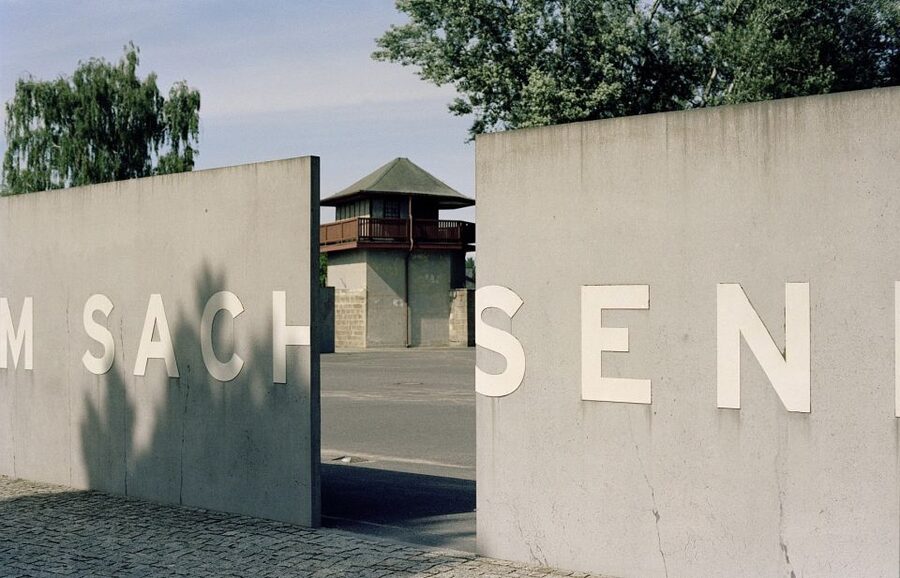
You start with Tower A and the roll-call square. These areas are essential because they show how the camp functioned as a system of surveillance and forced obedience. When the guide connects the purpose of the space to what prisoners faced daily, you understand why the Nazis cared so much about visibility and procedure.
From there, you move through sections tied to forced labor and punishment, then toward the prison barracks and rooms connected to medical experimentation. Even if you think you know the basics, the site layout helps you see the machinery of control as something designed, not accidental.
The tour also includes the former kitchen, now part of the museum. It’s a small stop that can hit hard, because it reminds you that oppression ran through ordinary functions, not only spectacular brutality.
Then comes Station Z, the area associated with the crematoriums and the gas chamber. This part is emotionally intense by definition, and it is also the moment where a good guide’s tone matters most. The explanation you get is meant to place what happened into the wider system, including how Sachsenhausen served as a training center for SS guards and how the camp fed the broader machinery of exploitation and extermination across Nazi Europe.
How camp architecture became a weapon of SS control
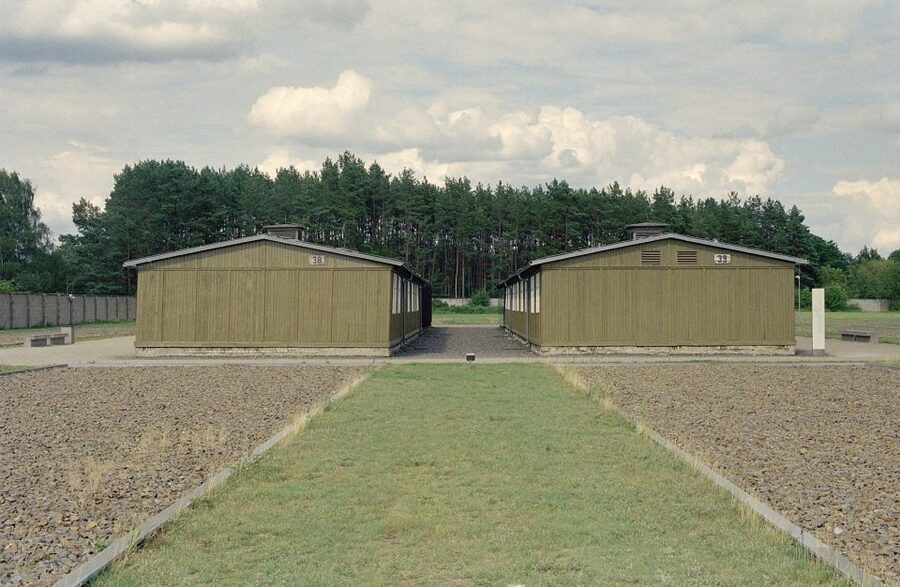
One of the most useful things this tour does is link architecture to behavior. This is not just a tour of ruins or restored buildings. The camp was arranged to enforce total subjugation to SS authority, and your guide walks you through the logic.
You’ll learn how physical space acted like a control system. That includes how the camp layout supported constant monitoring and how movement, spacing, and visibility were part of punishment. When you listen while standing in the place where those decisions were made, the explanations feel less like a lecture and more like a map of how power operated.
Another subtle value here is that it gives you language for what you see. Even if you are not an architecture person, you start noticing patterns: who had access, where discipline was expected, and how the space directed daily routines.
This is also where the tour tends to get praised in the feedback you’ll find. People consistently highlight that guides are not only informed, they are also empathetic when talking about a subject that deserves care. Names that show up strongly in the feedback include Fabio, Lorenzo, Andrea, Soleil, and Sueli, and the common thread is a guide who can explain complex things clearly without turning the camp into a “history theme park.”
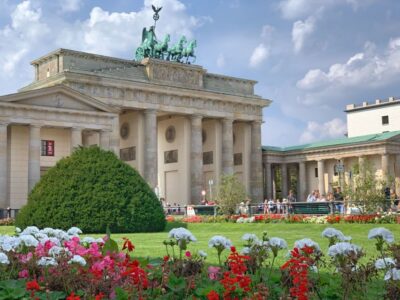
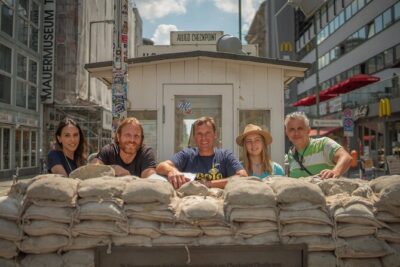
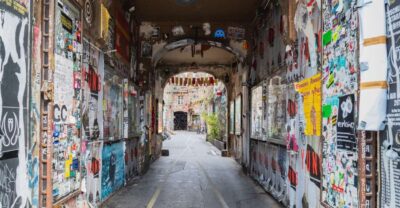
Other walking routes through Berlin


Forced labor, prison barracks, and medical rooms that explain daily terror
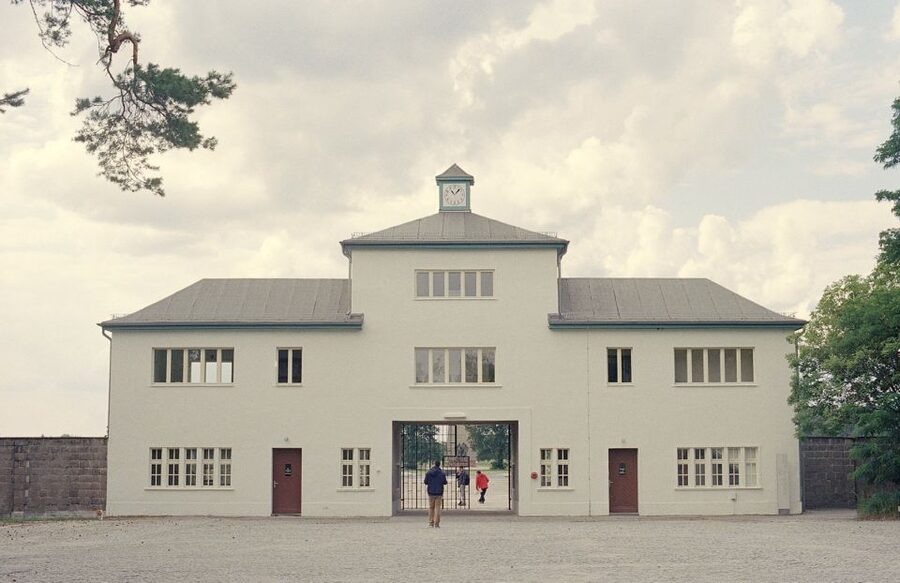
Sachsenhausen was not only about confinement. It was also about exploitation. During your walking route, you’ll be guided through parts of the site connected to the system of forced labor and punishment.
You’ll also see the prison barracks and medical experimentation rooms. These stops matter because they help you understand the camp as a whole system, not separate horrors. Forced labor, punishment, illness, and medical abuses were interconnected methods used to break people physically and psychologically.
This is a lot to process, so pacing matters. The format gives you time to hear connections, then see the location. It’s long enough to feel complete, but still structured enough that you do not wander without a thread.
If you tend to get overwhelmed by very graphic or emotionally intense material, do not treat that as a reason to skip. Instead, plan for it. Bring water, wear shoes you can walk in for hours, and remember that the rules at the memorial restrict eating on site, so you should manage your energy with what you bring for earlier or later parts of the day.
The former kitchen, resistance, and what happens at the end of the war
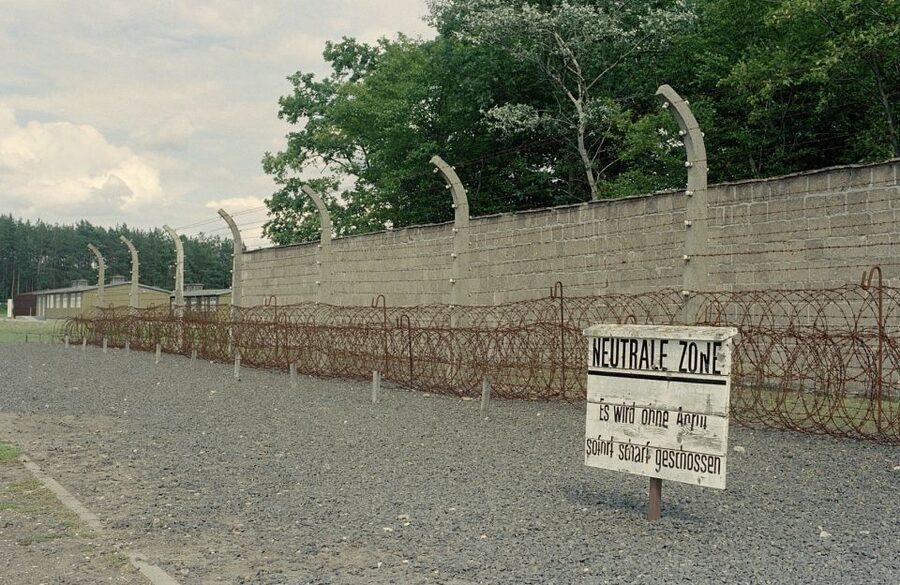
The former kitchen stop, now part of the museum, can be a surprisingly important moment. It anchors the story in daily life, even though daily life inside a camp was anything but normal. You get a clearer sense of how routine and deprivation were woven together.
The guide also covers attempts at resistance. That matters because it restores human agency to the narrative. Even when the system was designed for total subjugation, people still found ways to fight back, resist, and endure.
As the war ended, Sachsenhausen’s story includes the chaos of the final months. Your guided route includes discussion of the death marches at the end of the war, so you understand how survival plans and mass movements turned into another form of terror as Nazi control collapsed.
Postwar Sachsenhausen under Soviet occupation
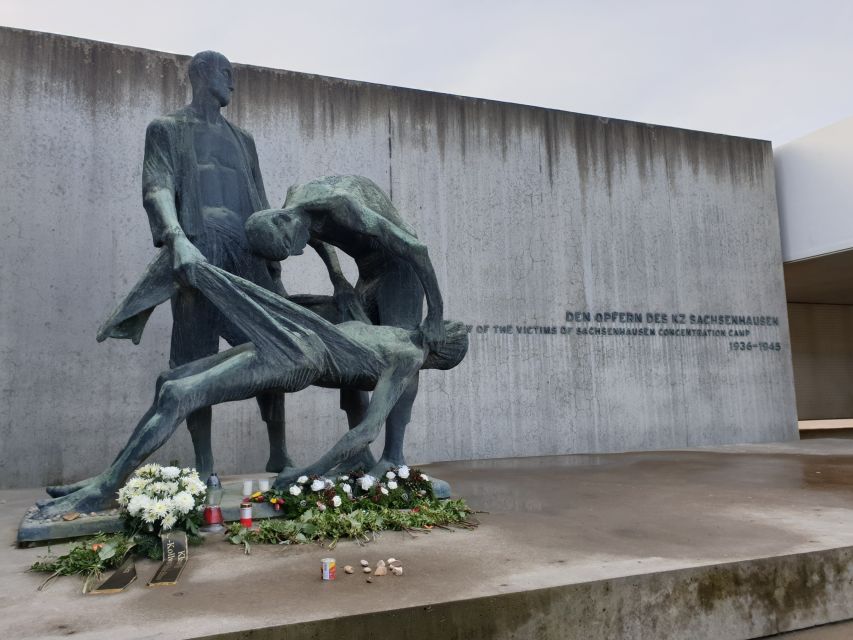
A common mistake with concentration camp visits is thinking the story ends with liberation. This tour addresses the postwar reality of Sachsenhausen continuing to operate under Soviet occupation as a special camp.
Thousands of people were detained afterward too, including former Nazis, political opponents, and civilians. Conditions were still lethal, with many dying of hunger and disease. Including this chapter helps you see Sachsenhausen as a site where different regimes used confinement as a tool, even if the ideology and systems differed.
You do not have to like this part of the story to understand why it is important. It gives you a more accurate picture of how power can reuse institutions, and it helps you avoid a simplified timeline.
Price and logistics: what $511 per group up to 6 really buys you
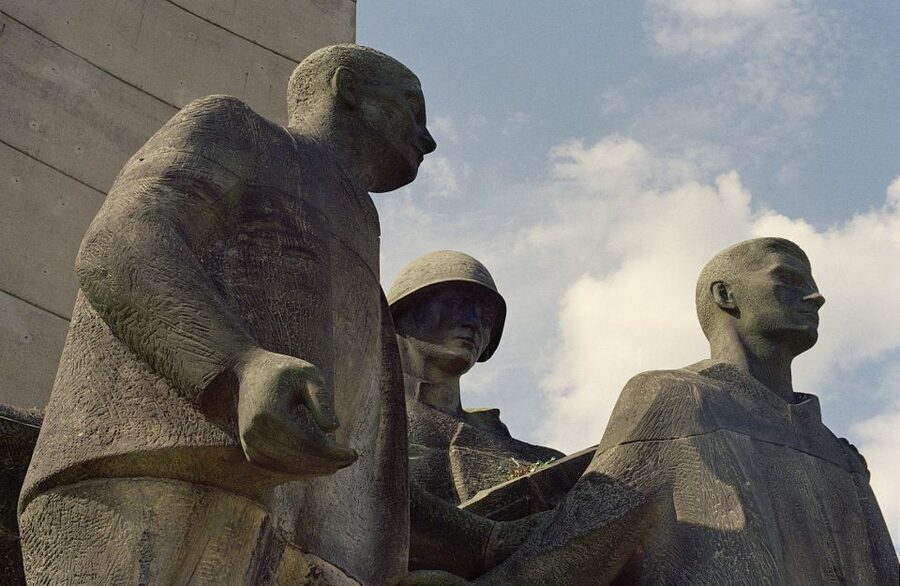
The price shown is $511 per group up to 6. For many people, that number is the deciding factor, so it helps to look at what you actually receive for that cost.
First, you are buying a structured guide-led day with a route that includes the memorial’s key points. You get the transit together, a guided focus on the camp’s major areas, and time to understand the logic behind what you’re seeing. The experience is not just entry into a museum. It’s a guided interpretation of the camp as a system.
Second, you are not paying for a huge crowd dynamic. The tour is designed for groups up to 25, and there is also a private group option. If you are traveling with a small group of friends or family, the private-group pricing can make sense because you share the cost and you may get more responsive pacing within the tour’s format.
Third, there are small extra costs and rules you must factor in. A mandatory €3 memorial donation is required in cash at the meeting point, and the tour is clear that eating is not permitted on the memorial site. That means your money goes toward guiding and transport structure, while your food plan is on you.
Is it good value? If you care about understanding how the camp operated as a design of oppression, yes. If you want to read everything independently and spend time at your own pace, you might find a self-guided approach cheaper. For most people going for meaning, not only sightseeing, the guided structure justifies the price.
Should you book this Sachsenhausen walking tour from Berlin?
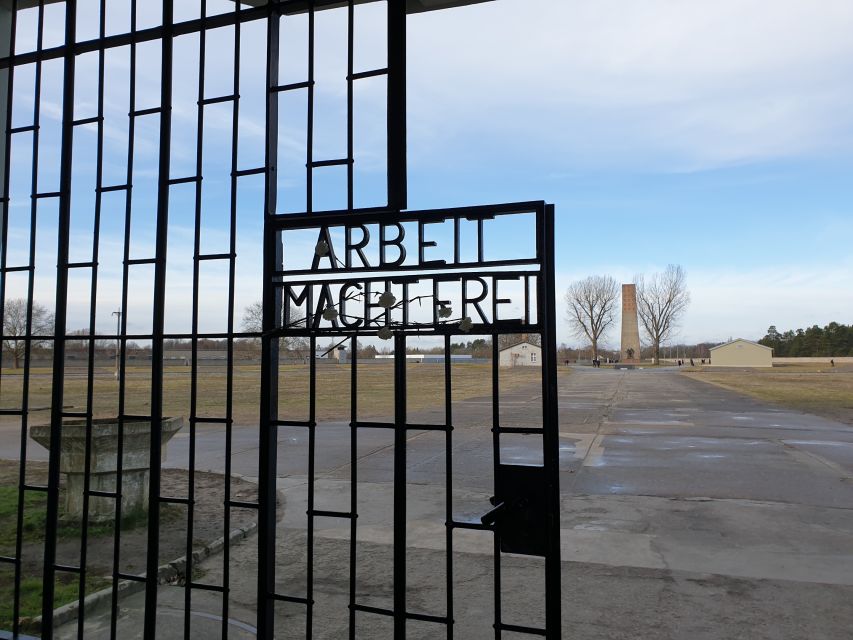
Book it if you want a guided, site-based explanation that connects camp architecture, forced labor, punishment, prison spaces, and Station Z into one coherent story. You’ll likely appreciate the way the route is structured, because it moves you from surveillance and control spaces to the most devastating sites and the final-war aftermath.
You should also book if you like learning with a real guide who explains details clearly and with care. The names that surface again and again in the feedback, like Fabio, Lorenzo, Andrea, Soleil, and Sueli, point to guides who communicate emotionally sensitive material with empathy and strong preparation.
Skip or choose a different format if you do not handle heavy subject matter well, or if a 6-hour day with lots of walking and no lunch stop inside the memorial sounds stressful. Also plan carefully for timing. Arrive early for transit and keep your transit ticket ready, because the group departs shortly after the scheduled start.
In short, this is a meaningful day trip that respects the site and uses guidance in the places where you need it most. If you’re willing to walk, listen, and stay focused, it’s the kind of visit that stays with you long after you leave the grounds.
FAQ
How long is the Sachsenhausen guided walking tour?
The guided tour inside the Sachsenhausen Memorial runs about 3.5 hours, after the group travels together from Berlin.
What language is the guide available in?
The guide is available in French, Italian, or English, depending on the option you book.
Do I need a public transport ticket in Berlin?
Yes. You should buy a 24-hour ticket for Berlin zones ABC before you go, since you’ll travel by public transport.
Is there a memorial donation fee?
Yes. All participants must pay a €3 donation in cash at the meeting point as required by the Sachsenhausen Concentration Camp Memorial. The full amount is donated to the memorial.
Is there a lunch stop during the tour?
No. There is no lunch stop, and eating is not permitted on the memorial site. It is recommended that you bring your own lunch for the train journey.
What are the rules on site?
Smoking, alcohol and drugs, and nudity are not allowed. The tour also involves a lot of walking and runs in all weathers, so dress accordingly and wear comfortable shoes.
Pavements of Berlin
Visiting Sachsenhausen Memorial
Everything else we filed on Berlin
- East Berlin: City of Shadows Walking Tour
★ 5.0 · 11 reviews - Berlin: Die Stachelschweine – Frank Lüdecke – Träumt Weiter
★ 4.7 · 11 reviews - Potsdam Day Trip from Berlin with a Local: Private & Personalized
★ 4.0 · 11 reviews - An Introduction to Berlin Walking Tour
★ 5.0 · 11 reviews - DJ for a Day: Learn to Mix Like a Pro in Berlin
★ 5.0 · 11 reviews - 2-H Segway Sightseeing Tour Berlin
★ 4.5 · 11 reviews
Sachsenhausen Memorial Site Tours, side by side.
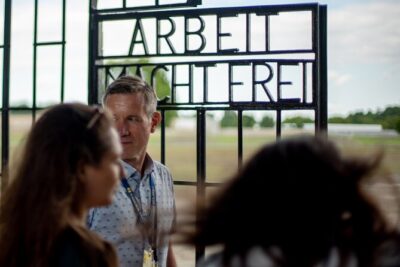 ★ 5.0Berlin: Sachsenhausen Concentration Camp Tour in EnglishFrom $365,711 reviews
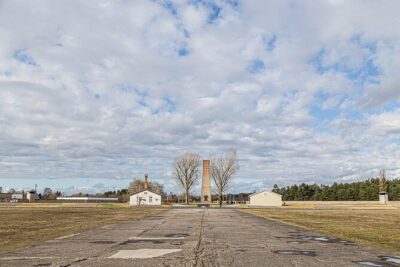 ★ 4.7Berlin: Sachsenhausen Concentration Camp Memorial TourFrom $213,716 reviews
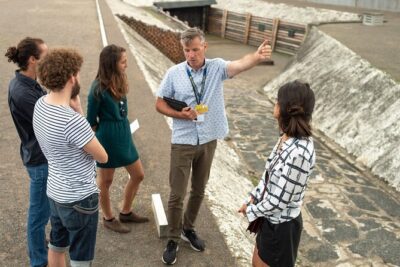 ★ 5.0Sachsenhausen Concentration Camp Bus Tour in English from BerlinFrom $681,962 reviews
★ 4.8Berlin: Sachsenhausen Concentration Camp Tour in EnglishFrom $221,889 reviews
★ 5.0Sachsenhausen Concentration Camp Bus Tour in English from BerlinFrom $681,962 reviews
★ 4.8Berlin: Sachsenhausen Concentration Camp Tour in EnglishFrom $221,889 reviews
 ★ 5.0Sachsenhausen Concentration Camp Memorial Tour (Max. 15 Guests)From $351,516 reviews
 ★ 4.6Berlin: Sachsenhausen Concentration Camp and Potsdam TourFrom $651,334 reviews
 ★ 5.0Sachsenhausen concentration camp.From $341,189 reviews
 ★ 5.0Visita en español al campo de concentración SachsenhausenFrom $341,170 reviews
Other lists this tour is on