
REVIEW · TRIER
Trier: Solve the Mystery of the Merchant’s Gold!
A mystery walk in Trier feels like a Roman story you can actually use. This self-guided game has you solving puzzles across real streets, all tied to Roman Trier around 310 AD, with a fun plot about merchant gold. I like the no-app setup and the way you can start right away at the first landmark.
You also get the best kind of flexibility for city exploring, you can pause and jump back in without keeping a strict group schedule. That makes it a solid choice when you want structure for fun, but freedom for wandering. One thing to consider first: the tour is German-only, and you’ll need your smartphone charged with mobile internet.
If your crew likes puzzles, light walking, and history facts delivered as part of the storyline, you’ll probably have a great time. The whole route is short enough to fit into a normal day in Trier, and it stays friendly for all ages.
In This Review
- Key things to know before you go
- Trier Mystery Walk: Roman Clues, Real City Streets
- The 310 AD Storyline: Marcus Aurelius and the Merchant’s Gold
- How the Self-Guided Format Really Works
- Porta Nigra: Starting the Case at Trier’s Gate
- Walking Trier’s Landmarks: Puzzles, Facts, and Outdoor Time
- Kaiserthermen: Finishing the Mystery with a Roman-Era Ending
- Price and Value for Small Groups
- Who This Tour Fits Best
- What to Bring for a Smooth Experience
- Language Matters: German-Only Planning
- Outdoor Walking Style: Time, Distance, and Pace
- Should You Book Trier’s Merchant Gold Mystery?
- FAQ
- How long is the self-guided tour?
- Where does the tour start?
- Where does the tour end?
- How far do we walk?
- Do I need to download an app?
- Is the tour available in English?
- Can we start and stop during the tour?
- How does the shared access token work for a group?
- What do I need to bring with me?
- Is it wheelchair accessible?
- How does cancellation work?
Key things to know before you go
- Story-led clues in Roman Trier from Marcus Aurelius’ point of view, set in 310 AD
- Web app works instantly at the starting point, no download or installation
- Easy puzzle level (2 out of 5), a good match for families and mixed experience levels
- Start, pause, and resume anytime within your 90-minute playing window
- Small-group friendly with a shared token for up to 3 people
More Roman stone and river corners
- Trier: Guided City Walk with Wine Tasting★ 4.8 · 979 reviews
- Trier: Guided Old Town Highlights and History Walking Tour★ 4.7 · 687 reviews
- Trier: Discovery Tour – Germany’s Oldest Wine Cellar★ 4.7 · 218 reviews
- Trier: City Walking Tour★ 4.6 · 118 reviews
Trier Mystery Walk: Roman Clues, Real City Streets
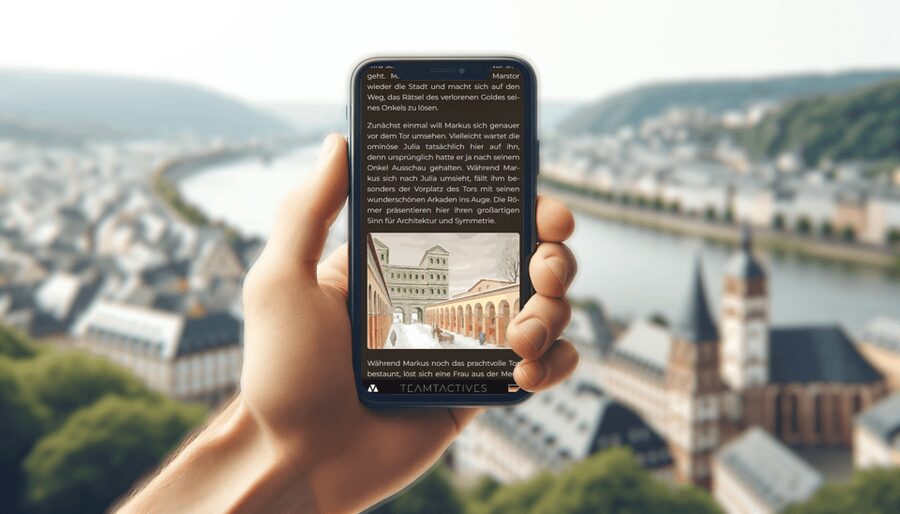
Trier has a reputation for being Germany’s oldest city, and this tour uses that fact in a smart way. You’re stepping back to Roman Trier in 310 AD, when the city was known as Augusta Treverorum. The storyline follows young Marcus Aurelius, who receives a mysterious letter from his uncle, Gaius Magnus, a merchant in Trier.
Instead of a scripted lecture, you solve a chain of puzzles that guides you from one spot to the next. Along the way, you pick up historical facts that feel connected to what you’re doing, not just tacked on. It’s history with a task attached.
What I like most is that it treats the city like the game board. You’re outside as you work, walking a manageable distance while learning. It’s the kind of activity that gives you a reason to slow down and look around.
The 310 AD Storyline: Marcus Aurelius and the Merchant’s Gold
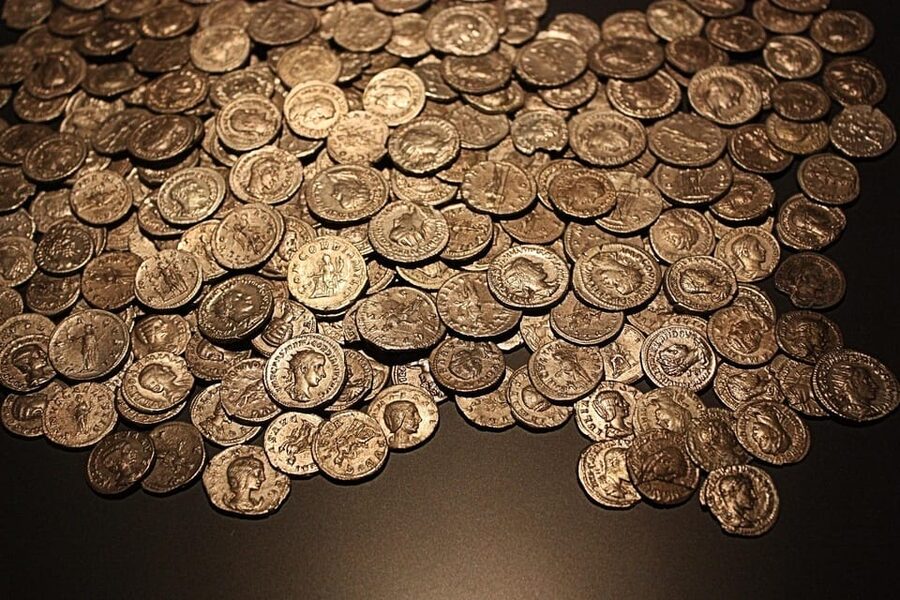
The plot is the engine of this experience, and it’s easy to follow. Marcus Aurelius is trying to help his uncle, Gaius Magnus, who has a problem involving a mystery about merchant gold. Your job is to decipher clues as you move through Trier, linking locations to the story.
This is also where the tour stays approachable. It doesn’t require deep knowledge of Roman history to play. You just need patience for puzzles and attention as you reach each stop. The puzzle difficulty is rated 2 out of 5, which is a useful detail because it tells you the game is meant to be fun, not frustrating.
If you’re traveling with kids, this setup matters. A clue-based route gives younger participants something to do besides wander. And for adults, it keeps the walk from becoming a plain checklist of sights.
How the Self-Guided Format Really Works
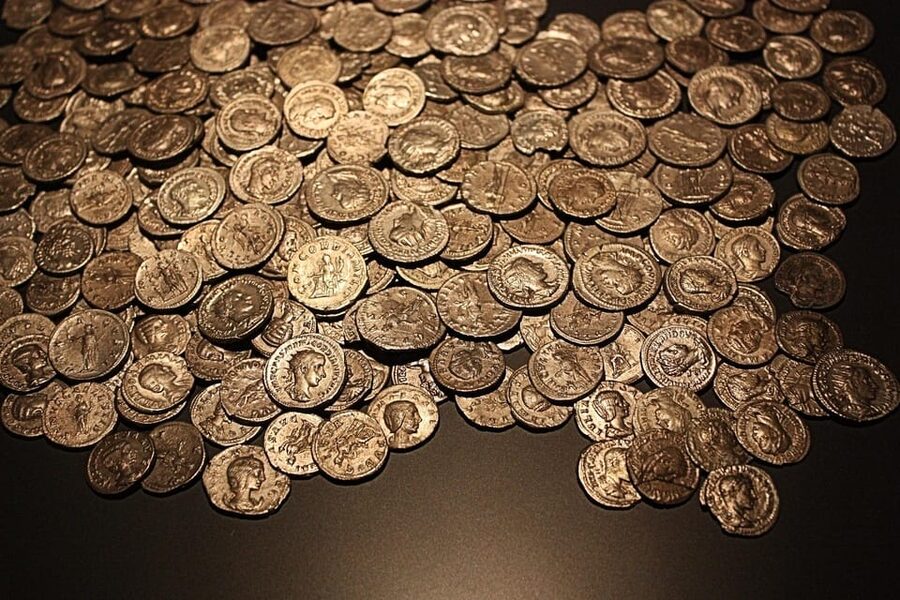
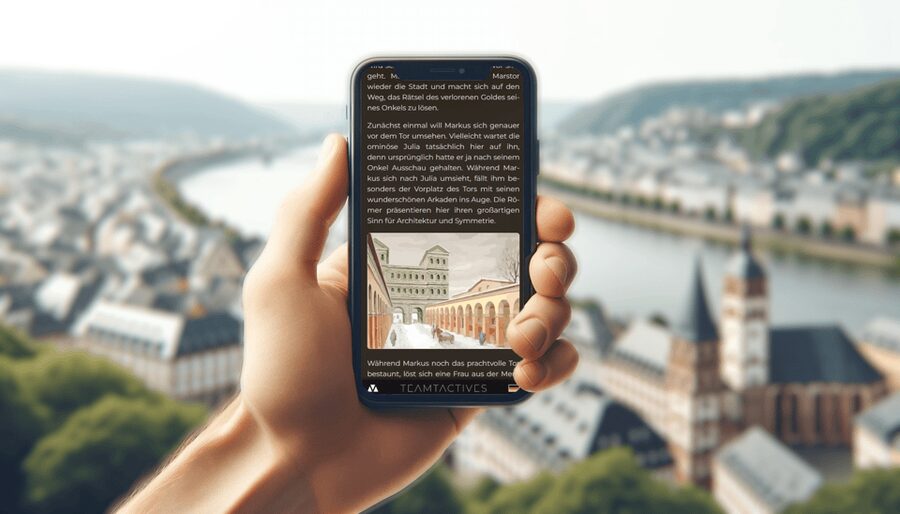
This is a self-guided tour you control. You start at the first location, then follow the puzzle prompts to move through the route. The entire tour is designed for a simple flow on a smartphone.
You’ll get a shared access token for your team. Each member can use their own smartphone to view the digital content and follow along. That’s handy because it prevents the classic problem where one person ends up glued to the phone while everyone else waits.
A key plus for flexibility is that you can start and stop anytime. So if you pause for a drink, take photos, or need a restroom break, you’re not “out” of the experience. You just pick back up.
Also, there’s no app download required. The web app is ready to use immediately, right at the start point. That means less setup stress and fewer chances for your phone to get stuck mid-trip.
Porta Nigra: Starting the Case at Trier’s Gate
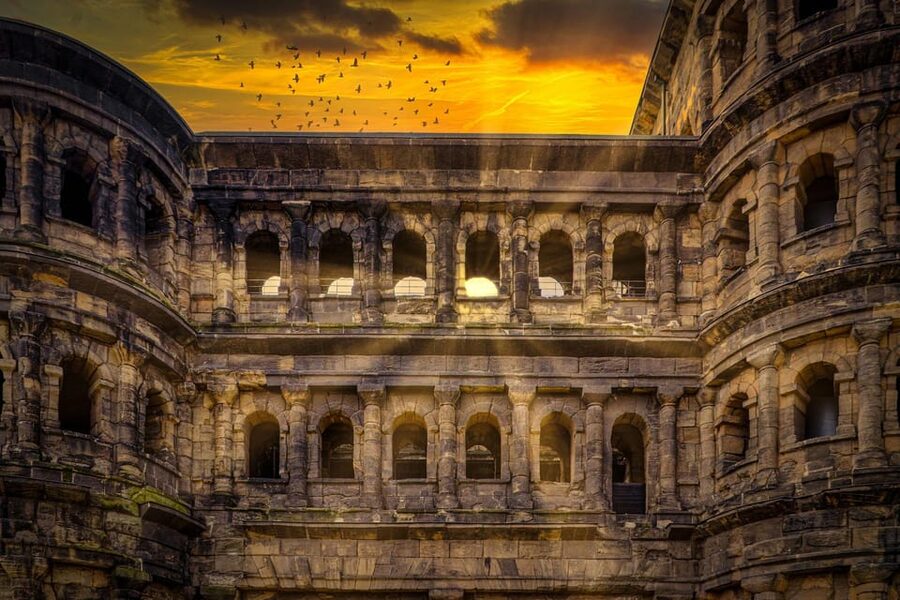
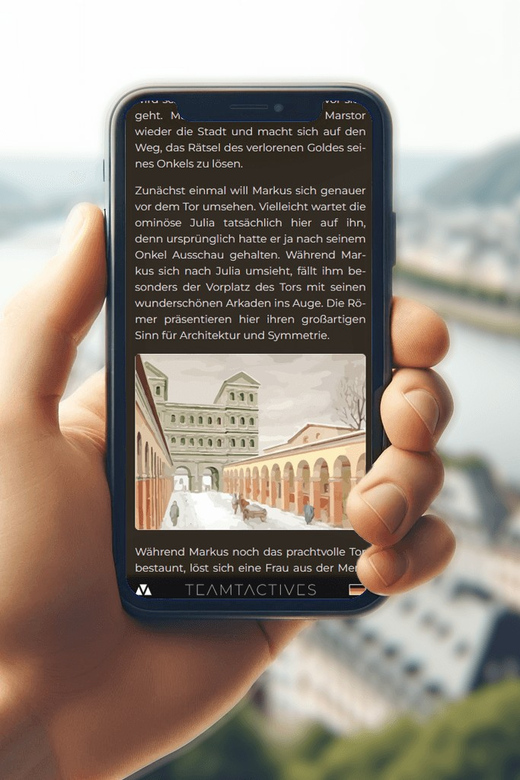
Your tour begins at Porta Nigra. That matters more than it sounds. Starting at a major landmark gives you an obvious first target, and it helps you get oriented fast in Trier. You’ll start the storyline there, then begin solving clues that point you toward the next step.
This first segment is usually where you get your rhythm. You’ll learn how the puzzle format works and how the phone prompts translate into real movement around the city. If you’re new to this style of self-guided game, give yourself a little time at the start to understand the flow. After that, things tend to click quickly.
Since the route is only about 1.3 km total, you will feel the tour’s “short and purposeful” style right away. It’s not a long, exhausting walk. It’s a focused stroll.


Walking Trier’s Landmarks: Puzzles, Facts, and Outdoor Time
After Porta Nigra, you continue through Trier with puzzles that guide you between locations. The tour is described as a 90-minute self-guided experience, and it’s also presented as about 1.5 hours, so plan around that timing for an easy pace. The walk stays outdoors, so you’re getting fresh air while you solve.
The “what you learn” part is built into the route. You’ll find factual historical info along the way, designed to support the story rather than compete with it. You can use those moments to connect the places you’re seeing with the 310 AD setting.
One small drawback to watch for comes from the overall structure. The format is puzzle-first, and that can limit how much detail you get at each location. If you’re the type who likes long explanations at every stop, you might wish the tour offered more context per location. A simple workaround is to use your own curiosity after the tour, look up extra info for the spots that stuck with you most.
Still, the fact that it works as a “real time” scavenger hunt helps the tour stay memorable.
Kaiserthermen: Finishing the Mystery with a Roman-Era Ending
The tour ends at Kaiserthermen. That closing location gives the adventure a satisfying end point. Even though the route is short, ending at a known landmark helps the experience feel complete rather than like you ran errands with your phone.
By the time you reach the finish, you’ve done the real work: you solved clues, you followed the route, and you collected the historical facts embedded in the story. If you’re traveling with family, the finish line is also a good moment to regroup, compare answers, and laugh at where you got stuck.
And because the tour is designed to be started and stopped flexibly, you’re not forced to rush at the end. You can pace yourself so the ending feels like a win, not an exit.
Price and Value for Small Groups
The price is $23 per group up to 3. That pricing structure changes the math in your favor if you’re traveling as a pair or small family. Instead of per person pricing that penalizes groups, you pay for the experience and let everyone follow on their own phone.
That’s also part of the value: multiple people can see the content without needing to share one device. If you’ve ever tried a group activity where only one person can read the screen, you’ll appreciate how this is set up.
Is it good value if you’re solo? It can still work, but the best fit is a small team. If you’re a group of two or three, you’re getting a self-guided “guided-feeling” experience for roughly the cost of a couple of decent local meals.
Who This Tour Fits Best
This experience is a great match if you want city sightseeing with a game layer. It’s especially good for families because the puzzle difficulty stays at 2 out of 5, and the overall walk is short.
It also fits you if you like control. Some tours force you into a single pace and single timeline. Here, you can start and stop anytime, and you can explore at your own pace once you’ve begun. That matters if your day includes shopping, playground stops, or just lingering over views and photos.
If you only want a passive, straightforward “read and listen” tour, this might not be your favorite. The whole point is solving puzzles and moving location to location. The payoff is that you’re active, not just observing.
Finally, the fact that it’s fully barrier-free and wheelchair accessible is a strong plus for travelers who need that kind of planning. You can treat it as an option that is built to be usable.
What to Bring for a Smooth Experience
This tour is simple, but it depends on your phone working.
Bring:
- a charged smartphone
- internet access (mobile internet)
Because the web app is ready immediately and does not require installation, you’re not dealing with storage space or download delays. But you still need connectivity and power to keep the puzzles flowing.
If you’re traveling with a power bank, it’s not a bad idea, especially if you also plan to use maps for other parts of Trier that day. A self-guided tour can use more screen time than you expect.
Language Matters: German-Only Planning
One key detail: the tour is currently only available in German. That means you will want someone in your group who’s comfortable reading German, or at least willing to play along with clues even if you are translating on the fly.
If your German is basic, you might still be able to follow the puzzle mechanics, because puzzle games often rely on clear steps. But you’ll lose a lot of the factual storyline if you cannot read the German text comfortably.
This is the main reason I’d hesitate for mixed-language groups. If everyone in your party can handle German text, the tour should feel smooth. If not, you might find yourself doing a lot of guesswork.
Outdoor Walking Style: Time, Distance, and Pace
The distance is modest. You’re looking at about 1.3 km and roughly 90 minutes. That makes it ideal for a day when you still want energy for dinner and maybe a longer walk after.
Because it’s outdoors, it’s also a good option when the weather is cooperative. You get movement and fresh air while still having a guided structure.
Pacing is up to you. The tour is built for start and stop moments, so you can slow down for photos or speed up when you’re on a roll. For families, this kind of control reduces stress.
Should You Book Trier’s Merchant Gold Mystery?
I’d book this if you want a light, fun way to see Trier with a real story. The combination of Roman Trier setting, a clue-based route, and puzzle difficulty rated at 2 out of 5 makes it approachable. The small-group pricing and the shared token setup are practical, especially when you can’t all see the same screen.
Skip it or think twice if German is a barrier for your group. Since the tour content is only in German, you’ll miss out on the storyline and the facts. Also, if you’re the type who wants lots of detailed commentary at each stop, the puzzle format may leave you wanting more depth.
If your goal is playful sightseeing that feels connected to place, this is a strong option.
FAQ
How long is the self-guided tour?
Plan for about 90 minutes, often described as around 1.5 hours.
Where does the tour start?
The starting point is Porta Nigra.
Where does the tour end?
The tour finishes at Kaiserthermen.
How far do we walk?
The route is about 1.3 km on foot.
Do I need to download an app?
No. The web app is ready to use immediately without any installation.
Is the tour available in English?
No, the tour is currently available only in German.
Can we start and stop during the tour?
Yes. You can start and stop anytime and continue later during your playing session.
How does the shared access token work for a group?
You receive a shared access token, and each member can access the digital content on their own smartphone and follow along.
What do I need to bring with me?
Bring a charged smartphone and internet access.
Is it wheelchair accessible?
Yes, it is fully barrier-free and wheelchair accessible.
How does cancellation work?
You can cancel up to 24 hours in advance for a full refund.
Trier, Koblenz and the Saarland
Everything else we filed on Trier
- Trier: Your Adventure Awaits – The Return of the Elector
★ 4.0 · 12 reviews - Trier, Moselle: Wine excursion with boat trip
★ 3.9 · 13 reviews - Trier: Private Guided Walking Tour
★ 4.2 · 32 reviews - Trier: Solve the Mystery of the Merchant’s Gold!
★ 4.2 · 61 reviews - Trier: City Walking Tour
★ 4.6 · 118 reviews - Trier: Discovery Tour – Germany’s Oldest Wine Cellar
★ 4.7 · 218 reviews
Trier Koblenz and the Saarland, side by side.
 ★ 4.4Koblenz: Rhine Valley Castles and Palaces Boat TourFrom $211,824 reviews
 ★ 4.8Trier: Guided City Walk with Wine TastingFrom $43979 reviews
 ★ 4.6Koblenz: 2-Hour Sightseeing Cruise on the RhineFrom $20839 reviews
 ★ 4.7Trier: Guided Old Town Highlights and History Walking TourFrom $16687 reviews
 ★ 4.5Koblenz: Old Town Sightseeing Cruise along the RhineFrom $16305 reviews
 ★ 4.4Koblenz: Panoramic Cruise on Moselle River to WinningenFrom $22283 reviews
 ★ 4.7Trier: Discovery Tour – Germany’s Oldest Wine CellarFrom $20218 reviews
 ★ 4.6Trier: City Walking TourFrom $17118 reviews
Other lists this tour is on