
REVIEW · WALKING TOURS
Berlin: David Bowie & 1970s Berlin Guided Walking Tour
Berlin in the 1970s hits different through Bowie’s choices. I love how the route connects real places to the sound of Low and Heroes, and I especially like the way the guides layer music, photos, and stories so the era makes sense fast. One thing to consider, though, is that you spend part of the tour using public transport, so it is not a pure walking experience.
On this 3-hour guided walk, I like the fact that you are not just chasing fan-photo spots. You also hit bigger historical landmarks, so Bowie’s Berlin feels tied to the city’s politics and mood, not separated from it. In the same afternoon, I saw guides like Dan and Lee use video clips and practical context to keep even long-time fans engaged.
This is also a tour with an easy personality: it is funny when it should be, thoughtful when it counts, and it keeps moving. If you want a quiet stroll with minimal talking, this probably is not that. But if you want Berlin plus Bowie, guided by top-notch subject nerds, it is a strong match.
In This Review
- Key takeaways before you go
- Why Bowie’s 1970s Berlin feels like more than fandom
- Starting at Ständige Vertretung, then threading West Berlin
- Bertolt-Brecht-Platz and Tränenpalast: setting the cultural scene
- Anhalter Bahnhof and Martin-Gropius-Bau: where the city’s edge shows up
- Topographie of Terror and the Berlin Wall zone: history with real weight
- Hansa Studios: the stop that turns stories into sound
- KaDeWe and the café break energy: daily life in Bowie’s Berlin
- Zoo Station and Bahnhof Zoo: clubs, chaos, and the Iggy Pop trail
- How the guide keeps 3 hours from feeling rushed
- What to bring and how to plan your day
- Price and value: is $135 fair for this experience?
- Who this tour fits best
- Should you book this Bowie and 1970s Berlin tour?
- FAQ
- How long is the Berlin David Bowie guided walking tour?
- How much does the tour cost?
- Where do I meet for the tour?
- Is the tour offered in English?
- Is hotel pickup and drop-off included?
- Do I need a public transport ticket?
- Are food and drinks included?
- What sites are included on the tour?
- Is there free cancellation?
- Can I book a private or small group tour?
Key takeaways before you go
- Bowie’s Berlin sound, tied to real addresses: the tour links the city’s feel to the albums Low, Heroes, and Lodger.
- Hansa Studios stop: you get a focused look at the recording place that powered Bowie’s Berlin peak.
- Iggy Pop connection: you follow the trail to the flat Bowie shared with Iggy Pop.
- Music and visuals along the way: guides often use excerpts, plus photos and videos to set the scene.
- Wall-era history included: Berlin Wall area sites and Topographie of Terror add weight to the day.
Other walking routes through Berlin
- Berlin: Third Reich and Cold War 2 Hour Walking Tour★ 4.9 · 6,830 reviews
- Berlin: Discover Berlin Walking Tour★ 4.9 · 5,998 reviews
- Berlin’s Best: 2 Hour Walking Tour Third Reich and the Cold War★ 5.0 · 5,486 reviews
- Berlin: Hidden Backyards Guided Walking Tour★ 4.8 · 5,360 reviews
Why Bowie’s 1970s Berlin feels like more than fandom
David Bowie did not just visit Berlin. When he moved there in 1976, he walked into West Berlin’s high-voltage mix of Cold War pressure and creative risk-taking. That is exactly why this tour works: it treats Bowie’s albums like cultural documents, not trivia.
I love the “cause and effect” approach. You hear how the city’s edge, nightlife, and artistic circles fed the work that became his Berlin trilogy. And because the guide stitches in the broader atmosphere, you start to feel why the sound is cold, sleek, and dramatic at the same time.
The best part is that it does not demand deep Bowie knowledge. Even if you only know the big tracks, you’ll still get something from how Berlin’s mood shaped the art. If you are a serious fan, you will likely go home with a sharper sense of places, names, and timelines.
Starting at Ständige Vertretung, then threading West Berlin
Most tours begin at the Ständige Vertretung, a memorabilia-filled cafe at Schiffbauerdamm 8 (right by the water). You meet there first, then the group follows the Bowie trail through key West Berlin zones.
From there, you connect to the tour’s main West Berlin spine around Zoo Station and the Bahnhof Zoo area. This matters because Bowie’s Berlin period is deeply tied to that side of town, with its mix of street life, clubs, and youth culture.
A practical note: the tour is 3 hours long, and the route covers a lot of ground. Expect the guide to keep you moving with short “listen here” moments at each stop, then link it back to the music and the people.
Bertolt-Brecht-Platz and Tränenpalast: setting the cultural scene
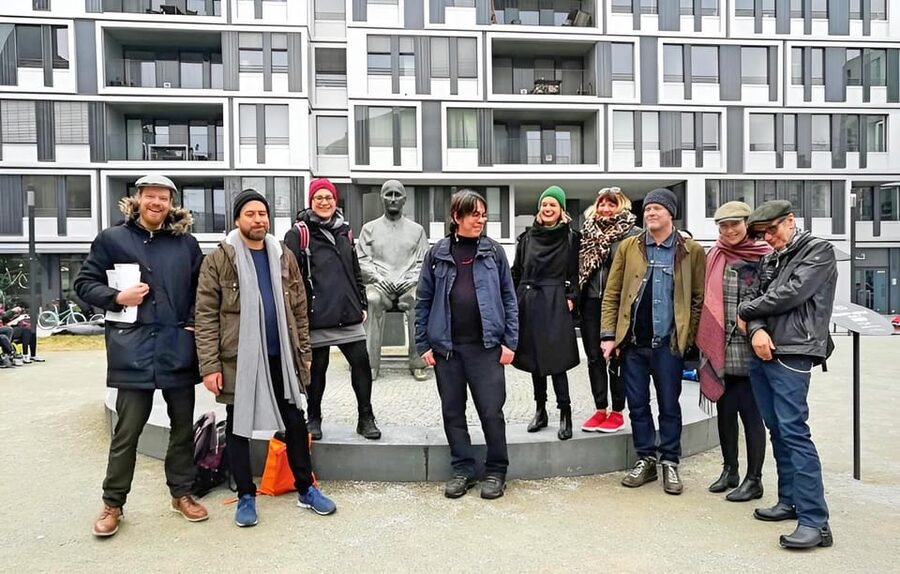
The itinerary includes stops like Bertolt-Brecht-Platz and Tränenpalast, with guided storytelling at each point. These are not “stand and read a plaque” stops. The guide uses them to frame the mood of West Berlin, so the places feel tied to the era instead of randomly stacked.
What you can expect here is the tour’s pattern: one moment of location, then one layer of context. You’ll hear how Bowie found a city where art, attitude, and politics were constantly bumping into each other. That context pays off later when the tour shifts from everyday streets to music landmarks.
Potential drawback: if you want only the most famous Bowie addresses, you might wish there were fewer “setup” stops. Still, the pacing helps you understand the city as Bowie did, not just as a checklist of sites.
Anhalter Bahnhof and Martin-Gropius-Bau: where the city’s edge shows up
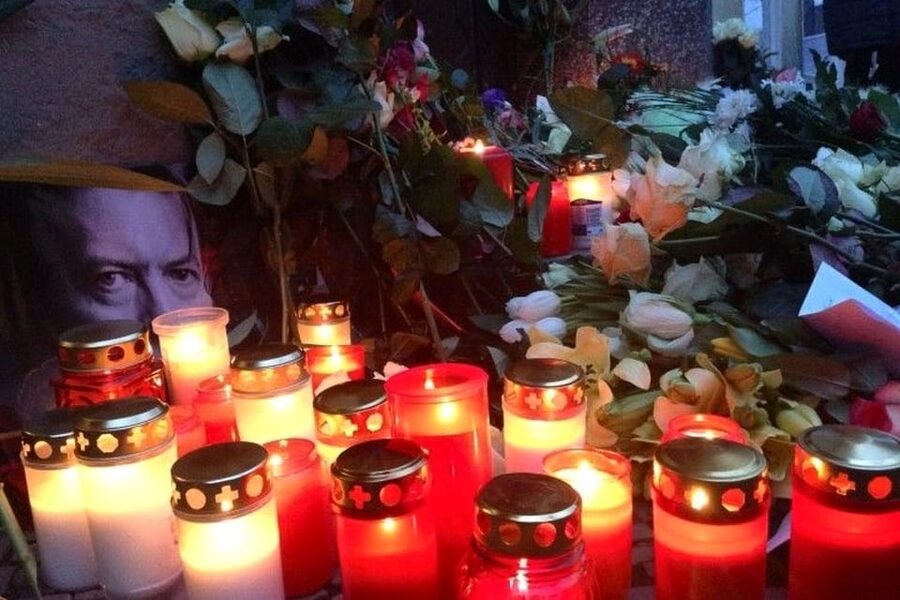
Next you pass through parts of Berlin tied to the feel of the era, including Anhalter Bahnhof and Martin-Gropius-Bau. Again, the details you get depend on your guide’s emphasis, but the tour overall aims to keep Bowie’s story anchored to Berlin’s reality.
This section tends to work best when you pay attention to how the guide connects the dots. You’ll hear about the larger Berlin backdrop that shaped what felt possible for an outsider artist moving into that specific time and place.
If you are someone who loves music history but struggles with political history, you might still find this section manageable. The guide usually keeps it grounded in how culture changes under pressure, which is the thread running through the whole tour.

Topographie of Terror and the Berlin Wall zone: history with real weight
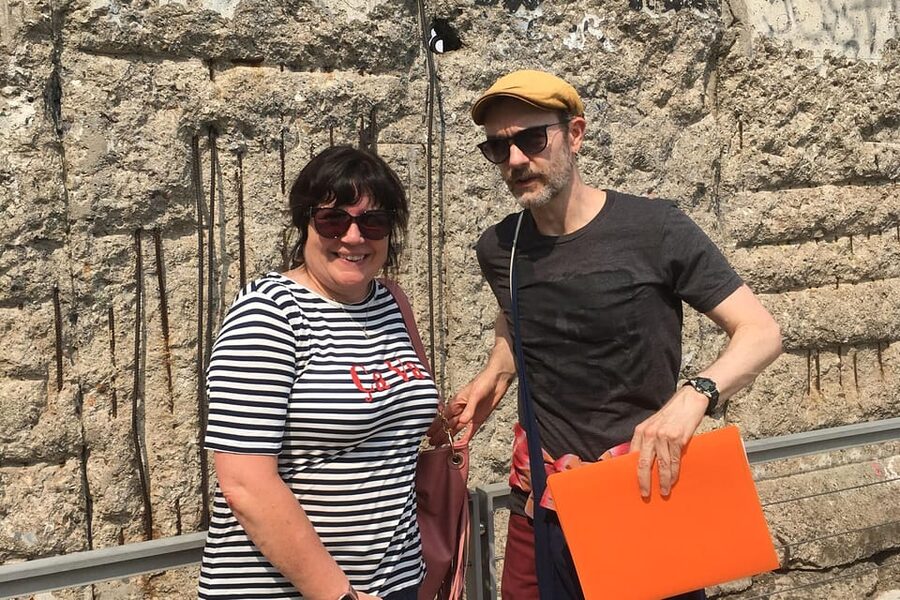
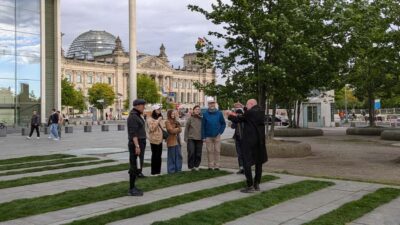
You also visit Topographie of Terror, and the route includes Berlin Wall area moments. This is where the tone shifts from nightlife inspiration to the grim seriousness of the Cold War setting.
For a Bowie fan, this can be surprisingly moving. The guide’s goal is not to turn the tour into a lecture. It is to help you feel the tension that Bowie was absorbing, the kind that seeps into the mood of the records from that time.
Practical consideration: these are emotionally heavier stops. If you prefer light and funny on holiday, give yourself permission to slow down for a minute. This is part of what makes the tour more than an album-themed walk.
Hansa Studios: the stop that turns stories into sound
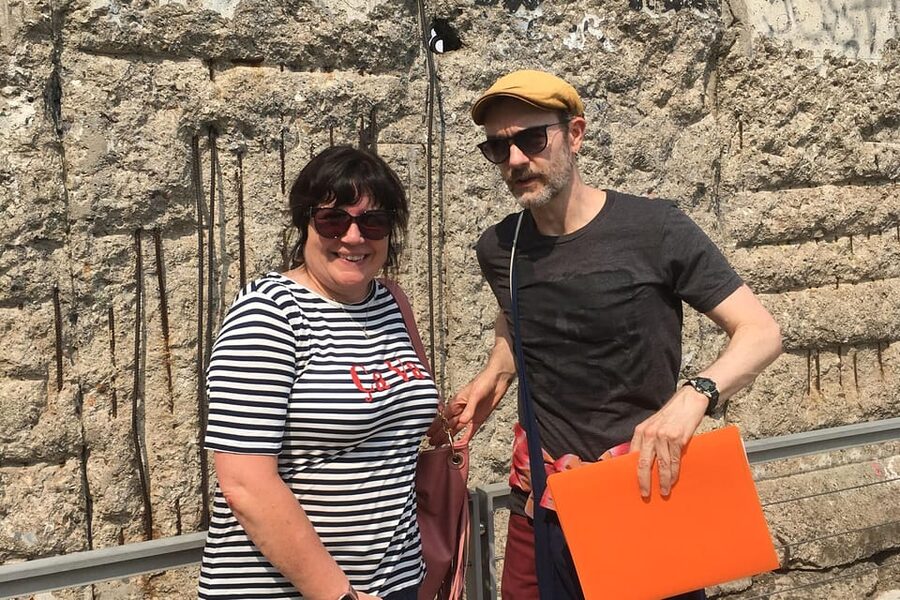
One of the highlights is visiting and strolling by Hansa recording studios. This is the place the tour frames as part of Bowie’s creative peak in Berlin, and it is where the music story gets most specific.
What you can expect at Hansa is a focused link between site, process, and output. Guides often play excerpts from Bowie’s Berlin-era work as they walk, and they use photos or video clips to connect the recordings to the atmosphere around the studio.
This is also one of those stops where good guiding really shows. In reviews, guides like Dan, Lee, and Ronen stood out for connecting lesser-known facts and making the creative environment feel human, not mythical.
If you care about how music gets made, not just where it happened, this stop will likely be the anchor of the entire afternoon.
KaDeWe and the café break energy: daily life in Bowie’s Berlin
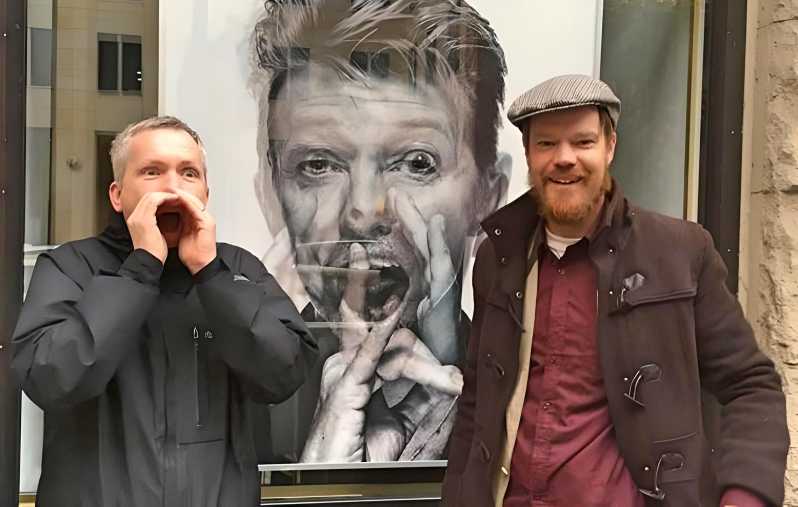
The tour includes KaDeWe and ends with a visit to Cafe Neues Ufer. These stops are a reminder that Bowie’s Berlin was not only clubs and studios. It was also coffee breaks, late conversations, and everyday routines in a city that ran on ideas and reinvention.
KaDeWe shows up in the route because it represents the broader West Berlin mix of modern consumer life and cultural ambition. Cafe Neues Ufer works as a fitting finale because it gives the afternoon a calmer landing point, a place to take in what you just learned and listen again with new ears.
Even if no food or drink is included (it is not), you can still treat these cafe moments like part of the experience. Sit for a minute if the group allows it. Think about how Bowie’s records sound like nights out, but they were made by someone who also lived the regular rhythm of Berlin days.
Zoo Station and Bahnhof Zoo: clubs, chaos, and the Iggy Pop trail
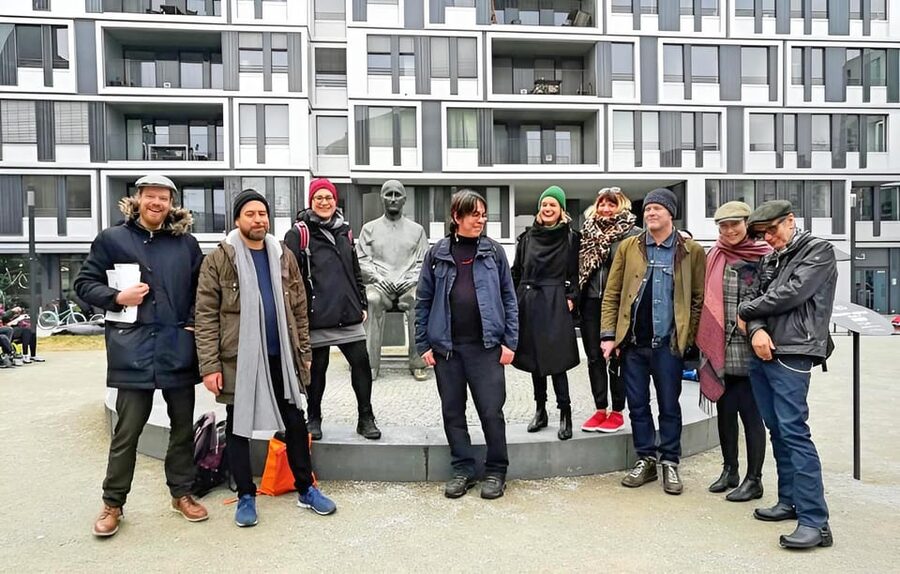
The route returns to the Zoo Station/Bahnhof Zoo area and follows the broader trail of the club scene. The tour specifically mentions the former Dschungel Club and the kind of nightlife Bowie and Iggy Pop were drawn to.
It also follows the trail to the flat Bowie shared with Iggy Pop. That detail matters because it makes the story personal, not generic. You start to understand Bowie’s Berlin period as a shared ecosystem, not a solo myth.
In reviews, the guides frequently use multimedia to keep these stops vivid. Some tours include video clips and photos that add background context, which helps when you are seeing locations that have changed since the 1970s.
Potential drawback: parts of this area are busy and urban, so it can feel more “city walk” than “quiet reflection.” If you want a serene pace the whole time, pair this tour with calmer sightseeing afterward.
How the guide keeps 3 hours from feeling rushed

This tour lasts about 3 hours, and it stays fast. You will walk some, but you also use public transport a few times because some distances are too far to do on foot.
That structure is one reason the tour tends to score high. It lets the guide cover more key sites without sacrificing the story. One review even mentioned the tour ran a bit over three hours when the guide had the time to keep things going, which tells you the guiding can be flexible.
Guides include historians and other academic or media professionals, and in practice it shows. People like Dan, Lee, Klaus, Ronen, Martin, and Rachel earned standout praise for packing in detail without drowning you in it, plus for staying friendly and interactive.
What to bring and how to plan your day
Because you’re out for 3 hours across multiple neighborhoods, you should dress and pack for Berlin weather. One reviewer’s advice was to wear sturdy supportive footwear and dress for inclement weather, because conditions can shift quickly.
Also, plan for movement. The tour is not a “sit in a museum bus” kind of day. You’ll want water and a light layer even if the forecast looks fine at first.
For your transit plan, here is the most useful tip: public transport ticket access is not included, and you will use transit a few times. If you do not already have a Berlin day pass, it is advised to purchase a day metro pass. If you cannot buy it in advance, the guide will help you purchase it at the first metro station on the tour.
Finally, arrive early if you can. One review specifically recommended arriving about 10 minutes prior, so you can start smoothly.
Price and value: is $135 fair for this experience?
At $135 per person, this is not a budget walking tour. The value comes from three things you actually get during the 3 hours.
First, you get a live English historian guide, not just a casual storyteller. Second, the route is packed with high-value sites that cover both Bowie inspiration and Cold War context. Third, the guides often add multimedia elements like music excerpts, plus photos and video, which raises the experience above a standard street walk.
Is it worth it? If you are a Bowie fan, the tour’s focus on the albums Low, Heroes, and Lodger, plus the Iggy Pop flat trail and Hansa Studios stop, makes the cost easier to justify. If you are only mildly curious about Bowie, you might find the price a tougher sell, unless you also care about Berlin’s cultural history and the Wall-era sites.
One review did flag pricing pain when needing to purchase for two tickets, so if you are traveling as a group, do a quick math check before you book.
Who this tour fits best
This works especially well for:
- Bowie fans who want a real map of the Berlin trilogy behind the songs
- Music lovers who like understanding how place shapes sound
- People who also want Berlin history, not just pop culture landmarks
- Travelers who enjoy guides who use photos, video, and music excerpts to tell a story
It may be less ideal if you want only the most famous landmarks with minimal context. This tour deliberately includes heavier Cold War stops, and the pacing is story-driven, not sightseeing-driven.
Also, it fits well if you prefer small groups or private options. The tour offers private or small groups available, which usually helps when you want questions answered in the moment.
Should you book this Bowie and 1970s Berlin tour?
If you love Bowie, I would book it without hesitation. The tour’s biggest strength is how it ties albums Low, Heroes, and Lodger to the streets, studios, clubs, and Cold War atmosphere that fed them. You’re not just chasing nostalgia. You’re learning how Berlin changed an artist, and how the artist reflected the city back to the world.
If you are on the fence, decide based on one question: do you want Berlin history mixed with music storytelling? If yes, this is a strong use of 3 hours. If no, look for a more general Berlin walk or a shorter museum-based option instead.
My practical advice: bring good walking shoes, plan for a transit day, and show up ready to listen. When the guide is on form, the Hansa Studios stop and the Wall-era moments are the kind of contrasts that make Bowie’s Berlin feel real, not reenacted.
FAQ
How long is the Berlin David Bowie guided walking tour?
The tour duration is 3 hours.
How much does the tour cost?
The price is $135 per person.
Where do I meet for the tour?
The meeting point is Ständige Vertretung, a memorabilia-filled cafe, at Schiffbauerdamm 8, 10117 Berlin.
Is the tour offered in English?
Yes, the live tour guide speaks English.
Is hotel pickup and drop-off included?
No, hotel pickup and drop-off are not included.
Do I need a public transport ticket?
Public transport ticket is not included. The tour uses public transport a few times since some distances are too far to walk. A day metro pass is advised, and the guide can help purchase at the first metro station if needed.
Are food and drinks included?
No, food and drink are not included.
What sites are included on the tour?
The tour covers a variety of stops, including Hansa Studios, KaDeWe, Topographie of Terror, Zoo Station area sites, Cafe Neues Ufer, and other locations connected to Bowie’s Berlin period.
Is there free cancellation?
Yes. You can cancel up to 24 hours in advance for a full refund.
Can I book a private or small group tour?
Yes, private or small groups are available.
Pavements of Berlin
Everything else we filed on Berlin
- East Berlin: City of Shadows Walking Tour
★ 5.0 · 11 reviews - Berlin: Die Stachelschweine – Frank Lüdecke – Träumt Weiter
★ 4.7 · 11 reviews - Potsdam Day Trip from Berlin with a Local: Private & Personalized
★ 4.0 · 11 reviews - An Introduction to Berlin Walking Tour
★ 5.0 · 11 reviews - DJ for a Day: Learn to Mix Like a Pro in Berlin
★ 5.0 · 11 reviews - 2-H Segway Sightseeing Tour Berlin
★ 4.5 · 11 reviews
Walking Tours, side by side.
 ★ 5.0Discover Berlin Half-Day Walking TourFrom $249,624 reviews
 ★ 4.9Berlin: Third Reich and Cold War 2 Hour Walking TourFrom $236,830 reviews
 ★ 4.6Munich: Third Reich & WWII Walking TourFrom $316,181 reviews
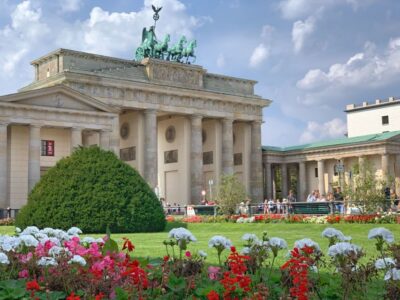 ★ 4.9Berlin: Discover Berlin Walking TourFrom $235,998 reviews
 ★ 5.0Berlin’s Best: 2 Hour Walking Tour Third Reich and the Cold WarFrom $245,486 reviews
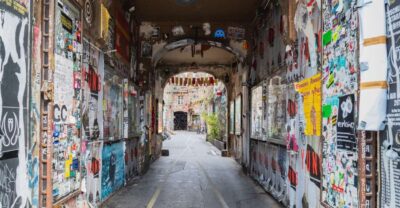 ★ 4.8Berlin: Hidden Backyards Guided Walking TourFrom $235,360 reviews
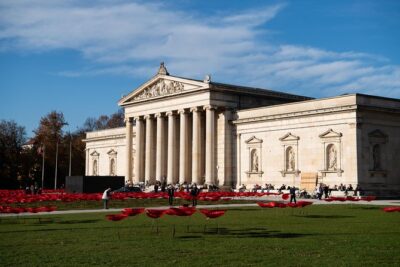 ★ 4.5Third Reich Walking Tour MunichFrom $454,291 reviews
 ★ 5.0Third Reich Berlin: Hitler and WWII Walking TourFrom $243,301 reviews