
REVIEW · COLD WAR BERLIN
Berlin: GDR witness tour in small group
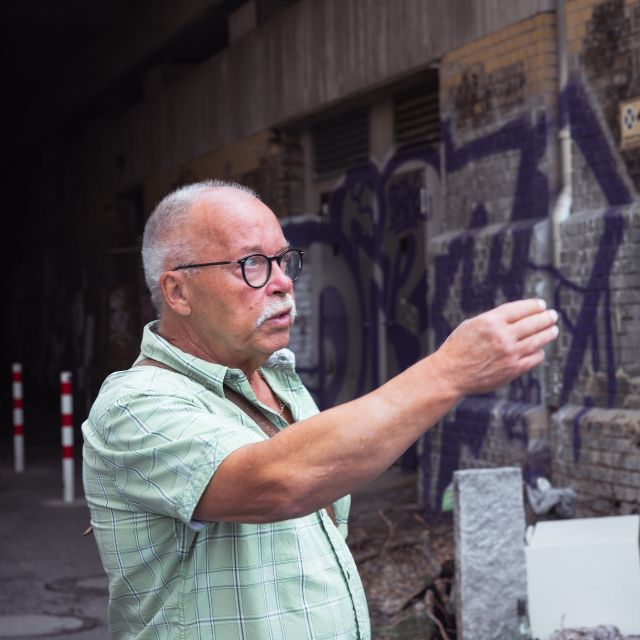
A former political prisoner walks you through East Germany from the inside, and the details hit harder when they come from Karl-Heinz Richter. This is a moving small group tour focused on his personal timeline, from a plan to flee at Friedrichstrasse to months in Stasi custody.
I especially like two things here: you get first-hand context about Stasi control and you also learn what life felt like day to day, not just the dramatic moments. One thing to keep in mind is that this kind of witness story is personal, and a few visitors have felt the pacing or narrative coherence could be uneven, so go in with curiosity, not a need for a perfectly linear script.
In This Review
- Key things to know before you go
- Why Karl-Heinz Richter’s GDR story lands differently
- Friedrichstrasse Station and the moment the escape failed
- Berlin-Pankow and the Stasi prison reality
- Everyday life in the GDR, not just the headlines
- How the small-group, moving format helps you listen
- German language, and how to make it work
- Price and value: what $27 buys you
- Rain or shine: planning for a comfortable listening tour
- Who should book this witness tour
- Should you book the Berlin GDR witness tour?
- FAQ
- How long is the tour?
- Where does the tour take place?
- Is hotel pickup and drop-off included?
- What language is the live guide?
- Is the tour wheelchair accessible?
- Does the tour run in bad weather?
- What’s included in the price?
- What is the cancellation policy?
- How is payment handled when booking?
Key things to know before you go
- Karl-Heinz Richter leads the experience, sharing his own escape attempt and imprisonment
- Friedrichstrasse Station is central, where his plan to flee began
- You’ll hear about Stasi detention in Berlin-Pankow, including pre-trial conditions
- The tour is rain or shine, so bring weather-ready gear
- The tour runs as a moving small group, which helps you connect stories to real places
- The live guide language is German, so plan accordingly
More of the divided city, written up in full
- Berlin: Third Reich and Cold War 2 Hour Walking Tour★ 4.9 · 6,830 reviews
- Berlin: Berlin Story Bunker Entry Ticket★ 4.6 · 6,759 reviews
- Berlin’s Best: 2 Hour Walking Tour Third Reich and the Cold War★ 5.0 · 5,486 reviews
- Berlin: 75-minute Trabi Safari★ 4.8 · 2,854 reviews
Why Karl-Heinz Richter’s GDR story lands differently
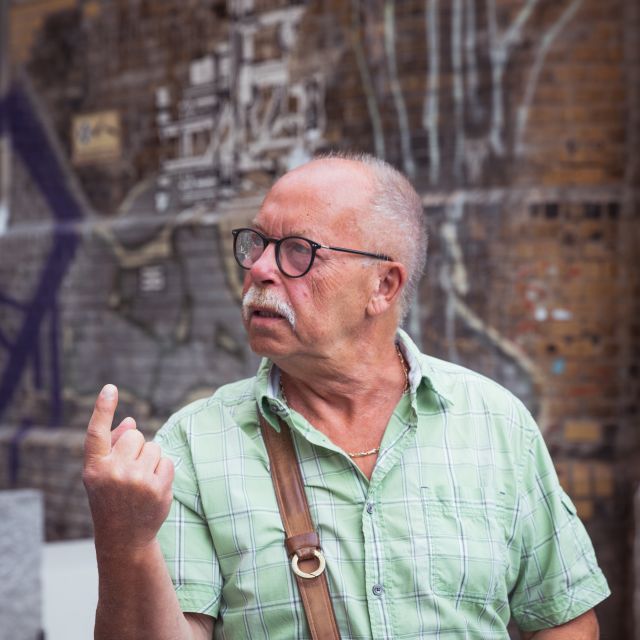
There’s a big difference between reading about the GDR and hearing it from someone who tried to get out. Karl-Heinz Richter, born in Schwarzheide in Brandenburg in 1946, grew up in East Berlin with his family, and the tour builds around the moment his life split into before and after. That structure matters, because it’s not just politics. It’s fear, decisions, and consequences that played out in real time.
I like that the tour is led by someone who was directly targeted. When the guide explains how the Stasi fit into everyday life, it stops sounding abstract. You start to understand why people watched what they said, who they spoke to, and where they went. The Stasi weren’t a distant agency in a history book. They were part of the atmosphere.
The tour also stays grounded in specific events. His planned escape took place around Friedrichstrasse Station, and it failed when he tried to jump onto a moving train. That failure is the hinge of the story, because it turns a plan into an arrest and then into detention.
Friedrichstrasse Station and the moment the escape failed
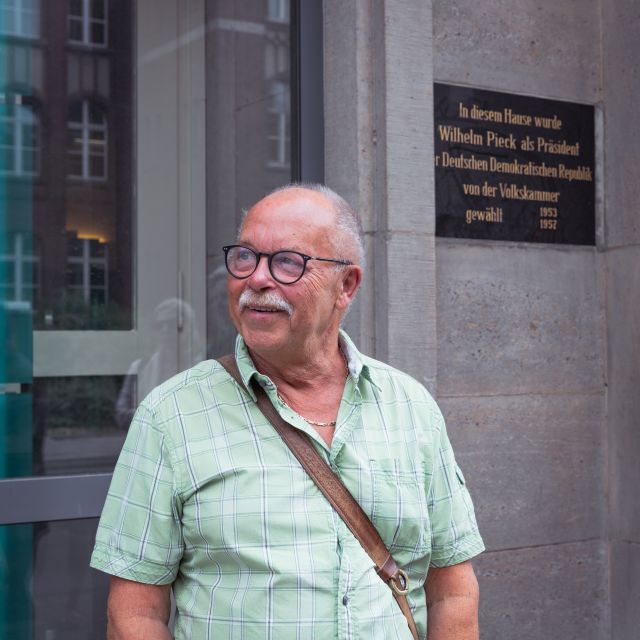
The heart of this tour is the escape attempt, and that means you’ll spend time with the setting linked to his plan at Friedrichstrasse Station. This is where East Berlin felt most like a doorway to the West, and also where control could snap shut fast.
What I find valuable is how the story explains the logic of trying anyway. Even with the Stasi present, people weren’t passive. Richter describes that he planned to flee three years after the Wall was built. Timing like that tells you something important: escape attempts were ongoing, not just a first-year reaction.
When the escape fails, the tour shifts from motion to confinement. He ended up spending several months in pre-trial detention, and the guide connects that period back to the broader theme of how the regime punished attempts to leave. You don’t just hear that it was bad. You hear why it was so bad and why it was designed to break momentum.
Practical note: because this is a moving experience, expect to walk and stand in areas exposed to traffic noise. If you’re sensitive to sound, plan to bring a small pair of earplugs. It can make listening easier when the surroundings are loud.
Berlin-Pankow and the Stasi prison reality
Next comes the section most people remember most vividly: his imprisonment in the Stasi prison in Berlin-Pankow. This part of the tour is where the emotional weight concentrates, because it covers confinement after the attempted escape, not just the escape itself.
The tour aims to explain the reality of life as a political prisoner and how the Stasi shaped the investigation process. You’ll hear about his imprisonment period and the influence of the Stasi throughout East German society. The Stasi weren’t only about arrests. They also relied on pressure, interrogation methods, and fear of what might happen next.
What’s especially useful for your understanding is how this connects to daily life. Even if you’ve read about the Stasi before, hearing how interrogation methods worked makes the system feel more concrete. You start thinking about surveillance as a lived experience, not a concept.
One more thing I appreciate: the tour doesn’t keep you trapped in the darkness. It ties the suffering to a reason, which helps you hold the information without getting lost in horror. You come away seeing the full loop: attempt to leave, capture, detention, interrogation, and then the lesson the regime tried to send to everyone else.
Everyday life in the GDR, not just the headlines
The tour’s second big goal is to show you daily life in East Germany through Richter’s eyes. That’s what keeps it from feeling like a one-scene tragedy. Yes, the escape attempt is central. But the tour broadens out to explain the pressure around ordinary routines.
This is where the witness angle becomes crucial. You don’t just get slogans about repression. You get how people had to think and act under Stasi influence. The guide’s focus on everyday life helps you understand why compliance and caution could become normal habits.
I like this part because it changes how you look at Berlin today. When you stand in an area shaped by those decades, you can better imagine the “invisible rules” that shaped choices back then. It’s the difference between viewing ruins and understanding the human scale of the rules that once lived inside those spaces.
Just be aware: witness tours can be emotionally intense, and this one includes harrowing stories. If you prefer lighter historical tours, this may not be your vibe. But if you want truth from a person who lived it, this is exactly the kind of experience that sticks.



How the small-group, moving format helps you listen
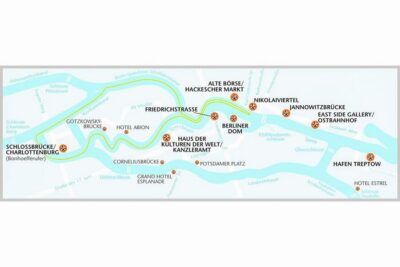
This is a moving tour with a small group, and that format matters more than you might expect. In a classroom-style talk, you can tune out. Here, you’re walking between story-linked locations, so your attention has a reason to stay on the guide’s thread.
The pacing also supports learning. The guide can connect the escape attempt at Friedrichstrasse with what happened afterward in Pankow. That time sequencing is easier to grasp when you’re physically anchored to the places that carry the memory.
You also benefit from the chance to ask questions. The tour is designed around a single contemporary witness who lived the experience, so the conversation tends to feel personal, not like a scripted lecture.
One consideration: the tour runs 2.5 hours (you’ll need to check starting times for your date). Some visitors have noted that the actual time on the ground can feel shorter than advertised. If your schedule is tight, give yourself a buffer afterward. It’s a small thing, but it prevents a day from feeling rushed.
German language, and how to make it work
The live tour guide language is German. If you don’t speak much German, you might still get something from the stories and the location context, but you’ll likely miss nuance, especially when the guide gets into interrogation methods and personal decisions.
My advice is simple: if German is not your strong suit, treat this as a history tour you enjoy visually and emotionally, not a fully detailed lesson. In that case, you might get more out of it if you do a little pre-reading on the basics of East Germany and the Stasi, so the big ideas are already familiar when you arrive.
If you do speak some German, you’ll probably have a better time overall. Witness tours rely on tone, and German carries a lot of that. Even a basic level helps you catch emotional shifts, which is where so much meaning hides.
Price and value: what $27 buys you
At about $27 per person for a roughly 2.5-hour small-group witness experience, the cost is in the budget-friendly zone for a Berlin tour. The value comes less from logistics and more from the core ingredient: you’re hearing from a Stasi victim and former political prisoner who explains his own attempted escape and imprisonment.
For me, that’s what makes it worth considering. This isn’t a generic overview tour. It’s built around a specific person and specific places. If you care about understanding how the system worked on a human level, you’re paying for access to that perspective.
Now, here’s the balanced part. Because this is a witness-driven narrative, you are relying on storytelling quality and pacing. A few people have felt that parts of the story were less consistent, or that the tour ended sooner than expected. That doesn’t mean the experience is bad, but it does mean you should set your expectations to match the format: it’s personal testimony, not a museum audio guide.
If you want a carefully timed, perfectly structured program, look for something more scripted. If you want first-hand history and places tied to a real escape attempt, this price can feel very fair.
Rain or shine: planning for a comfortable listening tour
This tour takes place rain or shine, and it’s moving. That means you should dress for Berlin weather and think about comfort. Bring a compact umbrella or a rain jacket with a hood, and wear shoes with solid grip.
I also recommend a small layer you can adjust. In cool weather, listening to intense stories while standing outdoors can drain your energy fast. Warm up your body so you can focus on the guide.
Since hotel pickup and drop-off are not included, plan your own way to the starting area. Give yourself a few extra minutes so you can arrive settled. With a tour like this, arriving rushed is the fastest path to missing details.
Who should book this witness tour
This one is a strong match for you if:
- You want first-hand testimony about the GDR and the Stasi, not just a broad overview
- You like history grounded in specific locations like Friedrichstrasse and Berlin-Pankow
- You can handle emotionally heavy material and you want the human scale of the system
- You’re traveling in a way that allows for a small-group walking experience
It may be less ideal if:
- You need a very light, entertainment-heavy tour
- You want a strictly classroom-style structure with no personal narrative variability
- You do not speak German and you need detailed explanation to feel fully satisfied
Should you book the Berlin GDR witness tour?
I think it’s a good booking choice if your priority is understanding East Germany from the inside through the account of Karl-Heinz Richter. The combination of a living witness, the Stasi prison focus in Berlin-Pankow, and the escape attempt tied to Friedrichstrasse gives you a perspective you won’t get from typical sightseeing.
Just go in with practical expectations: it’s rain or shine, it’s a moving small group, it’s German, and the exact on-the-ground timing may not always feel identical to the advertised duration. If that sounds workable for you, you’ll likely come away with a clearer sense of how the Stasi shaped daily life, not just what happened in dramatic moments.
FAQ
How long is the tour?
The tour duration is listed as 2.5 hours. Starting times vary, so you’ll need to check availability for your date.
Where does the tour take place?
It takes place in Berlin, Germany.
Is hotel pickup and drop-off included?
No, hotel pickup and drop-off are not included.
What language is the live guide?
The live tour guide speaks German.
Is the tour wheelchair accessible?
Yes, it is wheelchair accessible.
Does the tour run in bad weather?
Yes. This tour takes place rain or shine.
What’s included in the price?
The tour guide is included.
What is the cancellation policy?
You can cancel up to 24 hours in advance for a full refund.
How is payment handled when booking?
The option is Reserve now & pay later, meaning you can book your spot and pay nothing today.
The Divided Years, Reviewed
Everything else we filed on Berlin
- Private Photo Tour in Kreuzberg
★ 5.0 · 3 reviews - Kreuzberg Private Walking Tour: Immigrants, Artists & Hipsters
★ 5.0 · 3 reviews - Berlin’s Jewish Heritage: Private Tour of the Vibrant Jewish District
★ 5.0 · 3 reviews - Individual city tour Berlin for max. 8 persons
★ 5.0 · 3 reviews - Berlin & The Third Reich Private Guided Tour
★ 5.0 · 3 reviews - Private Analogue Photography Experience in Berlin
★ 5.0 · 3 reviews
Cold War and Stasi History Tours, side by side.
 ★ 4.9Berlin: Third Reich and Cold War 2 Hour Walking TourFrom $236,830 reviews
 ★ 4.6Berlin: Berlin Story Bunker Entry TicketFrom $216,759 reviews
 ★ 5.0Berlin’s Best: 2 Hour Walking Tour Third Reich and the Cold WarFrom $245,486 reviews
 ★ 4.3Berlin: DDR Museum TicketsFrom $153,443 reviews
 ★ 4.8Berlin: 75-minute Trabi SafariFrom $932,854 reviews
 ★ 5.0Cold War, Berlin Wall, Spies and the East Side GalleryFrom $181,024 reviews
 ★ 4.8Nuremberg: Historischer Kunstbunker WWII Art Bunker TourFrom $14921 reviews
 ★ 4.9Leipzig: 90-Minute Trabi City TourFrom $81728 reviews
Other lists this tour is on