
REVIEW · WALKING TOURS
Berlin: Guided Walking Tour in English
Berlin makes more sense on foot. This guided walk strings together a chronological overview of Berlin’s big turning points, from medieval leftovers near the TV Tower to the moment the city greets a new era at the Brandenburg Gate. I especially liked the open stretch around Museum Island, where the views help you understand why this area matters. The only real drawback to plan for is simple: there are no food or drink stops included, so you may want to handle snacks and restroom breaks before you start, not during.
I also liked how the guide brings the facts to street level. In the past, I’ve seen guides like J.R., Jule, Ru, and Will praised for being engaging, mindful of weather, and helpful with practical pointers for the rest of your trip. Still, you should be ready to do steady walking for about 2.5 hours, with minimal pauses built into the tour rhythm.
In This Review
- Key things to know before you go
- Rotes Rathaus meeting point, and why it’s a smart start
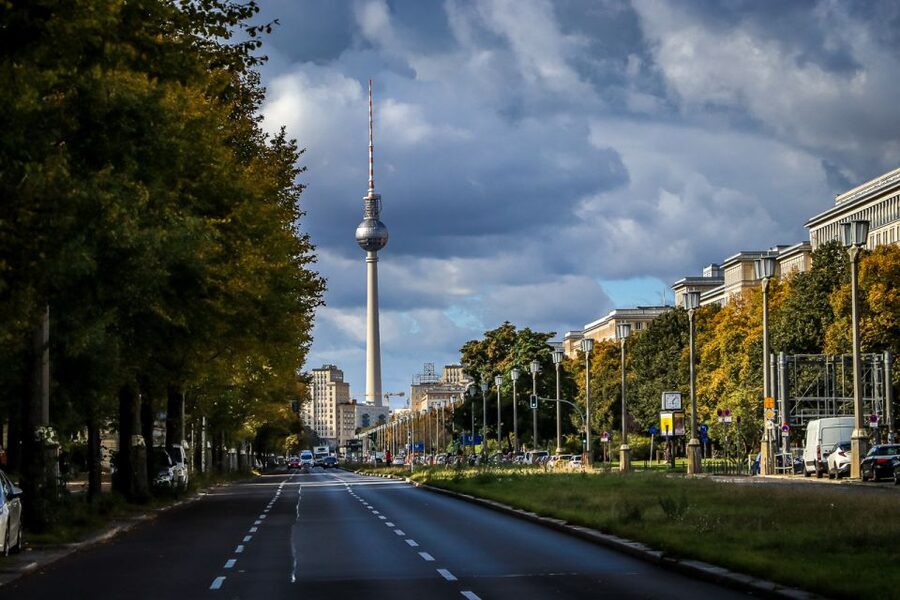
- Alexanderplatz to TV Tower, Berlin’s old and new in one line
- Medieval remnants and the small-town Berlin most tours skip
- The controversial Hohenzollern palace reconstruction, and why debate matters
- Museum Island open space and the Berlin Cathedral view
- Humboldt University to central streets, where the city turns into a maze
- Gendarmenmarkt, the square that earns its reputation
- Checkpoint Charlie and the Berlin Wall, what you’re really seeing
- Walking past Hitler’s bunker site, handling the city’s darkest memory
- Brandenburg Gate, unity in stone and timing
- Price and pacing: does $31 make sense for 2.5 hours?
- Best for first-time Berliners, and for anyone short on time
- Should you book this Berlin history walking tour?
- FAQ
- Where is the meeting point for the Berlin walking tour?
- How long is the guided walking tour?
- What is the price per person?
- Is the tour in English?
- Does the tour include food or drinks?
- Does the tour include hotel pickup?
- Is the tour wheelchair accessible?
- What should I bring?
- When should I arrive at the meeting point?
- Can I cancel for a refund, and can I reserve without paying right away?
Key things to know before you go
- Chronological storytelling that keeps Berlin’s story in order, not random stop-by-stop facts
- Museum Island open space plus a strong view toward Berlin Cathedral
- Gendarmenmarkt and the German capital’s prettiest squares in one walking loop
- Checkpoint Charlie and the Berlin Wall context tied to what you’re seeing
- A sensitive walk past Hitler’s bunker site that reframes the city’s darkest chapters
- Brandenburg Gate as the symbolic finish point for unity in Germany and Europe
Other walking routes through Berlin
- Berlin: Third Reich and Cold War 2 Hour Walking Tour★ 4.9 · 6,830 reviews
- Berlin: Discover Berlin Walking Tour★ 4.9 · 5,998 reviews
- Berlin’s Best: 2 Hour Walking Tour Third Reich and the Cold War★ 5.0 · 5,486 reviews
- Berlin: Hidden Backyards Guided Walking Tour★ 4.8 · 5,360 reviews
Rotes Rathaus meeting point, and why it’s a smart start
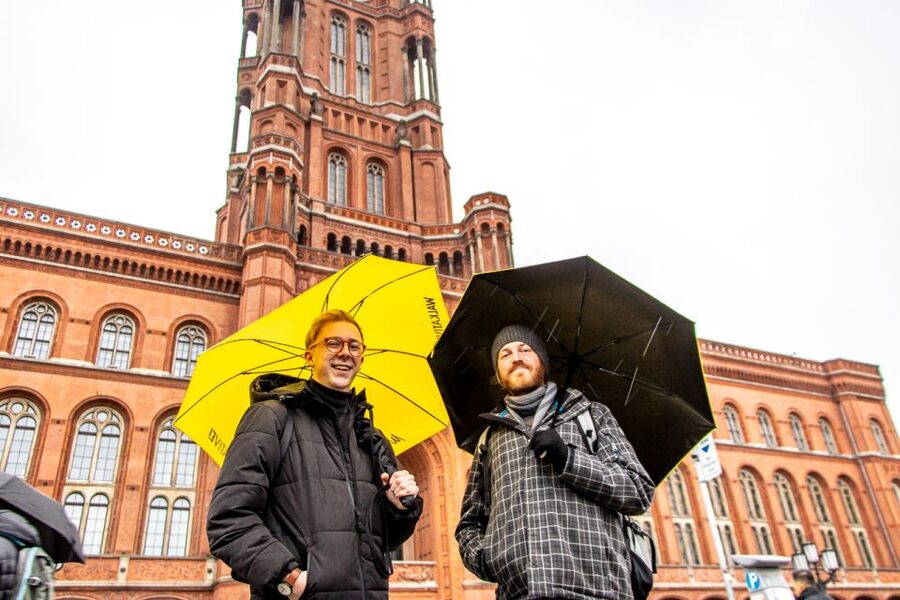
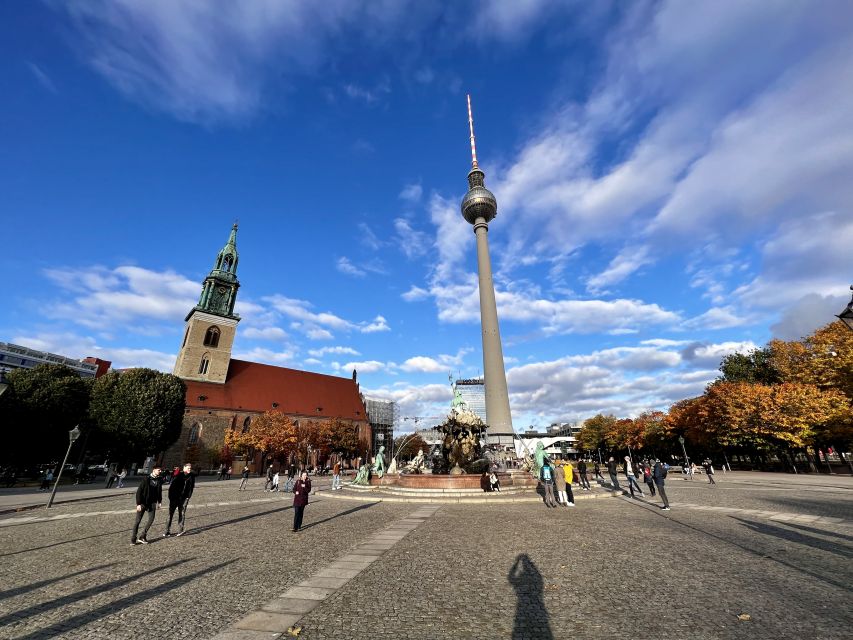
You meet at the Rotes Rathaus, right by the TV Tower and the Neptune Fountain area. That location is useful because it puts you near a real landmark cluster, and it gets you into the center of action quickly. You can orient yourself fast, then walk with the guide instead of doing that awkward thing where you stare at maps while other people keep moving.
The tour runs for 2.5 hours, so the pacing is designed to cover several districts without turning into a full day marathon. It’s also a walking tour with an English live guide, so you’ll get the story as you go, not just a list of sights that you figure out later. And if you are concerned about mobility, the tour is listed as wheelchair accessible, which is a big plus for planning.
Alexanderplatz to TV Tower, Berlin’s old and new in one line
The walk begins near Alexanderplatz, and from there you’ll pass the TV Tower and the original, medieval remnants of what Berlin was for much of its history. This is one of the clever parts of the route. Berlin can feel like a patchwork of eras, and here the guide keeps pulling the thread forward so you understand what you are looking at.
You’ll start with the tower area, then shift toward traces of the earlier town structure. That contrast matters. A modern skyline landmark like the TV Tower can trick you into thinking Berlin has always looked this way, but medieval remnants remind you that the city’s story started long before today’s landmarks took over.
If you tend to rush through big squares and buildings, slow down here. This opening section is setting the tone, and the best way to enjoy it is to pay attention to how the guide explains change over time. You’ll be glad you did once the route reaches the Wall and the Gate.
Medieval remnants and the small-town Berlin most tours skip
One of the quieter wins is that the tour does not ignore the early city. You get to see the original, medieval remnants of the smaller Berlin that existed for most of its history. That sounds like a minor footnote until you realize how often Berlin tours jump straight to the most famous episodes.
This early section also helps you grasp why later events land so hard. When the guide moves from medieval traces to 20th-century history, it feels less like random architecture and more like a long chain of decisions, conflicts, and rebuilds. Walking this section gives you context that you can carry forward while you’re standing in front of more dramatic sites.
Dress smart for the weather, because you are outside for the whole story. One guide was specifically praised for being mindful of cold weather, which is a hint that the tour keeps moving. Plan to layer so your focus stays on the guide’s narrative instead of your comfort.
The controversial Hohenzollern palace reconstruction, and why debate matters
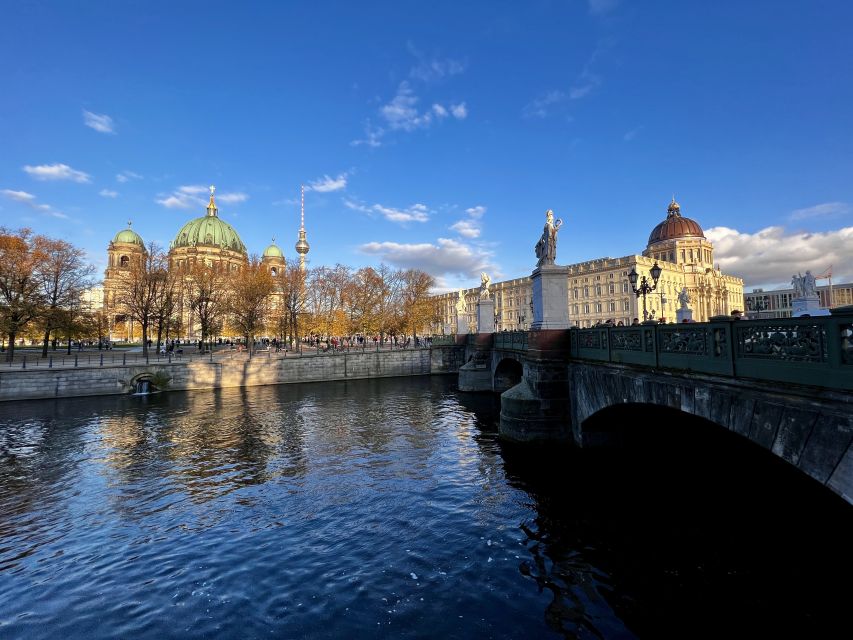
Next comes a pass by the reconstructed former Royal Palace of the Hohenzollern. The route flags it as controversial, and that’s important. In Berlin, rebuilt or reconstructed sites are rarely neutral. They usually represent competing ideas about memory, identity, and what the city should look like today.
As you walk past it, you’re not just looking at a building. You’re seeing how Berlin handles history on the ground. The guide’s chronological narrative helps you connect that debate to what came before, and what came after. That’s the difference between collecting photos and actually understanding place.
One practical note: rebuilt landmarks can be busy with foot traffic around the wider center. Keep an easy pace and stay close to your group so you don’t lose the thread when the guide stops to explain a detail.


Museum Island open space and the Berlin Cathedral view
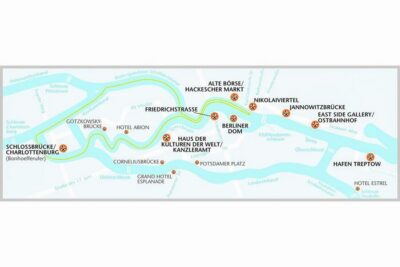
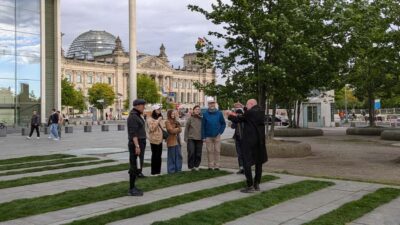
Museum Island is one of those places where the open space does half the explaining for you. You’ll enjoy the area and get a great view toward Berlin Cathedral. That combination helps your brain do something useful: it turns buildings into a geography of power and culture.
This stop works especially well on a walking tour because you can feel the scale. You’re not only reading about the island as a concept. You’re moving through the surroundings, noticing sightlines, and understanding why this area became such a strong cultural anchor.
Also, Museum Island is a natural pause in your mental timeline. The guide uses this space to move you forward through the city’s story, and the wide viewing area gives you a small reset before you head toward the more decorative and expressive squares further on.
Humboldt University to central streets, where the city turns into a maze
After Museum Island, the tour passes by Humboldt University, then pushes you through the maze of central streets. This is where Berlin’s layout becomes part of the experience. The city’s grid and irregularities can be confusing if you’re trying to self-navigate, but with a guide you get structure.
The guide’s job here is to keep the narrative coherent while you’re walking through streets that might otherwise feel like filler between major attractions. If you’ve ever wandered Berlin without a plan, you know how easily time disappears. This section helps you move efficiently while still learning something at the same time.
It also sets up the next highlight. By the time you reach the squares, you’ll be in the right mindset. You will recognize that the beauty of a place like Gendarmenmarkt is not random. It sits inside a larger story of the city’s design, ambition, and self-image.
Gendarmenmarkt, the square that earns its reputation
Then comes Gendarmenmarkt, described as the prettiest of the German capital’s squares. Even if you don’t care much about architectural style, you’ll feel why the place is famous. It has that “Berlin looks intentional here” effect, and the guide uses it to keep your historical timeline moving.
What I like about stopping at Gendarmenmarkt on a history tour is the contrast. After you’ve walked through sites tied to conflict and political shifts, a refined square can feel like a breath. It also gives you a more complete picture of Berlin. Not everything is tragedy and upheaval. Some of it is design, culture, and the way the city presents itself.
If it’s cold, this is a good spot to check your footing and regroup with your guide’s pace. You’re not promised a long stop built into the tour plan, but pausing briefly to take in the architecture will make the rest of the walk more meaningful.
Checkpoint Charlie and the Berlin Wall, what you’re really seeing
One of the most important parts of the walk is learning about the Berlin Wall at Checkpoint Charlie. You see the Wall here in a way that connects the location to the human reality of separation. The tour doesn’t treat the Wall like a museum object. It treats it like a system that shaped movement, fear, and daily life.
Checkpoint Charlie also helps because it’s a place people recognize. If you’ve seen photos, you’ll understand why. Standing near it with a guide is different from looking at pictures online, because you get the context of why this crossing mattered and how the wall shaped what the world felt like on each side.
This stop is where your chronological storytelling starts to pay off most. Earlier landmarks help you see how Berlin changes. Checkpoint Charlie shows why change became urgent. The guide keeps the story ordered so the emotional impact does not feel random.
Walking past Hitler’s bunker site, handling the city’s darkest memory

Passing by the place where Hitler’s bunker formerly stood is the tour’s heavy moment. The route explicitly frames it as the country’s dark past. This is not the place for casual photo breaks or quick glances. It’s a time to let the guide’s words give weight to the ground you’re standing on.
I appreciate that the tour positions this stop within the timeline, rather than dropping it as a shock moment with no context. When history is explained in order, you better understand how a society gets pulled toward catastrophe, and how later generations work to prevent repetition.
The only consideration here is emotional. Some people find this area more difficult than they expected, even if they know the general story in advance. If you’re sensitive, keep that in mind and take a slower internal pace at this part of the route.
Brandenburg Gate, unity in stone and timing
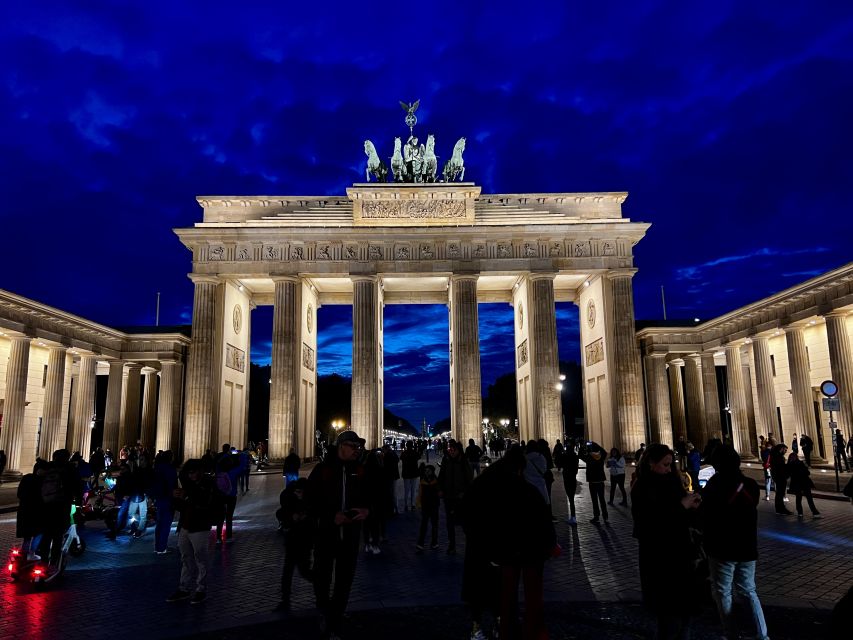
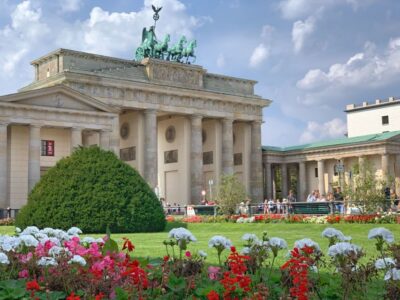
The symbolic finish is the Brandenburg Gate, presented as a symbol of unity of Germany and Europe. That’s a fitting end point because by the time you reach the Gate, you’ve walked through enough eras to understand why symbolism matters. You’re not ending at a pretty landmark. You’re ending at a marker tied to the city’s turning points.
The tour also describes it as welcoming the new era of history. That phrasing is practical. You’ve seen the edges of division at Checkpoint Charlie, and you’ve walked past the site tied to Germany’s darkest chapter. So when you arrive at the Gate, the meaning is not abstract. It lands because the tour has built the story for you.
If you’re planning more time in Berlin after this, the Gate is also a useful anchor. It’s central, recognizable, and it gives you a clear sense of where you are at the end of your first history-focused walk.
Price and pacing: does $31 make sense for 2.5 hours?
At around $31 per person for 2.5 hours, this is priced for what you get: a structured, chronological narrative plus an English local guide. Walking tours can be hit-or-miss if you’re paying mainly for sights. Here, you’re paying for the thread that connects the sights, and that thread is the whole point of the tour.
You should also know the tour is part of a general pay as you wish concept, where the amount you pay covers the reservation fee and the guide’s payment. In plain terms, the tour is not strictly like a fixed museum ticket. You’re essentially covering the guide’s work through the booking amount, and it leaves room for you to decide how you want to reward the guide based on how it feels.
The main pacing consideration is time. You are on your feet for the full run time. And because food and drinks are not included, don’t count on a built-in break. If you need a drink or restroom window, plan to handle it before the start, or you might end up rushing later with the day already moving.
Best for first-time Berliners, and for anyone short on time
This tour is ideal if you’re trying to understand Berlin fast, without turning your day into a spreadsheet. First-time visitors often want the main story, and this route delivers it in order, from early city remnants through modern division and reunification symbolism.
It also suits people who like their history told in plain language, with street-level stops that help memories stick. Reviews praise guides like J.R. for practical hints for the rest of the trip, and Ru for being mindful of cold weather. That mix suggests you’ll get more than names and dates. You’ll get guidance that helps you navigate your next moves in Berlin.
If you already know Berlin’s history well, you might feel the tour is more of a structured overview than a specialist deep dive. But even then, it can be a great way to see the city’s key places in a single loop, guided by someone who keeps the story coherent.
Should you book this Berlin history walking tour?
Yes, if you want a guided, chronological introduction to Berlin that connects the big landmarks into a clear timeline. The stops hit the essentials you are likely to care about, from Museum Island and Gendarmenmarkt to Checkpoint Charlie, the Wall, and the Brandenburg Gate finish. The price is reasonable for an English guide and a story-driven route, and the structure helps you understand what you’re seeing instead of just passing through it.
Book it especially if you’re doing Berlin on a shorter schedule and you want your first history walk to do real work. Just be sure you’re comfortable walking for about 2.5 hours and that you plan for food and restroom needs outside the tour. If you can handle that, you’ll come away with a much clearer sense of Berlin’s “why,” not just its “what.”
FAQ
Where is the meeting point for the Berlin walking tour?
You meet in front of the Red Town Hall (Rotes Rathaus), close to the TV Tower and Neptune Fountain.
How long is the guided walking tour?
The tour lasts 2.5 hours.
What is the price per person?
The price is $31 per person.
Is the tour in English?
Yes, the live tour guide speaks English.
Does the tour include food or drinks?
No, food and drinks are not included.
Does the tour include hotel pickup?
No, hotel pickup is not included.
Is the tour wheelchair accessible?
Yes, the tour is listed as wheelchair accessible.
What should I bring?
Bring weather-appropriate clothing.
When should I arrive at the meeting point?
Please arrive at the meeting point 10 minutes before the activity starts.
Can I cancel for a refund, and can I reserve without paying right away?
The tour offers free cancellation up to 24 hours in advance for a full refund. You can also reserve now and pay later, keeping your travel plans flexible.
Pavements of Berlin
Everything else we filed on Berlin
- East Berlin: City of Shadows Walking Tour
★ 5.0 · 11 reviews - Berlin: Die Stachelschweine – Frank Lüdecke – Träumt Weiter
★ 4.7 · 11 reviews - Potsdam Day Trip from Berlin with a Local: Private & Personalized
★ 4.0 · 11 reviews - An Introduction to Berlin Walking Tour
★ 5.0 · 11 reviews - DJ for a Day: Learn to Mix Like a Pro in Berlin
★ 5.0 · 11 reviews - 2-H Segway Sightseeing Tour Berlin
★ 4.5 · 11 reviews
Walking Tours, side by side.
 ★ 5.0Discover Berlin Half-Day Walking TourFrom $249,624 reviews
 ★ 4.9Berlin: Third Reich and Cold War 2 Hour Walking TourFrom $236,830 reviews
 ★ 4.6Munich: Third Reich & WWII Walking TourFrom $316,181 reviews
 ★ 4.9Berlin: Discover Berlin Walking TourFrom $235,998 reviews
 ★ 5.0Berlin’s Best: 2 Hour Walking Tour Third Reich and the Cold WarFrom $245,486 reviews
 ★ 4.8Berlin: Hidden Backyards Guided Walking TourFrom $235,360 reviews
 ★ 4.5Third Reich Walking Tour MunichFrom $454,291 reviews
 ★ 5.0Third Reich Berlin: Hitler and WWII Walking TourFrom $243,301 reviews