
REVIEW · COLD WAR BERLIN
Berlin: Karl-Marx-Allee 2-Hour Tour
Berlin’s grand boulevards tell stories fast. This Karl-Marx-Allee 2-hour tour is one of the easiest ways to understand how this street went from Frankfurter Allee to Stalinallee and then to its current name, without getting lost in facts. I especially love the architecture walk, because Frankfurter Tor alone makes the trip feel worth it.
I also like how the route mixes big symbolism with real “someone lived here” details, like the apartment buildings in Friedrichshain with their arcades. You’ll even spot the partial ruins of the Church of the Resurrection, which adds a different mood to all the monumental building forms. The only downside to consider is that it is tightly packed, so if you want slow wandering and lots of stop-and-chat time, this one may feel a bit concentrated.
In This Review
- Key highlights to look forward to
- Why Karl-Marx-Allee Feels Like a Living Timeline
- Price and Logistics: Getting There and Making the Most of 2 Hours
- Starting at Frankfurter Tor: The Towers That Set the Tone
- Friedrichshain Apartment Buildings and Their Arcade Rhythm
- Kosmos Cinema by Josef Kaiser: A Specific Stop With Real Personality
- Hochhaus an der Weberweise: When the Skyline Sends a Message
- Church of the Resurrection Ruins: A Pause in the Monument Mood
- Strausberger Platz: The Gateway Feeling Around the High-Rises
- What the Best Guides Do Here (And Why Tobias Gets Mentioned)
- Value Check: Is $23 Actually a Good Deal?
- Who This Tour Suits Best
- Should You Book the Karl-Marx-Allee 2-Hour Tour?
- FAQ
- How long is the Berlin Karl-Marx-Allee tour?
- How much does the tour cost?
- Is the tour a walking tour?
- Where do we meet?
- Do I need hotel pickup?
- What languages is the live guide available in?
- Is free cancellation available?
Key highlights to look forward to
- Frankfurter Tor towers that instantly mark Karl-Marx-Allee as Berlin’s grand socialist-era boulevard
- Friedrichshain arcades inside the housing blocks, where the design feels practical as well as political
- Kosmos cinema by Josef Kaiser, a specific architectural stop you would not likely notice on your own
- High-rise hits, including Hochhaus an der Weberweise and the skyline feel around Strausberger Platz
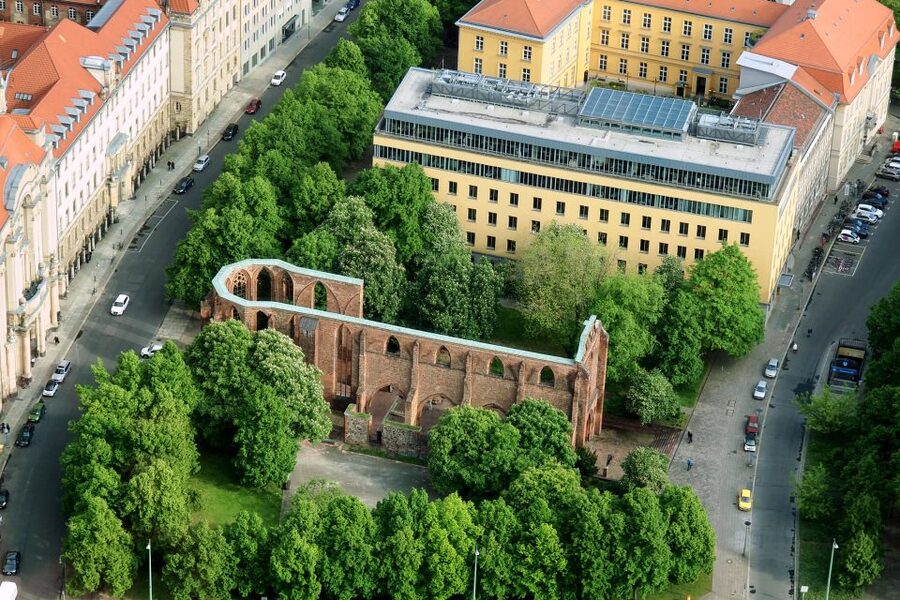
- Church of the Resurrection ruins, a quieter contrast that changes the emotional tone of the walk
More of the divided city, written up in full
- Berlin: Third Reich and Cold War 2 Hour Walking Tour★ 4.9 · 6,830 reviews
- Berlin: Berlin Story Bunker Entry Ticket★ 4.6 · 6,759 reviews
- Berlin’s Best: 2 Hour Walking Tour Third Reich and the Cold War★ 5.0 · 5,486 reviews
- Berlin: 75-minute Trabi Safari★ 4.8 · 2,854 reviews
Why Karl-Marx-Allee Feels Like a Living Timeline
Karl-Marx-Allee is almost 2 kilometers long, and it works like a long sentence. You start with the idea of a planned city center, then watch it shift with each political era that put its stamp on Berlin.
What makes this tour more than a pretty-street stroll is the way the guide connects street names and architecture. You’ll hear how the boulevard changed from Frankfurter Allee to Stalinallee, and finally to Karl-Marx-Allee. That name shift is not just trivia. It helps you read the buildings with the right questions: who wanted this street to look like this, and why?
This is also one of the most important examples of post-war urban development in Germany. Even if you are not an architecture person, the scale does something to your sense of time. The buildings feel designed to project authority, and the guide helps you see that design choice, not just admire it.
Price and Logistics: Getting There and Making the Most of 2 Hours
At $23 per person for a 2-hour guided walking tour, you are paying for focus. You get an expert guide plus the route planning, which matters here because Karl-Marx-Allee rewards knowing what to look for.
There is no hotel pickup or drop-off. So you will want to plan to arrive on time at the meeting point, which can vary depending on the option booked. A practical tip: treat this as a “show up ready” tour. Wear comfortable shoes, because you are walking the boulevard and surrounding stops.
In a short format like this, the group pace is part of the value. You do not have to decide what to prioritize, and you do not have to connect all the architectural dots alone. The tradeoff is you will not linger like you might on a self-guided wander, so keep your expectations aligned with a focused walk.
Starting at Frankfurter Tor: The Towers That Set the Tone
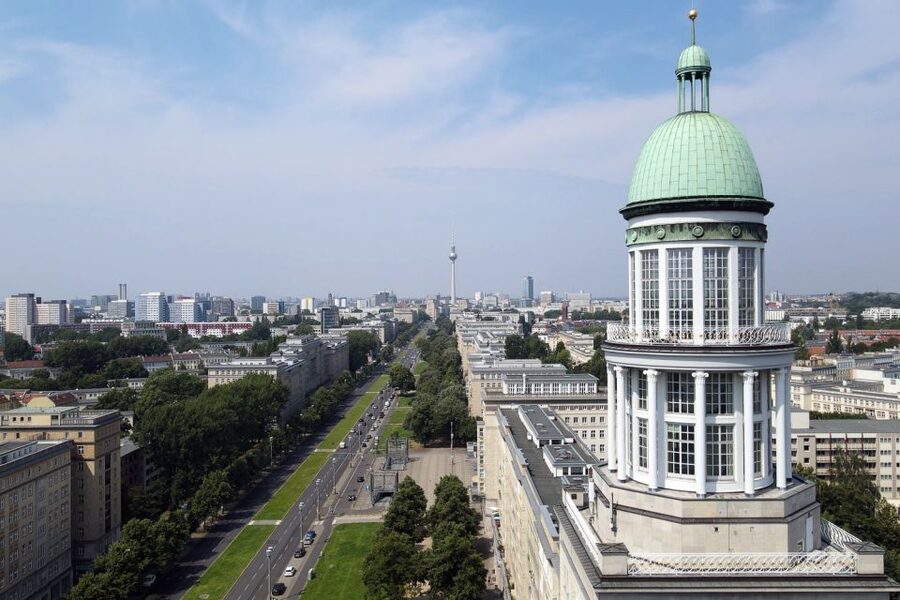
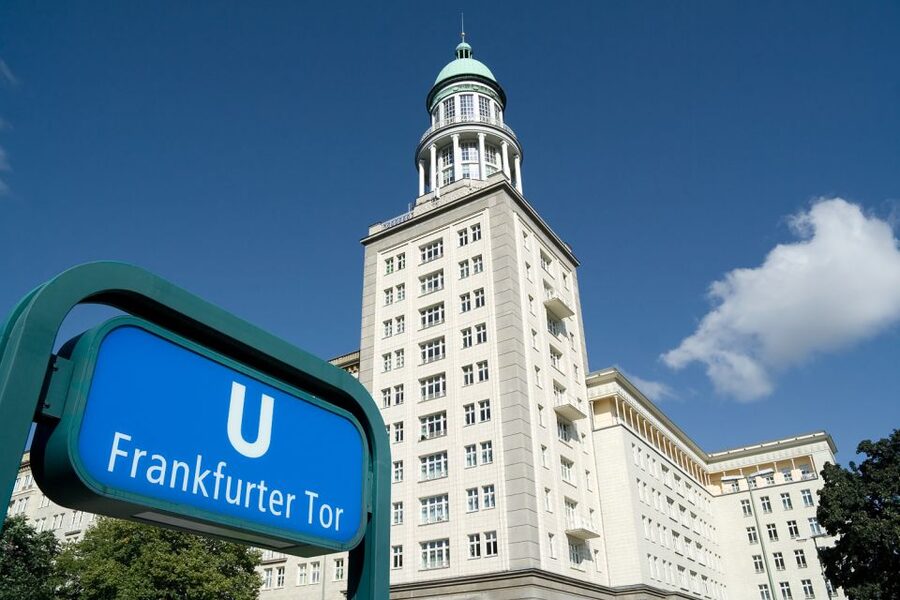
The tour’s first major architectural landmark is Frankfurter Tor, and it is the kind of place where your brain says, okay, this is not a normal street. The distinctive towers give the area a ceremonial feeling, almost like an entry point to the city’s big statements.
From here, you get your bearings for the rest of the boulevard. Karl-Marx-Allee can look like a single continuous architectural block if you are just passing by. But with the guide framing the design, you start noticing how the boulevard is structured to feel monumental and intentional.
Even if you have only seen a few Berlin photos, this is the spot that matches the postcards. It is also a good reality check: the street is a planned composition, not an accidental collection of buildings.
Friedrichshain Apartment Buildings and Their Arcade Rhythm
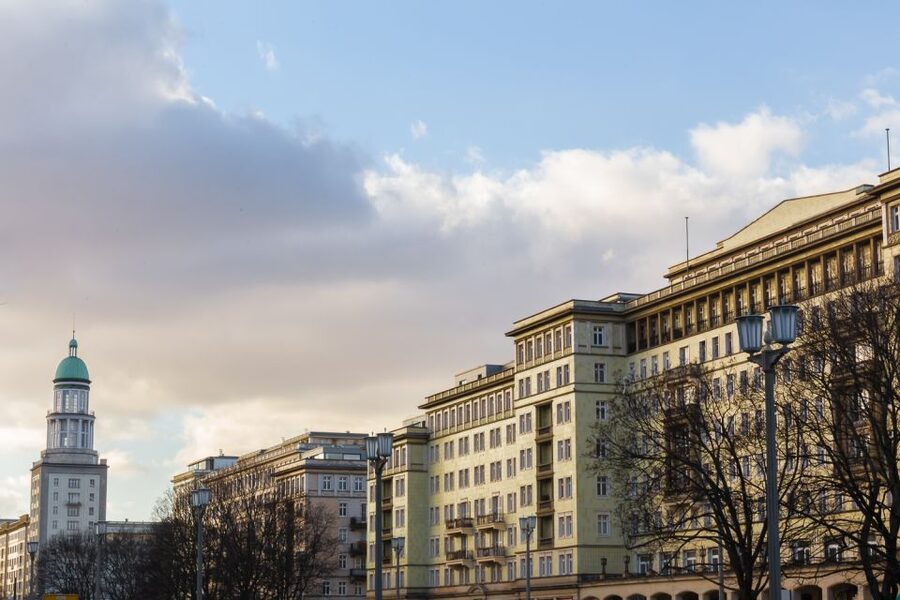
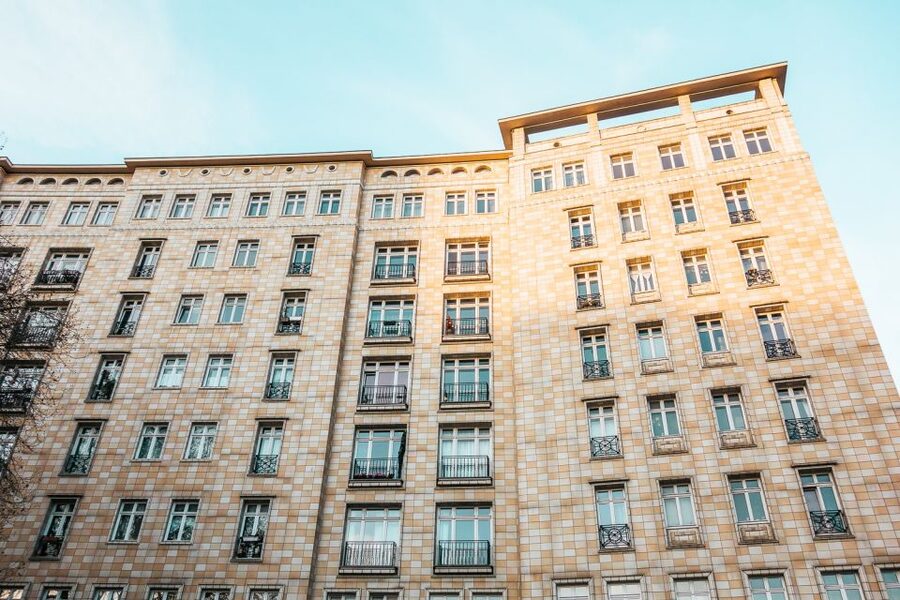
Next you move into the residential side of the story. The apartment buildings in Friedrichshain with their arcades are a big part of why this tour works, because they show how socialist-era planning was meant to be lived with day to day.
Arcades might sound like a small detail, but they change how a place feels. They create sheltered space, a sheltered walkway, and a kind of rhythm along the block. On a guided walk, this matters because you learn to see the design as practical, not only ideological.
The guide’s commentary helps you understand the goal: housing and city planning as a statement about order, community, and function. I find that approach makes it easier to appreciate the scale without feeling overwhelmed by it.
Kosmos Cinema by Josef Kaiser: A Specific Stop With Real Personality
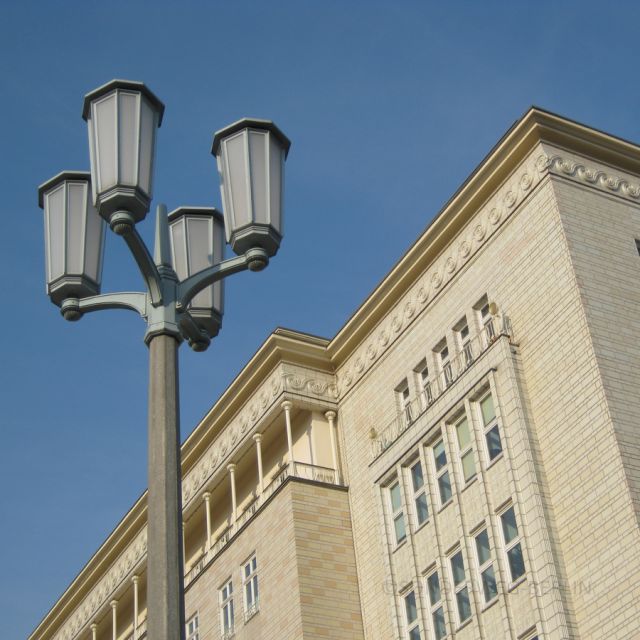
Then you reach Kosmos cinema, designed by Josef Kaiser. This is one of those stops that can easily get missed on a self-guided walk because it is not just “another building on the street.” The tour gives it a role in the overall picture.
A cinema is a smart architectural choice for telling a story about a boulevard. It signals entertainment, public life, and how a city wants people to gather. When a guide points out the design idea behind it, the building stops being just a facade and becomes a social clue.
If you like learning how architecture supports culture, this is a satisfying moment. It also breaks the monotony you can sometimes get on long, uniform-looking streets.
Hochhaus an der Weberweise: When the Skyline Sends a Message
Karl-Marx-Allee includes standout vertical moments, and Hochhaus an der Weberweise is one of them. High-rises in this context do not just add height. They make a statement about the future and about power to shape the city.
During this part of the walk, you’ll likely notice how your perspective changes. From street level, the boulevard gives you depth. Then the high-rise pulls your eyes upward and reminds you this is a planned urban stage.
This stop is especially helpful if you are trying to understand post-war reconstruction and expansion. The city is not only rebuilding what was damaged. It is also reorganizing how Berlin should look, and where the center of gravity should feel like it is.
Church of the Resurrection Ruins: A Pause in the Monument Mood
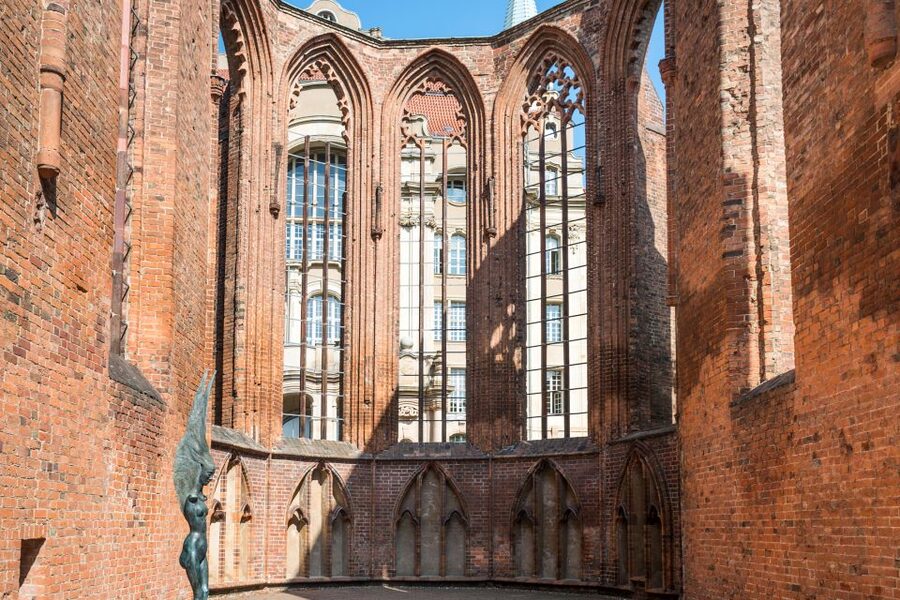
Not everything here is polished symmetry. You’ll see the partial ruins of the Church of the Resurrection, which brings a different emotional tone to the walk.
Ruins do two useful things on a guided route. First, they remind you that history was not abstract. Second, they prevent the whole experience from becoming one-note architecture appreciation.
This is the kind of stop where the guide’s framing matters. The ruins are not only a visual break. They are a clue to the way the city absorbed damage and then chose what to rebuild, what to preserve, and what to transform.
Even if you are not a serious church-history person, you will feel the shift. It gives you a better read on the surrounding grand buildings, because you understand what came before the monumentality.
Strausberger Platz: The Gateway Feeling Around the High-Rises
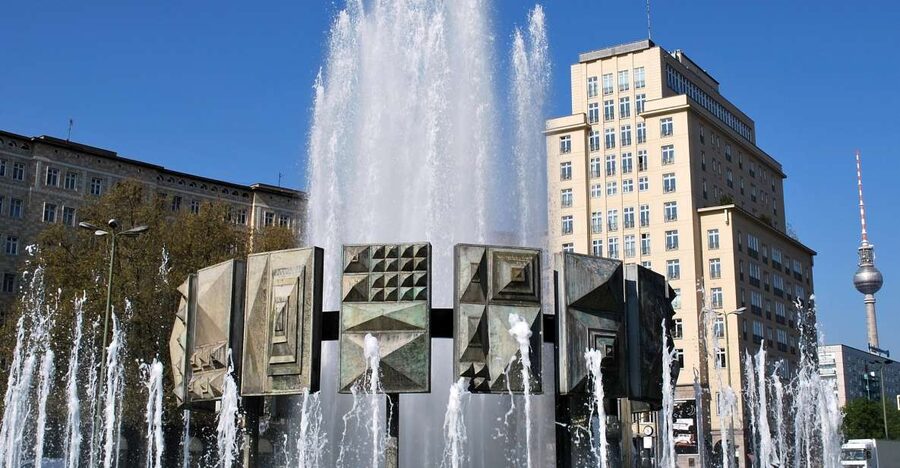
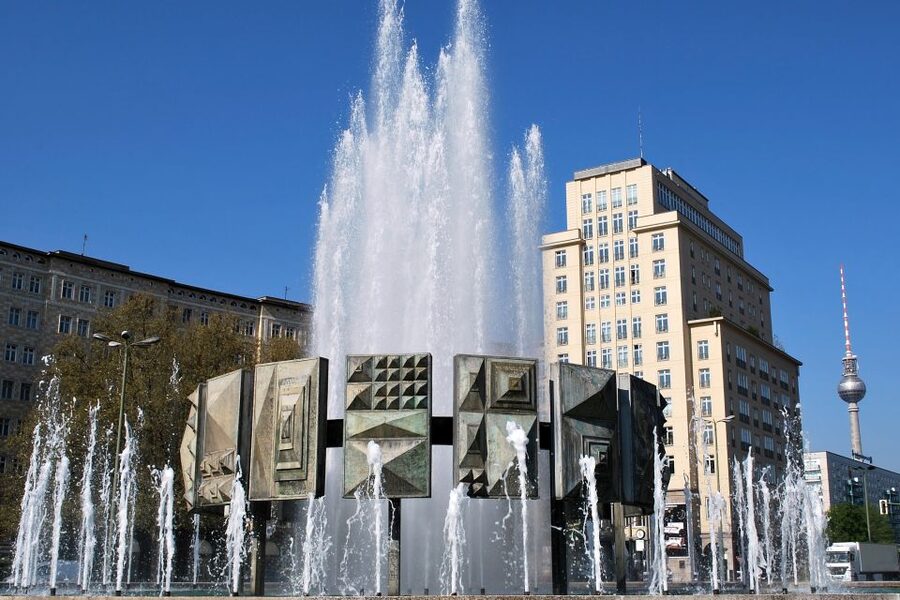
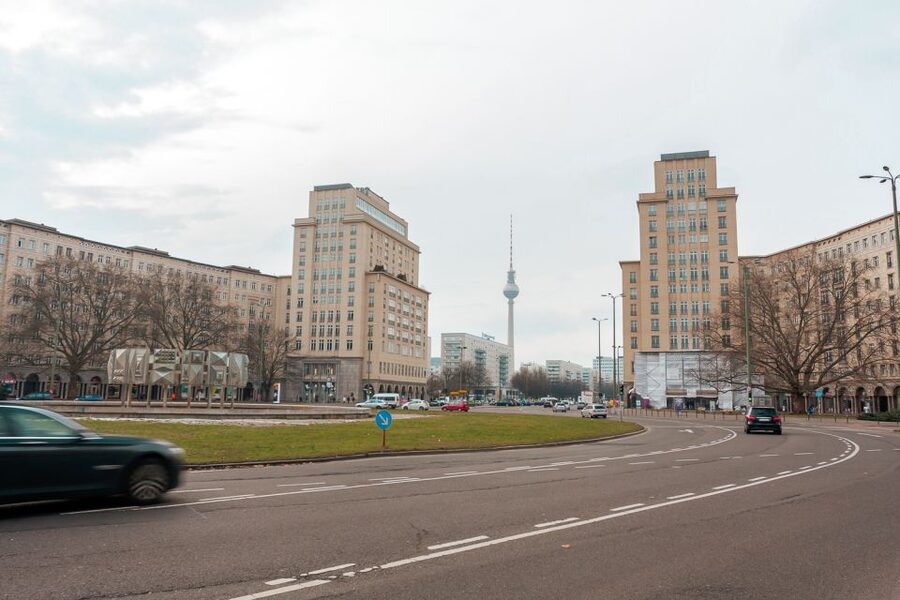
Toward the end, you’ll stroll through Strausberger Platz and take in its distinctive high-rise buildings. This area is described as a gateway to the socialist city center, and you can feel that “threshold” idea as the tour moves you through.
Strausberger Platz is also a place where you can compare styles quickly. You see how the boulevard’s monumental feeling continues into surrounding blocks, but with its own local rhythm. The high-rises near the square help reinforce the idea of centralized planning.
This stop is a strong finish because it ties the street together. You start at Frankfurter Tor, move through housing and civic buildings like Kosmos cinema, and then end at a place that reads like an access point. In a compact 2-hour tour, that kind of narrative arc is exactly what you want.
What the Best Guides Do Here (And Why Tobias Gets Mentioned)
The most praised thing about this tour experience is the guide. You will hear the boulevard story in a way that feels animated, not recited. Guides like Tobias get highlighted for being passionate and communicating clearly, and for using material such as historical photos and old posters as part of the walk.
That matters because architecture tours can turn into a series of labels. Here, you get the meaning behind the buildings. You also get anecdotes along the way, plus the sense that the route includes bits you might not notice on your own.
If your travel style is “show me what to see, then tell me why it matters,” this is a good match. The guide helps you connect socialist-era design choices to how Berlin shaped everyday public space.
Value Check: Is $23 Actually a Good Deal?
For $23, you are buying time and interpretation more than you are buying “more sights.” In two hours, you cannot cover every corner of Friedrichshain or debate every architectural detail, so value is about how well the guide focuses your attention.
This tour’s value comes from three things:
- The concentration of major landmarks along one readable route, including Frankfurter Tor, Kosmos cinema, Hochhaus an der Weberweise, and key points near Strausberger Platz.
- The architectural framing, especially how the street’s identity shifted through changing political eras and names.
- The expert guide format, which reduces your planning effort and makes the experience feel coherent.
If you like architecture, history, or just want a shortcut to understanding why Karl-Marx-Allee is famous, $23 for a guided walk is easy to justify. If you only want vague “pretty buildings” and no explanations, you might prefer free time and a self-guided approach, because the tour is designed for listening.
Who This Tour Suits Best
This is the kind of tour that fits travelers who like structured sightseeing. You get a clear path and a clear story.
You should seriously consider booking if you:
- Want to understand socialist-era urban planning in Berlin without reading for days
- Like architectural stops with specific identities, like Kosmos cinema and Frankfurter Tor
- Enjoy walking tours that feel like a narrative, not random photo stops
- Want a short, efficient activity that works even if you have limited time
It may feel less ideal if you are looking for a party vibe, major museum time, or lots of free roaming.
Should You Book the Karl-Marx-Allee 2-Hour Tour?
My take: yes, if you want to see Karl-Marx-Allee the way it was intended to be read. This route gives you the main set pieces plus the context that makes the architecture make sense, especially the street-name transformation from Frankfurter Allee to Stalinallee and finally Karl-Marx-Allee.
It is also a smart choice for first-timers who want one guided architecture experience without spending half a day. And with a strong overall 5-star rating from 116 reviews, the guide quality clearly matters here.
Go for it when you are ready to walk, look up, and listen. If that sounds like your kind of Berlin, this is an excellent use of your time.
FAQ
How long is the Berlin Karl-Marx-Allee tour?
The tour lasts 2 hours.
How much does the tour cost?
The price is $23 per person.
Is the tour a walking tour?
Yes, it is a walking tour with an expert guide included.
Where do we meet?
The meeting point may vary depending on the option booked.
Do I need hotel pickup?
No, hotel pickup and drop-off are not included.
What languages is the live guide available in?
The live tour guide is available in German and English.
Is free cancellation available?
Yes, you can cancel up to 24 hours in advance for a full refund.
The Divided Years, Reviewed
Everything else we filed on Berlin
- East Berlin: City of Shadows Walking Tour
★ 5.0 · 11 reviews - Berlin: Die Stachelschweine – Frank Lüdecke – Träumt Weiter
★ 4.7 · 11 reviews - Potsdam Day Trip from Berlin with a Local: Private & Personalized
★ 4.0 · 11 reviews - An Introduction to Berlin Walking Tour
★ 5.0 · 11 reviews - DJ for a Day: Learn to Mix Like a Pro in Berlin
★ 5.0 · 11 reviews - 2-H Segway Sightseeing Tour Berlin
★ 4.5 · 11 reviews
Cold War and Stasi History Tours, side by side.
 ★ 4.9Berlin: Third Reich and Cold War 2 Hour Walking TourFrom $236,830 reviews
 ★ 4.6Berlin: Berlin Story Bunker Entry TicketFrom $216,759 reviews
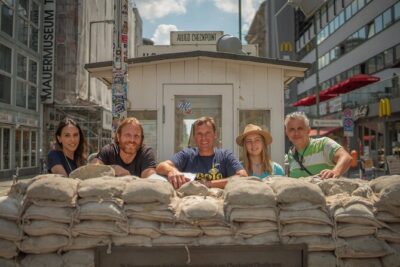 ★ 5.0Berlin’s Best: 2 Hour Walking Tour Third Reich and the Cold WarFrom $245,486 reviews
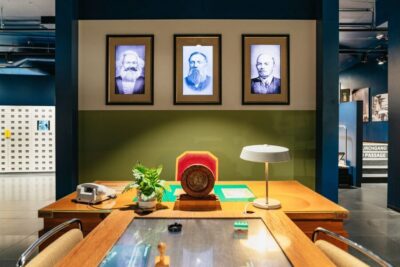 ★ 4.3Berlin: DDR Museum TicketsFrom $153,443 reviews
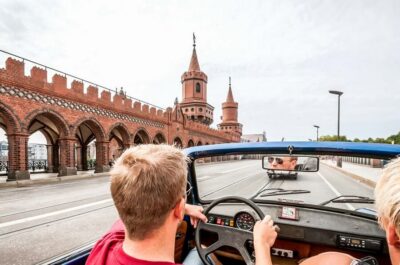 ★ 4.8Berlin: 75-minute Trabi SafariFrom $932,854 reviews
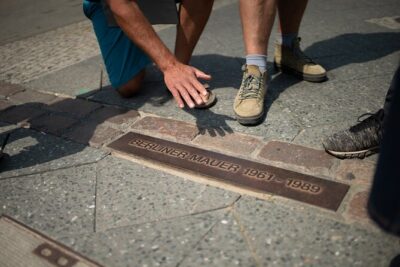 ★ 5.0Cold War, Berlin Wall, Spies and the East Side GalleryFrom $181,024 reviews
 ★ 4.8Nuremberg: Historischer Kunstbunker WWII Art Bunker TourFrom $14921 reviews
 ★ 4.9Leipzig: 90-Minute Trabi City TourFrom $81728 reviews
Other lists this tour is on