

REVIEW · MUSEUMS
Berlin: Museum of Communication Entrance Ticket
Communication has never been more hands-on. The Museum für Kommunikation turns the story of messaging into something you can try, from early signals to modern devices. I love the interactive terminals around the atrium, and I especially like that the audio-visual app helps you make sense of what you see. One possible drawback, it is a self-guided visit, so if you prefer a live guide explaining the big themes, you may want to pace yourself and read labels closely.
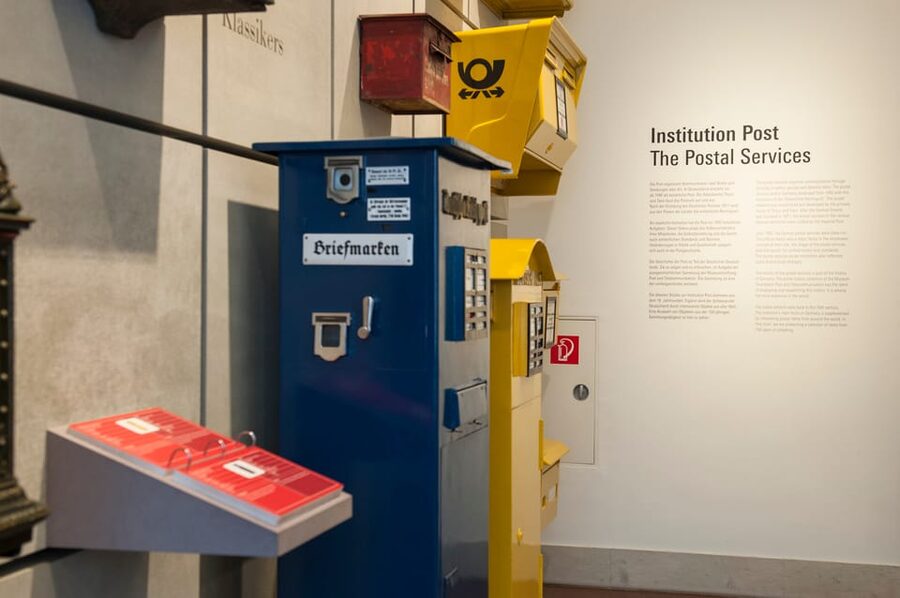
The museum’s stamp-and-mail displays give the past a concrete, collectable feel, and I really enjoy how clearly it connects everyday communication to rare artifacts like the Blue Mauritius stamp. The standout for many people is how tactile and approachable the exhibits can be, including areas that work well for kids. The only real consideration is that the museum can be more thought-provoking than purely entertaining, so plan for a slow, curious hour rather than expecting constant action.
For timing, you can do a focused loop in about 1.5 hours, then keep going longer if you want to linger with the interactive stations and special rooms. You are not required to reserve a time slot, which makes it easy to fit into a Berlin day.
In This Review
- Key highlights you should care about
- Where this Berlin museum fits in your day
- The real star: Blue Mauritius and the postal story
- 40,000 years of messaging, told with objects not speeches
- The atrium communication terminals: try smoke, light, and sound
- Greetings from around the world, and why it matters
- Berliner Salon and the museum rooms you should not rush
- How long it really takes, and how to pace it
- Ticket price and value at $9
- On-site essentials: payment and hours that actually matter
- Who this ticket is best for
- Before you go: quick practical tips that help
- Should you book the Museum für Kommunikation entrance ticket?
Key highlights you should care about
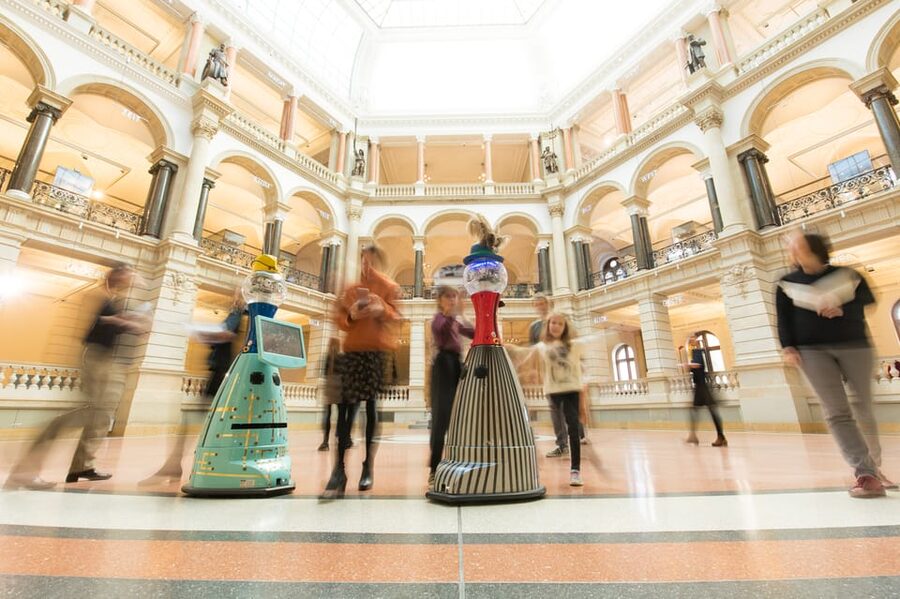
- World-class postal museum setting: Focused on communication, with strong mail and messaging sections.
- Blue Mauritius on display: See one of the most famous and rare stamps.
- 40,000 years, 2,000 objects: A large sweep of how humans communicated.
- Interactive signals you can try: Smoke, light, and acoustic-style communication stations.
- Learn greetings across cultures: Hands-on ways to think about how people say hello.
- Audio-visual app included: Use it to guide your route without feeling lost.
More collections to walk through in Berlin
- Berlin: Natural History Museum Entrance Ticket★ 4.6 · 3,382 reviews
- Skip-the-Line: Berlin Wall Museum at Checkpoint Charlie★ 4.1 · 2,041 reviews
- Berlin: Museum Island Multiple Museum Entry Ticket★ 4.4 · 2,007 reviews
- Berlin: “Pergamonmuseum. The Panorama” Exhibition Tickets★ 4.6 · 1,245 reviews
Where this Berlin museum fits in your day
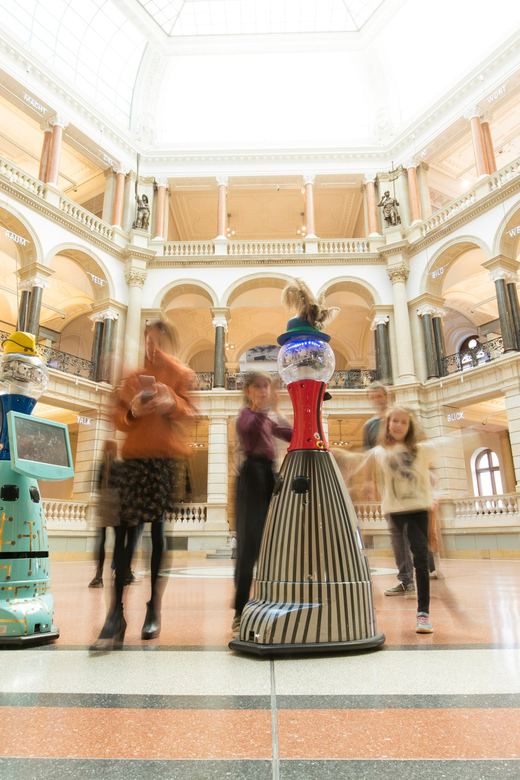
The Museum für Kommunikation Berlin is built for a simple goal: help you understand how humans communicated, long before smartphones, and how that history still shapes today’s debates. If you like museums that make you pause and ask why communication matters, this is your kind of place.
You are also not stuck with rigid timing. You do not need time-slot reservations just to enter, which is great in Berlin where plans often change. Most people do best with a self-paced visit, especially because the museum’s best features are spread out in rooms, terminals, and interactive galleries.
The real star: Blue Mauritius and the postal story
If you only care about one thing, make it the stamp section. The museum highlights the Blue Mauritius, widely considered one of the world’s most famous and rare stamps. Seeing it in person gives the whole postal theme gravity, because stamps are tiny artifacts with big cultural meaning.
What I like about this setup is that stamps are not treated as trivia. The museum uses them to show how networks worked, how information traveled, and how people built systems for trust and delivery. You get the sense that communication is not just what people say, it is also the infrastructure behind it.
And if you have kids with you, this kind of concrete object can anchor the visit. A rare stamp is an easy hook for curiosity, then the surrounding exhibits can turn that curiosity into a bigger story about mail, printing, and signaling.
40,000 years of messaging, told with objects not speeches
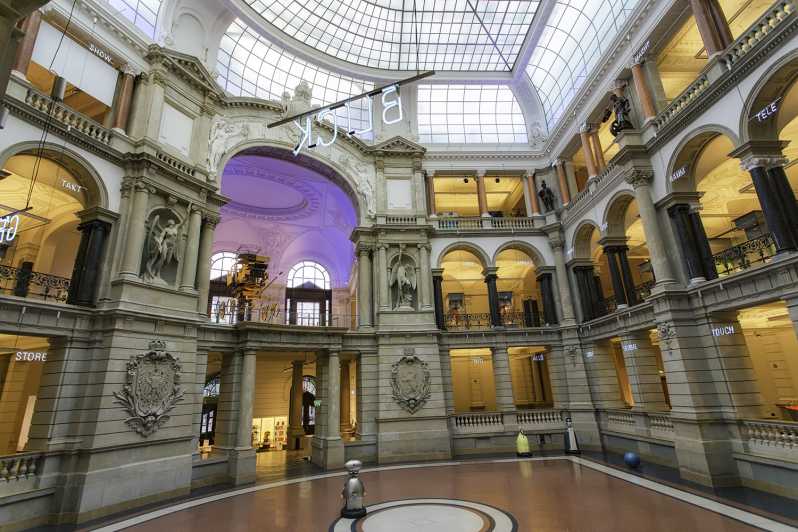
The museum lays out communication history through about 2,000 objects, spanning 40,000 years. That sounds huge, but the museum’s approach helps you avoid information overload. Instead of one endless timeline, you move through themed galleries and interactive sections that let you choose your pace.
One thing I find useful as a visitor is that the exhibits are designed to make you think, not just look. The museum frames communication milestones as ongoing questions, including current debates, and encourages active participation. That matters because communication today is political, cultural, and personal all at once.
The “from hand axe to smartphone” idea is also a helpful mental structure. You are not expected to know every detail of tech evolution. You are meant to notice the pattern: humans keep inventing better ways to share meaning over distance, and those tools change society.
The atrium communication terminals: try smoke, light, and sound
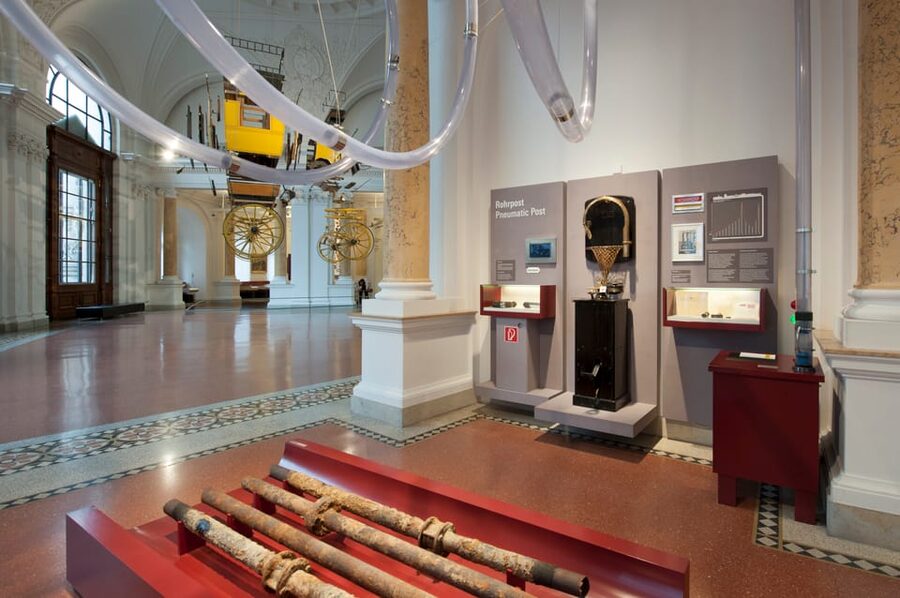
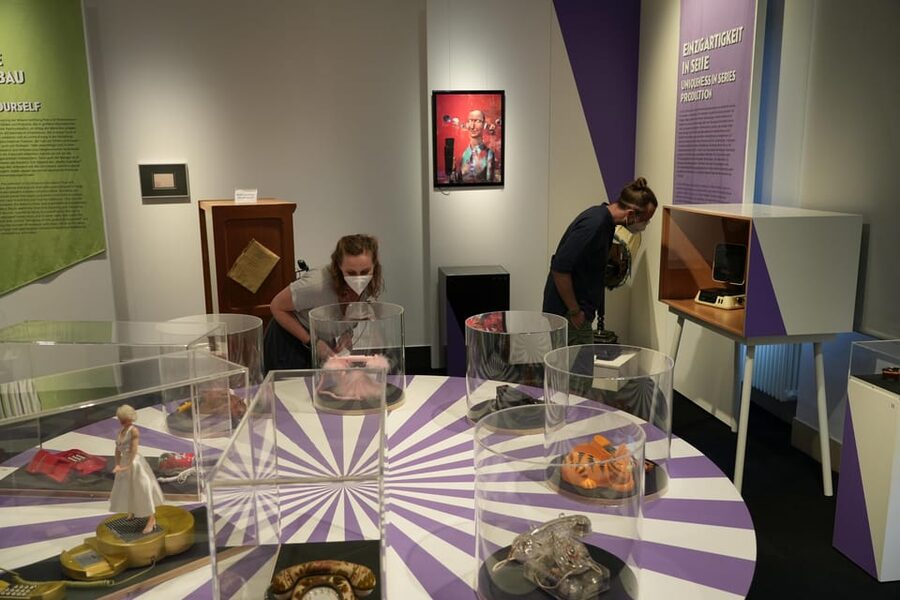
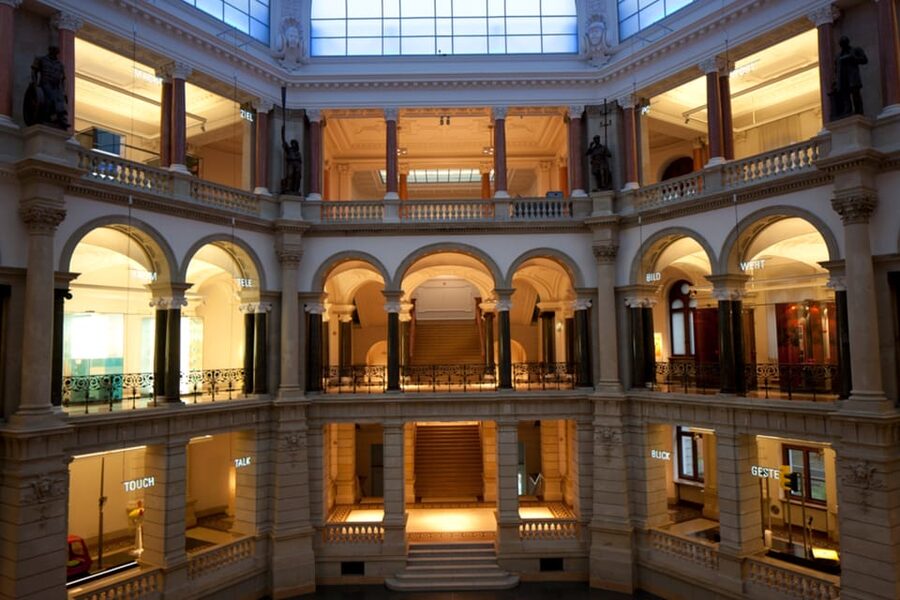
Around the atrium, you will find a communication gallery with interactive terminals. This is where the museum shifts from museum to workshop, and it is usually where people slow down and start experimenting.
You can try ways of exchanging messages through signals, including smoke, light, and acoustic-style communication. You also see digital displays tied to communication basics, so you are not only looking at history, you are practicing the logic behind it.
I like these stations because they turn vague concepts into something physical. Even if you only spend 15 to 20 minutes here, you walk away with a better sense of how constraints shape messages. For example, the medium affects clarity, timing, and how many people can receive the signal.
If you are visiting with children, this area is especially valuable. It gives them permission to press buttons, test ideas, and learn without needing advanced reading comprehension. Even adults often find themselves using the stations more than they expected.




Greetings from around the world, and why it matters
Another highlighted part of the experience is learning how people greet one another around the world. That sounds simple, but it connects communication to culture in a very real way.
Why this is worth your time: greetings are often the first micro-conversation in a relationship. They carry meanings about politeness, status, comfort, and belonging. When you see greetings presented as communication systems, you start noticing patterns you usually skip over in daily life.
This section also fits different interests. If you love language, it gives you a human angle. If you like psychology or anthropology, it gives you a practical entry point. And if you are traveling in Berlin, it is a nice reminder that communication styles are not universal.
Berliner Salon and the museum rooms you should not rush
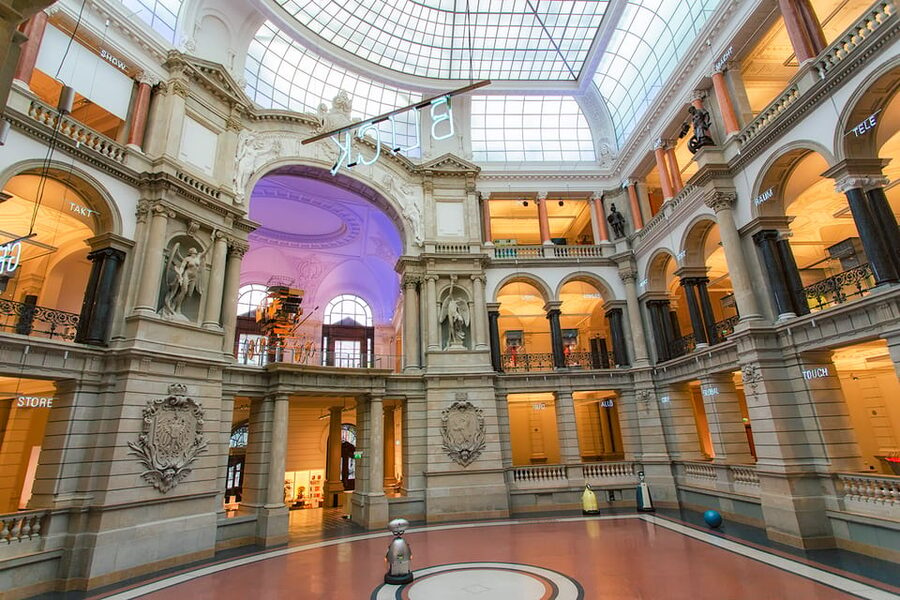
One review specifically calls the Berliner Salon fascinating and beautiful. That is a strong signal that at least one interior space is more atmospheric than purely informational.
Even without going into specifics not listed here, you can use that hint to avoid rushing through every room. Instead, keep a little time unbooked so you can stop when a space feels different. Museums like this often place the most memorable mood elements in rooms where you can sit, look longer, and let details land.
As a practical move, I recommend doing a quick first pass to find the interactive terminals and the major artifacts, then returning to the rooms that catch your attention. That keeps the visit from feeling like a checklist.
How long it really takes, and how to pace it
The ticket is for one day, but your personal timeline depends on what you want. A focused visit can fit into about 1.5 hours, which lines up with a typical short loop through key galleries, the terminals, and a stamp stop.
If you want more time, plan to slow down in the atrium communication stations and any rooms that feel especially hands-on. Interactive exhibits can stretch longer than you expect, because you start repeating tasks and comparing results.
A good pacing strategy is simple. Give yourself a “must-do” block, then a “wander block.” Your must-do list here should include the Blue Mauritius highlight, the atrium terminals, and the greetings section. For the rest, let your curiosity choose the route.
Ticket price and value at $9
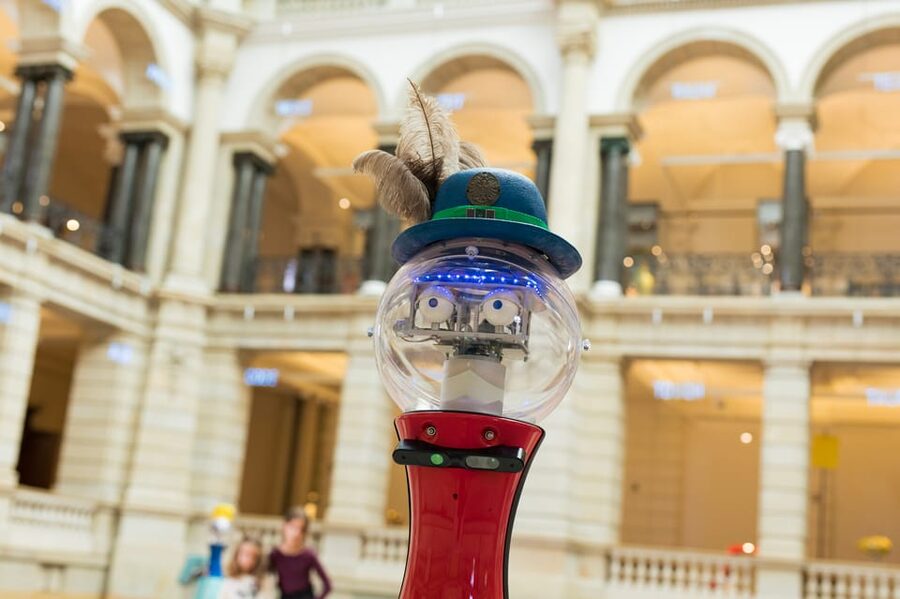
At about $9 per person, the value comes from what is included, not just the sticker price. Your entrance ticket covers admission to the museum, and you also get an audio-visual app to guide you through the experience.
That app matters because it reduces friction. You are walking through lots of objects and themes, and the app helps you understand what you are looking at without needing a live tour. It can also help you decide where to spend more time.
So the math is straightforward. For a small cost, you get access to a large thematic sweep, interactive terminals, and a built-in way to self-guide. If you prefer museums where you can pause and choose your route, that is a strong deal.
On-site essentials: payment and hours that actually matter
You do not have to reserve a time slot. You also can buy tickets without cash, and at the museum counter you can pay with cash. That makes it easier to plan if you are moving around Berlin with cards or limited cash in your pocket.
Hours are something you should check before you head over. The museum is closed on Mondays. It also closes on December 24, 25, and 31. On public holidays, it is open from 10:00 AM to 6:00 PM.
If you are planning a winter visit, build in extra flexibility. The closure schedule means you may need to switch museum days, and Berlin days often pair well with indoor backups like this.
Who this ticket is best for
This museum ticket works for a wide range of visitors, because the experience mixes objects, interactive stations, and cultural communication topics.
I think it is especially strong for:
- Families, because the exhibits can be hands-on and approachable, including sections that connect to kids easily.
- Stamp and postal lovers, because the Blue Mauritius highlight is a big draw.
- Curious solo travelers who like self-guided museums with a helping hand from an audio-visual app.
- People interested in culture and everyday communication, especially with the greetings around the world theme.
If your ideal museum is all live narration and one fixed storyline, you might find the self-guided format less satisfying. But if you enjoy exploring at your own pace, it is a good match.
Before you go: quick practical tips that help
Here is how I would make the most of a short visit without turning it into a rush.
First, decide what you want most, artifacts, interactive stations, or cultural communication. Then spend your first half hour finding those anchors. That way you do not waste time later second-guessing where to go.
Second, use the audio-visual app as a guide, not a substitute for reading. The museum has plenty to look at, and labels help you connect the interactive stations to the bigger story.
Third, if you bring kids, focus on the stations early. Once they learn what is possible, they tend to stay more engaged for the rest of the rooms.
Should you book the Museum für Kommunikation entrance ticket?
Yes, for most people, I think it is worth booking. The price is low enough that you can justify it even on a busy itinerary, and the experience is built for self-paced learning with the audio-visual app included. The Blue Mauritius highlight and the interactive atrium terminals make it feel like more than just a standard museum walk.
Book it if you want communication history that you can actually try, plus at least one memorable artifact that makes the story feel real. Skip or reconsider only if you need a live guided experience the entire time, since this ticket is designed for independent exploring.
Museums Worth the Queue in Berlin
Everything else we filed on Berlin
- East Berlin: City of Shadows Walking Tour
★ 5.0 · 11 reviews - Berlin: Die Stachelschweine – Frank Lüdecke – Träumt Weiter
★ 4.7 · 11 reviews - Potsdam Day Trip from Berlin with a Local: Private & Personalized
★ 4.0 · 11 reviews - An Introduction to Berlin Walking Tour
★ 5.0 · 11 reviews - DJ for a Day: Learn to Mix Like a Pro in Berlin
★ 5.0 · 11 reviews - 2-H Segway Sightseeing Tour Berlin
★ 4.5 · 11 reviews
Museums, side by side.
 ★ 4.5Berlin: Jewish Museum Berlin Entrance TicketFrom $08,393 reviews
 ★ 4.3Berlin: DDR Museum TicketsFrom $153,443 reviews
 ★ 4.6Berlin: Natural History Museum Entrance TicketFrom $123,382 reviews
 ★ 4.6Berlin: Neues Museum Entry TicketFrom $163,261 reviews
 ★ 4.4Cologne: Chocolate Museum Entrance TicketFrom $192,790 reviews
 ★ 4.7Dresden: Church of Our Lady Guided Tour of GalleryFrom $152,421 reviews
 ★ 4.1Skip-the-Line: Berlin Wall Museum at Checkpoint CharlieFrom $212,041 reviews
 ★ 4.4Berlin: Museum Island Multiple Museum Entry TicketFrom $272,007 reviews
Other lists this tour is on