
REVIEW · WALKING TOURS
Berlin: Schillerkiez and Rollberg Walking Tour
Schillerkiez and Rollberg feel like two different cities. This 90-minute walk turns that contrast into a clear story, from the Schillerkiez apartment boom to how Tempelhofer Feld reshaped daily life.
I like that you are shown the “why” behind the neighborhoods, not just the “what,” with street-by-street context that helps you read Berlin as you walk.
My favorite part is the guide, Reinhold Steinle, who brings big energy and specific detail, including the kind you get from having lived in the area for years. I also love that you finish with a written summary of the key points and practical tips for what to see next, not just memories that fade. One thing to plan for, it is a German-language tour and it is not suitable for people with mobility impairments.
In This Review
- Key things I’d circle before you go
- Schillerkiez to Rollberg, two Berlin stories in 90 minutes
- Where you meet and what “private group” changes for you
- Schillerkiez: early 1900s housing that got reshaped by Tempelhofer Feld
- The Neukölln point of view for Tempelhofer Feld’s big presence
- Rollberg’s shifting reputation, and why perception is part of the walk
- The Captain of Köpenick link, using a story to explain a place
- Street-by-street guidance, and what Reinhold Steinle is praised for
- The written summary and tips, the part you’ll thank yourself for later
- Price and value: $70 per group up to 6
- Who this tour suits best (and who should pick something else)
- Practical tips to get more from a German-led neighborhood walk
- Should you book the Berlin Schillerkiez and Rollberg walking tour?
- FAQ
- How long is the Schillerkiez and Rollberg walking tour?
- What does it cost?
- Where do I meet the guide?
- What language is the live guide?
- What is included in the tour?
- Is food or drink included?
- Can I cancel and get a full refund?
- Is the tour suitable for people with mobility impairments?
Key things I’d circle before you go

- Schillerkiez origins in the early 1900s, explained through real street patterns
- Tempelhofer Feld views from the Neukölln side, with the airport story attached
- Rollberg’s changing reputation, tied to what people saw and said about the area over time
- Captain of Köpenick connections used to make the neighborhood’s stories feel personal
- Written summary at the end, so you leave with a clean takeaway you can actually use
Other walking routes through Berlin
- Discover Berlin Half-Day Walking Tour★ 5.0 · 9,624 reviews
- Berlin: Third Reich and Cold War 2 Hour Walking Tour★ 4.9 · 6,830 reviews
- Berlin: Discover Berlin Walking Tour★ 4.9 · 5,998 reviews
- Berlin’s Best: 2 Hour Walking Tour Third Reich and the Cold War★ 5.0 · 5,486 reviews
Schillerkiez to Rollberg, two Berlin stories in 90 minutes
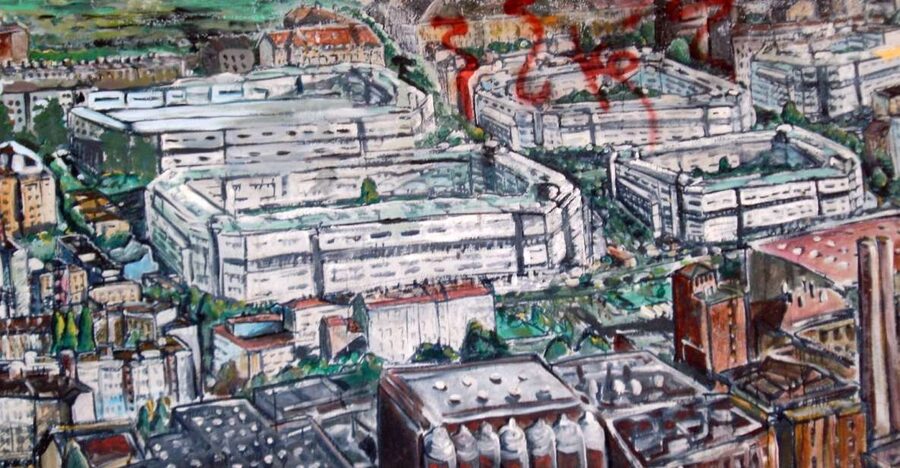
If you only skim Berlin from the main sights, you can miss how neighborhoods change. This tour is built around that lesson. You start in Schillerkiez, a residential area that took shape in the early 1900s, then you move to Rollberg, where the tone of the district has shifted again and again.
What makes it work is the pacing. Ninety minutes is short enough to stay sharp, long enough to connect causes to effects. Instead of a long lecture, you get a walk that keeps returning to one theme: how transport, jobs, and local identity can rewrite a place.
The contrast is also the point. Schillerkiez gives you tree-lined streets and everyday Berlin habits like grabbing coffee and checking out local places. Rollberg changes the mood, focusing on how reputation and perception moved over time. You end up with two neighborhood “reads,” not just two neighborhoods.
Where you meet and what “private group” changes for you
You meet at Hermannstraße 221, 12049 Berlin, in Neukölln. It is an easy address to plug into maps, and the area around Hermannstraße is the kind of spot where you can quickly look around before the walk starts.
Because this is a private group format (priced per group up to six), you generally get more of the human stuff that makes walking tours better. In practice, that usually means questions can land faster, and the guide can shape the pace a bit. That matters when you want details, not just general explanations.
One practical consideration: this is a walking tour with a set duration. Even if you are in a small group, you should expect steady movement for the whole 90 minutes. And again, it is not suitable for mobility impairments, so if you need step-free options, you will want to choose a different kind of tour.
Schillerkiez: early 1900s housing that got reshaped by Tempelhofer Feld
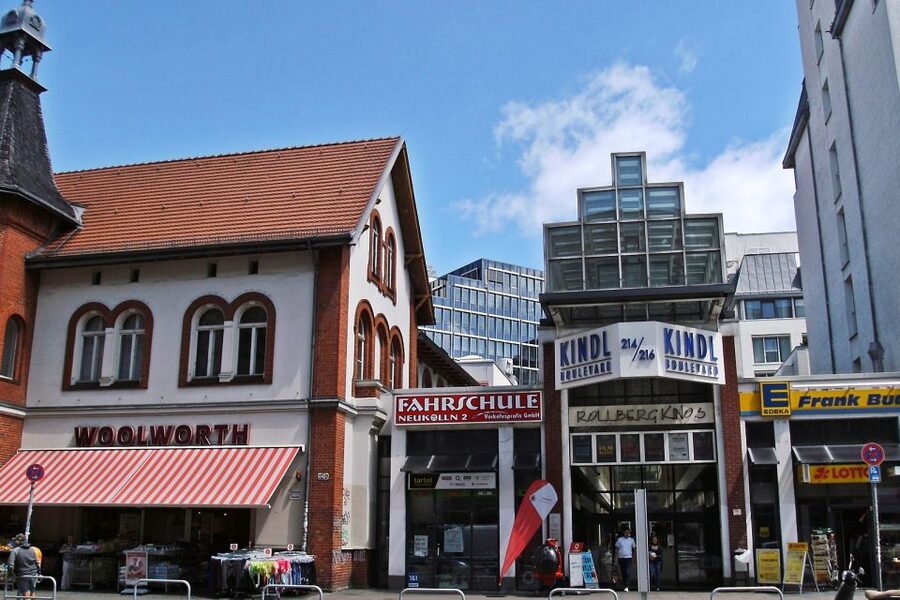
Schillerkiez is the part of the story where you learn to notice the structure of a neighborhood. The tour frames Schillerkiez as a residential district built at the beginning of the 20th century. That means the street layout, the housing scale, and the feel of daily life all point back to an era when Berlin was expanding and people wanted homes near jobs and transit.
Then comes the turning point: the neighborhood changed alongside the opening and closure of the nearby Tempelhofer Feld airport. That airport presence is not treated like a distant landmark. You see it as an active force that influenced how the area developed, and how people talked about the district.
This is one of the reasons I like this tour. It helps you stop thinking of Berlin history as something sealed behind museums. Instead, you understand it as a chain reaction. A transport hub opens, people relocate and businesses adjust. Later, when that role changes or ends, the neighborhood has to re-adapt. Even if you do not memorize dates, you start to recognize the logic.
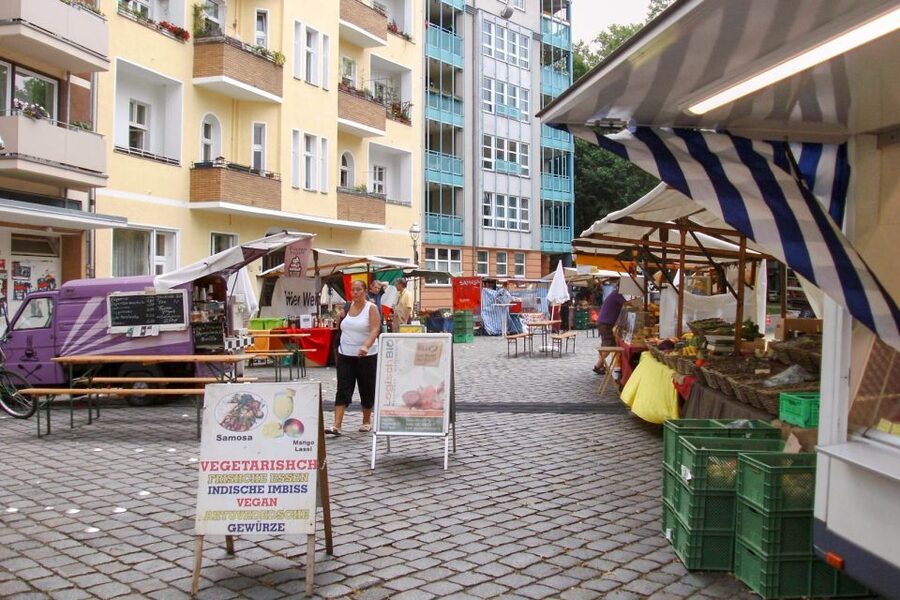
As you walk, you also get the neighborhood texture: tree-lined streets, and the mix of restaurants and cafes that make Schillerkiez feel like a place people live, not only a place they visit. The tour connects those modern hangouts to the older residential identity, so the area feels less random and more intentional.
The Neukölln point of view for Tempelhofer Feld’s big presence
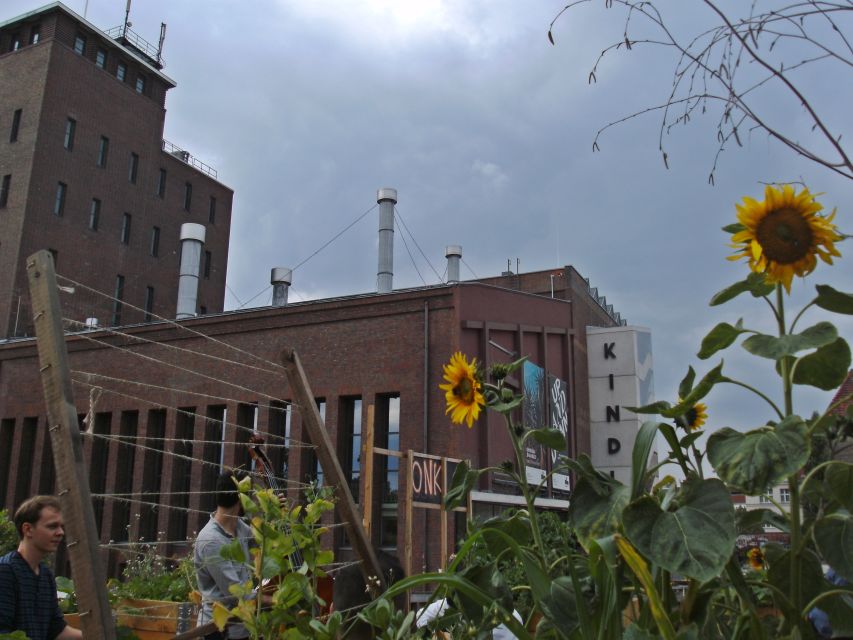
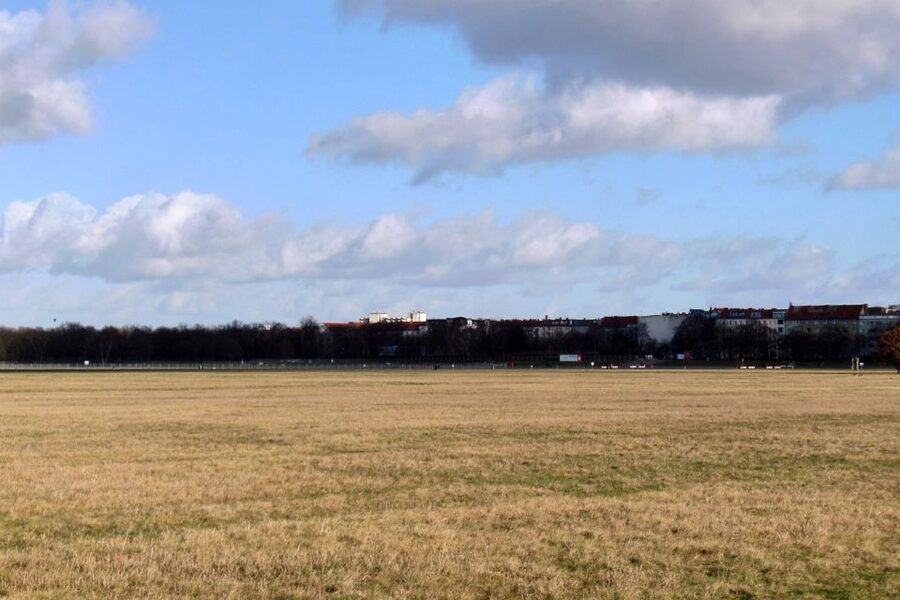
One of the highlights is seeing the giant Tempelhofer Feld from the Neukölln side. The point of view matters. From this direction, the scale feels different, and it is easier to understand why the airport era mattered so much.
Tempelhofer Feld can be an abstract “place you’ve heard of” if you just read about it. This walk makes it tangible. You learn how the surrounding neighborhoods fit around it, and you understand why Schillerkiez’s story is tied to that open space and the airport that once operated nearby.
I also like that the tour keeps the focus on how Berliners experienced the space. You are not stuck in one-photo-mode. You get the mental map: this open expanse was tied to movement, travel, and infrastructure, and when that function shifted, the neighborhood around it had to shift too.
And if you are doing this tour early in your trip, it is a smart move. It helps you later when you head back to Tempelhofer Feld on your own. You will have a better instinct for where you are and what you are looking at.

Rollberg’s shifting reputation, and why perception is part of the walk
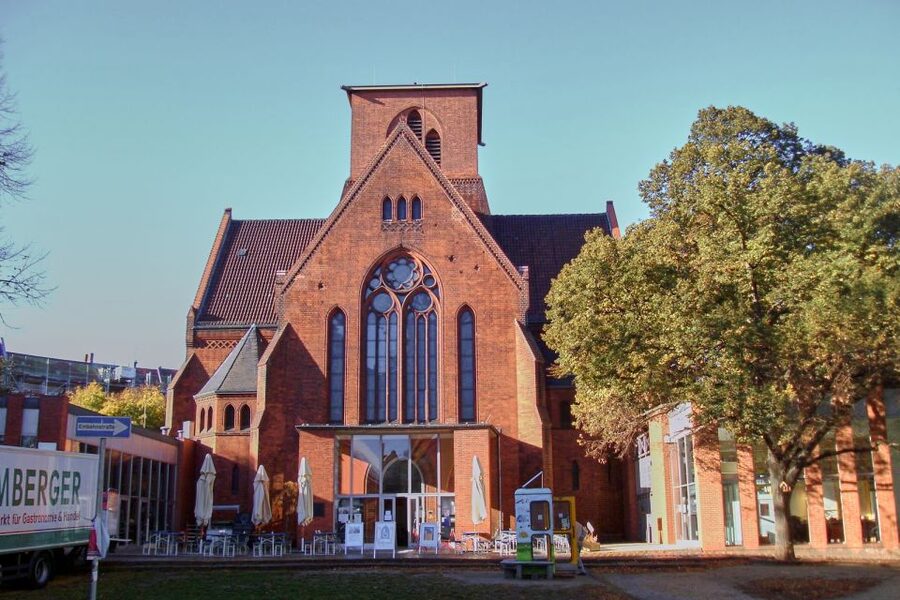
Once you cross into Rollberg, the tone changes. The tour focuses on the changing reputation Rollberg has had in recent years, which is exactly the kind of angle that often gets overlooked. Neighborhoods are not just buildings. They are also stories people tell about them.
The guide, Reinhold Steinle, is especially good at making that discussion street-level. The tour is not only saying Rollberg has had a rough reputation. It also explains how those views formed and how they shifted. That turns the conversation from vague stereotypes into something more useful: how people label areas, and how those labels can affect everyday life.
If you care about Berlin beyond the headline attractions, this is where you get the most payoff. You start understanding why some streets feel “normal” while others carry extra baggage in public conversation. Even if you have never lived in Berlin, you can relate to the idea that reputation spreads faster than facts.
One more thing I appreciate: you are not left with only criticism. The walk keeps a balanced tone, showing you that neighborhoods evolve, and that the present is shaped by what came before.
The Captain of Köpenick link, using a story to explain a place
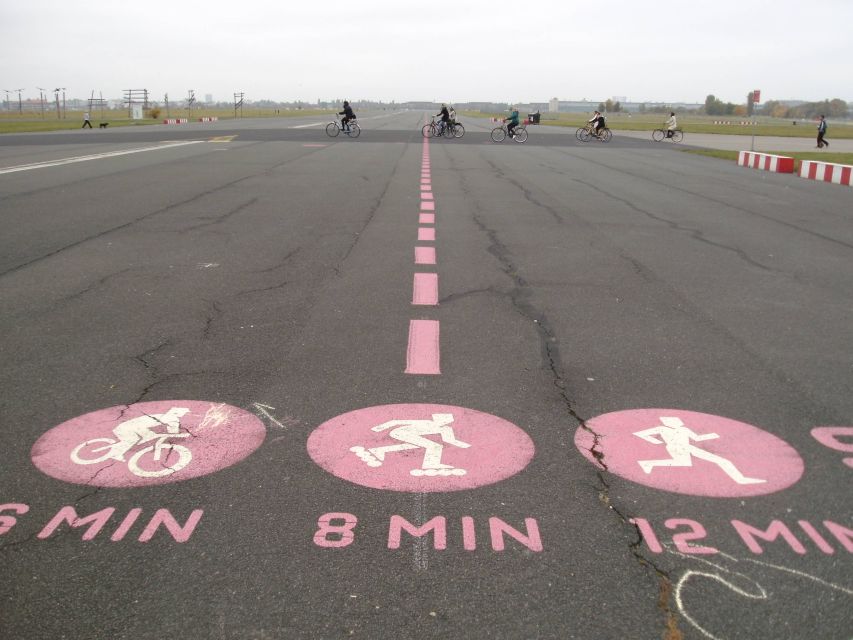
The tour includes an important narrative thread: the Captain from Köpenick, and what he has to do with Rollberg. This is one of those Berlin connections that can sound like trivia until you see why it is used.
Here, the Captain of Köpenick story functions as a lens. Instead of treating the neighborhood’s history like a list of events, the guide uses the story to talk about authority, identity, and how people interpreted behavior in public space. That is the key. You are learning how a cultural story can reflect tensions a society is dealing with, and how it gets remembered in relation to real districts.
I like tours that make you look at history through human meaning. This does that by tying the Köpenick story to Rollberg rather than treating it as an isolated fact you either know or you do not.
You leave with a better sense of how Berlin’s storytelling works. A city does not only preserve buildings. It also preserves themes, and those themes resurface when you walk through the neighborhoods connected to them.
Street-by-street guidance, and what Reinhold Steinle is praised for
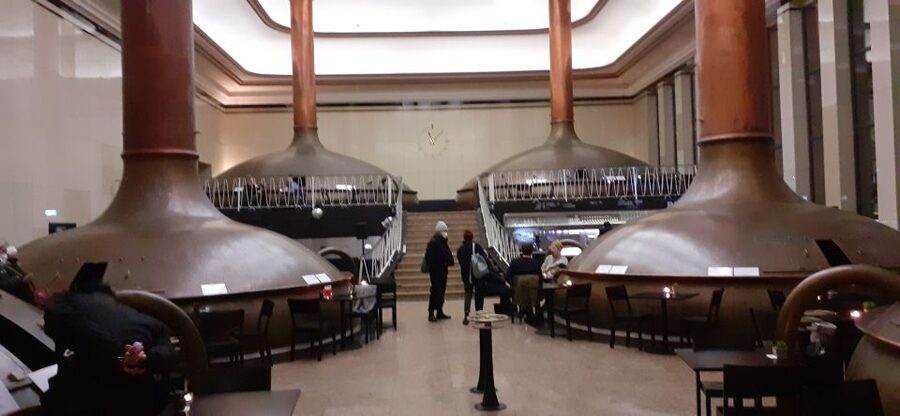
The reviews around this tour highlight one thing again and again: the guide is passionate and detail-driven. People specifically mention that Reinhold Steinle is friendly, provides a lot of detail knowledge, and shares anecdotes that make the places feel worth slowing down for.
One review even points out that he lived in the Kiez for years. That sort of firsthand context is gold on a tour like this. It does not mean he claims secret knowledge. It means he can explain what people actually notice, what changed over time, and what still feels the same.
I’d also note the tour seems to work well even if you think you already know Berlin. The point is not to repeat guidebook facts. It’s to give you a sharper way to look. When you walk through Schillerkiez and Rollberg with the background in your head, streets start to make sense.
And because it is a small private group, you get a more personal feel. It is not a giant herd-moving operation where one person’s questions drown out everyone else.
The written summary and tips, the part you’ll thank yourself for later
At the end of the tour, you get a written summary that covers the most important content. You also get tips from the guide for further ventures and places worth seeing.
That may sound small, but it is a big deal if you like to plan your next steps. Walking tours often end with a blur of streets and names. A written recap helps you anchor the details while they are still fresh. It also makes it easier to decide what to do the rest of your day, because you are not guessing what the guide thought was essential.
I also like the “tips” angle. If you only rely on big-name attractions, you can miss the best parts of local life. The guide’s suggestions should help you focus on neighborhoods and stops that fit what you just learned.
Price and value: $70 per group up to 6
This tour is priced at $70 per group for up to six people, lasting 90 minutes. The value depends on how you travel.
If you can fill a group near six, the cost per person drops dramatically, which is when this kind of guided neighborhood tour becomes a steal. Even at smaller group size, paying as a group can still work out better than solo pricing for many city walking experiences.
You are paying for three things that matter: a live German guide, a focused neighborhood contrast (Schillerkiez and Rollberg), and a written summary plus recommendations. That is more value than a basic self-guided walk where you have to figure out the connections alone.
So here is the practical takeaway: this is best value if you are traveling with friends or family who enjoy history and want to walk at a human pace. If you are solo, it can still be worth it, but you may want to consider whether you are paying for flexibility more than for a high volume of stops.
Who this tour suits best (and who should pick something else)
This is a great fit if you want a neighborhood-level Berlin perspective, not just the iconic sights. You will especially enjoy it if you like stories tied to real streets, and if you care about how transit and infrastructure reshape life.
It also suits people who like learning from a guide who uses detail and anecdotes, and who appreciates a written takeaway. The German language is a factor, though. If you are not comfortable in German, you might feel left out, even with a written summary.
It is not suitable for people with mobility impairments, so if accessibility is your main concern, you will need a different format.
Practical tips to get more from a German-led neighborhood walk
- Wear comfortable shoes. This is a 90-minute walking tour, and the route is across neighborhood streets, not inside museums.
- If your German is basic, still go. You can catch key terms and let the guide’s pace carry you, especially since you get a written summary at the end.
- Bring curiosity about everyday places, like cafes and local blocks. The tour connects those to broader changes, so look around as you walk.
- Use the written summary immediately after the tour to plan your next stops. It is meant to help you keep the information you just learned.
Should you book the Berlin Schillerkiez and Rollberg walking tour?
Book it if you want a focused, neighborhood-based Berlin experience with strong storytelling and a guide who is praised for passion and detail. The Tempelhofer Feld angle alone is a good reason, because it gives you a clearer sense of scale and history than most casual visits. Add in Rollberg’s changing reputation and the Captain of Köpenick connection, and you get a walk that feels specific, not generic.
Skip it if you need an English-language tour, if mobility is an issue, or if you want only major monuments and big photo landmarks. This one is for people who enjoy seeing how Berlin actually works street by street, and who like leaving with a clean written recap, not just vague impressions.
FAQ
How long is the Schillerkiez and Rollberg walking tour?
The tour lasts 90 minutes.
What does it cost?
It costs $70 per group, for a group size of up to 6.
Where do I meet the guide?
The meeting point is Hermannstraße 221, 12049 Berlin, Neukölln.
What language is the live guide?
The live tour guide speaks German.
What is included in the tour?
You get a guide, a written summary of the most important content at the end of the tour, and tips from the guide for further places to see.
Is food or drink included?
No, food and drink are not included.
Can I cancel and get a full refund?
Yes. Free cancellation is available up to 24 hours in advance for a full refund.
Is the tour suitable for people with mobility impairments?
No, it is listed as not suitable for people with mobility impairments.
Pavements of Berlin
Everything else we filed on Berlin
- Private Photo Tour in Kreuzberg
★ 5.0 · 3 reviews - Kreuzberg Private Walking Tour: Immigrants, Artists & Hipsters
★ 5.0 · 3 reviews - Berlin’s Jewish Heritage: Private Tour of the Vibrant Jewish District
★ 5.0 · 3 reviews - Individual city tour Berlin for max. 8 persons
★ 5.0 · 3 reviews - Berlin & The Third Reich Private Guided Tour
★ 5.0 · 3 reviews - Private Analogue Photography Experience in Berlin
★ 5.0 · 3 reviews
Walking Tours, side by side.
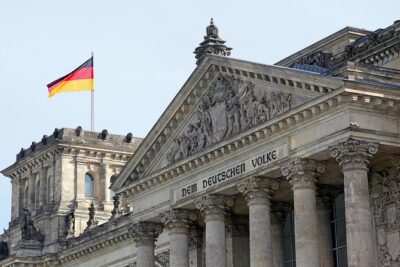 ★ 5.0Discover Berlin Half-Day Walking TourFrom $249,624 reviews
 ★ 4.9Berlin: Third Reich and Cold War 2 Hour Walking TourFrom $236,830 reviews
 ★ 4.6Munich: Third Reich & WWII Walking TourFrom $316,181 reviews
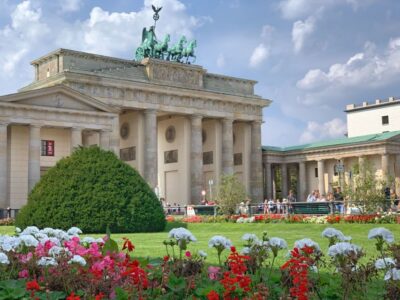 ★ 4.9Berlin: Discover Berlin Walking TourFrom $235,998 reviews
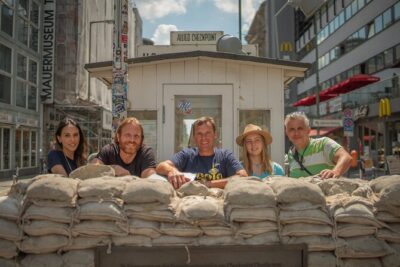 ★ 5.0Berlin’s Best: 2 Hour Walking Tour Third Reich and the Cold WarFrom $245,486 reviews
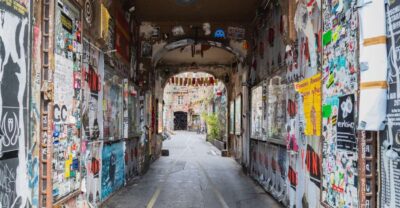 ★ 4.8Berlin: Hidden Backyards Guided Walking TourFrom $235,360 reviews
 ★ 4.5Third Reich Walking Tour MunichFrom $454,291 reviews
 ★ 5.0Third Reich Berlin: Hitler and WWII Walking TourFrom $243,301 reviews