
REVIEW · WALKING TOURS
Berlin: Sightseeing Walking Tour of the Top 20 Attractions
Berlin can feel like 10 different cities at once. This 3-hour private guide walk packs them into one clear route, with dry Berlin humor keeping the heavy stuff from turning dry. You cover major landmarks fast, but the stories stay human and practical.
Two things I really like: you hit the big ticket symbols like Brandenburg Gate, then you balance them with hard, specific stops like Topography of Terror, not just background fluff. Also, the guides are a big part of the value, with Carlos, Carlo, Max, and Antonella praised for strong English and for adding personal, on-the-street detail.
One consideration: you’re walking about 6 km and you’ll be near sites connected to the Holocaust Memorial and the crimes of the Nazi era. If that’s not your comfort zone, plan ahead for how you want to handle the emotional weight while still enjoying the architecture and viewpoints.
In This Review
- Key highlights you should care about
- From Paul-Löbe-Haus to Berlin’s power axis: where the tour finds its rhythm
- The German Chancellery and Reichstag: architecture that makes politics feel real
- Holocaust Memorial and Topography of Terror: confronting history, with context you can carry
- Brandenburg Gate and the longer Wall story: how Berlin teaches itself on the street
- Potsdamer Platz to Checkpoint Charlie: the Cold War told like a street map
- Martin-Gropius-Bau and the memorial-minded stops: architecture between eras
- Gendarmenmarkt and Bebelplatz: grand squares, then a history lesson with receipts
- Lustgarten, Berlin Cathedral, and Museum Island: turning street views into a plan for later
- Finishing at Friedrichsbrücke: where you can immediately continue without hunting
- Price, time, and walking: getting your money’s worth from a 20-site route
- Who should book this walking tour, and who should skip it
- Should you book this Berlin Top 20 walk?
- FAQ
- How long is the Berlin Sightseeing Walking Tour?
- Where does the tour meet?
- What time does the tour start?
- How much walking is involved?
- What languages are available?
- Is the tour wheelchair accessible?
- Can I get a refund if my plans change?
Key highlights you should care about
- Top 20 sights in 3 hours, so you leave with a map in your head, not just photos on your phone
- Major landmarks plus Cold War landmarks, including Checkpoint Charlie and longer Wall segments
- A guide-led storytelling style, with humor that keeps the pace lively without skipping the meaning
- Stops like Bebelplatz and the Berlin Cathedral area, where Berlin’s political history meets culture
- About 6 km on foot, with a route that prioritizes real street experience over bus rides
Other walking routes through Berlin
- Berlin: Third Reich and Cold War 2 Hour Walking Tour★ 4.9 · 6,830 reviews
- Berlin: Discover Berlin Walking Tour★ 4.9 · 5,998 reviews
- Berlin’s Best: 2 Hour Walking Tour Third Reich and the Cold War★ 5.0 · 5,486 reviews
- Berlin: Hidden Backyards Guided Walking Tour★ 4.8 · 5,360 reviews
From Paul-Löbe-Haus to Berlin’s power axis: where the tour finds its rhythm
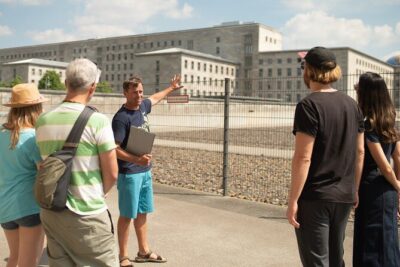
The walk starts at Paul-Löbe-Haus, right by Konrad-Adenauer-Straße 1, opposite the Federal Chancellery. This is a smart start point because you’re placed at the edge of Berlin’s government district, where the city’s political story becomes visible just by walking a few minutes.
After the initial meet-up, the pacing quickly turns from “sightseeing” into “why this place matters.” You’ll be moving through the official streets, past the kind of buildings that look dramatic even when you are just standing there. That matters for first-timers, because Berlin’s layout can be confusing. This tour gives you a sequence you can remember.
If you like to ask questions, this tour style is built for that. It’s private or small group, and the guide can adapt based on your interests. That flexibility is one of the reasons people report feeling oriented fast, even after a packed route.
The German Chancellery and Reichstag: architecture that makes politics feel real
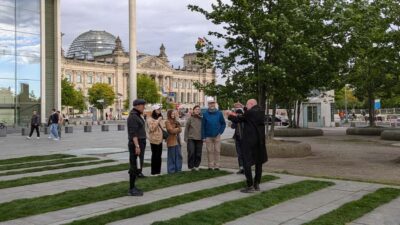
One of the tour’s strengths is how it uses stops in Berlin’s administrative core to explain how power works in physical space. The German Chancellery area helps you connect the dots between modern governance and Berlin’s layered history. You’re not just looking at a landmark. You’re learning how the city organizes authority, ceremonies, and public visibility.
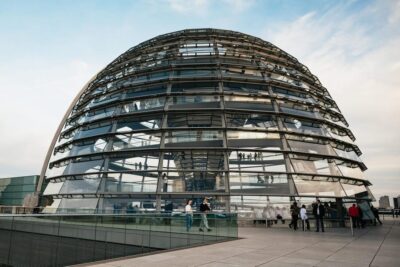
Then you move toward the Reichstag area. Even if you only catch parts from the sidewalk, the impact is immediate. Berlin’s parliament zone is where you can feel the city’s transition from imperial era to division to reunification. The guide’s role here is key: they turn the stones and statues into a story you can follow.
A practical note: this kind of stop can be photo-friendly, but it’s also a place where people tend to cluster. If you care about pictures, your best move is to ask your guide when to step slightly to the side for the cleaner angles. In the tour format, guides can usually give you enough time to photograph without making the group feel stalled.
Holocaust Memorial and Topography of Terror: confronting history, with context you can carry
Berlin does not shy away from the past, and this tour doesn’t treat those sites like a quick checkbox. You’ll visit the Holocaust Memorial, and the point is not only to recognize it, but to understand what you are seeing and why it was built in this specific way.
Right after, you head toward Topography of Terror, located on the grounds tied to the former Gestapo headquarters. This stop is heavy, and the value here is the guide’s ability to connect architecture and location to what happened there. The tour description explicitly frames it through Nazi and Cold War history, so you are not guessing at meaning while standing there.
I like that the tour keeps the storytelling tied to everyday street-level clues. It helps you move from emotion to comprehension, not by softening the facts, but by making them legible. If you tend to feel overwhelmed at memorials, you can control your pace a bit by lingering for the part that hits you most, then letting the guide move you forward when you are ready.
Brandenburg Gate and the longer Wall story: how Berlin teaches itself on the street
One of the selling points is that you do more than the simplest “Top 10.” The route includes key sites of Nazi and Cold War history, along with longer sections of the Wall than many shorter loops. That matters because Berlin’s division was not just an event. It shaped movement, daily routines, and the geography of neighborhoods.
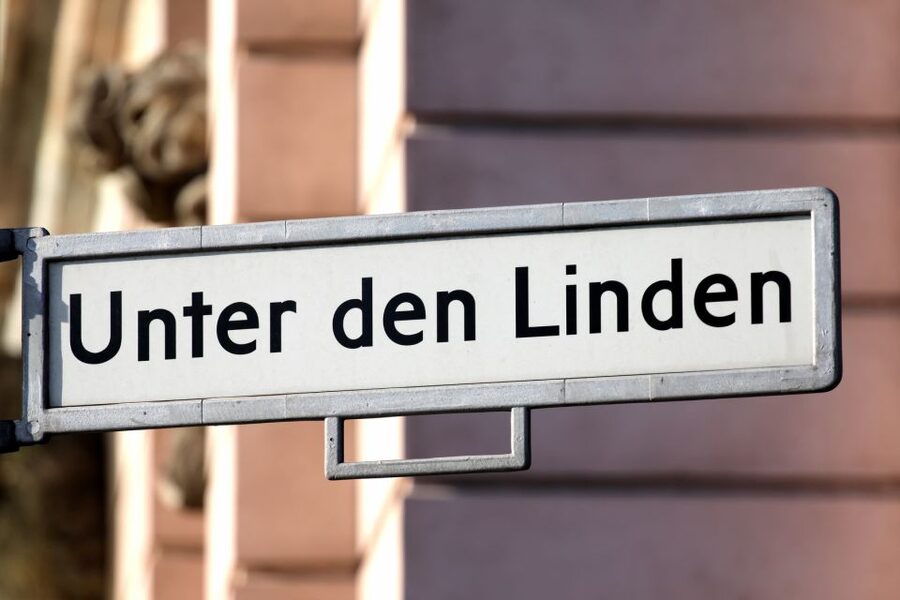
The guide’s job becomes translation. Standing in the government district and then continuing toward iconic points, you start to see how modern Berlin was built on top of division. When the tour includes Brandenburg Gate and the wider corridor around Unter den Linden, it helps you connect the ceremonial center to the political past.
This is also where the humor helps most. Humor does not erase tragedy, but it can keep your brain engaged. Guides on this tour are described as using a touch of Berlin humor and telling stories with passion, which keeps the walk from turning into a monotone lecture.
Potsdamer Platz to Checkpoint Charlie: the Cold War told like a street map
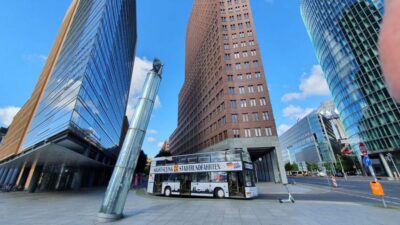
The tour moves through the city with Potsdamer Platz in the middle of the story, then to Checkpoint Charlie, one of the most famous Cold War crossing points. Potsdamer Platz is a useful transition because it’s visually unmistakable and feels like “today Berlin.” From there, Checkpoint Charlie gives you the sharp contrast: this is where the city’s division turned into a lived barrier.
For first-timers, this sequence works. Potsdamer Platz reminds you Berlin can be sleek and modern. Checkpoint Charlie shows you why that modern vibe is so layered. The guide’s explanations are what make it click, because the significance is historical, but the details are often not in your usual travel brain.
Checkpoint Charlie is also where I’d say to manage expectations about crowds. It’s a famous stop, so you may have to share space for photos. If the guide has you take a moment to step aside or wait for a brief opening, it makes a big difference in how enjoyable the visit feels.
Martin-Gropius-Bau and the memorial-minded stops: architecture between eras
You’ll pass Martin-Gropius-Bau, a notable building along the route. Even without going deep into museum programming, its placement helps reinforce the idea that Berlin’s story is ongoing. Buildings like this sit in the same city that later carried propaganda, wartime grief, and postwar rebuilding.
This kind of stop is useful if you like your history connected to what you can see now. Berlin is not a theme park of the past. It’s a working city with layered buildings that kept being repurposed and reinterpreted. A good guide helps you notice that without making you feel lost.
Gendarmenmarkt and Bebelplatz: grand squares, then a history lesson with receipts
The tour brings you to Gendarmenmarkt, one of Berlin’s most striking squares. It looks like it belongs in an elegant postcard, but the guide uses it to orient you in the city’s cultural and political geography. This stop is where the walk shifts back into architecture appreciation, with the history staying in the background but still active.
Then comes Bebelplatz, linked to the infamous book burning. This is one of those “small location, big message” moments. It’s not just a monument. It’s a reminder of how regimes try to control thought. The guide’s storytelling here is what makes it land, because you need context to understand how this site fits into the broader Nazi era story.
If you care about the relationship between politics and culture, this pairing works well. The square gives you beauty and scale. Bebelplatz gives you the motive and the cost.
Lustgarten, Berlin Cathedral, and Museum Island: turning street views into a plan for later
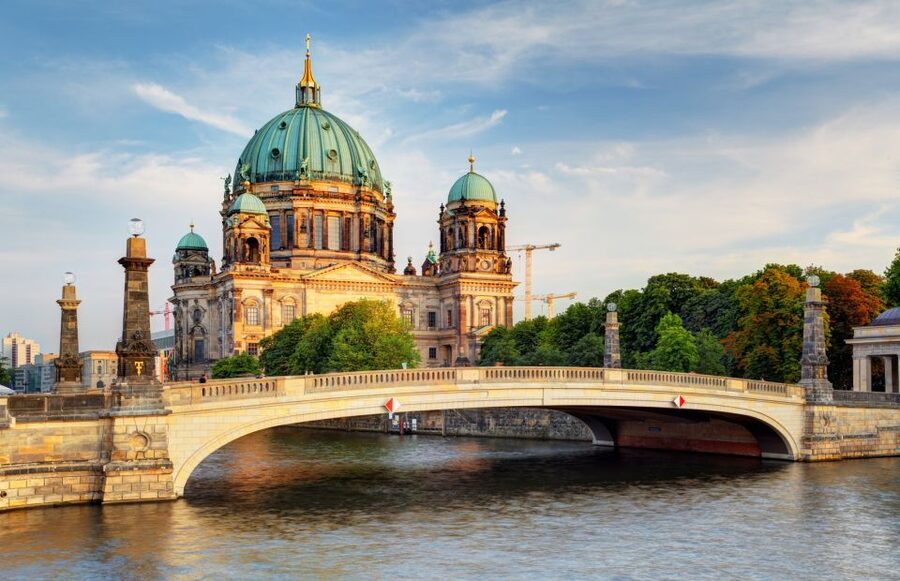
As the tour moves toward the Lustgarten area, then to the Berlin Cathedral, you start getting the sense that the walk is building toward Berlin’s cultural centerpiece. You are not just moving randomly across the city. You are heading toward a cluster of sights where you can keep exploring after the tour ends.
Museum Island is part of the plan, and it’s a great capstone in a 3-hour format because it signals where you can spend more time if you want to go deeper. You may also see the Alte Nationalgalerie area, which adds an art-history anchor without requiring a ticketed museum hour.
One small drawback of ending near this zone, especially if you love museums, is that you may want to instantly keep going. That’s not a problem if you planned your day with flexibility. If you are on a tight schedule, decide in advance what you want to revisit once the tour ends at Friedrichsbrücke.
Finishing at Friedrichsbrücke: where you can immediately continue without hunting
The tour ends at Friedrichsbrücke. That finish point is practical because it leaves you near a major crossing area, so it’s easier to choose your next move. If you want to eat, wander, or connect to transit, you are not stuck at some obscure pocket of the city.
I like this finish strategy for a quick sightseeing day. After three hours, your brain is full. Having a clear exit ramp helps you turn that information into action, instead of just needing a long sit-down.
Price, time, and walking: getting your money’s worth from a 20-site route
At $94 per person for a 3-hour walk, this is not the cheapest way to see Berlin. The value comes from a few specific things that add up.
First, you’re getting a certified local guide with a storytelling approach built for street-level learning. Guides like Carlos and Carlo have been praised for being personable and for sharing personal stories that make the Wall era feel immediate. Max is noted for being warm and friendly, and Antonella is called out for delivering a wonderful experience. That kind of guide performance is a big part of what you are paying for.
Second, it’s a Top 20 route, which is longer than the classic shorter highlights loops. That matters because Berlin’s “greatest hits” are easy to memorize, but harder to connect. By layering in Checkpoint Charlie, Topography of Terror, longer Wall segments, and key cultural-political sites, you get a broader framework in the same half-day slot.
Third, the tour is built around walking, about 6 km. That’s a manageable distance for many people, but it does mean you should show up prepared. Wear comfortable shoes, bring water, and use your camera when the guide suggests photo breaks.
Finally, people mention the tour can run a bit long when the guide adds extra context. That usually signals a good guide, but it also means you should keep your next appointment flexible if you schedule tightly.
Who should book this walking tour, and who should skip it
This tour is a strong fit if you want:
- A fast orientation in Berlin within a half-day
- Major landmarks plus the hard history, including Nazi and Cold War sites
- A guide who can explain what you’re looking at, and also share practical tips for afterward, like food, nightlife, and neighborhoods to explore
It might not be the best fit if:
- You struggle with emotionally intense stops like the Holocaust Memorial or sites tied to Gestapo terror
- You prefer a slower pace with fewer stops and more time inside museums
If you are traveling with kids or seniors, the tour says it’s suitable for all ages and fitness levels, but you still need to be honest about the walking distance. For families and small groups, the private or small-group format can help keep things manageable.
Should you book this Berlin Top 20 walk?
I’d book it if you want a clear Berlin narrative in one morning or afternoon, with a guide who blends humor, context, and real street orientation. The strongest reason to choose this one is the mix: iconic symbols like Brandenburg Gate and the cultural heart around Museum Island, paired with serious stops like Topography of Terror. That combination helps you understand Berlin as a place where history is not behind glass.
I’d hesitate only if you are not ready for heavy subject matter or you hate walking 6 km over three hours. If that’s you, consider a shorter, lighter route instead.
If you do book, I’d go in with a plan: wear comfy shoes, bring water, and pick one or two themes you care about most. Tell your guide what you want to focus on. With a private or small group format, that choice can shape how satisfying the whole walk feels.
FAQ
How long is the Berlin Sightseeing Walking Tour?
It lasts 3 hours (about 180 minutes).
Where does the tour meet?
The meeting point is in front of the main entrance of the Paul-Löbe Haus, Konrad-Adenauer-Straße 1, 10557 Berlin, opposite the Federal Chancellery.
What time does the tour start?
It runs daily at 10:00 AM and 2:00 PM.
How much walking is involved?
The tour is about 6 km of walking.
What languages are available?
The live guide is available in English, Spanish, and German.
Is the tour wheelchair accessible?
Yes, the tour is listed as wheelchair accessible.
Can I get a refund if my plans change?
You can cancel up to 24 hours in advance for a full refund.
Pavements of Berlin
Everything else we filed on Berlin
- East Berlin: City of Shadows Walking Tour
★ 5.0 · 11 reviews - Berlin: Die Stachelschweine – Frank Lüdecke – Träumt Weiter
★ 4.7 · 11 reviews - Potsdam Day Trip from Berlin with a Local: Private & Personalized
★ 4.0 · 11 reviews - An Introduction to Berlin Walking Tour
★ 5.0 · 11 reviews - DJ for a Day: Learn to Mix Like a Pro in Berlin
★ 5.0 · 11 reviews - 2-H Segway Sightseeing Tour Berlin
★ 4.5 · 11 reviews
Walking Tours, side by side.
 ★ 5.0Discover Berlin Half-Day Walking TourFrom $249,624 reviews
 ★ 4.9Berlin: Third Reich and Cold War 2 Hour Walking TourFrom $236,830 reviews
 ★ 4.6Munich: Third Reich & WWII Walking TourFrom $316,181 reviews
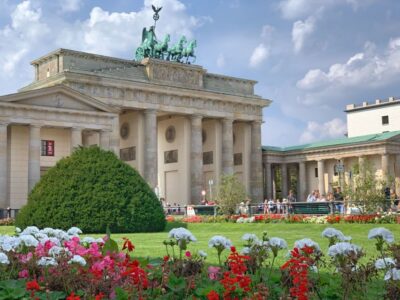 ★ 4.9Berlin: Discover Berlin Walking TourFrom $235,998 reviews
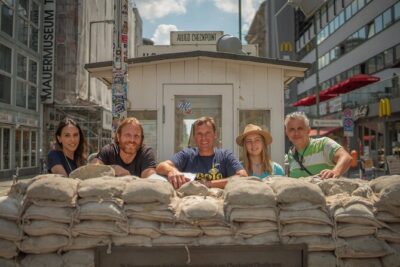 ★ 5.0Berlin’s Best: 2 Hour Walking Tour Third Reich and the Cold WarFrom $245,486 reviews
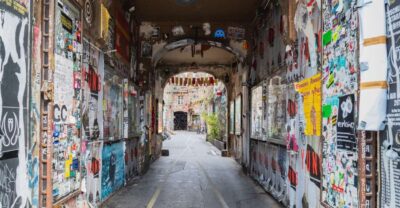 ★ 4.8Berlin: Hidden Backyards Guided Walking TourFrom $235,360 reviews
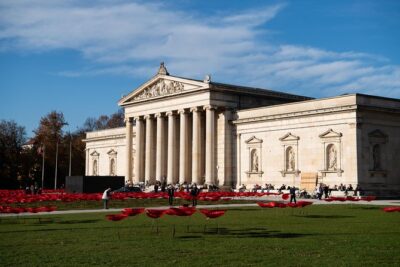 ★ 4.5Third Reich Walking Tour MunichFrom $454,291 reviews
 ★ 5.0Third Reich Berlin: Hitler and WWII Walking TourFrom $243,301 reviews