
REVIEW · WALKING TOURS
Berlin: The Time of National Socialism Walking Tour
Berlin under the Nazis, in two hours. This walking tour threads together still-visible WWII traces with the political turning points that shaped Berlin, starting at the Brandenburg Gate and ending at Topography of Terror. I also like that you walk with a native Berliner guide, so the city feels specific and real, not like a textbook.
One thing to consider: the live guide language is German, so if you need English, this may be harder to follow.
In This Review
- Key highlights to look for
- A 2-hour timeline you can walk, not just read
- Price and group size: what $43 buys you
- Meeting point, weather, and wearing the right shoes
- Starting with Pariser Platz and the Brandenburg Gate
- Reichstag area: power changes, architecture stays
- Tiergarten Soviet War Memorial: the war’s real ending, in tanks
- Holocaust Memorial: what scale does to your thinking
- Johann Georg Elser: resistance you can actually picture
- Hitler’s bunker area and the New Reich Chancellery location
- Detlev-Rohwedder-Haus: government district memories, layered
- Topography of Terror: the machine behind the crimes
- What the guide matters most: Carlo’s impact in real-world conditions
- Who this tour suits (and who should think twice)
- Should you book this Berlin Nazis walking tour?
Key highlights to look for
- Brandenburg Gate to Reichstag, where propaganda and power meet in the same neighborhood
- Tiergarten Soviet War Memorial, with Soviet tanks and artillery still tied to the end of the war
- Holocaust Memorial, placed where you can understand scale, not just memorize facts
- Johann Georg Elser, a key resistance story you might not know before coming
- Hitler’s bunker area and the New Reich Chancellery location, grounded in what you can see nearby
- Topography of Terror, covering SS and state-security headquarters in plain, walking-tour form
Other walking routes through Berlin
- Berlin: Third Reich and Cold War 2 Hour Walking Tour★ 4.9 · 6,830 reviews
- Berlin: Discover Berlin Walking Tour★ 4.9 · 5,998 reviews
- Berlin’s Best: 2 Hour Walking Tour Third Reich and the Cold War★ 5.0 · 5,486 reviews
- Berlin: Hidden Backyards Guided Walking Tour★ 4.8 · 5,360 reviews
A 2-hour timeline you can walk, not just read
This is the kind of Berlin tour that helps you connect the dots fast. In about two hours, you move through major sites tied to National Socialism, then you look at how the war and its aftermath still show up in the city fabric.
The tour’s value is how it treats the Third Reich as a system, not a collection of dramatic speeches. You’ll hear how different parts of the regime worked together, then you’ll see the surrounding geography where that control played out.
And because it is a small group limited to 10, you get a little more breathing room to ask questions if your guide invites them. That matters on a subject this heavy, since you often want context, not just dates.
Price and group size: what $43 buys you
At $43 per person for a 2-hour guided walk, this is not “budget-only,” but it also isn’t a museum ticket price. What you’re paying for is a professional guide who can connect distant locations into one clear story you can hold in your head.
You also get the advantage of timing. Instead of spending half a day bouncing between sites, you get a linear route that ends at Topography of Terror, where many people naturally want to linger. If you like to do a little walking first and then choose what to go deeper on, this format works.
One extra reason the price feels fair: the tour includes a guided stop count that hits the city’s most important Nazi-era landmarks and resistance moments, plus wartime remnants you can recognize outdoors.
Meeting point, weather, and wearing the right shoes
You meet at the exit of S+U Bhf. Brandenburger Tor, exit B, in the direction of Pariser Platz and Straße des 17. Juni. Look for the tour guide carrying the GetYourGuide – You in Berlin flag.
This tour runs in all weather conditions and on public holidays. So dress for cold pavement and wind, especially if you’re going in fall or winter. The route is short, but it is still a walking tour, so your biggest risk is slipping or getting cold fast.
Good to know: it is listed as wheelchair accessible, which can be a relief if you want to avoid transferring between many transit points.
Starting with Pariser Platz and the Brandenburg Gate
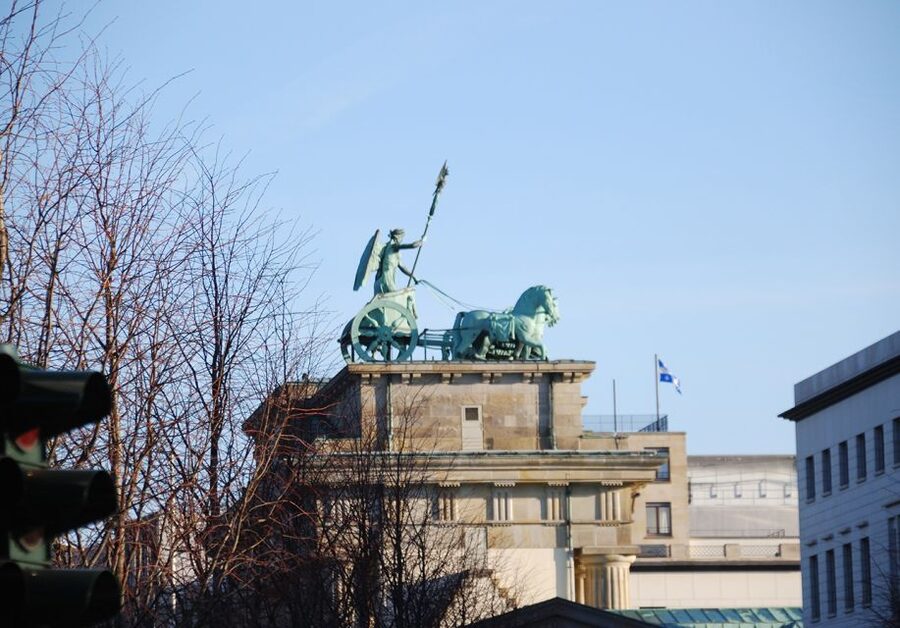
The tour begins near Pariser Platz and then moves straight to the Brandenburg Gate, one of Berlin’s most recognizable backdrops. Under National Socialism, it was used for propaganda marches, so seeing it with historical framing changes the way the scene lands in your brain.
What I like about this start is that it gives you a visual anchor. Even if you have only a basic grasp of Berlin’s Nazi-era timeline, the Brandenburg Gate is the sort of place your mind already maps. The guide then turns that familiarity into understanding.
You’ll also get a sense of how the city’s monumental architecture helped sell the regime’s message. The stone looks timeless. The politics definitely did not.

Reichstag area: power changes, architecture stays
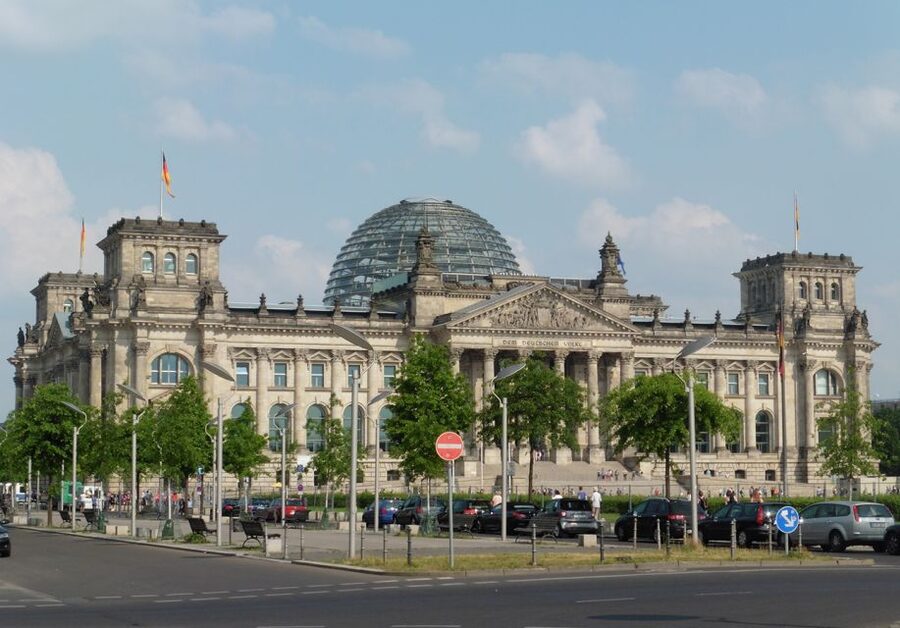
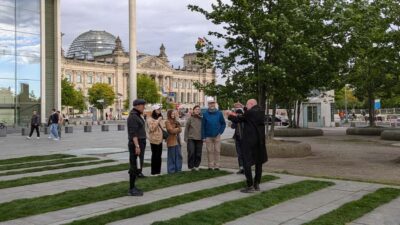
From the Brandenburg Gate, you head toward the Reichstag. Today it is the seat of the German Parliament, but in 1933 it was a key moment in the Nazi Party’s rise to power and the arrival of Adolf Hitler to political leadership.
This stop works because you can stand in the same general space and compare two meanings at once. The building’s current role feels democratic and civic. The guide helps you understand how the same location could also function as a stage for dictatorship.
If you care about how politics uses symbolism, this is one of the most important points on the route. The guide’s job here is to make the connection between public space and power feel logical, not mysterious.
Tiergarten Soviet War Memorial: the war’s real ending, in tanks
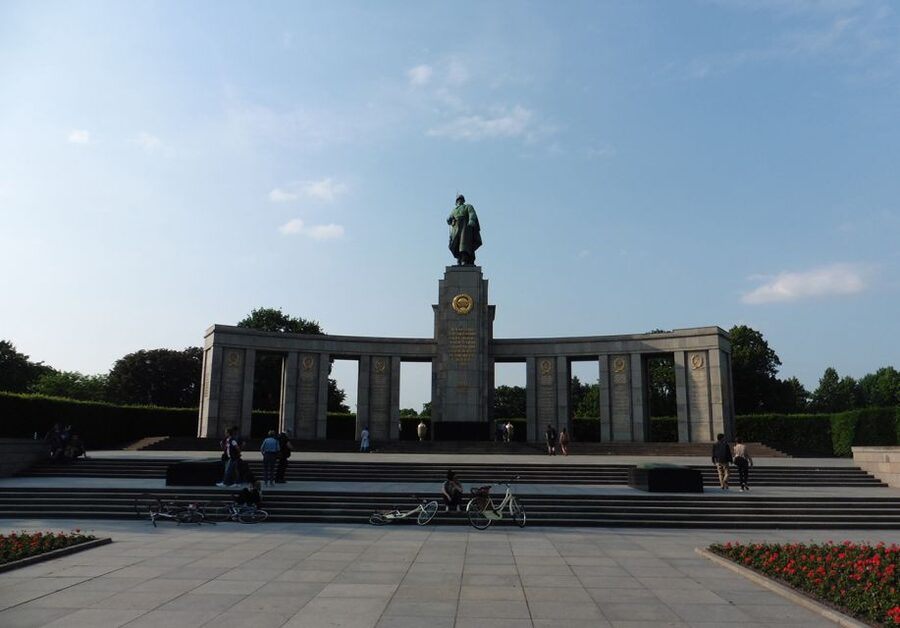
Next up is the Soviet War Memorial in the Tiergarten, where you can see Soviet T-34 tanks and artillery from World War II. This is not a “history wall” moment. It is an outdoors, city-scale reminder that Berlin did not just change regimes peacefully.
What makes this stop meaningful is that it adds the war outcome to the story you started earlier. The Nazi era you’re learning about is central, but the war’s end is what physically shaped what remained.
Even if you have visited memorials before, this one is different because the vehicles and military artifacts make the scale feel immediate. You can also read the surrounding area as part of how Berlin was rebuilt and reinterpreted after the fighting.
Holocaust Memorial: what scale does to your thinking
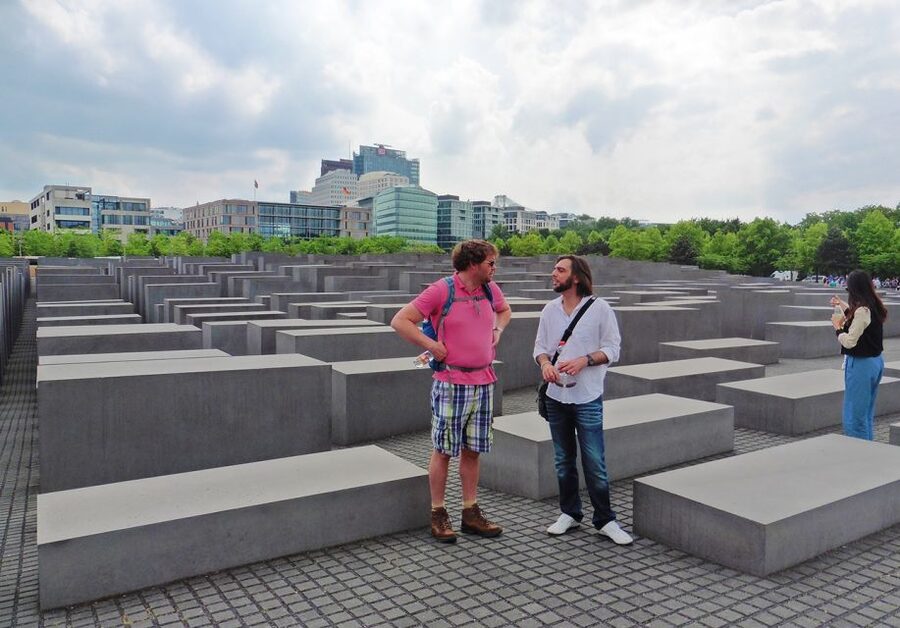
Then you reach the Holocaust Memorial, the memorial to the murdered Jews of Europe. This is where the tour shifts from political machinery to human consequence, and the guide’s framing helps you understand why the site is designed the way it is.
I appreciate that this stop is included in a walking tour about National Socialism, because it prevents the common mistake of treating the topic as only about leaders, parties, and laws. Here, you are reminded that the regime’s actions created mass murder on an industrial scale.
You don’t need special reading material to get something from the place. You need time to notice your own reactions, and you need respectful context. A guided stop helps with both.
Johann Georg Elser: resistance you can actually picture
One of the more striking additions on the route is the Johann Georg Elser Memorial. This is where resistance enters the story in a concrete way, not just as a vague concept.
The tour description emphasizes German Resistance throughout. Elser gives you a named thread you can hold onto. If you only know resistance stories at a headline level, this stop helps you connect the idea to an individual.
This is also a good moment to slow down mentally. The guide’s job here is to show that opposition existed, even under a system that tried to control information and fear.
Hitler’s bunker area and the New Reich Chancellery location
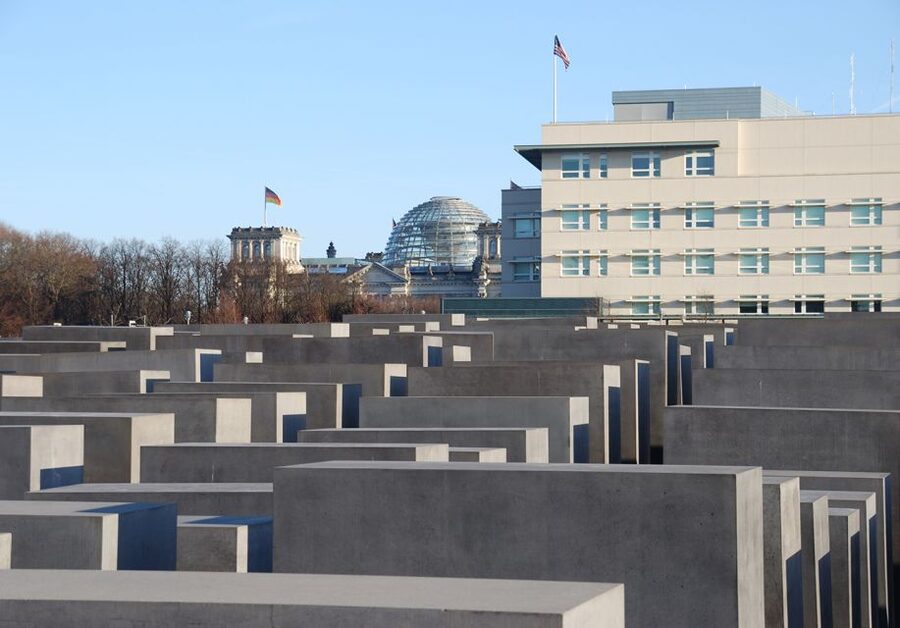
As you move along, the tour includes the location where Hitler’s bunker and the New Reich Chancellery were. Even though you are walking an urban route, the guide connects the ground you are standing on to the regime’s last phase and its collapsing control.
I find these “location-based” explanations powerful because they resist easy denial. The Third Reich is not only in books. It is in the geography of Berlin, even where the original structures are gone.
This stop also helps you understand why Berlin’s later memorial and documentary culture is so focused. The city had to reckon with what happened and where it happened.
Detlev-Rohwedder-Haus: government district memories, layered
Another planned stop is Detlev-Rohwedder-Haus. You might not recognize the building from Nazi-era context right away, but that is exactly why it belongs on a guided route.
A building in the government district can look like any administrative structure, so the guide’s historical context matters. You learn to read the space as layered, with different eras and different political goals using similar forms.
If you’ve ever felt that Berlin can be hard to “decode” because new and old sit side by side, this is one of the stops where the tour gives you the decoding key.
Topography of Terror: the machine behind the crimes
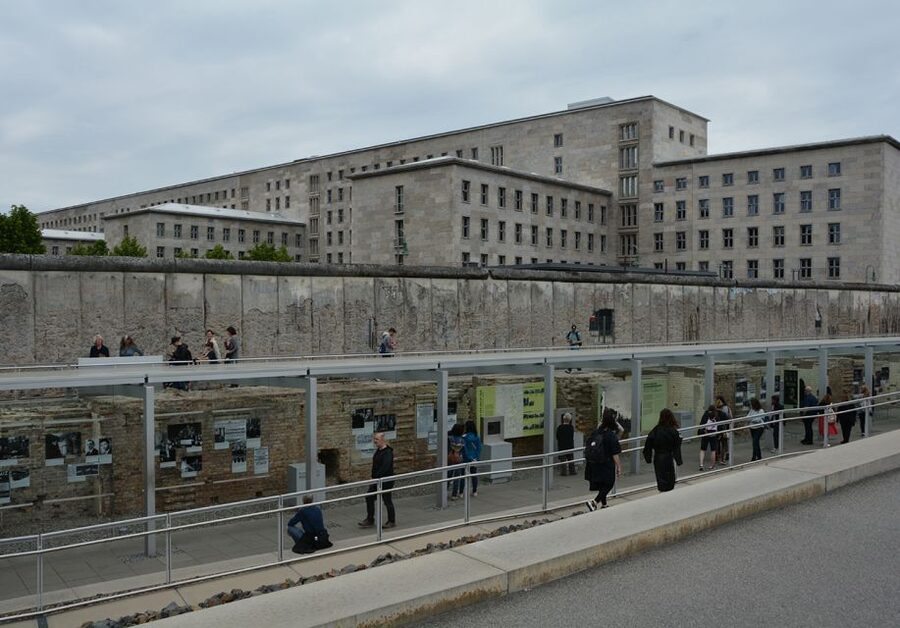
The tour culminates at Topography of Terror, the documentation center. This is where you get clarity about where the headquarters of the SS, the Secret State Police, the Reich Security Main Office, and the Reich Aviation Ministry were located during World War II.
That list is heavy, but it is also exactly the kind of structured information that helps you understand how the regime functioned. Instead of thinking only about ideology, you can see the administrative and security systems that carried it out.
What I like here is the walking-tour logic. Earlier stops give you the political stage. This final area focuses on the bureaucratic and enforcement apparatus that kept the dictatorship running.
If you end here with questions, it is a good sign. This is the kind of site where you may want to spend extra time after the tour, depending on your energy level.
What the guide matters most: Carlo’s impact in real-world conditions
A detail that comes up in guide reviews is how much the experience depends on the person leading it. One guide name you will likely hear in this tour’s context is Carlo, who is described as enthusiastic and very knowledgeable about the buildings at their former sites.
There is also a practical theme in those comments: he pays attention to the group and the weather. One review mentions that in icy, cold conditions, Carlo paced the tour so the group could stay on track, and he also offered additional Berlin tips beyond the tour itself.
That kind of care matters on this topic. When you are walking through emotionally intense locations, you need the pacing to feel steady and respectful.
Who this tour suits (and who should think twice)
This walking tour is a strong fit if you:
- want a clear route through the Nazi era without spending all day hopping between stops
- like learning from a guide who can connect locations to what happened there
- are okay with heavy subject matter and want it handled with context
It may be less ideal if you:
- need a guide in English (the tour language listed is German)
- prefer lighter, more general sightseeing on your limited time
Also, because the tour happens in all weather, you’ll want to plan for cold wind and slick sidewalks.
One review specifically mentions the topic as suitable for teenagers, so if you’re traveling with young people who can handle serious history, this tour could be a thoughtful option with guidance and pace.
Should you book this Berlin Nazis walking tour?
If you are planning a first trip to Berlin and want a fast way to understand the Nazi-era core of the city, I think this is a smart booking. The route is efficient, the stop selection is serious, and the ending at Topography of Terror gives you a strong final anchor.
Book it if you like guided structure, and especially if you want your learning to feel tied to streets, buildings, and memorial scale. Skip it or plan differently if German-only guiding would leave you lost.
My practical advice: wear warm layers, bring sturdy shoes, and expect the day to feel intense. When a tour like this hits its stride, you come away with a map in your head, not just facts in a notebook.
Pavements of Berlin
Everything else we filed on Berlin
- East Berlin: City of Shadows Walking Tour
★ 5.0 · 11 reviews - Berlin: Die Stachelschweine – Frank Lüdecke – Träumt Weiter
★ 4.7 · 11 reviews - Potsdam Day Trip from Berlin with a Local: Private & Personalized
★ 4.0 · 11 reviews - An Introduction to Berlin Walking Tour
★ 5.0 · 11 reviews - DJ for a Day: Learn to Mix Like a Pro in Berlin
★ 5.0 · 11 reviews - 2-H Segway Sightseeing Tour Berlin
★ 4.5 · 11 reviews
Walking Tours, side by side.
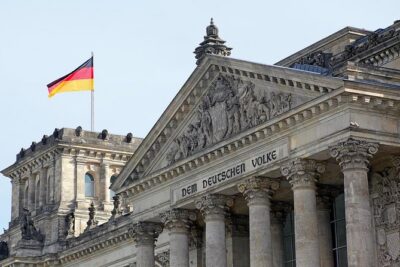 ★ 5.0Discover Berlin Half-Day Walking TourFrom $249,624 reviews
 ★ 4.9Berlin: Third Reich and Cold War 2 Hour Walking TourFrom $236,830 reviews
 ★ 4.6Munich: Third Reich & WWII Walking TourFrom $316,181 reviews
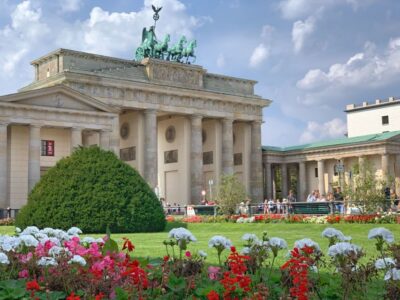 ★ 4.9Berlin: Discover Berlin Walking TourFrom $235,998 reviews
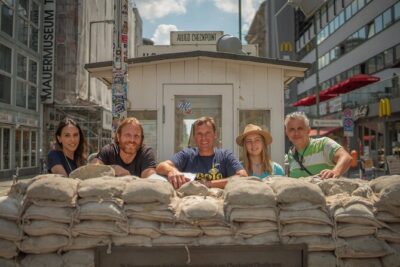 ★ 5.0Berlin’s Best: 2 Hour Walking Tour Third Reich and the Cold WarFrom $245,486 reviews
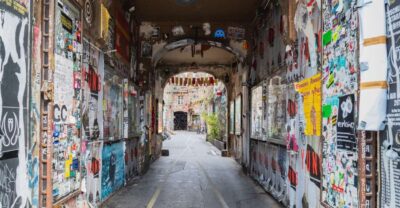 ★ 4.8Berlin: Hidden Backyards Guided Walking TourFrom $235,360 reviews
 ★ 4.5Third Reich Walking Tour MunichFrom $454,291 reviews
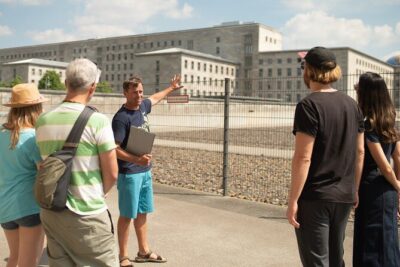 ★ 5.0Third Reich Berlin: Hitler and WWII Walking TourFrom $243,301 reviews