
REVIEW · MUSEUMS
Berlin: Tickets to the Computer Games Museum
Berlin lets you play through gaming history. This museum is Europe’s first Computer Games Museum, with 300-plus exhibits covering decades of how games and hardware evolved, and you can actually try many of the machines yourself. I love the hands-on stations, especially the big-name arcade-style challenges, and I also love the Wall of Hardware that lines up real consoles and handhelds from different eras. The main drawback is simple: the arcade corner can get popular, so you may wait your turn for the machines that draw the most attention.
Your ticket covers both the permanent exhibition and the special exhibition, which matters because it gives you more than one angle on the same story. Expect a mix of legends like Pong, classic cabinet play, and newer 3D gaming experiences, all in one day. For $22 per person, it’s one of the more value-packed museum stops in Berlin if you like pressing buttons, not just reading labels.
In This Review
- Key things to know before you go
- Computer Games Museum Berlin: The 300-Exhibit Time Machine
- Start at Karl-Marx-Allee and Plan Your 3 to 4 Hour Flow
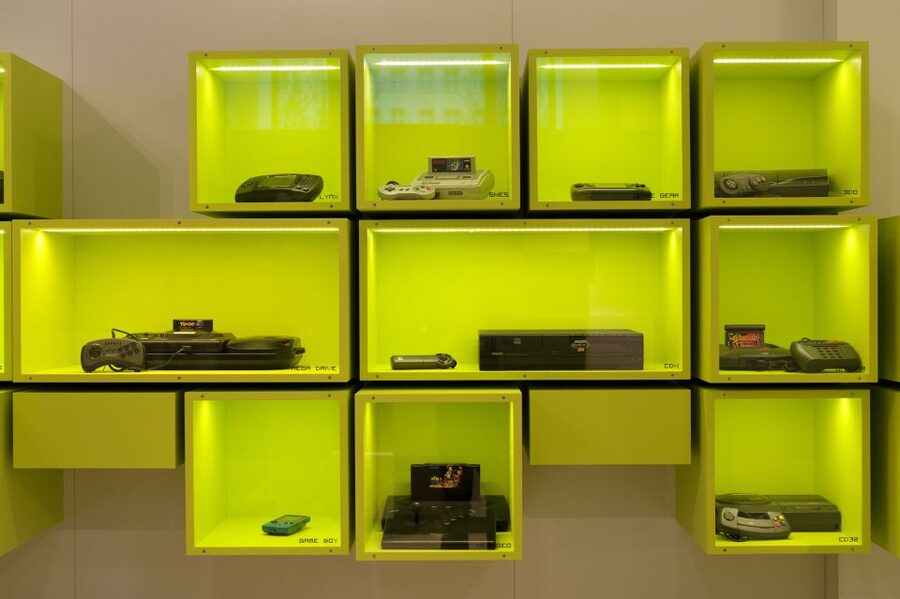
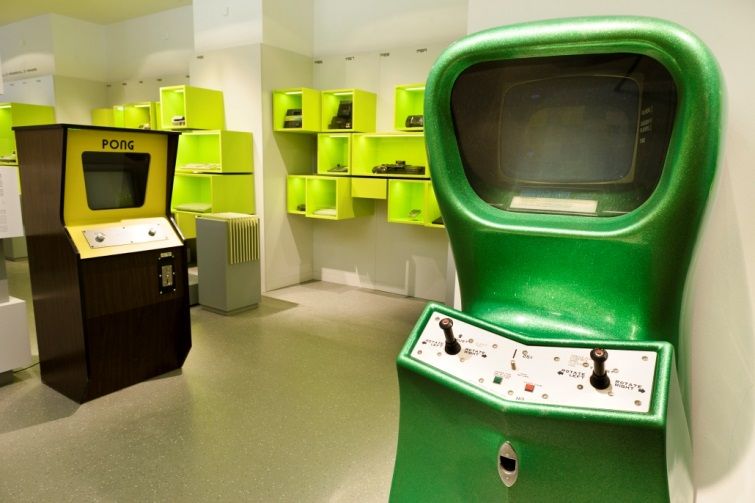
- The Wall of Hardware: Real Machines From Commodore to Playstation
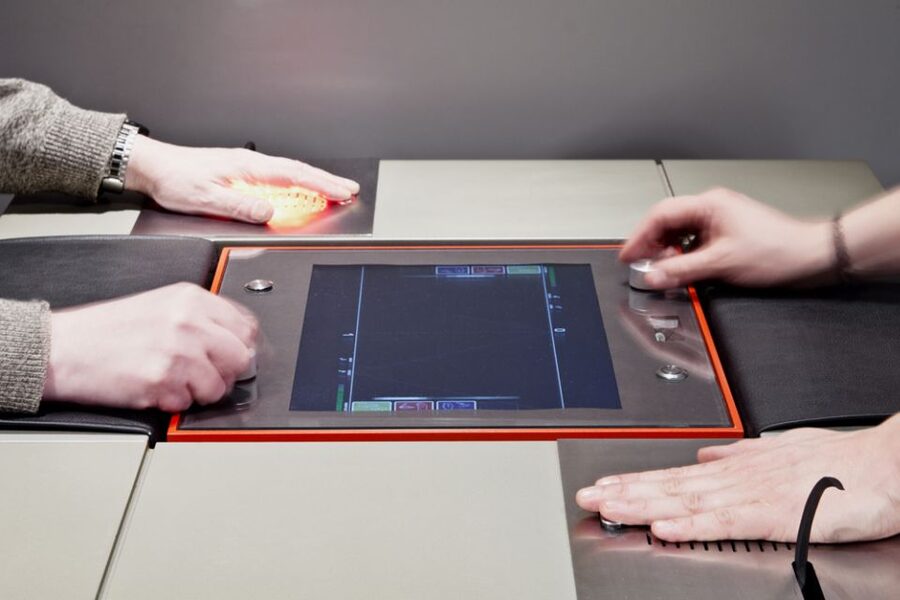
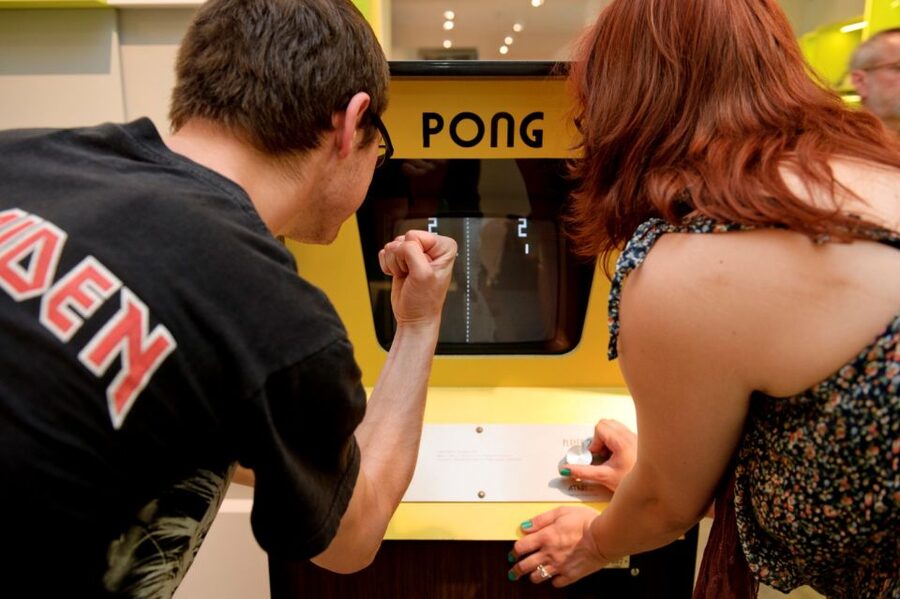
- Pong, Nimrod, PainStation, and the Joy of Pressing Buttons
- PainStation: Worth It, If You’re Up for a Spicy Challenge
- Arcade Corner Time: Donkey Kong, Space Invaders, and Turn-Taking
- Milestones Wall: Pacman, Bomb Jack, and GTA IV in One Breath
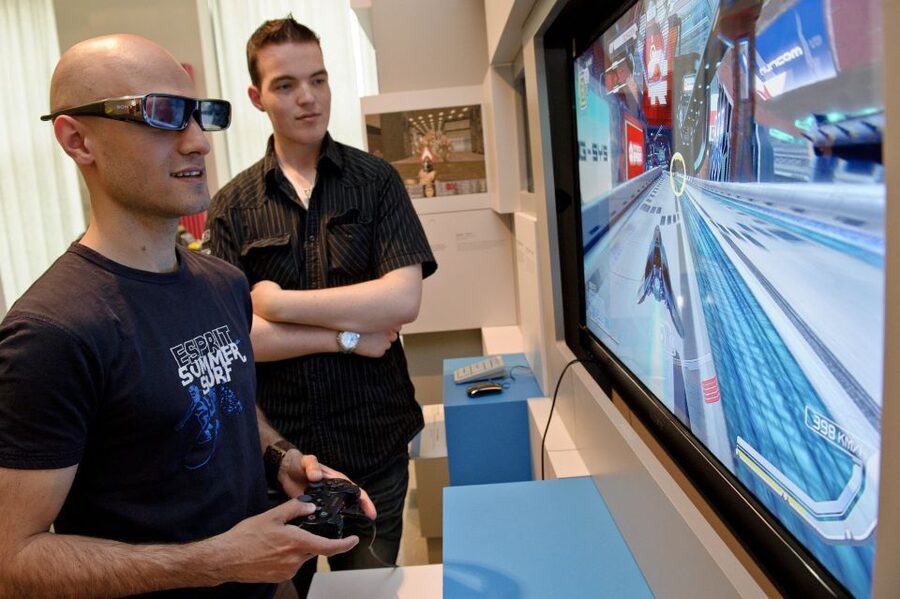
- 3D Gaming Stops: A 3D Television and 3DS Moments
- Permanent Exhibition and Special Exhibition: How to Use Both in One Day
- Ticket Value: What $22 Buys You in Berlin
- Who Should Book This Computer Games Museum Ticket
- Practical Tips for a Smooth Visit (No Stress Required)
- Should You Book This Ticket?
- FAQ
- How much are the Berlin Computer Games Museum tickets?
- How long is the experience valid for?
- What’s included with the ticket?
- Where do I meet for this museum visit?
- Is the museum wheelchair accessible?
- Is a guide included in the ticket price?
- Can I cancel for a refund or pay later?
Key things to know before you go
- 300-plus exhibits across 70 years of computer gaming history
- Wall of Hardware that showcases machines from generations, including Commodore, Game & Watch, and Playstation
- Interactive highlights such as Pong-style play, the Giant Joystick, and the PainStation challenge
- Arcade classics nearby, including coin-operated games like Donkey Kong and Space Invaders
- 3D gaming areas, including a 3D television and experiences with a 3DS
- Permanent plus special exhibitions, so you get more than one rotating moment
More collections to walk through in Berlin
- Berlin: Natural History Museum Entrance Ticket★ 4.6 · 3,382 reviews
- Skip-the-Line: Berlin Wall Museum at Checkpoint Charlie★ 4.1 · 2,041 reviews
- Berlin: Museum Island Multiple Museum Entry Ticket★ 4.4 · 2,007 reviews
- Berlin: “Pergamonmuseum. The Panorama” Exhibition Tickets★ 4.6 · 1,245 reviews
Computer Games Museum Berlin: The 300-Exhibit Time Machine
If you like your history hands-on, this is an easy win in Berlin. The Computer Games Museum on Karl-Marx-Allee is built around one idea: computer games are culture, art, and technology you can touch. With more than 300 exhibits and about 70 years of computer gaming history in one visit window, you get a fast education without turning it into a lecture.
I like that the museum doesn’t treat old games like museum fossils. It places legendary machines and familiar characters next to newer experiences, so you can see what changed, what stayed, and what the design problems were at each step of the journey.
You’re also not locked into one vibe. You can follow the history through milestones, then jump into play on interactive exhibits ranging from old classics to more modern-looking game experiences.
Start at Karl-Marx-Allee and Plan Your 3 to 4 Hour Flow
Your meeting point is Computer Games Museum Berlin, Karl-Marx-Allee 93a, 10243 Berlin. Since this is a ticket valid for 1 day, you can arrive and move at a comfortable pace, and you do not need a strict itinerary to enjoy it.
Here’s how I’d plan your time so you don’t end up “walking fast but learning nothing”:
- Begin with the Wall of Hardware and the general layout so you know what to look for as you go.
- Then switch to the play zones, because interactive exhibits are where the museum really clicks.
- Finish with the areas that benefit from replay or focus, like the 3D experiences and any special exhibition rooms.
I usually recommend building in around 3 to 4 hours. One reason is that interactive stations pull you in, and the arcade-style corners can slow you down when you have to wait for the next turn.
The Wall of Hardware: Real Machines From Commodore to Playstation
One of the most satisfying things here is the Wall of Hardware. It’s a simple concept with big payoff: you can discover favorite machines from multiple generations, including Commodore, Game & Watch, and Playstation. Instead of learning through a timeline on paper, you learn through the physical shapes, interfaces, and hardware styles.
This is also where the “why it mattered” becomes clearer. You can see how controls, displays, and formats evolved, and how that evolution shaped the kinds of games people could make and play. Even if you only recognize a few brands, you’ll still get something out of it, because the museum frames hardware as part of the game design story.
If you’re traveling with kids or mixed-age friends, the Wall of Hardware is a strong starting point because it’s visual and easy to scan. It’s also a good way to spot which era you want to focus on, because your curiosity will usually pick a direction fast.
Pong, Nimrod, PainStation, and the Joy of Pressing Buttons
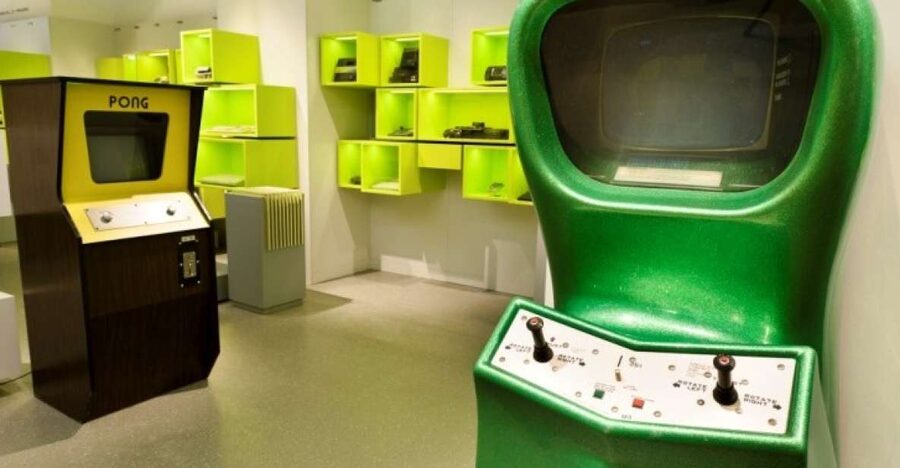
The museum makes a strong promise: you’re invited to explore interactive works of art and games. That’s not a marketing line here. The museum is genuinely set up for play across multiple styles.
Some of the best-known names you’ll run into include:
- Pong, including the arcade-machine legend feeling
- Nimrod
- PainStation, a more daring interactive challenge
- The Giant Controller
- A Giant Joystick experience
What I love about this section is that it gives you different ways to engage. Some stations are about reflexes and score chasing. Others are about handling a controller form factor that feels odd until you adjust. It’s a fun reminder that “games” are both software and physical interaction.




PainStation: Worth It, If You’re Up for a Spicy Challenge
The PainStation is described as a courage test where you get jolts and hits for every ball you miss. That means it’s not for everyone, but it’s also one of the clearest examples of why this museum is unique: it turns older arcade challenge logic into a memorable interactive moment.
If you’re visiting with kids, treat this as an optional “only if you want it” target, not a requirement. For adults, it’s a great conversation piece too, because everyone reacts differently.
Arcade Corner Time: Donkey Kong, Space Invaders, and Turn-Taking
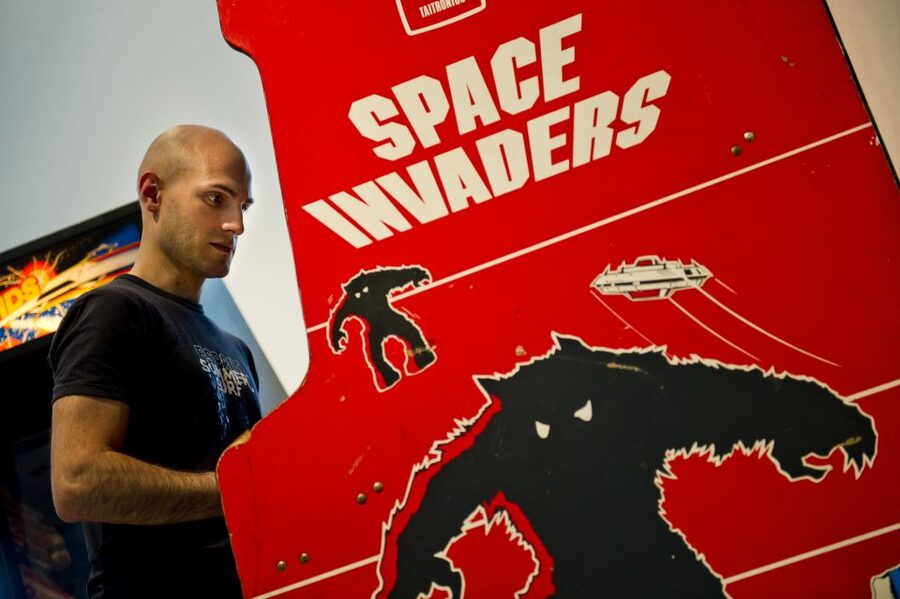
Just around the corner from the bigger historical areas, you’ll find a small amusement arcade with coin-operated machines. You might spot classics such as Donkey Kong and Space Invaders.
This arcade area is popular, and that leads to a real-world visitor consideration. Since it’s small, you may wait to play the machines that everyone wants. If you dislike queues, I’d still say it’s worth checking early in your visit, because your chances of snagging a first round can be better when you start sooner.
One more practical note: older arcade games are often simpler and slower than modern titles. That’s not a flaw, it’s part of the point, but if your group expects today’s speed, you’ll enjoy it more if you go in with the mindset of historical play.
Milestones Wall: Pacman, Bomb Jack, and GTA IV in One Breath
Another highlight track through the museum is the milestones section, with 52 highlights of famous games. You’ll see names like Pacman, Bomb Jack, and Grand Theft Auto IV.
This matters because it helps you connect “the games I remember” to “the games that followed them.” Instead of treating each era as separate, the museum draws lines between design shifts: graphics, rules, control styles, and how games expanded into bigger worlds.
Even if you don’t recognize every title, you’ll still benefit because the museum uses these milestones as signposts. It’s like walking with signboards, not just wandering through rooms of equipment.
3D Gaming Stops: A 3D Television and 3DS Moments
If your gaming interest includes tech trends, make time for the 3D section. The museum includes an area where you can experience the exciting world of 3D games on a 3D television. There are also 3D experiences with the 3DS.
This is a good pivot point when you want a break from the retro feel. It’s not just about visual novelty either. 3D changes how games communicate depth, movement, and player focus. So you’re not only seeing a different device era, you’re seeing a different approach to interaction.
For families, the 3D moments can be a big hit because they feel new even if you are also surrounded by older cabinets. For adult gamers, it can be satisfying because you can compare the design logic across time periods.
Permanent Exhibition and Special Exhibition: How to Use Both in One Day
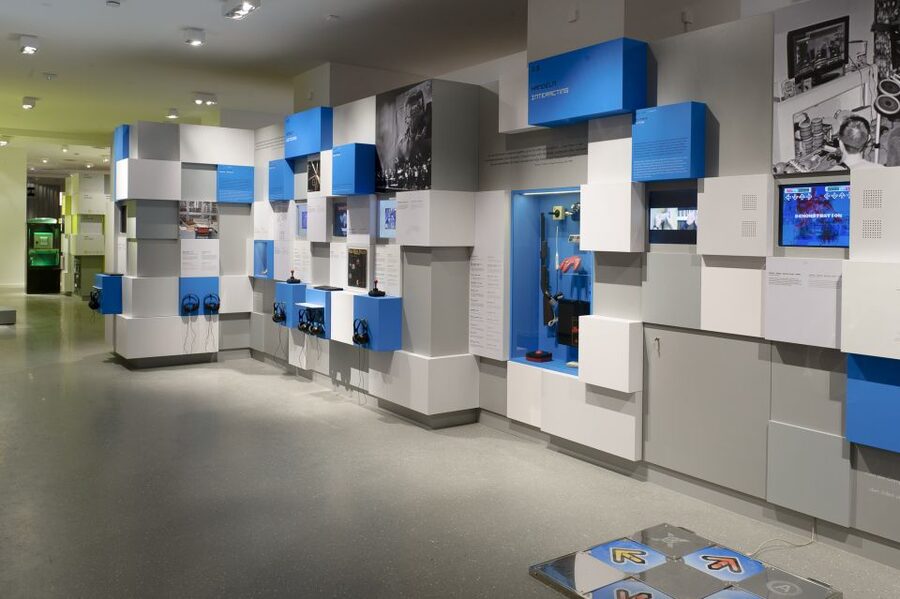
Your ticket includes the permanent exhibition and the special exhibition, which is a smart setup for a 1-day visit. It lets you do the core story first, then add an extra layer without feeling like you’re paying twice for the same thing.
In practice, I suggest you treat the permanent exhibition as your backbone, then use the special exhibition as your “bonus chapter.” If you’re a hardcore fan, spend extra time on anything that looks like it’s showing a specific theme or era. If you’re visiting casually, the special exhibition can help you decide what kind of gaming history you want to leave with, because it often gives context that the general displays can’t fully cover.
Ticket Value: What $22 Buys You in Berlin
At about $22 per person for a full day, this museum is strong value if your idea of sightseeing includes active participation. You’re paying for more than entry. You’re paying for access to:
- Permanent and special exhibitions
- 300-plus exhibits across multiple gaming eras
- Interactive stations where you can play
If you compare it to attractions where you mostly stand and watch, this feels fair. The best part is that the museum makes it easy to engage without needing a specialized background. You can show up knowing a few classics, then leave with an appreciation for how the hardware and game design ideas grew.
Also, since no guide is included, you’re in control. You can move quickly if you have short attention, or slow down if you want to replay things and test your memory.
Who Should Book This Computer Games Museum Ticket
This is a great fit if:
- You want interactive gaming history, not just glass cases
- Your group spans different ages, because you can find something hands-on for everyone
- You enjoy retro arcade culture and want to see the machines that shaped it
It may be less ideal if:
- You hate small, popular spaces and potential waits at arcade cabinets
- You expect lots of modern games, since the focus leans more retro than modern
- You want a museum with lots of separate rooms on many floors, since some visitors wish there were more floors to explore
Practical Tips for a Smooth Visit (No Stress Required)
Here are a few straightforward moves that help your visit feel better:
- Start early enough to test the most in-demand arcade machines first, especially if your group is eager to play.
- If you’re traveling with kids, set expectations: some older games feel slower and simpler. That’s normal here, and it can still be fun.
- Pick 2 or 3 “must-play” stations so you don’t spend the entire day chasing every button at once.
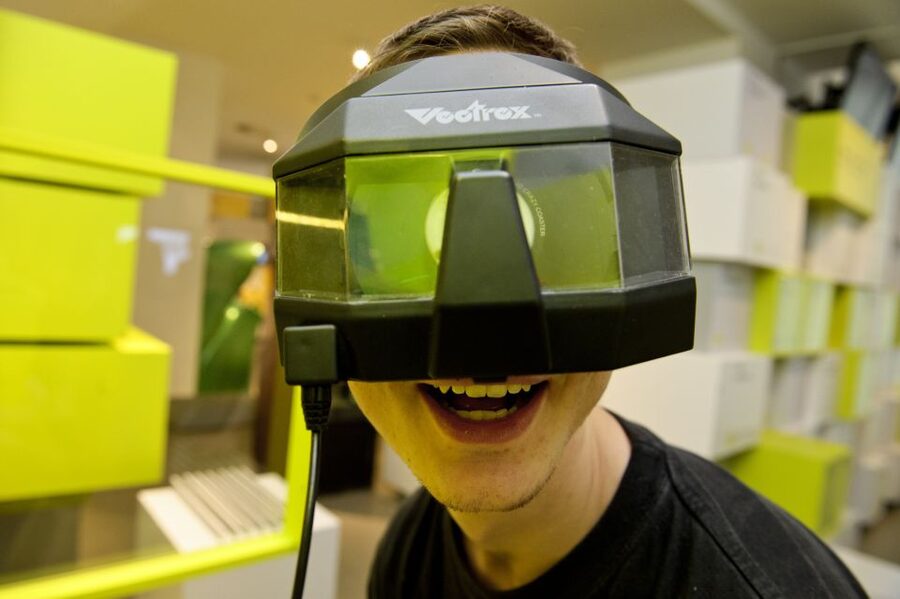
- If you want VR-style experiences, ask at the reception about whether any timed demos are available, because that kind of extra access can pop up depending on what’s running.
That last point is worth repeating. Museums like this can have rotating demo moments, and reception staff are the best source for what’s available that day.
Should You Book This Ticket?
Yes, I’d book it if you want an active, nostalgia-friendly day in Berlin where you can play your way through gaming history. With 300-plus exhibits, both permanent and special exhibitions, and a heavy emphasis on hands-on stations like Pong-style classics, the PainStation challenge, and 3D gaming experiences, it’s built for people who learn best by doing.
Skip it only if you know you dislike queues at popular arcade machines or you’re expecting a modern-gaming museum. If you’re even a little curious about how computer games evolved from early hardware to later 3D thinking, this ticket is a solid value.
FAQ
How much are the Berlin Computer Games Museum tickets?
The price listed is about $22 per person.
How long is the experience valid for?
The ticket is valid for 1 day. You can check availability to see the starting times.
What’s included with the ticket?
Your ticket includes entry for the permanent exhibition and the special exhibitions.
Where do I meet for this museum visit?
The meeting point is Computer Games Museum Berlin, Karl-Marx-Allee 93a, 10243 Berlin.
Is the museum wheelchair accessible?
Yes, the experience is wheelchair accessible.
Is a guide included in the ticket price?
No. A guide is not included.
Can I cancel for a refund or pay later?
You can cancel up to 24 hours in advance for a full refund. There is also a reserve now & pay later option to keep plans flexible.
Museums Worth the Queue in Berlin
Everything else we filed on Berlin
- East Berlin: City of Shadows Walking Tour
★ 5.0 · 11 reviews - Berlin: Die Stachelschweine – Frank Lüdecke – Träumt Weiter
★ 4.7 · 11 reviews - Potsdam Day Trip from Berlin with a Local: Private & Personalized
★ 4.0 · 11 reviews - An Introduction to Berlin Walking Tour
★ 5.0 · 11 reviews - DJ for a Day: Learn to Mix Like a Pro in Berlin
★ 5.0 · 11 reviews - 2-H Segway Sightseeing Tour Berlin
★ 4.5 · 11 reviews
Museums, side by side.
 ★ 4.5Berlin: Jewish Museum Berlin Entrance TicketFrom $08,393 reviews
 ★ 4.3Berlin: DDR Museum TicketsFrom $153,443 reviews
 ★ 4.6Berlin: Natural History Museum Entrance TicketFrom $123,382 reviews
 ★ 4.6Berlin: Neues Museum Entry TicketFrom $163,261 reviews
 ★ 4.4Cologne: Chocolate Museum Entrance TicketFrom $192,790 reviews
 ★ 4.7Dresden: Church of Our Lady Guided Tour of GalleryFrom $152,421 reviews
 ★ 4.1Skip-the-Line: Berlin Wall Museum at Checkpoint CharlieFrom $212,041 reviews
 ★ 4.4Berlin: Museum Island Multiple Museum Entry TicketFrom $272,007 reviews
Other lists this tour is on