

REVIEW · WALKING TOURS
Berlin: walking tour about Charité
Berlin’s medical past is walking distance. This Charité walking tour traces how an 18th-century plague house grew into one of Europe’s most important university hospitals, using real Berlin names and real sites. I especially liked how the guide ties Charité’s 300 years to the people who shaped modern medicine, from street level all the way to the old campus buildings.
I also liked the doctor lineup and the Nobel connections you get along the way. You’ll hear about Rudolf Virchow, Emil von Behring, Robert Koch, and Ferdinand Sauerbruch, and the stories are grounded in what Berlin was dealing with at the time. The tour even points you toward the mysterious medicine temple, Berlin’s oldest surviving teaching building.
One possible drawback: you do not enter the Charité Bed House, and the hospital grounds (Charité Campus Mitte) are not accessible for group tours. So you get strong context and great architecture, but not full behind-the-scenes access to the active hospital.
In This Review
- Key points to know before you go
- Where the Charité story starts, and why it feels different
- Meeting at Charité Tower, then walking Luisenstraße
- The Charité Bed House, why you only see the outside
- Luisenstraße and the university campus, medicine in the city
- Virchow, Koch, Behring, Sauerbruch: the Nobel trail on foot
- The darker side of Charité: Nazi collaboration and medical ethics
- Entering the medicine temple and visiting the TAT
- Price and value for a 2-hour German guided walk
- Should you book the Charité walking tour?
- FAQ
- Where does the tour start?
- How long is the tour?
- What language is the guide?
- Does the tour go inside the Charité Bed House?
- Can I access the Charité Campus Mitte hospital grounds during the tour?
- What other sites does the tour visit?
- What if the TAT is closed?
Key points to know before you go

- A 300-year medical story in one walk, starting from plague-house roots
- Nobel Prize winners and famous doctors, including Virchow, Koch, and Behring
- A medicine temple you can enter, Berlin’s oldest surviving teaching building
- The Animal Anatomical Theatre (TAT) is part of the route and may have hour changes
- You see the hospital from the outside, since the active grounds have access limits
Other walking routes through Berlin
- Berlin: Third Reich and Cold War 2 Hour Walking Tour★ 4.9 · 6,830 reviews
- Berlin: Discover Berlin Walking Tour★ 4.9 · 5,998 reviews
- Berlin’s Best: 2 Hour Walking Tour Third Reich and the Cold War★ 5.0 · 5,486 reviews
- Berlin: Hidden Backyards Guided Walking Tour★ 4.8 · 5,360 reviews
Where the Charité story starts, and why it feels different
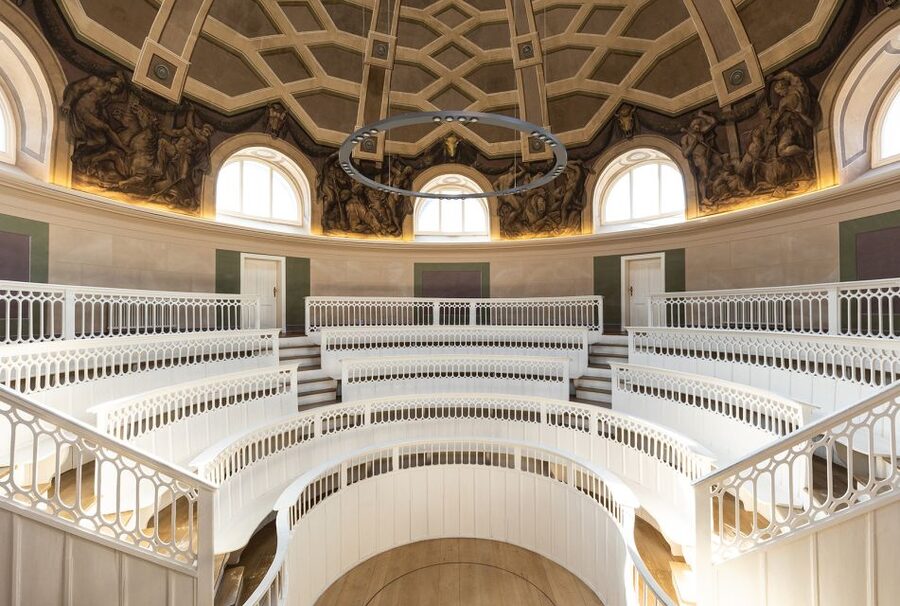
Charité is not just a hospital name. It is a Berlin institution that mirrors the city’s worst days and its best scientific moments. On this walking tour, I like that the story begins with the 18th century, when plague and public health were not academic topics, they were daily reality. That foundation changes how you look at everything that comes later. When the guide moves into breakthrough science and major discoveries, it feels earned, not random trivia.
You’ll get a timeline that connects places to people. Instead of treating famous doctors like museum exhibits, the tour frames them as part of a system that was evolving: teaching hospitals, research, and medical training all tied together inside one of Europe’s most important medical centers. That matters because Charité’s influence spread far beyond Berlin. When you hear the names of Rudolf Virchow, Robert Koch, Emil von Behring, and Ferdinand Sauerbruch, you’re not just hearing accomplishments, you’re hearing how institutions turn ideas into care.
Meeting at Charité Tower, then walking Luisenstraße
The tour starts in front of the Charité Tower, at the crossroads of Schumannstraße, Charitéplatz, and Charitéstraße. The group starts on time, so I suggest you arrive a few minutes early and get your bearings fast. This is a walking tour, so the whole experience depends on not losing time to confusion.
From there, the route follows Luisenstraße and then crosses the university campus areas. That pacing is a big part of why the tour works. You’re not stuck in one spot staring at plaques. You move through the space where teaching, research, and the city overlap. You’ll get outside views of Charité, and the guide uses the route to keep the story moving. Expect a focused walk rather than a sit-down talk.
A practical note: the hospital grounds (Charité Campus Mitte) are not accessible for group tours. That means you will not be roaming through the active complex. You’ll experience it in the way most people can, from the public edges and through key architectural landmarks, while still learning what happens inside historically.
The Charité Bed House, why you only see the outside

The tour starts by positioning you at the Charité Bed House for an outside look. It is tempting to want to go straight into every building, but the rules here are clear: the Bed House is a hospital facility with protection and hygiene regulations, and this tour does not go inside. That limitation could sound boring, but it actually helps you focus.
From the outside, you can still appreciate what the guide is pointing out: how the institution developed from earlier medical functions into a modern university hospital. When you connect the building to the timeline you’re hearing, it stops being just another hospital façade. It becomes a physical link to the 18th century plague-house story and the later rise of Berlin medicine.
If your main goal is architectural storytelling and medical context, you’ll be fine with the outside viewing. If your main goal is maximum interior access, plan for disappointment. For this tour, interior access is reserved for specific teaching spaces later on.
Luisenstraße and the university campus, medicine in the city
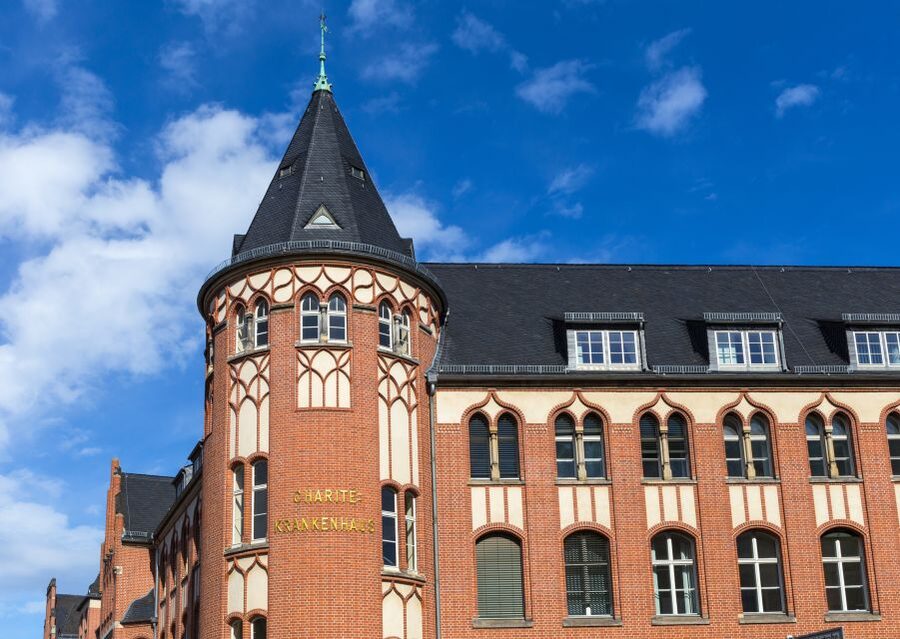
One of my favorite parts of this style of tour is how it shows you that medicine is not isolated. On this walk, Luisenstraße and the university campus areas help you see Charité as part of Berlin’s urban fabric. You’re moving from the hospital-adjacent streets into the educational environment that helped turn Charité into a major teaching hospital.
As you walk, the guide brings in facts about Berlin’s sometimes obscure medical history. That’s the tone I found most useful: small details that make the big names make sense. When you hear about doctors who pushed new methods, it is helpful to understand the training and institutional environment that shaped them.
Also, don’t treat the route as a random stroll. The guide uses the path to keep the narrative tight, linking what you see to what you’re learning. So if you want a tour where you actually understand why each stop exists, this route does that work for you.


Virchow, Koch, Behring, Sauerbruch: the Nobel trail on foot
The heart of the tour is the people. The guide introduces you to famous figures who became closely associated with Berlin medicine. You’ll hear about Rudolf Virchow, who is often linked to the rise of modern pathology and public health thinking. You’ll also hear Robert Koch, tied to germ theory breakthroughs. Then there’s Emil von Behring, connected to the development of therapies that changed infectious disease treatment. And finally Ferdinand Sauerbruch, known for major advances in surgical practice.
You might think these would come as separate biographies. Instead, the tour connects them to the institution and to the era’s pressures. That context is what keeps the stories from feeling like a list. It becomes a thread: how a hospital and university setting can generate discoveries, train physicians, and influence public health.
If you like your history human-sized, this is a strong fit. These names can feel distant in textbooks. Here, you’re walking through the city while learning the institutional and historical background that made those achievements possible.
The darker side of Charité: Nazi collaboration and medical ethics
Berlin history includes hard chapters, and Charité’s record includes them too. During the tour, you’ll hear about dark times when doctors collaborated with the Nazi regime. I appreciated that the guide doesn’t treat medical history as only triumph and discovery. This is part of understanding what scientific power can be used for, and what happens when institutions lose ethical footing.
This section can feel heavy, especially because medicine is supposed to help people. Still, it is important context. When you learn about ethical failures alongside breakthroughs, it makes the later stories about progress feel more real. It also gives you a more complete understanding of how powerful institutions operate, and how culture and politics can shape medical practice.
If you prefer tours that only spotlight achievements, you might find this part challenging. For me, it added weight and credibility. Real history includes the uncomfortable parts, and this tour makes room for that.
Entering the medicine temple and visiting the TAT
Later in the tour, you get to the most intriguing site. You’ll discover the medicine temple, Berlin’s oldest surviving teaching building, hidden in a backyard. The best part is that you can visit it inside. That interior access is rare for a walking tour tied to an active hospital area, and it gives the whole experience a satisfying payoff.
Why it matters: teaching spaces show you how learning was built into the institution. When the guide points out what you’re seeing, you start to understand how Charité became a pipeline for future doctors, not just a treatment site. In other words, it explains how medical knowledge gets passed on and multiplied.
The tour also visits the Animal Anatomical Theatre (TAT). This is where anatomy connects to the practical side of medicine and training. One key detail: the TAT reserves the right to adjust opening hours at short notice due to closed events, and it is closed on public holidays. So if your visit is near a public holiday, consider that the exact experience may change on the day.
Price and value for a 2-hour German guided walk
The price is listed as $27 per person, for about 2 hours. For Berlin, that’s a fair rate when you consider what you’re getting: a live guide, a focused route, and multiple anchored stops tied to Charité’s major medical figures and major teaching architecture. You’re not just learning names, you’re building a mental map of how an institution evolved over centuries.
The tour is German, so language matters. If you’re not comfortable with German, you may not catch the full story. For English speakers, this is the one practical constraint to weigh.
Another value point: you end back at the meeting point, which keeps your day simple. You also get to see what you can only see from the outside when it comes to the active hospital complex, then you get interior access to specific educational spaces. That mix feels efficient.
Should you book the Charité walking tour?
Book it if you want a clear, human-sized story of Berlin medicine that connects real places to real scientists, including Virchow, Koch, Behring, Koch, and Sauerbruch. It’s a strong choice when you care about the institution behind the achievements, not just the achievements themselves.
Skip it if your top priority is entering the active hospital facilities, since the Bed House is not entered and the hospital grounds are not open for group tours. Also think twice if you need an English-language guide, because this one is German.
If you like your history practical, a little sobering, and anchored in buildings you can actually stand in front of, this tour is a smart use of two hours in Berlin.
FAQ
Where does the tour start?
It starts in front of the Charité Tower at the crossroads of Schumannstraße, Charitéplatz, and Charitéstraße.
How long is the tour?
The tour duration is 2 hours. Starting times vary, so you should check availability.
What language is the guide?
The live tour guide speaks German.
Does the tour go inside the Charité Bed House?
No. The tour does not go inside the Charité Bed House because it is a hospital facility with protection and hygiene regulations.
Can I access the Charité Campus Mitte hospital grounds during the tour?
No. The hospital grounds (Charité Campus Mitte) are not accessible for group tours.
What other sites does the tour visit?
The tour includes a visit to the Animal Anatomical Theatre (TAT) and an interior visit to Berlin’s oldest surviving teaching building (the medicine temple).
What if the TAT is closed?
The TAT can adjust its opening hours at short notice due to closed events and it is closed on public holidays, so the visit may be affected on those dates.
Pavements of Berlin
Everything else we filed on Berlin
- East Berlin: City of Shadows Walking Tour
★ 5.0 · 11 reviews - Berlin: Die Stachelschweine – Frank Lüdecke – Träumt Weiter
★ 4.7 · 11 reviews - Potsdam Day Trip from Berlin with a Local: Private & Personalized
★ 4.0 · 11 reviews - An Introduction to Berlin Walking Tour
★ 5.0 · 11 reviews - DJ for a Day: Learn to Mix Like a Pro in Berlin
★ 5.0 · 11 reviews - 2-H Segway Sightseeing Tour Berlin
★ 4.5 · 11 reviews
Walking Tours, side by side.
 ★ 5.0Discover Berlin Half-Day Walking TourFrom $249,624 reviews
 ★ 4.9Berlin: Third Reich and Cold War 2 Hour Walking TourFrom $236,830 reviews
 ★ 4.6Munich: Third Reich & WWII Walking TourFrom $316,181 reviews
 ★ 4.9Berlin: Discover Berlin Walking TourFrom $235,998 reviews
 ★ 5.0Berlin’s Best: 2 Hour Walking Tour Third Reich and the Cold WarFrom $245,486 reviews
 ★ 4.8Berlin: Hidden Backyards Guided Walking TourFrom $235,360 reviews
 ★ 4.5Third Reich Walking Tour MunichFrom $454,291 reviews
 ★ 5.0Third Reich Berlin: Hitler and WWII Walking TourFrom $243,301 reviews