
REVIEW · MUSEUMS
Berlin’s Gallery Scene
Berlin hides art behind ordinary doors. This 3-hour small-group walk through Berlin Mitte’s gallery scene helps you see contemporary art with context, not just as a quick photo stop. I especially like the art historian guide approach, where each room gets historical and cultural meaning, and the mix of spaces, from major institutions to smaller galleries. One thing to plan for: KW Institute for Contemporary Art requires an extra entrance fee.
I also like that the route focuses on why Berlin became a magnet for creativity after 1989, so the art connects to real events you can point to. Guides such as Justin and Laureline are praised for bringing depth and for having done their homework on what’s on view. If you’re visiting on a Tuesday, note KW is closed, so you’ll do the walking portion only.
In This Review
- Key highlights at a glance
- Berlin’s Mitte gallery tour, built for smart looking
- How the art historian guide changes the whole experience
- Stop by stop: KW Institute to Galerie Giti Nourbakhsch
- Stop 1: KW Institute for Contemporary Art
- Stop 2: Auguststrasse at Michael Fuchs Galerie
- Stop 3: Potsdamer Straße at Esther Schipper
- Stop 4: Galerie Eigen & Art
- Stop 5: Galerie Giti Nourbakhsch
- Why this route connects art to Berlin’s post-1989 shift
- Value, price math, and what you should budget
- Timing, movement, and how to make the most of the walk
- Who should book this Berlin gallery scene tour
- Should you book it?
- FAQ
- How long is the tour?
- What is the group size?
- Where does the tour start?
- How much does the tour cost?
- Is pickup available?
- Do I need to buy tickets for KW Institute for Contemporary Art?
- Are the other galleries free?
- Is there a mobile ticket?
- What happens if I book for a Tuesday?
- Is the tour private?
- Can I cancel for a refund?
Key highlights at a glance
- Small-group size up to 10 so questions feel normal, not rushed
- Professional art historian guidance that turns looking into understanding
- KW Institute stop (extra ticket) plus several free-entry galleries
- A focused Mitte to Potsdamer Platz route you can actually map in your head
- Buildings with stories, including former school and assembly hall spaces
More collections to walk through in Berlin
- Berlin: Natural History Museum Entrance Ticket★ 4.6 · 3,382 reviews
- Skip-the-Line: Berlin Wall Museum at Checkpoint Charlie★ 4.1 · 2,041 reviews
- Berlin: Museum Island Multiple Museum Entry Ticket★ 4.4 · 2,007 reviews
- Berlin: Interactive DeJa Vu Museum Entrance Ticket★ 4.1 · 1,338 reviews
Berlin’s Mitte gallery tour, built for smart looking
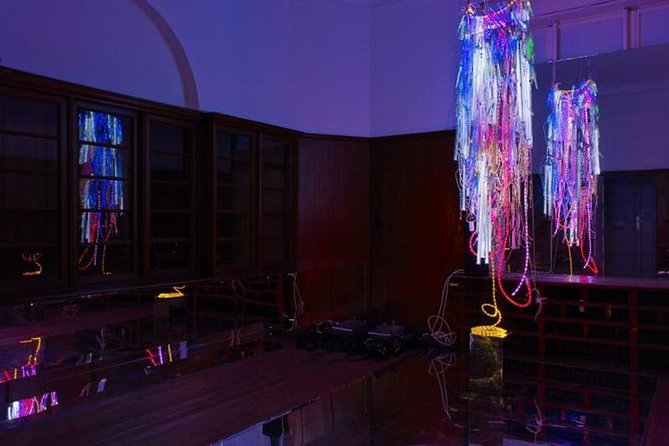
Berlin’s art scene is famous for a reason. It changed fast after the Wall fell, and galleries popped up everywhere as artists, collectors, and institutions tested new ideas. This tour gives you a tight, walkable way to understand that shift, without making you read a textbook on the move.
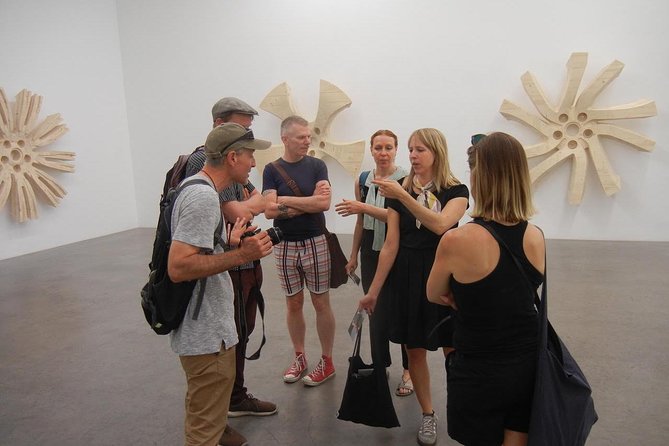
You’ll go with a professional art historian guide and a small group. That matters, because gallery art is easy to misread if you don’t know what questions to ask. Here, the guide helps you slow down, look more carefully, and connect what you see to the larger Berlin story.
The setting is Mitte and nearby Potsdamer Platz, a route that makes sense for first-timers. You get a concentrated sample of what makes Berlin feel different from cities that mainly sell museum masterpieces. Instead, you’re seeing the living, changing system where artists keep showing and galleries keep experimenting.
How the art historian guide changes the whole experience
What makes this tour special is not that you walk into galleries. Lots of people can do that. What you get here is a guide who explains the thinking behind the art and the spaces.
In the best moments, the art historian helps you notice patterns you might otherwise miss. You learn why certain artists thrive in Berlin, how institutions shifted roles after 1989, and why contemporary art found room to grow. One review highlight was the way guides offered an insider view, including both local artists and connections to iconic German painters.
Another strong point is the balance between eye-pleasing works and more challenging pieces. Even if you usually like one kind of art and avoid the rest, you’ll likely find something that clicks. And if it does not click, the guide’s context can still give you language for what you’re reacting to.
Also, this is a private tour for your group. That tends to make the conversation more natural, especially if you want to ask follow-up questions or you have specific interests, like how gallery spaces affect how art lands.
Stop by stop: KW Institute to Galerie Giti Nourbakhsch
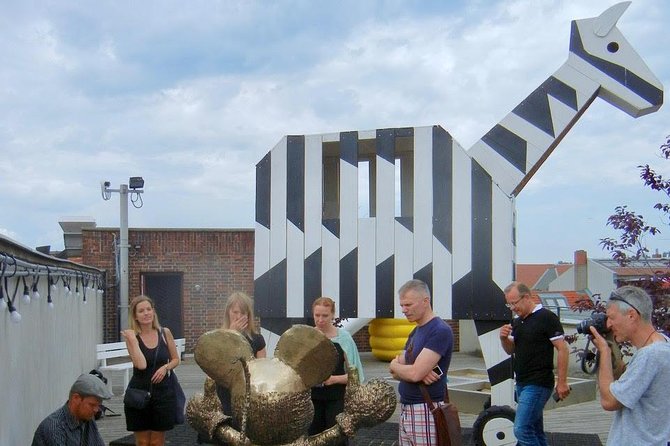
This is a short, focused run of gallery visits spread over about three hours. You’ll spend most time at the anchor stop, and then you move through several smaller galleries where the vibe can change quickly from one room to the next. The itinerary can adjust based on what’s showing and major events.
Stop 1: KW Institute for Contemporary Art
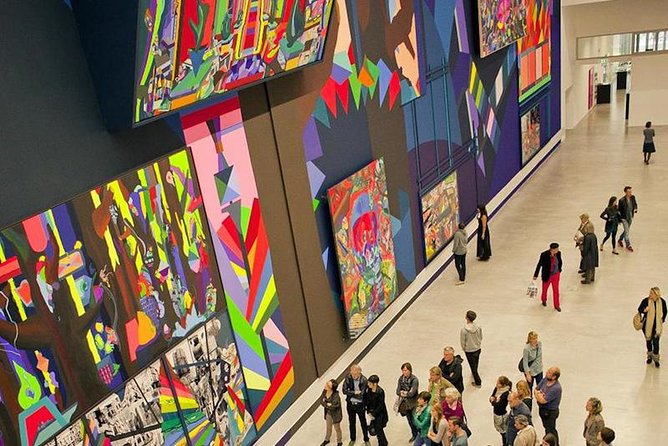
KW Institute for Contemporary Art is one of the most important contemporary art institutions in Germany. The key detail is that it has no collection of its own. Instead, it works like a laboratory for exhibitions, artist ateliers, and current events in contemporary culture.
Plan for about 40 minutes here, and budget the entrance fee. The tour lists €10 for adults and €6 for seniors or students. That’s a real extra cost, but it also means you’re spending time in a major, purposeful space rather than just walking past it.
If you like contemporary art that explains its own rules, this is where you start. You’ll likely feel the institution’s mission right away because the space is built for ongoing change, not a static display.
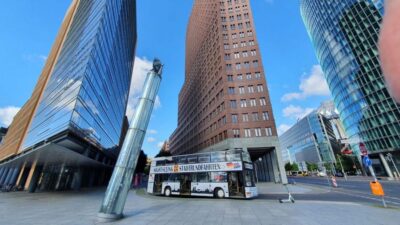
Stop 2: Auguststrasse at Michael Fuchs Galerie
Next you head to Auguststrasse and Michael Fuchs Galerie. This stop is free, which is great value on a tour that includes a paid anchor museum-like site.
The setting adds a lot to the experience. The gallery is in a former assembly hall and in two classrooms of the former Jewish Girls School. That kind of layered architecture matters in Berlin, where many buildings carry multiple eras at once.
You’ll get about 30 minutes here, and it tends to emphasize contemporary art mixed with classical modernist works. The changing solo and group exhibitions mean the experience can feel fresh, even if you have seen Berlin galleries before.
Stop 3: Potsdamer Straße at Esther Schipper
At Potsdamer Straße, you visit Esther Schipper, a contemporary gallery based in Berlin. This stop is free and takes about 20 minutes.
The practical benefit of this stop is variety. After the institutional weight of KW and the historically charged architecture at Auguststrasse, Esther Schipper helps reset your eye for what a gallery can feel like when it’s focused on contemporary programming. Even if you do not know the artist names in advance, you can read the gallery’s choices through the works displayed.
Stop 4: Galerie Eigen & Art
Then you go to Galerie Eigen & Art, also free and about 20 minutes. This gallery is located in a former school, and it hosts temporary exhibitions of international contemporary artists.
Again, the building matters. Schools, classrooms, and assembly spaces are built for purpose, and you can feel that purpose when the walls hold art. The temporary nature of the exhibits also reinforces one of Berlin’s big themes: contemporary art is not meant to stay still.
If you enjoy galleries that feel intimate and a little like you are walking into someone’s working world rather than a formal museum, this stop often lands well.
Stop 5: Galerie Giti Nourbakhsch
Your final gallery stop is Galerie Giti Nourbakhsch on the Potsdamer Platz gallery district area. This visit is about 20 minutes.
The tour notes an admission ticket may be required here, so it’s worth checking your included items and any on-site fees before you assume everything is free. Giti Nourbakhsch is a Berlin gallerist and a founding member of Berlin Gallery Weekend. That connection is useful context if you have heard the term and want to understand why events like that matter.
This last stop is a good moment to see the route as a whole. You can compare the institutional style at KW, the historically repurposed spaces, and the different ways galleries stage contemporary work.
Why this route connects art to Berlin’s post-1989 shift
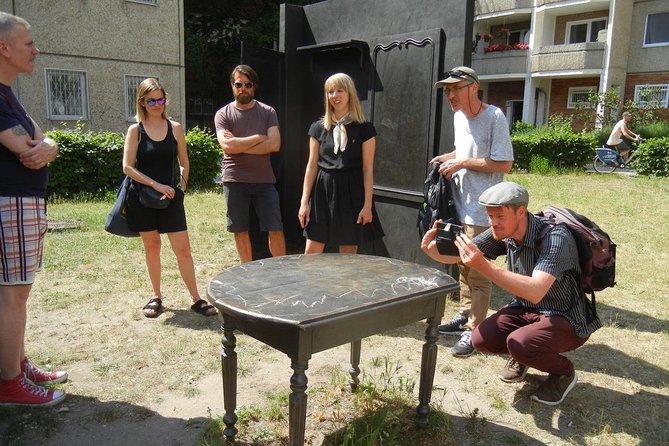
Berlin’s post-1989 story is not abstract here. The tour is designed around the idea that contemporary art flourished after the Wall fell, and the city turned into a center for creativity over the last 25 years.
The guide’s job is to put what you see into historical context while you’re standing in front of the work. That’s the difference between reading a label in a museum and getting meaning while you watch how the city built a new art ecosystem.
And the neighborhood choice helps. Mitte and the nearby gallery district areas give you a concentrated view of how the art scene grew in the city’s cultural center rather than spreading out to only one far-flung museum cluster. You get the sense of Berlin as a working network, not a set of isolated attractions.
Value, price math, and what you should budget
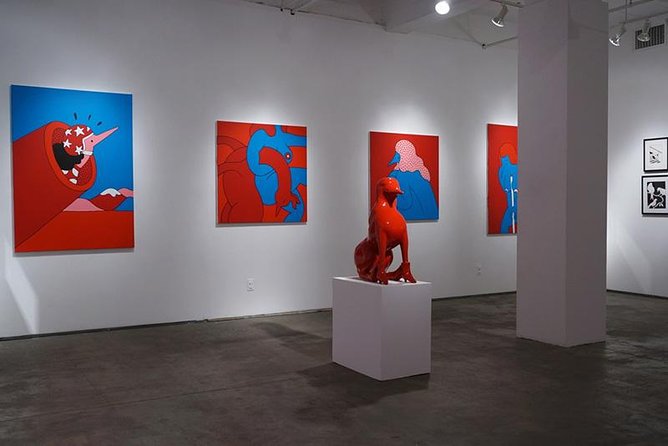
The tour costs $330 per group, up to 10 people. That is where the value math starts to matter.
If you book with a full group, the effective per-person cost is much lower than if you end up with only a couple of people. Because the tour is a private group for your party, you’ll also want to consider whether you’ll be paying for your group size rather than a per-person ticket. If you’re traveling solo or as a couple, you may want to check if joining a later group is possible, since the per-person cost can rise.
Also budget for the one paid stop. KW Institute requires an extra entrance fee. Everything else listed as free entry helps offset that, so the total out-of-pocket expense can still be reasonable.
The tour includes the professional art historian guide and that it’s private for your group. A mobile ticket is included, and pickup is offered. That combination usually means fewer logistics headaches for you.
Duration is about three hours, so you’re getting a dense artistic hit without committing to a half-day museum marathon. You’re also walking between stops in central areas, which keeps the day from feeling fragmented.
Timing, movement, and how to make the most of the walk
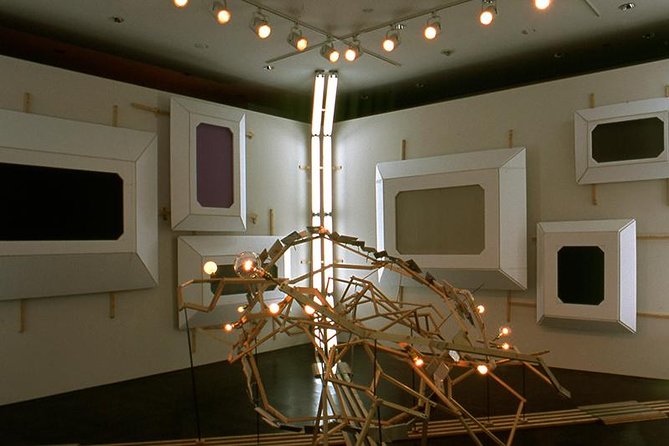
This is a morning or afternoon tour format, and the pace is built for moving between galleries efficiently. The tour is around three hours, with the largest block of time at KW and shorter windows at each gallery afterward.
Because it’s a walking route, you’ll be happiest if you dress for movement. Wear shoes you trust. Also, galleries can have different temperatures, so bring a light layer if you’re sensitive to indoor cold or heat.
One more timing note that matters for planning: KW Institute for Contemporary Art is closed on Tuesday, and the tour will operate the walking portion only that day. If you’re visiting on a Tuesday and KW is the main draw for you, you may want to shift to another day when possible.
Who should book this Berlin gallery scene tour
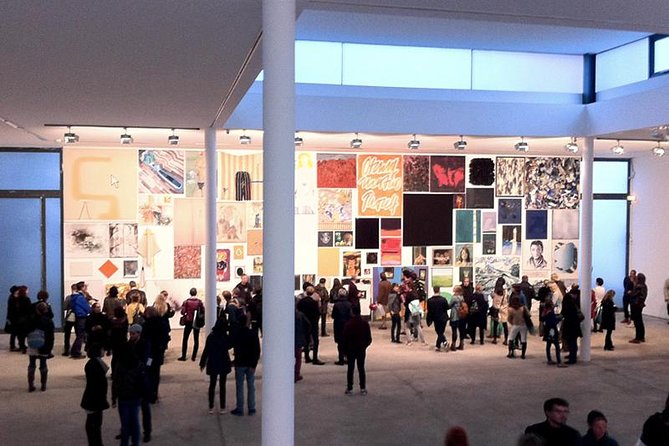
This is a great match if you want Berlin art without the guesswork. If you’re curious about contemporary art but worried you will miss the point, an art historian guide is exactly what you want.
It also suits you if you like practical structure. Instead of spending time wandering from gallery to gallery, you get an intentional route in Mitte. You’ll also enjoy it if you want historical context tied directly to what you’re seeing, not context delivered in a lecture format.
You may prefer a different tour if you only want one big museum-style institution. This route is more about galleries and the art ecosystem than about a single mega-collection. But if you want variety and the feeling of Berlin as a current cultural system, this format is strong.
If you’re a group of friends, the per-group pricing can work nicely, especially when you want a shared experience with discussion rather than a silent audio-guide day.
Should you book it?
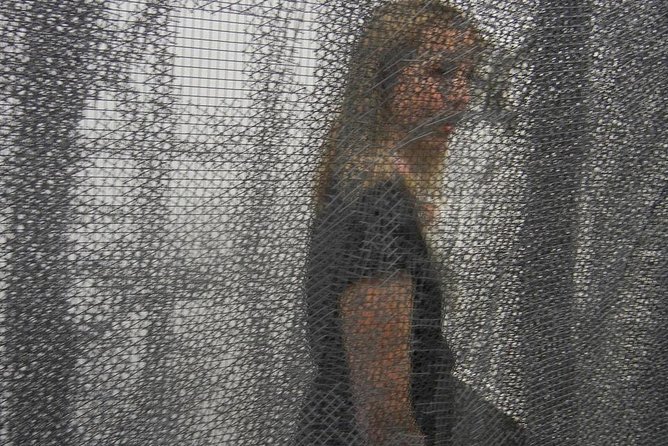
I think you should book this tour if you want contemporary art plus real context, and you like the idea of walking into Berlin spaces that have their own backstories. The small-group size, the art historian guidance, and the mix of KW plus free-entry galleries make it feel like more than a basic gallery stroll.
If you can’t do extra admission at KW, or if you’re visiting on a Tuesday and KW matters most, then weigh the value carefully based on your dates. For most people, though, it’s a smart way to get oriented in Berlin’s gallery scene fast, with enough time at each stop to actually see what you’re looking at.
FAQ
How long is the tour?
It runs for about 3 hours.
What is the group size?
It is a small group, up to 10 people.
Where does the tour start?
The meeting point is Schöneberger Ufer 65, 10785 Berlin.
How much does the tour cost?
The price is $330 per group.
Is pickup available?
Yes, pickup is offered.
Do I need to buy tickets for KW Institute for Contemporary Art?
Yes. KW Institute entrance fees are not included. It lists €10 for adults and €6 for seniors or students.
Are the other galleries free?
Some stops are listed as free entry: Auguststrasse (Michael Fuchs Galerie), Esther Schipper, and Galerie Eigen & Art. Galerie Giti Nourbakhsch is listed as not included for ticket entry.
Is there a mobile ticket?
Yes, a mobile ticket is included.
What happens if I book for a Tuesday?
KW Institute for Contemporary Art is closed on Tuesday, so the tour will operate only the walking portion that day.
Is the tour private?
Yes. It is private, and only your group participates.
Can I cancel for a refund?
Yes. You can cancel up to 24 hours in advance for a full refund.
Museums Worth the Queue in Berlin
Everything else we filed on Berlin
- Private Photo Tour in Kreuzberg
★ 5.0 · 3 reviews - Kreuzberg Private Walking Tour: Immigrants, Artists & Hipsters
★ 5.0 · 3 reviews - Berlin’s Jewish Heritage: Private Tour of the Vibrant Jewish District
★ 5.0 · 3 reviews - Individual city tour Berlin for max. 8 persons
★ 5.0 · 3 reviews - Berlin & The Third Reich Private Guided Tour
★ 5.0 · 3 reviews - Private Analogue Photography Experience in Berlin
★ 5.0 · 3 reviews
Museums, side by side.
 ★ 4.5Berlin: Jewish Museum Berlin Entrance TicketFrom $08,393 reviews
 ★ 4.3Berlin: DDR Museum TicketsFrom $153,443 reviews
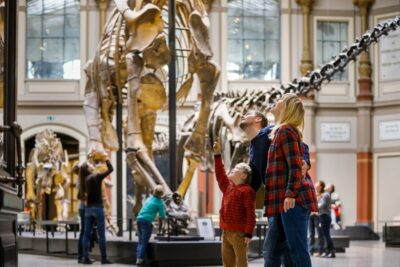 ★ 4.6Berlin: Natural History Museum Entrance TicketFrom $123,382 reviews
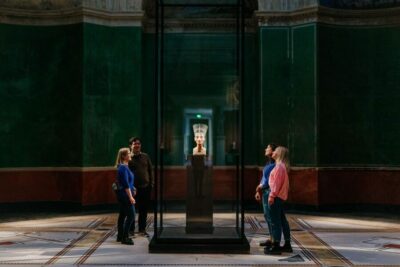 ★ 4.6Berlin: Neues Museum Entry TicketFrom $163,261 reviews
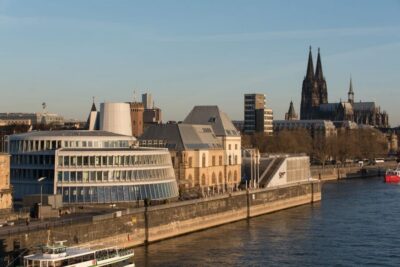 ★ 4.4Cologne: Chocolate Museum Entrance TicketFrom $192,790 reviews
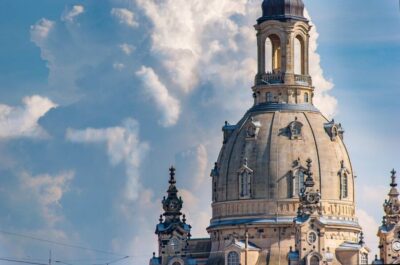 ★ 4.7Dresden: Church of Our Lady Guided Tour of GalleryFrom $152,421 reviews
 ★ 4.1Skip-the-Line: Berlin Wall Museum at Checkpoint CharlieFrom $212,041 reviews
 ★ 4.4Berlin: Museum Island Multiple Museum Entry TicketFrom $272,007 reviews
Other lists this tour is on